
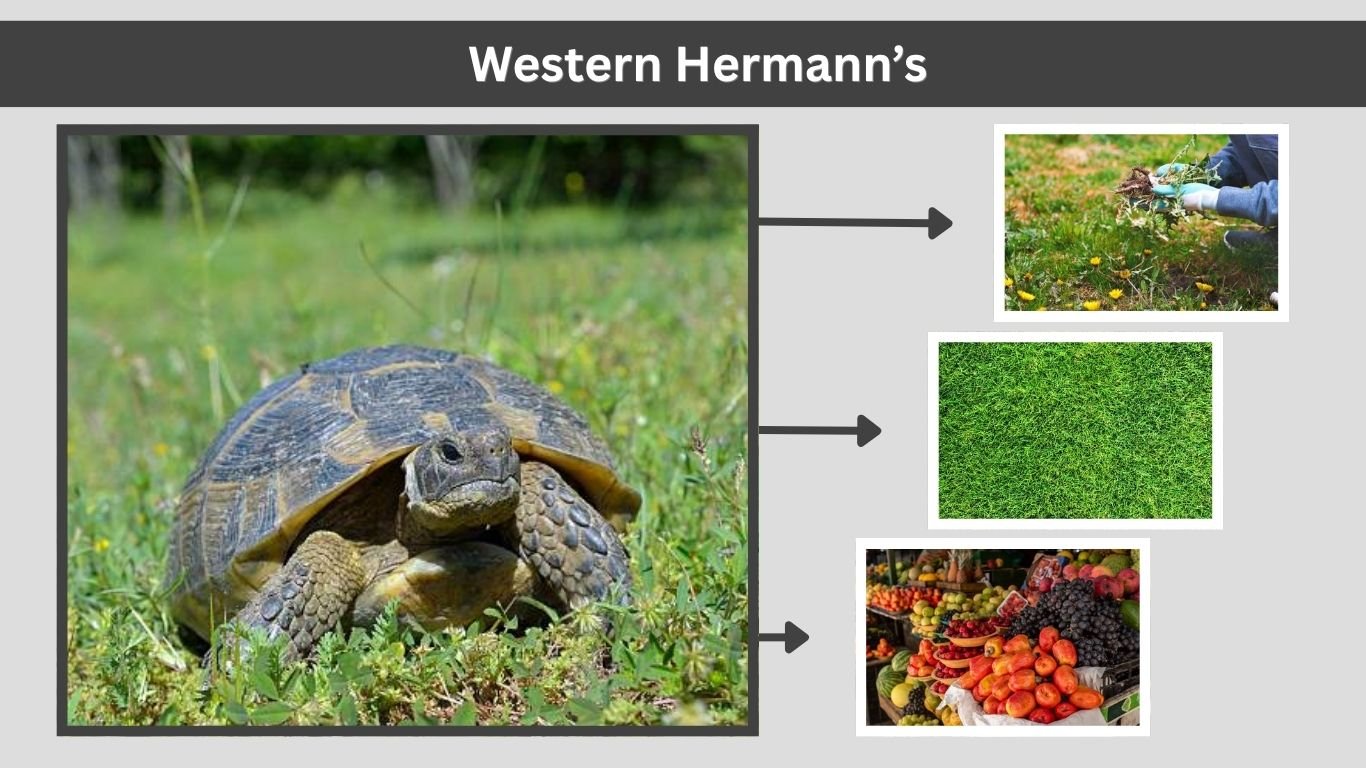
Western Hermann’s tortoises are among the most popular pet tortoises due to their manageable size, attractive shell patterns, and friendly nature. Native to Southern Europe, this subspecies (Testudo hermanni hermanni) is often called the “Western” or “Tuscan” Hermann’s tortoise. They are smaller and more colorful than their Eastern counterparts, making them highly desirable for reptile enthusiasts. Understanding their size, care needs, diet, and behavior is essential for keeping them healthy and ensuring they live a long, fulfilling life in captivity.
What Is a Western Hermann’s Tortoise?
The Western Hermann’s tortoise is a small to medium-sized tortoise species known for its bright yellow and black shell pattern. It is commonly found in regions like Italy, southern France, and parts of Spain. This tortoise thrives in warm, dry environments with access to vegetation and sunlight.
Unlike many larger tortoise species, Western Hermann’s tortoises are relatively easy to manage due to their smaller size. They are active during the day and enjoy exploring their surroundings. Their strong, domed shell and sturdy limbs make them well adapted to both wild and captive environments.
Western vs Eastern Hermann’s Tortoise
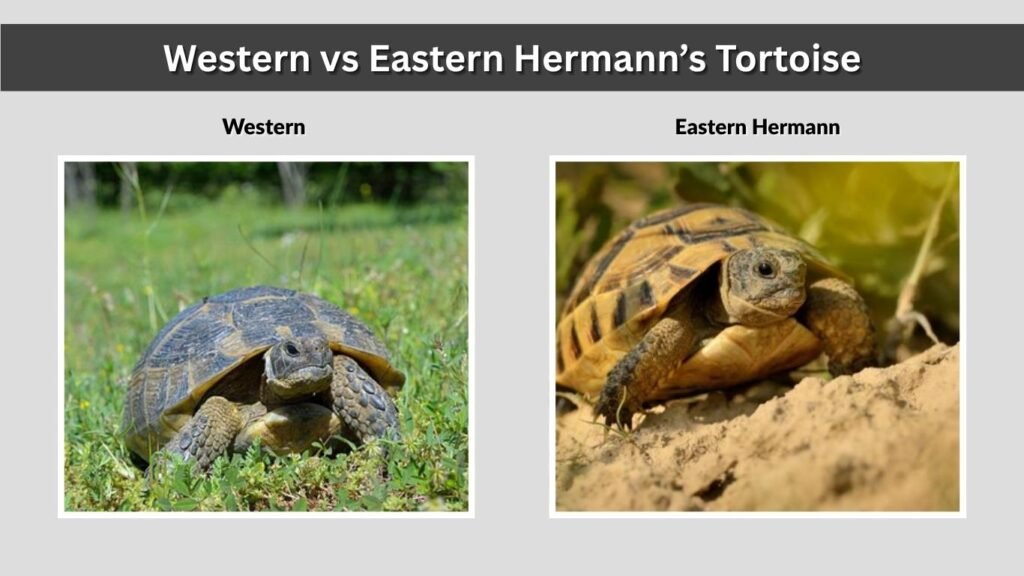
Understanding the differences between Western and Eastern Hermann’s tortoises is important when choosing the right pet.
Key Differences
- Western Hermann’s tortoises are smaller in size
- They have brighter yellow and black shell patterns
- Eastern varieties tend to grow larger
- Western tortoises are more popular in the pet trade
Which One Is Better as a Pet?
- Western: easier to handle due to smaller size
- Eastern: more tolerant of varied climates
- Western: preferred for beginners and indoor setups
Western Hermann’s Tortoise Size and Growth
Western Hermann’s tortoises are considered small compared to many other tortoise species. Their growth is steady and depends on diet, environment, and overall care quality.
- Average adult size ranges from 5 to 7 inches
- Females are typically slightly larger than males
- Growth can take several years to reach full size
- Western dwarf varieties remain even smaller
A healthy tortoise will show gradual growth rather than rapid increases in size. Proper nutrition and a well-maintained environment play a major role in their development.
Lifespan and Long-Term Commitment

Western Hermann’s tortoises are incredibly long-lived reptiles, often outliving their owners if properly cared for. Their lifespan can range from 50 to 100 years, making them one of the longest-living pet reptiles.
Owning one requires serious long-term commitment. Unlike short-lived pets, these tortoises may become a multigenerational responsibility. Their longevity depends on proper diet, consistent care, and a stable environment. With the right conditions, they can remain active and healthy for decades.
Western Hermann’s Tortoise Care Guide
Providing the right care setup is essential for maintaining a healthy Western Hermann’s tortoise. Their needs are relatively straightforward but must be followed consistently.
Enclosure Setup
- Outdoor enclosures are ideal in warm climates
- Indoor enclosures should be spacious and secure
- Provide hiding areas and natural elements
Temperature and Humidity
- Maintain a warm basking area
- Ensure moderate humidity levels
- Adjust conditions seasonally
Lighting and UVB
- UVB lighting is essential for shell health
- Natural sunlight is highly beneficial
- Prevent calcium deficiency with proper lighting
Western Hermann’s Tortoise Diet
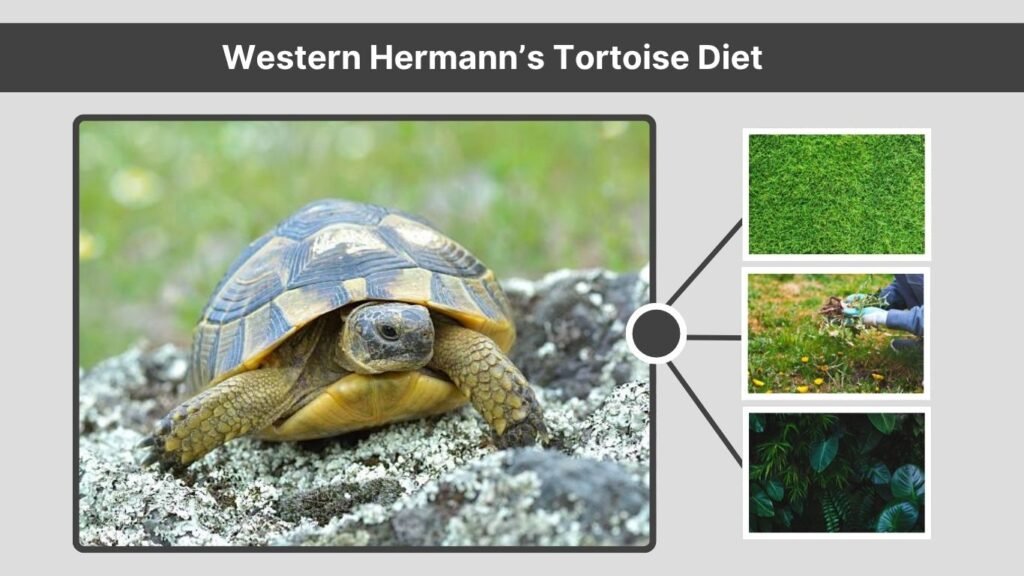
The Western Hermann’s tortoise is primarily herbivorous, meaning its diet consists mostly of plant-based foods. In the wild, they feed on grasses, weeds, and leafy vegetation, which should be closely replicated in captivity.
Their diet should include a variety of leafy greens such as dandelion, kale, and collard greens. Weeds and edible flowers are also excellent choices. Fruits can be offered occasionally but should be limited due to their sugar content.
Calcium supplementation is important for maintaining strong bones and a healthy shell. A balanced diet combined with proper lighting ensures that the tortoise receives all necessary nutrients for long-term health.
Can Western Hermann’s Tortoises Be Kept Indoors?
Western Hermann’s tortoises can be kept indoors, but it is not always the ideal setup. In the wild, they are exposed to natural sunlight, fresh air, and large roaming spaces. Replicating these conditions indoors requires careful planning.
An indoor enclosure must be spacious, well-lit, and properly heated. UVB lighting is essential to replace natural sunlight, and temperature gradients must be maintained so the tortoise can regulate its body heat. While indoor housing can work, regular outdoor time is highly beneficial whenever the climate allows.
Personality and Behavior
Western Hermann’s tortoises are known for their active and curious nature. They often explore their surroundings and may even recognize their owners over time.
- Generally calm and non-aggressive
- Enjoy exploring their enclosure
- Can become interactive with regular handling
- Active during daytime hours
Their personality makes them appealing pets, especially for keepers who enjoy observing natural behaviors.
Western Hermann’s Tortoise Price and Buying Guide
Buying a healthy tortoise from a reliable source is crucial for long-term success.
Price Range
- Baby tortoises are usually more affordable
- Adults cost more due to age and size
- Rare or dwarf varieties may be priced higher
Where to Buy
- Reputable breeders are the best option
- Specialized reptile stores
- Avoid wild-caught tortoises
What to Check Before Buying
- Clear, bright eyes
- Smooth and firm shell
- Active and alert behavior
Baby Western Hermann’s Tortoise Care
Caring for baby tortoises requires extra attention, as they are more delicate than adults. They need stable conditions and proper nutrition to grow healthily.
Young tortoises require slightly higher humidity levels and softer foods that are easy to digest. They are also more sensitive to stress, so handling should be minimal. Monitoring their eating habits and activity is essential during early growth stages.
Breeding and Eggs
Breeding Basics
- Sexual maturity reached after several years
- Breeding usually occurs in warmer months
- Males may show more active behavior
Eggs and Incubation
- Females lay multiple eggs per clutch
- Eggs require controlled incubation conditions
- Hatchlings emerge after several weeks
Western Hermann’s vs Russian Tortoise
This comparison helps potential owners choose the right species based on lifestyle and care ability.
- Western Hermann’s are smaller and more colorful
- Russian tortoises tolerate drier conditions
- Western Hermann’s require slightly more care attention
- Russian tortoises are often considered hardier
Common Mistakes to Avoid
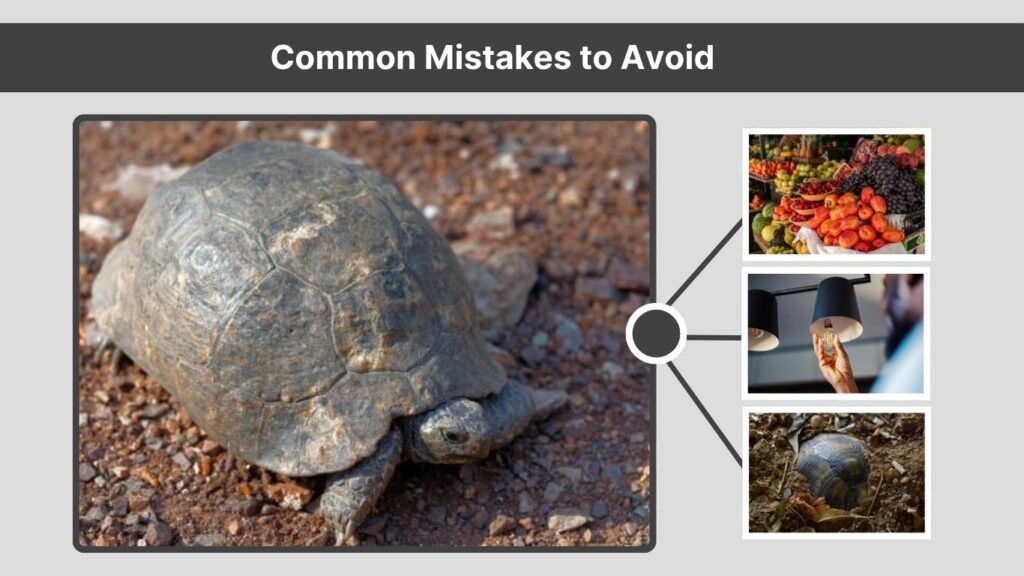
Overfeeding Fruits
Too much fruit can cause digestive issues due to high sugar content. A plant-based diet should remain the main focus.
Lack of UVB Lighting
Without proper UVB exposure, tortoises can develop shell deformities and bone problems.
Small Enclosures
Limited space restricts natural movement and can lead to stress and poor health.
Improper Humidity
Incorrect humidity levels can affect hydration and overall well-being, especially in younger tortoises.
FAQs
How big do Western Hermann’s tortoises get?
Western Hermann’s tortoises usually grow between 5 and 7 inches in length. Females are often slightly larger than males, and growth depends on proper diet and care.
What is the lifespan of a Western Hermann’s tortoise?
They can live between 50 and 100 years with proper care. This makes them a long-term commitment that may span generations.
Can Western Hermann’s tortoises live indoors?
Yes, they can live indoors if provided with proper UVB lighting, heating, and enough space. However, outdoor access is always beneficial when possible.
What do Western Hermann’s tortoises eat?
They mainly eat leafy greens, weeds, and vegetables. Fruits should be given occasionally, and calcium supplements are important for shell health.
How much does a Western Hermann’s tortoise cost?
Prices vary depending on age and breeder, but baby tortoises are generally more affordable than adults. Rare varieties may cost more.