

Tortoise shells are known for their diverse patterns, colors, and structures, making each type unique and easily recognizable. From bold star-like designs to subtle earthy tones, these shells reflect the natural habitats and adaptations of different tortoise species. Understanding the various types helps in identifying them while also highlighting their ecological importance and the need for conservation.
1. Hawksbill Tortoise Shell
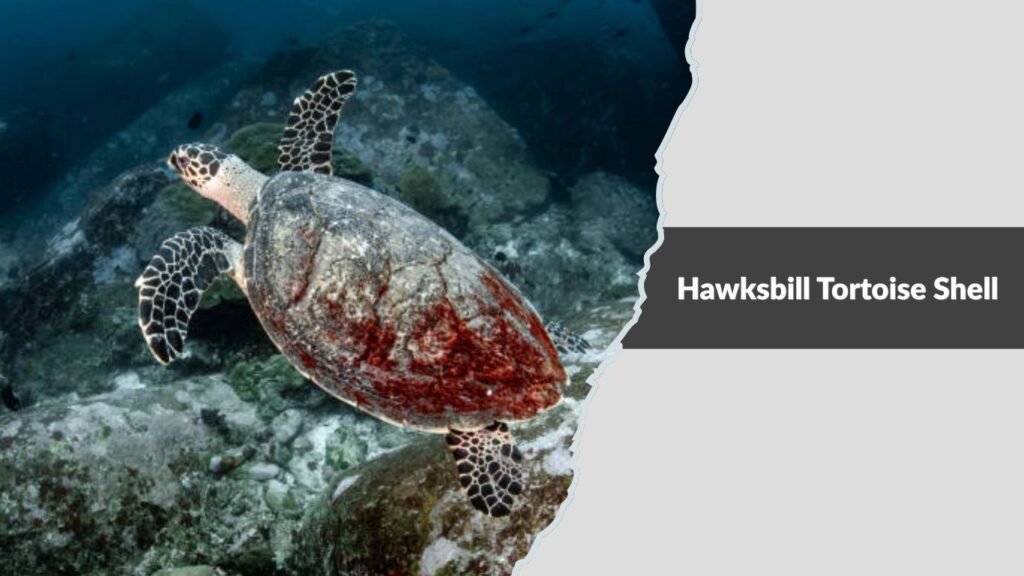
The hawksbill tortoise shell is one of the most well-known and historically valued shell types. It is admired for its rich coloration and layered, glossy appearance. This shell has been widely recognized for decorative and ornamental use due to its natural beauty and durability.
Identification
- Distinct overlapping scutes (shell plates) that create a layered look
- Amber, brown, and golden streaked coloration
- Smooth, glossy surface with a slightly translucent quality
- Curved and narrow shape compared to other tortoise shells
Appearance
The hawksbill shell stands out because of its striking patterns and warm tones. The combination of golden yellows, deep browns, and sometimes reddish hues creates a marbled effect. Light can pass through thinner sections, giving it a unique glow. Its curved structure adds to its elegant visual appeal, making it easily recognizable.
Habitat
Hawksbill tortoises are primarily associated with tropical regions. They are commonly found in coral reef environments, coastal areas, and shallow lagoons. These habitats provide both food sources and protection. Their presence is especially notable in the Indian Ocean, Pacific Ocean, and parts of the Atlantic.
Uses and Importance
Historically, hawksbill shells were used in making jewelry, combs, and decorative items. However, due to conservation concerns, the trade and use of real hawksbill shell are now heavily restricted or banned in many parts of the world. Today, they are valued more for their ecological importance, as these tortoises help maintain healthy marine ecosystems.
2. Radiated Tortoise Shell
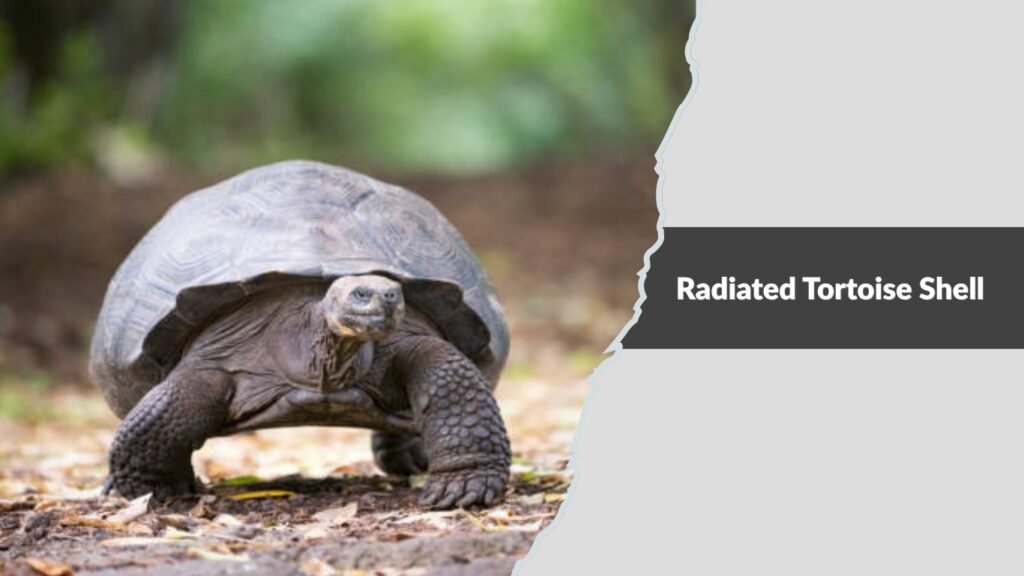
The radiated tortoise shell is known for its striking geometric patterns and bold contrast. It is considered one of the most visually stunning shell types due to its symmetrical star-like design. This shell is admired for its natural beauty and is often associated with uniqueness and rarity.
Identification
- High-domed shell with a rounded structure
- Black or dark brown base color
- Bright yellow or cream lines radiating from the center of each scute
- Clearly defined, symmetrical star patterns
Appearance
The most defining feature of the radiated tortoise shell is its starburst pattern. Each scute displays fine lines that spread outward, creating a sun-like effect. The contrast between the dark background and bright lines makes the pattern very sharp and eye-catching. Its dome shape enhances the symmetry, giving it a balanced and elegant look.
Habitat
Radiated tortoises are mainly found in dry regions. They inhabit scrub forests, thorny bushes, and arid landscapes. These environments are typically warm with limited rainfall. They are native to specific island regions, where they adapt to seasonal changes and sparse vegetation.
Uses and Importance
Although visually attractive, the radiated tortoise shell is not commonly used for commercial purposes due to strict conservation protections. These tortoises are highly endangered, making their preservation a priority. Their shells are now appreciated more in terms of natural heritage and biodiversity rather than material use.
3. Leopard Tortoise Shell
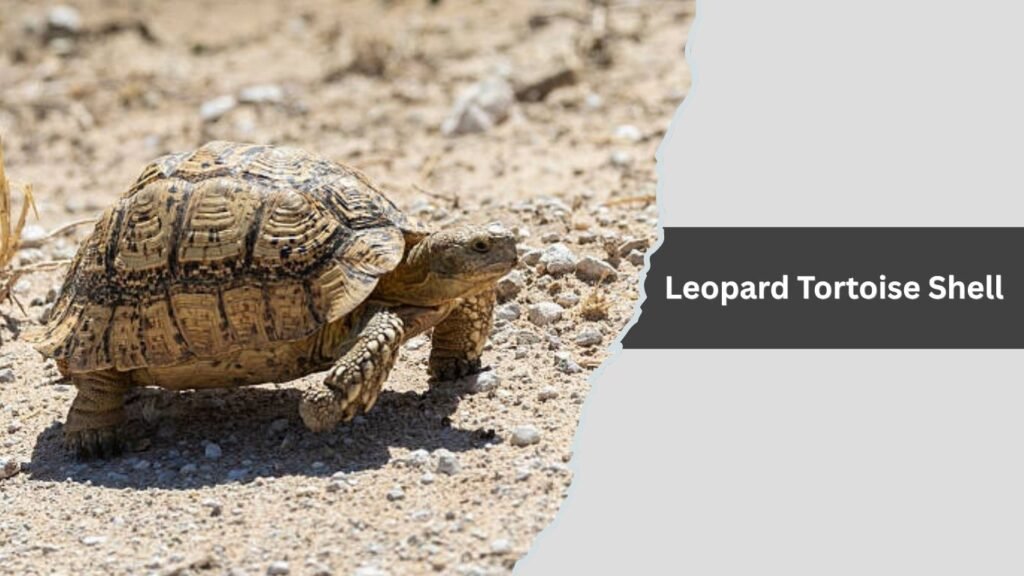
The leopard tortoise shell is recognized for its bold, spotted pattern that resembles the markings of a leopard. It is one of the largest and most visually distinctive tortoise shells, known for its natural contrast and attractive design.
Identification
- Large, high-domed shell structure
- Yellow or tan base color
- Dark brown or black irregular spots and blotches
- Pattern varies widely between individuals
Appearance
The leopard tortoise shell features a striking mix of light and dark tones. Its base color is usually pale yellow or sandy, overlaid with dark patches that create a spotted appearance. Unlike symmetrical patterns, these markings are irregular, giving each shell a unique look. The dome shape is smooth and rounded, adding to its bold presence.
Habitat
Leopard tortoises are commonly found in grasslands and savanna regions. They thrive in warm climates with open spaces and scattered vegetation. These environments provide access to grasses and plants, which form the main part of their diet. They are widely distributed across various dry and semi-dry regions.
Uses and Importance
Leopard tortoise shells are not used commercially due to wildlife protection laws. Instead, they are valued for their role in ecosystems, particularly in maintaining vegetation balance. Their unique shell patterns also make them popular in educational and conservation efforts, helping raise awareness about wildlife protection.
4. Indian Star Tortoise Shell
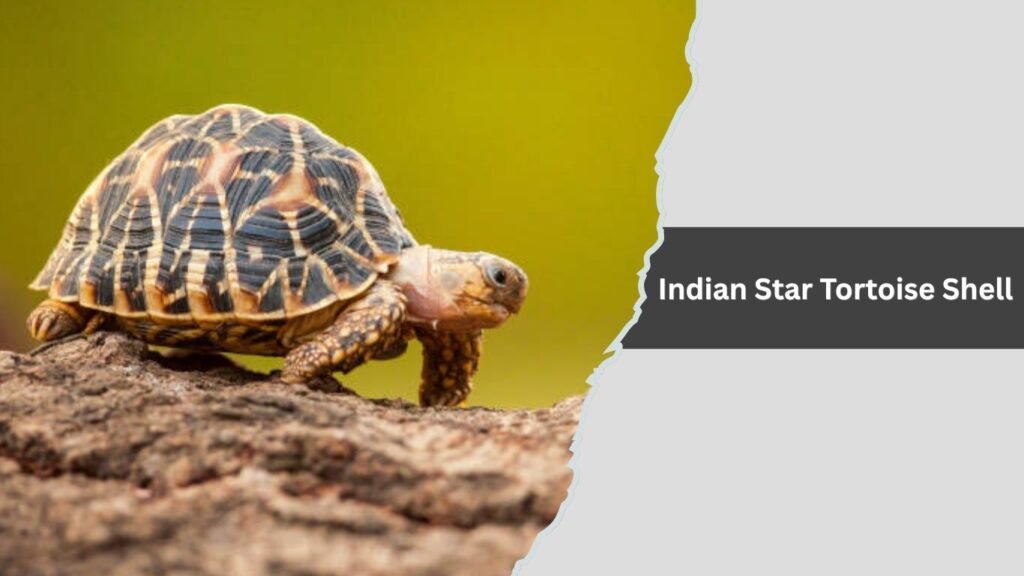
The Indian star tortoise shell is famous for its elegant star-like patterns and smooth, rounded shape. It is highly admired for its decorative appearance, making it one of the most recognizable tortoise shell types.
Identification
- Medium-sized, high-domed shell
- Dark brown or black base color
- Yellow or cream star patterns radiating from each scute
- Symmetrical and repeating geometric design
Appearance
The Indian star tortoise shell displays a beautiful contrast between dark and light colors. Each scute features fine lines that spread outward, forming a star pattern. These patterns connect across the shell, creating a consistent and eye-catching design. Its dome shape enhances the symmetry, giving it a polished and refined look.
Habitat
Indian star tortoises are typically found in dry regions with scattered vegetation. They inhabit grasslands, scrub forests, and semi-arid areas. These environments provide both food and shelter. They are mainly distributed across parts of South Asia, where they adapt well to seasonal climates.
Uses and Importance
Due to strict wildlife protection, Indian star tortoise shells are not used for commercial purposes. They are considered an important part of biodiversity and are protected in many regions. Their unique patterns also make them valuable in conservation education, helping to highlight the need for protecting endangered species.
5. Burmese Star Tortoise Shell
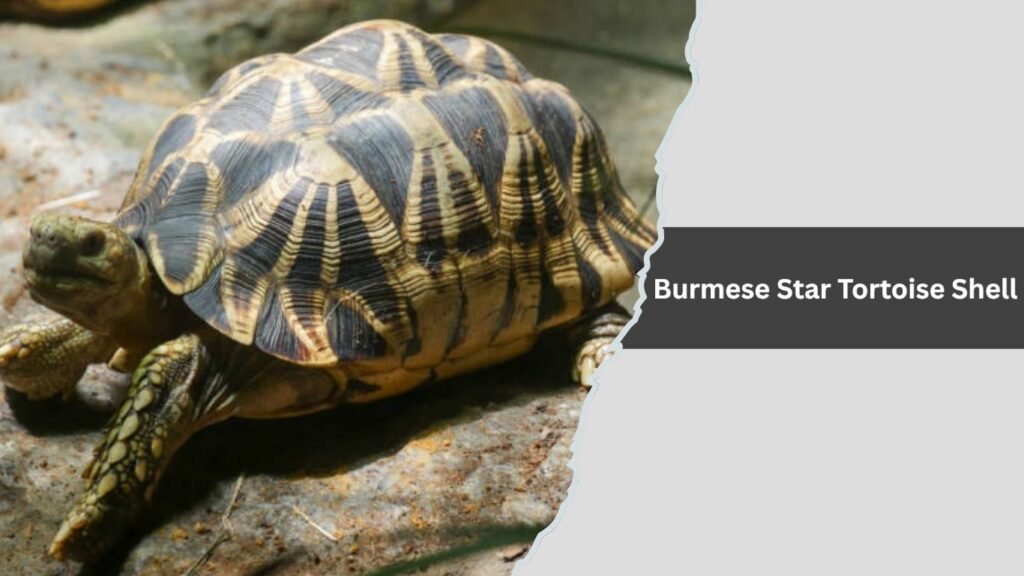
The Burmese star tortoise shell is admired for its bold and well-defined star patterns. It is considered one of the rarest and most visually striking shell types, known for its strong contrast and unique geometric design.
Identification
- Medium to large, high-domed shell
- Dark brown or black base color
- Bright yellow star patterns with thick, sharp lines
- Fewer but more pronounced stars compared to Indian star tortoise
Appearance
The Burmese star tortoise shell features large, bold star markings that stand out clearly against the dark background. Unlike finer patterns, these stars are thicker and more defined, giving the shell a dramatic look. The overall structure is rounded and smooth, enhancing the visibility of its symmetrical design.
Habitat
Burmese star tortoises are found in dry forest regions and scrublands. These areas typically have seasonal rainfall and sparse vegetation. They prefer warm climates and open spaces where they can graze and move freely. Their habitat is more limited compared to other tortoise species.
Uses and Importance
This shell is not used commercially due to strict conservation laws. The Burmese star tortoise is critically endangered, making protection efforts essential. Its shell is now valued for its rarity and ecological significance rather than material use, playing an important role in conservation awareness programs.
6. Egyptian Tortoise Shell
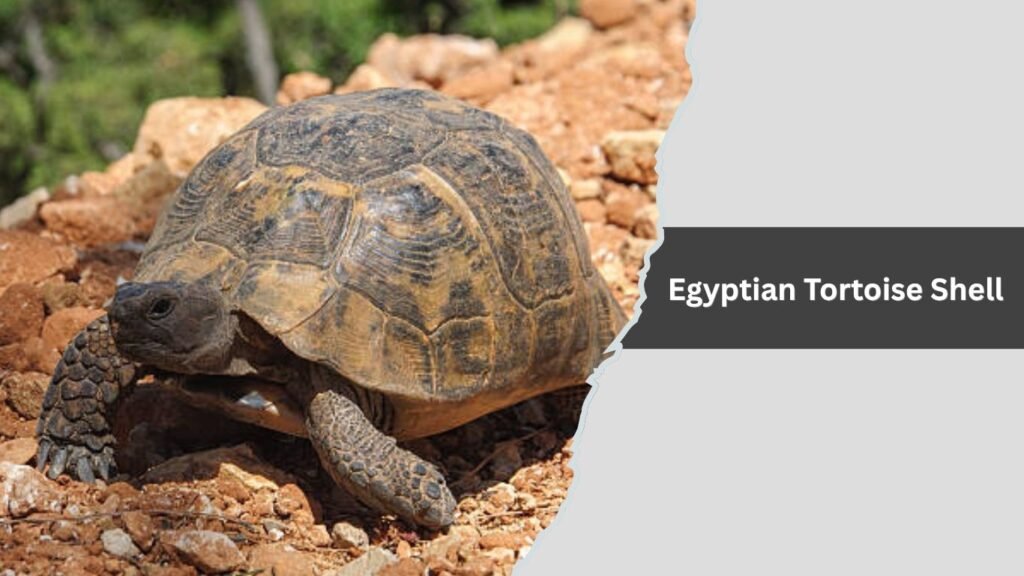
The Egyptian tortoise shell is known for its light coloration and delicate appearance. It is one of the smallest and most subtle shell types, valued for its simplicity rather than bold patterns.
Identification
- Small, slightly domed shell
- Pale yellow to ivory base color
- Minimal or faint markings
- Smooth and lightweight structure
Appearance
The Egyptian tortoise shell has a soft, understated look. Its light tones range from sandy yellow to creamy white, often with very faint or barely visible patterns. Unlike other tortoise shells, it lacks strong contrasts or bold designs. This simplicity gives it a clean and refined appearance, making it easy to distinguish.
Habitat
Egyptian tortoises are typically found in arid and desert regions. They inhabit sandy and dry environments with sparse vegetation. These areas experience high temperatures and limited rainfall. Their light-colored shell helps reflect sunlight, which is useful for surviving in such harsh climates.
Uses and Importance
Due to strict conservation protections, Egyptian tortoise shells are not used commercially. The species is considered endangered, making preservation efforts essential. Today, they are valued mainly for their ecological role and as a symbol of desert biodiversity, highlighting the importance of protecting fragile habitats.
7. Greek Tortoise Shell
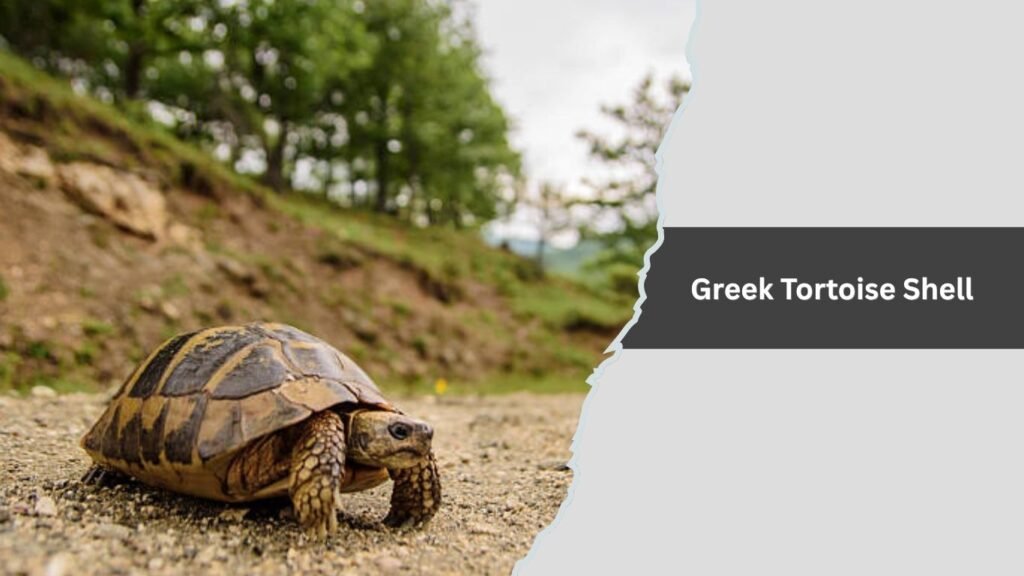
The Greek tortoise shell is known for its natural earthy tones and balanced pattern. It is one of the more common and widely recognized shell types, valued for its simple yet attractive appearance.
Identification
- Medium-sized, moderately domed shell
- Yellow, tan, or olive base color
- Dark brown or black patches on each scute
- Pattern often forms a mosaic-like design
Appearance
The Greek tortoise shell features a mix of warm, natural colors that blend smoothly together. Its markings are less bold than star-patterned shells but still clearly visible. The patches vary in size and shape, giving each shell a slightly different look. The overall appearance is calm and earthy, making it easy to identify.
Habitat
Greek tortoises are typically found in dry, Mediterranean-type environments. They live in scrublands, grasslands, and rocky hillsides. These habitats offer a mix of shade and open areas, which help them regulate body temperature. They are well adapted to warm climates with seasonal changes.
Uses and Importance
Greek tortoise shells are not used commercially due to wildlife protection laws. These tortoises play an important role in maintaining ecological balance by helping control vegetation. Their shells are appreciated mainly for their natural beauty and as part of conservation efforts aimed at protecting native species.
8. Hermann’s Tortoise Shell
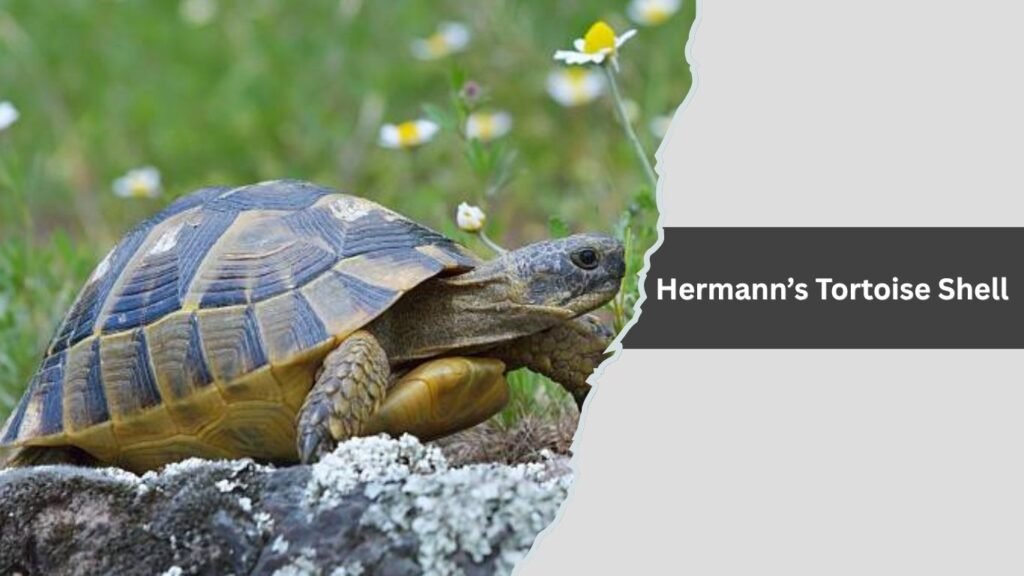
Hermann’s tortoise shell is known for its clear patterns and compact, rounded shape. It has a neat and well-defined appearance, making it one of the more easily recognizable tortoise shells.
Identification
- Medium-sized, slightly domed shell
- Yellow or golden base color
- Bold black bands or patches
- Distinct, well-outlined scute patterns
Appearance
The Hermann’s tortoise shell features strong contrast between its bright base color and dark markings. The patterns are more structured and defined compared to many other tortoise shells. These markings often form bands or blocks, giving the shell a clean and organized look. Its smooth and rounded shape adds to its visual appeal.
Habitat
Hermann’s tortoises are commonly found in warm, dry regions with moderate vegetation. They inhabit forests, grasslands, and shrublands. These environments provide both shelter and food sources. They are especially adapted to Mediterranean climates with warm summers and mild winters.
Uses and Importance
Due to legal protections, Hermann’s tortoise shells are not used for commercial purposes. These tortoises are important for maintaining ecological balance, especially in their native habitats. Their shells are now valued for their natural design and role in conservation awareness rather than any material use.
9. Russian (Horsfield’s) Tortoise Shell
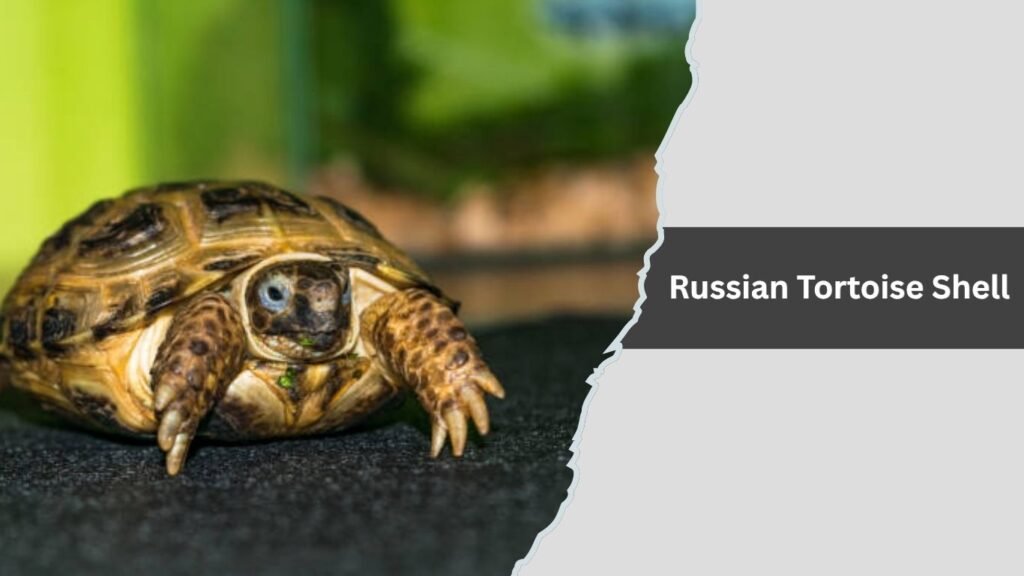
The Russian tortoise shell is known for its compact shape and muted, natural coloration. It has a sturdy appearance and is well adapted to harsh environments, making it distinct among tortoise shell types.
Identification
- Small to medium-sized, rounded shell
- Olive, brown, or tan base color
- Dark patches or blotches with less contrast
- Slightly flattened dome compared to other tortoises
Appearance
The Russian tortoise shell has a more subdued look compared to brightly patterned shells. Its colors are generally earthy, with soft blends of brown, greenish, and tan shades. The markings are irregular and not highly defined, giving the shell a natural and rugged appearance. Its slightly flatter dome makes it visually different from more rounded species.
Habitat
Russian tortoises are typically found in dry, continental regions. They inhabit deserts, grasslands, and semi-arid areas with extreme temperature variations. These environments can be very hot in summer and cold in winter, and the tortoise adapts by burrowing to regulate temperature and moisture.
Uses and Importance
Russian tortoise shells are not used commercially due to conservation and legal protections. These tortoises play an important ecological role by helping maintain plant balance in their habitats. Their adaptability also makes them significant for studying survival in extreme environmental conditions.
10. Pancake Tortoise Shell
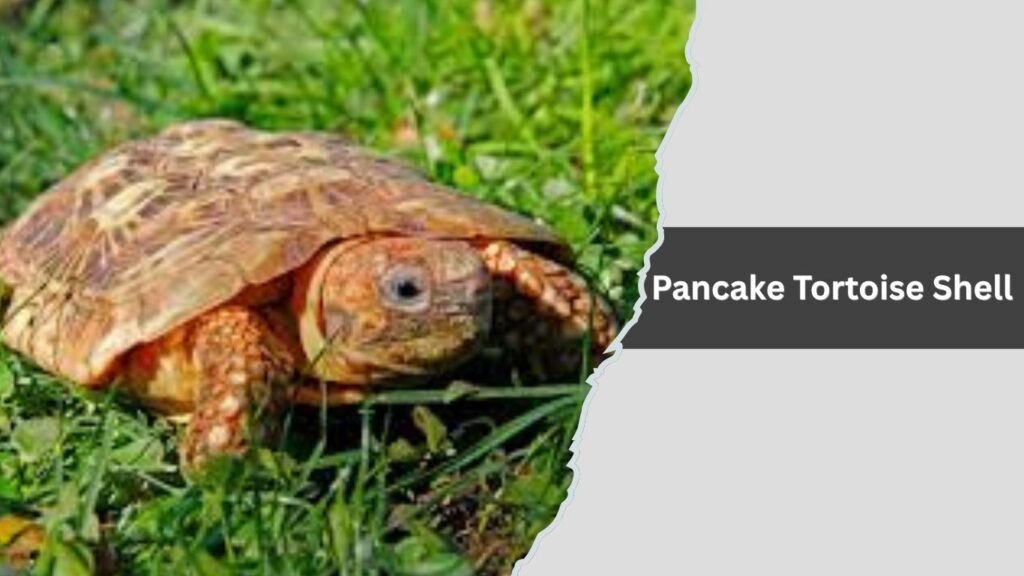
The pancake tortoise shell is unique due to its flat and flexible structure. Unlike most tortoise shells, it lacks a high dome, giving it a distinctive and easily recognizable appearance.
Identification
- Flat, thin, and flexible shell
- Light brown or tan base color
- Dark radiating lines or irregular patterns
- Soft edges compared to rigid, domed shells
Appearance
The pancake tortoise shell stands out because of its unusual flat shape. Its surface is smoother and less bulky than other tortoise shells. The coloration is generally light, with subtle dark lines spreading across the scutes. This flatter design allows it to slip into narrow spaces, making it visually and functionally different from other types.
Habitat
Pancake tortoises are commonly found in rocky and dry regions. They live in areas with plenty of crevices and stone formations. These environments provide shelter and protection from predators. Their ability to squeeze into tight rock gaps is a key survival trait in such habitats.
Uses and Importance
Due to conservation laws, pancake tortoise shells are not used commercially. These tortoises are important for maintaining ecological balance in rocky ecosystems. Their unique shell structure also makes them valuable for scientific study, especially in understanding adaptation and survival strategies.
FAQs
What makes tortoise shells different from each other?
Tortoise shells differ mainly in their shape, color, and pattern. Some have star-like designs, while others show spots or simple earthy tones. These differences are influenced by the species, habitat, and environmental adaptations, making each shell type unique and identifiable.
Are tortoise shells used for commercial purposes today?
In most countries, the use of real tortoise shells for commercial purposes is banned or strictly regulated. This is due to conservation laws aimed at protecting endangered species and preventing illegal wildlife trade.
Which tortoise shell is the most visually striking?
Many consider star-patterned shells, like the radiated or Indian star tortoise, to be the most visually striking. Their symmetrical and bright patterns stand out compared to simpler or more muted shell designs.
Why do tortoise shells have different patterns?
Shell patterns develop as a result of genetics and environmental adaptation. These patterns can help with camouflage, temperature regulation, and protection, depending on the tortoise’s natural habitat.
How can you identify a tortoise species by its shell?
You can identify a tortoise species by observing its shell shape, color, and pattern. Features like domed or flat structure, star markings, spots, or plain tones help distinguish one species from another with reasonable accuracy.