
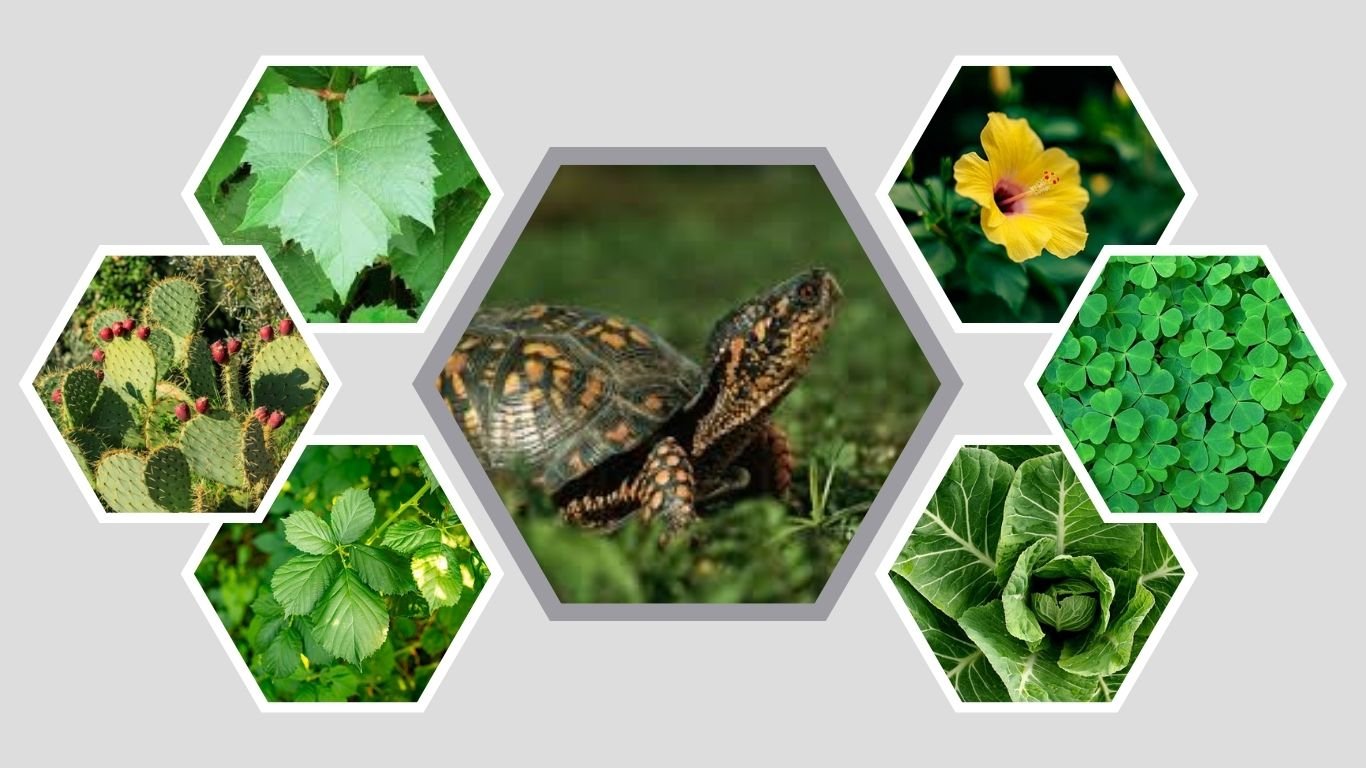
Desert tortoises need a carefully balanced diet that closely matches what they eat in the wild. Many new owners are unsure which foods are safe and which can cause harm. Feeding the wrong items—especially sugary or low-fiber foods—can lead to serious health problems over time. This guide explains what desert tortoises can eat safely, focusing on natural, high-fiber options. You’ll also find a list of 10 common foods that support digestion, shell health, and overall well-being when fed correctly.
What Do Desert Tortoises Eat in the Wild?
Desert tortoises naturally live in dry environments where food sources are limited but highly fibrous. Their diet mainly consists of grasses, weeds, and wildflowers that grow in their habitat. These foods are low in sugar and rich in fiber, which supports their slow digestive system. Understanding this natural diet helps owners provide similar foods in captivity, ensuring proper nutrition, steady growth, and long-term health without digestive issues.
Why a High-Fiber Diet Is Important
A high-fiber diet is essential for desert tortoises because their digestive system relies on breaking down tough plant material. Fiber helps maintain healthy gut bacteria and prevents problems like diarrhea or bloating. Unlike other pets, tortoises do not process sugary or soft foods well. Feeding fiber-rich plants supports natural grazing behavior, improves nutrient absorption, and helps maintain strong shell development over time.
Key Diet Principles
- Focus on grasses and weeds as staple foods
- Keep sugar intake extremely low
- Avoid processed or artificial foods
- Provide a mix of safe plants for variety
10 Common Foods Desert Tortoises Can Eat Safely
These foods closely match a desert tortoise’s natural diet. Each option provides essential fiber and nutrients needed for healthy digestion and growth. Feeding a mix of these foods helps create a balanced diet while preventing boredom. Always ensure foods are clean, pesticide-free, and offered in appropriate portions.
1. Dandelion Greens
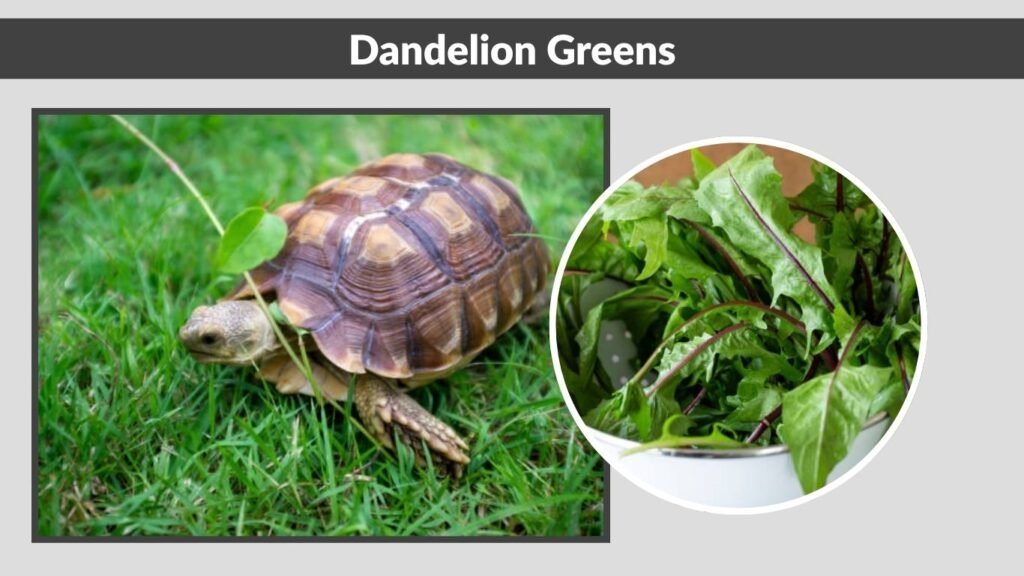
Dandelion greens are one of the best foods for desert tortoises because they are rich in calcium and fiber. They support strong shell growth and healthy digestion while being easy to find in many environments. These greens can be offered regularly and are often considered a staple in a tortoise’s diet due to their excellent nutritional profile.
Benefits of Dandelion Greens
- High calcium content
- Supports digestion
- Safe for frequent feeding
2. Bermuda Grass
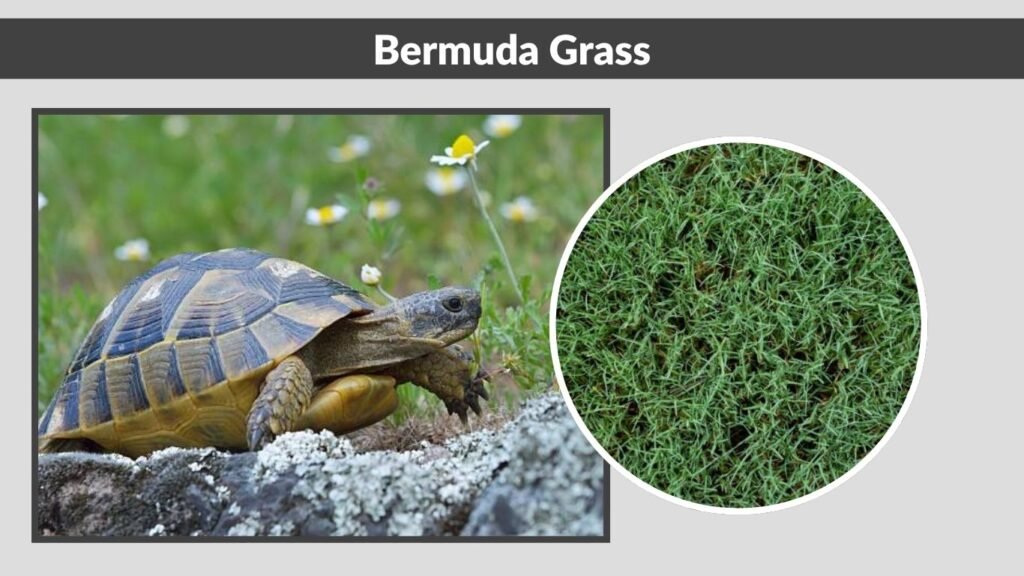
Bermuda grass is a natural grazing food that closely matches what desert tortoises eat in the wild. It is high in fiber and encourages natural feeding behavior. This grass can be offered daily and is ideal for maintaining digestive health and preventing obesity or nutritional imbalances in captive tortoises.
Benefits of Bermuda Grass
- Excellent fiber source
- Promotes natural grazing
- Safe as a daily staple
3. Clover
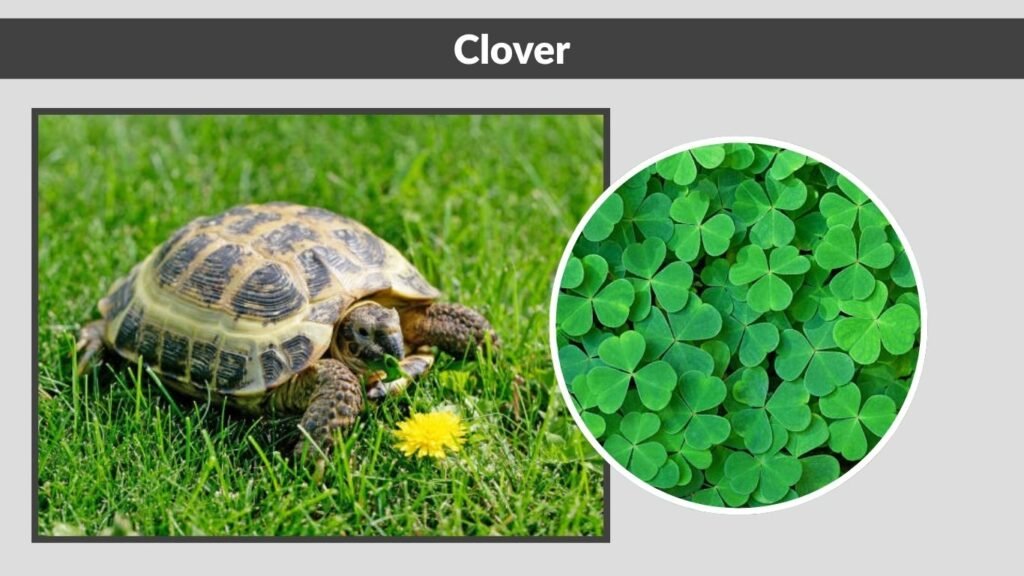
Clover is a nutritious plant that can be included as part of a varied diet. While it should not be the only food source, it provides useful nutrients and adds diversity to meals. Offering clover occasionally helps mimic a natural environment where tortoises consume a mix of plants.
Benefits of Clover
- Adds dietary variety
- Contains beneficial nutrients
- Suitable in moderation
4. Hibiscus Leaves and Flowers
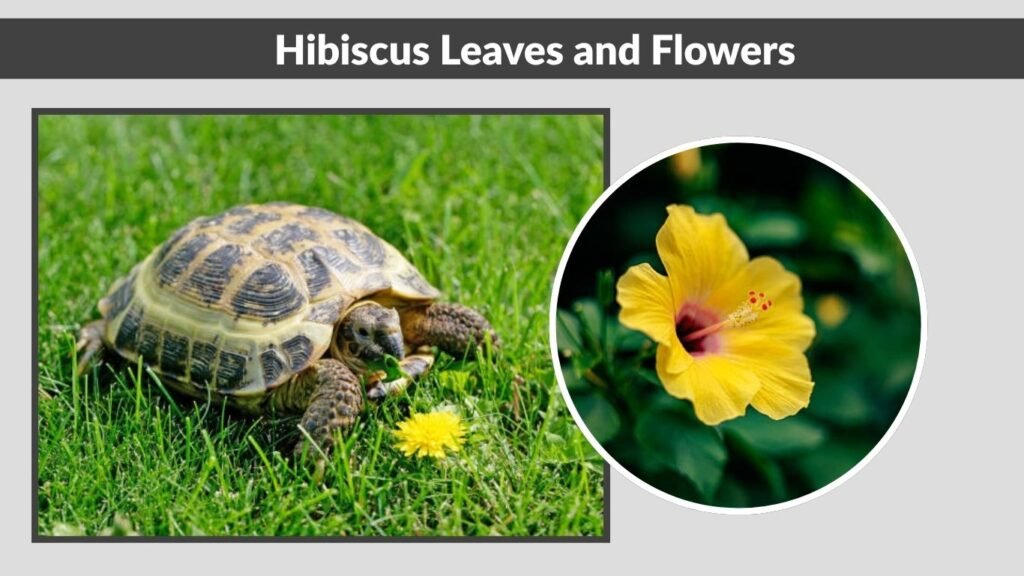
Hibiscus leaves and flowers are both safe and highly beneficial for desert tortoises. They provide vitamins and add enrichment to feeding time. Many tortoises enjoy the taste, making it a good option to encourage eating while still supporting a healthy, plant-based diet.
Benefits of Hibiscus
- Nutritious leaves and flowers
- Encourages natural feeding behavior
- Provides essential vitamins
5. Collard Greens
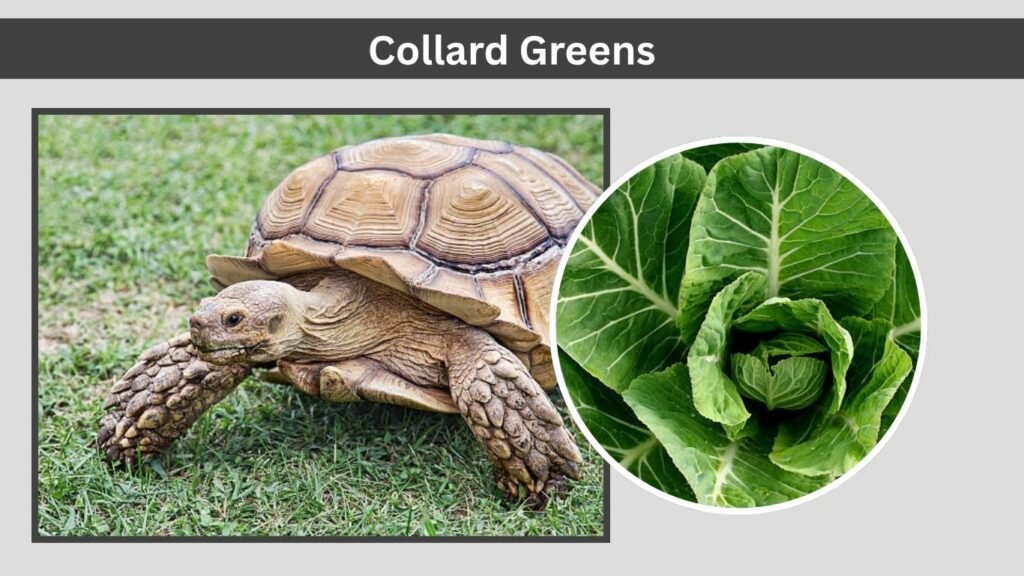
Collard greens are a widely available leafy vegetable that can support a tortoise’s overall health. They are rich in vitamins and minerals, though they should be mixed with other foods to maintain balance. Feeding collard greens as part of a varied diet ensures proper nutrition without over-reliance on a single food.
Benefits of Collard Greens
- High in vitamins
- Supports overall health
- Easy to source and prepare
6. Mustard Greens
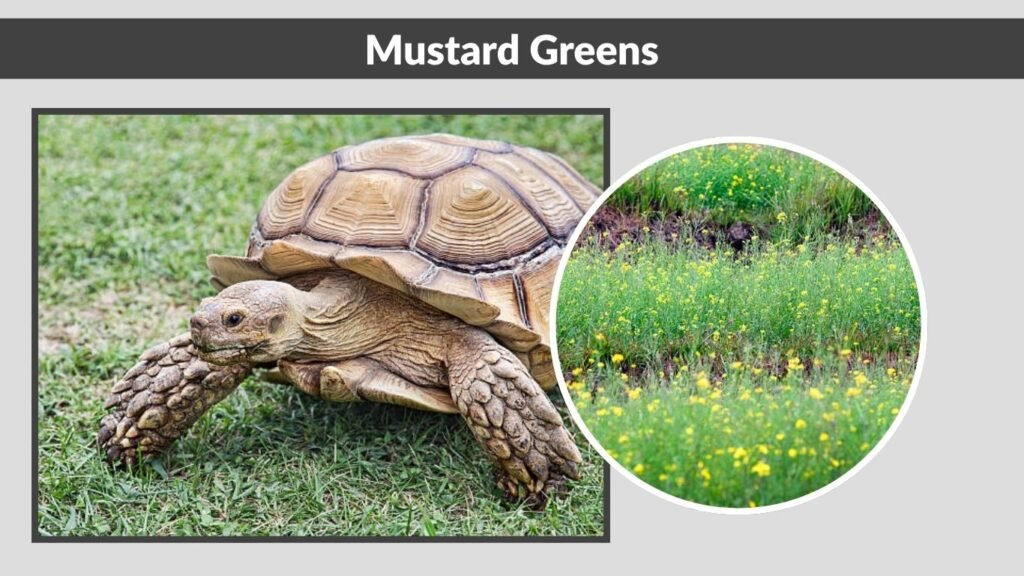
Mustard greens offer a slightly different taste and texture, which helps keep feeding interesting for tortoises. They contain important nutrients and can be included in rotation with other greens. Variety is key to preventing picky eating and ensuring a balanced intake of nutrients.
Benefits of Mustard Greens
- Adds variety to meals
- Nutrient-rich option
- Encourages appetite
7. Plantain (Broadleaf Weed)

Plantain is a common wild weed that is extremely beneficial for desert tortoises. It is high in fiber and supports healthy digestion. This plant is often found in natural environments and is an excellent addition to a tortoise’s regular feeding routine.
Benefits of Plantain
- Supports gut health
- High fiber content
- Natural and safe food source
8. Mulberry Leaves
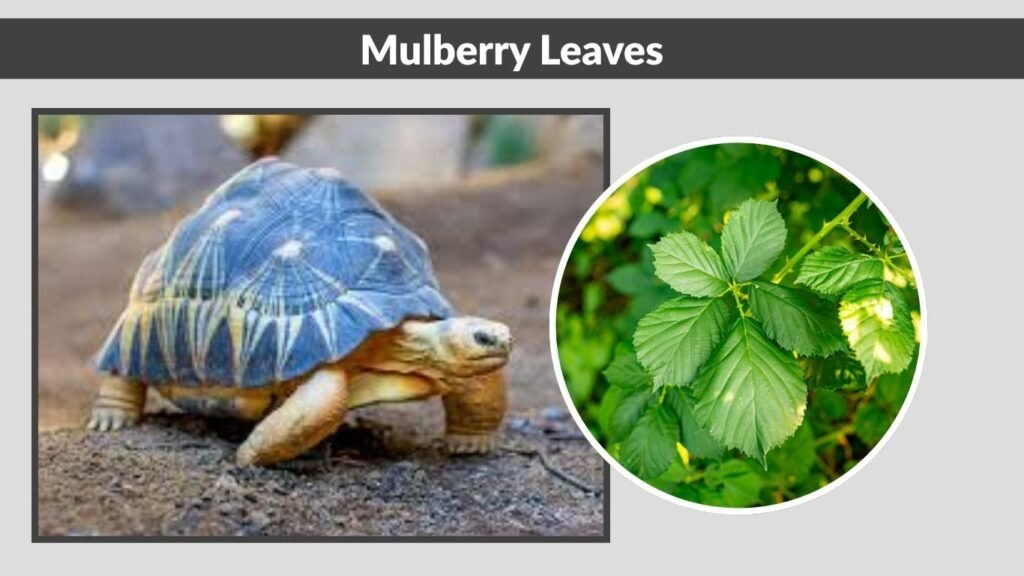
Mulberry leaves are a safe and fiber-rich option that can be fed regularly. They closely resemble the type of vegetation tortoises would encounter in the wild. Including mulberry leaves in the diet helps improve digestion and provides essential nutrients for long-term health.
Benefits of Mulberry Leaves
- Good for digestion
- Safe for regular feeding
- Natural plant-based option
9. Prickly Pear Cactus (Pads)
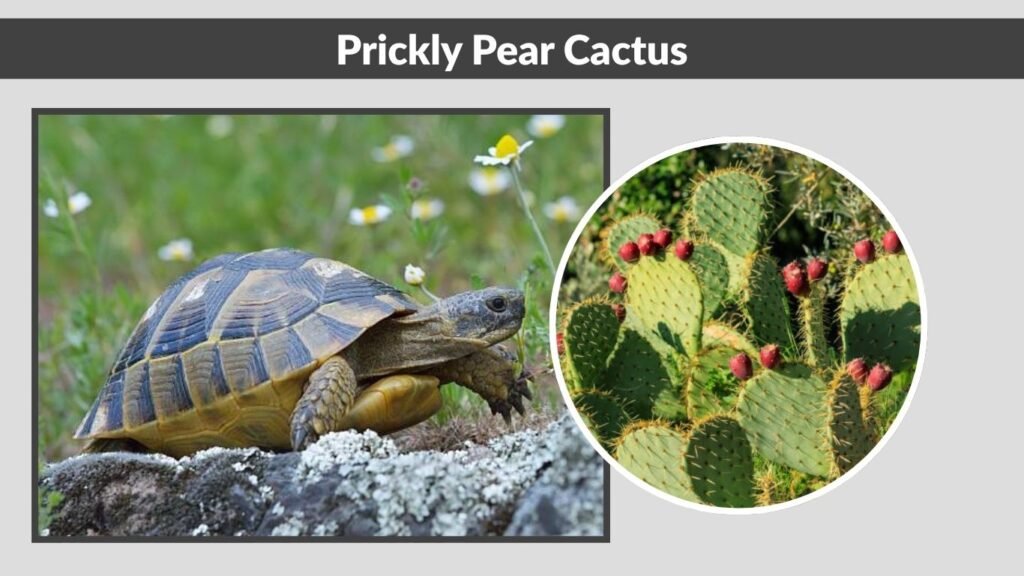
Prickly pear cactus pads are a highly suitable food for desert tortoises, especially because they provide both fiber and hydration. In arid environments, this plant helps tortoises stay hydrated while still supporting digestion. Always remove the spines carefully before feeding to avoid injury. When prepared properly, cactus pads can be a valuable addition to a balanced, natural diet.
Benefits of Prickly Pear
- Provides hydration
- High in fiber
- Suitable for desert species
10. Grape Leaves
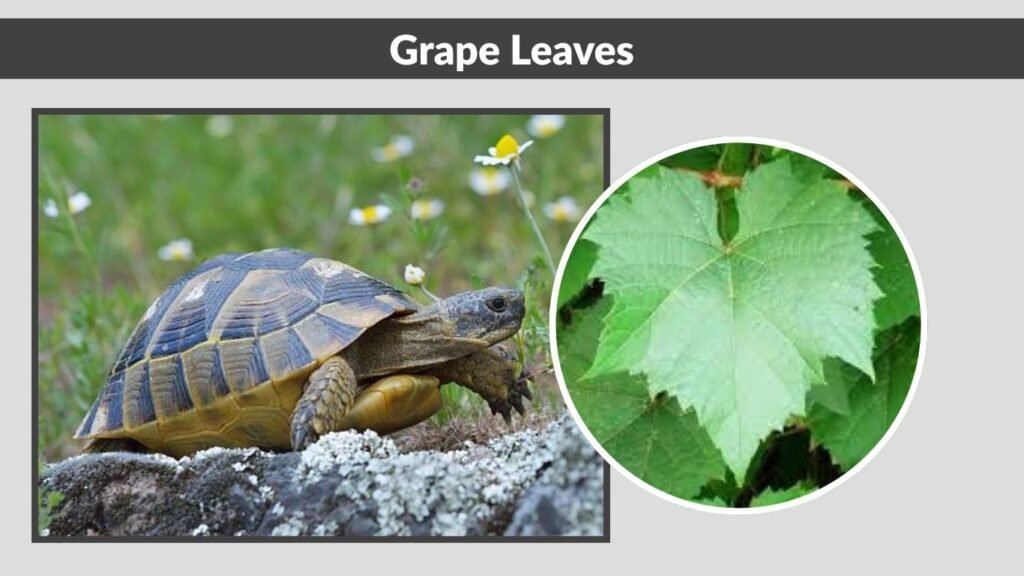
Grape leaves are a safe, fibrous food that can be included in a tortoise’s diet occasionally. They are easy to prepare and offer a good balance of nutrients. When combined with other greens, grape leaves help maintain variety and support healthy digestion in desert tortoises without introducing excess sugar or harmful compounds.
Benefits of Grape Leaves
- Good fiber source
- Easy to prepare
- Works well in mixed diets
Foods Desert Tortoises Should Avoid
Desert tortoises have very specific dietary needs, and feeding the wrong foods can quickly lead to health issues. Their digestive system is not designed to handle sugary, processed, or protein-rich foods. Even small amounts of the wrong food given regularly can disrupt gut bacteria and cause long-term damage.
Harmful Foods to Avoid
- Fruits like bananas and apples (too much sugar)
- Iceberg lettuce (low nutritional value)
- Animal protein (harmful to kidneys)
- Processed or packaged foods
Feeding Tips for Desert Tortoise Owners
Proper feeding habits are just as important as choosing the right foods. A well-balanced diet should focus on natural plants and consistent variety. Fresh, pesticide-free food is essential to prevent health problems. Tortoises also benefit from a feeding routine that mimics their natural grazing behavior rather than large, infrequent meals.
How Often Should You Feed a Desert Tortoise?
Feeding frequency depends on the tortoise’s age, size, and environment. Younger tortoises need more frequent feeding to support growth, while adults thrive with steady access to grazing foods. Maintaining a consistent schedule helps regulate digestion and keeps your tortoise active and healthy over time.
Feeding Frequency Guidelines
- Juveniles: feed daily
- Adults: allow regular grazing
- Offer small portions multiple times
- Always provide fresh water
FAQs
What is the best food for a desert tortoise?
The best foods are natural grasses and leafy weeds like dandelion greens. These foods are high in fiber and closely match what tortoises eat in the wild, supporting healthy digestion and strong shell development.
Can desert tortoises eat fruit?
Fruits are not recommended for desert tortoises. They contain high levels of sugar, which can upset digestion and disrupt the balance of gut bacteria, leading to long-term health problems.
Can desert tortoises eat lettuce?
Some types of lettuce can be given occasionally, but iceberg lettuce should be avoided. It has very little nutritional value and does not support a healthy diet for tortoises.
How often should desert tortoises be fed?
Young tortoises should be fed daily, while adults benefit from consistent access to grazing plants. Feeding should focus on small, frequent portions rather than large meals.
Can desert tortoises eat store-bought greens?
Yes, greens like collard greens and mustard greens are safe if washed thoroughly. Always avoid chemically treated or processed foods and ensure everything offered is clean and fresh.