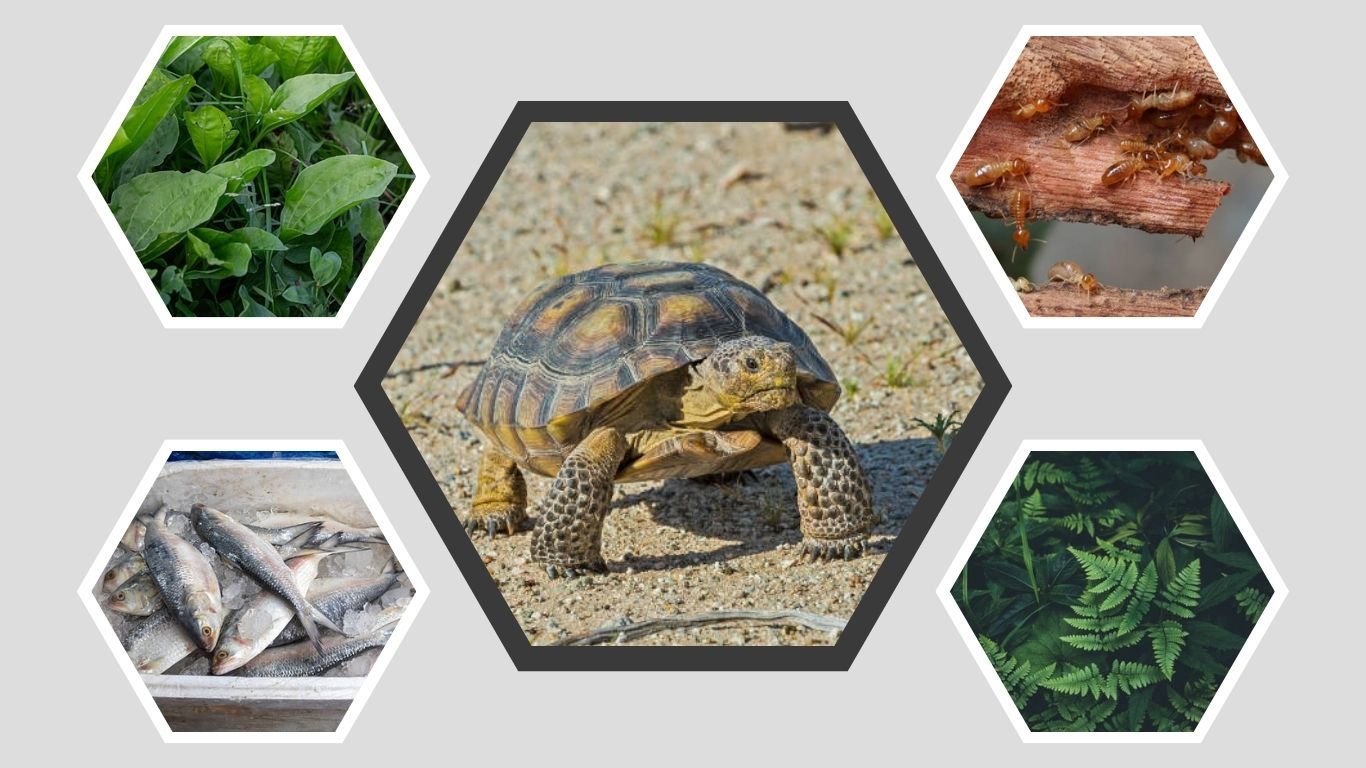
Tortoises are often misunderstood when it comes to their diet and hydration needs. Many people confuse them with turtles, assuming they eat in water or require similar foods. In reality, tortoises are land-dwelling herbivores with a very specific feeding pattern. Understanding what tortoises eat and drink is essential for keeping them healthy. A proper balance of leafy greens, fiber, and clean water plays a key role in their long-term well-being and overall development.
What Do Tortoises Eat? (Diet Basics)
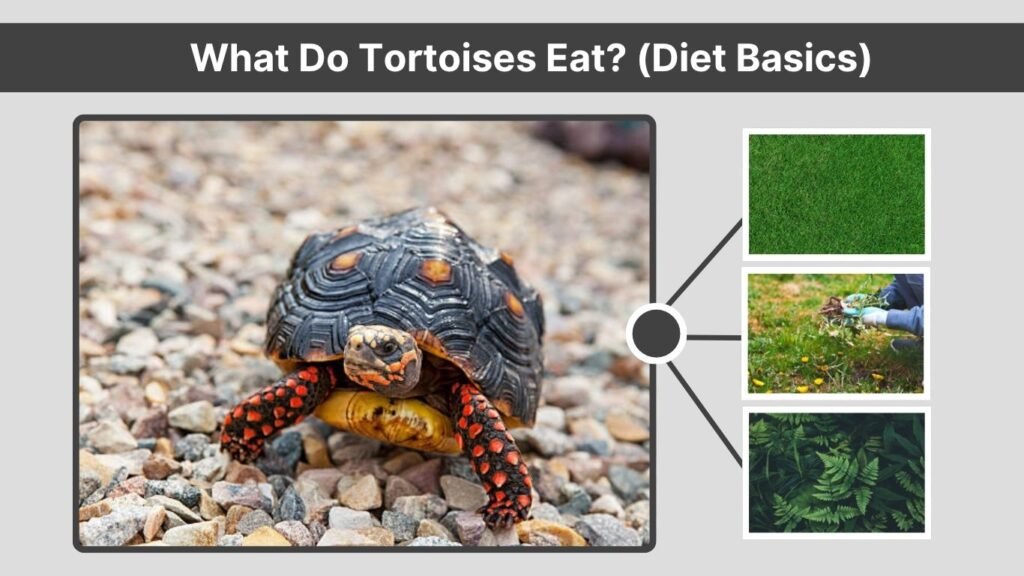
Tortoises are primarily herbivores, meaning their diet is based on plant material. In the wild, they graze on a wide variety of natural vegetation. Pet tortoises require a similar approach, focusing on high-fiber, nutrient-rich foods rather than processed or sugary items.
Natural Diet of Tortoises
- Wild tortoises eat grasses, weeds, and leafy plants
- Their diet is high in fiber and low in protein
- They consume a variety of plants depending on the season
What to Feed Pet Tortoises Daily
- Leafy greens like dandelion and collard greens
- Weeds such as plantain and clover
- Safe vegetables in small amounts
- Occasional fruit depending on species
Providing a diverse diet helps ensure your tortoise receives all essential nutrients without developing imbalances.
What Do Tortoises Drink?
Hydration is just as important as food for tortoises. Although they live on land, they still need regular access to water to stay healthy. Many tortoises get some moisture from their food, but this alone is not enough. Clean drinking water should always be available, as dehydration can lead to serious health issues over time.
Do Tortoises Eat in Water?
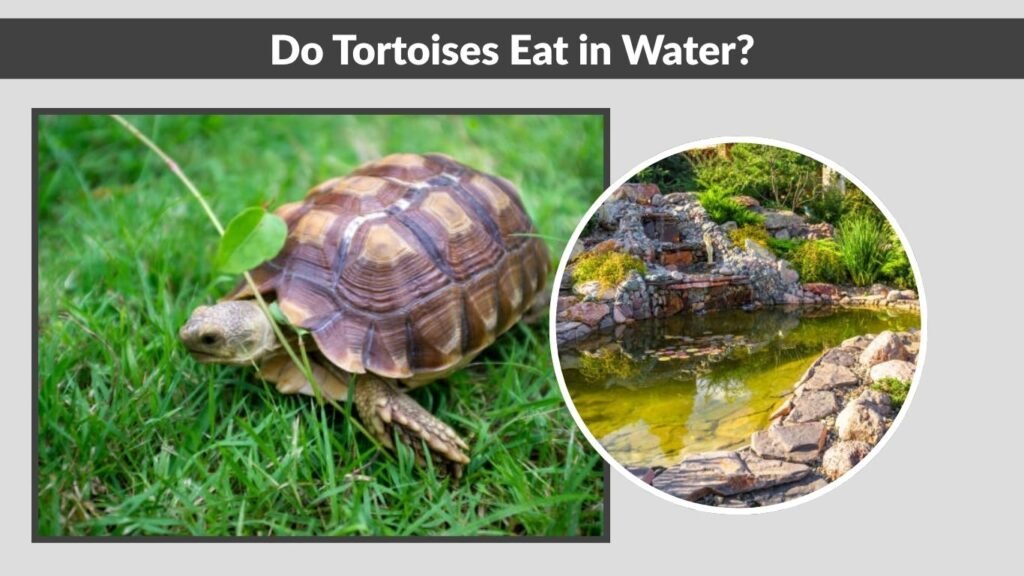
This is a common question, especially for new pet owners. Unlike aquatic turtles, tortoises do not eat in water. Their bodies are not designed for underwater feeding, and they naturally consume food on land. Water serves a different purpose for tortoises, mainly supporting hydration and helping with bodily functions rather than acting as a feeding environment.
How to Give a Tortoise Water Properly
Providing water the right way is essential to ensure safety and accessibility. Tortoises need a setup that allows them to drink comfortably without risk.
Choosing the Right Water Dish
- Use a shallow, stable dish
- Ensure it is easy to enter and exit
- Avoid deep containers that may cause drowning
Daily Water Care Routine
- Replace water with fresh supply every day
- Clean the dish regularly to prevent bacteria
- Keep it in a location your tortoise can easily find
A proper water setup encourages regular drinking and supports overall health.
Do Tortoises Need Soaking in Water?
Soaking is an important part of tortoise care, especially for young or newly adopted pets. It helps maintain hydration levels and supports digestion. While tortoises do drink water on their own, soaking provides an additional way for them to absorb moisture and stay healthy in captivity.
Why Soaking Is Important
- Helps prevent dehydration
- Supports digestion and waste movement
- Encourages natural hydration behavior
How to Soak a Tortoise
- Use lukewarm water in a shallow container
- Soak for about 15–20 minutes
- Ensure the head stays above water at all times
Regular soaking can make a noticeable difference in a tortoise’s activity and health.
What Do Water Turtles Eat? (Key Differences)
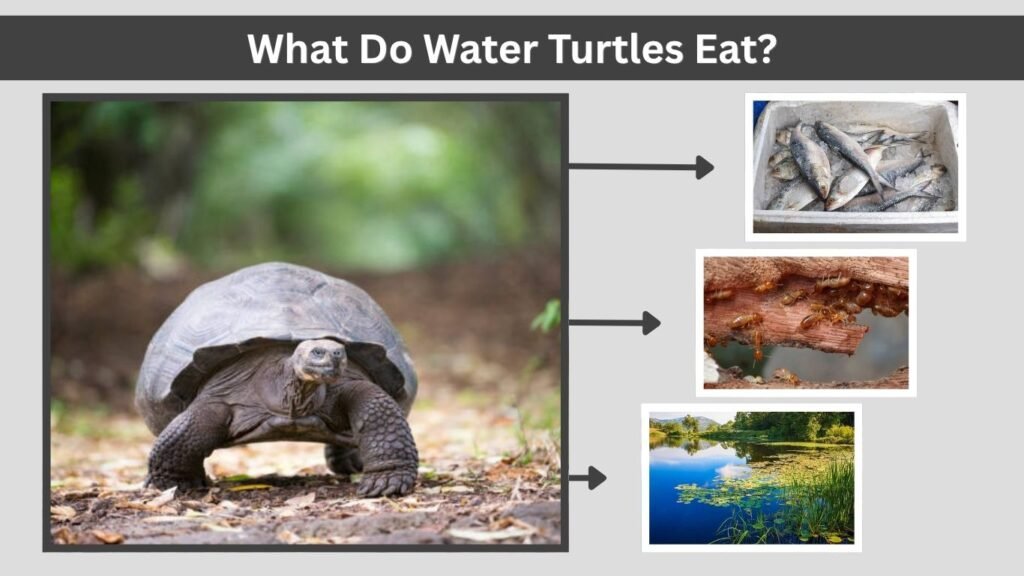
Many people confuse tortoises with water turtles, but their diets are very different. While tortoises are herbivores, most water turtles are omnivores and require both plant and animal-based foods. They also eat in water, which is completely different from tortoise behavior.
Diet of Aquatic Turtles
- Eat fish, insects, and protein-rich foods
- Also consume aquatic plants and greens
- Often rely on commercial turtle pellets
Do Turtles Eat in Water?
- Yes, turtles must eat in water
- They use water to help swallow food
- Feeding outside water can cause difficulty
Understanding these differences helps avoid feeding mistakes and ensures each animal gets the correct diet.
What Should You Feed a Tortoise Daily?
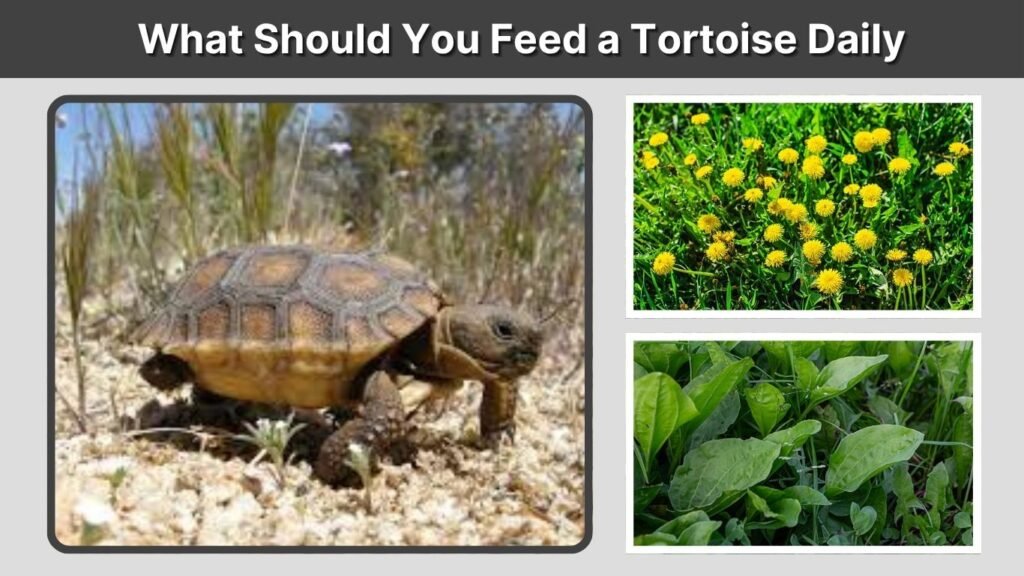
A proper daily diet is essential for keeping your tortoise healthy and active. Most species require a high-fiber, plant-based diet that closely mimics what they would eat in the wild. Feeding the right balance every day helps support digestion, shell strength, and long-term health without causing nutritional problems.
Ideal Daily Diet Ratio
- 80–90% leafy greens and weeds
- 10% vegetables in moderation
- Very limited fruit (only occasionally)
Best Foods for Tortoises
- Dandelion greens and flowers
- Collard and mustard greens
- Plantain weeds and clover
- Hibiscus leaves and flowers
Foods Tortoises Should Avoid
Not all foods are safe for tortoises, and feeding the wrong items can quickly lead to health problems. Some foods may seem harmless but can disrupt digestion or cause long-term damage. Understanding what to avoid is just as important as knowing what to feed.
Unsafe Foods for Tortoises
- Meat and animal protein
- Dairy products
- Processed or sugary foods
- Excess fruit
- Toxic or unknown plants
Why These Foods Are Harmful
- Can upset digestive balance
- May cause shell deformities
- Lead to obesity or organ issues
Common Feeding and Watering Mistakes
Many tortoise owners unintentionally make mistakes when it comes to feeding and hydration. These errors often come from confusion between tortoises and turtles or a lack of knowledge about proper care. Avoiding these mistakes can greatly improve your tortoise’s quality of life.
One of the most common issues is feeding tortoises like aquatic turtles, including offering too much protein or expecting them to eat in water. Another mistake is overfeeding fruit, which can disrupt their gut health. Some owners also fail to provide enough fresh water or forget to maintain a clean water dish. Inconsistent diets lacking variety or calcium can also lead to long-term health problems.
Signs of Poor Diet or Dehydration
A tortoise’s health is closely tied to its diet and hydration. Recognizing early warning signs can help prevent serious issues and allow you to make necessary changes quickly.
Physical Warning Signs
- Soft or misshapen shell
- Dry or flaky skin
- Sunken eyes
Behavioral Signs
- Low energy or inactivity
- Loss of appetite
- Difficulty passing waste
FAQs
Do tortoises eat in water?
No, tortoises eat on land and are not adapted to feeding in water. Unlike aquatic turtles, they do not rely on water to swallow food. Water is mainly used for drinking and soaking rather than feeding.
What do tortoises eat and drink daily?
Tortoises eat leafy greens, weeds, and some vegetables daily. They drink fresh water from shallow dishes and should always have access to clean water for proper hydration.
How do you give a tortoise water?
Provide a shallow dish filled with clean water that your tortoise can easily access. Change it daily and ensure it stays clean. Occasional soaking can also help maintain hydration.
What do water turtles like to eat?
Water turtles eat a mix of protein and plant-based foods, including fish, insects, pellets, and aquatic plants. They typically eat while submerged in water, unlike tortoises.
Can turtles eat tortoise food safely?
Turtles can eat tortoise food occasionally, but it is not ideal long-term. Turtles need more protein, while tortoise food is mainly plant-based and may not meet their nutritional needs.