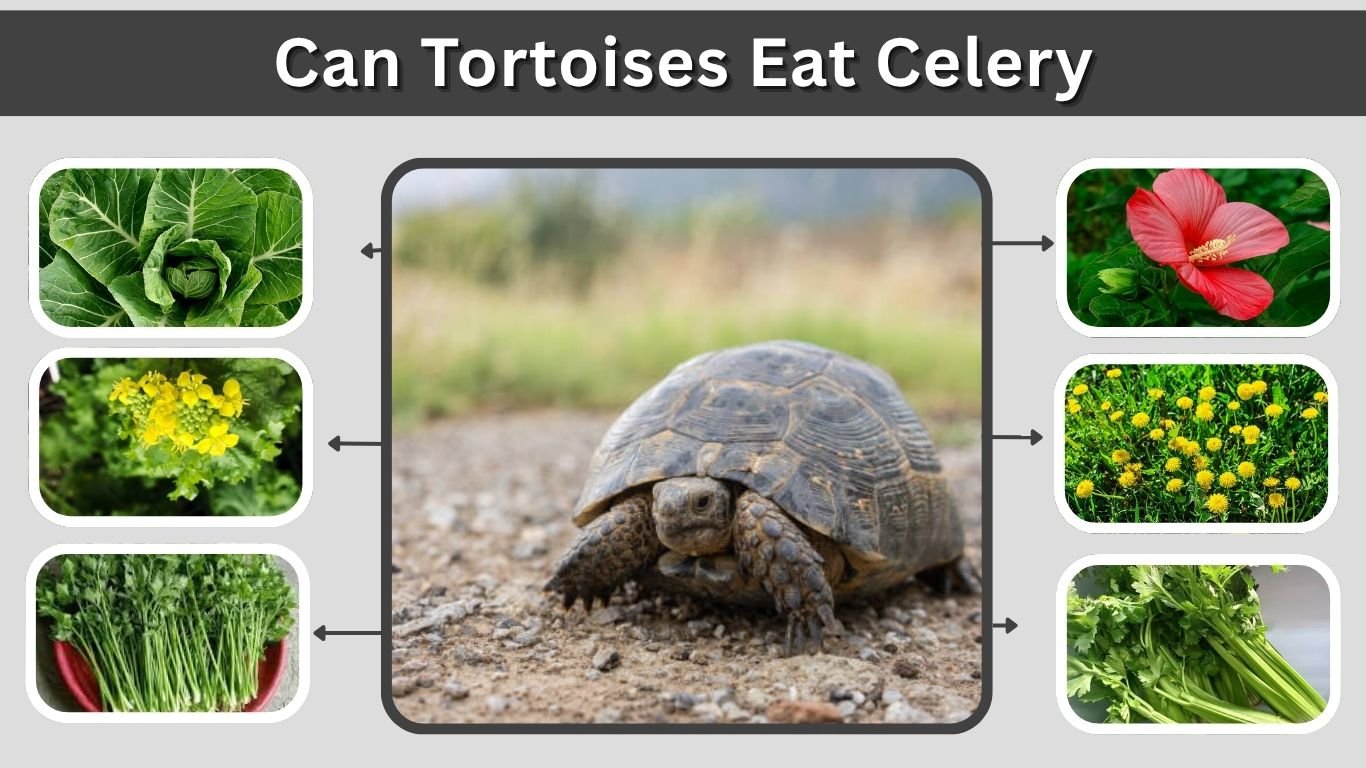
Tortoise owners often wonder if everyday vegetables like celery are safe to feed. While celery is not toxic, it isn’t the most nutritious option either. Understanding how it fits into a tortoise’s diet is essential for maintaining proper health, shell strength, and digestion. Different species also have slightly different needs, which makes feeding decisions more important. This guide explains whether tortoises can eat celery, which parts are safe, and how often it should be offered.
Is Celery Good for Tortoises?
Celery is generally safe for tortoises, but that doesn’t automatically make it a good food choice. It contains a high percentage of water and only small amounts of essential nutrients. While it can help with hydration, it lacks the calcium and fiber that tortoises need for strong shells and healthy digestion. Feeding celery too often may reduce the intake of more beneficial foods, which can affect long-term health.
Key Points About Celery
- Very high water content but low nutrition
- Contains small amounts of fiber and vitamins
- Poor calcium-to-phosphorus balance
- Best treated as an occasional snack, not a staple
Can Tortoises Eat Different Parts of Celery?
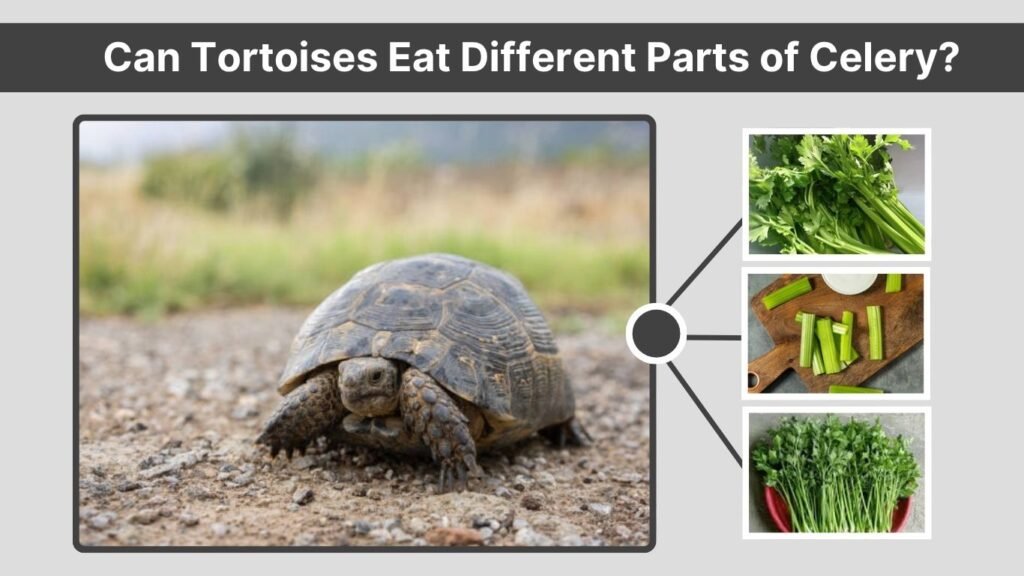
Not all parts of celery are the same, and understanding the differences can help you make better feeding decisions. While the entire plant is technically safe, some parts are more suitable than others. Texture, fiber content, and digestibility all play a role in how your tortoise handles celery.
Can Tortoises Eat Celery Leaves?
Celery leaves are the most suitable part of the plant for tortoises. They are softer, slightly more nutritious, and easier to chew compared to the stalks. Even so, they should still be fed in moderation and mixed with other leafy greens.
Can Tortoises Eat Celery Sticks?
Celery stalks or sticks are safe but can be quite fibrous and stringy. This makes them harder to chew and digest, especially for smaller tortoises. Always chop them into small pieces to reduce the risk of choking.
Can Tortoises Eat Celery Tops?
Celery tops are similar to the leaves and are generally safe to feed. They offer a bit more nutritional value than the stalks but still shouldn’t be relied on as a primary food source.
How Often Can Tortoises Eat Celery?
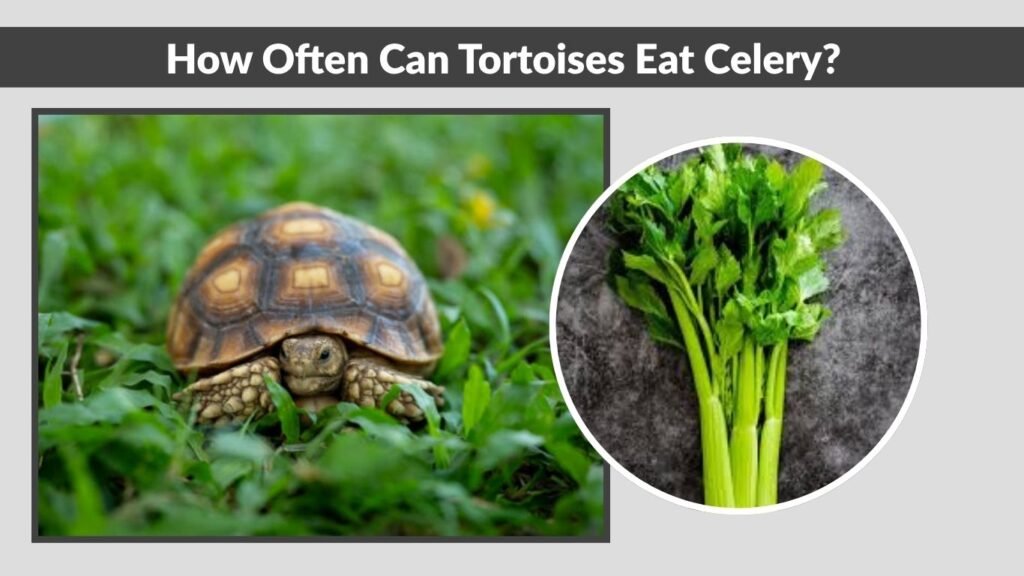
Feeding celery occasionally can add some variety to your tortoise’s diet, but it should never become a regular component. Tortoises thrive on consistent, nutrient-rich foods, and celery simply doesn’t meet those requirements. Overfeeding watery vegetables can lead to digestive imbalance and reduced appetite for better foods.
Celery should be offered no more than once a week, and even then, only in small portions mixed with healthier greens. This ensures your tortoise gets the benefits of variety without sacrificing essential nutrition. Paying attention to your tortoise’s response is also important, as some individuals may tolerate it better than others.
Can Different Tortoise Species Eat Celery?
Different tortoise species have unique dietary needs based on their natural habitats. While celery is generally safe across most species, how often it should be fed varies. The table below summarizes whether common tortoise species can eat celery and how suitable it is for their diet.
| Tortoise Species | Can They Eat Celery? | Feeding Frequency | Notes |
| Russian (Horsefield) | Yes | Rarely | Prefers leafy weeds and high-fiber greens |
| Sulcata (African Spurred) | Yes | Very rarely | Diet should be mostly grasses and hay |
| Desert Tortoise | Yes | Occasionally | Not part of natural wild diet |
| Red-Footed Tortoise | Yes | Occasionally | More flexible diet but still limit celery |
| Hermann’s Tortoise | Yes | Rarely | Needs calcium-rich leafy greens |
| Greek Tortoise | Yes | Rarely | Avoid overfeeding watery vegetables |
| Leopard Tortoise | Yes | Very rarely | Requires high-fiber, grass-based diet |
Although most tortoise species can eat celery safely, it should always be offered in moderation. Species that rely heavily on grasses, like sulcata and leopard tortoises, should receive celery far less frequently than more omnivorous species like red-footed tortoises.
Benefits and Risks of Feeding Celery
Celery offers a mix of minor benefits and noticeable drawbacks. While it can provide hydration and slight dietary variation, it falls short in delivering the nutrients tortoises truly need. Understanding both sides helps prevent common feeding mistakes.
Benefits
- Helps with hydration due to high water content
- Adds variety to the diet
- Safe and non-toxic when fed properly
Risks
- Very low in essential nutrients
- Can cause loose stool if overfed
- May reduce appetite for healthier foods
Better Alternatives to Celery for Tortoises
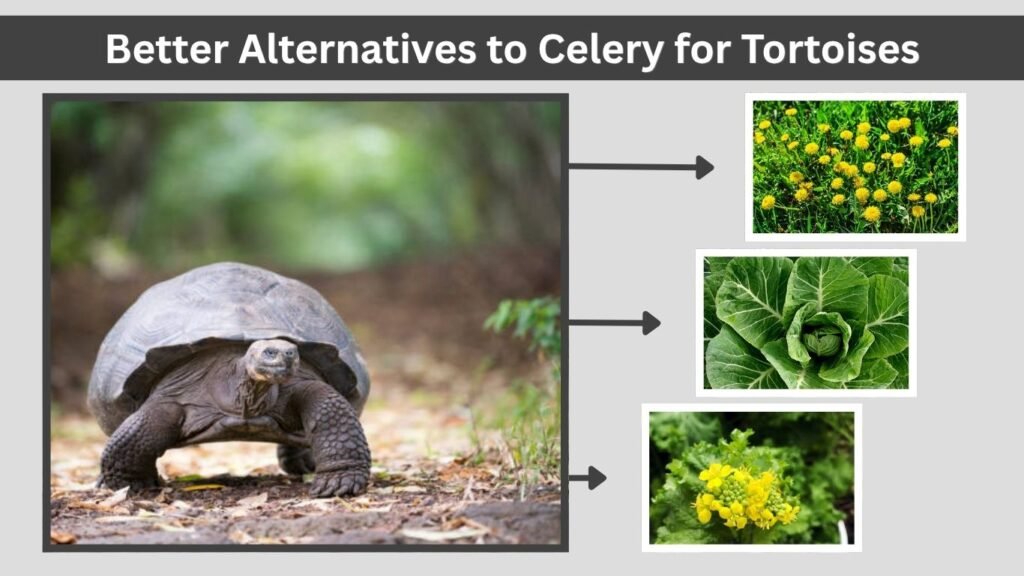
While celery is safe in small amounts, it shouldn’t replace more nutritious foods. Tortoises need a diet rich in fiber, calcium, and essential vitamins to support shell growth and overall health. Choosing better alternatives ensures your tortoise gets the nutrients it truly needs while still enjoying variety in its meals.
Healthier Food Options
- Dandelion greens – rich in calcium and highly beneficial
- Collard greens – excellent for shell health
- Mustard greens – packed with vitamins and fiber
- Turnip greens – a strong calcium source
- Hibiscus leaves and flowers – natural and nutritious
How to Prepare Celery for Your Tortoise
Preparing celery properly is just as important as choosing whether to feed it. Even safe foods can cause problems if they are not handled correctly. Tortoises have slow digestive systems, so food texture and cleanliness play a major role in preventing issues like choking or digestive discomfort.
Before feeding, celery should always be washed thoroughly to remove pesticides and dirt. Cutting it into small, bite-sized pieces makes it easier for your tortoise to chew and digest. It’s also best to mix celery with other leafy greens instead of offering it alone. This encourages a balanced diet and prevents your tortoise from developing a preference for low-nutrient foods.
Signs You’re Feeding Too Much Celery
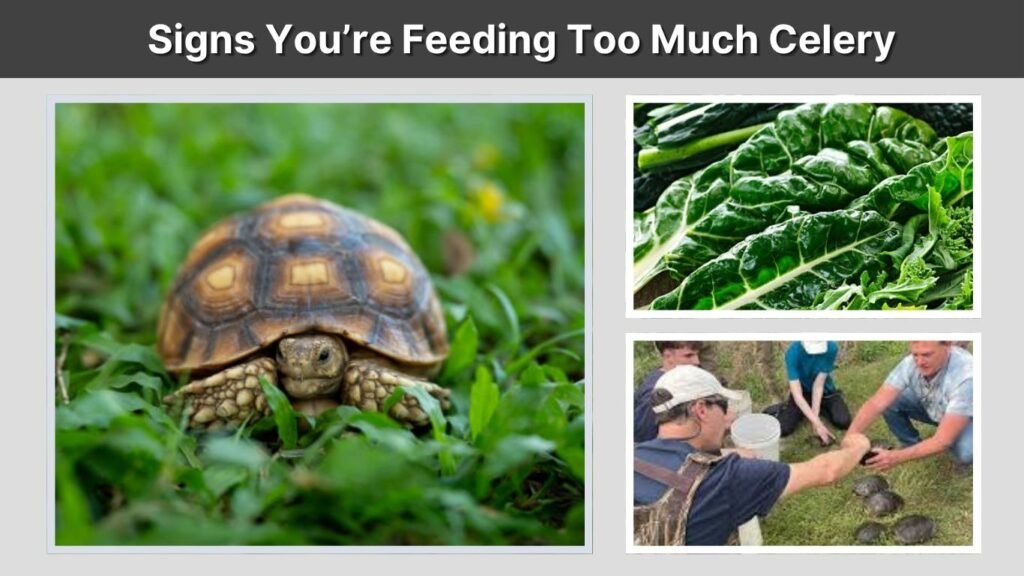
Overfeeding celery can lead to subtle but noticeable health issues. Because it is mostly water and low in nutrients, excessive amounts can disrupt digestion and reduce the intake of healthier foods. Monitoring your tortoise’s behavior and physical condition helps you adjust its diet before problems become serious.
Warning Signs to Watch
- Loose or watery stool
- Reduced appetite for staple greens
- Sluggish behavior or low energy
- Signs of mild digestive discomfort
- Overly frequent urination due to high water intake
Final Thoughts on Feeding Celery to Tortoises
Celery can be part of a tortoise’s diet, but it should never play a major role. The key to a healthy tortoise is consistency, balance, and species-appropriate feeding. While occasional treats like celery are fine, they should always be secondary to nutrient-rich greens and natural foods.
A well-planned diet supports strong shell development, proper digestion, and long-term health. By focusing on high-quality foods and limiting low-nutrient options like celery, you give your tortoise the best chance to thrive. Small adjustments in feeding habits can make a big difference over time.
FAQs
Can tortoises eat celery every day?
No, tortoises should not eat celery daily. It lacks essential nutrients and is mostly water, which can lead to dietary imbalance. Feeding it too often may also reduce your tortoise’s interest in more nutritious foods that are necessary for proper growth and health.
Can baby tortoises eat celery?
Baby tortoises can eat small amounts of celery, but it is not ideal. They require nutrient-dense foods to support rapid growth and shell development. Offering celery too often may limit their intake of more beneficial greens.
Can sulcata tortoises eat celery leaves?
Yes, sulcata tortoises can eat celery leaves occasionally. However, their diet should mainly consist of grasses and high-fiber plants. Celery leaves should only be a small addition rather than a regular food.
Is celery better than lettuce for tortoises?
Celery and lettuce are both low in nutrients, but lettuce—especially iceberg—offers even less value. While celery has slightly more fiber, neither should be relied on. Nutrient-rich leafy greens are always a better choice.
What happens if a tortoise eats too much celery?
Eating too much celery can cause digestive issues like diarrhea due to its high water content. It may also lead to poor nutrition if it replaces healthier foods, potentially affecting shell strength and overall health over time.