
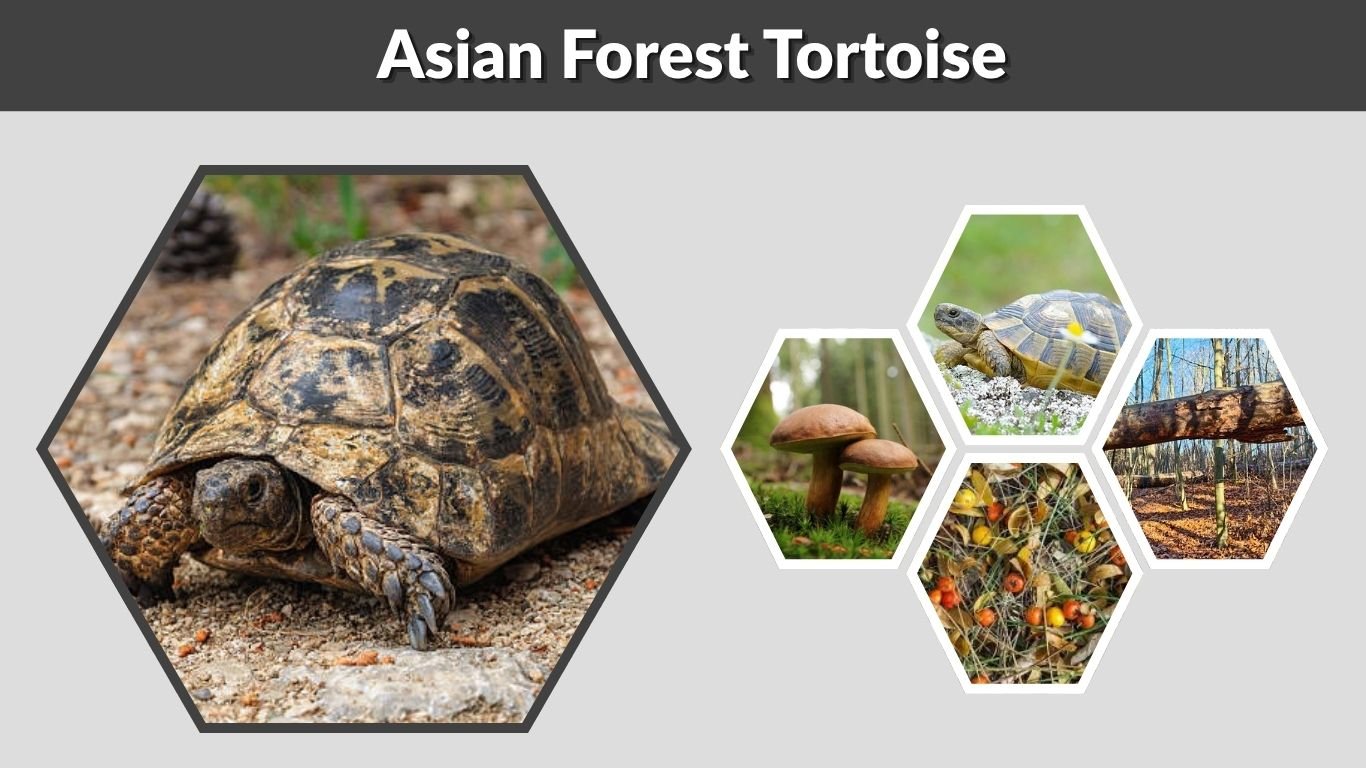
The Asian Forest Tortoise is one of the most fascinating tortoise species found in Southeast Asia. Known for its large size and strong build, it thrives in humid forest environments rather than dry landscapes like many other tortoises. This species plays an important role in maintaining forest ecosystems by helping with seed dispersal and nutrient cycling. However, due to habitat destruction and hunting, its population has declined in many areas. Understanding its traits, behavior, and habitat is essential for both conservation and general knowledge.
What is the Asian Forest Tortoise?
The Asian Forest Tortoise is a large, ground-dwelling reptile native to tropical forests of Southeast Asia. It is well adapted to humid conditions and differs from many tortoises that prefer dry habitats. This species is known for its strength, slow movement, and ability to survive in dense vegetation. It plays a key ecological role and is considered important for forest balance.
Basic Overview
The Asian Forest Tortoise belongs to a group of large tortoises that are often found near moist forest floors. It is recognized for its heavy shell and strong limbs, which help it move through thick vegetation. This species is mostly terrestrial but stays close to water sources for hydration and cooling.
Asian Forest Tortoise Physical Characteristics and Size
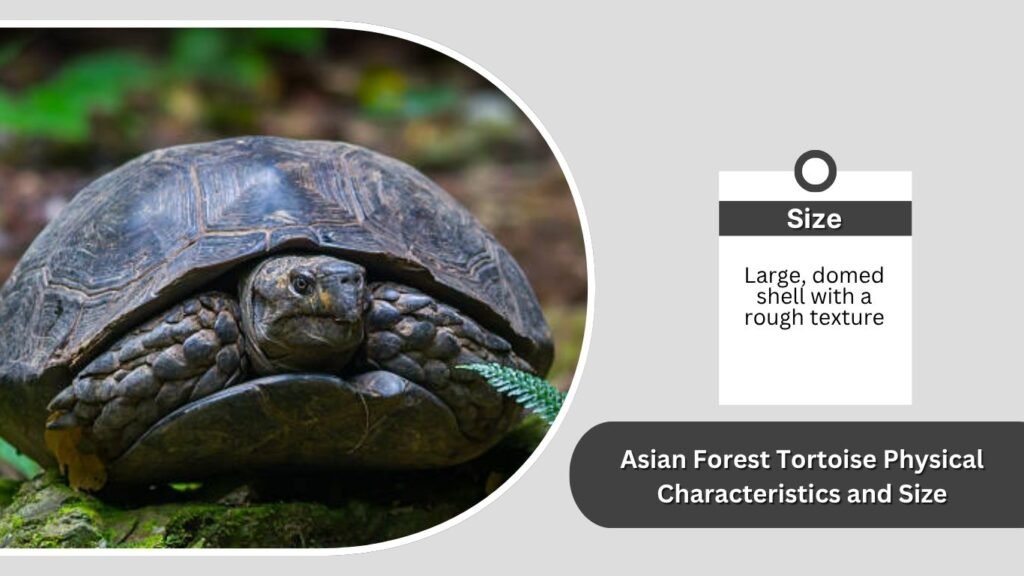
The Asian Forest Tortoise is one of the largest tortoise species in Asia. Its body is built for strength and durability, allowing it to survive in dense and sometimes challenging forest environments. Its appearance is simple but powerful, making it easy to distinguish from smaller or more colorful species.
Identification
- Large, domed shell with a rough texture
- Dark brown or black carapace
- Thick, sturdy legs for movement in forests
Size
- Can grow up to 50–60 cm in length
- One of the heaviest tortoises in its region
- Males and females differ slightly in size and shape
Asian Forest Tortoise Habitat and Biome
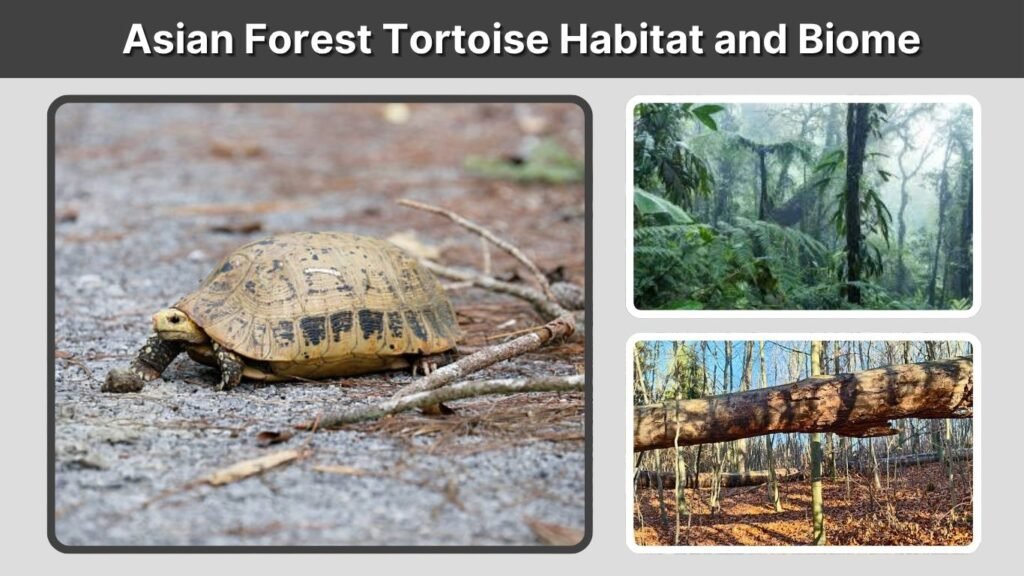
The Asian Forest Tortoise is primarily found in tropical rainforests and moist woodlands. It depends heavily on high humidity and dense vegetation to survive. These environments provide shelter, food, and protection from predators. The tortoise avoids dry and open areas, making forest conservation crucial for its survival.
Natural Environment
This species lives on forest floors covered with leaf litter, fallen logs, and thick undergrowth. It is often found near streams or damp areas where moisture levels remain stable. The forest canopy helps regulate temperature, keeping the environment cool and suitable for the tortoise.
Asian Forest Tortoise Diet and Feeding Habits
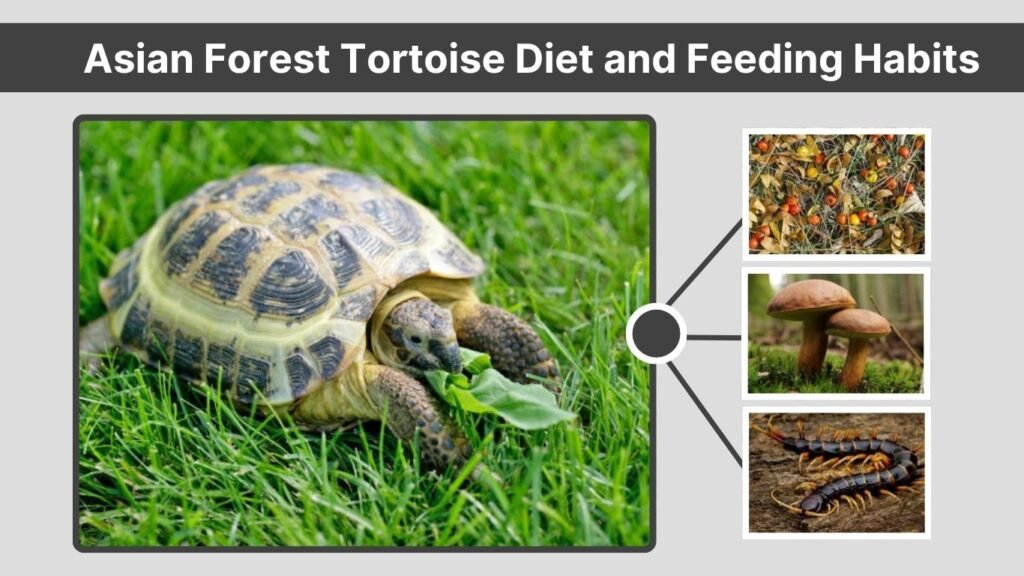
The Asian Forest Tortoise has a varied diet that supports its large body and energy needs. Unlike many tortoises that are strictly herbivores, this species can consume both plant and animal matter. Its diet changes depending on availability within its forest habitat.
What Do They Eat?
- Fallen fruits and leaves
- Mushrooms and forest plants
- Insects and small invertebrates
Feeding Behavior
The tortoise feeds slowly and spends a significant amount of time searching for food on the forest floor. It relies on smell and sight to locate edible items. Its diet helps recycle nutrients in the ecosystem, making it an important part of forest health.
Asian Forest Tortoise Behavior and Temperament
The Asian Forest Tortoise is generally calm, solitary, and slow-moving. It spends most of its time resting or moving through dense vegetation in search of food. Its behavior is strongly influenced by temperature and moisture levels in its environment.
Daily Activity
This species is most active during cooler parts of the day, such as early morning and after rainfall. During hot conditions, it remains hidden under vegetation or debris to avoid overheating. It is not aggressive and usually avoids confrontation.
Temperament
The tortoise is shy and prefers to stay hidden rather than interact with other animals. When threatened, it withdraws into its shell for protection. Its calm nature makes it less dangerous compared to more aggressive reptiles, although it can defend itself if necessary.
Adaptations for Survival
The Asian Forest Tortoise has developed several adaptations that help it survive in dense, humid forests. These adaptations allow it to move efficiently, retain moisture, and protect itself from predators. Its body structure and behavior are closely linked to the challenges of living in a forest ecosystem.
Key Adaptations
- Strong, thick limbs for moving through leaf litter and uneven ground
- Heavy, domed shell for protection against predators
- Ability to stay in shaded, moist areas to prevent dehydration
Predators and Defense
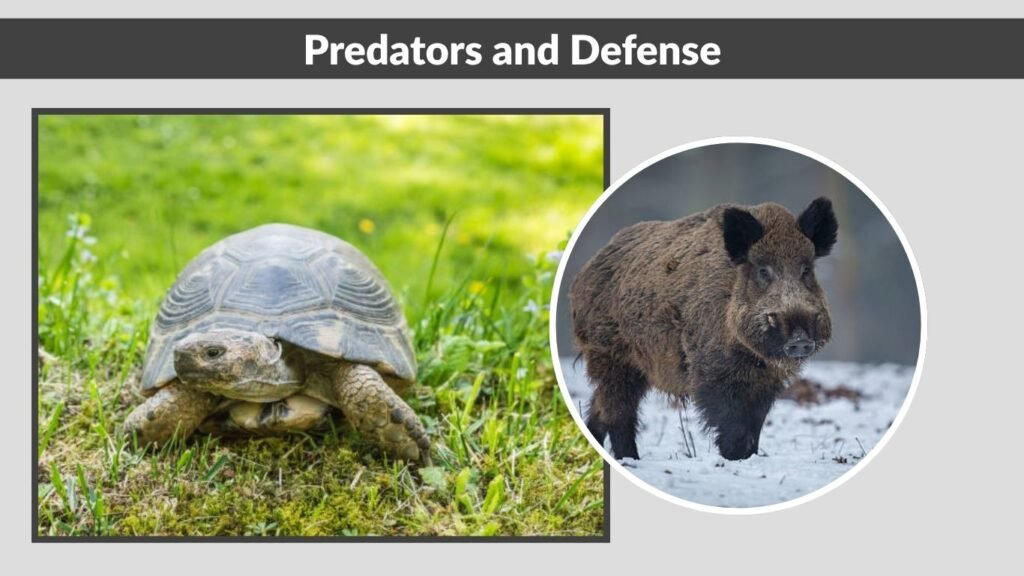
The Asian Forest Tortoise faces threats from natural predators and human activities. Despite its strong shell, it is still vulnerable, especially when young. Its survival depends on its ability to remain hidden and protected within its environment.
Natural Threats
- Large mammals such as wild boars
- Birds of prey targeting juveniles
- Human hunting and habitat destruction
Defense Mechanisms
The tortoise relies mainly on its hard shell for protection. When threatened, it pulls its head and limbs inside. It also uses camouflage, blending into the forest floor to avoid detection.
Asian Forest Tortoise Lifespan and Growth
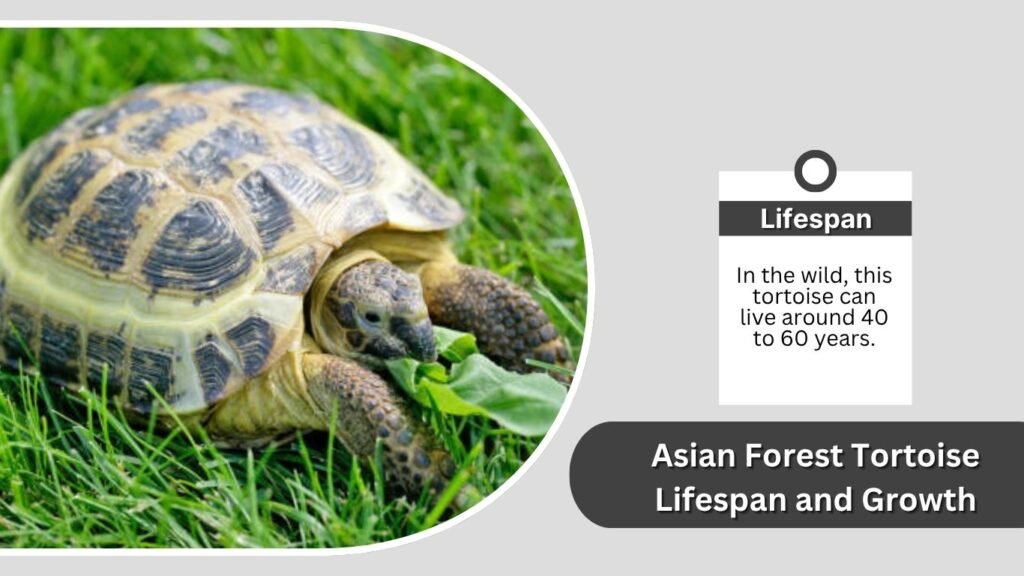
The Asian Forest Tortoise is a long-lived species with a slow growth rate. Its lifespan depends on environmental conditions, food availability, and safety from threats. In protected environments, it can live significantly longer.
Lifespan
In the wild, this tortoise can live around 40 to 60 years. With proper care and stable conditions, it may live even longer. Its slow aging process is typical of many tortoise species.
Growth Pattern
The tortoise grows gradually over many years. Young tortoises are more vulnerable and depend heavily on shelter. As they mature, their shell becomes stronger and offers better protection.
Conservation Status
The Asian Forest Tortoise is currently considered endangered due to various human-related factors. Conservation efforts are essential to protect this species and its natural habitat. Without proper action, its population may continue to decline.
Current Status
The species is listed as endangered on the IUCN Red List. This means it faces a high risk of extinction in the wild if threats continue.
Major Threats
Habitat loss due to deforestation is one of the biggest challenges. In addition, illegal hunting and trade have significantly reduced its population. Conservation programs focus on habitat protection and breeding efforts.
Can Asian Forest Tortoises Swim?
Although primarily land-dwelling, the Asian Forest Tortoise has some ability to interact with water. Its relationship with water is important for hydration and temperature regulation rather than long-distance movement.
Swimming Ability
This tortoise can move through shallow water and may soak to cool down. However, it is not a strong swimmer and does not rely on water for survival. It prefers staying on land near moist areas.
Asian Forest Tortoise Bite Force and Safety
The Asian Forest Tortoise is not considered dangerous, but it does have a strong bite if provoked. Its jaws are adapted for crushing plant matter and small prey, which gives it moderate bite strength.
Bite and Behavior
It rarely shows aggression and usually avoids confrontation. Bites may occur only when it feels threatened or handled improperly. Its calm nature makes it generally safe to observe from a distance.
Care and Captive Needs
Caring for an Asian Forest Tortoise requires understanding its natural environment and dietary needs. It needs a setup that mimics its forest habitat to remain healthy.
Basic Care
- Humid enclosure with shaded areas
- Access to fresh water for drinking and soaking
- Balanced diet with plant matter and occasional protein
Health Needs
Proper humidity and nutrition are essential to prevent health problems. Regular observation helps ensure the tortoise remains active and healthy.
FAQs
What does the Asian Forest Tortoise eat?
The Asian Forest Tortoise is omnivorous, meaning it eats both plant and animal matter. Its diet includes fallen fruits, leaves, mushrooms, and small invertebrates like insects. This varied diet helps it survive in forest environments where food availability can change with seasons.
Is the Asian Forest Tortoise a herbivore?
No, the Asian Forest Tortoise is not strictly a herbivore. While it consumes a large amount of plant material, it also eats small animals and insects. This makes it an omnivore, allowing it to adapt better to its forest habitat.
Where does the Asian Forest Tortoise live?
The Asian Forest Tortoise lives in tropical rainforests and moist woodlands of Southeast Asia. It prefers areas with high humidity, dense vegetation, and access to water sources like streams or damp forest floors for survival.
How long does the Asian Forest Tortoise live?
This species typically lives between 40 to 60 years in the wild. With proper care and a stable environment, it may live even longer. Like most tortoises, it has a slow growth rate and a long lifespan.
Is the Asian Forest Tortoise endangered?
Yes, the Asian Forest Tortoise is considered endangered. Its population is declining due to habitat loss, deforestation, and illegal hunting. Conservation efforts are important to protect this species and ensure its survival in the wild.