
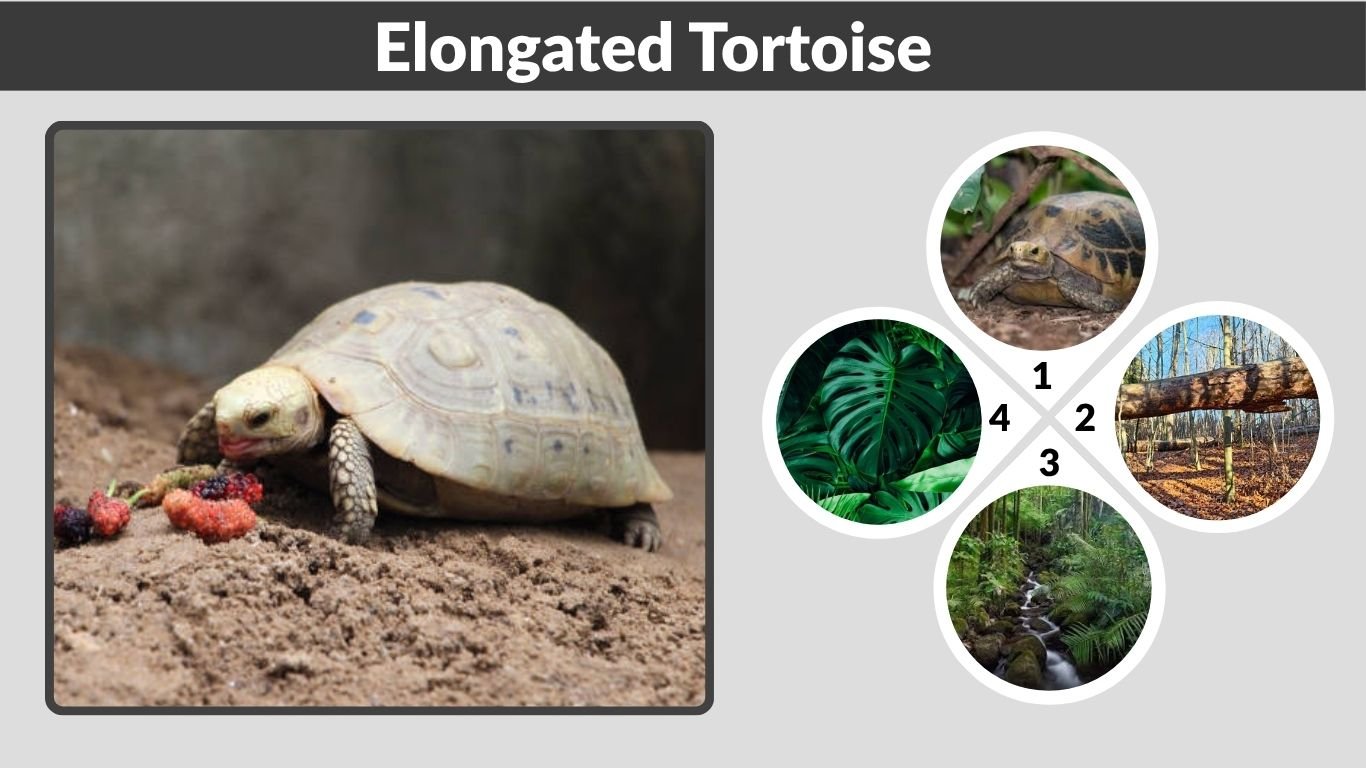
The Elongated Tortoise is a unique and widely distributed species found across South and Southeast Asia. Known for its slightly stretched shell and adaptable nature, it thrives in forests, grasslands, and hilly regions. This species plays an important role in maintaining ecological balance by contributing to nutrient cycling. Despite its adaptability, it faces threats from habitat loss and hunting. Understanding its size, diet, habitat, and care needs is essential for conservation and responsible pet ownership.
What is the Elongated Tortoise?
The Elongated Tortoise, scientifically known as Indotestudo elongata, is a medium-sized terrestrial reptile native to Southeast Asia. It is commonly found in countries like Thailand, India, and Myanmar. This species is known for its calm nature and ability to survive in different environments, making it one of the more adaptable tortoises.
Basic Overview
The Elongated Tortoise is a ground-dwelling species that prefers moist environments. It is often seen in forested areas with plenty of vegetation and leaf litter. Its natural behavior includes slow movement and spending long periods searching for food on the forest floor.
Elongated Tortoise Physical Characteristics and Size
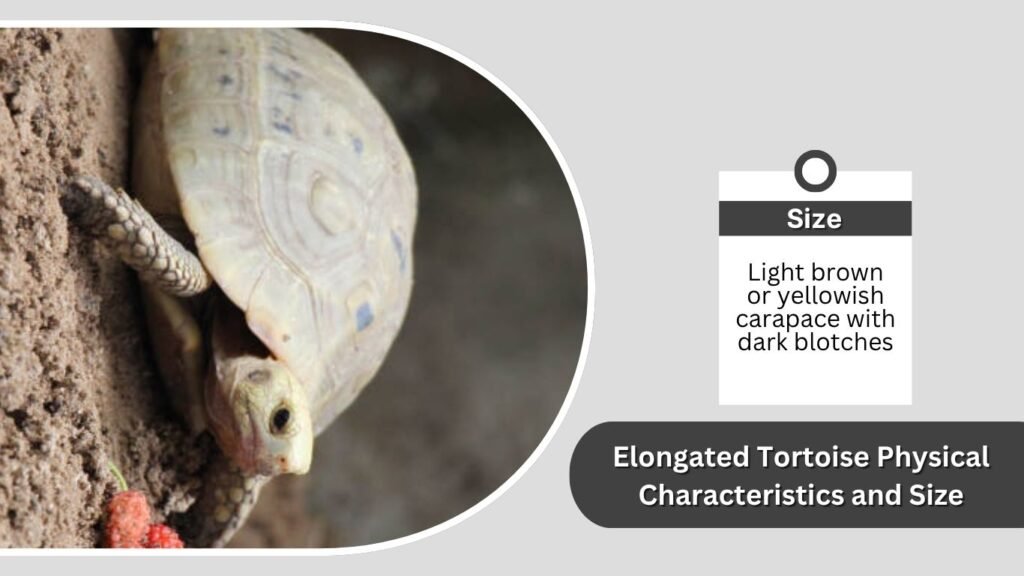
The Elongated Tortoise is recognized for its distinct body shape and moderate size. Its structure allows it to move efficiently through dense vegetation and uneven terrain. Compared to other tortoises, it has a slightly flatter and longer shell.
Identification
- Elongated, slightly flattened shell
- Light brown or yellowish carapace with dark blotches
- Strong, scaled limbs for movement on rough terrain
Size and Growth
- Typically grows up to 25–35 cm in length
- Considered medium-sized among tortoises
- Juveniles are smaller and more vulnerable than adults
Elongated Tortoise Habitat and Natural Environment
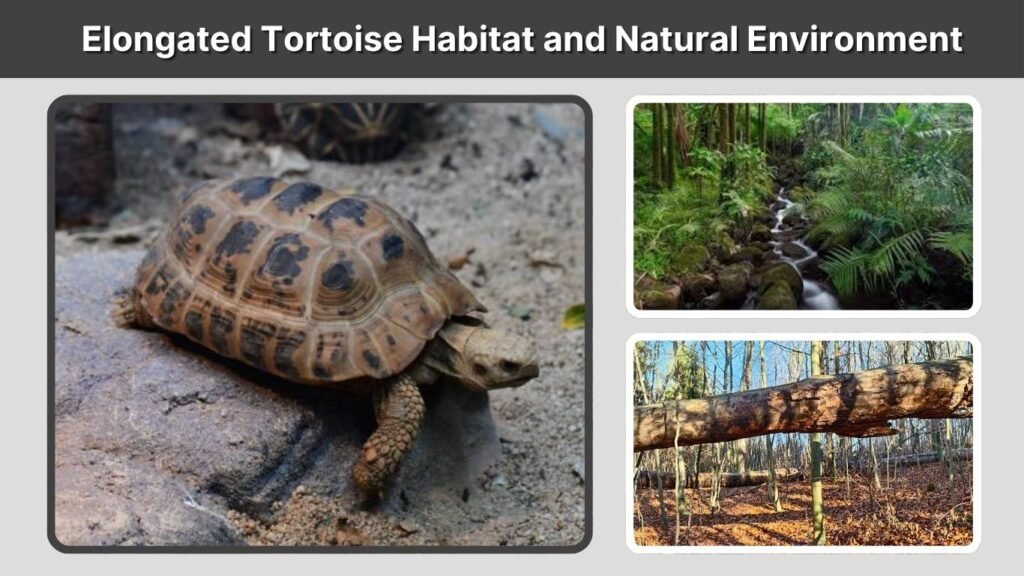
The Elongated Tortoise lives in a variety of environments, including tropical forests, grasslands, and hilly regions. It prefers areas with moderate humidity and dense vegetation. These habitats provide both shelter and food, helping the tortoise maintain stable body conditions.
Natural Habitat
This species is commonly found on forest floors covered with leaf litter and fallen branches. It often stays near shaded areas to avoid extreme heat. Moist conditions are important for its survival, especially during dry seasons when it seeks shelter under logs or in shallow burrows.
Elongated Tortoise Diet and Feeding Habits
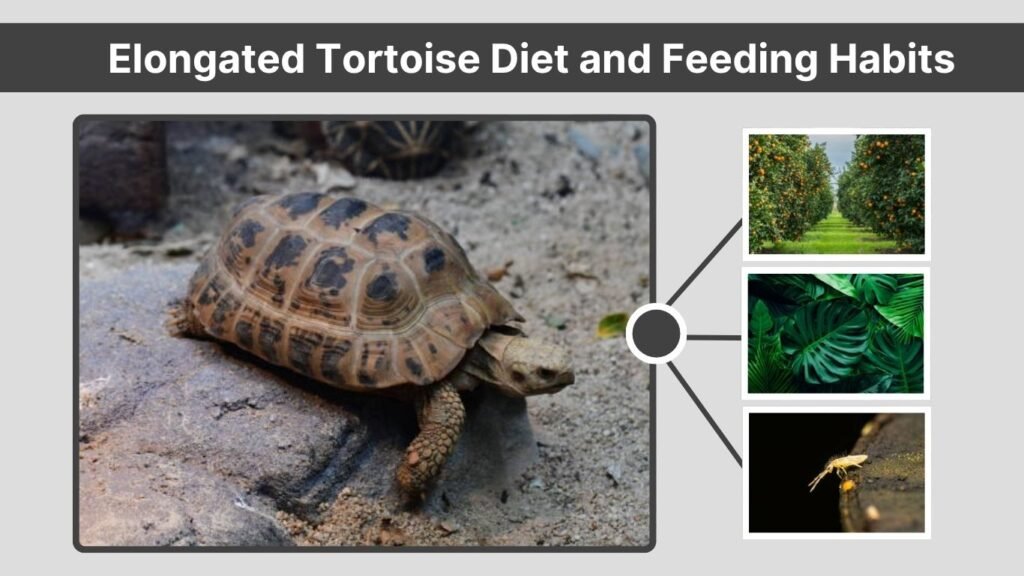
The Elongated Tortoise has a varied diet that helps it adapt to different environments. Unlike strictly herbivorous tortoises, it consumes both plant and animal matter. This flexible diet supports its survival in changing conditions.
What Do They Eat?
- Leaves, grasses, and forest vegetation
- Fruits and flowers
- Fungi and small insects
Feeding Behavior
The tortoise spends much of its time searching for food on the ground. It feeds slowly and uses its senses to locate edible items. Its diet plays an important role in recycling nutrients within its ecosystem.
Elongated Tortoise Behavior and Personality
The Elongated Tortoise is generally calm, slow-moving, and solitary. It prefers quiet environments and avoids interaction with other animals. Its behavior is closely linked to temperature and humidity levels in its habitat.
Activity Patterns
This species is most active during cooler parts of the day, such as early morning and evening. During hot conditions, it rests in shaded areas to prevent overheating. Rainy seasons often increase its activity levels.
Temperament
The tortoise is shy and non-aggressive. When threatened, it withdraws into its shell for protection. It rarely shows defensive behavior unless provoked, making it relatively safe to observe in its natural environment.
Elongated Tortoise Lifespan and Growth
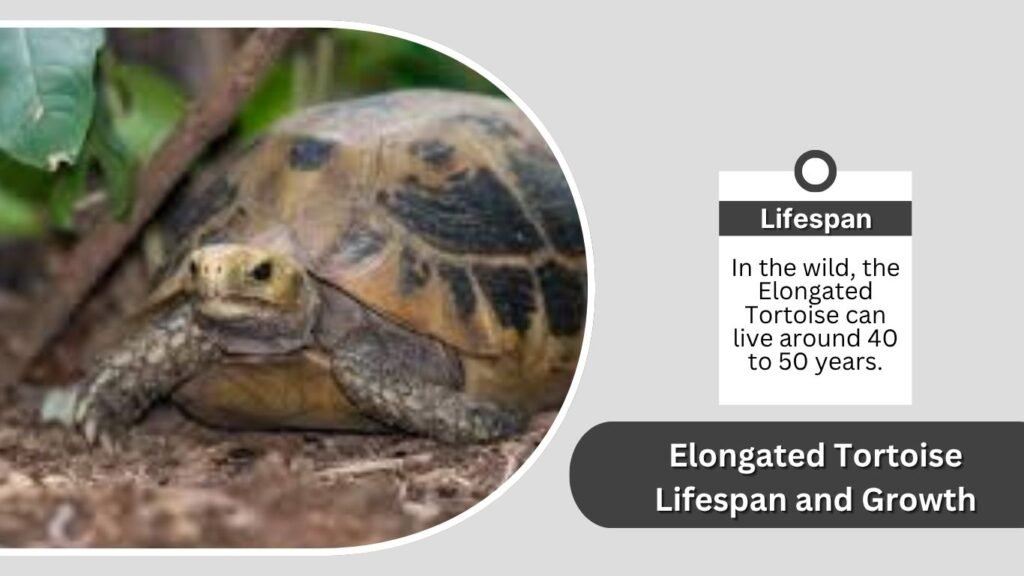
The Elongated Tortoise is a long-lived species with a slow and steady growth rate. Its lifespan depends on environmental conditions, food availability, and protection from threats. In stable habitats or managed care, it can live for several decades, making it a long-term species in both wild and captivity.
Lifespan
In the wild, the Elongated Tortoise can live around 40 to 50 years. With proper care, some individuals may live even longer. Like most tortoises, it matures slowly and continues growing for many years.
Growth Pattern
Young tortoises grow gradually and are more vulnerable to predators. As they age, their shell becomes stronger and more protective. Growth slows down once they reach adulthood, but they continue developing in size and strength.
Conservation Status
The Elongated Tortoise is currently considered endangered due to various environmental and human-related pressures. Conservation efforts are necessary to protect this species and its natural habitat from further decline.
Current Status
This species is listed as endangered on the IUCN Red List. Its population has decreased significantly in recent years due to multiple threats.
Major Threats
Habitat destruction from deforestation is a major concern. In addition, illegal hunting and trade have reduced wild populations. Conservation programs focus on protecting habitats and regulating wildlife trade.
Elongated Tortoise Care Guide
Proper care of the Elongated Tortoise requires replicating its natural environment as closely as possible. It needs a balanced setup that supports its physical and behavioral needs.
Basic Care
- Spacious enclosure with natural substrate and hiding spots
- Consistent humidity and moderate temperature levels
- Access to clean water for drinking and soaking
Diet in Captivity
- Mix of leafy greens, fruits, and vegetables
- Occasional protein sources like insects
- Calcium supplements for shell health
Breeding and Reproduction
Breeding in Elongated Tortoises occurs under suitable environmental conditions. Understanding their reproductive behavior is important for conservation and captive breeding programs.
Mating Behavior
Males may show increased activity during breeding periods. They may follow females and display mild competitive behavior. Environmental factors like temperature and humidity influence breeding.
Egg Incubation
Females lay eggs in shallow nests. The incubation period depends on temperature and humidity levels. Proper conditions are essential for successful hatching.
Price and Availability
The availability of Elongated Tortoises varies depending on location and legal regulations. Due to their endangered status, trade is often restricted or controlled.
Market Overview
- Prices vary based on age, size, and origin
- Captive-bred individuals are more commonly available
- Legal permits may be required in many regions
Buying Considerations
It is important to ensure the tortoise is sourced legally and ethically. Buyers should prioritize conservation-friendly options and avoid illegal wildlife trade.
Interesting Facts
The Elongated Tortoise has several unique traits that make it stand out among tortoise species. These features contribute to its adaptability and ecological importance.
Key Facts
- It is one of the most adaptable tortoises in Southeast Asia
- Its diet includes both plant and animal matter
- It plays a role in seed dispersal within forests
Scientific Classification
The Elongated Tortoise belongs to a well-defined group of reptiles with specific taxonomic characteristics. Understanding its classification helps in identifying its evolutionary background.
Taxonomy
It is scientifically known as Indotestudo elongata. It belongs to the reptile class and is part of the tortoise family. This classification places it among other land-dwelling tortoises found across Asia and beyond.
FAQs
What do elongated tortoises eat?
Elongated tortoises are omnivores. They eat a mix of leaves, grasses, fruits, flowers, fungi, and small insects. This varied diet helps them survive in different environments and supports their overall health in both the wild and captivity.
How big do elongated tortoises get?
Elongated tortoises typically grow to about 25–35 cm in length when fully grown. Their size can vary depending on habitat, diet, and care conditions. They are considered medium-sized compared to other tortoise species.
Are elongated tortoises good pets?
Elongated tortoises can be suitable pets for experienced keepers. They require proper humidity, space, and a balanced diet. Their long lifespan and specific care needs make them a long-term commitment rather than a beginner-friendly pet.
How long do elongated tortoises live?
These tortoises usually live between 40 to 50 years in the wild. With proper care in captivity, they may live even longer. Their slow growth and long lifespan are typical characteristics of many tortoise species.
Why are elongated tortoises endangered?
Elongated tortoises are endangered mainly due to habitat loss, deforestation, and illegal wildlife trade. Hunting for food and the pet market has significantly reduced their population, making conservation efforts essential for their survival.