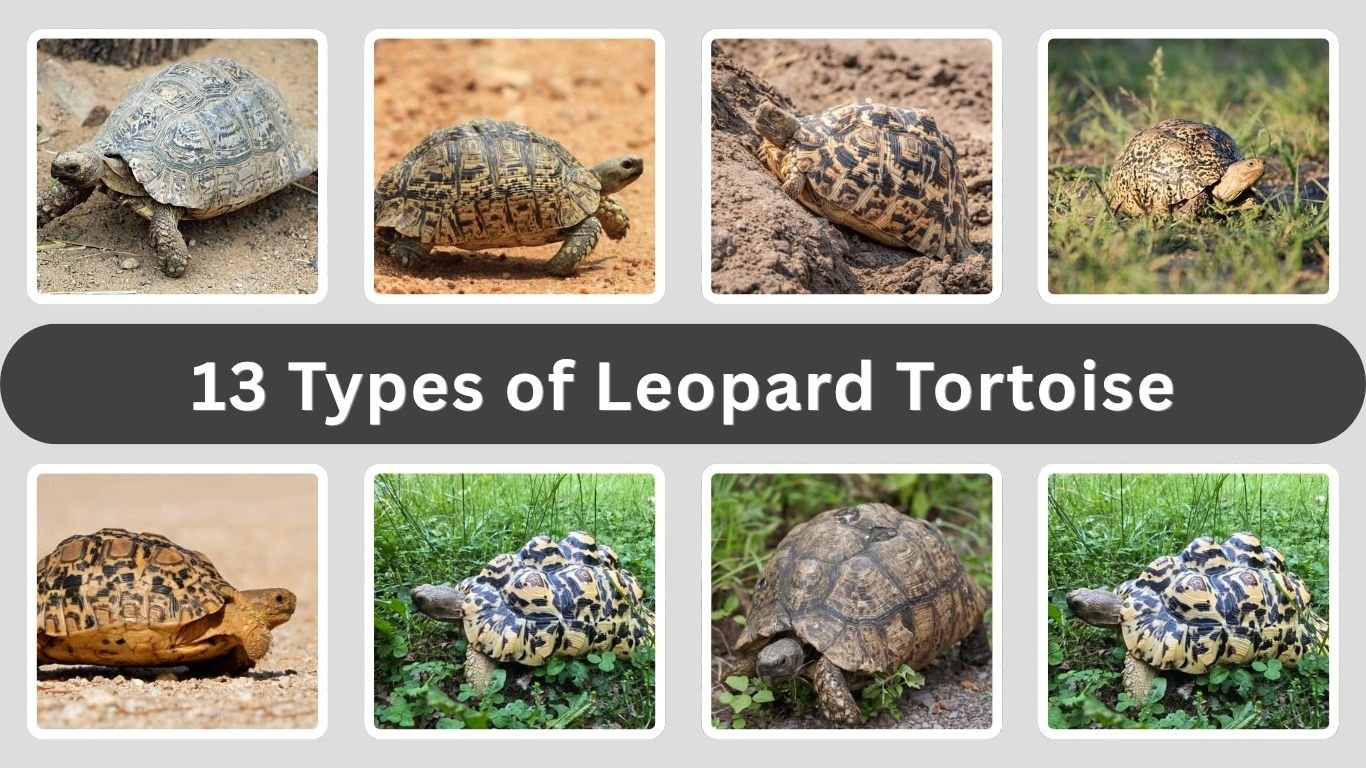
Leopard tortoises are one of the largest and most recognizable tortoise species, known for their beautifully patterned shells and calm nature. Although they belong to a single species, they show noticeable regional variations across different parts of Africa. These variations influence their size, coloration, and habitat preferences. Found mainly in grasslands, savannas, and semi-arid regions, leopard tortoises are well adapted to warm climates. Understanding these types helps in identifying their characteristics and appreciating their role in natural ecosystems and conservation efforts.
1. South African Leopard Tortoise
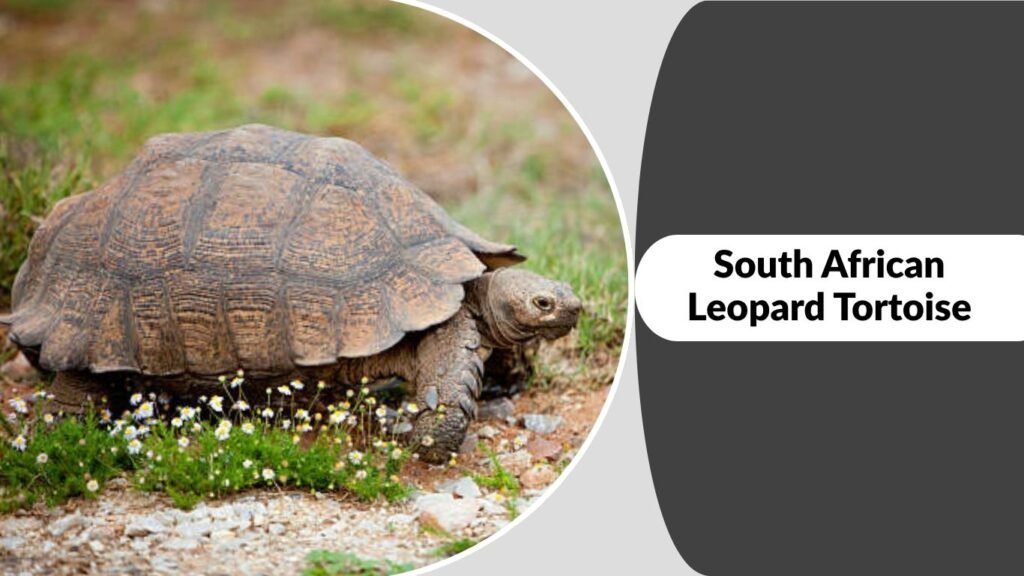
The South African leopard tortoise is a well-known regional form of the leopard tortoise, commonly found in southern parts of Africa. It is admired for its attractive shell pattern and relatively large size. This tortoise is well adapted to dry and semi-arid environments and is often seen in grasslands and open areas.
Identification
- Large, domed shell with bold black and yellow patterning
- Shell markings resemble leopard-like spots and blotches
- Color ranges from light tan to deep yellow with dark patches
- Thick, sturdy legs adapted for walking on rough ground
- Head is relatively small with a slightly pointed mouth
Habitat
This tortoise prefers dry grasslands, savannas, and semi-arid regions. It is commonly found in open landscapes with scattered shrubs and grasses. The South African leopard tortoise avoids dense forests and humid environments, instead thriving in areas with moderate vegetation and plenty of sunlight.
Behaviors
It is mostly active during the day, especially in the morning and late afternoon. During extreme heat, it may seek shade or shelter under bushes. This tortoise is generally solitary and moves slowly while grazing. It does not dig deep burrows but may use natural shelters.
Diet and Lifespan
The South African leopard tortoise is herbivorous, feeding mainly on grasses, succulents, and other plant materials. It requires a high-fiber diet for proper health. In the wild, it can live for several decades, often reaching 50 years or more under suitable conditions.
2. East African Leopard Tortoise
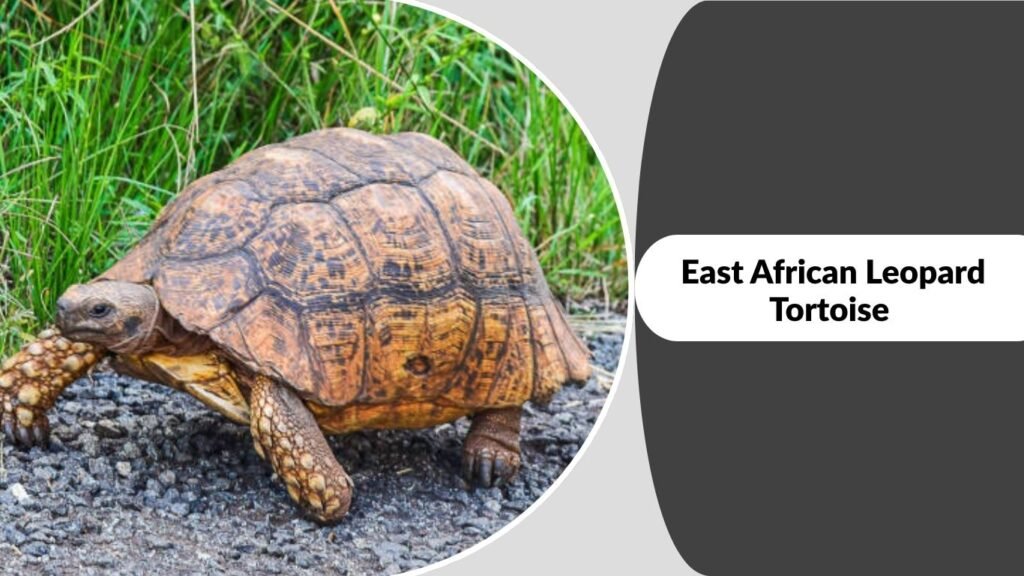
The East African leopard tortoise is a regional form commonly found across eastern parts of Africa. It is known for its striking shell patterns and slightly larger average size compared to some southern populations. This tortoise is well adapted to a variety of environments, making it one of the more widespread forms of the species.
Identification
- Large, high-domed shell with bold black spots and blotches
- Shell background color ranges from yellow to golden
- Patterns often appear more contrasted and defined
- Strong, column-like legs suited for walking long distances
- Head is small with a blunt, beak-like mouth
Habitat
This tortoise inhabits savannas, grasslands, and semi-arid regions. It can also be found in areas with seasonal rainfall and moderate vegetation. The East African leopard tortoise prefers open landscapes where it can easily graze and access sunlight for thermoregulation.
Behaviors
It is mainly active during the day, especially in cooler hours such as morning and late afternoon. During hot periods, it rests in shade or under vegetation. This tortoise is solitary and spends much of its time grazing. It may travel across wide areas in search of food and water.
Diet and Lifespan
The East African leopard tortoise feeds primarily on grasses, weeds, and other plant materials. It requires a high-fiber, low-protein diet to stay healthy. In natural conditions, it can live for several decades, often reaching 50 years or more depending on environmental factors.
3. Ethiopian Leopard Tortoise
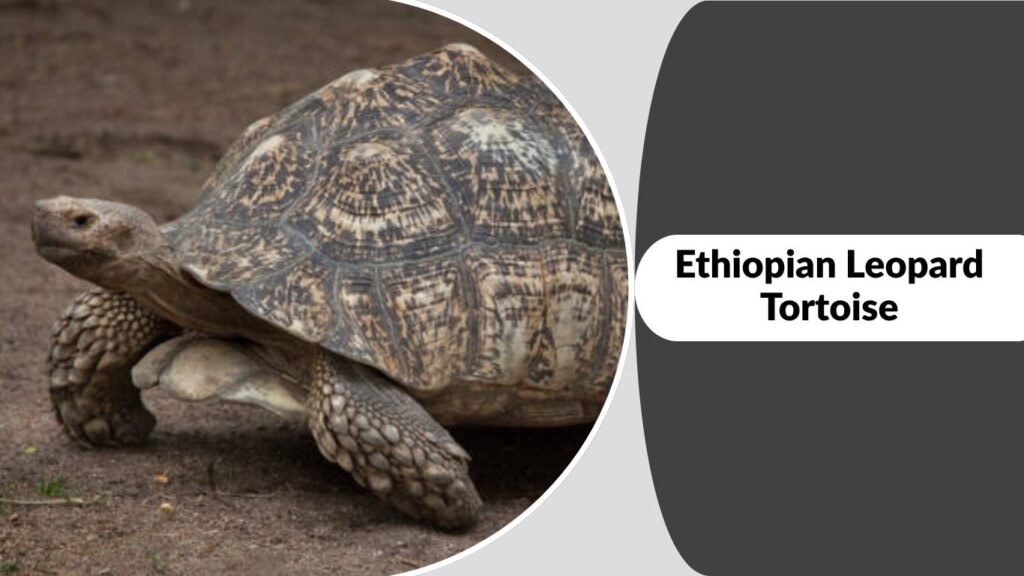
The Ethiopian leopard tortoise is a regional form found in parts of northeastern Africa, particularly in higher and drier landscapes. It is well adapted to environments with varying temperatures and limited water availability. Like other leopard tortoises, it is known for its patterned shell and slow, steady lifestyle.
Identification
- Large, domed shell with black and yellow spotted patterns
- Shell coloration may appear slightly darker in some individuals
- Markings are irregular, forming blotches rather than stripes
- Strong, thick legs adapted for walking on rough terrain
- Head is small with a firm, beak-like mouth
Habitat
This tortoise is commonly found in dry grasslands, rocky areas, and semi-arid regions. It may also inhabit higher elevations where vegetation is sparse but still sufficient for grazing. The Ethiopian leopard tortoise prefers open areas with access to sunlight and scattered plant life.
Behaviors
It is diurnal and most active during the cooler parts of the day. During intense heat, it seeks shelter under rocks, bushes, or natural cover. This tortoise is generally solitary and spends much of its time grazing slowly across its habitat.
Diet and Lifespan
The Ethiopian leopard tortoise is herbivorous, feeding mainly on grasses, leaves, and other plant materials. It requires a diet rich in fiber for proper digestion. In the wild, it can live for several decades, often reaching 40 to 60 years depending on conditions.
4. Somali Leopard Tortoise
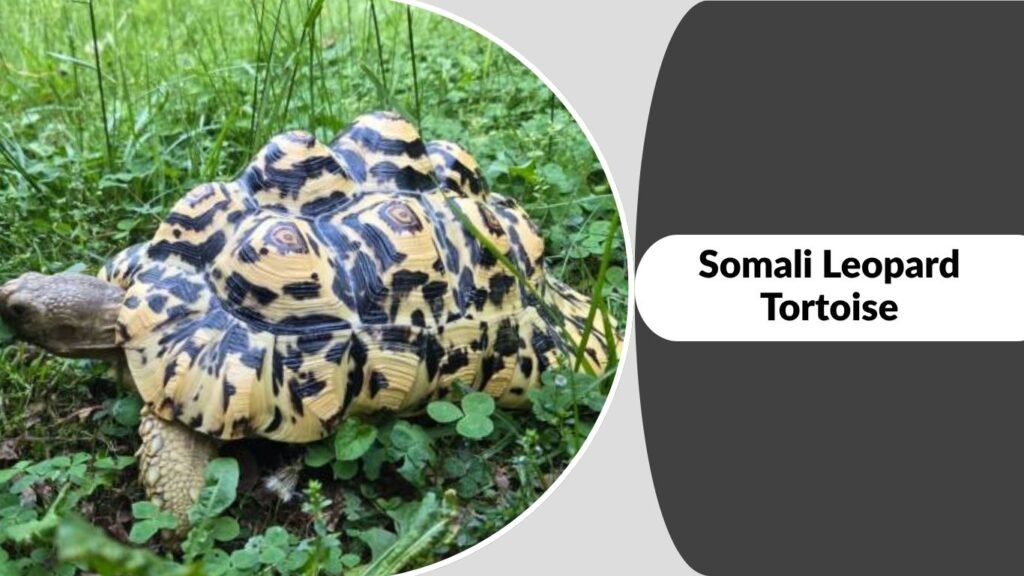
The Somali leopard tortoise is a regional form found in arid and semi-arid parts of northeastern Africa. It is well adapted to dry environments and can tolerate higher temperatures compared to some other populations. Like other leopard tortoises, it is known for its attractive shell patterns and slow, grazing lifestyle.
Identification
- Large, high-domed shell with bold dark spots on a yellow background
- Shell markings may appear more spaced and less dense
- Color ranges from pale yellow to light tan with black blotches
- Strong, sturdy legs suited for dry, rough terrain
- Head is small with a sharp, beak-like mouth
Habitat
This tortoise prefers dry grasslands, scrublands, and semi-desert environments. It is commonly found in regions with sparse vegetation and sandy or rocky soil. The Somali leopard tortoise thrives in open areas where it can bask in sunlight and find scattered plant life for food.
Behaviors
It is active during the day, especially in the morning and late afternoon. During extreme heat, it seeks shade under bushes or rocks. This tortoise is solitary and spends most of its time grazing. It moves slowly and conserves energy to cope with harsh environmental conditions.
Diet and Lifespan
The Somali leopard tortoise is herbivorous, feeding mainly on grasses, dry plants, and succulents. It can survive with limited water by obtaining moisture from food. In the wild, it can live for several decades, often reaching 40 to 60 years depending on environmental conditions.
5. Sudan Leopard Tortoise
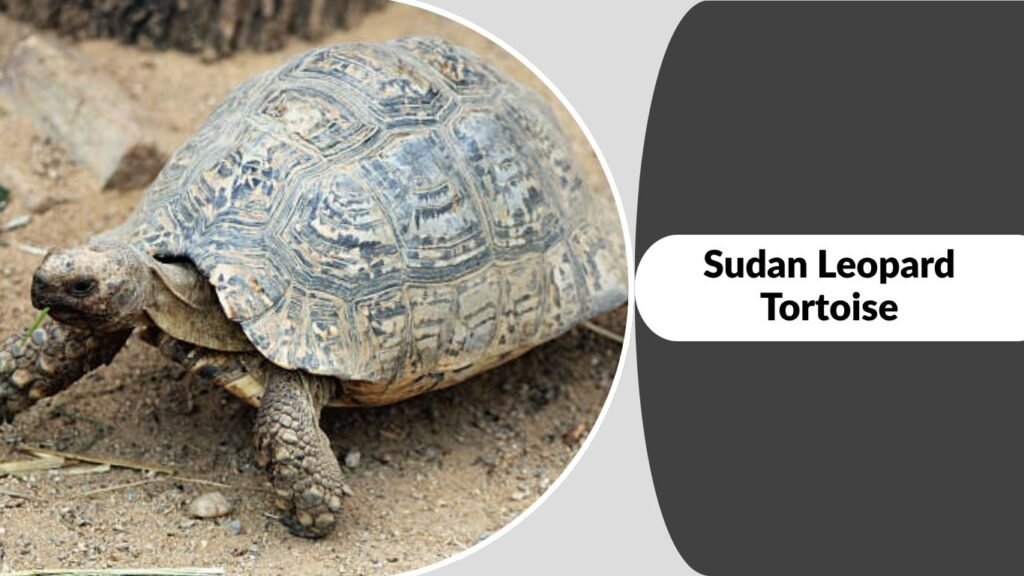
The Sudan leopard tortoise is a regional form found in parts of northeastern Africa, particularly in dry and semi-arid regions. It is well adapted to harsh climates with limited water and high temperatures. Like other leopard tortoises, it is known for its patterned shell and slow, grazing behavior.
Identification
- Large, domed shell with black blotches on a yellow or tan background
- Shell patterns are bold but may appear slightly faded in dry regions
- Color ranges from pale yellow to sandy tones
- Strong, thick legs adapted for walking on rough, dry ground
- Head is small with a firm, beak-like mouth
Habitat
This tortoise prefers arid grasslands, scrublands, and semi-desert areas. It is commonly found in open environments with sparse vegetation. The Sudan leopard tortoise thrives in regions where it can access sunlight and scattered plant life, avoiding dense forests or very humid areas.
Behaviors
It is diurnal and most active during cooler parts of the day, such as morning and late afternoon. During extreme heat, it seeks shelter under bushes, rocks, or natural shade. This tortoise is solitary and spends much of its time slowly grazing across its habitat.
Diet and Lifespan
The Sudan leopard tortoise feeds mainly on grasses, dry plants, and other fibrous vegetation. It is well adapted to low-water environments, obtaining moisture from its food. In the wild, it can live for several decades, often reaching 40 to 60 years depending on conditions.
6. Kenyan Leopard Tortoise
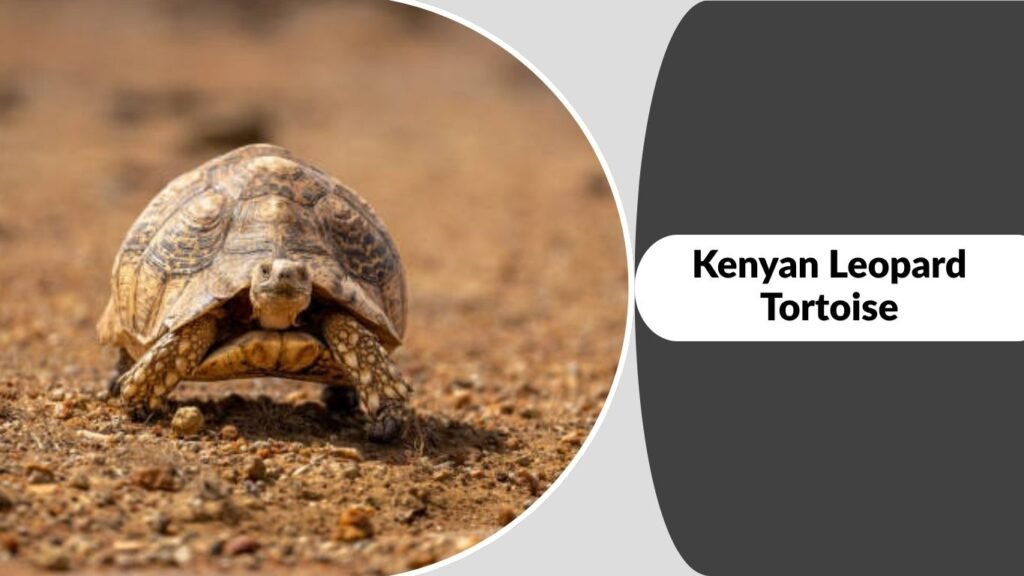
The Kenyan leopard tortoise is a regional form commonly found in East Africa, especially in Kenya’s diverse landscapes. It is known for its well-defined shell patterns and adaptability to different environmental conditions. This tortoise thrives in areas where both vegetation and open space are available for grazing and movement.
Identification
- Large, domed shell with bold black spots on a yellow background
- Shell patterns are usually clear and well-defined
- Color ranges from golden yellow to light brown with dark markings
- Strong, column-like legs adapted for walking long distances
- Head is small with a slightly hooked, beak-like mouth
Habitat
This tortoise is commonly found in savannas, grasslands, and semi-arid regions. It prefers open environments with moderate vegetation where it can graze easily. The Kenyan leopard tortoise avoids dense forests and thrives in areas with seasonal rainfall and plenty of sunlight.
Behaviors
It is active during the day, especially in the morning and late afternoon. During hot conditions, it seeks shade under bushes or natural cover. This tortoise is solitary and spends most of its time grazing slowly. It may travel across its habitat in search of food and suitable conditions.
Diet and Lifespan
The Kenyan leopard tortoise feeds mainly on grasses, weeds, and other plant materials. A high-fiber diet is essential for its health. In the wild, it can live for several decades, often reaching 40 to 60 years depending on environmental factors.
7. Tanzanian Leopard Tortoise
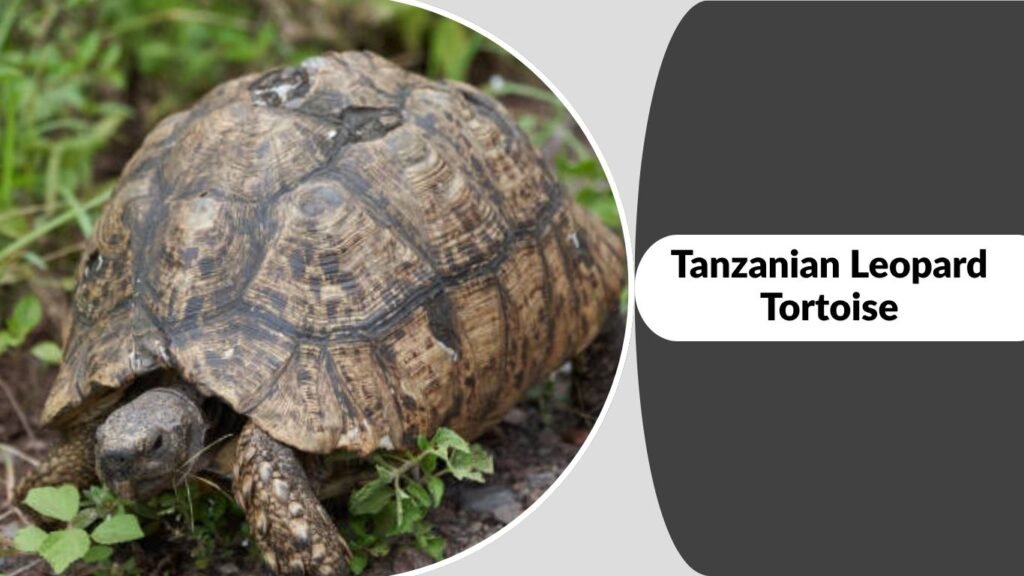
The Tanzanian leopard tortoise is a regional form found in East Africa, particularly in Tanzania’s varied landscapes. It is known for its striking shell pattern and ability to adapt to both dry and moderately humid environments. This tortoise is commonly seen in open areas where it can graze and bask in sunlight.
Identification
- Large, high-domed shell with bold black and yellow markings
- Shell patterns are often vivid and well contrasted
- Color ranges from bright yellow to golden tones with dark blotches
- Strong, sturdy legs built for walking across uneven terrain
- Head is small with a firm, beak-like mouth
Habitat
This tortoise prefers savannas, grasslands, and open woodland areas. It thrives in regions with seasonal rainfall and moderate vegetation. The Tanzanian leopard tortoise is often found in environments that provide both grazing opportunities and access to sunlight for thermoregulation.
Behaviors
It is active during the day, especially in cooler hours like morning and late afternoon. During extreme heat, it seeks shade under bushes or natural cover. This tortoise is solitary and spends much of its time grazing slowly across its habitat.
Diet and Lifespan
The Tanzanian leopard tortoise feeds mainly on grasses, leaves, and other plant materials. It requires a high-fiber diet for proper digestion. In the wild, it can live for several decades, often reaching 40 to 60 years depending on environmental conditions.
8. Ugandan Leopard Tortoise
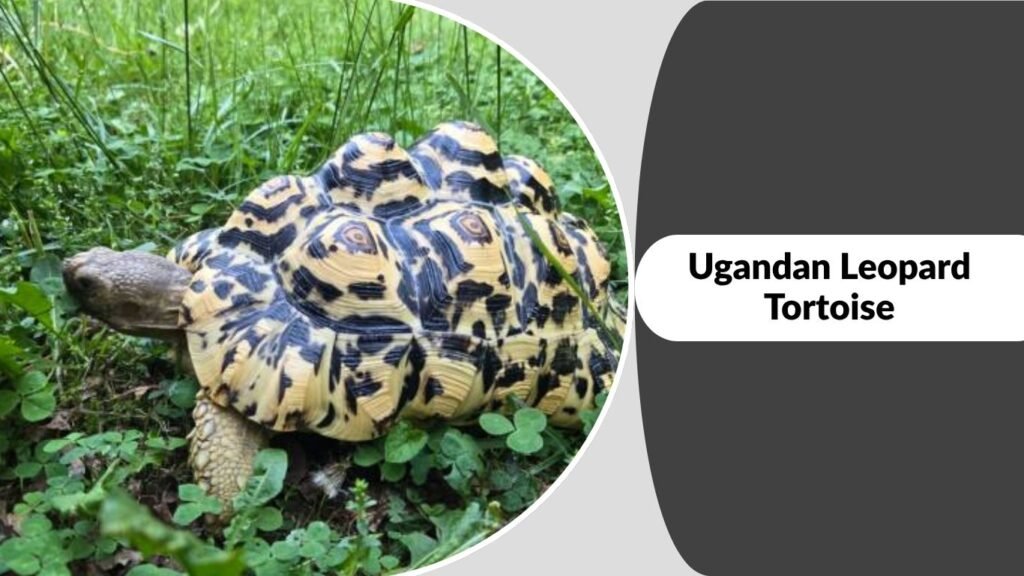
The Ugandan leopard tortoise is a regional form found in East Africa, particularly in Uganda’s grasslands and open environments. It is known for its attractive shell pattern and adaptability to areas with moderate rainfall. This tortoise thrives in habitats that provide both vegetation for feeding and open spaces for basking.
Identification
- Large, domed shell with bold black spots on a yellow background
- Shell patterns are clear and moderately spaced
- Color ranges from golden yellow to light tan with dark markings
- Strong, thick legs adapted for walking on varied terrain
- Head is small with a slightly curved, beak-like mouth
Habitat
This tortoise prefers grasslands, savannas, and open woodland areas. It is commonly found in regions with moderate rainfall and sufficient plant growth. The Ugandan leopard tortoise avoids dense forests and thrives in environments where sunlight and grazing opportunities are available.
Behaviors
It is active during the day, especially during the morning and late afternoon. During hot conditions, it seeks shade under bushes or natural cover. This tortoise is solitary and spends much of its time grazing slowly and moving across its habitat in search of food.
Diet and Lifespan
The Ugandan leopard tortoise feeds mainly on grasses, weeds, and other plant materials. It requires a high-fiber diet to maintain good health. In the wild, it can live for several decades, often reaching 40 to 60 years depending on environmental conditions.
9. Namibian Leopard Tortoise
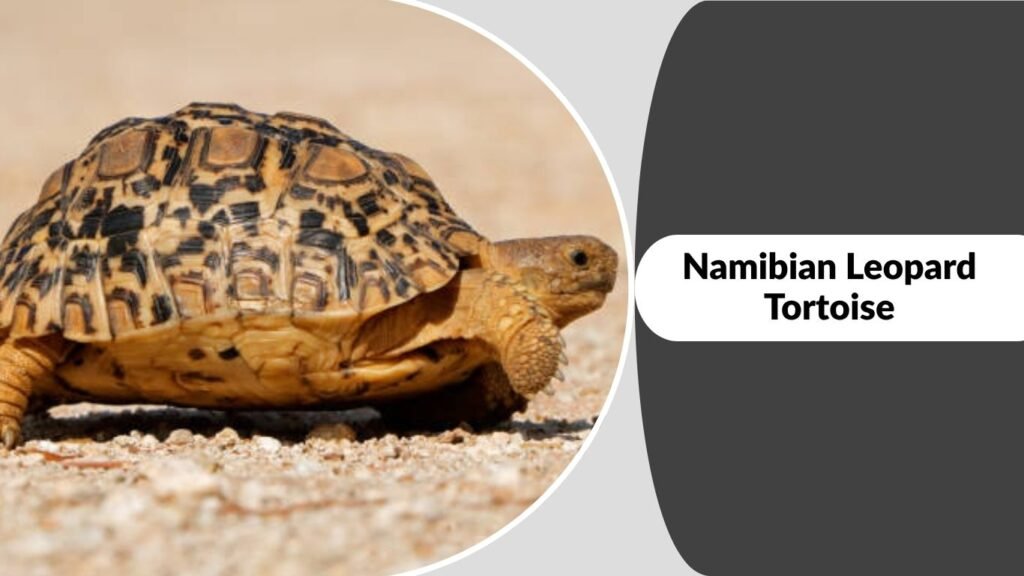
The Namibian leopard tortoise is a regional form adapted to some of the driest environments in southern Africa. It is well suited to arid and semi-desert conditions, where temperatures can be extreme and vegetation is limited. Despite harsh surroundings, it survives by conserving moisture and utilizing available plant resources efficiently.
Identification
- Large, domed shell with dark blotches on a pale yellow or sandy background
- Shell patterns may appear lighter or more faded due to dry conditions
- Color ranges from light tan to pale yellow with black markings
- Strong, thick legs adapted for walking on sandy or rocky terrain
- Head is small with a firm, beak-like mouth
Habitat
This tortoise prefers arid grasslands, scrublands, and semi-desert regions. It is commonly found in areas with sparse vegetation, sandy soils, and scattered shrubs. The Namibian leopard tortoise thrives in open landscapes where it can bask and find limited plant food.
Behaviors
It is active during cooler parts of the day, such as early morning and late afternoon. During extreme heat, it seeks shelter under bushes or in shaded areas. This tortoise is solitary and moves slowly, conserving energy in its harsh environment.
Diet and Lifespan
The Namibian leopard tortoise feeds mainly on dry grasses, succulents, and hardy plants. It can survive with very little water by obtaining moisture from food. In the wild, it can live for several decades, often reaching 40 to 60 years depending on conditions.
10. Botswana Leopard Tortoise
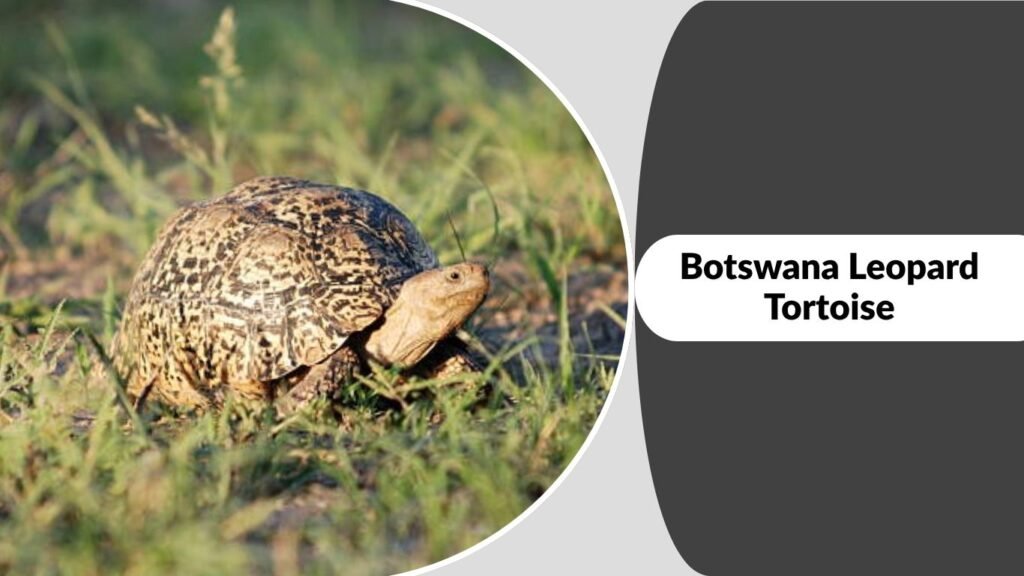
The Botswana leopard tortoise is a regional form found in southern Africa, particularly in dry and semi-arid regions. It is well adapted to environments with seasonal rainfall and open landscapes. Like other leopard tortoises, it is known for its patterned shell and slow, grazing lifestyle.
Identification
- Large, domed shell with bold black blotches on a yellow or tan background
- Shell patterns are clear but may vary in intensity
- Color ranges from golden yellow to light brown
- Strong, sturdy legs adapted for walking across dry terrain
- Head is small with a firm, beak-like mouth
Habitat
This tortoise prefers savannas, grasslands, and semi-arid regions with scattered vegetation. It is commonly found in open areas where sunlight is abundant and grazing is possible. The Botswana leopard tortoise avoids dense forests and thrives in environments with moderate plant growth.
Behaviors
It is active during the day, especially in the morning and late afternoon. During intense heat, it seeks shade under bushes or natural cover. This tortoise is solitary and spends most of its time grazing slowly across its habitat.
Diet and Lifespan
The Botswana leopard tortoise feeds mainly on grasses, weeds, and other fibrous plant materials. It requires a high-fiber diet for proper digestion. In the wild, it can live for several decades, often reaching 40 to 60 years depending on environmental conditions.
11. Zimbabwean Leopard Tortoise
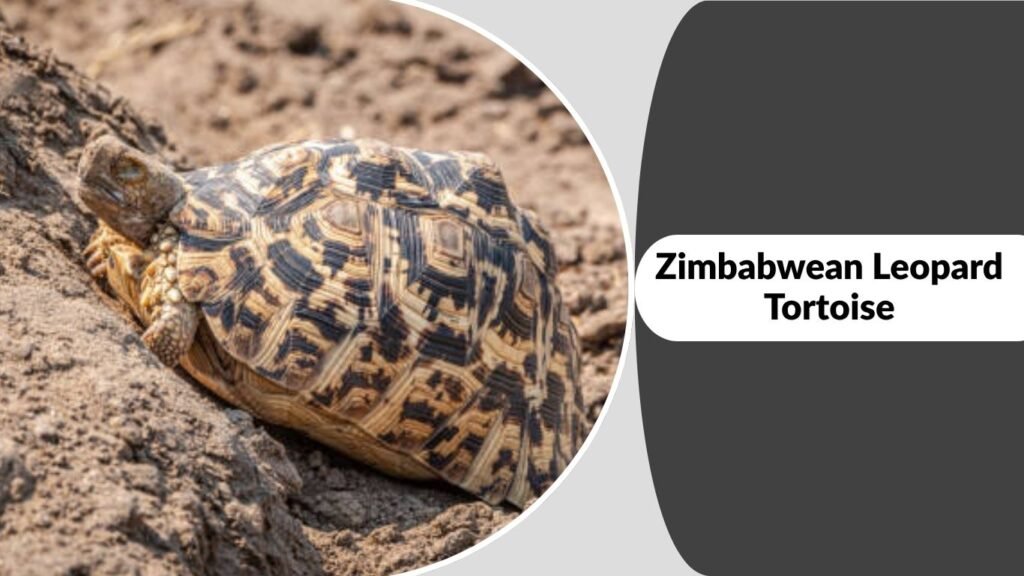
The Zimbabwean leopard tortoise is a regional form found in southern Africa, particularly in Zimbabwe’s open and semi-arid landscapes. It is well adapted to environments with seasonal rainfall and moderate vegetation. Like other leopard tortoises, it is recognized for its patterned shell and slow, grazing behavior.
Identification
- Large, domed shell with dark blotches on a yellow or tan background
- Shell patterns are bold and moderately spaced
- Color ranges from golden yellow to light brown
- Strong, thick legs adapted for walking on uneven terrain
- Head is small with a firm, beak-like mouth
Habitat
This tortoise prefers savannas, grasslands, and open woodland areas. It thrives in regions with seasonal rainfall and enough vegetation for grazing. The Zimbabwean leopard tortoise is commonly found in open environments with access to sunlight and scattered plant cover.
Behaviors
It is active during the day, especially in the morning and late afternoon. During hot periods, it seeks shade under bushes or natural shelters. This tortoise is solitary and spends much of its time slowly grazing and moving through its habitat.
Diet and Lifespan
The Zimbabwean leopard tortoise feeds mainly on grasses, leaves, and other plant materials. It requires a high-fiber diet to stay healthy. In the wild, it can live for several decades, often reaching 40 to 60 years depending on environmental conditions.
12. Zambian Leopard Tortoise
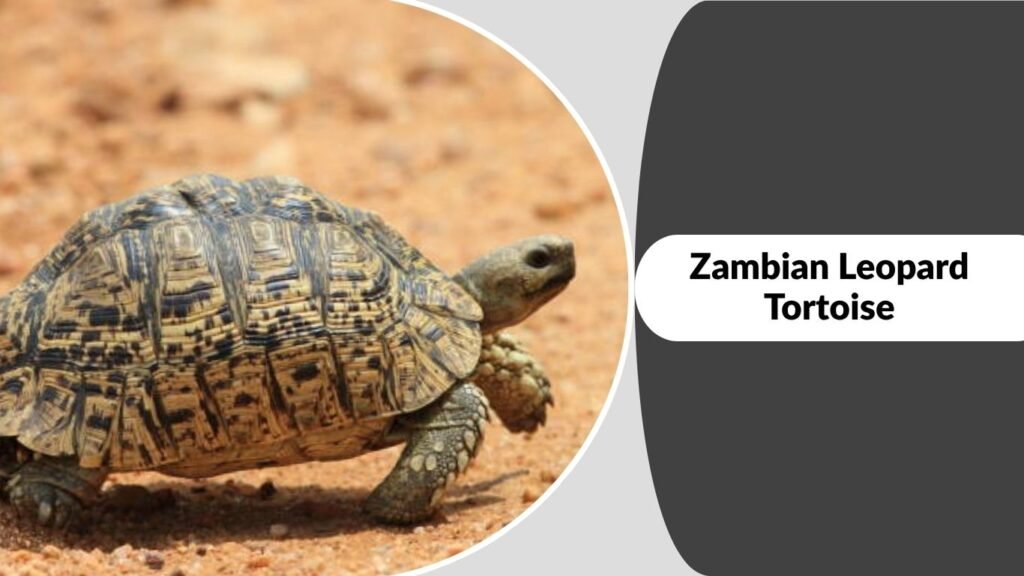
The Zambian leopard tortoise is a regional form found in southern Africa, particularly in Zambia’s grasslands and open environments. It is well adapted to areas with seasonal rainfall and moderate vegetation. This tortoise is known for its attractive shell patterns and steady grazing behavior.
Identification
- Large, domed shell with dark blotches on a yellow or tan background
- Shell patterns are clear and moderately spaced
- Color ranges from golden yellow to light brown
- Strong, sturdy legs adapted for walking across open terrain
- Head is small with a firm, beak-like mouth
Habitat
This tortoise prefers savannas, grasslands, and lightly wooded areas. It thrives in regions with seasonal rainfall and sufficient plant growth. The Zambian leopard tortoise is commonly found in open landscapes where it can access sunlight and grazing areas.
Behaviors
It is active during the day, especially during cooler periods like morning and late afternoon. During intense heat, it seeks shade under bushes or natural cover. This tortoise is solitary and spends most of its time grazing slowly across its habitat.
Diet and Lifespan
The Zambian leopard tortoise feeds mainly on grasses, weeds, and other plant materials. A high-fiber diet is essential for its health. In the wild, it can live for several decades, often reaching 40 to 60 years depending on environmental conditions.
13. Mozambique Leopard Tortoise
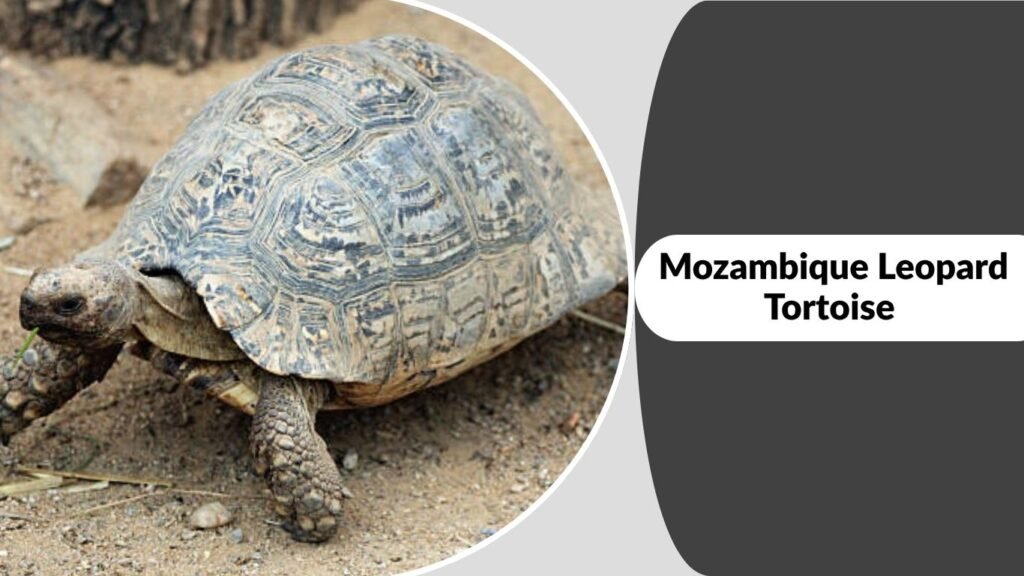
The Mozambique leopard tortoise is a regional form found in southeastern Africa, particularly in Mozambique’s coastal and inland regions. It is adapted to warm climates with varying moisture levels and is often seen in open habitats where vegetation is available for grazing. Like other leopard tortoises, it is known for its patterned shell and long lifespan.
Identification
- Large, domed shell with bold black blotches on a yellow or tan background
- Shell patterns may appear slightly more spread out
- Color ranges from light yellow to golden brown
- Strong, thick legs suited for walking on mixed terrain
- Head is small with a firm, beak-like mouth
Habitat
This tortoise prefers grasslands, savannas, and coastal plains with moderate vegetation. It can also be found in areas with seasonal rainfall where plant growth supports grazing. The Mozambique leopard tortoise thrives in open environments with access to sunlight and scattered plant cover.
Behaviors
It is active during the day, especially in the morning and late afternoon. During hot periods, it seeks shade under bushes or natural shelters. This tortoise is solitary and spends most of its time grazing slowly and moving across its habitat in search of food.
Diet and Lifespan
The Mozambique leopard tortoise feeds mainly on grasses, leaves, and other fibrous plant materials. It requires a high-fiber diet for proper digestion. In the wild, it can live for several decades, often reaching 40 to 60 years depending on environmental conditions.
FAQs
Are leopard tortoises different species or just variations?
Leopard tortoises are considered a single species, but they show regional variations in size, color, and shell patterns. These differences are influenced by geography and environment rather than strict biological classification into separate species.
How big do leopard tortoises grow?
Leopard tortoises can grow quite large compared to many other tortoise species. Adults typically reach lengths of 30 to 60 cm and can weigh over 15 kg. Size often depends on habitat, diet, and regional variation.
What do leopard tortoises eat in the wild?
Leopard tortoises are herbivores and mainly feed on grasses, weeds, and other fibrous plants. Their diet is high in fiber and low in protein, which helps maintain proper digestion and shell health over time.
How long do leopard tortoises live?
Leopard tortoises are long-lived reptiles. In the wild, they commonly live between 40 to 60 years. With proper care in captivity, some individuals may live even longer, depending on diet and environmental conditions.
Where are leopard tortoises commonly found?
Leopard tortoises are native to Africa and are widely distributed across eastern and southern regions. They are commonly found in savannas, grasslands, and semi-arid environments where vegetation is available for grazing and sunlight is abundant.