
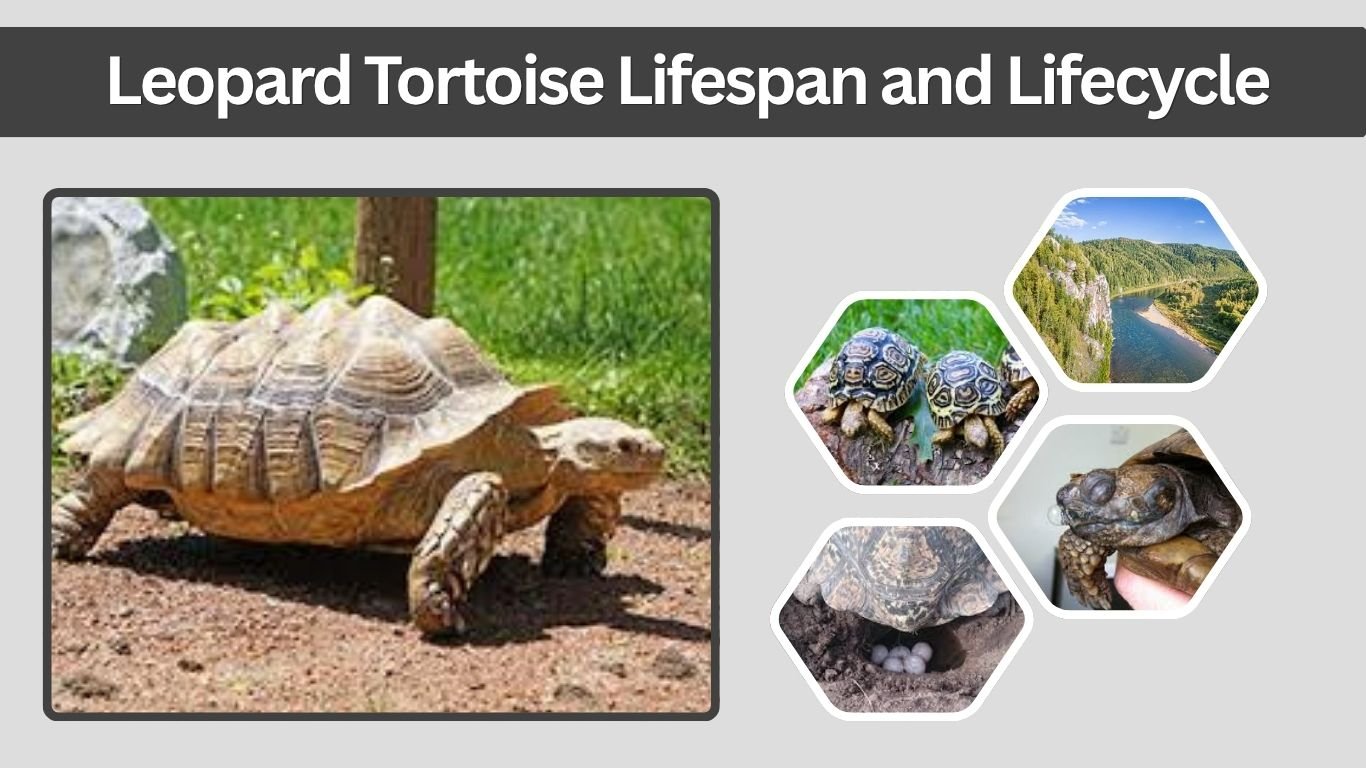
Leopard tortoises are one of the most fascinating long-living reptiles, admired for their distinctive shell patterns and calm nature. Native to parts of Africa, they adapt well to captivity when cared for properly. Understanding their lifespan and lifecycle is essential for anyone planning to keep them as pets or simply learn about their development. This guide explores how long they live, what influences their longevity, and how they grow through different life stages.
Leopard Tortoise Lifespan Overview
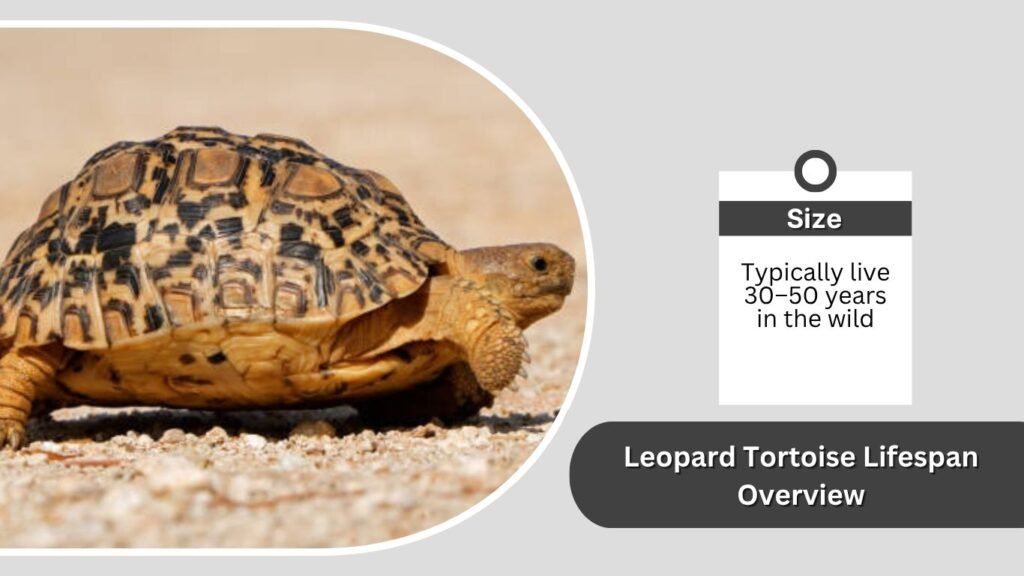
Leopard tortoises are known for their impressive longevity, often living for decades with proper care. Their lifespan varies depending on whether they live in the wild or captivity. Environmental conditions, nutrition, and health care all play major roles in determining how long they survive and thrive over time.
Average Lifespan
Leopard tortoises can live for several decades, making them a long-term responsibility for owners.
- Typically live 30–50 years in the wild
- Can reach 50–100+ years in captivity
- Lifespan increases with proper care
- Considered one of the longer-living tortoise species
Key Factors Affecting Lifespan
Multiple elements influence how long a leopard tortoise lives, and small changes can have long-term effects.
- Balanced, fiber-rich diet
- Proper temperature and humidity levels
- Access to sunlight or UVB lighting
- Regular veterinary care
Leopard Tortoise Lifecycle Stages
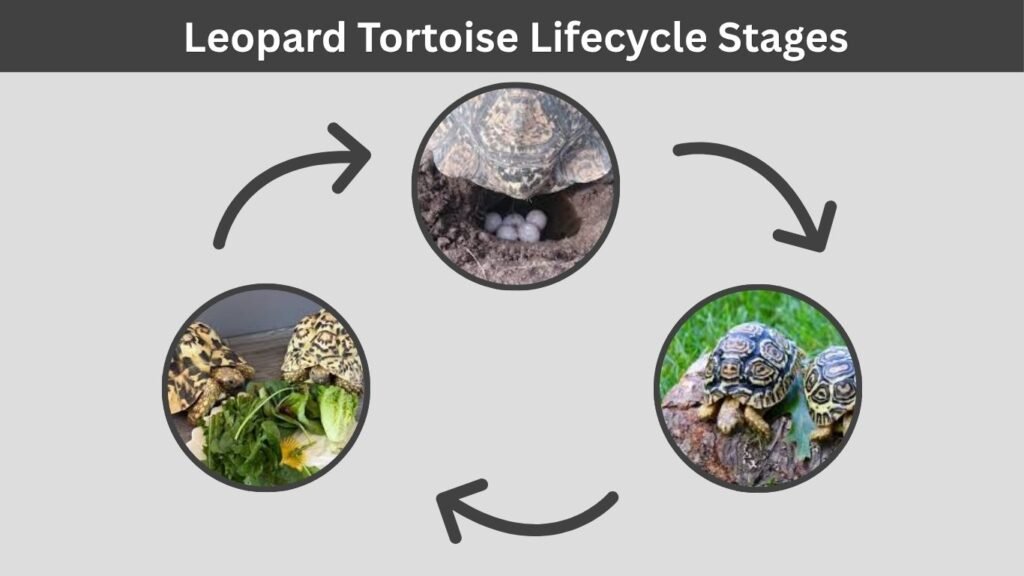
The lifecycle of a leopard tortoise includes several distinct stages, each with unique characteristics and care needs. From eggs to fully mature adults, their development is slow and steady. Understanding these stages helps ensure proper care and highlights how their behavior and physical traits evolve over time.
Egg Stage
The lifecycle begins when female tortoises lay eggs in carefully selected nesting sites.
- Eggs are buried in warm soil
- Incubation lasts 8–15 months
- Temperature affects development speed
- Hatchlings emerge fully independent
Hatchling Stage
Newly hatched tortoises are small and vulnerable but instinctively active.
- Usually measure 4–6 cm at birth
- Highly susceptible to predators in the wild
- Begin feeding on soft vegetation
- Rapid early growth phase
Juvenile Stage
During this stage, tortoises grow quickly and develop stronger shells.
- Increased appetite and growth rate
- Shell patterns become more defined
- Require high-calcium diet
- More active and exploratory behavior
Growth and Development Patterns
Leopard tortoises grow steadily throughout their lives, though their growth rate slows as they age. Unlike many animals, they continue growing even after reaching maturity, but at a much slower pace. Their development depends heavily on environmental conditions and nutrition, which directly influence shell strength, size, and overall health.
Leopard Tortoise Lifespan in the Wild vs Captivity
The environment plays a crucial role in determining how long leopard tortoises live. In the wild, they face natural challenges such as predators and limited food sources. In captivity, controlled conditions can significantly extend their lifespan when managed correctly and consistently.
Wild vs Captive Life Differences
The contrast between natural and controlled environments highlights key survival factors.
- Wild tortoises face predators and harsh climates
- Food availability is inconsistent in nature
- Captive tortoises receive regular feeding
- Protection from threats increases survival
Which Environment Supports Longevity?
Captivity generally provides a safer and more stable environment for leopard tortoises.
- Longer lifespan due to controlled care
- Reduced risk of injury and disease exposure
- Better access to medical attention
- Poor care can still shorten lifespan significantly
How to Increase a Leopard Tortoise’s Lifespan
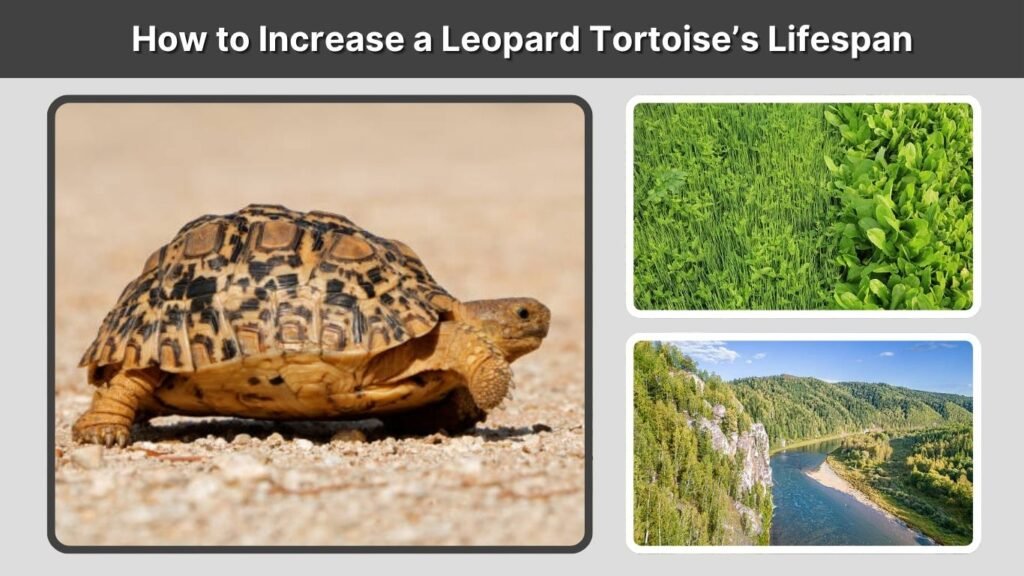
Providing the right care is essential to help a leopard tortoise live a long and healthy life. While they are naturally hardy animals, improper care can significantly reduce their lifespan. A combination of proper diet, habitat setup, and consistent health monitoring ensures they thrive for decades.
Proper Diet and Nutrition
A well-balanced diet is one of the most important factors for longevity.
- High-fiber grasses and leafy greens should form the base diet
- Calcium supplementation supports strong shell growth
- Fresh, clean water must always be available
- Avoid high-protein or sugary foods
Ideal Habitat Conditions
Creating a suitable environment mimics their natural habitat and reduces stress.
- Maintain warm temperatures with proper gradients
- Provide access to UVB lighting for shell health
- Ensure enough space for movement and exercise
- Keep humidity at appropriate levels
Common Health Issues That Affect Lifespan
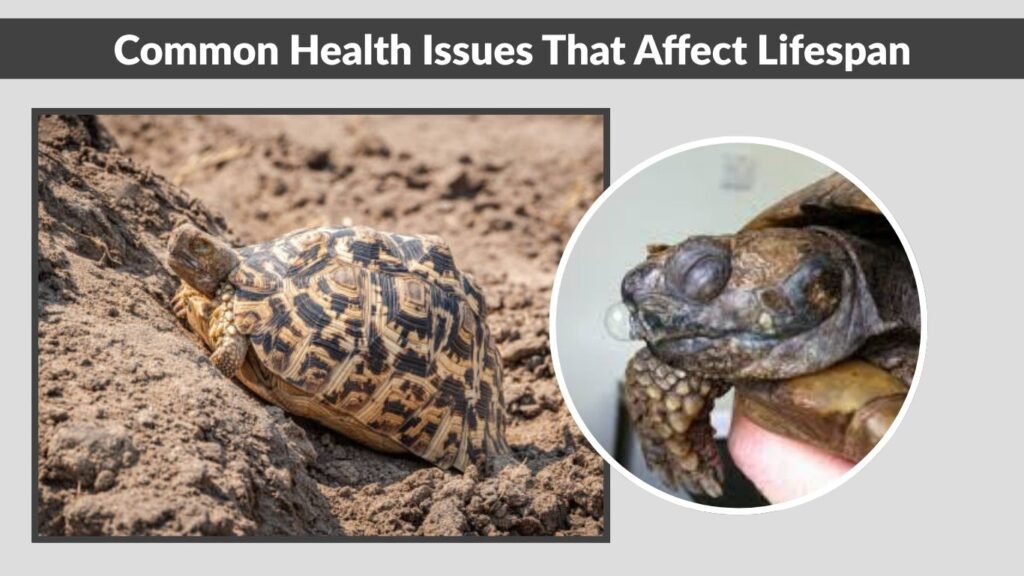
Leopard tortoises can suffer from several health issues if their environment or diet is not properly managed. Many of these problems develop slowly but can have serious long-term consequences. Early detection and prevention are key to maintaining their overall health and extending their lifespan.
Major Diseases and Conditions
Certain illnesses are more common in leopard tortoises and can impact longevity.
- Respiratory infections caused by cold or damp conditions
- Shell rot due to poor hygiene or excess moisture
- Parasites affecting digestion and nutrient absorption
- Nutritional deficiencies leading to weak shells
Prevention and Care
Preventing disease is easier than treating it, especially for long-living reptiles.
- Maintain clean and dry living conditions
- Provide a consistent, nutrient-rich diet
- Monitor behavior for early signs of illness
- Schedule routine veterinary checkups
Leopard Tortoise Behavior Across Its Lifecycle
Leopard tortoises display different behaviors as they grow, reflecting their developmental stage and environment. Hatchlings tend to be cautious and focused on survival, while juveniles become more active and curious. Adults are generally calm but may show territorial or mating behaviors. These behavioral changes are natural and provide insight into their health and well-being over time.
FAQs
What is the average lifespan of a leopard tortoise?
Leopard tortoises usually live between 30 and 50 years in the wild. In captivity, they often live much longer due to better care, sometimes reaching 70 years or more when provided with proper diet, habitat, and medical attention.
How long does it take for a leopard tortoise to mature?
Leopard tortoises typically reach maturity between 12 and 15 years. Growth rates vary depending on environmental conditions, diet, and overall care, with captive tortoises generally growing faster than those living in the wild.
What do leopard tortoises eat for a long life?
They thrive on a high-fiber diet consisting mainly of grasses and leafy greens. Calcium is essential for shell health, and access to clean water is important. Avoid feeding fruits or high-protein foods frequently, as these can harm their health.
Can leopard tortoises live longer in captivity?
Yes, they often live longer in captivity because they are protected from predators, receive consistent nutrition, and have access to veterinary care. However, improper care in captivity can still reduce their lifespan significantly.
What are common signs of health problems?
Common warning signs include lack of appetite, lethargy, nasal discharge, and soft or damaged shells. Early detection and proper care are crucial to prevent serious health issues and ensure a longer, healthier life.