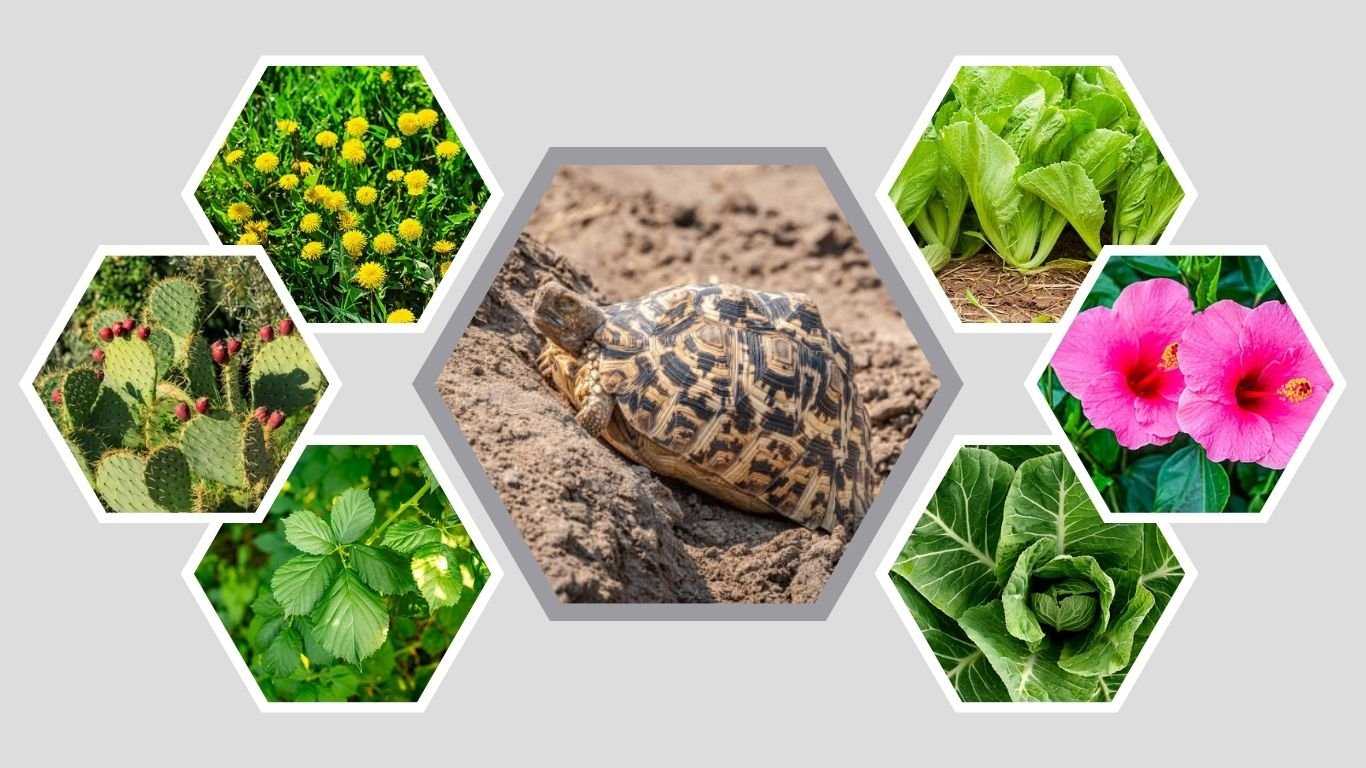
Leopard tortoises require a carefully balanced diet to stay healthy and live a long life. Their natural feeding habits are based on grazing high-fiber grasses and nutrient-rich leafy plants found in their native habitat. Providing the right foods not only supports digestion but also ensures proper shell growth and overall well-being. In this guide, you will discover 12 safe foods that leopard tortoises enjoy eating. These options help create a varied, natural diet that closely matches what they would consume in the wild.
1. Bermuda Grass for Leopard Tortoise Feeding
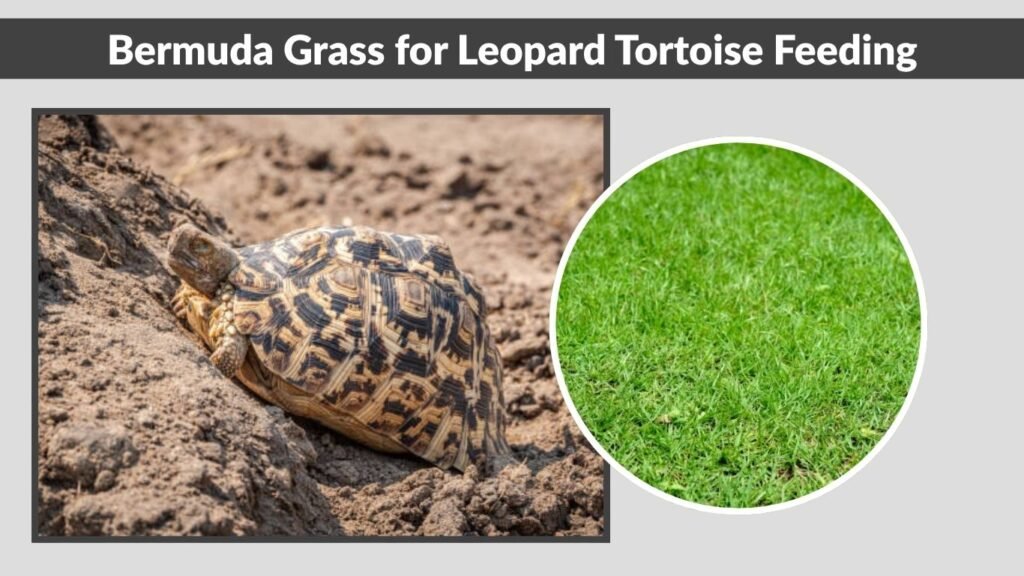
Bermuda grass is one of the most natural and beneficial foods for leopard tortoises. It closely mimics what they eat in the wild, making it an excellent staple in their diet. Rich in fiber and low in protein, it supports healthy digestion and steady growth while helping maintain proper shell development.
Why Bermuda Grass Is Ideal
- High in fiber, promoting good digestion
- Low in protein, preventing health issues
- Supports natural grazing behavior
- Helps maintain healthy shell growth
Nutritional Benefits
Bermuda grass provides essential nutrients that align perfectly with a leopard tortoise’s dietary needs. Its high fiber content keeps the digestive system functioning properly, while its natural composition ensures slow, steady energy release. It also contributes to overall gut health, reducing the risk of common dietary problems.
How to Feed Bermuda Grass
Fresh Bermuda grass can be offered daily as a primary food source. It should be clean, free from pesticides, and cut into manageable pieces if needed. Tortoises can graze on it naturally in outdoor enclosures, which encourages exercise and natural feeding habits.
2. Timothy Hay for Leopard Tortoise Feeding
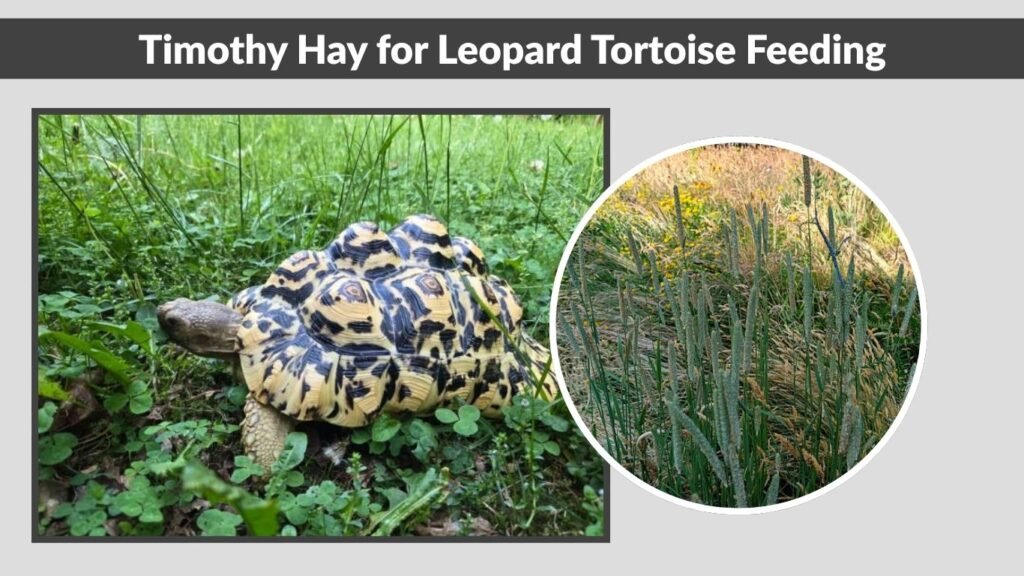
Timothy hay is another excellent food option for leopard tortoises, especially when fresh grass is not always available. It is widely used as a staple due to its high fiber content and balanced nutritional profile. This dry forage supports healthy digestion and mimics the natural grazing diet tortoises rely on in the wild.
Why Timothy Hay Is Ideal
- High fiber content aids digestion
- Low protein supports long-term health
- Helps maintain proper beak wear
- Readily available and easy to store
Nutritional Benefits
Timothy hay provides essential roughage that keeps the digestive system functioning smoothly. Its coarse texture encourages natural chewing behavior, which is important for beak health. It also helps prevent obesity by offering low-calorie nutrition while still meeting dietary needs.
How to Feed Timothy Hay
Timothy hay can be offered daily alongside fresh greens. It should be kept dry, clean, and free from mold. Slightly moistening the hay can make it easier for tortoises to eat, especially for younger individuals.
3. Dandelion Greens for Leopard Tortoise Feeding
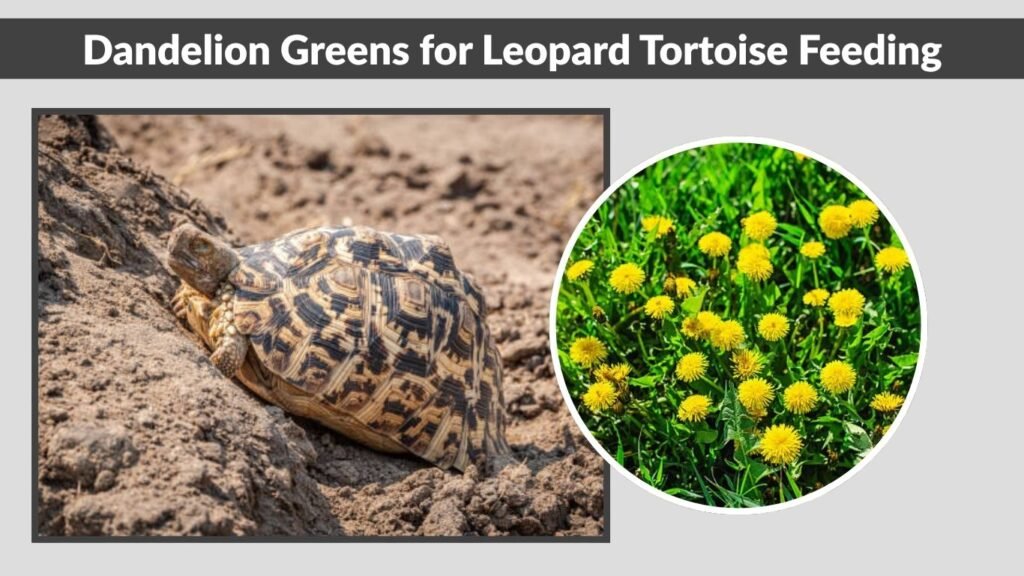
Dandelion greens are a highly nutritious and favorite food for leopard tortoises. They are commonly found in the wild and provide a natural source of vitamins and minerals. Their slightly bitter taste is well accepted by tortoises, making them a great addition to a balanced diet.
Why Dandelion Greens Are Ideal
- Rich in calcium for strong shell growth
- High in fiber for healthy digestion
- Naturally low in fat and protein
- Readily accepted by most tortoises
Nutritional Benefits
Dandelion greens are packed with essential nutrients such as calcium, vitamin A, and vitamin C. These nutrients support bone strength, immune health, and overall vitality. Their high calcium-to-phosphorus ratio is especially beneficial for maintaining a healthy shell.
How to Feed Dandelion Greens
Dandelion greens can be offered fresh and washed thoroughly to remove dirt or chemicals. They can be mixed with other leafy greens to provide variety. Feeding them several times a week helps maintain a balanced and nutritious diet.
4. Collard Greens for Leopard Tortoise Feeding
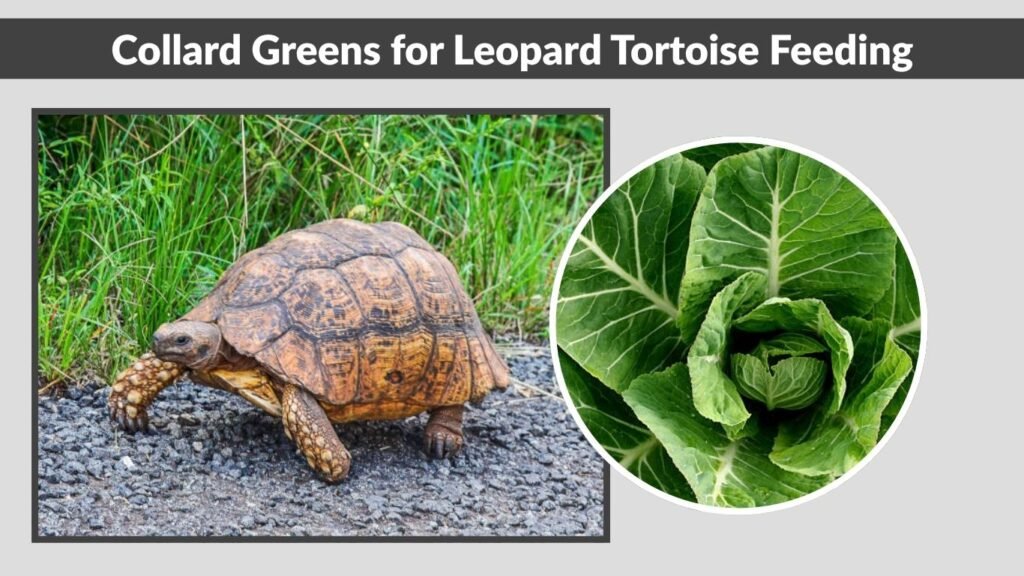
Collard greens are a nutritious leafy green that works well as part of a varied diet for leopard tortoises. They are widely available and provide important vitamins and minerals that support overall health. When fed in moderation, they can be a valuable addition alongside grasses and other greens.
Why Collard Greens Are Ideal
- Good source of calcium for shell strength
- High in fiber for digestion support
- Contains essential vitamins like A and K
- Easy to find and prepare
Nutritional Benefits
Collard greens offer a strong nutritional profile that supports bone health and immune function. Their calcium content helps maintain a healthy shell, while vitamins contribute to proper growth and vitality. They also provide hydration due to their moisture content.
How to Feed Collard Greens
Collard greens should be washed thoroughly and chopped into manageable pieces before feeding. They are best offered as part of a mixed diet rather than as the sole food source, ensuring balanced nutrition over time.
5. Mustard Greens for Leopard Tortoise Feeding
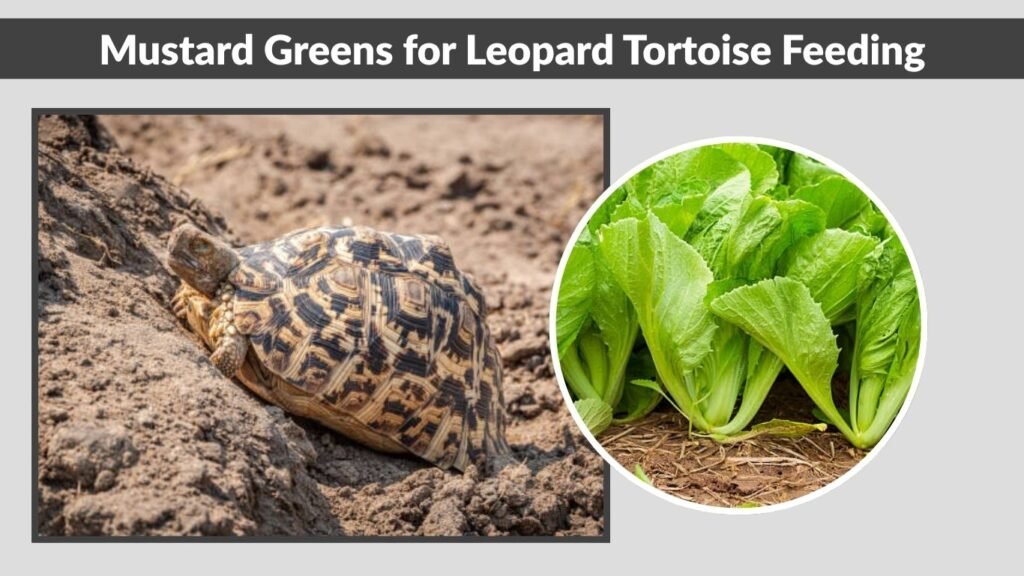
Mustard greens are a flavorful and nutrient-rich leafy green that leopard tortoises often enjoy. They add variety to the diet and provide important vitamins that support overall health. Their slightly peppery taste makes them appealing while still fitting within a healthy feeding plan.
Why Mustard Greens Are Ideal
- High in fiber for digestive health
- Contains essential vitamins like A and C
- Low in fat and suitable for regular feeding
- Adds variety to prevent dietary boredom
Nutritional Benefits
Mustard greens contribute valuable nutrients that help maintain a strong immune system and healthy growth. They support eye health and overall vitality, while their fiber content ensures proper digestion. Including them in rotation helps create a well-balanced diet.
How to Feed Mustard Greens
Mustard greens should be washed thoroughly and offered fresh. They can be chopped and mixed with other greens to provide dietary variety. Feeding them a few times per week is ideal to maintain balance without over-reliance on a single food source.
6. Turnip Greens for Leopard Tortoise Feeding
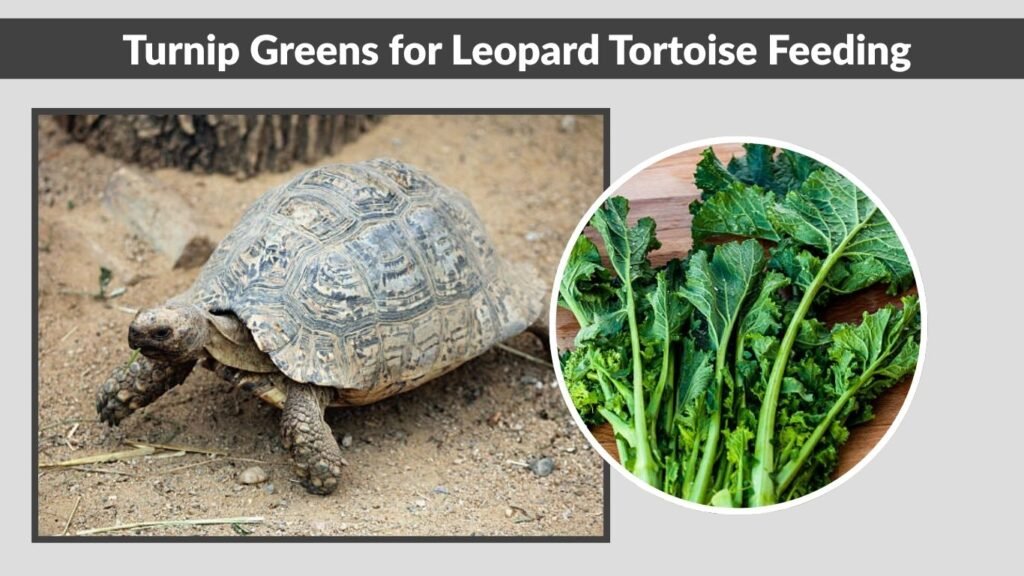
Turnip greens are a healthy and nutritious leafy option for leopard tortoises. They provide a good balance of vitamins and minerals while supporting natural feeding habits. When included as part of a varied diet, they contribute to overall health and proper growth.
Why Turnip Greens Are Ideal
- Rich in calcium for shell development
- High in fiber for digestive health
- Contains essential vitamins and minerals
- Suitable for regular dietary rotation
Nutritional Benefits
Turnip greens are packed with nutrients that support bone strength and immune function. Their calcium content helps maintain a strong shell, while vitamins contribute to healthy growth and vitality. They also aid digestion due to their fiber-rich composition.
How to Feed Turnip Greens
Turnip greens should be washed thoroughly and chopped into smaller pieces for easier consumption. They can be mixed with other leafy greens to provide a balanced and varied diet. Feeding them several times a week helps ensure proper nutrition.
7. Endive for Leopard Tortoise Feeding
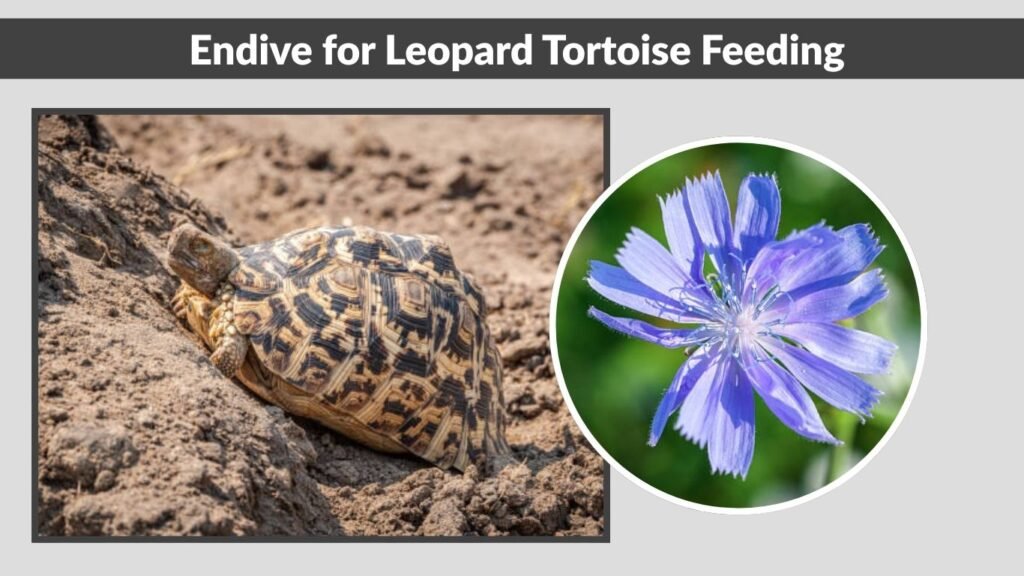
Endive is a mild, leafy green that works well as part of a balanced diet for leopard tortoises. It is easy to digest and provides hydration along with essential nutrients. Its soft texture makes it especially suitable for tortoises of all ages when included in a varied feeding routine.
Why Endive Is Ideal
- Easy to digest and gentle on the stomach
- Contains useful vitamins and minerals
- Provides hydration due to high water content
- Suitable for mixing with tougher greens
Nutritional Benefits
Endive offers a range of vitamins that support overall health, including those important for immune function and growth. While not as high in fiber as grasses, it complements tougher foods by adding moisture and variety, helping maintain a balanced diet.
How to Feed Endive
Endives should be washed thoroughly and served fresh. It can be chopped and mixed with grasses or other leafy greens to create a varied meal. Feeding it a few times per week helps maintain dietary balance without replacing staple foods.
8. Escarole for Leopard Tortoise Feeding
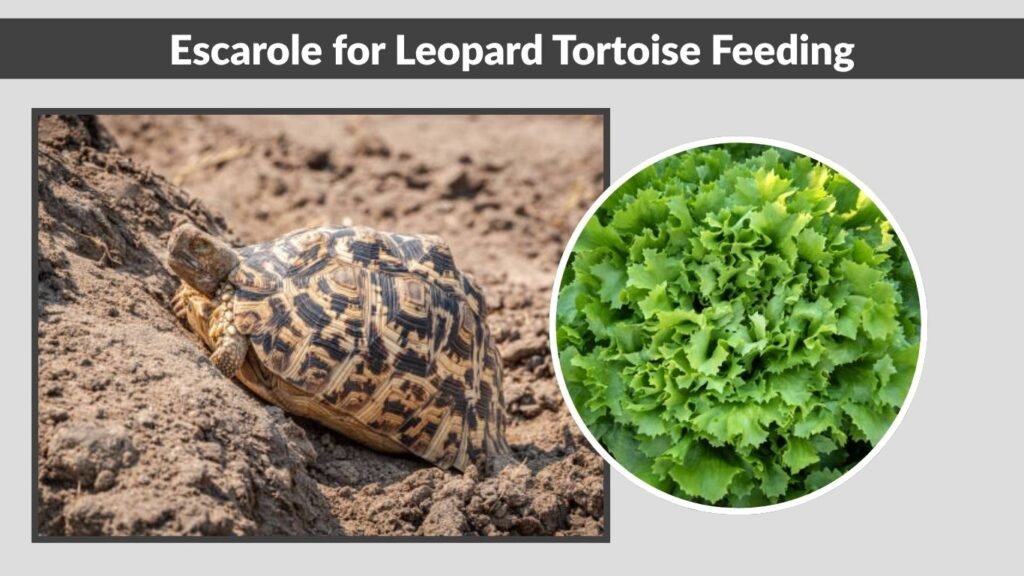
Escarole is a leafy green similar to endive, offering a mild flavor and soft texture that leopard tortoises enjoy. It works well as part of a varied diet, adding both nutrients and hydration. While not a primary staple like grasses, it is a useful supplemental food.
Why Escarole Is Ideal
- Soft texture makes it easy to eat
- Contains essential vitamins for overall health
- Adds moisture to the diet
- Helps create dietary variety
Nutritional Benefits
Escarole provides vitamins that support immune function and general well-being. Its water content helps keep tortoises hydrated, especially in warmer environments. Although lower in fiber than grasses, it complements high-fiber foods effectively.
How to Feed Escarole
Escarole should be washed thoroughly before feeding. It can be chopped and mixed with other greens or grasses to maintain a balanced diet. Offering it a few times a week ensures variety without replacing more fiber-rich staple foods.
9. Hibiscus Leaves for Leopard Tortoise Feeding
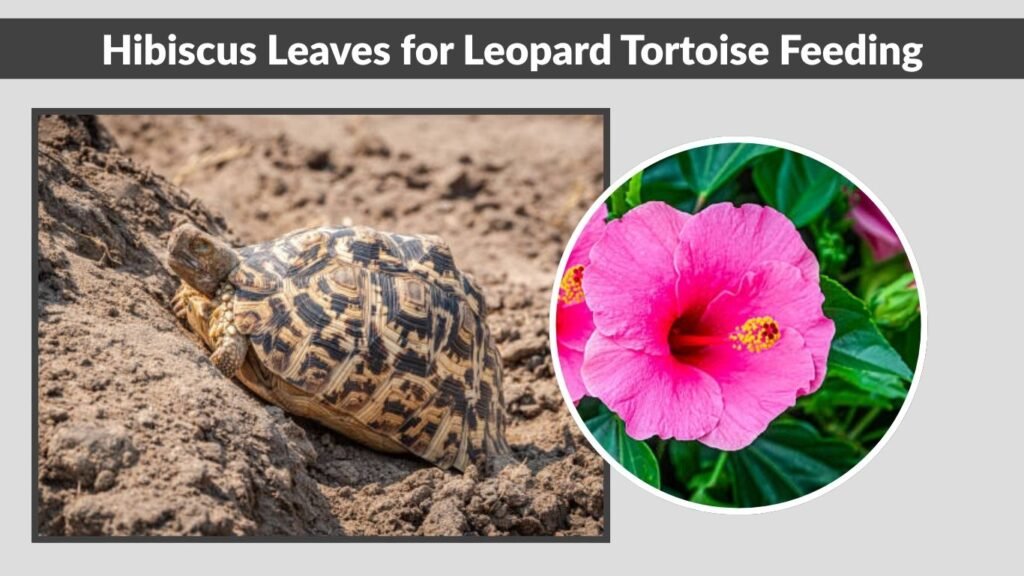
Hibiscus leaves are a natural and highly favored food for leopard tortoises. Commonly found in their native habitat, these leaves are both nutritious and safe. They are often eagerly eaten and can be a great addition to a varied and balanced diet.
Why Hibiscus Leaves Are Ideal
- Rich in fiber for healthy digestion
- Safe and natural food source
- Highly palatable for tortoises
- Supports natural feeding behavior
Nutritional Benefits
Hibiscus leaves provide essential nutrients that contribute to overall health and vitality. They support digestive function and help maintain a balanced diet when combined with grasses and other greens. Their natural composition makes them easy for tortoises to process.
How to Feed Hibiscus Leaves
Hibiscus leaves should be offered fresh and free from pesticides or chemicals. They can be fed several times a week and mixed with other greens to ensure dietary variety.
10. Prickly Pear Cactus Pads for Leopard Tortoise Feeding
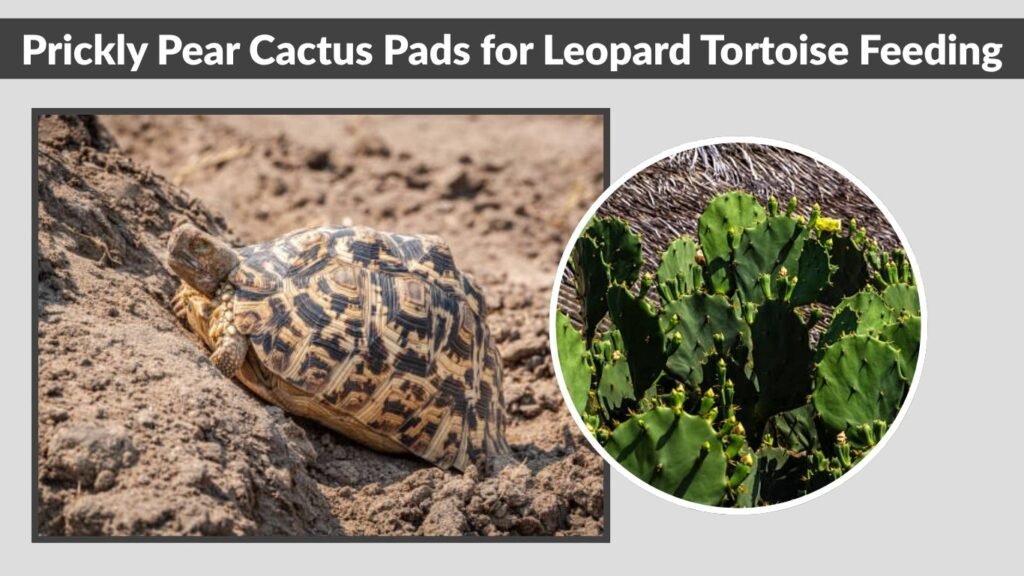
Prickly pear cactus pads are a highly beneficial and natural food for leopard tortoises. They are commonly eaten in the wild and provide both nutrition and hydration. Their soft texture and high moisture content make them especially valuable in warmer climates.
Why Prickly Pear Pads Are Ideal
- High in water content for hydration
- Rich in fiber for digestion
- Contains essential vitamins and minerals
- Mimics natural wild diet
Nutritional Benefits
Prickly pear pads offer a balanced mix of nutrients that support overall health. They help keep tortoises hydrated while also providing fiber for proper digestion. Their nutrient profile contributes to steady growth and a healthy shell.
How to Feed Prickly Pear Pads
The pads should be cleaned thoroughly and have any spines removed before feeding. They can be chopped into small pieces and offered fresh, either alone or mixed with other greens for a balanced meal.
11. Mulberry Leaves for Leopard Tortoise Feeding
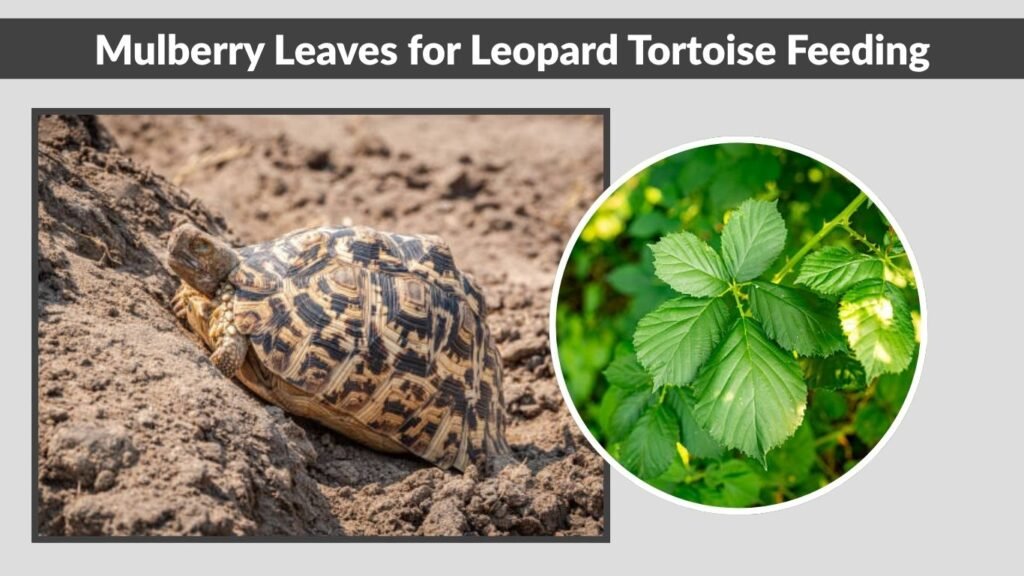
Mulberry leaves are a nutritious and natural food source that leopard tortoises readily enjoy. They are commonly available in many regions and provide a healthy mix of fiber and essential nutrients. These leaves are a great addition to a varied diet and closely match what tortoises might consume in the wild.
Why Mulberry Leaves Are Ideal
- High in fiber for digestive health
- Good calcium content for shell strength
- Natural and safe for regular feeding
- Easily accepted by most tortoises
Nutritional Benefits
Mulberry leaves are rich in vitamins and minerals that support overall health and growth. Their calcium content helps maintain a strong shell, while their fiber aids digestion. They also contribute to a balanced diet when combined with other greens and grasses.
How to Feed Mulberry Leaves
Mulberry leaves should be offered fresh and thoroughly washed to remove any contaminants. They can be fed several times a week and mixed with other greens to ensure dietary variety and balanced nutrition.
12. Plantain Leaves for Leopard Tortoise Feeding
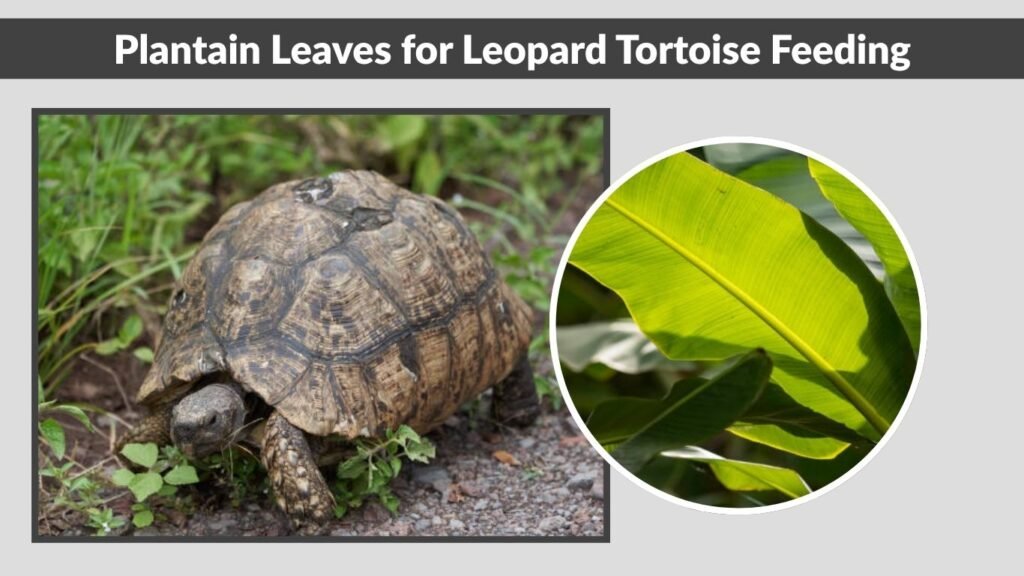
Plantain leaves are a safe and highly beneficial wild food for leopard tortoises. Often found growing naturally in grassy areas, they are rich in fiber and nutrients that support healthy digestion. These leaves are commonly eaten in the wild, making them a natural addition to a tortoise’s diet.
Why Plantain Leaves Are Ideal
- High in fiber for proper digestion
- Naturally occurring and safe food source
- Supports gut health
- Suitable for regular feeding
Nutritional Benefits
Plantain leaves provide essential nutrients that help maintain overall health and vitality. Their fiber content supports a healthy digestive system, while their natural composition makes them easy for tortoises to process and utilize efficiently.
How to Feed Plantain Leaves
Plantain leaves should be collected from clean, pesticide-free areas and washed thoroughly before feeding. They can be offered fresh and mixed with other greens to create a balanced and varied diet.
FAQs
What is the best staple food for a leopard tortoise?
The best staple food for a leopard tortoise is grass, especially varieties like Bermuda grass and Timothy hay. These foods are high in fiber and low in protein, which closely match their natural diet. A grass-based diet supports proper digestion and healthy shell growth over time.
Can leopard tortoises eat fruits regularly?
Fruits should only be given occasionally and in very small amounts. Leopard tortoises are not adapted to sugary foods, and frequent fruit consumption can cause digestive issues and imbalance their gut health. Their diet should mainly consist of grasses and leafy greens.
How often should I feed my leopard tortoise?
Leopard tortoises should be fed daily, especially when young and growing. Adults can also be fed daily with a focus on grazing-type feeding. Providing consistent access to safe grasses and greens helps maintain their natural eating behavior and supports overall health.
Do leopard tortoises need supplements?
Yes, calcium supplementation is often necessary, especially for captive tortoises. Calcium supports strong shell and bone development. In addition, access to natural sunlight or UVB lighting is essential for proper calcium absorption and overall well-being.
Can leopard tortoises eat only leafy greens?
Leafy greens can be part of their diet, but they should not be the only food source. A proper diet must include high-fiber grasses as the main component. Relying only on leafy greens may lead to nutritional imbalances and digestive problems over time.