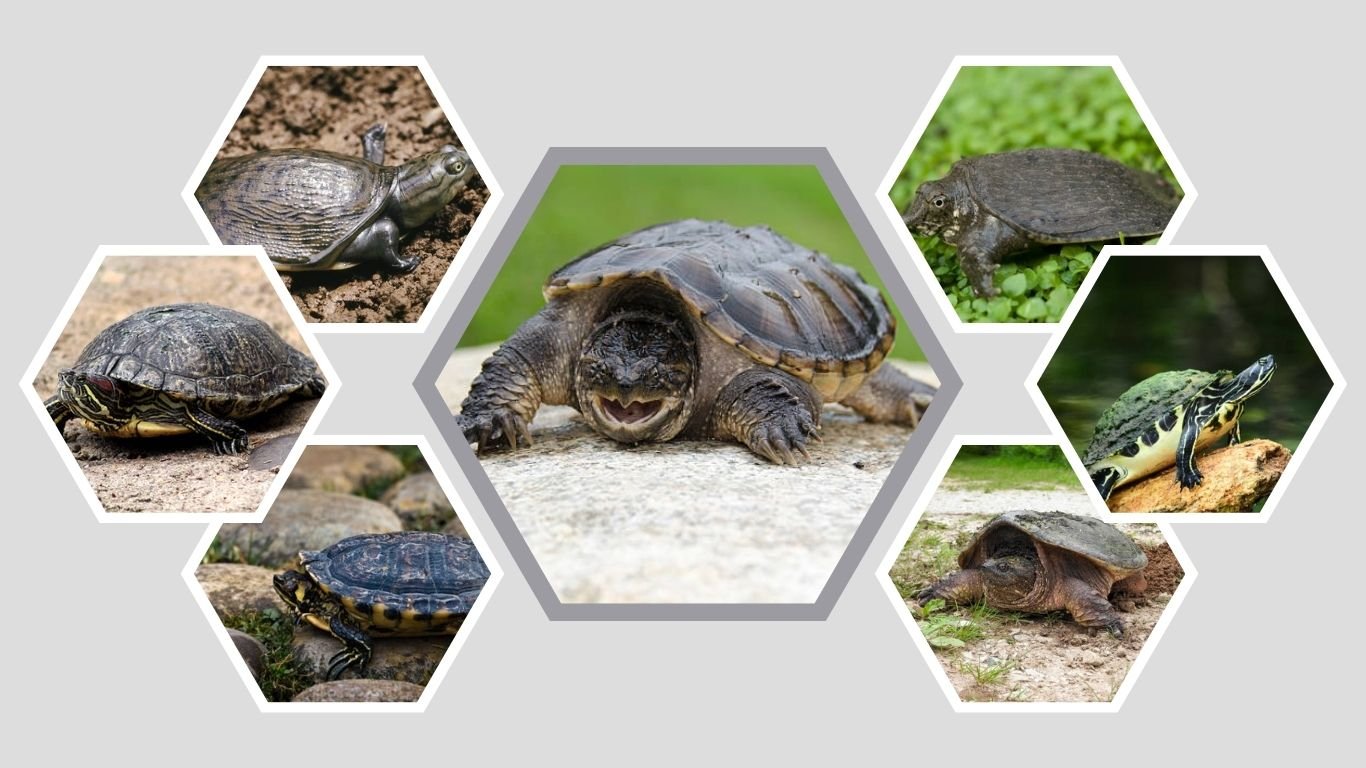
River turtles are a diverse group of freshwater species that thrive in flowing water environments such as rivers, streams, and large wetlands. These turtles are specially adapted for life in currents, with strong limbs and streamlined bodies that help them swim efficiently. Found across different continents, river turtles vary greatly in size, behavior, and diet. Some are active predators, while others rely on plants or scavenging. Understanding these species helps highlight their ecological importance and the need for conservation, as many river turtles face growing threats from habitat loss, pollution, and human activity.
1. Painted Turtle
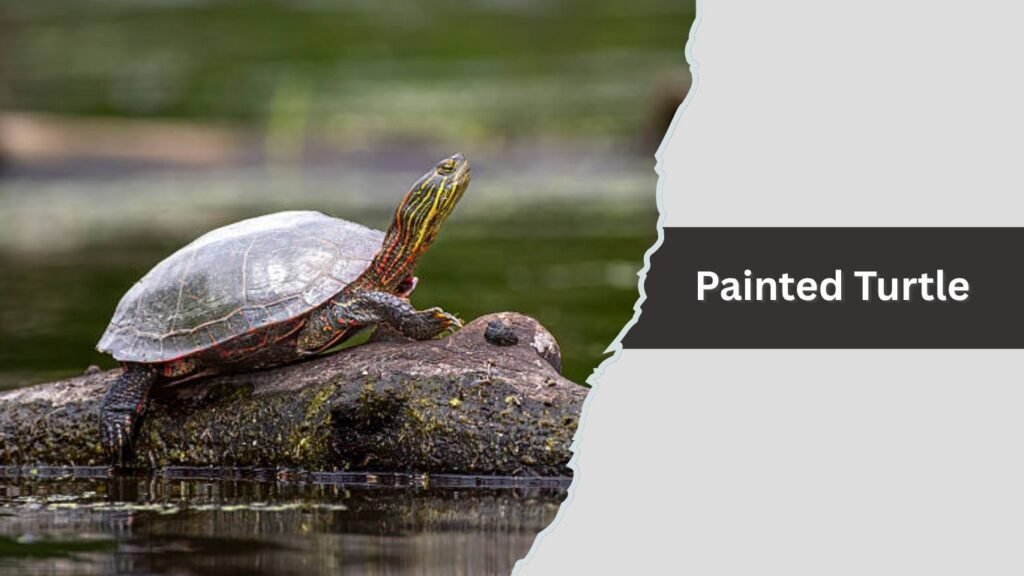
The Painted Turtle is one of the most widespread and recognizable freshwater turtles, commonly found in rivers, ponds, and lakes across North America. It is known for its colorful markings and calm nature, often seen basking on logs near the water.
Identification
- Smooth, oval-shaped shell with dark coloration
- Bright red, orange, or yellow markings along the edges of the shell
- Head and limbs have distinctive yellow and red stripes
- Flat, streamlined body adapted for swimming
Habitat and Distribution
The Painted Turtle inhabits slow-moving rivers, ponds, marshes, and lakes with soft bottoms and abundant vegetation. It prefers warm, shallow waters where it can easily bask and find food. This species is widely distributed across the United States and parts of southern Canada, making it one of the most common freshwater turtles in the region.
Behavior and Diet
This turtle is semi-aquatic and spends much of its time in water but frequently basks in the sun to regulate body temperature. It is generally active during the day. The Painted Turtle is omnivorous, feeding on aquatic plants, algae, insects, small fish, and crustaceans. Younger turtles tend to consume more animal-based food, while adults include more plant matter in their diet.
Lifespan
In the wild, the Painted Turtle can live between 20 to 30 years, though some individuals may live longer under ideal conditions. Its lifespan depends on environmental factors such as habitat quality, food availability, and exposure to predators or human-related threats.
2. Map Turtle
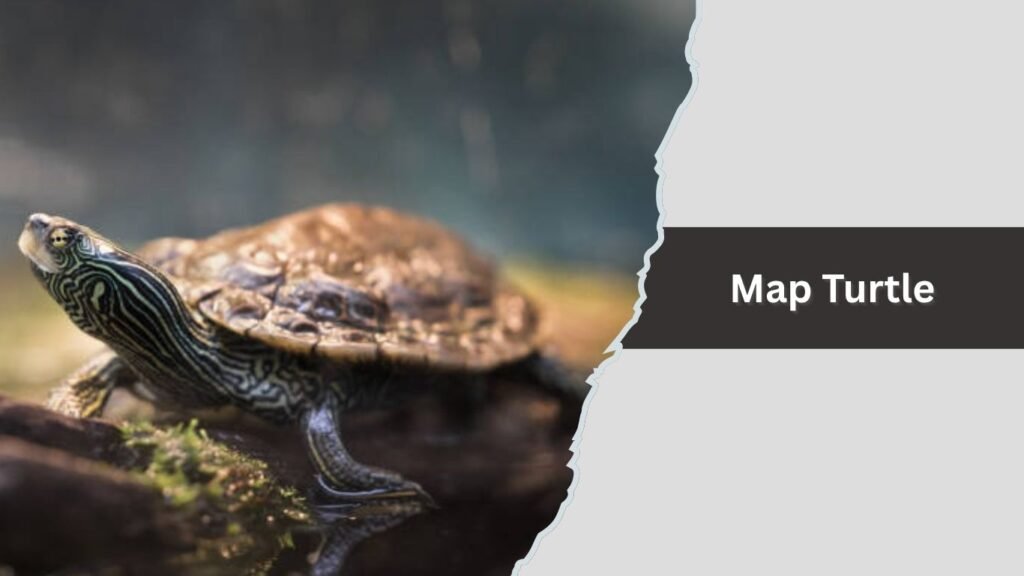
The Map Turtle is a freshwater species named for the map-like patterns on its shell. It is commonly found in rivers and large streams, where it prefers strong currents and abundant basking spots. This turtle is known for its alert nature and strong swimming ability.
Identification
- Olive to brown shell with intricate, map-like markings
- Slight ridge or keel running along the center of the shell
- Head and neck marked with thin yellow lines
- Females are significantly larger than males
Habitat and Distribution
Map Turtles are typically found in rivers, large streams, and occasionally lakes with good water flow. They prefer habitats with plenty of basking sites such as logs and rocks. This species is distributed across North America, particularly in the United States and southern Canada. Clean water and stable river systems are important for their survival, as they rely on aquatic environments for feeding and movement.
Behavior and Diet
These turtles are highly aquatic and rarely venture far from water. They are active during the day and are often seen basking in groups. Map Turtles are mostly carnivorous, feeding on insects, snails, crayfish, and small aquatic animals. Females, with their stronger jaws, can consume harder prey like mollusks, while males tend to eat softer foods.
Lifespan
Map Turtles can live for 20 to 40 years in the wild, depending on environmental conditions. Factors such as water quality, food availability, and habitat disturbance influence their lifespan. In protected environments, they may live even longer with proper care and minimal threats.
3. Snapping Turtle
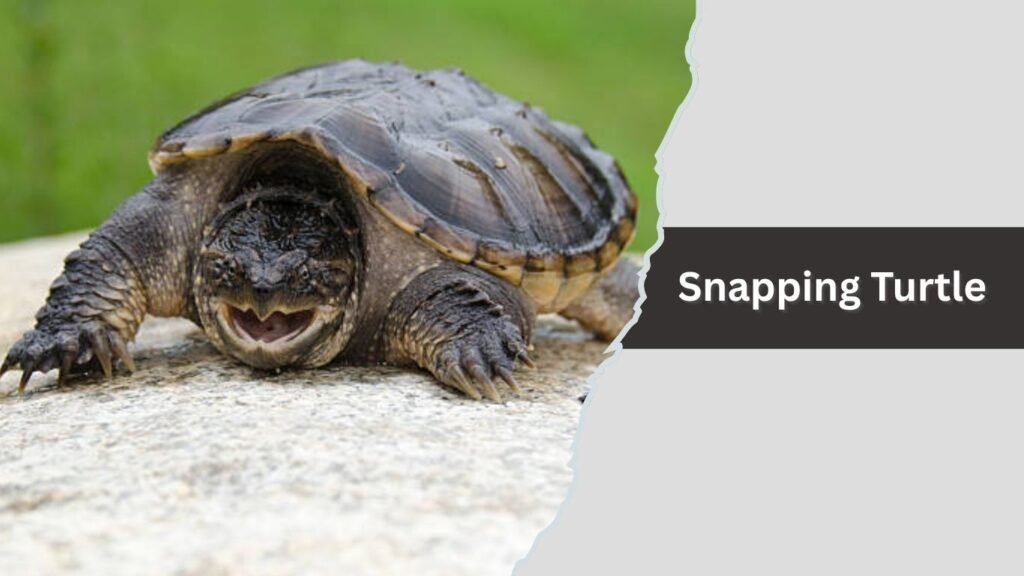
The Snapping Turtle is a large and powerful freshwater turtle commonly found in rivers, lakes, and swamps. It is known for its strong jaws, aggressive defense behavior, and rugged appearance. This species spends most of its life in water and is rarely seen on land except during nesting.
Identification
- Large, rough shell with a jagged rear edge
- Dark brown to black coloration
- Long tail with saw-like ridges
- Large head with a hooked beak and powerful jaws
Habitat and Distribution
Snapping Turtles are widely distributed across North America, inhabiting rivers, lakes, ponds, and marshes. They prefer slow-moving or still waters with muddy bottoms and abundant vegetation. This species is highly adaptable and can survive in a variety of freshwater environments, including those influenced by human activity. It often remains submerged, resting along the bottom or hidden in vegetation.
Behavior and Diet
This turtle is mostly aquatic and spends little time on land. It is generally solitary and can be defensive when threatened, especially outside water. The Snapping Turtle is omnivorous, feeding on fish, frogs, insects, aquatic plants, and carrion. It is an opportunistic feeder and uses its strong jaws to capture prey efficiently.
Lifespan
In the wild, Snapping Turtles can live for 30 to 50 years or more, depending on environmental conditions. Their long lifespan is supported by their adaptability and ability to survive in different habitats. However, threats such as habitat destruction and road mortality can impact their survival.
4. Alligator Snapping Turtle
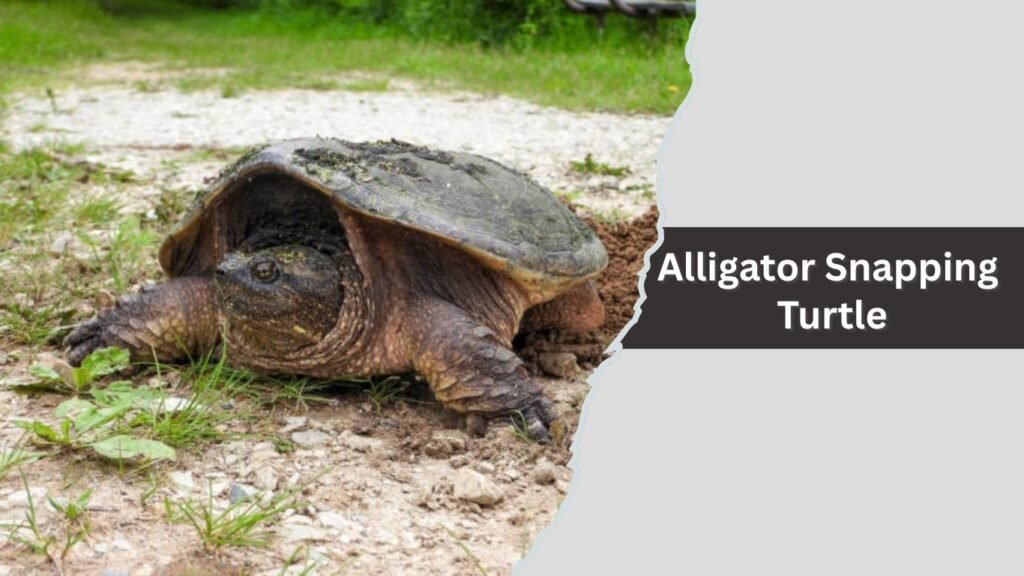
The Alligator Snapping Turtle is one of the largest freshwater turtles in the world, known for its prehistoric appearance and powerful build. It is primarily found in river systems and is famous for its unique hunting technique using a worm-like lure on its tongue.
Identification
- Large, heavy shell with three distinct ridges
- Dark brown to black coloration
- Massive head with a strong, hooked beak
- Long tail and rough, spiked shell texture
Habitat and Distribution
This species is native to the southeastern United States and is commonly found in large rivers, canals, lakes, and swamps. It prefers deep, slow-moving water with muddy bottoms and plenty of submerged structures like logs. The Alligator Snapping Turtle rarely leaves the water and depends on stable aquatic environments for survival.
Behavior and Diet
The Alligator Snapping Turtle is mostly sedentary and spends long periods lying motionless underwater. It uses a unique ambush hunting strategy by opening its mouth and wiggling a worm-like appendage on its tongue to attract prey. It primarily feeds on fish but will also eat frogs, small mammals, and aquatic plants. This species is generally not aggressive unless provoked.
Lifespan
In the wild, the Alligator Snapping Turtle can live for 50 to 70 years or more. Its long lifespan is supported by its slow metabolism and relatively few natural predators. However, habitat loss and overharvesting have impacted its population in some areas.
5. River Cooter
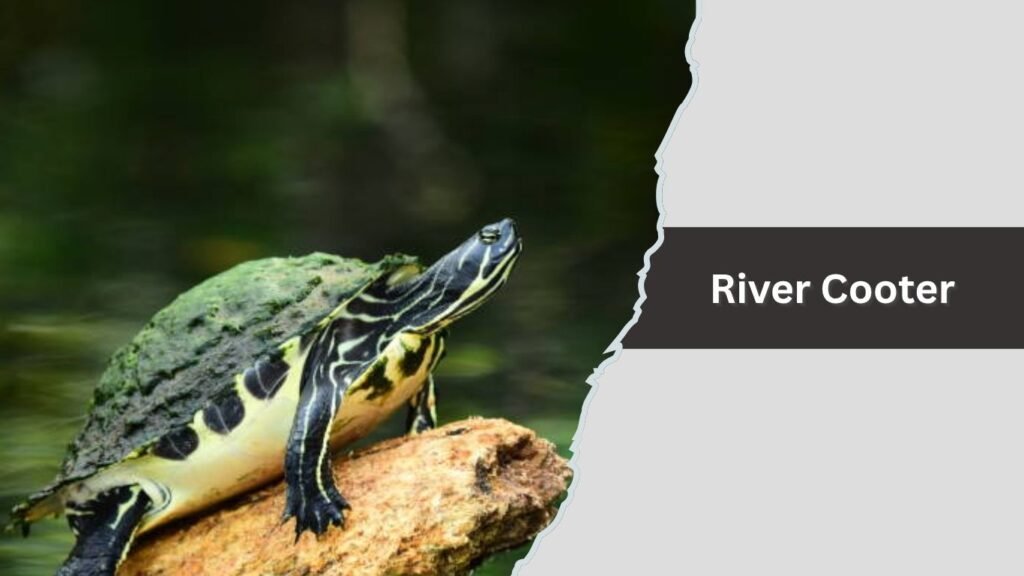
The River Cooter is a large freshwater turtle commonly found in rivers and streams. It is known for its smooth shell, strong swimming ability, and frequent basking behavior. This species is often seen resting on logs or rocks along riverbanks.
Identification
- Smooth, oval-shaped shell with brown to olive coloration
- Yellow or light-colored markings on the shell and head
- Plastron is lighter, often yellowish with faint patterns
- Strong, webbed feet adapted for swimming
Habitat and Distribution
The River Cooter is primarily found in the southeastern United States. It inhabits rivers, streams, and occasionally lakes with moderate to strong water flow. This species prefers clear water with abundant aquatic vegetation and plenty of basking sites such as rocks and fallen logs. It is commonly seen in warm climates where water temperatures remain suitable throughout the year.
Behavior and Diet
This turtle is highly aquatic and spends most of its time in water, though it frequently basks in the sun. It is generally active during the day. The River Cooter is mostly herbivorous, feeding on aquatic plants, algae, and vegetation. Younger individuals may consume small insects or aquatic animals, but plant matter becomes the primary diet as they mature.
Lifespan
In the wild, the River Cooter can live around 30 to 40 years, depending on environmental conditions. Its lifespan is influenced by factors such as water quality, food availability, and habitat stability. In protected environments, it may live longer with fewer threats and consistent resources.
6. Spiny Softshell Turtle
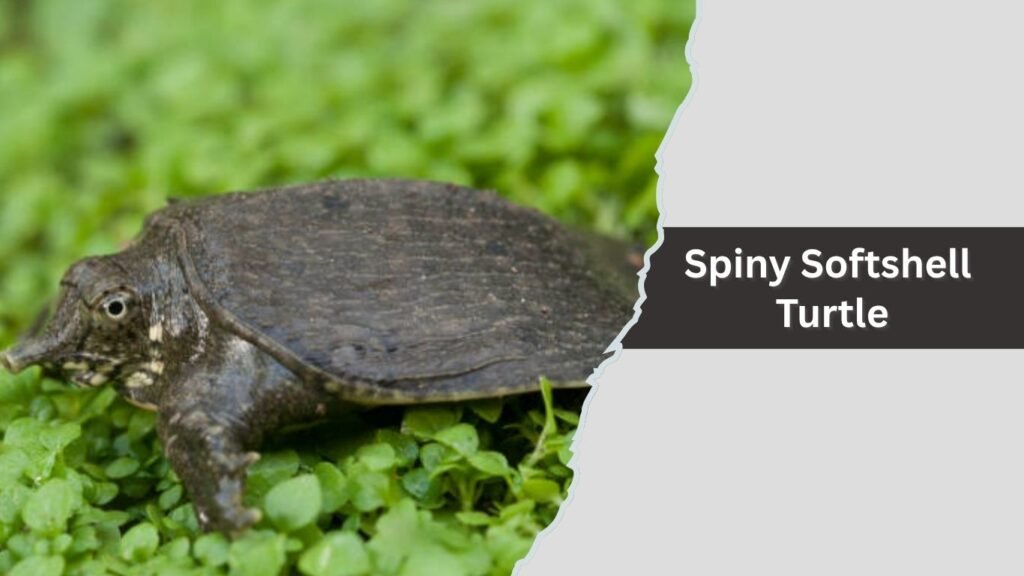
The Spiny Softshell Turtle is a unique freshwater species recognized for its flat, leathery shell and fast swimming ability. Unlike hard-shelled turtles, it has a flexible shell that allows it to move quickly in water and bury itself in sandy riverbeds for camouflage.
Identification
- Flat, soft shell with a leathery texture
- Small spines or bumps along the front edge of the shell
- Long, pointed snout resembling a snorkel
- Webbed feet with strong claws for digging
Habitat and Distribution
The Spiny Softshell Turtle is found across North America, particularly in the United States and parts of Canada. It inhabits rivers, lakes, and large streams with sandy or muddy bottoms. This species prefers areas with clean water and plenty of open space for swimming. It is often seen buried in sand or resting near shallow areas where it can easily access the surface for air.
Behavior and Diet
This turtle is highly aquatic and rarely leaves the water except for nesting. It is known for its speed and agility, both in water and on land. The Spiny Softshell Turtle is carnivorous, feeding on insects, fish, crustaceans, and small aquatic animals. It often hunts by ambushing prey while partially buried in sand, using its long neck to strike quickly.
Lifespan
In the wild, the Spiny Softshell Turtle can live around 20 to 30 years. Its lifespan depends on environmental conditions such as water quality and availability of food. Despite its speed and adaptability, threats like pollution and habitat disturbance can impact its survival.
7. Smooth Softshell Turtle
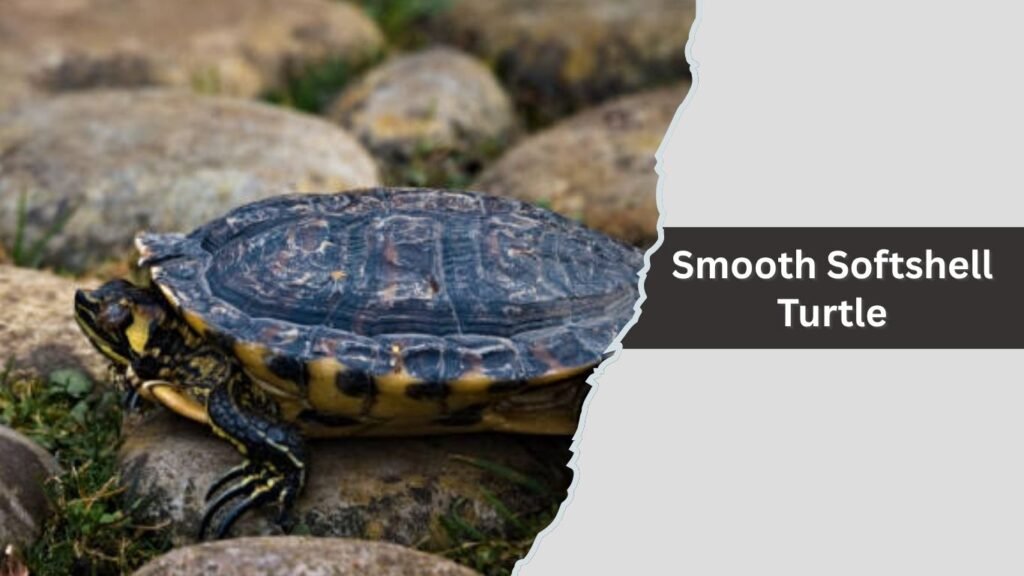
The Smooth Softshell Turtle is a fast-swimming freshwater species known for its sleek, soft shell and streamlined body. It is highly adapted to life in rivers and is often found in areas with strong currents and sandy bottoms. Its smooth shell reduces resistance, making it one of the most agile turtles in water.
Identification
- Flat, smooth, and leathery shell without spines
- Light brown to olive coloration with small dark spots
- Long neck with a pointed, snorkel-like snout
- Webbed feet with strong claws for swimming and digging
Habitat and Distribution
The Smooth Softshell Turtle is primarily found in North America, especially in the central and southeastern United States. It inhabits rivers, large streams, and occasionally lakes with sandy or soft bottoms. This species prefers clean, well-oxygenated water and areas with moderate to strong currents. It is often seen basking on sandbanks or shallow edges of rivers.
Behavior and Diet
This turtle is highly aquatic and spends most of its life in water. It is active during the day and is known for its speed and alertness. The Smooth Softshell Turtle is carnivorous, feeding on insects, fish, crustaceans, and other small aquatic animals. It often buries itself in sand to ambush prey or to hide from predators.
Lifespan
In the wild, the Smooth Softshell Turtle typically lives around 20 to 30 years. Its lifespan depends on habitat quality, food availability, and environmental stability. Clean water and undisturbed habitats play an important role in supporting its long-term survival.
8. Northern River Terrapin
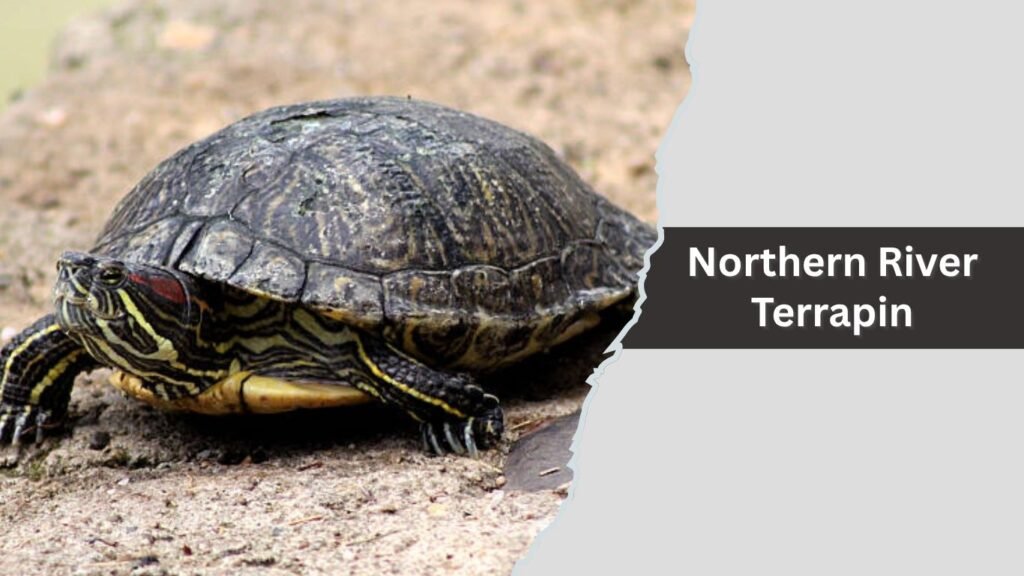
The Northern River Terrapin is a large and critically endangered freshwater turtle known for its smooth shell and strong association with river ecosystems. It is one of the most threatened turtle species in Asia, primarily due to habitat loss and human activities.
Identification
- Smooth, slightly domed shell with gray to olive coloration
- Head is relatively broad with a blunt snout
- Limbs are strongly webbed for efficient swimming
- Males may develop darker coloration during breeding season
Habitat and Distribution
The Northern River Terrapin is found in parts of South and Southeast Asia, including Bangladesh, India, and Myanmar. It inhabits large rivers, estuaries, and coastal areas with brackish water. This species prefers sandy riverbanks for nesting and relies heavily on clean, flowing water systems. Its habitat is closely linked to tidal river environments, making it sensitive to environmental changes.
Behavior and Diet
This turtle is mostly aquatic and spends the majority of its time in water. It is generally active during the day and may bask occasionally. The Northern River Terrapin is primarily herbivorous, feeding on aquatic plants, fruits, and vegetation. It plays an important role in maintaining plant balance in its ecosystem.
Lifespan
The Northern River Terrapin can live for several decades, often reaching 30 to 50 years under natural conditions. However, its lifespan in the wild is heavily affected by threats such as habitat destruction, pollution, and illegal collection. Conservation programs are working to protect and restore its population.
9. Indian Flapshell Turtle
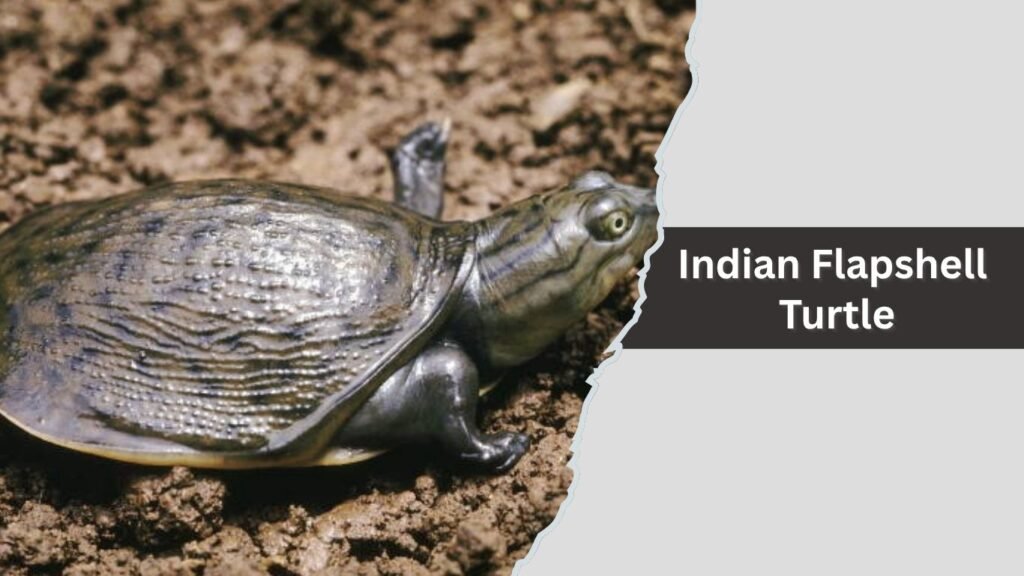
The Indian Flapshell Turtle is a freshwater species known for the soft flaps of skin on the underside of its shell. It is highly adaptable and commonly found in rivers, ponds, and even temporary water bodies. This turtle can survive in a wide range of environmental conditions.
Identification
- Oval, relatively flat shell with smooth texture
- Olive to brown coloration with subtle patterns
- Distinct skin flaps on the plastron (bottom shell)
- Short snout and well-webbed feet
Habitat and Distribution
The Indian Flapshell Turtle is widely distributed across South Asia, including India, Bangladesh, Pakistan, Nepal, and Sri Lanka. It inhabits rivers, ponds, lakes, marshes, and even seasonal pools. This species is highly adaptable and can survive in both natural and human-made environments such as irrigation canals and rice fields. It prefers warm climates and areas with soft, muddy bottoms.
Behavior and Diet
This turtle is mostly aquatic but can move on land when necessary, especially during dry conditions. It is known for its ability to burrow into mud to escape heat or drought. The Indian Flapshell Turtle is omnivorous, feeding on aquatic plants, insects, small fish, and organic matter. It is an opportunistic feeder and adjusts its diet based on availability.
Lifespan
In the wild, the Indian Flapshell Turtle can live around 20 to 30 years. Its lifespan depends on environmental conditions such as water availability and habitat quality. Despite its adaptability, threats like pollution and habitat destruction can affect its survival.
10. Ganges Softshell Turtle
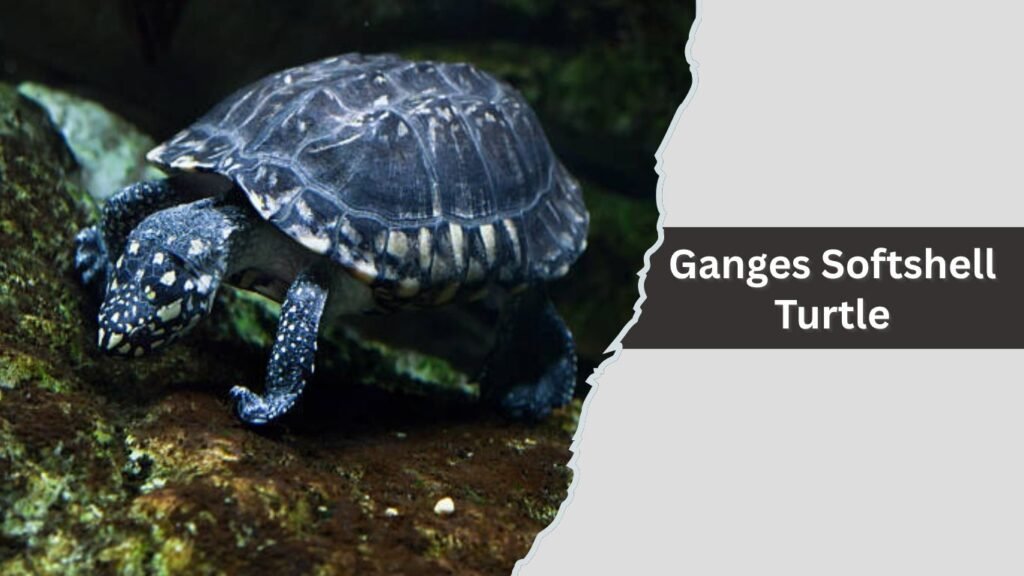
The Ganges Softshell Turtle is a large freshwater species known for its soft, leathery shell and strong aquatic lifestyle. It is commonly associated with major river systems and plays an important ecological role by helping clean aquatic environments.
Identification
- Large, flat, soft shell with leathery texture
- Dark olive to gray coloration
- Long neck with a pointed, snorkel-like snout
- Strong, webbed limbs adapted for swimming
Habitat and Distribution
The Ganges Softshell Turtle is primarily found in South Asia, especially in India, Bangladesh, and Nepal. It inhabits large rivers, reservoirs, and deep freshwater bodies with sandy or muddy bottoms. This species prefers slow to moderate water flow and is often found in major river systems like the Ganges. It relies on clean water and stable riverbanks for survival.
Behavior and Diet
This turtle is highly aquatic and rarely leaves the water except for nesting. It is mostly active during the day. The Ganges Softshell Turtle is carnivorous and scavenging, feeding on fish, insects, crustaceans, and carrion. It plays a key role in maintaining water cleanliness by consuming dead organic matter and waste.
Lifespan
In the wild, the Ganges Softshell Turtle can live around 30 to 50 years, depending on environmental conditions. Its lifespan is influenced by water quality, food availability, and habitat stability. Threats such as pollution and river modification can impact its long-term survival.
11. Nile Softshell Turtle
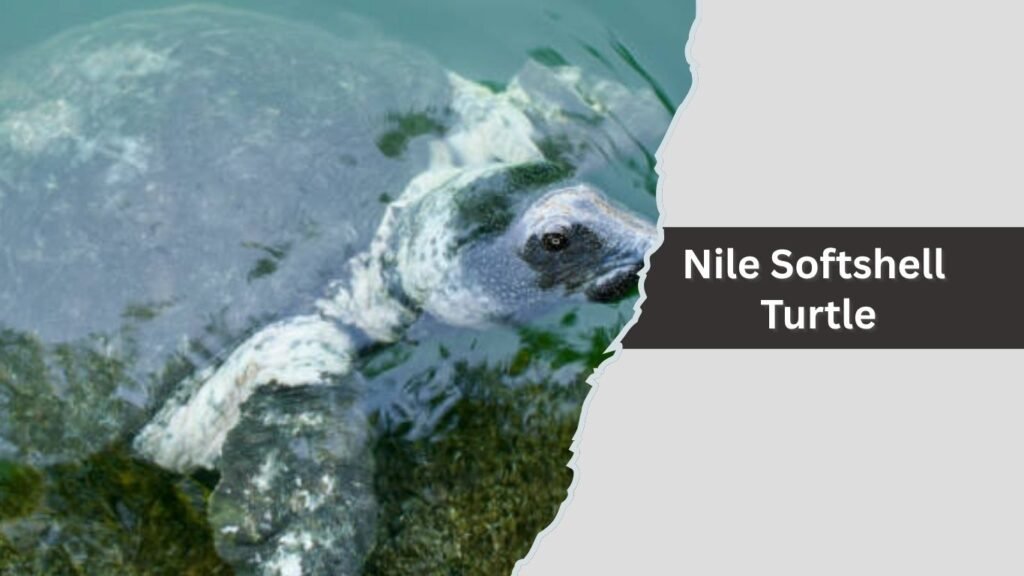
The Nile Softshell Turtle is a large and highly aquatic species known for its flat, flexible shell and powerful swimming ability. It is one of the most dominant freshwater turtles in its range and is often found in large river systems.
Identification
- Large, flat, leathery shell with smooth texture
- Olive to gray coloration with darker markings
- Long neck and pointed, snorkel-like snout
- Strong, webbed limbs with sharp claws
Habitat and Distribution
The Nile Softshell Turtle is native to Africa and is commonly found in major rivers such as the Nile, as well as lakes and large freshwater bodies. It prefers warm climates and habitats with sandy or muddy bottoms. This species thrives in both slow-moving and moderately flowing waters, often staying submerged for long periods.
Behavior and Diet
This turtle is highly aquatic and rarely comes onto land except for nesting. It is an active predator and is known for its aggressive nature. The Nile Softshell Turtle is carnivorous, feeding on fish, amphibians, crustaceans, and small animals. It often ambushes prey by remaining still and striking quickly with its long neck.
Lifespan
In the wild, the Nile Softshell Turtle can live around 30 to 50 years, depending on environmental conditions. Its lifespan is influenced by factors such as habitat quality, food availability, and human impact. In stable environments, it can thrive for many decades.
12. Yangtze Giant Softshell Turtle
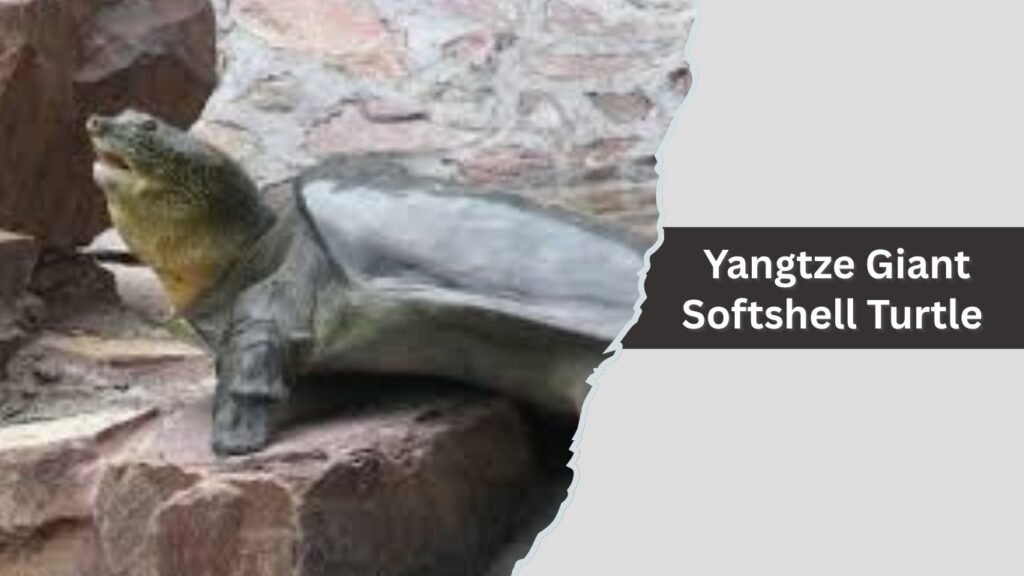
The Yangtze Giant Softshell Turtle is one of the largest and rarest freshwater turtles in the world. It is critically endangered and known for its massive size and smooth, soft shell. This species is extremely elusive and has become a symbol of conservation efforts.
Identification
- Very large, flat, soft shell with a leathery texture
- Gray to olive coloration with subtle markings
- Broad head with a short, rounded snout
- Strong, webbed limbs built for powerful swimming
Habitat and Distribution
The Yangtze Giant Softshell Turtle is native to China and parts of Vietnam. It inhabits large rivers, lakes, and reservoirs, particularly within the Yangtze River system. This species prefers deep, slow-moving water with soft, muddy bottoms. Due to its extremely small population, its current distribution is very limited and closely monitored by conservation programs.
Behavior and Diet
This turtle is highly aquatic and spends nearly all of its life in water. It is rarely seen and remains mostly hidden beneath the surface. The Yangtze Giant Softshell Turtle is carnivorous, feeding on fish, crustaceans, and other aquatic animals. It may also scavenge when food is scarce, playing a role in maintaining the balance of its ecosystem.
Lifespan
The Yangtze Giant Softshell Turtle can live for several decades, potentially reaching 50 years or more under natural conditions. However, due to its critically endangered status, detailed information about its lifespan in the wild is limited. Conservation efforts are crucial for ensuring the survival of this species.
13. Pig-nosed Turtle
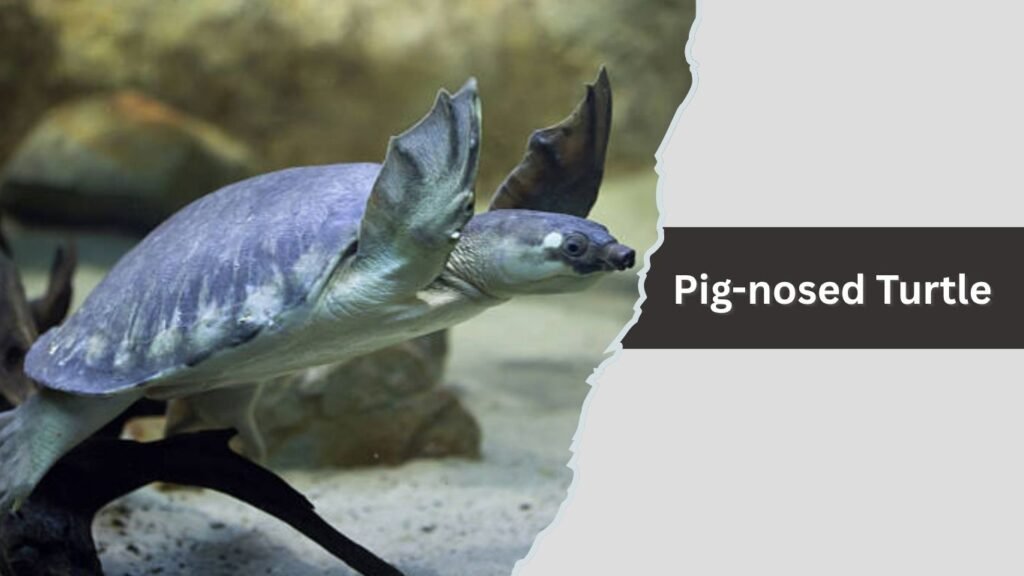
The Pig-nosed Turtle is a unique freshwater species recognized for its unusual appearance and fully aquatic lifestyle. It is named for its pig-like snout and is one of the few turtles with flipper-like limbs, making it an excellent swimmer.
Identification
- Smooth, soft shell with a leathery texture
- Gray to olive coloration
- Distinct pig-like snout with nostrils at the tip
- Flipper-like limbs similar to sea turtles
Habitat and Distribution
The Pig-nosed Turtle is found in northern Australia and southern New Guinea. It inhabits rivers, lagoons, and freshwater lakes with sandy or muddy bottoms. This species prefers warm climates and areas with slow-moving water. It is highly dependent on aquatic environments and rarely leaves the water except for nesting.
Behavior and Diet
This turtle is fully aquatic and spends almost all its time in water. It is generally active during the day and is known for its strong swimming ability. The Pig-nosed Turtle is omnivorous, feeding on aquatic plants, fruits, insects, and small aquatic animals. It forages along the bottom and among vegetation.
Lifespan
In the wild, the Pig-nosed Turtle can live around 25 to 40 years, depending on environmental conditions. Its lifespan is influenced by factors such as habitat quality, food availability, and human impact. In protected environments, it may live longer with proper care.
FAQs
What is the difference between river turtles and pond turtles?
River turtles usually prefer flowing water such as rivers and large streams, while pond turtles are more commonly found in still or slow-moving water like ponds and marshes. River turtles are often stronger swimmers due to currents, whereas pond turtles are more adapted to calm environments.
Are river turtles fully aquatic?
Most river turtles are highly aquatic and spend the majority of their lives in water. However, they still need land for activities like basking and nesting. Some species rarely leave the water except during breeding seasons.
What do river turtles eat?
River turtles have varied diets depending on the species. Some are herbivores, feeding mainly on aquatic plants, while others are carnivores or omnivores, eating fish, insects, crustaceans, and organic matter. Their diet often changes as they grow.
How long do river turtles live?
River turtles can live for several decades, typically ranging from 20 to 70 years depending on the species. Larger species tend to live longer. Environmental conditions, food availability, and threats all influence their lifespan.
Are river turtles endangered?
Many river turtle species are facing threats such as habitat destruction, pollution, and illegal hunting. As a result, several species are classified as vulnerable or endangered. Conservation efforts are important to protect their habitats and ensure their survival.