
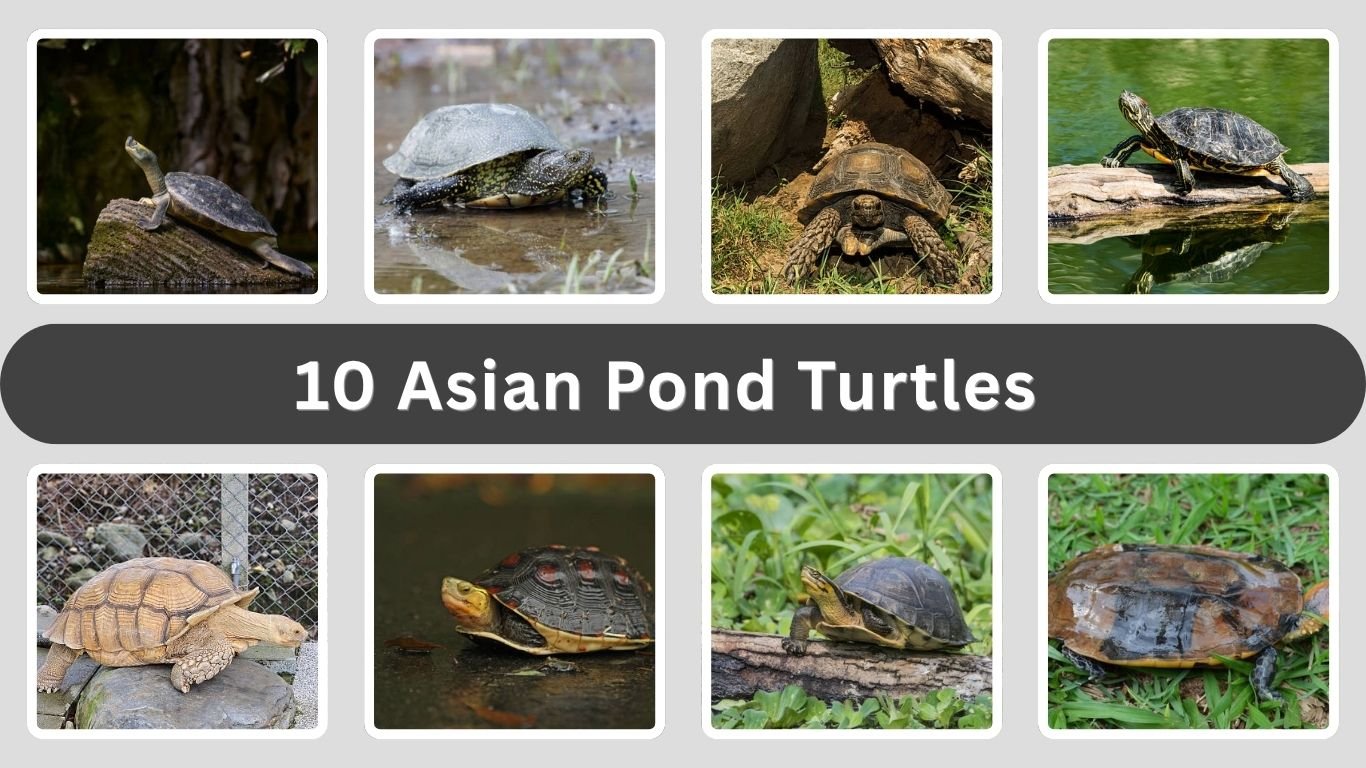
Asian pond turtles are a diverse group of freshwater reptiles found across South and Southeast Asia. They thrive in a variety of habitats, including ponds, rivers, marshes, and even rice fields. These turtles are known for their adaptability, unique shell patterns, and semi-aquatic lifestyles. From the leaf-like camouflage of the Asian Leaf Turtle to the striking spots of the Spotted Pond Turtle, each species has distinct features. Understanding these turtles helps highlight their ecological importance and the need for their conservation.
1. Asian Leaf Turtle
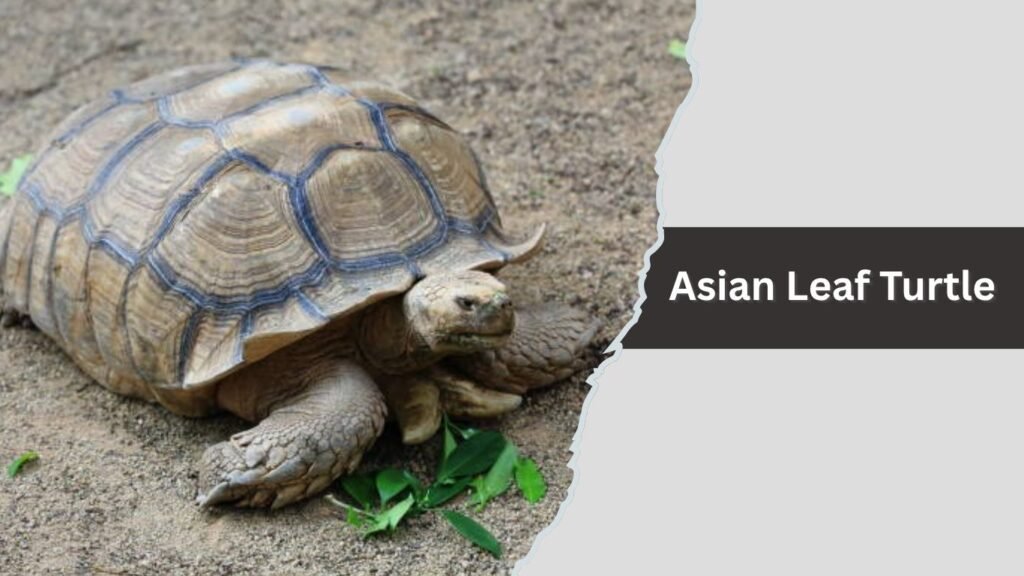
A small to medium-sized freshwater turtle found across parts of Southeast Asia, the Asian Leaf Turtle is known for its unique shell that closely resembles a fallen leaf. This natural camouflage helps it blend seamlessly into forest floors and stream beds, offering protection from predators. It is a semi-aquatic species that thrives in quiet, shaded environments where moisture and vegetation are abundant.
Identification
- Shell has a distinct leaf-like shape with a central ridge
- Carapace color ranges from brown to olive with darker vein-like patterns
- Head is relatively small with faint stripes and a slightly pointed snout
- Limbs are sturdy with mild webbing, suited for both land and water movement
Habitat and Distribution
The Asian Leaf Turtle is commonly found in tropical and subtropical regions of Southeast Asia. It inhabits slow-moving streams, forest ponds, swamps, and marshy lowlands. These turtles prefer areas with dense vegetation and thick layers of leaf litter, which provide both food sources and natural cover. Countries within its range include Indonesia, Malaysia, Thailand, the Philippines, and parts of southern Myanmar. It is often seen in shaded forest areas where humidity levels remain high, and clean freshwater is available year-round.
Behavior and Diet
This species is generally shy and secretive, spending much of its time hidden under leaves or submerged in shallow water. It is most active during dawn and dusk. The Asian Leaf Turtle is omnivorous, feeding on a varied diet that includes insects, worms, snails, small aquatic animals, fruits, and decaying plant matter. It plays an important role in its ecosystem by helping control insect populations and contributing to nutrient recycling.
Lifespan
In natural conditions, the Asian Leaf Turtle can live between 20 to 30 years, depending on habitat quality and environmental stability. Factors such as predation, habitat destruction, and water pollution can affect its longevity. In protected or captive environments with proper care, it may live even longer, benefiting from consistent food sources and reduced threats.
2. Malayan Box Turtle
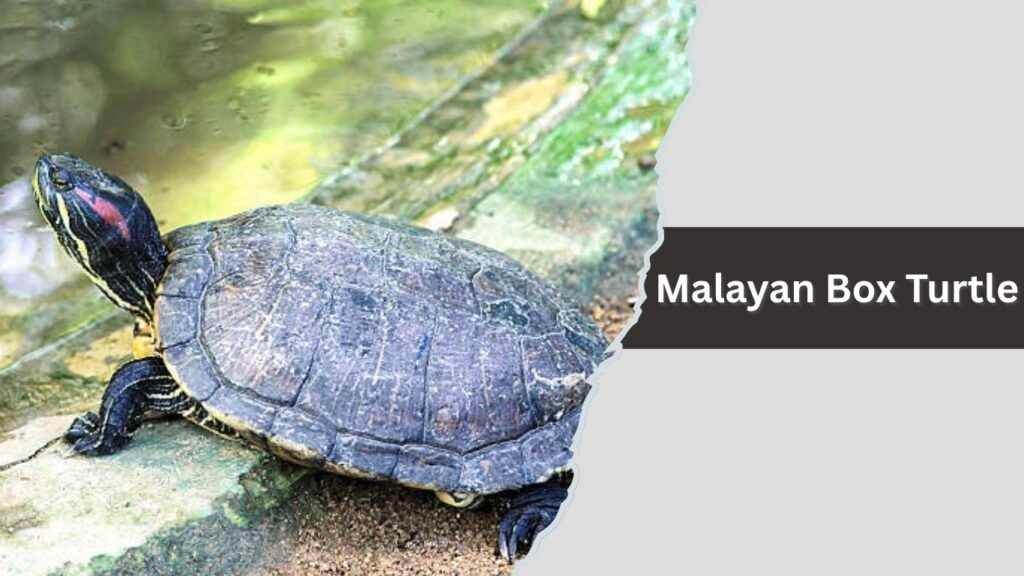
The Malayan Box Turtle is a well-known freshwater turtle native to Southeast Asia, recognized for its domed shell and ability to partially close its shell for protection. It is highly adaptable and often found in both natural and human-altered environments, making it one of the more commonly encountered turtles in the region.
Identification
- High-domed, dark brown to black shell with smooth texture
- Plastron (bottom shell) is hinged, allowing partial closure
- Head features yellow or cream-colored stripes
- Limbs are webbed, aiding in swimming
Habitat and Distribution
The Malayan Box Turtle inhabits a wide range of freshwater environments, including rivers, ponds, marshes, rice fields, and drainage canals. It thrives in warm, tropical climates with access to both water and land. This species is distributed across countries such as Malaysia, Indonesia, Thailand, Vietnam, Cambodia, and Singapore. Due to its adaptability, it is often found near human settlements and agricultural areas where water bodies are present.
Behavior and Diet
This turtle is semi-aquatic and spends a significant amount of time in water but also ventures onto land. It is generally active during the day and can be seen basking or foraging. The Malayan Box Turtle is omnivorous, feeding on aquatic plants, fruits, insects, worms, and small fish. It is an opportunistic feeder and adjusts its diet based on available resources in its habitat.
Lifespan
The Malayan Box Turtle can live for several decades, typically ranging from 25 to 40 years in the wild. Its lifespan may be influenced by environmental factors such as water quality, habitat conditions, and human activity. In captivity, with proper care and nutrition, it may live even longer.
3. Amboina Box Turtle
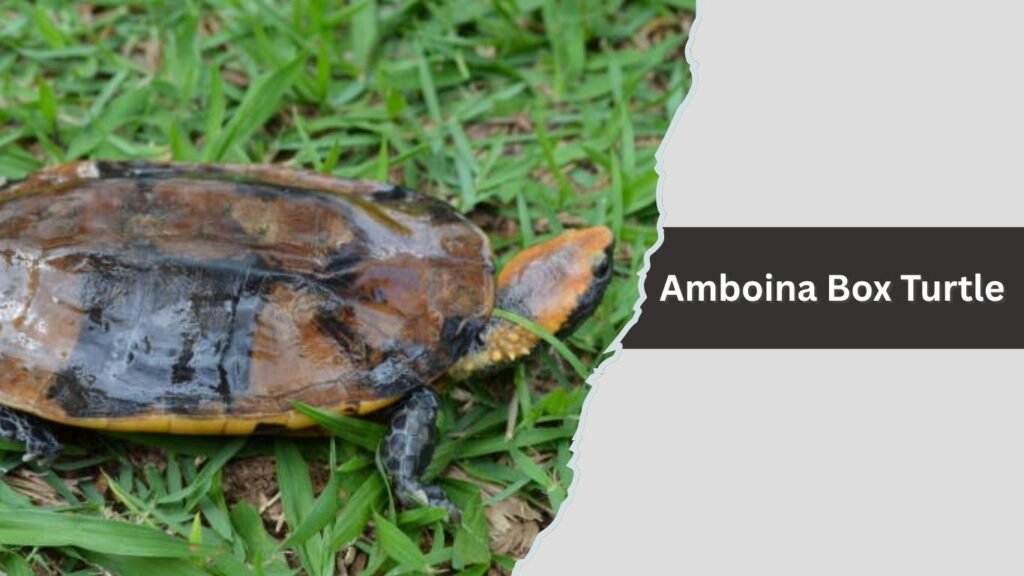
The Amboina Box Turtle is a semi-aquatic species widely found in Southeast Asia. It is closely related to other box turtles and is known for its smooth, rounded shell and ability to partially close its plastron. This species is commonly seen in calm freshwater environments and is valued for its adaptability.
Identification
- Smooth, domed shell that is usually dark brown to black
- Plastron is hinged, allowing partial closure for protection
- Head has distinct yellow or light-colored stripes
- Moderately webbed feet suited for aquatic life
Habitat and Distribution
The Amboina Box Turtle is typically found in lowland freshwater habitats such as ponds, swamps, rice paddies, and slow-moving rivers. It prefers warm, humid regions with abundant vegetation. Its distribution includes countries like Indonesia, the Philippines, Malaysia, Thailand, and parts of Vietnam. This turtle often inhabits areas with soft muddy bottoms and plenty of aquatic plants, which provide both shelter and food sources.
Behavior and Diet
This species is mostly aquatic but frequently comes onto land, especially during feeding or nesting. It is generally active during the day, though it may also show activity at dusk. The Amboina Box Turtle is omnivorous, consuming a variety of foods such as aquatic plants, fruits, insects, worms, and small aquatic animals. It is known for its opportunistic feeding behavior and ability to adapt to different food sources.
Lifespan
In the wild, the Amboina Box Turtle can live around 25 to 35 years, depending on environmental conditions and threats. Factors like habitat degradation and water pollution can impact its survival. In captivity, with proper care, a stable environment, and a balanced diet, it may live longer and maintain good health.
4. Southeast Asian Box Turtle
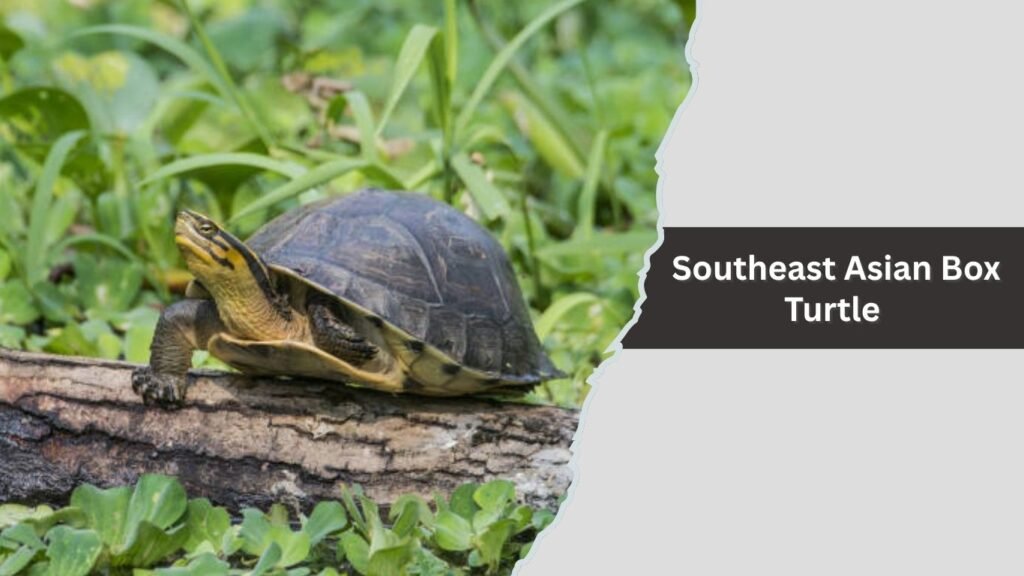
The Southeast Asian Box Turtle is a highly adaptable freshwater turtle commonly found across a wide region of Asia. It is known for its ability to partially close its shell and thrive in both natural wetlands and human-modified environments. This species is often associated with calm, shallow waters and abundant vegetation.
Identification
- Dark, domed shell with a smooth surface
- Hinged plastron that allows partial closure
- Head marked with yellow or cream-colored stripes
- Webbed feet adapted for swimming and movement in muddy areas
Habitat and Distribution
This turtle is widely distributed across Southeast Asia, including countries such as Thailand, Vietnam, Cambodia, Indonesia, and Malaysia. It inhabits a variety of freshwater environments like ponds, marshes, canals, rice fields, and slow-moving rivers. The Southeast Asian Box Turtle prefers warm climates with access to both water and land. It is frequently found in areas with dense vegetation and soft substrates, which provide shelter and feeding opportunities. Its adaptability allows it to survive even in areas influenced by human activity.
Behavior and Diet
The Southeast Asian Box Turtle is semi-aquatic and spends much of its time in water but also moves onto land for basking and feeding. It is generally active during the day. This species is omnivorous, feeding on aquatic plants, fruits, insects, worms, and small fish. It is an opportunistic feeder, adjusting its diet based on what is available in its surroundings. It may also scavenge for food in muddy or shallow waters.
Lifespan
In natural conditions, this turtle can live between 25 to 40 years. Its lifespan depends on environmental quality, availability of food, and exposure to threats such as habitat loss and pollution. In well-maintained captive environments, with proper nutrition and care, it may live even longer and remain healthy throughout its life.
5. Chinese Box Turtle
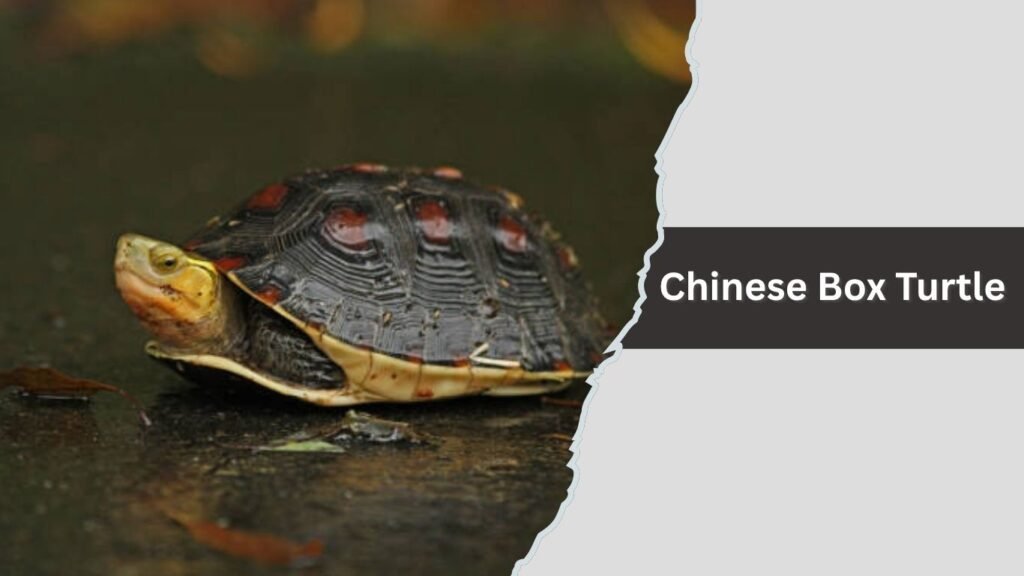
The Chinese Box Turtle is a distinctive freshwater turtle known for its unique coloration and partially hinged shell. It is native to parts of East and Southeast Asia and is often associated with forested wetlands and slow-moving waters. This species is considered rare in the wild due to habitat loss and overcollection.
Identification
- Oval-shaped shell, typically brown to dark olive
- Plastron is hinged, allowing partial closure
- Head has noticeable yellow or light-colored stripes
- Some individuals show a contrasting dark line running along the shell
Habitat and Distribution
The Chinese Box Turtle is found in regions of southern China, Taiwan, and parts of northern Vietnam. It prefers quiet freshwater habitats such as forest streams, ponds, and marshes. This species thrives in areas with dense vegetation, soft soil, and clean water sources. It is often associated with subtropical climates where humidity is high and temperatures remain moderate throughout the year.
Behavior and Diet
This turtle is semi-aquatic but spends a fair amount of time on land, especially in humid forest environments. It is generally shy and tends to hide under vegetation or leaf litter. The Chinese Box Turtle is omnivorous, feeding on insects, worms, small aquatic animals, fruits, and plant material. It may forage both in water and on land, depending on food availability.
Lifespan
In the wild, the Chinese Box Turtle can live approximately 20 to 30 years, though exact data is limited due to its declining population. Environmental pressures such as habitat destruction and illegal collection affect its longevity. In captivity, with proper care and a stable environment, it may live longer and maintain good health.
6. Asian Giant Pond Turtle
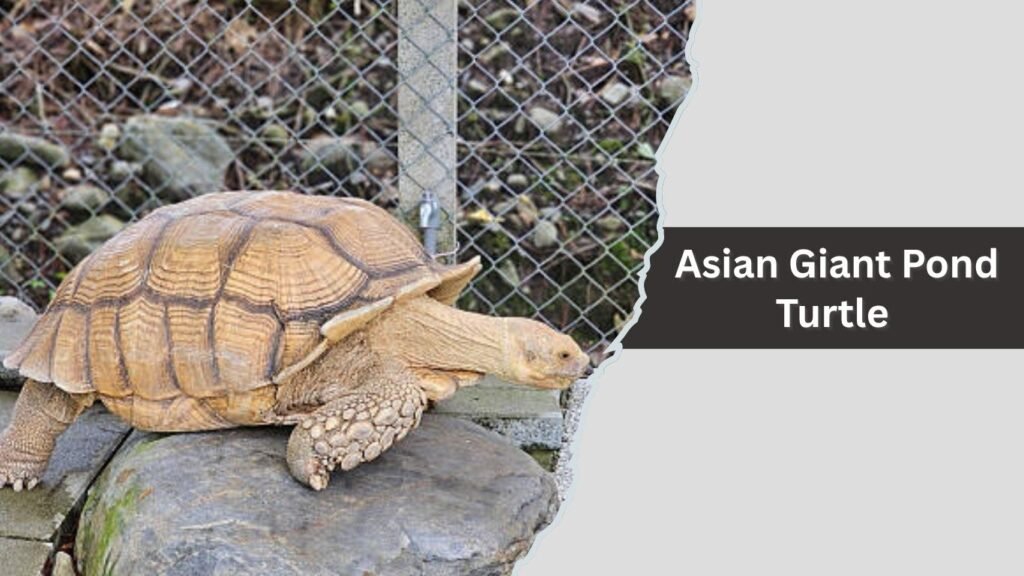
The Asian Giant Pond Turtle is one of the larger freshwater turtles found in Asia, known for its broad shell and strong aquatic abilities. It is a semi-aquatic species that thrives in warm, tropical environments and is often associated with large water bodies and surrounding forest areas.
Identification
- Large, broad, and slightly flattened shell
- Carapace color ranges from dark brown to olive
- Head is relatively large with a blunt snout
- Strong, webbed limbs adapted for swimming
Habitat and Distribution
The Asian Giant Pond Turtle is commonly found in Southeast Asia, including countries such as Indonesia, Malaysia, Thailand, and Myanmar. It inhabits large rivers, lakes, swamps, and forest ponds. This species prefers areas with slow-moving or still water and abundant vegetation. It is often found near forest edges, where it can easily move between land and water. The warm, humid climate of these regions provides ideal conditions for its survival.
Behavior and Diet
This turtle is mostly aquatic but may come onto land for basking or nesting. It is generally active during the day and can often be seen swimming slowly or resting near the water’s edge. The Asian Giant Pond Turtle is omnivorous, feeding on aquatic plants, fruits, insects, and small aquatic animals. It plays an important role in maintaining the balance of its ecosystem by consuming both plant and animal matter.
Lifespan
The Asian Giant Pond Turtle can live for several decades, often reaching 30 to 50 years in the wild under favorable conditions. Its lifespan depends on habitat quality, food availability, and environmental stability. In captivity, with proper care and a controlled environment, it may live even longer.
7. Yellow Pond Turtle
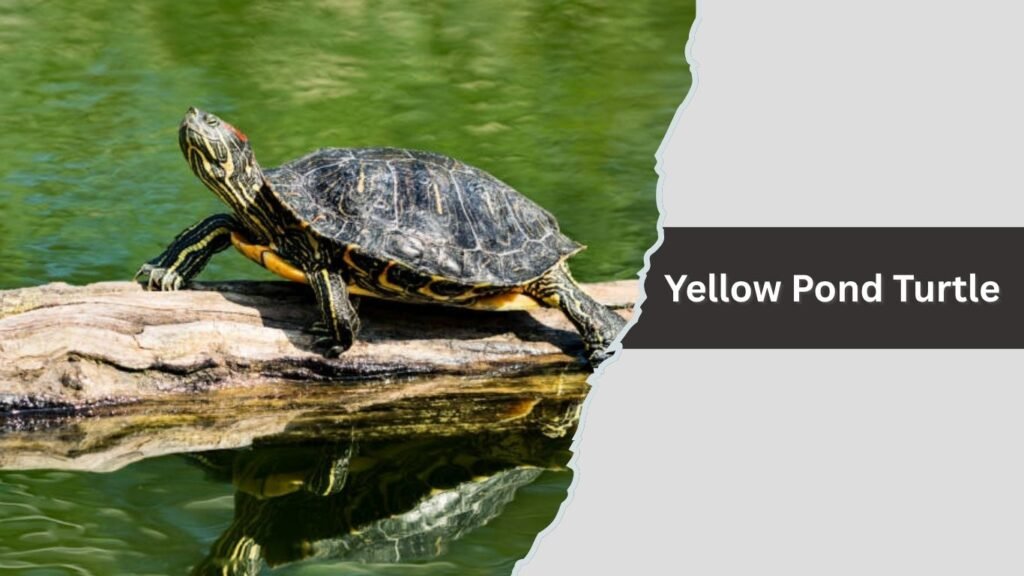
The Yellow Pond Turtle is a medium-sized freshwater species native to parts of East Asia. It is known for its attractive coloration, particularly the yellow markings on its head and limbs. This turtle is semi-aquatic and prefers calm, vegetated water bodies where it can easily find food and shelter.
Identification
- Smooth, oval-shaped shell ranging from brown to olive
- Distinct yellow stripes or markings on the head and neck
- Plastron is lighter in color, often yellowish
- Webbed feet that aid in swimming
Habitat and Distribution
The Yellow Pond Turtle is primarily found in eastern China, Taiwan, and parts of Japan. It inhabits slow-moving freshwater environments such as ponds, lakes, marshes, and rice paddies. This species prefers areas with abundant aquatic vegetation and soft substrates. It is commonly seen in lowland regions where water is warm and relatively still. Due to its adaptability, it can also survive in human-altered habitats like agricultural fields.
Behavior and Diet
This turtle is semi-aquatic and spends a significant amount of time in water but also basks on land or logs. It is generally active during the day. The Yellow Pond Turtle is omnivorous, feeding on aquatic plants, algae, insects, worms, and small fish. It is an opportunistic feeder and adjusts its diet based on availability. Basking behavior is common, helping regulate body temperature and overall health.
Lifespan
In the wild, the Yellow Pond Turtle can live around 20 to 40 years, depending on environmental conditions and threats. Habitat degradation and pollution can impact its survival. In captivity, with proper care, balanced nutrition, and a clean environment, it may live even longer and maintain good health.
8. Indian Black Turtle
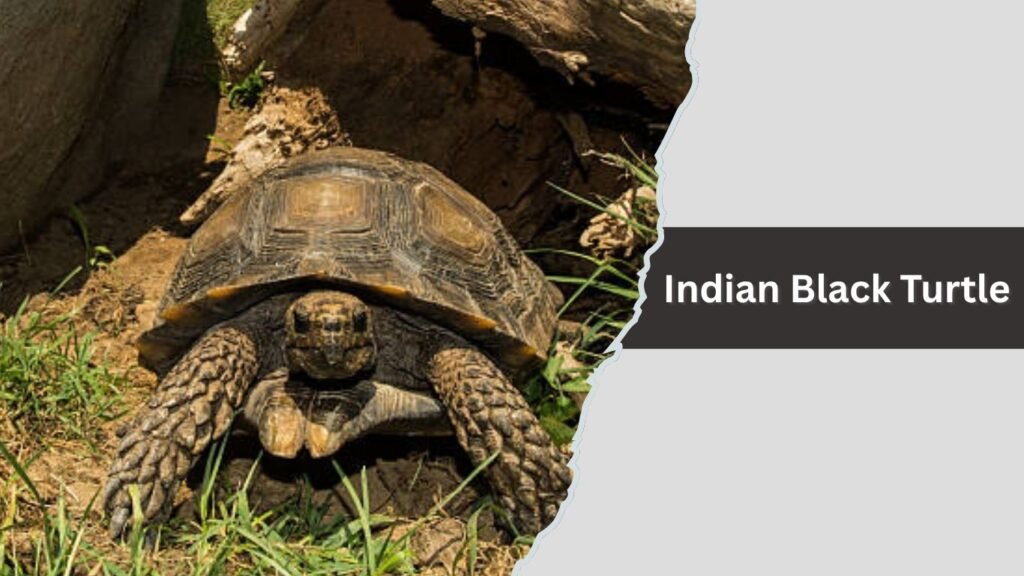
The Indian Black Turtle is a freshwater species native to South Asia, recognized for its dark-colored shell and adaptability to various aquatic environments. It is commonly found in both natural wetlands and human-made water bodies, making it one of the more widespread turtles in its region.
Identification
- Dark brown to black, smooth, and moderately domed shell
- Shell may appear slightly elongated with a glossy texture
- Head often has faint yellow or light-colored markings
- Strong, webbed limbs suited for swimming
Habitat and Distribution
The Indian Black Turtle is widely distributed across countries such as India, Bangladesh, Nepal, and Pakistan. It inhabits a variety of freshwater environments, including ponds, lakes, rivers, marshes, and rice fields. This species prefers warm climates and areas with abundant vegetation. It is often found in slow-moving or stagnant waters where food is readily available. Due to its adaptability, it can survive in both rural and urban water bodies.
Behavior and Diet
This turtle is semi-aquatic and spends much of its time in water, though it also basks on land. It is generally active during the day. The Indian Black Turtle is omnivorous, feeding on aquatic plants, algae, insects, worms, and small aquatic animals. It may also scavenge for food in muddy environments. Its flexible diet allows it to thrive in different habitats.
Lifespan
In the wild, the Indian Black Turtle can live approximately 20 to 30 years, depending on environmental conditions and threats. Factors such as water pollution and habitat loss can affect its lifespan. In captivity, with proper care and a stable environment, it may live longer and maintain good overall health.
9. Burmese Roofed Turtle
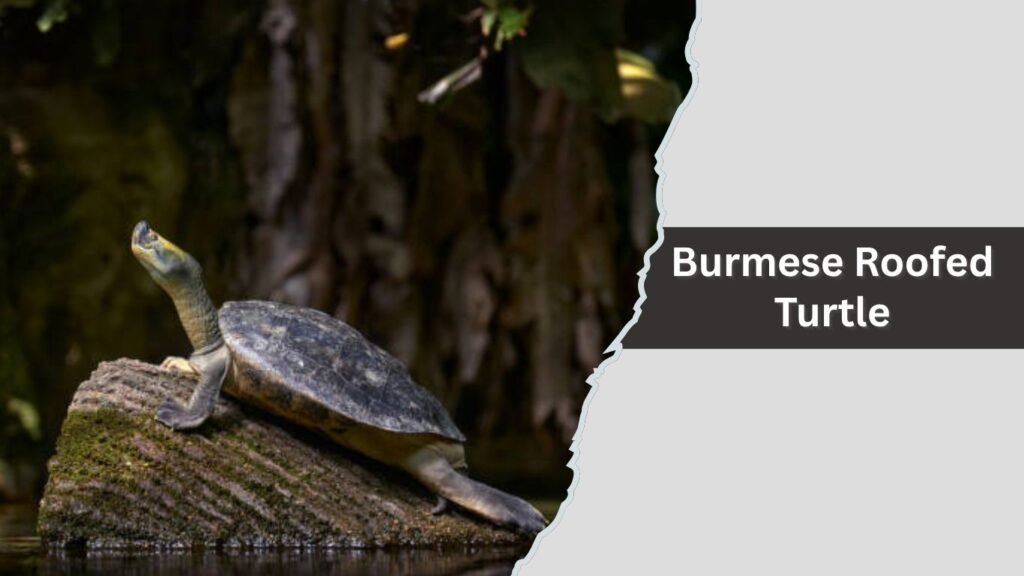
The Burmese Roofed Turtle is a freshwater species known for its distinctively shaped shell and striking head patterns, especially in males. It is considered one of the more unique turtles in Asia and is often associated with large river systems.
Identification
- High-arched, “roof-like” shell structure
- Carapace is typically olive to brown with subtle patterns
- Males often display bright head coloration with stripes
- Strong, fully webbed limbs adapted for swimming
Habitat and Distribution
The Burmese Roofed Turtle is primarily found in Myanmar, especially in major river systems such as the Ayeyarwady River. It prefers large, flowing rivers with sandy banks, which are important for nesting. This species depends on clean, well-oxygenated water and is often found in deeper sections of rivers. Its habitat is closely tied to river ecosystems, making it sensitive to environmental changes such as dam construction and water pollution.
Behavior and Diet
This turtle is mostly aquatic and spends the majority of its life in rivers. It is diurnal, meaning it is active during the day, and may occasionally bask on riverbanks. The Burmese Roofed Turtle is mainly herbivorous, feeding on aquatic plants, leaves, and fruits, though it may also consume small aquatic organisms. Its feeding habits help maintain plant balance within its ecosystem.
Lifespan
The Burmese Roofed Turtle can live for several decades, often reaching 30 to 50 years in natural conditions. However, its lifespan is heavily influenced by environmental factors and human impact. Due to habitat loss and other threats, its population has declined, but conservation efforts aim to support its survival and longevity.
10. Spotted Pond Turtle
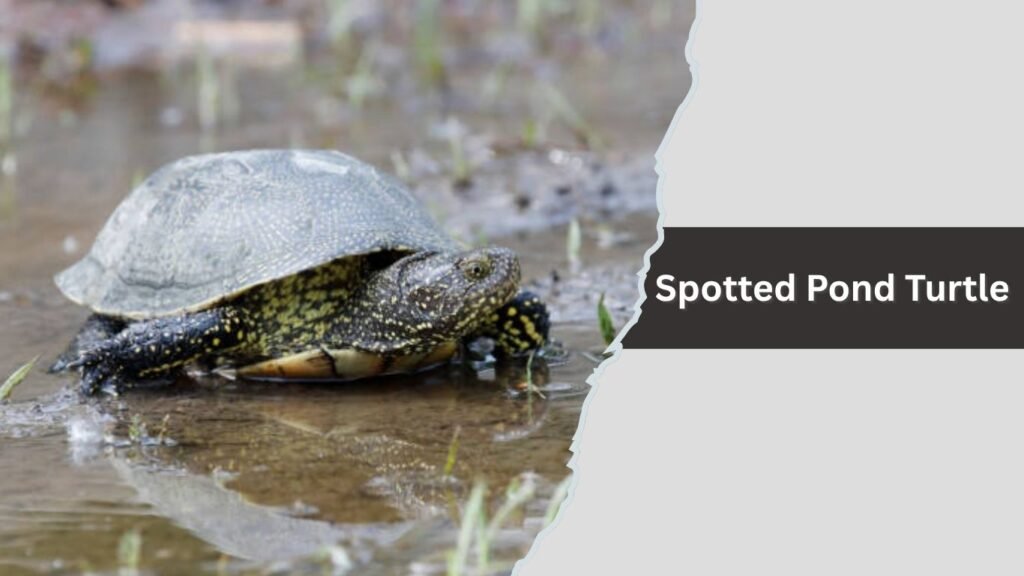
The Spotted Pond Turtle is a small to medium-sized freshwater turtle known for its attractive spotted shell pattern. It is commonly found in South Asia and is well adapted to life in shallow water bodies with abundant vegetation. Its distinctive appearance and calm nature make it one of the more recognizable pond turtles in the region.
Identification
- Dark shell covered with small yellow or orange spots
- Carapace is smooth and slightly domed
- Head and limbs also display fine spotting or light markings
- Moderately webbed feet for efficient swimming
Habitat and Distribution
The Spotted Pond Turtle is widely distributed across India, Bangladesh, Pakistan, Nepal, and Sri Lanka. It inhabits ponds, lakes, marshes, slow-moving rivers, and rice fields. This species prefers shallow waters with plenty of aquatic plants and soft muddy bottoms. It is often found in warm, tropical climates and can adapt to both natural and human-influenced environments, including village ponds and agricultural areas.
Behavior and Diet
This turtle is semi-aquatic and spends most of its time in water but frequently basks on rocks or logs. It is generally active during the day. The Spotted Pond Turtle is omnivorous, feeding on aquatic vegetation, algae, insects, snails, and small fish. It forages in shallow waters and along the edges of ponds, playing a role in maintaining ecological balance.
Lifespan
In the wild, the Spotted Pond Turtle can live around 20 to 30 years, depending on habitat quality and environmental conditions. Threats such as pollution and habitat disturbance can impact its survival. In captivity, with proper care and a stable environment, it may live longer and remain healthy.
FAQs
What makes Asian pond turtles different from other turtles?
Asian pond turtles are typically semi-aquatic, meaning they live both in water and on land. They are commonly found in freshwater habitats like ponds, rivers, and marshes. Compared to sea turtles, they are smaller and more adaptable to varied environments, including forested and human-influenced areas.
Are Asian pond turtles good as pets?
Some species are kept as pets, but they require proper care, including clean water, balanced diet, and adequate space. Many species are protected or endangered, so it is important to check legal regulations before keeping one. Responsible ownership is essential to ensure their health and well-being.
What do Asian pond turtles usually eat?
Most Asian pond turtles are omnivorous. Their diet includes aquatic plants, fruits, insects, worms, snails, and small fish. The exact diet varies by species and habitat, but they generally adapt to available food sources in their environment.
How long do Asian pond turtles live?
Asian pond turtles can live for several decades, typically ranging from 20 to 50 years depending on the species. Factors such as habitat quality, food availability, and environmental conditions play a major role in determining their lifespan.
Are Asian pond turtles endangered?
Many Asian pond turtle species face threats such as habitat destruction, pollution, and illegal wildlife trade. As a result, several species are classified as vulnerable or endangered. Conservation efforts and habitat protection are important for ensuring their survival in the wild.