
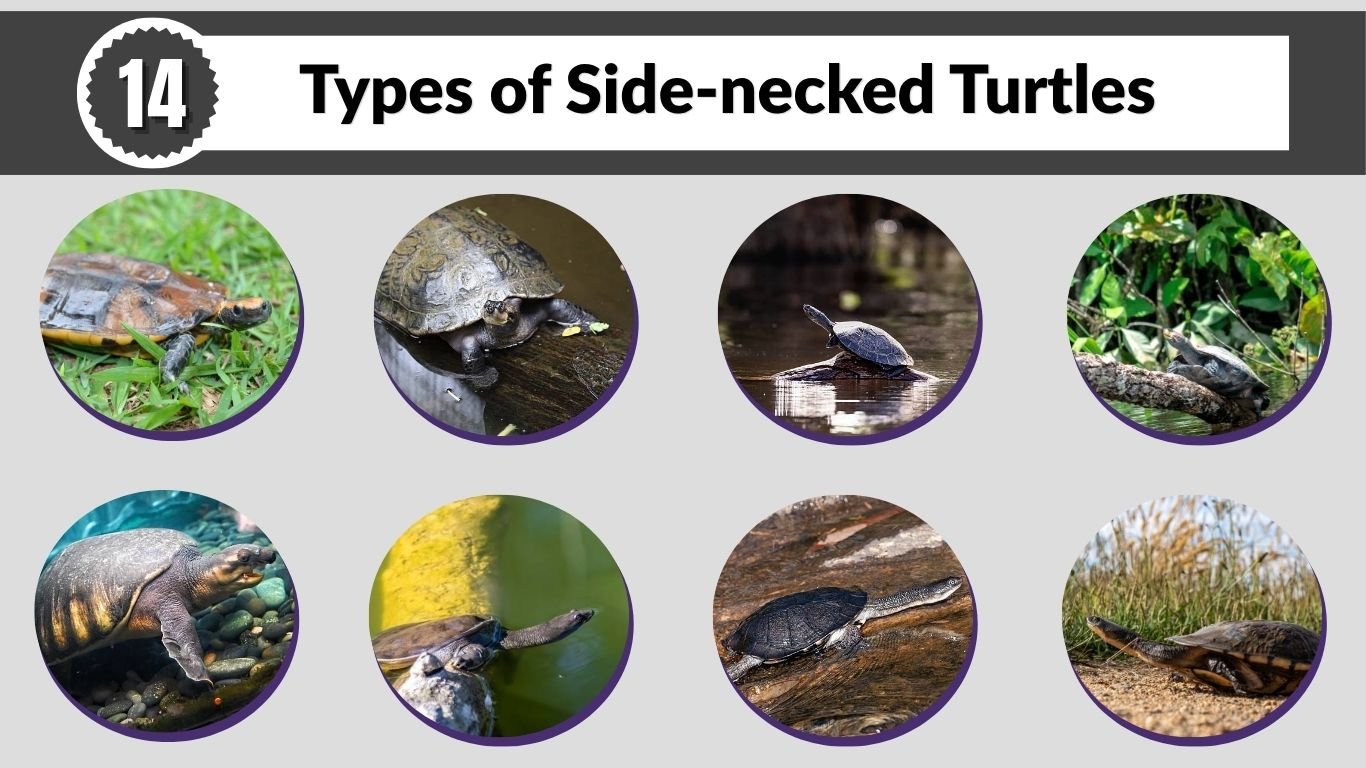
Side-necked turtles are a unique group of freshwater turtles known for the way they bend their necks sideways under their shells instead of retracting them straight back. Found mainly in Africa, South America, and Australia, these turtles have adapted to a wide range of aquatic environments, from slow-moving rivers to seasonal wetlands. They vary greatly in size, shape, and behavior, with some being active predators and others relying more on plant-based diets. Understanding these turtles helps highlight their ecological importance and the growing need for conservation efforts.
1. African Helmeted Turtle
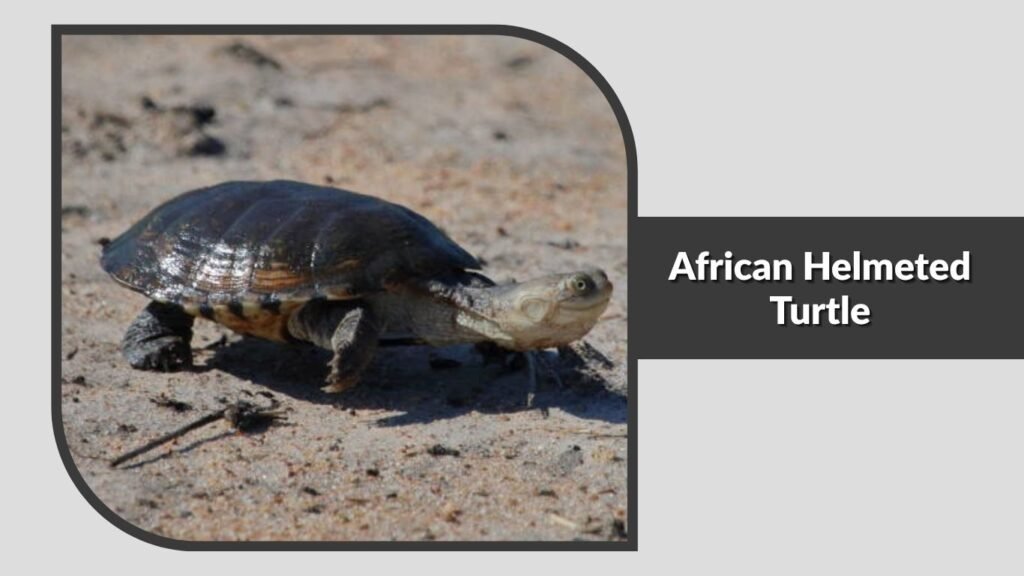
The African Helmeted Turtle is a resilient and widely distributed freshwater species found throughout sub-Saharan Africa. It is known for its adaptability to different environments, including temporary water bodies that may dry up seasonally. This turtle is part of the side-necked group, meaning it tucks its head sideways under the shell rather than pulling it straight back. Its ability to survive in harsh and changing conditions makes it one of the most successful turtles in its region. It is often seen in muddy waters, quietly resting or slowly moving along the bottom in search of food.
Identification
- Dome-shaped shell, typically brown, olive, or dark gray
- Smooth carapace with a slightly rounded and compact form
- Broad head with a short snout and strong jaw structure
- Limbs are sturdy with moderate webbing for swimming and walking
- Tail is relatively short compared to body size
Habitat and Distribution
The African Helmeted Turtle is widely distributed across sub-Saharan Africa, ranging from savannas to forested regions. It inhabits a variety of freshwater environments, including rivers, ponds, marshes, floodplains, and even temporary rain pools. This species is especially known for its ability to survive in seasonal habitats that may dry out during droughts. When water becomes scarce, it can burrow into mud or travel over land in search of new water sources. It prefers slow-moving or stagnant water with soft, muddy bottoms and vegetation, which provide both shelter and feeding opportunities.
Behavior and Diet
This turtle is semi-aquatic and spends most of its time in water but is also capable of moving across land. It is generally active during the day but may also show activity at dusk. The African Helmeted Turtle is omnivorous and an opportunistic feeder. Its diet includes insects, fish, amphibians, snails, aquatic plants, and carrion. It plays an important ecological role by helping control insect populations and cleaning up organic waste in its habitat. It is also known for its defensive behavior, sometimes releasing a strong-smelling fluid when threatened.
Lifespan
In the wild, the African Helmeted Turtle typically lives between 20 to 30 years, although some individuals may live longer under favorable conditions. Its lifespan depends on factors such as habitat stability, food availability, and environmental conditions. Because it can survive in challenging environments, it often outlives many less adaptable species. In captivity, with proper care, a balanced diet, and clean water, it may live even longer, benefiting from reduced threats and consistent living conditions.
2. West African Mud Turtle
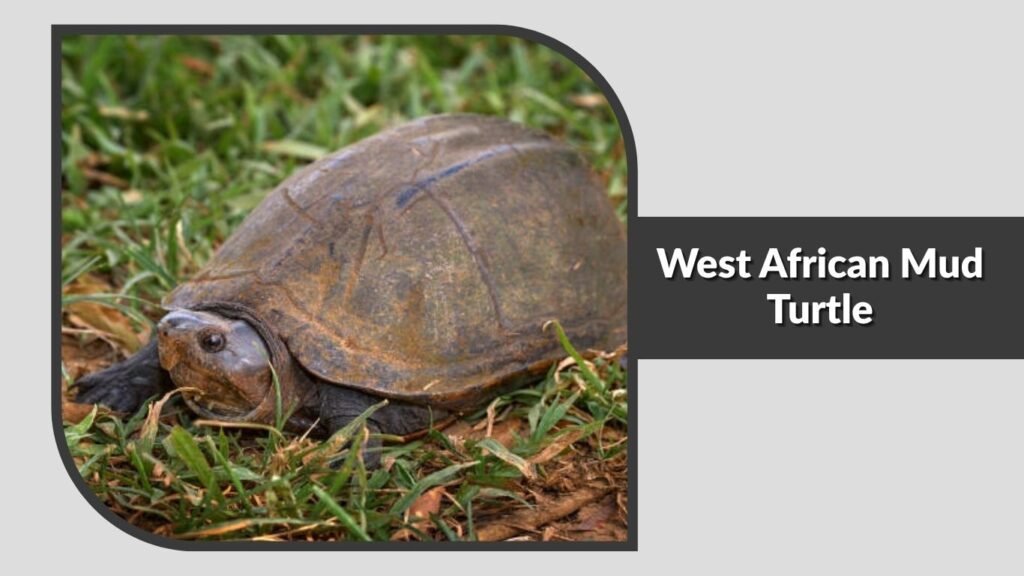
The West African Mud Turtle is a small to medium-sized side-necked turtle known for its hardy nature and ability to thrive in both aquatic and semi-terrestrial environments. It is commonly found in West Africa and is well adapted to seasonal changes, including periods of drought. Like other side-necked turtles, it folds its neck sideways under its shell for protection. This species is often seen in shallow waters or resting in muddy areas, where it blends well with its surroundings.
Identification
- Oval, moderately domed shell with dark brown to black coloration
- Smooth carapace with a slightly glossy appearance
- Head is broad with a short snout and strong jaws
- Limbs are sturdy with moderate webbing for movement in water
- Skin is usually dark with subtle lighter markings
Habitat and Distribution
The West African Mud Turtle is primarily found across countries in West Africa, including Nigeria, Ghana, and Ivory Coast. It inhabits a wide range of freshwater environments such as ponds, marshes, slow-moving rivers, and temporary pools. This species is especially well adapted to areas that experience seasonal rainfall, where water bodies may dry up for part of the year. During dry periods, it can burrow into mud to conserve moisture and survive until water returns. It prefers habitats with soft substrates and vegetation, which provide shelter and feeding opportunities.
Behavior and Diet
This turtle is semi-aquatic and spends time both in water and on land. It is generally active during the day but may also show activity at dusk. The West African Mud Turtle is omnivorous, feeding on insects, worms, small fish, amphibians, aquatic plants, and organic debris. It is an opportunistic feeder and adjusts its diet based on what is available in its environment. It also plays a role in maintaining ecological balance by consuming both plant and animal matter.
Lifespan
In natural conditions, the West African Mud Turtle can live around 20 to 30 years. Its lifespan is influenced by environmental factors such as habitat quality, food availability, and seasonal changes. Its ability to survive drought and harsh conditions contributes to its overall resilience. In captivity, with proper care and a stable environment, it may live longer and maintain good health.
3. East African Black Mud Turtle
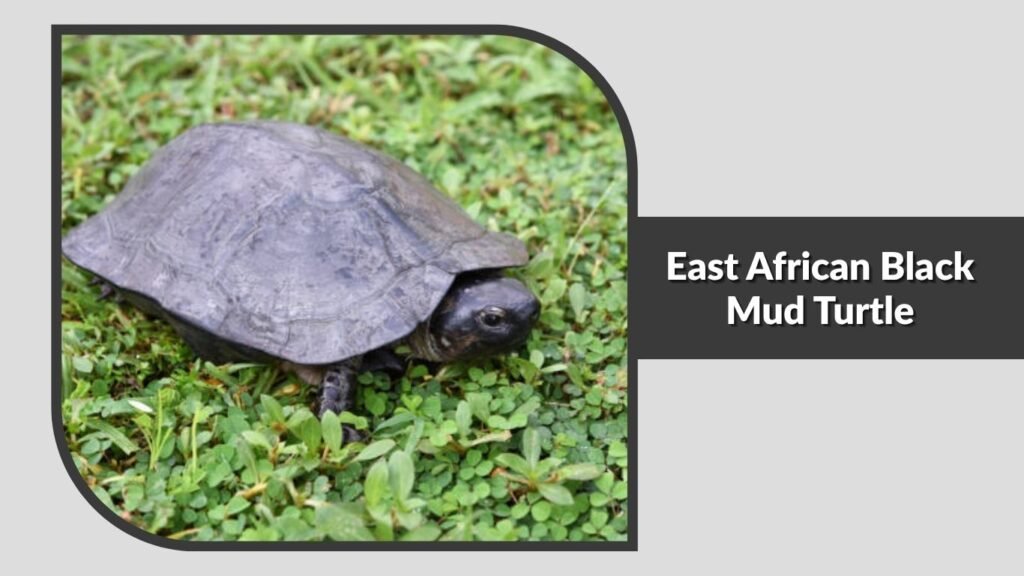
The East African Black Mud Turtle is a hardy side-necked species known for its dark coloration and strong adaptability to various freshwater environments. It is commonly found in East Africa and is well suited to both permanent and seasonal water bodies. Like other side-necked turtles, it bends its neck sideways beneath its shell for protection. This species is often seen resting in shallow waters or hidden in muddy substrates, where its dark color provides effective camouflage.
Identification
- Dark brown to black, smooth, and slightly domed shell
- Carapace has a simple, uniform appearance without strong patterns
- Head is broad with a short snout and powerful jaws
- Limbs are sturdy with moderate webbing for swimming
- Skin is dark, often matching the shell color
Habitat and Distribution
The East African Black Mud Turtle is found across countries such as Kenya, Tanzania, Uganda, and surrounding regions. It inhabits ponds, marshes, slow-moving rivers, swamps, and seasonal pools. This species is particularly well adapted to areas with fluctuating water levels. During dry periods, it may burrow into mud or seek refuge in damp areas until water returns. It prefers calm, shallow waters with soft bottoms and vegetation, which provide both shelter and feeding opportunities.
Behavior and Diet
This turtle is semi-aquatic and spends time both in water and on land. It is generally active during the day, though it may also be active at dusk. The East African Black Mud Turtle is omnivorous and feeds on insects, worms, snails, small fish, amphibians, and plant material. It is an opportunistic feeder and plays a role in maintaining ecosystem balance by consuming a variety of organic matter. It may also scavenge when food is scarce.
Lifespan
In the wild, the East African Black Mud Turtle typically lives between 20 to 30 years, depending on environmental conditions. Its resilience to seasonal changes and ability to survive in harsh environments contribute to its longevity. In captivity, with proper care, clean water, and a balanced diet, it may live longer and remain healthy.
4. South American Snake-necked Turtle
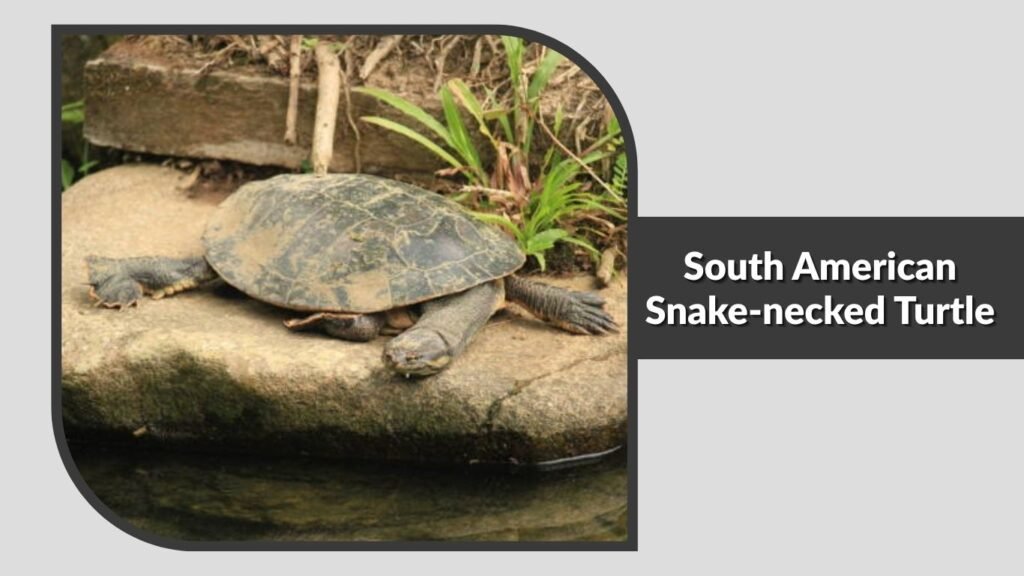
The South American Snake-necked Turtle is a distinctive side-necked species known for its extremely long neck, which folds sideways under its shell. Native to parts of South America, this turtle is well adapted to freshwater habitats and uses its long neck as an advantage when hunting prey. Its unique appearance makes it one of the most recognizable side-necked turtles.
Identification
- Medium-sized, oval shell with brown to dark olive coloration
- Exceptionally long, flexible neck resembling a snake
- Head is narrow with a pointed snout
- Limbs are webbed, supporting strong swimming ability
- Shell is relatively smooth with a slightly flattened shape
Habitat and Distribution
The South American Snake-necked Turtle is found in countries such as Brazil, Argentina, Paraguay, and Uruguay. It inhabits freshwater environments including rivers, streams, marshes, and ponds. This species prefers slow-moving or still water with abundant vegetation and soft substrates. It is commonly found in areas where it can easily hide among plants or debris. Seasonal flooding in its range often expands its habitat, allowing it to move between different water bodies.
Behavior and Diet
This turtle is mostly aquatic and spends the majority of its time in water. It is generally active during the day but may also be active at dusk. The South American Snake-necked Turtle is carnivorous, feeding on fish, insects, amphibians, and small aquatic animals. It uses its long neck to strike quickly at prey, making it an effective hunter. It often remains still and waits for prey to come close before attacking.
Lifespan
In the wild, the South American Snake-necked Turtle can live around 20 to 30 years, depending on environmental conditions. Its lifespan is influenced by habitat quality, food availability, and environmental stability. In captivity, with proper care and a controlled environment, it may live longer and maintain good overall health.
5. Mata Mata Turtle
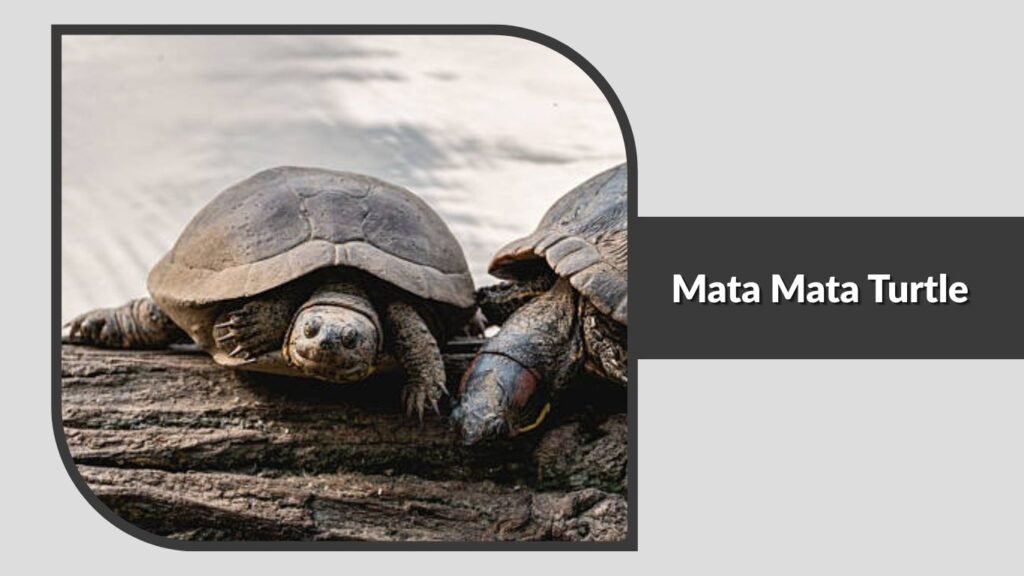
The Mata Mata Turtle is one of the most unusual-looking side-necked turtles, known for its flattened body and leaf-like appearance. Native to South America, it is perfectly adapted for camouflage in slow-moving waters filled with debris. Its unique shape helps it blend into its surroundings, making it an effective ambush predator.
Identification
- Large, flat, and triangular shell with a rough, knobby texture
- Brown to dark coloration that resembles leaf litter
- Extremely flattened head with a wide mouth
- Long neck covered in skin flaps and projections
- Tubular, snorkel-like nose for breathing at the water surface
Habitat and Distribution
The Mata Mata Turtle is found in northern South America, including countries such as Brazil, Venezuela, Peru, and Colombia. It inhabits slow-moving rivers, swamps, marshes, and blackwater streams. This species prefers shallow waters with muddy bottoms and dense vegetation or leaf debris. Its habitat is typically calm and shaded, allowing it to remain well hidden among submerged materials.
Behavior and Diet
This turtle is highly aquatic and rarely leaves the water. It is mostly inactive, relying on camouflage rather than movement for survival. The Mata Mata Turtle is carnivorous and uses a suction-feeding method to capture prey. It quickly opens its wide mouth to create a vacuum, pulling in fish and small aquatic animals. This ambush strategy allows it to feed efficiently without chasing prey.
Lifespan
In the wild, the Mata Mata Turtle can live around 15 to 25 years, although exact data is limited. Its lifespan depends on environmental conditions and availability of food. In captivity, with proper care and stable water conditions, it may live longer and maintain good health.
6. Roti Island Snake-necked Turtle
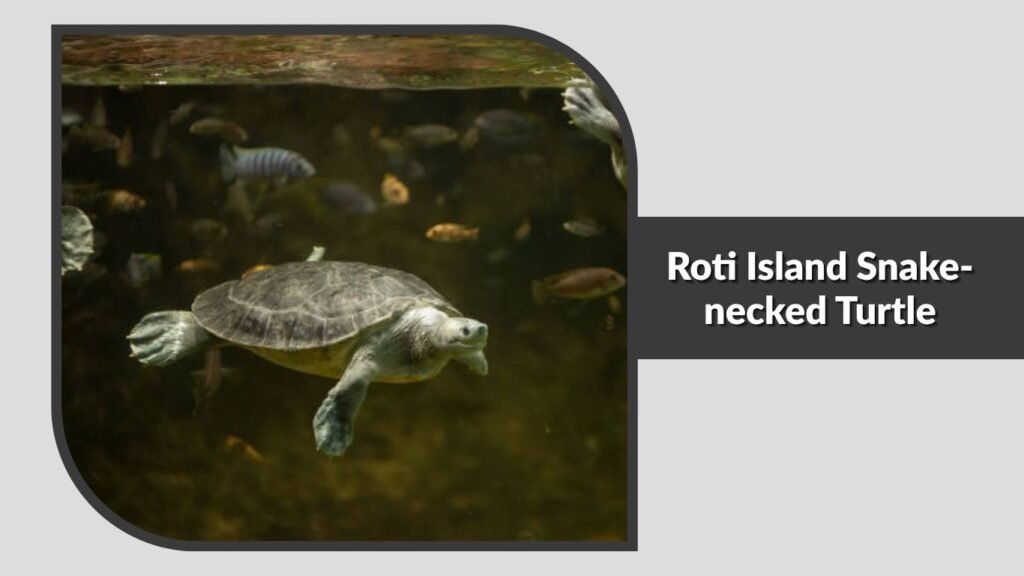
The Roti Island Snake-necked Turtle is a rare and highly distinctive side-necked species known for its long neck and limited geographic range. Native to a small island in Indonesia, this turtle is critically endangered and valued for its unique appearance. Like other side-necked turtles, it bends its neck sideways beneath its shell for protection.
Identification
- Medium-sized, oval shell with light brown to gray coloration
- Long, slender neck similar to other snake-necked turtles
- Head is narrow with a pointed snout
- Shell is relatively smooth with subtle patterns
- Limbs are webbed, aiding in swimming
Habitat and Distribution
This species is native to Roti Island in Indonesia, making it one of the most geographically restricted turtles in the world. It inhabits freshwater environments such as small lakes, marshes, and slow-moving streams. The Roti Island Snake-necked Turtle prefers shallow waters with abundant vegetation and soft, muddy bottoms. Its limited range makes it highly vulnerable to habitat loss and environmental changes.
Behavior and Diet
The Roti Island Snake-necked Turtle is mostly aquatic and spends much of its time in water. It is generally active during the day. This species is carnivorous, feeding on fish, insects, amphibians, and small aquatic animals. It uses its long neck to strike quickly at prey, making it an effective ambush predator. It often remains still and relies on stealth to capture food.
Lifespan
In the wild, this turtle is believed to live around 20 to 30 years, though detailed information is limited due to its rarity. Its lifespan is affected by environmental conditions and human impact. In captivity, with proper care and conservation efforts, it may live longer and contribute to breeding programs aimed at preserving the species.
7. Australian Snake-necked Turtle
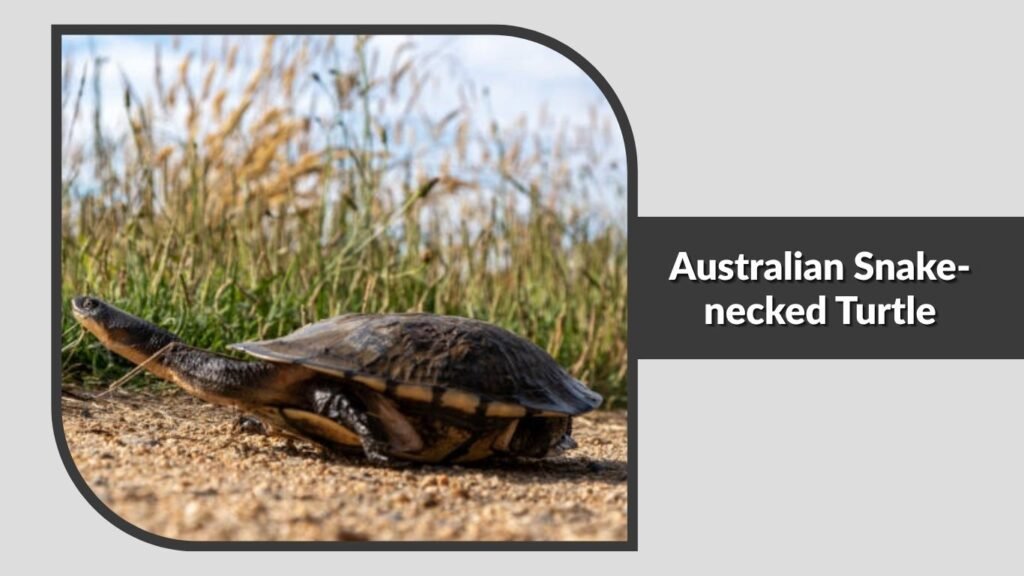
The Australian Snake-necked Turtle is a distinctive side-necked species known for its long, flexible neck and strong adaptability to freshwater environments. Native to Australia, it is well suited to both permanent and seasonal water bodies. Its ability to extend its neck quickly makes it an efficient hunter in aquatic habitats.
Identification
- Oval, moderately domed shell with brown to dark olive coloration
- Long, slender neck that can extend rapidly
- Head is narrow with a pointed snout
- Limbs are webbed for efficient swimming
- Shell surface is smooth with minimal patterning
Habitat and Distribution
The Australian Snake-necked Turtle is found across eastern and southeastern Australia. It inhabits a wide range of freshwater environments, including rivers, lakes, ponds, swamps, and temporary pools. This species is highly adaptable and can survive in areas that experience seasonal drying. During drought conditions, it may travel over land or burrow into mud to find suitable conditions. It prefers habitats with soft bottoms and aquatic vegetation for shelter and feeding.
Behavior and Diet
This turtle is semi-aquatic and spends most of its time in water but is capable of moving on land when necessary. It is generally active during the day. The Australian Snake-necked Turtle is carnivorous, feeding on insects, fish, amphibians, and small aquatic animals. It uses its long neck to strike quickly at prey, making it an effective ambush predator. It may also scavenge when food is limited.
Lifespan
In the wild, the Australian Snake-necked Turtle can live around 20 to 40 years, depending on environmental conditions. Its lifespan is influenced by habitat quality, food availability, and seasonal changes. In captivity, with proper care and a stable environment, it may live longer and remain healthy.
8. Eastern Long-necked Turtle
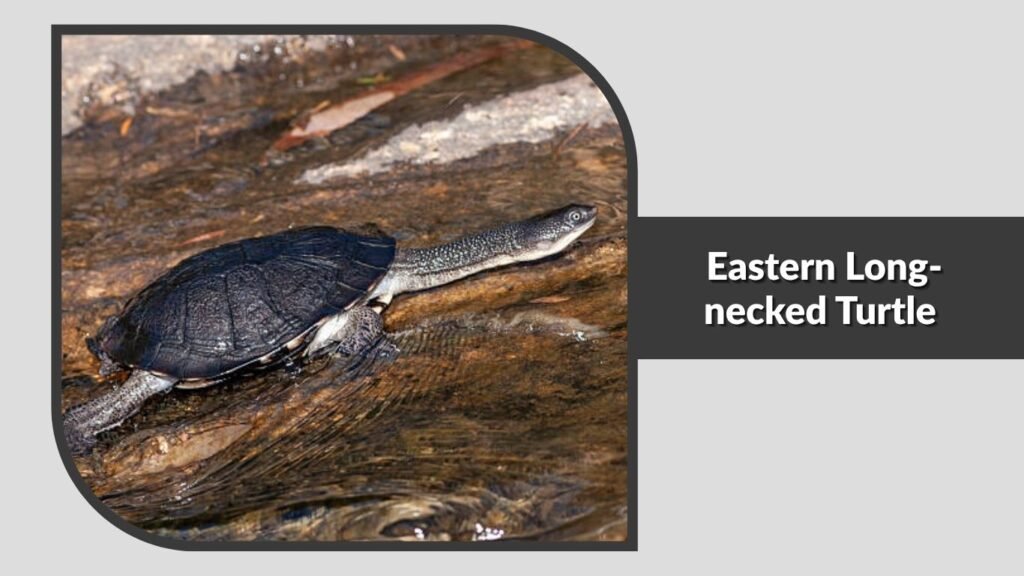
The Eastern Long-necked Turtle is a well-known side-necked species native to Australia, recognized for its exceptionally long neck and active hunting behavior. It is highly adaptable and can live in a wide range of freshwater environments, including temporary water bodies. Its long neck allows it to strike quickly at prey, making it an efficient predator.
Identification
- Oval, moderately domed shell with dark brown to black coloration
- Extremely long neck, often as long as the shell itself
- Head is narrow with a pointed snout
- Limbs are webbed for strong swimming ability
- Shell is smooth with minimal markings
Habitat and Distribution
The Eastern Long-necked Turtle is found across eastern Australia, including regions of Queensland, New South Wales, and Victoria. It inhabits ponds, lakes, swamps, slow-moving rivers, and temporary pools. This species is highly adaptable and can survive in areas that dry out seasonally by traveling over land to find new water sources. It prefers habitats with soft bottoms and plenty of vegetation, which provide shelter and feeding opportunities.
Behavior and Diet
This turtle is semi-aquatic and spends much of its time in water but can move effectively on land. It is generally active during the day. The Eastern Long-necked Turtle is carnivorous, feeding on insects, fish, amphibians, and small aquatic animals. It uses its long neck to rapidly strike at prey, often catching it by surprise. It may also scavenge when food is scarce.
Lifespan
In the wild, the Eastern Long-necked Turtle can live around 20 to 40 years, depending on environmental conditions. Its adaptability to different habitats supports its survival, but factors like habitat loss and water quality can impact its lifespan. In captivity, with proper care, it may live longer and remain in good health.
9. Northern Snake-necked Turtle
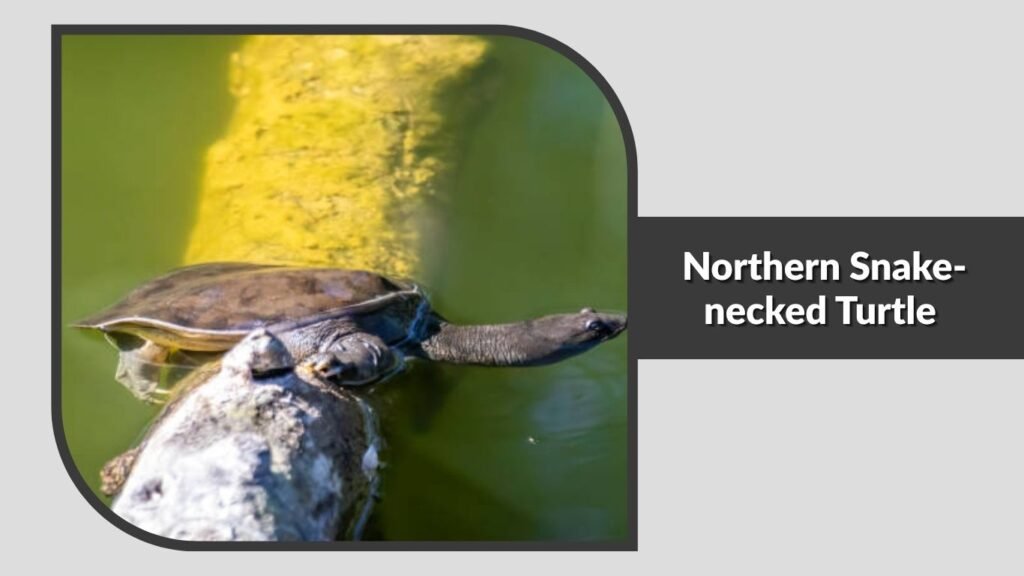
The Northern Snake-necked Turtle is a freshwater side-necked species known for its long neck and strong aquatic abilities. Native to northern Australia and parts of New Guinea, it is well adapted to warm climates and seasonal water conditions. Its long neck allows it to strike quickly at prey, making it an effective hunter in aquatic environments.
Identification
- Oval, slightly flattened shell with brown to olive coloration
- Long, flexible neck used for rapid striking
- Head is narrow with a pointed snout
- Limbs are well-webbed for efficient swimming
- Shell surface is relatively smooth with subtle patterns
Habitat and Distribution
The Northern Snake-necked Turtle is found in northern Australia and parts of New Guinea. It inhabits rivers, lagoons, swamps, and seasonal wetlands. This species prefers slow-moving or still water with soft, muddy bottoms and vegetation. It is well adapted to environments that experience seasonal drying and may move between water bodies during wet periods. Its habitat often includes warm, tropical regions with fluctuating water levels.
Behavior and Diet
This turtle is mostly aquatic but can travel on land when necessary, especially during seasonal changes. It is generally active during the day. The Northern Snake-necked Turtle is carnivorous, feeding on insects, fish, amphibians, and small aquatic animals. It uses its long neck to strike quickly at prey, often relying on ambush tactics. It may also scavenge when food is limited.
Lifespan
In the wild, the Northern Snake-necked Turtle can live around 20 to 40 years, depending on environmental conditions. Its lifespan is influenced by habitat quality, food availability, and seasonal stability. In captivity, with proper care and a suitable environment, it may live longer and maintain good health.
10. New Guinea Snake-necked Turtle
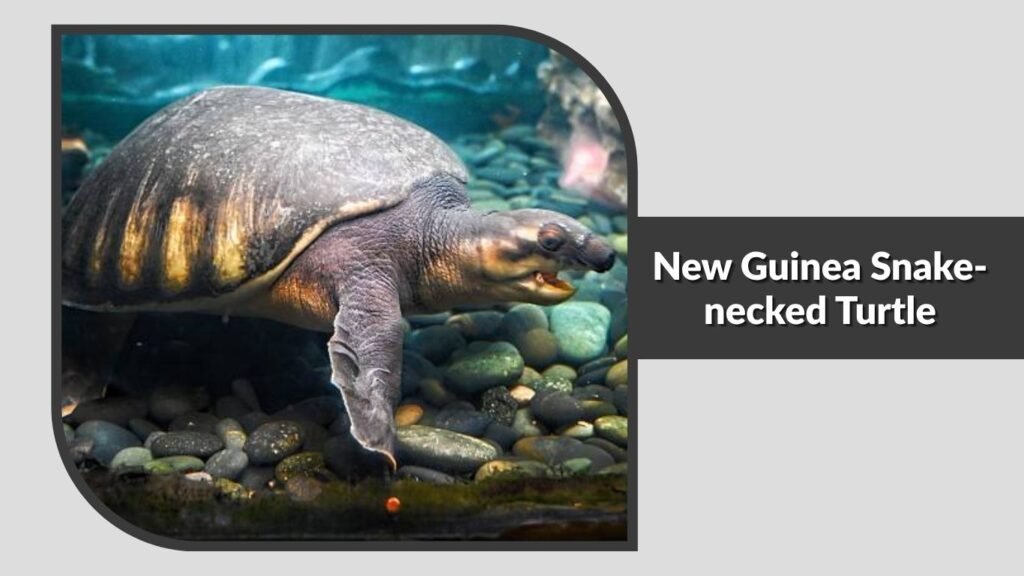
The New Guinea Snake-necked Turtle is a freshwater side-necked species known for its long neck and strong adaptation to aquatic life. Native to New Guinea, this turtle thrives in warm, tropical environments and is often found in calm, vegetated waters. Its elongated neck allows it to strike quickly, making it an effective predator.
Identification
- Oval, moderately domed shell with brown to olive coloration
- Long, flexible neck used for rapid feeding strikes
- Narrow head with a pointed snout
- Webbed limbs adapted for swimming
- Shell surface is smooth with minimal markings
Habitat and Distribution
The New Guinea Snake-necked Turtle is found in New Guinea and nearby regions. It inhabits freshwater environments such as rivers, swamps, lagoons, and marshes. This species prefers slow-moving or still water with soft, muddy bottoms and dense vegetation. It is commonly found in tropical lowland areas where water temperatures remain warm and stable throughout the year.
Behavior and Diet
This turtle is mostly aquatic and spends the majority of its life in water. It is generally active during the day. The New Guinea Snake-necked Turtle is carnivorous, feeding on insects, fish, amphibians, and small aquatic animals. It uses its long neck to strike quickly at prey, often relying on ambush tactics. It may also scavenge when necessary.
Lifespan
In the wild, the New Guinea Snake-necked Turtle can live around 20 to 40 years, depending on environmental conditions. Its lifespan is influenced by habitat quality, food availability, and environmental stability. In captivity, with proper care and a controlled environment, it may live longer and maintain good overall health.
11. Big-headed Amazon River Turtle
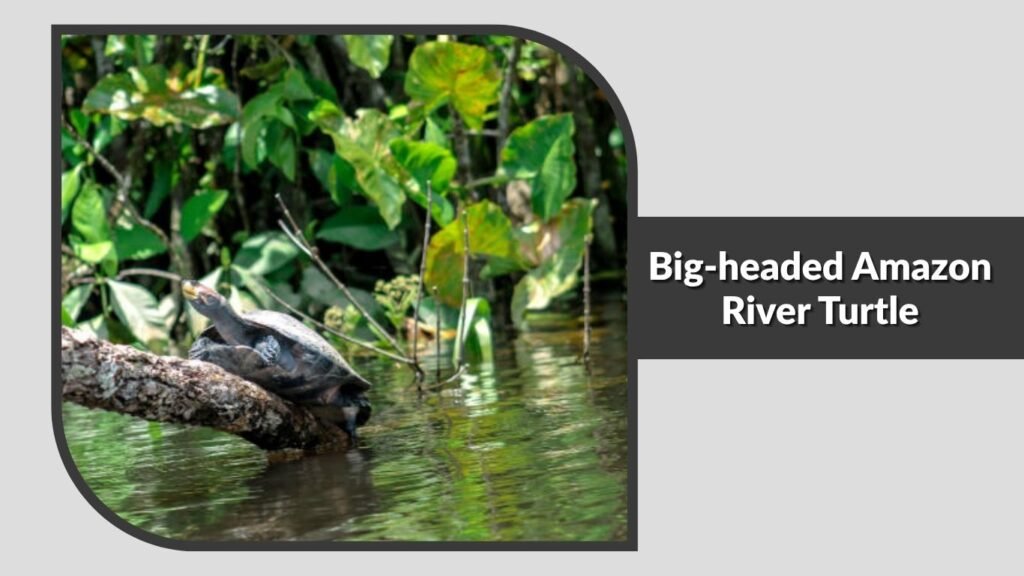
The Big-headed Amazon River Turtle is a large side-necked species known for its robust build and relatively large head compared to its body. Native to South America, it is closely associated with major river systems and plays an important role in aquatic ecosystems.
Identification
- Large, oval shell with brown to dark olive coloration
- Noticeably large head with strong jaws
- Smooth carapace with a slightly domed shape
- Limbs are strongly webbed for efficient swimming
- Shell may have subtle lighter markings
Habitat and Distribution
This turtle is found in the Amazon River basin across countries such as Brazil, Peru, and Colombia. It inhabits large rivers, floodplains, and connected wetlands. The Big-headed Amazon River Turtle prefers slow-moving or moderately flowing water with sandy or muddy bottoms. Seasonal flooding expands its habitat, allowing it to move into flooded forests and wetlands. These environments provide abundant food and shelter, making them ideal for its survival.
Behavior and Diet
The Big-headed Amazon River Turtle is mostly aquatic and spends the majority of its time in water. It is generally active during the day. This species is primarily herbivorous, feeding on aquatic plants, fruits, and seeds, though it may occasionally consume small aquatic animals. It plays a key role in seed dispersal within its ecosystem, helping maintain plant diversity in riverine habitats.
Lifespan
In the wild, this turtle can live for several decades, often reaching 30 to 50 years depending on environmental conditions. Its lifespan is influenced by habitat quality, food availability, and environmental stability. In protected environments, it may live even longer with reduced threats and consistent resources.
12. Yellow-spotted River Turtle
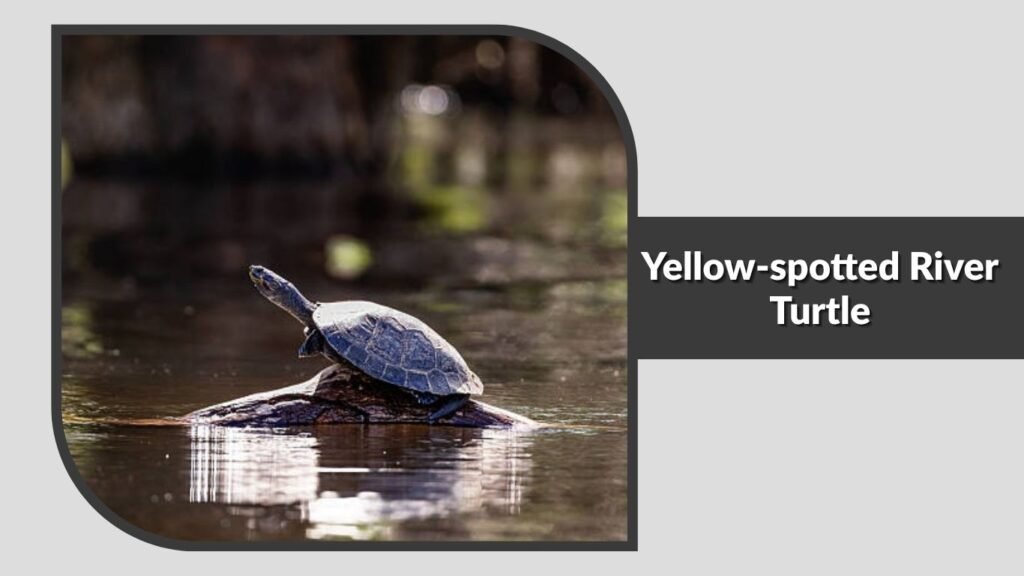
The Yellow-spotted River Turtle is a large and well-known side-necked species native to South America. It is recognized for the bright yellow markings on its head and its strong connection to river ecosystems. This turtle is highly aquatic and often found in large river systems and flooded forests.
Identification
- Large, oval shell with dark brown to black coloration
- Distinct yellow spots or markings on the head
- Smooth carapace with a slightly domed shape
- Strong, webbed limbs for swimming
- Head is relatively broad with a short snout
Habitat and Distribution
The Yellow-spotted River Turtle is found throughout the Amazon and Orinoco river basins, including countries like Brazil, Venezuela, Colombia, and Peru. It inhabits large rivers, floodplains, and seasonally flooded forests. This species prefers slow-moving water and areas with sandy or muddy bottoms. During seasonal floods, it moves into flooded forests where food is abundant. These dynamic habitats are essential for its feeding and breeding cycles.
Behavior and Diet
This turtle is mostly aquatic and spends most of its life in water. It is generally active during the day and may bask occasionally. The Yellow-spotted River Turtle is primarily herbivorous, feeding on aquatic plants, fruits, seeds, and vegetation. It plays an important role in its ecosystem by helping disperse seeds and maintain plant diversity. Occasionally, it may consume small aquatic animals.
Lifespan
In the wild, the Yellow-spotted River Turtle can live for several decades, often reaching 30 to 50 years. Its lifespan depends on environmental conditions such as habitat quality and food availability. Threats like habitat destruction and human activity can impact its survival, but in protected environments, it may live longer.
13. Arrau River Turtle
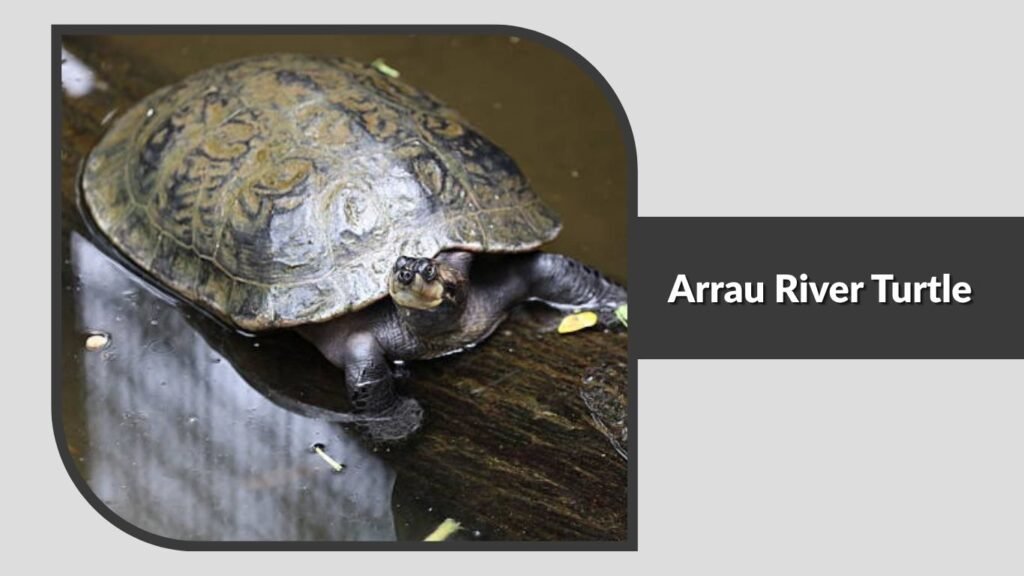
The Arrau River Turtle is one of the largest freshwater side-necked turtles in South America. It is well known for its size, social nesting behavior, and strong connection to major river systems. This species plays an important ecological role, especially in seed dispersal within its habitat.
Identification
- Very large, oval shell with dark brown to black coloration
- Smooth carapace with a slightly domed shape
- Head is broad with a relatively short snout
- Limbs are strongly webbed for powerful swimming
- Overall body is heavy and robust
Habitat and Distribution
The Arrau River Turtle is found in the Amazon and Orinoco river basins, including countries such as Brazil, Venezuela, Colombia, and Peru. It inhabits large rivers, floodplains, and seasonally flooded forests. This species prefers slow-moving water with sandy banks, which are important for nesting. During flood seasons, it moves into flooded forests where food is abundant. These habitats provide both feeding and breeding opportunities.
Behavior and Diet
This turtle is highly aquatic and spends most of its time in water. It is generally active during the day. The Arrau River Turtle is primarily herbivorous, feeding on fruits, seeds, aquatic plants, and vegetation. It plays a crucial role in seed dispersal, helping maintain plant diversity in its ecosystem. It is also known for its group nesting behavior, where many females lay eggs on the same sandy beaches.
Lifespan
In the wild, the Arrau River Turtle can live for several decades, often reaching 40 to 60 years under favorable conditions. Its lifespan depends on habitat quality, food availability, and environmental stability. Conservation efforts are important for protecting this species, as it faces threats from habitat loss and human activity.
14. Twist-necked Turtle
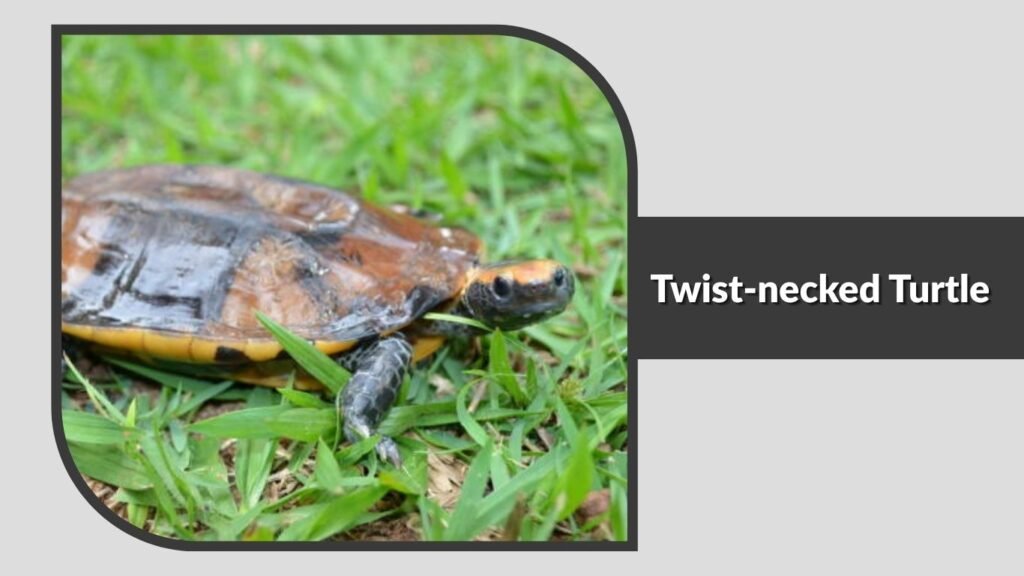
The Twist-necked Turtle is a lesser-known side-necked species recognized for its flexible neck movement and aquatic lifestyle. Like other turtles in this group, it folds its neck sideways under its shell for protection. It is typically found in freshwater habitats and is adapted to life in calm water environments.
Identification
- Oval, moderately domed shell with brown to olive coloration
- Flexible neck that bends sideways under the shell
- Head is relatively small with a short, pointed snout
- Limbs are webbed for swimming
- Shell surface is smooth with minimal markings
Habitat and Distribution
The Twist-necked Turtle is found in parts of South America, particularly in river systems and freshwater wetlands. It inhabits slow-moving rivers, marshes, ponds, and flooded areas with soft, muddy bottoms. This species prefers warm climates and environments with abundant vegetation, which provide shelter and feeding opportunities. It is often found in quiet, shallow waters where it can remain hidden.
Behavior and Diet
This turtle is mostly aquatic and spends the majority of its time in water. It is generally active during the day. The Twist-necked Turtle is omnivorous, feeding on aquatic plants, insects, small fish, and organic matter. It forages in shallow waters and among vegetation, using its flexible neck to reach food. It may also scavenge when food is scarce.
Lifespan
In the wild, the Twist-necked Turtle can live around 20 to 30 years, depending on environmental conditions. Its lifespan is influenced by habitat quality, food availability, and environmental stability. In captivity, with proper care and a controlled environment, it may live longer and maintain good health.
FAQs
What are side-necked turtles?
Side-necked turtles are a group of turtles that bend their necks sideways under their shells instead of pulling them straight back. This unique feature distinguishes them from other turtles. They are mostly found in freshwater habitats across Africa, South America, and Australia.
Where are side-necked turtles commonly found?
Side-necked turtles are primarily found in warm regions, including Africa, South America, and Australia. They live in rivers, lakes, swamps, and wetlands. These turtles prefer freshwater environments with calm or slow-moving water and plenty of vegetation.
What do side-necked turtles eat?
Most side-necked turtles are omnivorous or carnivorous. Their diet includes fish, insects, amphibians, aquatic plants, fruits, and small animals. The exact diet varies by species, but many rely on opportunistic feeding depending on available food sources.
How long do side-necked turtles live?
Side-necked turtles can live for several decades, typically ranging from 20 to 50 years depending on the species. Larger species often have longer lifespans. Their longevity depends on habitat quality, food availability, and environmental conditions.
Are side-necked turtles endangered?
Many side-necked turtle species face threats such as habitat loss, pollution, and illegal trade. Some species are considered vulnerable or critically endangered. Conservation efforts, habitat protection, and responsible management are important to ensure their survival.