
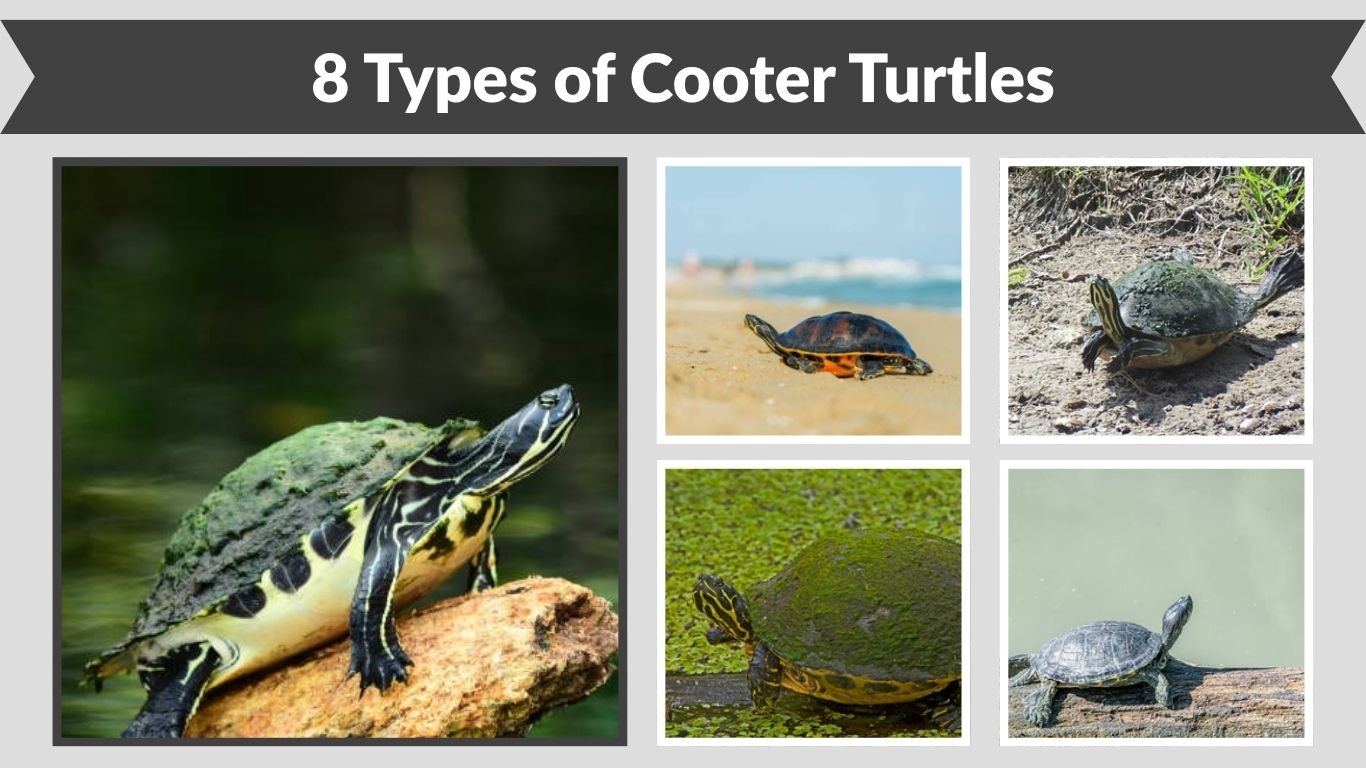
Cooter turtles are large freshwater turtles commonly found in rivers, lakes, ponds, and wetlands across the United States. They are known for their colorful shell patterns, strong swimming abilities, and peaceful nature. These turtles spend much of their time basking in the sun or feeding on aquatic vegetation. Different species of cooter turtles vary in size, appearance, and habitat, but all play an important role in maintaining healthy freshwater ecosystems. In this guide, you will discover eight popular types of cooter turtles, including their identification features, habitats, behavior, diet, and lifespan.
1. River Cooter
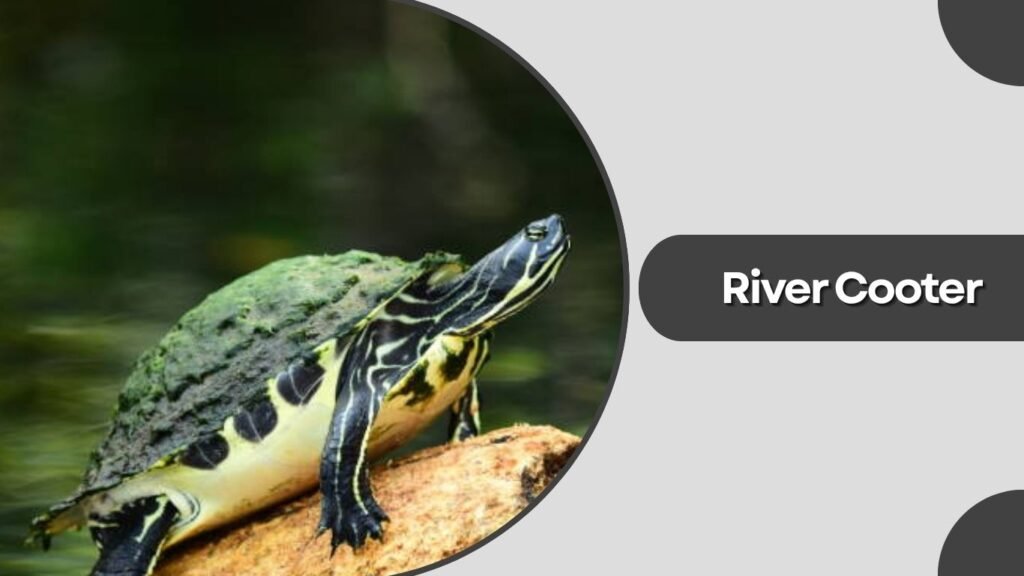
River Cooter (Pseudemys concinna) is a large freshwater turtle native to the southeastern United States. It is widely recognized for its attractive shell markings, calm nature, and strong swimming abilities. This species is often seen basking on logs and rocks near rivers and lakes.
Identification
- Olive, brown, or dark green shell with yellow swirling patterns
- Smooth and slightly domed carapace
- Yellow stripes across the head, neck, and legs
- Strongly webbed feet adapted for swimming
- Adult size usually ranges from 9 to 16 inches
- Females are generally larger than males
- Plastron often contains dark markings or patterns
Habitat and Distribution
River Cooters are commonly found in freshwater habitats such as rivers, streams, ponds, lakes, and marshes. They prefer areas with clean water, abundant aquatic plants, and plenty of basking locations. This turtle species is widely distributed across the southeastern region of the United States, particularly in states with warm climates and stable freshwater ecosystems. River Cooters thrive in slow-moving water where vegetation is plentiful. They are excellent swimmers and spend much of their time in the water, leaving only to bask or lay eggs.
Behavior and Diet
River Cooters are diurnal turtles, meaning they are most active during daylight hours. They frequently bask in groups to regulate body temperature and maintain healthy shell conditions. These turtles are generally peaceful and shy around humans. Their diet mainly consists of aquatic vegetation, algae, grasses, and leafy plants. Younger turtles may also eat insects, snails, tadpoles, and small aquatic organisms. River Cooters play an important ecological role by helping control aquatic plant growth and maintaining balance in freshwater habitats.
Lifespan
River Cooters are long-lived turtles capable of surviving for many decades. In the wild, they commonly live between 20 and 40 years depending on habitat quality, food availability, and predator threats. Captive River Cooters often live even longer when provided with proper care, nutrition, clean water, and adequate basking conditions. Their slow growth rate and durable nature contribute to their impressive lifespan.
2. Florida Cooter
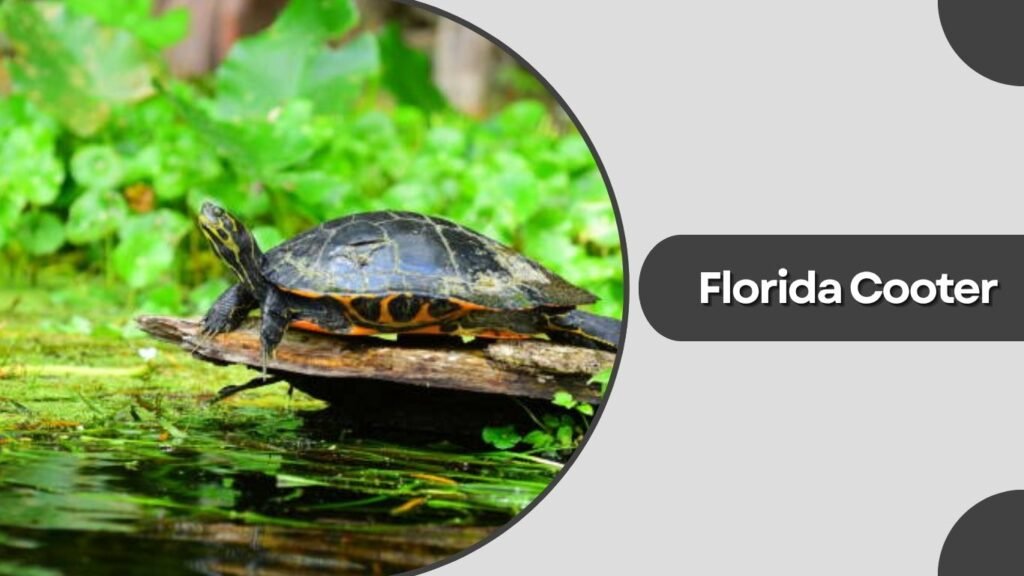
Florida Cooter (Pseudemys floridana) is a large freshwater turtle native to the southeastern United States, especially Florida. It is known for its broad shell, bright yellow markings, and preference for warm aquatic habitats. This species is commonly observed basking in sunny areas near water.
Identification
- Dark brown or olive shell with yellow or orange striping
- Oval-shaped and slightly flattened carapace
- Yellow lines and patterns on the head and neck
- Light-colored plastron with dark markings
- Strong webbed feet for efficient swimming
- Adults usually grow between 9 and 13 inches long
- Females are significantly larger than males
Habitat and Distribution
Florida Cooters inhabit freshwater ecosystems including ponds, lakes, canals, marshes, swamps, and slow-moving rivers. They are most commonly found throughout Florida but also occur in nearby southeastern states. This species prefers calm waters with abundant aquatic vegetation and soft muddy bottoms. Basking sites such as logs, rocks, and floating debris are essential for their daily activities. Florida Cooters are highly aquatic and rarely travel far from water except during nesting season. Warm climates and stable freshwater environments support healthy populations of this turtle species.
Behavior and Diet
Florida Cooters are active during the daytime and spend many hours basking under sunlight. They are generally shy and quickly dive into the water when disturbed. Their diet is primarily herbivorous and includes aquatic plants, algae, grasses, and floating vegetation. Juveniles may occasionally consume insects, snails, and small aquatic animals. These turtles are peaceful and often share basking locations with other freshwater turtle species. Their feeding habits help maintain ecological balance by controlling aquatic plant growth in freshwater habitats.
Lifespan
Florida Cooters are long-lived reptiles that can survive for several decades. In natural environments, they commonly live between 20 and 40 years depending on habitat conditions and predator pressure. In captivity, with clean water, balanced nutrition, and proper care, they may live even longer. Their strong adaptability and slow growth contribute to their extended lifespan.
3. Peninsula Cooter
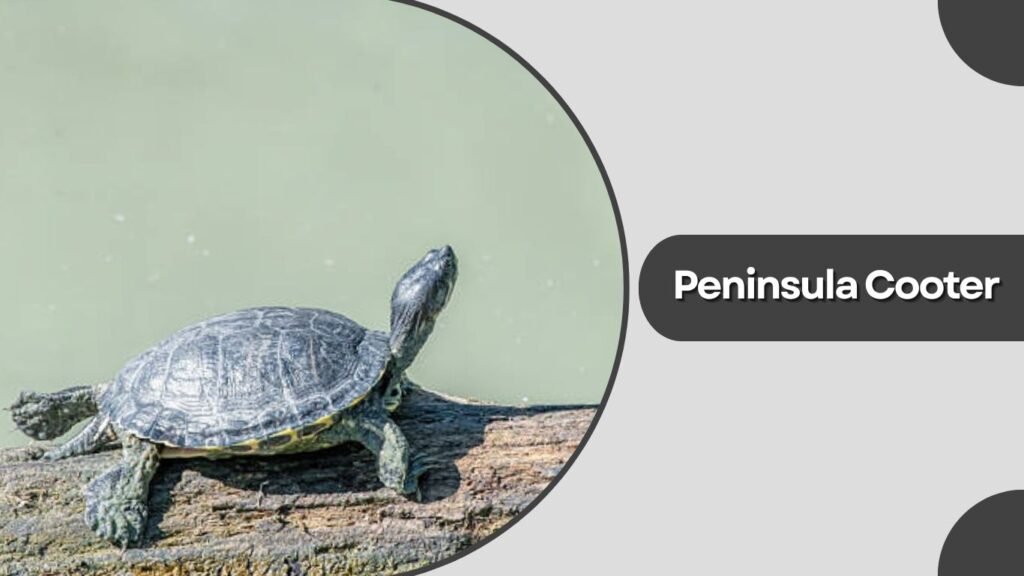
Peninsula Cooter (Pseudemys peninsularis) is a freshwater turtle native to the Florida peninsula. It is admired for its colorful shell patterns and large size. This species is highly aquatic and is frequently seen basking on logs, rocks, and floating vegetation in sunny freshwater habitats.
Identification
- Dark olive or brown shell with yellow vertical stripes
- Distinct orange or yellow markings on the shell and head
- Oval-shaped carapace with a smooth surface
- Yellow-striped neck, face, and limbs
- Strong webbed feet designed for swimming
- Adults usually grow between 10 and 15 inches long
- Females are larger and heavier than males
Habitat and Distribution
Peninsula Cooters are mainly found throughout the Florida peninsula in freshwater habitats such as ponds, lakes, canals, marshes, and slow-moving rivers. They prefer warm waters with abundant aquatic plants and suitable basking areas. This species thrives in regions with soft-bottomed waterways and dense vegetation. Peninsula Cooters are highly dependent on aquatic environments and spend most of their lives in the water. During nesting season, females may travel onto land to lay eggs in sandy or loose soil near the shoreline.
Behavior and Diet
Peninsula Cooters are active during the daytime and are often observed basking in groups. They are cautious turtles and quickly retreat into the water when threatened. Their diet mainly consists of aquatic vegetation, algae, water grasses, and other plant materials. Younger turtles may occasionally eat insects, snails, and small aquatic creatures. These turtles are important to freshwater ecosystems because they help manage plant growth and contribute to ecological balance in wetlands and waterways.
Lifespan
Peninsula Cooters are long-lived turtles capable of surviving for many years in healthy habitats. In the wild, they commonly live between 20 and 40 years. Captive individuals may live even longer when provided with proper nutrition, clean water, and suitable environmental conditions. Their slow growth and durable nature support their long lifespan.
4. Suwannee Cooter
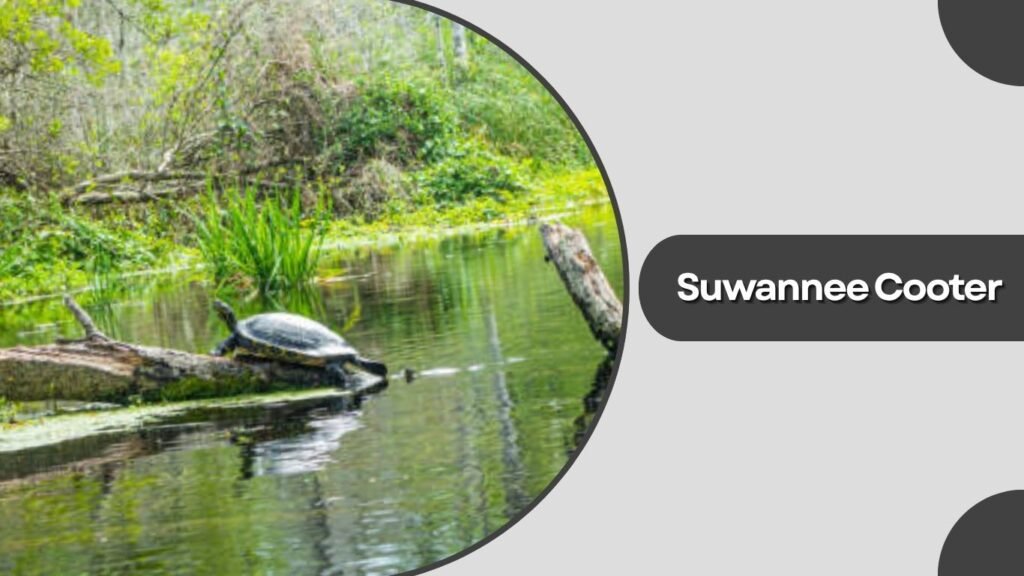
Suwannee Cooter (Pseudemys suwanniensis) is one of the largest freshwater turtles found in the southeastern United States. Native mainly to the Suwannee River basin in Florida, this turtle is recognized for its impressive size, dark shell, and aquatic lifestyle. It spends most of its time in rivers and springs with abundant vegetation.
Identification
- Large dark brown or olive-colored shell
- Shell often has faint yellow or orange markings
- Smooth, oval-shaped carapace
- Yellow stripes on the head, neck, and limbs
- Strong webbed feet adapted for swimming
- Adults can reach up to 17 inches in length
- Females are much larger than males
Habitat and Distribution
Suwannee Cooters are primarily found in the Suwannee River system and nearby freshwater habitats in northern Florida. They inhabit rivers, spring-fed streams, and large freshwater waterways with clear water and dense aquatic vegetation. This species prefers areas with submerged plants, sandy bottoms, and plenty of basking locations such as logs and rocks. Because they are highly aquatic, Suwannee Cooters rarely leave the water except for nesting. Healthy river ecosystems are essential for their survival and reproduction.
Behavior and Diet
Suwannee Cooters are active during daylight hours and commonly bask to regulate body temperature. They are generally shy and quickly escape into the water when disturbed. Their diet mainly includes aquatic plants, algae, grasses, and other vegetation. Juveniles may occasionally consume insects and small aquatic animals. These turtles contribute to freshwater ecosystem health by controlling excessive plant growth and recycling nutrients within aquatic habitats.
Lifespan
Suwannee Cooters are long-lived reptiles with lifespans that may exceed several decades. In natural habitats, they commonly survive for 30 to 40 years or more when environmental conditions remain stable. Captive individuals can live even longer with proper care, clean water, balanced nutrition, and safe living conditions.
5. Mobile Cooter
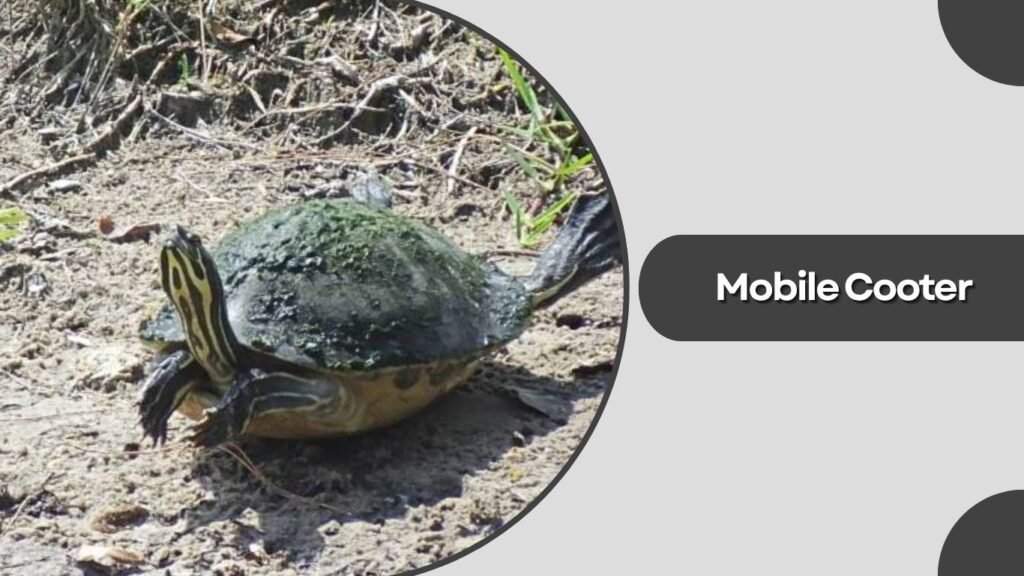
Mobile Cooter (Pseudemys mobilensis) is a freshwater turtle native to river systems near the Mobile Bay region of Alabama and Mississippi. This species is known for its attractive shell markings, strong swimming ability, and preference for calm freshwater habitats with abundant vegetation.
Identification
- Dark olive or brown shell with yellow markings
- Oval and slightly domed carapace
- Yellow stripes on the head, neck, and legs
- Light-colored plastron with dark patterns
- Webbed feet adapted for aquatic movement
- Adults generally grow between 9 and 13 inches long
- Females are larger than males
Habitat and Distribution
Mobile Cooters are mainly found in freshwater rivers, lakes, ponds, marshes, and slow-moving streams near the Mobile Bay drainage system. They prefer warm waters rich in aquatic vegetation and areas with logs or rocks for basking. This species spends most of its life in water and depends heavily on healthy freshwater ecosystems. Mobile Cooters are commonly seen in calm waterways with soft bottoms and dense plant growth. Nesting females leave the water temporarily to lay eggs in sandy soil close to shorelines.
Behavior and Diet
Mobile Cooters are active during the day and regularly bask in sunlight to maintain body temperature. They are shy turtles that quickly dive into the water when threatened. Their diet mainly consists of aquatic plants, algae, grasses, and other vegetation. Young turtles may also feed on insects, snails, and small aquatic animals. These turtles help maintain ecological balance by controlling plant growth in freshwater habitats and supporting healthy aquatic ecosystems.
Lifespan
Mobile Cooters are long-lived turtles capable of surviving for many decades. In the wild, they often live between 20 and 40 years depending on habitat quality and environmental conditions. Captive turtles may live even longer with proper care, clean water, suitable basking areas, and balanced nutrition.
6. Alabama Red-Bellied Cooter
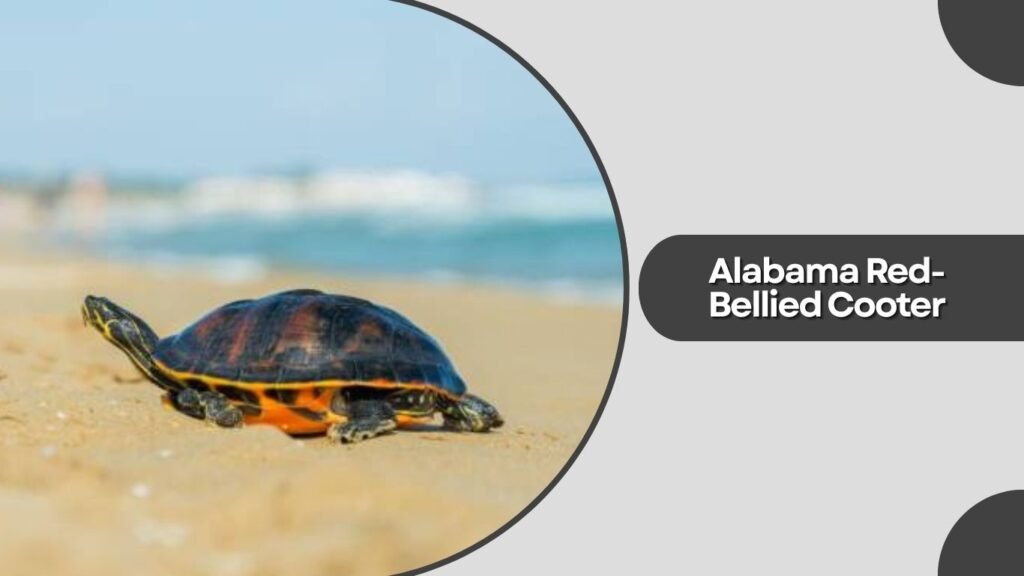
Alabama Red-Bellied Cooter (Pseudemys alabamensis) is a rare freshwater turtle native to coastal areas of Alabama and Mississippi. It is known for its reddish plastron, attractive shell markings, and limited geographic range. This species is considered one of the most endangered turtles in the United States.
Identification
- Dark brown or black shell with yellow markings
- Distinct reddish or orange-colored plastron
- Oval-shaped and smooth carapace
- Yellow stripes on the head and neck
- Strong webbed feet for swimming
- Adults usually grow between 10 and 15 inches long
- Females are noticeably larger than males
Habitat and Distribution
Alabama Red-Bellied Cooters inhabit freshwater rivers, marshes, ponds, and coastal wetlands in southern Alabama and Mississippi. They prefer calm waters with abundant aquatic vegetation and soft muddy bottoms. This turtle species is primarily associated with the Mobile-Tensaw River Delta region. Healthy wetland ecosystems are important for their survival because they depend on clean water, vegetation, and suitable basking locations. Habitat destruction and environmental changes have significantly reduced their natural population.
Behavior and Diet
Alabama Red-Bellied Cooters are active during the daytime and often bask on logs or rocks under direct sunlight. They are generally shy and retreat into the water when disturbed. Their diet mainly consists of aquatic plants, algae, and grasses. Juveniles may occasionally consume insects and small aquatic organisms. These turtles play an ecological role by helping regulate aquatic vegetation and supporting freshwater ecosystem balance.
Lifespan
Alabama Red-Bellied Cooters are long-lived reptiles that can survive for several decades in favorable conditions. In the wild, they may live between 30 and 40 years or more. Captive individuals often enjoy longer lifespans when provided with proper nutrition, clean water, and safe habitats. Conservation efforts are important for protecting this threatened turtle species.
7. Texas River Cooter
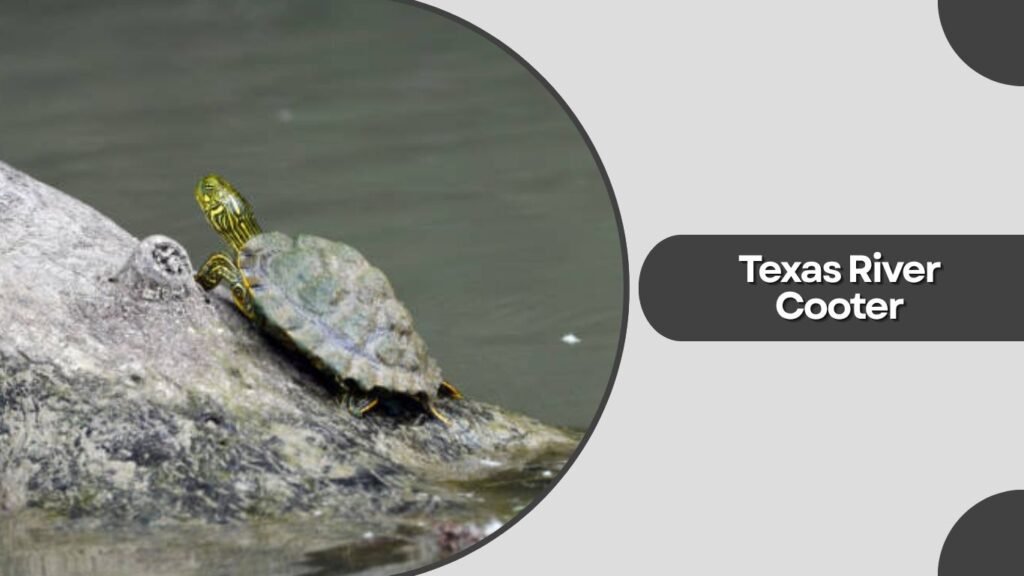
Texas River Cooter (Pseudemys texana) is a freshwater turtle native to rivers and waterways in Texas. This species is valued for its attractive shell patterns, active swimming behavior, and strong adaptation to warm freshwater habitats. It is commonly found basking near riverbanks and aquatic vegetation.
Identification
- Olive or dark brown shell with yellow line patterns
- Smooth and oval-shaped carapace
- Yellow stripes on the face, neck, and limbs
- Light-colored underside with darker markings
- Strongly webbed feet for efficient swimming
- Adults usually grow between 8 and 13 inches long
- Females are generally larger than males
Habitat and Distribution
Texas River Cooters are primarily found in rivers, lakes, ponds, and reservoirs throughout Texas and nearby regions. They prefer slow-moving or moderately flowing freshwater habitats with abundant aquatic plants and suitable basking spots. This species thrives in warm climates and often occupies waterways with muddy or sandy bottoms. Texas River Cooters spend most of their lives in water and depend on healthy aquatic ecosystems for food, shelter, and reproduction. Females leave the water only during nesting season to lay eggs in soft soil near shorelines.
Behavior and Diet
Texas River Cooters are active during daylight hours and frequently bask in the sun to regulate body temperature. They are cautious turtles and quickly escape into the water when threatened. Their diet mainly includes aquatic vegetation, algae, grasses, and floating plants. Younger turtles may also eat insects, snails, and small aquatic animals. These turtles contribute to freshwater ecosystem health by controlling aquatic plant growth and supporting ecological balance.
Lifespan
Texas River Cooters are long-lived turtles that can survive for several decades. In natural habitats, they commonly live between 20 and 40 years depending on environmental conditions and predator threats. In captivity, with proper care, clean water, and balanced nutrition, they may live even longer and remain healthy for many years.
8. Eastern River Cooter
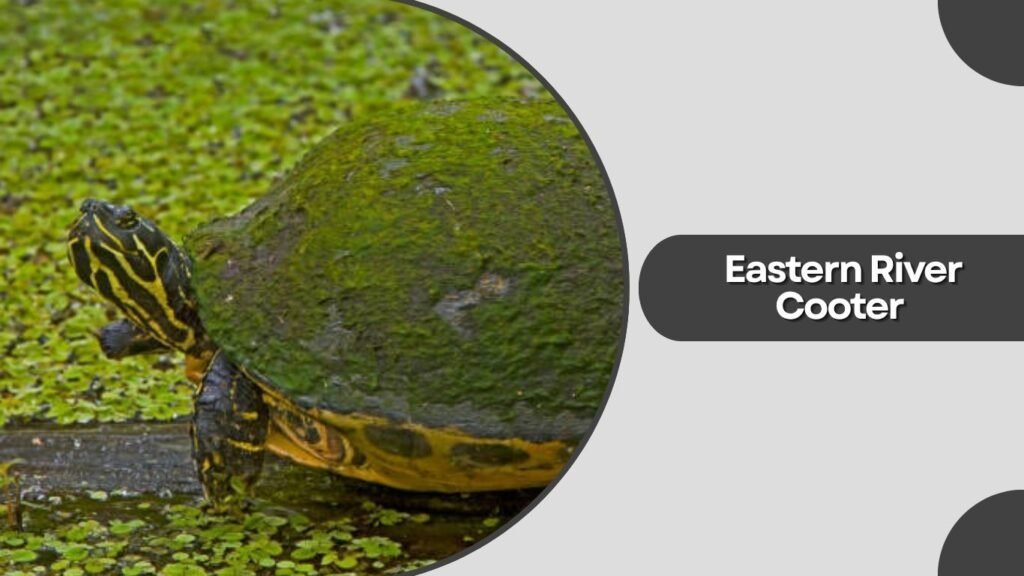
Eastern River Cooter (Pseudemys concinna concinna) is a freshwater turtle commonly found in the eastern United States. It is a subspecies of the River Cooter and is recognized for its patterned shell, active swimming habits, and frequent basking behavior. This turtle thrives in clean freshwater ecosystems with abundant vegetation.
Identification
- Olive or brown shell with yellow swirling markings
- Slightly domed and smooth carapace
- Yellow stripes across the head, neck, and limbs
- Large webbed feet adapted for swimming
- Light-colored plastron with dark markings
- Adults usually grow between 9 and 15 inches long
- Females are larger and heavier than males
Habitat and Distribution
Eastern River Cooters inhabit freshwater rivers, lakes, ponds, marshes, and slow-moving streams throughout the eastern and southeastern United States. They prefer habitats with clean water, dense aquatic vegetation, and accessible basking areas such as rocks and fallen logs. This species spends most of its life in water and is highly dependent on stable aquatic environments. Warm climates and healthy freshwater ecosystems provide ideal conditions for feeding, basking, and nesting activities.
Behavior and Diet
Eastern River Cooters are diurnal turtles, meaning they are most active during the daytime. They regularly bask in sunlight to maintain body temperature and shell health. These turtles are generally shy and quickly swim away when disturbed. Their diet mainly consists of aquatic plants, algae, grasses, and other vegetation. Juveniles may occasionally eat insects, snails, and small aquatic animals. By feeding on aquatic vegetation, they help maintain ecological balance in freshwater habitats.
Lifespan
Eastern River Cooters are long-lived reptiles capable of surviving for several decades. In the wild, they commonly live between 20 and 40 years depending on habitat quality and environmental conditions. Captive turtles may live even longer with proper nutrition, clean water, and suitable basking areas. Their slow growth and hardy nature contribute to their extended lifespan.
FAQs
What does a River Cooter eat?
River Cooters mainly eat aquatic plants, algae, grasses, and leafy vegetation. Young turtles may also consume insects, snails, and small aquatic animals. Their mostly herbivorous diet helps control excessive plant growth in freshwater ecosystems.
Where do River Cooters live?
River Cooters live in freshwater habitats such as rivers, lakes, ponds, marshes, and slow-moving streams. They prefer warm waters with abundant vegetation, soft bottoms, and sunny basking spots like logs and rocks.
How long can a River Cooter live?
River Cooters can live for several decades. In the wild, they commonly survive between 20 and 40 years. With proper care in captivity, including clean water and balanced nutrition, they may live even longer.
Are River Cooters dangerous to humans?
River Cooters are generally harmless and shy around humans. They usually avoid confrontation and quickly retreat into the water when threatened. However, like most turtles, they may bite if handled roughly or frightened.
Why do River Cooters bask in the sun?
River Cooters bask to regulate body temperature, improve digestion, and maintain shell health. Sunlight also helps them produce essential vitamins that support overall growth and immune system function.