
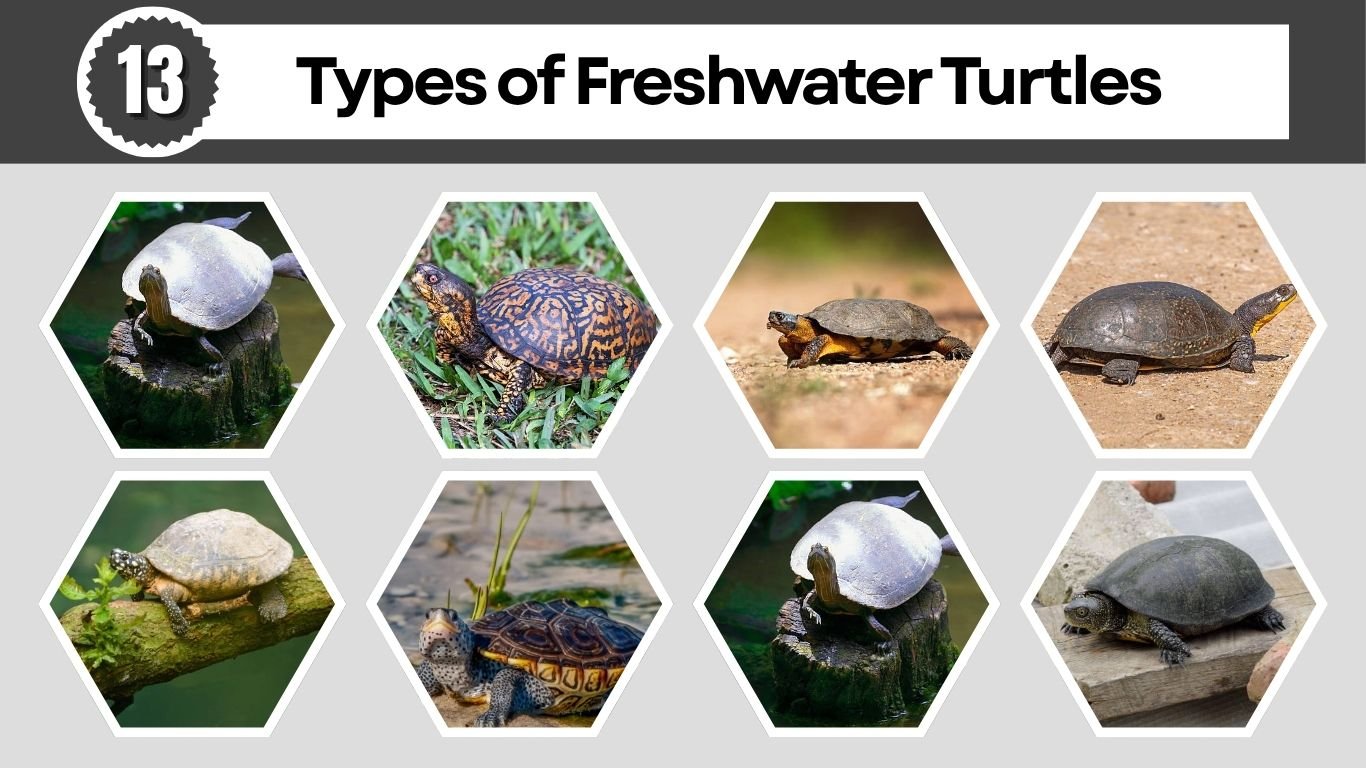
Freshwater turtles are fascinating reptiles that live in ponds, lakes, rivers, marshes, and wetlands around the world. These turtles are known for their unique shell patterns, strong swimming abilities, and diverse lifestyles. Some species spend most of their time in water, while others also explore nearby land habitats. Freshwater turtles vary greatly in size, color, behavior, and diet, making them one of the most interesting reptile groups to study. In this guide, you will discover 13 popular types of freshwater turtles and learn about their identification features, habitats, behavior, diet, and lifespan.
1. Painted Turtle
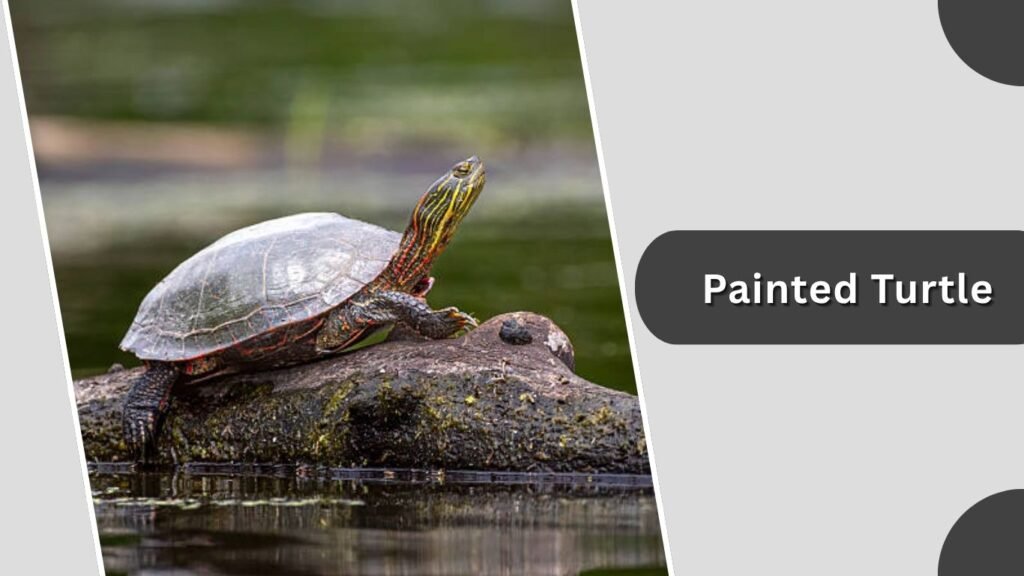
Painted Turtle (Chrysemys picta) is one of the most widespread and recognizable freshwater turtles in North America. This species is famous for its colorful markings, smooth shell, and calm behavior. Painted Turtles are commonly found basking on logs, rocks, and floating debris in ponds and slow-moving waterways.
Identification
- Smooth dark shell with red and yellow markings
- Bright yellow stripes on the head and neck
- Red or orange patterns along the shell edges
- Flat and oval-shaped carapace
- Yellow plastron with dark central markings
- Strong webbed feet for swimming
- Adults usually grow between 5 and 10 inches long
Habitat and Distribution
Painted Turtles inhabit freshwater ponds, lakes, marshes, rivers, and slow-moving streams throughout North America. They prefer calm waters with soft muddy bottoms, abundant aquatic vegetation, and plenty of basking sites. This species is highly adaptable and can survive in both natural wetlands and artificial ponds. Painted Turtles spend most of their lives in water but frequently climb onto logs and rocks to bask under sunlight. Warm freshwater environments with stable water conditions provide ideal habitats for feeding, nesting, and reproduction.
Behavior and Diet
Painted Turtles are active during daylight hours and spend significant time basking to regulate body temperature. They are excellent swimmers and quickly retreat into the water when threatened. Their diet is omnivorous and includes aquatic plants, algae, insects, snails, tadpoles, worms, and small fish. Juveniles consume more animal matter, while adults rely more heavily on vegetation. These turtles help maintain ecological balance in freshwater habitats by feeding on both plant and animal material.
Lifespan
Painted Turtles are long-lived reptiles capable of surviving for many decades. In the wild, they commonly live between 20 and 30 years depending on habitat quality and environmental conditions. Captive individuals may live even longer with proper care, balanced nutrition, clean water, and suitable basking areas.
2. Red-Eared Slider
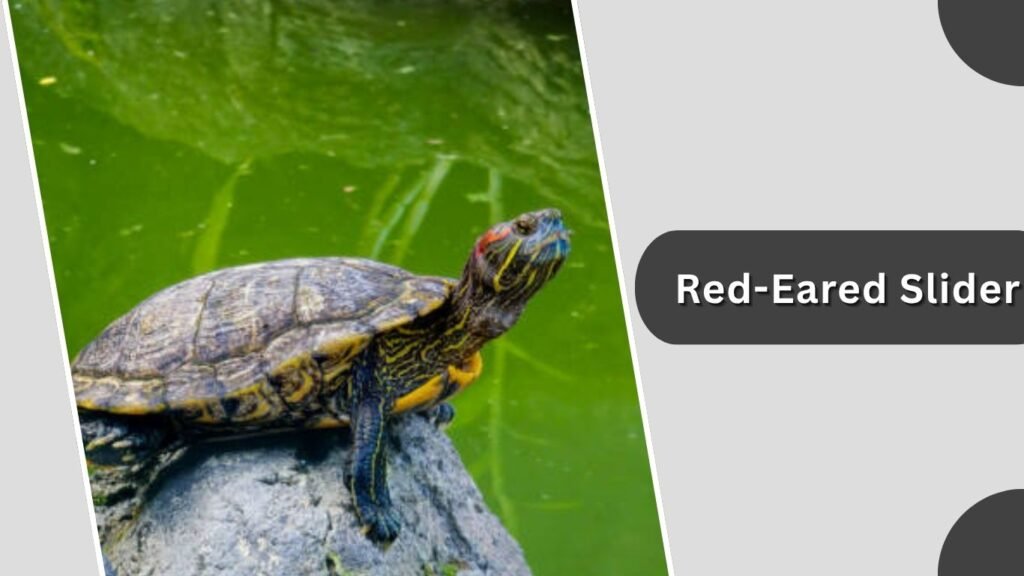
Red-Eared Slider (Trachemys scripta elegans) is one of the most popular freshwater turtles in the world. It is widely recognized for the bright red markings behind its eyes, active swimming behavior, and adaptability to different aquatic habitats. This species is commonly kept as a pet and is found in freshwater environments across many regions.
Identification
- Bright red patches located behind each eye
- Olive or dark green shell with yellow markings
- Smooth and slightly domed carapace
- Yellow stripes on the head, neck, and limbs
- Strong webbed feet designed for swimming
- Adults usually grow between 8 and 12 inches long
- Females are generally larger than males
Habitat and Distribution
Red-Eared Sliders inhabit ponds, lakes, marshes, canals, rivers, and slow-moving freshwater streams. They prefer warm aquatic environments with abundant vegetation, soft bottoms, and sunny basking locations such as logs and rocks. Originally native to the southern United States, this species has spread worldwide because of the pet trade. Red-Eared Sliders are highly adaptable and can survive in both natural wetlands and urban freshwater habitats.
Behavior and Diet
Red-Eared Sliders are active during the daytime and spend long periods basking under sunlight to regulate body temperature. They are strong swimmers and quickly escape into the water when disturbed. Their diet is omnivorous and includes aquatic plants, algae, insects, snails, worms, tadpoles, and small fish. Juveniles consume more protein-rich foods, while adults eat larger amounts of vegetation. These turtles help maintain ecological balance in freshwater ecosystems through their feeding behavior.
Lifespan
Red-Eared Sliders are long-lived turtles capable of surviving for several decades. In the wild, they commonly live between 20 and 30 years depending on habitat conditions and predator threats. In captivity, with proper care, balanced nutrition, clean water, and suitable basking areas, they may live for 40 years or longer.
3. Snapping Turtle
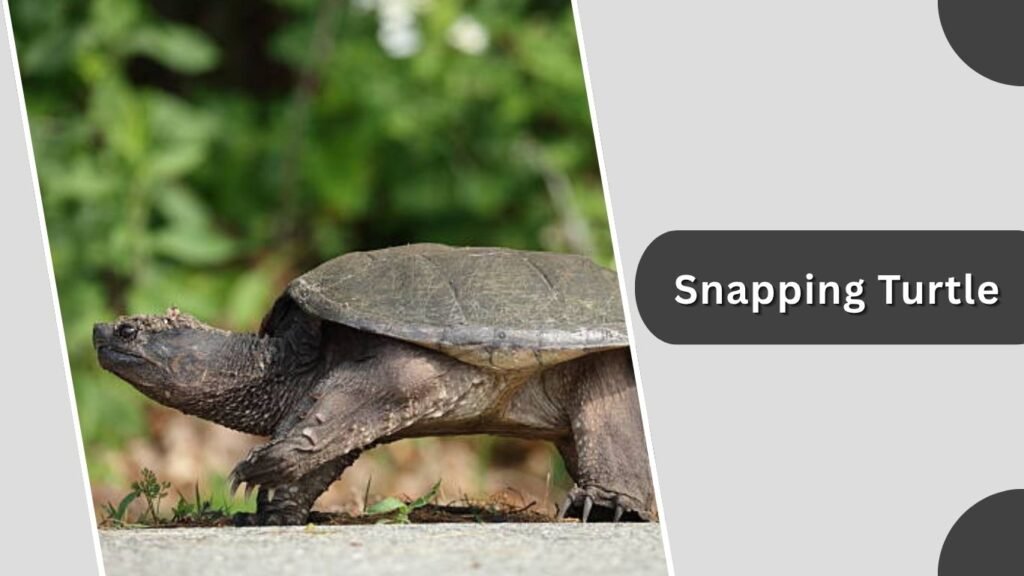
Snapping Turtle (Chelydra serpentina) is a large and powerful freshwater turtle known for its strong jaws, rugged shell, and aggressive defense behavior. This species is commonly found in ponds, rivers, lakes, and wetlands throughout North America. Unlike many basking turtles, Snapping Turtles spend most of their time underwater.
Identification
- Large head with a hooked beak-like mouth
- Rough dark brown or olive shell
- Long tail with saw-like ridges
- Strong claws and muscular limbs
- Small plastron that leaves much of the body exposed
- Adults usually grow between 10 and 20 inches long
- Powerful jaws capable of delivering a strong bite
Habitat and Distribution
Snapping Turtles inhabit freshwater ponds, lakes, marshes, swamps, canals, and slow-moving rivers across North America. They prefer muddy bottoms, dense aquatic vegetation, and areas with calm water. This species spends most of its life submerged and rarely leaves the water except for nesting or moving between habitats. Snapping Turtles are highly adaptable and can survive in both natural wetlands and urban waterways. Their ability to tolerate poor water quality helps them thrive in a wide range of freshwater environments.
Behavior and Diet
Snapping Turtles are mostly solitary and spend much of their time resting underwater while waiting for prey. They are omnivorous and eat fish, frogs, insects, aquatic plants, snails, worms, and carrion. Unlike many freshwater turtles, they rarely bask openly in the sun. Snapping Turtles are generally calm underwater but may become defensive on land, where they use their strong jaws and neck to protect themselves from threats.
Lifespan
Snapping Turtles are long-lived reptiles capable of surviving for many decades. In the wild, they commonly live between 30 and 50 years depending on habitat quality and environmental conditions. Some captive individuals may live even longer when provided with proper care, nutrition, and suitable aquatic environments.
4. Map Turtle
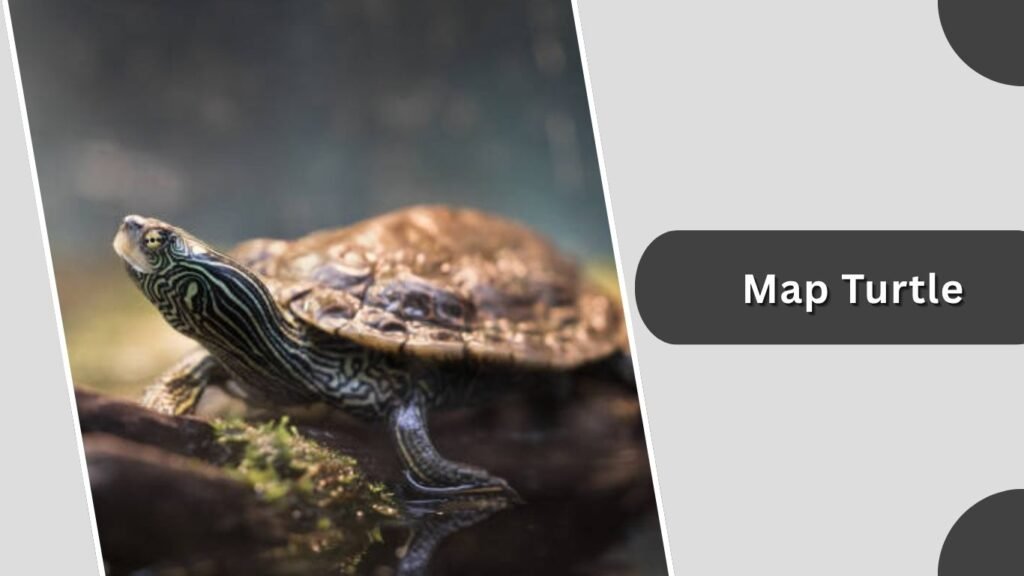
Map Turtle (Graptemys species) is a freshwater turtle known for the map-like markings on its shell. This species is commonly found in rivers, lakes, and streams across North America. Map Turtles are skilled swimmers and are often seen basking on logs or rocks near the water.
Identification
- Olive or brown shell with map-like yellow lines
- Prominent ridge or keel running down the shell
- Yellow stripes on the head, neck, and limbs
- Sharp and slightly serrated rear shell edge
- Strongly webbed feet for swimming
- Adults usually grow between 5 and 12 inches long
- Females are much larger than males
Habitat and Distribution
Map Turtles inhabit freshwater rivers, lakes, reservoirs, and large streams throughout North America. They prefer habitats with clean water, moderate currents, submerged vegetation, and abundant basking areas. This species is highly aquatic and spends most of its life in water. Map Turtles are especially common in waterways with logs, rocks, and sandy bottoms. They depend on healthy freshwater ecosystems for feeding, nesting, and shelter. Females may travel onto land during nesting season to lay eggs in sandy or soft soil near water.
Behavior and Diet
Map Turtles are active during the daytime and spend long periods basking in the sun. They are cautious turtles that quickly dive into the water when disturbed. Their diet is omnivorous and varies by age and sex. They commonly eat insects, snails, mussels, crayfish, aquatic plants, and algae. Females often consume more hard-shelled prey because of their larger jaws. These turtles play an important role in freshwater ecosystems by helping control aquatic invertebrate populations.
Lifespan
Map Turtles are long-lived reptiles capable of surviving for several decades. In natural habitats, they commonly live between 20 and 30 years depending on habitat quality and environmental conditions. Captive individuals may live even longer when provided with clean water, balanced nutrition, proper lighting, and suitable basking conditions.
5. Musk Turtle
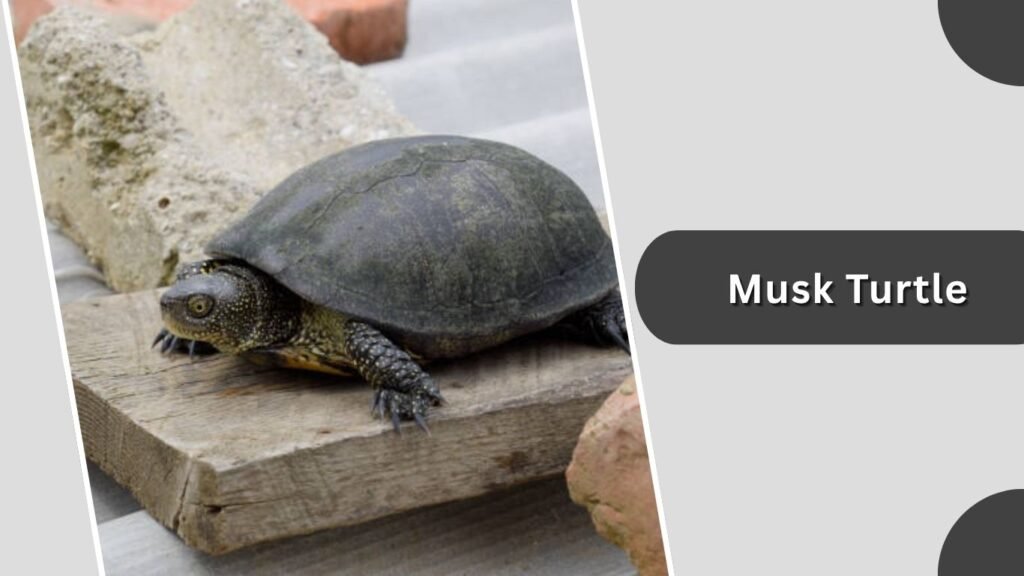
Musk Turtle (Sternotherus odoratus) is a small freshwater turtle commonly found in ponds, lakes, and slow-moving rivers across North America. It is also known as the “Stinkpot” because it can release a strong odor when threatened. This species is highly aquatic and spends most of its life in the water.
Identification
- Small dark brown or black shell
- High-domed and oval-shaped carapace
- Two light-colored stripes on the head
- Long neck and pointed snout
- Webbed feet with strong claws
- Adults usually grow between 3 and 5 inches long
- Reduced plastron that leaves parts of the body exposed
Habitat and Distribution
Musk Turtles inhabit freshwater ponds, marshes, lakes, canals, swamps, and slow-moving streams throughout eastern North America. They prefer calm waters with muddy bottoms, aquatic vegetation, and submerged logs or branches for shelter. Unlike many basking turtles, Musk Turtles spend most of their time underwater walking along the bottom in search of food. This species thrives in shallow freshwater habitats with abundant hiding places and stable water conditions.
Behavior and Diet
Musk Turtles are mainly active during the day but may also forage at night. They are excellent climbers and sometimes climb branches above the water. Their diet is omnivorous and includes insects, snails, worms, crayfish, tadpoles, small fish, algae, and aquatic plants. Musk Turtles are generally shy but may release a strong musky odor from scent glands when threatened. Their feeding habits help control small aquatic animal populations in freshwater ecosystems.
Lifespan
Musk Turtles are long-lived reptiles capable of surviving for many years. In the wild, they commonly live between 20 and 30 years depending on habitat quality and environmental conditions. Captive individuals may live even longer with proper care, clean water, balanced nutrition, and suitable aquatic environments.
6. Mud Turtle
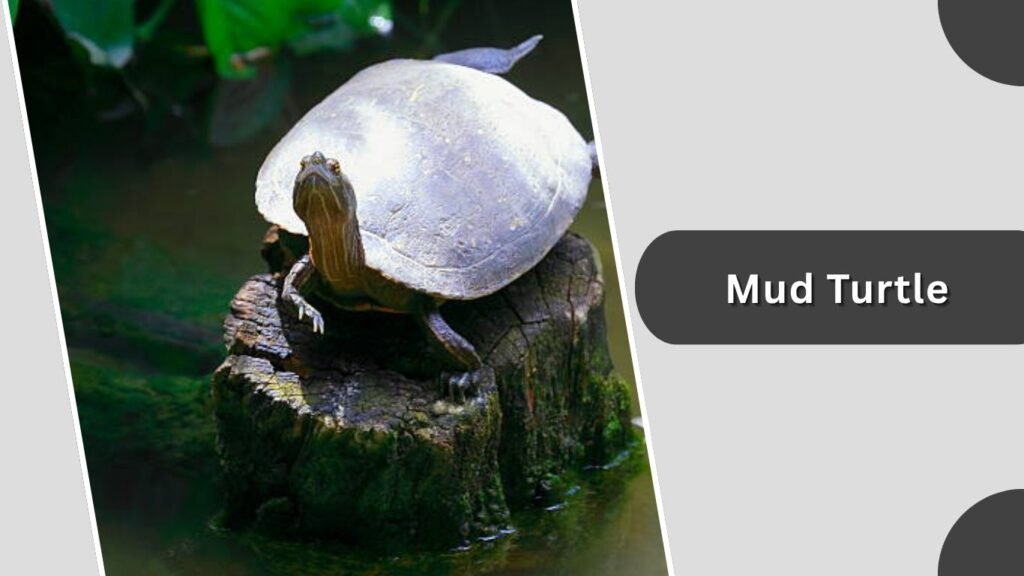
Mud Turtle (Kinosternon species) is a small freshwater turtle commonly found in ponds, marshes, wetlands, and slow-moving streams across the Americas. This species is known for its compact body, smooth shell, and ability to tolerate shallow muddy habitats. Mud Turtles spend much of their time walking along the bottom in search of food.
Identification
- Small dark brown or olive-colored shell
- Smooth and oval-shaped carapace
- Hinged plastron that provides extra protection
- Short legs with webbed feet
- Pointed snout and small head
- Adults usually grow between 3 and 6 inches long
- Males often have longer tails than females
Habitat and Distribution
Mud Turtles inhabit freshwater ponds, marshes, swamps, canals, wetlands, and slow-moving streams throughout North, Central, and South America. They prefer shallow waters with muddy bottoms, aquatic vegetation, and plenty of hiding places. This species is highly adaptable and can survive in temporary pools and seasonal wetlands. Mud Turtles spend most of their lives in water but occasionally travel on land during rainy periods or nesting season. Stable freshwater habitats with abundant food sources support healthy populations of these turtles.
Behavior and Diet
Mud Turtles are generally solitary and spend much of their time foraging along the bottom of freshwater habitats. They are omnivorous and eat insects, snails, worms, small fish, crustaceans, algae, and aquatic plants. These turtles are usually shy and avoid confrontation but may release a musky odor when threatened. Mud Turtles are more active during warm weather and often hide beneath mud or vegetation for protection.
Lifespan
Mud Turtles are long-lived reptiles capable of surviving for many years. In the wild, they commonly live between 20 and 30 years depending on environmental conditions and predator threats. Captive individuals may live even longer with proper care, balanced nutrition, clean water, and suitable habitat conditions.
7. Softshell Turtle
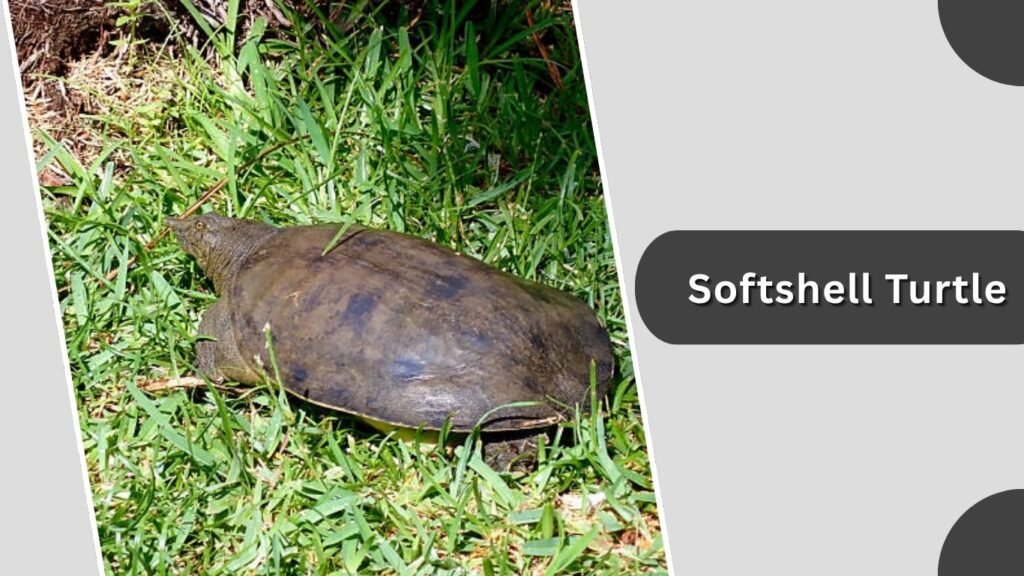
Softshell Turtle (Apalone species) is a unique freshwater turtle known for its flat, leathery shell and excellent swimming abilities. Unlike hard-shelled turtles, Softshell Turtles have flexible shells that help them move quickly through water. They are commonly found in rivers, lakes, ponds, and sandy-bottom freshwater habitats.
Identification
- Flat, soft, leathery shell without hard scutes
- Long neck and pointed snorkel-like snout
- Olive, brown, or gray shell coloration
- Webbed feet with strong claws
- Smooth and flexible carapace
- Adults usually grow between 6 and 24 inches long depending on species
- Females are significantly larger than males
Habitat and Distribution
Softshell Turtles inhabit freshwater rivers, lakes, ponds, reservoirs, and slow-moving streams across North America, Asia, and Africa. They prefer sandy or muddy bottoms where they can bury themselves for camouflage and protection. This species thrives in warm aquatic environments with clean water and open swimming areas. Softshell Turtles spend most of their lives in water and are rarely seen far from aquatic habitats except during nesting season. Their streamlined bodies allow them to move rapidly through water compared to many other freshwater turtles.
Behavior and Diet
Softshell Turtles are active hunters and strong swimmers. They often bury themselves beneath sand or mud with only their snout exposed to breathe. Their diet is carnivorous or omnivorous and includes fish, insects, crustaceans, worms, snails, frogs, and aquatic plants. These turtles are known for their speed and quick defensive reactions. Unlike many freshwater turtles, Softshell Turtles may become aggressive when threatened and can deliver painful bites with their sharp jaws.
Lifespan
Softshell Turtles are long-lived reptiles capable of surviving for several decades. In the wild, they commonly live between 20 and 40 years depending on species and environmental conditions. Captive individuals may live even longer when provided with clean water, balanced nutrition, and spacious aquatic habitats.
8. Cooter Turtle
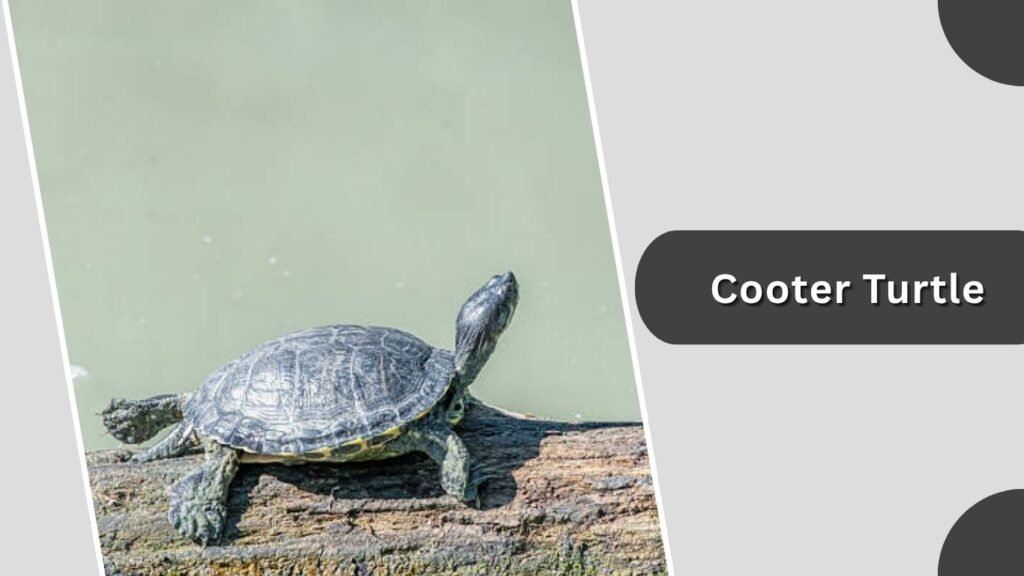
Cooter Turtle (Pseudemys species) is a large freshwater turtle commonly found in rivers, lakes, ponds, and wetlands across the United States. This species is known for its colorful shell patterns, strong swimming abilities, and calm nature. Cooter Turtles are highly aquatic and are often seen basking on logs and rocks near the water.
Identification
- Olive, brown, or dark green shell with yellow markings
- Smooth and slightly domed carapace
- Yellow stripes on the head, neck, and limbs
- Large webbed feet adapted for swimming
- Light-colored plastron with dark patterns
- Adults usually grow between 9 and 16 inches long
- Females are generally much larger than males
Habitat and Distribution
Cooter Turtles inhabit freshwater rivers, lakes, marshes, ponds, canals, and slow-moving streams throughout the southeastern and eastern United States. They prefer warm waters with abundant aquatic vegetation and plenty of basking sites such as logs, rocks, and floating debris. This species thrives in calm aquatic environments with muddy or sandy bottoms. Cooter Turtles spend most of their lives in water and only leave aquatic habitats during nesting season or when moving between waterways.
Behavior and Diet
Cooter Turtles are active during the daytime and frequently bask under sunlight to regulate body temperature. They are peaceful turtles that quickly retreat into the water when disturbed. Their diet is mostly herbivorous and includes aquatic plants, algae, grasses, and leafy vegetation. Younger turtles may also consume insects, snails, and small aquatic animals. These turtles play an important ecological role by helping control aquatic plant growth in freshwater ecosystems.
Lifespan
Cooter Turtles are long-lived reptiles capable of surviving for several decades. In the wild, they commonly live between 20 and 40 years depending on habitat quality and environmental conditions. Captive individuals may live even longer with proper care, balanced nutrition, clean water, and suitable basking conditions.
9. Diamondback Terrapin
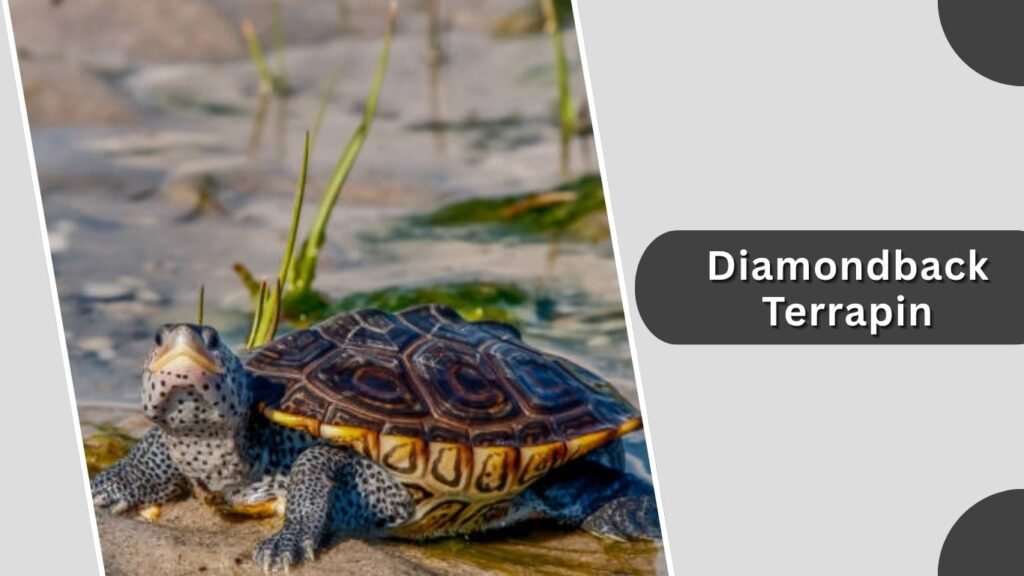
Diamondback Terrapin (Malaclemys terrapin) is a unique turtle species that lives in brackish coastal waters where freshwater and saltwater mix. It is known for its beautiful shell patterns, spotted skin, and strong adaptation to tidal marsh environments. Unlike most freshwater turtles, Diamondback Terrapins can tolerate varying salt levels.
Identification
- Gray, brown, or olive shell with diamond-shaped patterns
- Skin covered with black spots or speckles
- Slightly domed carapace with raised growth rings
- Strong webbed feet adapted for swimming
- Light-colored underside with dark markings
- Adults usually grow between 5 and 11 inches long
- Females are much larger than males
Habitat and Distribution
Diamondback Terrapins inhabit coastal marshes, estuaries, tidal creeks, mangrove swamps, and brackish lagoons along the Atlantic and Gulf coasts of the United States. They prefer habitats with muddy bottoms, salt marsh vegetation, and calm tidal waters. This species is highly adapted to environments where freshwater and saltwater mix. Diamondback Terrapins often use tidal channels and shallow coastal wetlands for feeding, nesting, and shelter. Healthy coastal ecosystems are essential for maintaining stable populations of this turtle species.
Behavior and Diet
Diamondback Terrapins are active during the daytime and are skilled swimmers in tidal waters. Their diet mainly includes snails, crabs, mussels, clams, insects, and small aquatic animals. Strong jaws help them crush hard-shelled prey. These turtles are generally shy and spend much of their time hidden in marsh vegetation or shallow water. Diamondback Terrapins play an important role in coastal ecosystems by helping control snail and shellfish populations.
Lifespan
Diamondback Terrapins are long-lived turtles capable of surviving for several decades. In the wild, they commonly live between 25 and 40 years depending on habitat quality and environmental conditions. Captive individuals may live even longer with proper care, balanced nutrition, clean water, and suitable habitat conditions.
10. Spotted Turtle
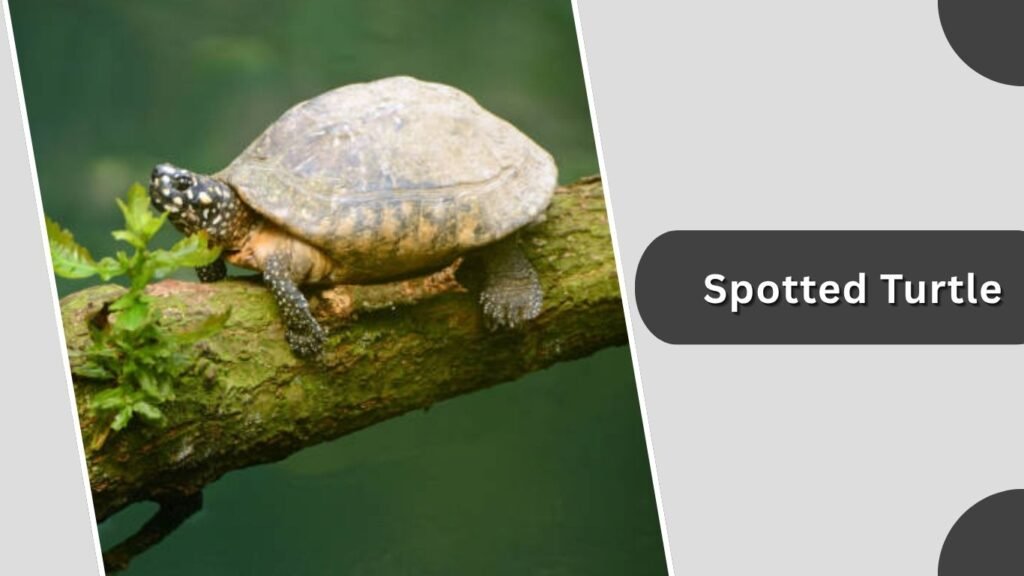
Spotted Turtle (Clemmys guttata) is a small and attractive freshwater turtle known for the bright yellow spots covering its dark shell. This species is commonly found in wetlands, marshes, and shallow freshwater habitats in eastern North America. Spotted Turtles are admired for their unique appearance and calm behavior.
Identification
- Dark black or brown shell with yellow spots
- Smooth and slightly domed carapace
- Yellow or orange markings on the head and neck
- Small size compared to many freshwater turtles
- Webbed feet suited for swimming and walking in wetlands
- Adults usually grow between 3 and 5 inches long
- Males often have brown eyes while females usually have orange eyes
Habitat and Distribution
Spotted Turtles inhabit freshwater marshes, bogs, swamps, wet meadows, ponds, and shallow streams across eastern North America. They prefer clean, shallow waters with muddy bottoms and dense aquatic vegetation. This species often lives in wetlands with soft soil and abundant hiding places. Spotted Turtles spend time both in water and on land, especially during warm weather. Healthy wetland ecosystems are extremely important for their survival because habitat destruction has reduced many natural populations.
Behavior and Diet
Spotted Turtles are active during the daytime and are often seen basking in sunny areas near water. They are generally shy and secretive turtles that avoid predators by hiding in vegetation or muddy areas. Their diet is omnivorous and includes insects, worms, slugs, snails, small crustaceans, aquatic plants, and algae. These turtles help maintain balance in wetland ecosystems by feeding on small invertebrates and plant material.
Lifespan
Spotted Turtles are long-lived reptiles capable of surviving for many decades. In the wild, they commonly live between 25 and 40 years depending on habitat conditions and environmental threats. Captive individuals may live even longer with proper care, clean water, balanced nutrition, and safe habitat conditions.
11. Blanding’s Turtle
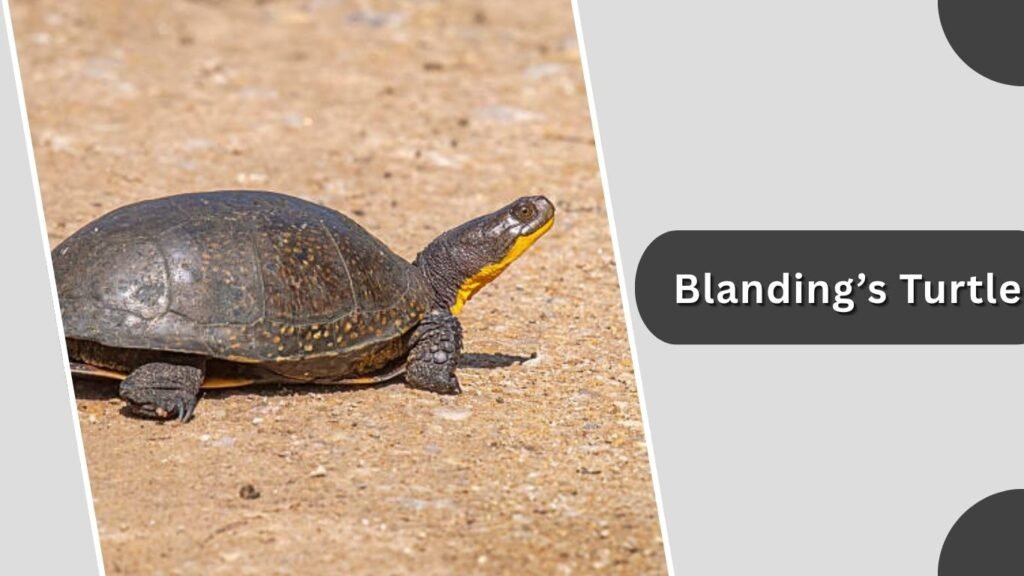
Blanding’s Turtle (Emydoidea blandingii) is a medium-sized freshwater turtle known for its bright yellow throat and smooth domed shell. This species is commonly found in wetlands, marshes, and shallow freshwater habitats in North America. Blanding’s Turtles are recognized for their gentle behavior and long lifespan.
Identification
- Smooth dark brown or black domed shell
- Bright yellow chin and throat
- Yellow speckles on the shell and skin
- Hinged plastron that offers extra protection
- Long neck and slightly pointed snout
- Adults usually grow between 7 and 10 inches long
- Strong webbed feet adapted for swimming
Habitat and Distribution
Blanding’s Turtles inhabit freshwater marshes, wetlands, ponds, shallow lakes, and slow-moving streams across parts of the United States and Canada. They prefer clean, shallow waters with abundant aquatic vegetation and soft muddy bottoms. This species often moves between wetlands and nearby terrestrial habitats during nesting season. Blanding’s Turtles depend heavily on healthy wetland ecosystems with stable water conditions and suitable nesting areas. Habitat destruction and road mortality have caused population declines in many regions.
Behavior and Diet
Blanding’s Turtles are active during the daytime and spend time both swimming and basking near water. They are generally shy and cautious turtles that retreat into water when disturbed. Their diet is omnivorous and includes insects, worms, snails, crayfish, fish, frogs, aquatic plants, and algae. These turtles forage slowly through shallow wetlands while searching for food. Their feeding behavior helps maintain ecological balance within freshwater habitats.
Lifespan
Blanding’s Turtles are extremely long-lived reptiles capable of surviving for many decades. In the wild, they commonly live between 50 and 70 years, and some individuals may live even longer. Captive turtles may also reach advanced ages with proper care, clean water, balanced nutrition, and safe habitat conditions.
12. Box Turtle
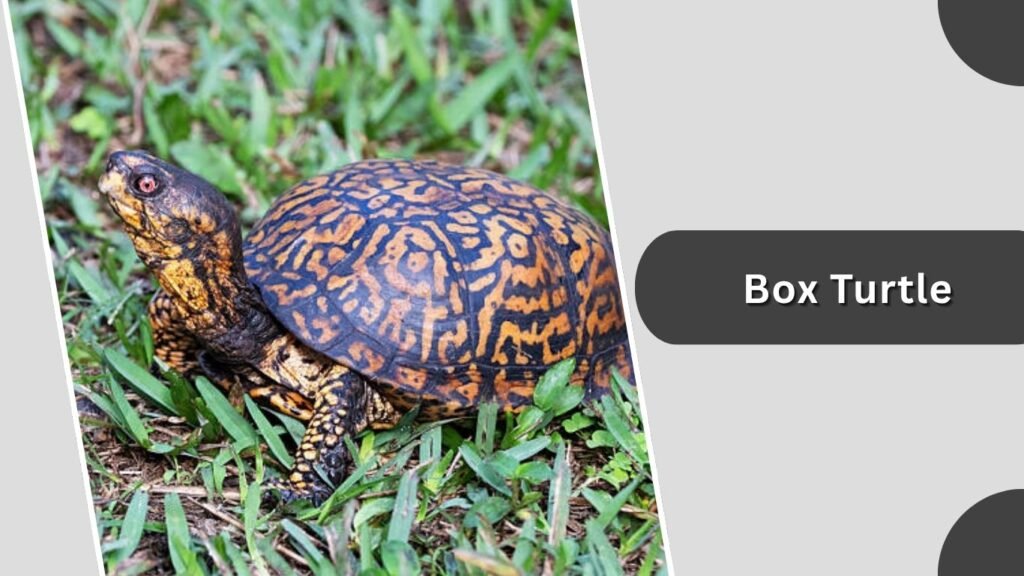
Box Turtle (Terrapene species) is a well-known turtle recognized for its dome-shaped shell and hinged plastron that allows it to completely close its shell for protection. Although often associated with land habitats, many Box Turtle species live near freshwater environments such as wetlands, marshes, and ponds.
Identification
- High-domed shell with colorful yellow or orange patterns
- Hinged plastron that closes tightly like a box
- Brown or black shell coloration
- Strong legs adapted for walking on land
- Short webbed toes in some aquatic species
- Adults usually grow between 4 and 7 inches long
- Males often have brighter colors and red eyes
Habitat and Distribution
Box Turtles inhabit forests, grasslands, wetlands, marshes, meadows, and areas near ponds or streams throughout North America. They prefer habitats with moist soil, dense vegetation, and access to shallow freshwater sources. Unlike highly aquatic turtles, Box Turtles spend much of their lives on land but often remain close to wet environments for feeding and hydration. They use leaf litter, logs, and muddy areas for shelter and protection from extreme temperatures.
Behavior and Diet
Box Turtles are mainly active during the daytime, especially after rainfall or during warm weather. They are omnivorous and eat insects, worms, snails, berries, mushrooms, grasses, flowers, and small aquatic animals. Box Turtles move slowly and rely on their protective shell for defense against predators. They are generally solitary and spend much of their time searching for food in moist habitats. Their varied diet helps support healthy ecosystem balance.
Lifespan
Box Turtles are extremely long-lived reptiles capable of surviving for many decades. In the wild, they commonly live between 40 and 60 years, while some individuals may exceed 100 years under favorable conditions. Captive Box Turtles can also live for many decades when provided with proper nutrition, clean environments, and suitable habitat conditions.
13. Wood Turtle
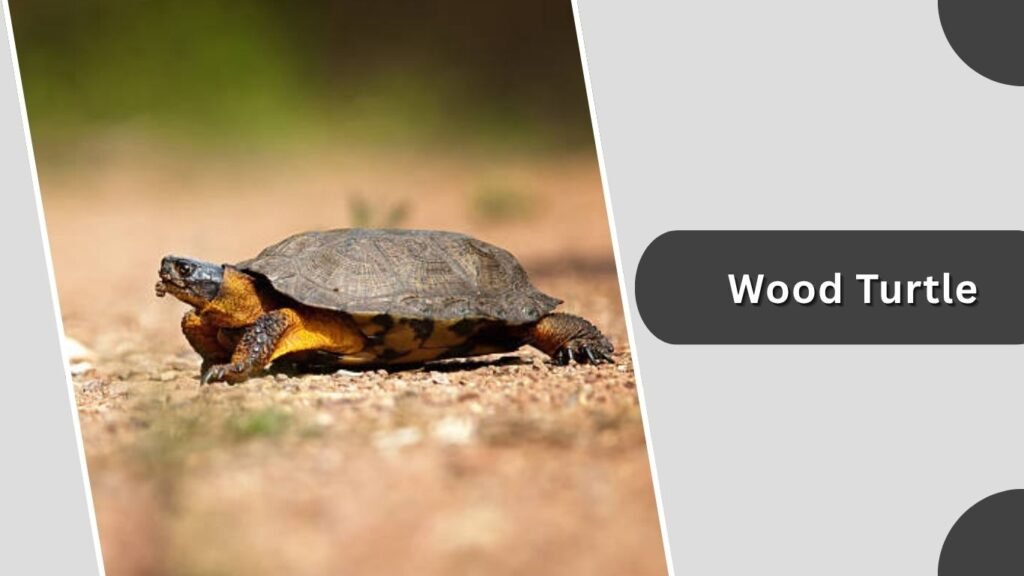
Wood Turtle (Glyptemys insculpta) is a semi-aquatic freshwater turtle known for its sculpted shell and intelligent behavior. This species is commonly found near rivers, streams, forests, and wetlands in North America. Wood Turtles spend time both in water and on land, making them highly adaptable to different environments.
Identification
- Brown or gray shell with raised pyramid-like patterns
- Rough and sculpted carapace appearance
- Orange or yellow coloration on the neck and legs
- Strong claws adapted for walking on land
- Slightly domed shell shape
- Adults usually grow between 5 and 9 inches long
- Males often have longer and thicker tails
Habitat and Distribution
Wood Turtles inhabit rivers, streams, wetlands, moist forests, and floodplain areas throughout northeastern North America. They prefer clean freshwater habitats with sandy or gravelly bottoms and nearby forest cover. This species spends time in shallow streams during warmer months and moves onto land to forage for food. Wood Turtles rely heavily on healthy river ecosystems and moist terrestrial habitats for nesting, feeding, and shelter. Habitat destruction and illegal collection have reduced populations in some regions.
Behavior and Diet
Wood Turtles are active during the daytime and are known for their curious and intelligent behavior. They forage both in water and on land while searching for food. Their diet is omnivorous and includes insects, worms, slugs, berries, mushrooms, aquatic plants, and small animals. Wood Turtles are excellent walkers and may travel long distances across forests and fields. These turtles contribute to ecosystem balance by consuming a wide variety of plant and animal material.
Lifespan
Wood Turtles are long-lived reptiles capable of surviving for many decades. In the wild, they commonly live between 40 and 60 years depending on habitat quality and environmental conditions. Captive individuals may live even longer with proper care, balanced nutrition, clean water access, and safe habitat conditions.
FAQs
What is a freshwater turtle?
A freshwater turtle is a turtle species that lives mainly in rivers, lakes, ponds, marshes, wetlands, and slow-moving streams. Unlike sea turtles, freshwater turtles spend their lives in inland aquatic habitats and often bask on logs or rocks near the water.
What do freshwater turtles eat?
Most freshwater turtles are omnivores, meaning they eat both plants and animals. Their diet commonly includes aquatic plants, algae, insects, worms, snails, fish, crustaceans, and small amphibians. Diets may vary depending on species and age.
How long do freshwater turtles live?
Freshwater turtles are generally long-lived reptiles. Many species can live between 20 and 50 years in the wild, while some may survive even longer in captivity with proper care, balanced nutrition, and clean habitats.
Where do freshwater turtles live?
Freshwater turtles inhabit ponds, lakes, rivers, marshes, swamps, wetlands, and slow-moving streams around the world. They prefer habitats with calm water, aquatic vegetation, basking areas, and safe nesting locations near shorelines.
Are freshwater turtles good pets?
Some freshwater turtles are popular pets because of their interesting behavior and unique appearance. However, they require large aquatic tanks, clean water, proper lighting, balanced diets, and long-term care to remain healthy throughout their lifespan.