
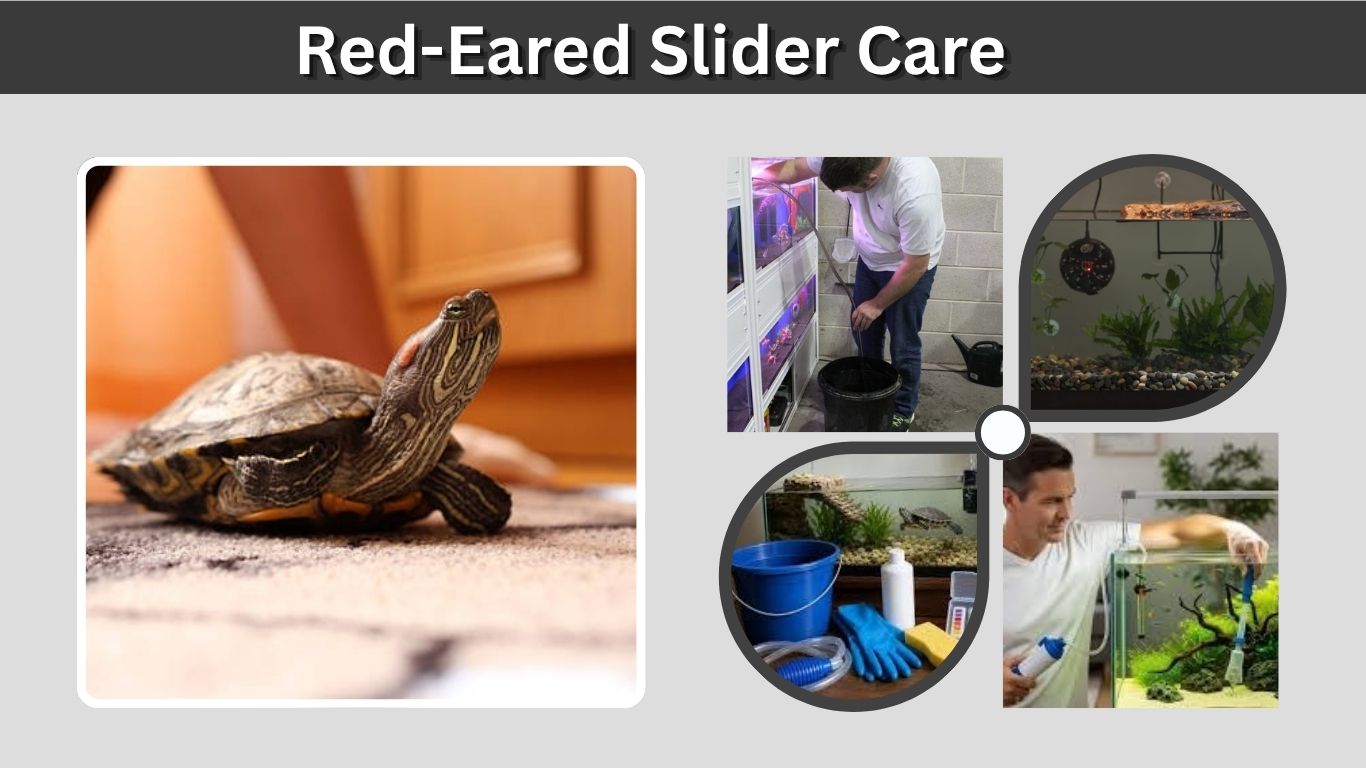
Red-eared sliders are one of the most popular pet turtles due to their active behavior and attractive markings. However, proper care is essential for their long-term health. These semi-aquatic turtles require a balanced environment including clean water, a dry basking area, UVB lighting, a heat source, and a nutritious diet. This guide covers everything beginners need to know about taking care of red-eared sliders, from tank setup and feeding routines to hatchling care, shell maintenance, and seasonal tips for healthy turtles.
Understanding Red-Eared Sliders
Before diving into care specifics, it is important to understand the species’ natural habits and requirements. Red-eared sliders are semi-aquatic, meaning they spend time both in water and on land. They are social, curious, and can live for 20 years or more with proper care. Understanding their behavior and growth patterns ensures that owners provide a safe and stimulating environment.
Size and Lifespan
Adult red-eared sliders typically reach 8–12 inches in shell length. Hatchlings are only about 1–1.5 inches, requiring careful attention to tank size and water depth as they grow. These turtles can live two decades or more, so planning a long-term habitat is crucial.
Beginner-Friendly Pets?
While red-eared sliders are suitable for committed beginners, they are not low-maintenance. Their tanks need regular cleaning, water quality monitoring, and UVB lighting. Owners must also provide a balanced diet and monitor shell and overall health regularly.
Tank Setup Essentials
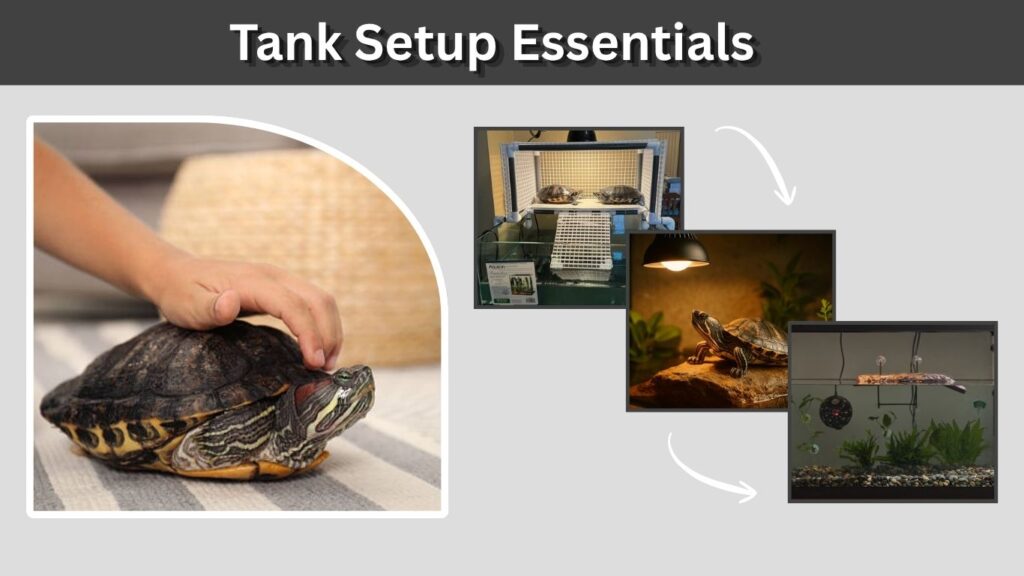
A proper tank setup is the foundation of healthy red-eared slider care. Without enough space, clean water, and adequate basking areas, turtles can become stressed or develop health problems.
Tank Size Requirements
- Hatchlings: Minimum 20-gallon tank.
- Juveniles: 40–75 gallons as they grow.
- Adults: 100+ gallon tank or a secure outdoor pond.
Providing ample space is essential for swimming, exercise, and preventing overcrowding.
Water Depth and Basking Area
Red-eared sliders need enough water to swim freely and dive safely. The tank should also include a dry basking area with easy access, so the turtle can completely dry its shell and thermoregulate. Platforms should be stable and large enough to accommodate multiple turtles if needed.
Lighting and Heat
- UVB Light: Essential for calcium absorption and shell growth.
- Heat Lamp: Provides a basking temperature of 85–95°F.
- Water Heater: Maintains water temperature between 75–80°F.
Consistent lighting and heat prevent metabolic bone disease and promote overall health.
Water Quality and Filtration
Maintaining clean water is crucial for preventing diseases such as shell rot and respiratory infections. A strong filter designed for turtles is recommended, as they produce more waste than fish. Partial water changes should be done weekly, and a full cleaning should be performed monthly. Regularly test water parameters for chlorine, pH, and temperature to ensure a safe swimming environment.
Signs of Poor Water Quality
- Cloudy or foul-smelling water
- Algae buildup on tank surfaces
- Turtle refusing to swim
- Red or swollen eyes
- Lethargy or unusual behavior
Early recognition of water issues can prevent serious health problems.
Feeding Red-Eared Sliders
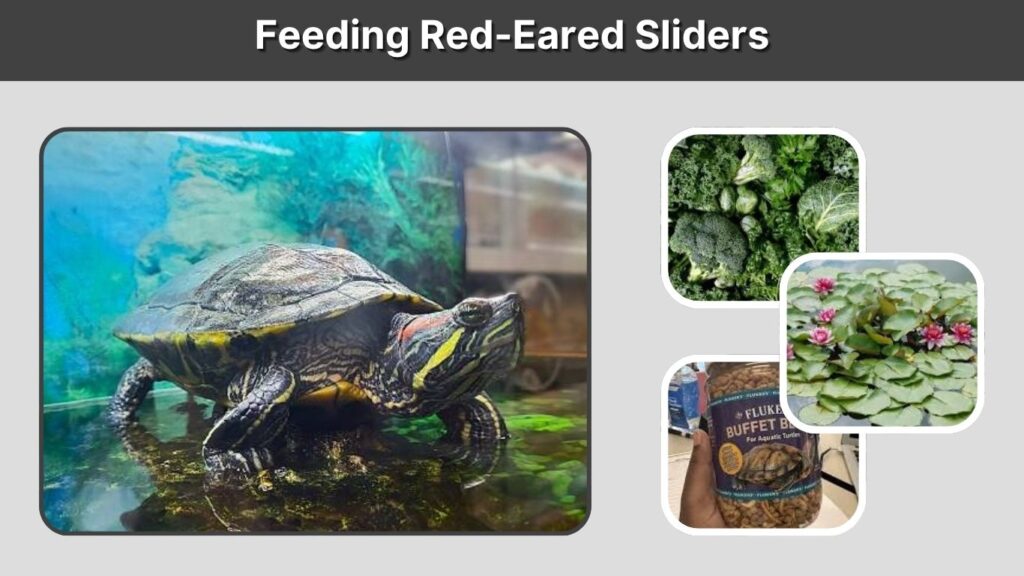
Diet plays a vital role in the health of red-eared sliders. Hatchlings are mostly carnivorous, while adults need more plant matter. Proper feeding routines prevent obesity, poor water quality, and nutrient deficiencies.
Foods to Include
- Commercial aquatic turtle pellets
- Leafy greens (romaine, kale)
- Aquatic plants (duckweed, water lettuce)
- Occasional protein (worms, shrimp, feeder fish)
Foods to Avoid
- Processed human foods
- Bread or dairy products
- Salty or fatty meats
- Overfeeding treats
Feeding Schedule
Hatchlings should be fed once or twice daily, while adults can eat every 2–3 days. Remove uneaten food promptly to maintain water quality.
Hatchling Red-Eared Slider Care
Hatchlings require extra attention because they are small, fragile, and prone to water and temperature-related health issues. A proper hatchling setup ensures healthy growth and prevents common early-life problems.
Hatchling Tank Setup
- Use a 20-gallon tank for one hatchling.
- Provide shallow water, deep enough to swim but not risk drowning.
- Include an easy-access basking platform with heat and UVB light.
- Maintain water temperature around 78–80°F and basking temperature at 85–90°F.
- Keep water clean with a small turtle filter and partial daily water changes.
Hatchling Feeding Tips
- Feed small, finely sized turtle pellets designed for hatchlings.
- Offer tiny amounts of protein (worms, shrimp) 1–2 times per week.
- Include chopped leafy greens once hatchlings are several weeks old.
- Avoid overfeeding to prevent obesity and water contamination.
Common Hatchling Mistakes
- Keeping the hatchling in a tiny bowl or shallow dish.
- Omitting UVB lighting, which is critical for calcium absorption.
- Allowing water to get too cold or dirty.
- Handling too frequently, causing stress.
Red-Eared Slider Care
Albino red-eared sliders have the same basic needs as standard red-eared sliders but require careful attention to their unique sensitivities.
Tank and Lighting Considerations
- Provide standard UVB lighting but ensure shaded areas are available to avoid overstimulation.
- Monitor basking temperatures carefully, as albino turtles can be more sensitive to heat.
Feeding and Health Monitoring
- Follow the same dietary guidelines as regular sliders.
- Observe behavior closely, as vision may be slightly impaired due to albinism.
- Ensure regular shell checks to prevent abnormalities or rot.
Shell Health and Maintenance
The shell is a visible indicator of a turtle’s health. Proper water care, UVB exposure, and nutrition are key to a strong, healthy shell.
Signs of a Healthy Shell
- Smooth scutes appropriate for the turtle’s age.
- Firm and free of soft spots, cracks, or odor.
- Uniform growth and coloration.
Preventing Shell Problems
- Ensure adequate UVB lighting and basking time.
- Maintain a calcium-rich diet, including cuttlebone if necessary.
- Keep water clean and provide a dry basking area.
- Inspect shells regularly and consult a vet if you notice abnormalities.
Shell Rot Warning Signs
- Soft spots or discolored patches
- Foul odor or moldy appearance
- Cracks, lifting scutes, or bleeding
Egg and Reproductive Care
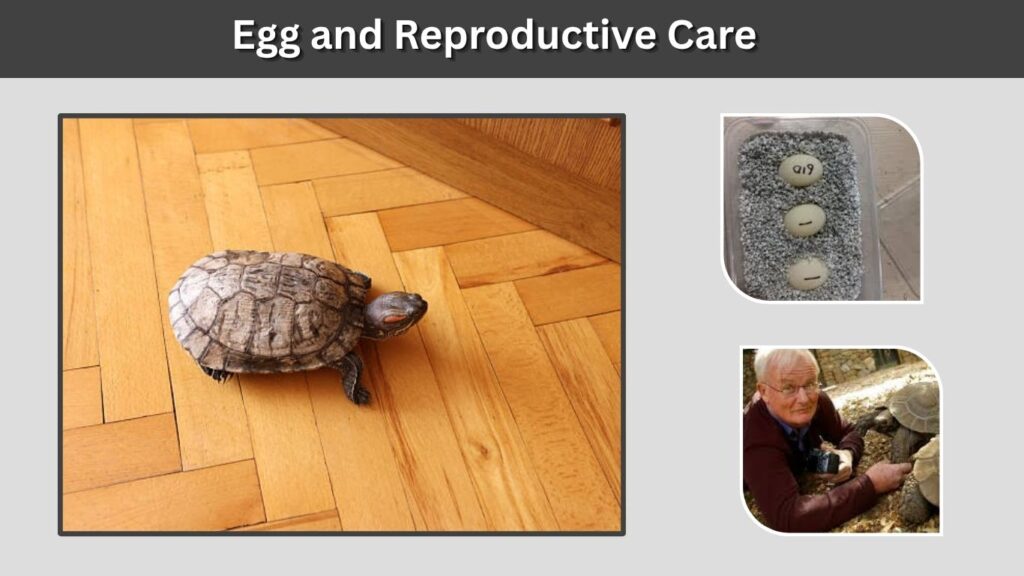
For owners with female red-eared sliders, understanding egg-laying and incubation is essential.
Egg-Laying Behavior
- Females may lay eggs without a male; these are infertile.
- Look for nesting behavior: digging, restlessness, or changes in appetite.
Incubation and Care
- Provide a moist, stable substrate for fertile eggs.
- Avoid rotating eggs, which can harm developing embryos.
- Maintain consistent temperature and humidity.
- Consult a reptile vet for egg-binding or other complications.
Pond and Outdoor Care
Outdoor ponds can provide enrichment for red-eared sliders but require additional considerations to ensure safety.
Safe Outdoor Pond Setup
- Use predator-proof fencing.
- Provide both water and dry basking areas.
- Monitor water depth and temperature.
- Ensure escape prevention and environmental enrichment.
Sunlight and Shade
- Turtles need both sun exposure for UVB and shaded areas for cooling.
- Monitor local climate to prevent overheating or cold stress.
Environmental Concerns
- Never release pet red-eared sliders into the wild; they can disrupt local ecosystems.
- Comply with local laws regarding turtle ownership and outdoor habitats.
Winter Care
Winter care varies depending on whether the turtle is kept indoors or outdoors.
Indoor Winter Care
- Maintain water and basking temperatures.
- Ensure UVB light continues for calcium metabolism.
- Avoid cold drafts and sudden temperature fluctuations.
Outdoor Winter Care
- Suitable only in climates where ponds do not freeze solid.
- Monitor oxygen and water depth if turtles brumate.
- Beginners should avoid brumation without expert guidance.
Health Monitoring and Safety
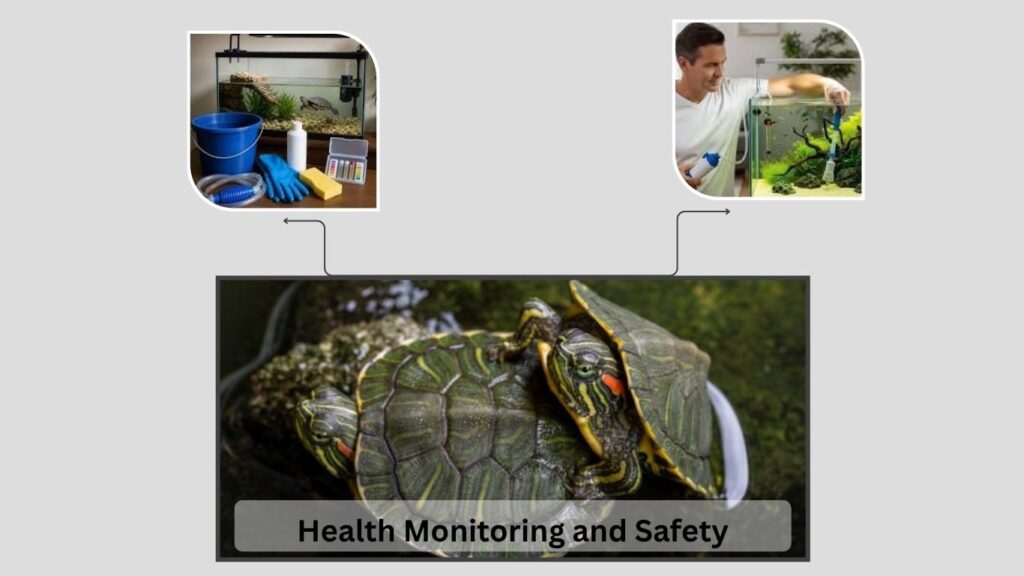
Regular health checks are essential to detect issues early.
Signs of a Healthy Turtle
- Active swimming and basking.
- Clear, bright eyes and smooth shell.
- Normal appetite and regular behavior.
Common Health Issues
- Respiratory infections (wheezing, nasal discharge)
- Shell rot and soft spots
- Swollen eyes or lethargy
- Parasites or metabolic bone disease
Safe Handling and Salmonella Prevention
- Always wash hands after handling the turtle, tank water, or equipment.
- Limit handling to reduce stress.
- Maintain a clean tank to prevent bacterial infections.
Daily, Weekly, and Monthly Care Routine
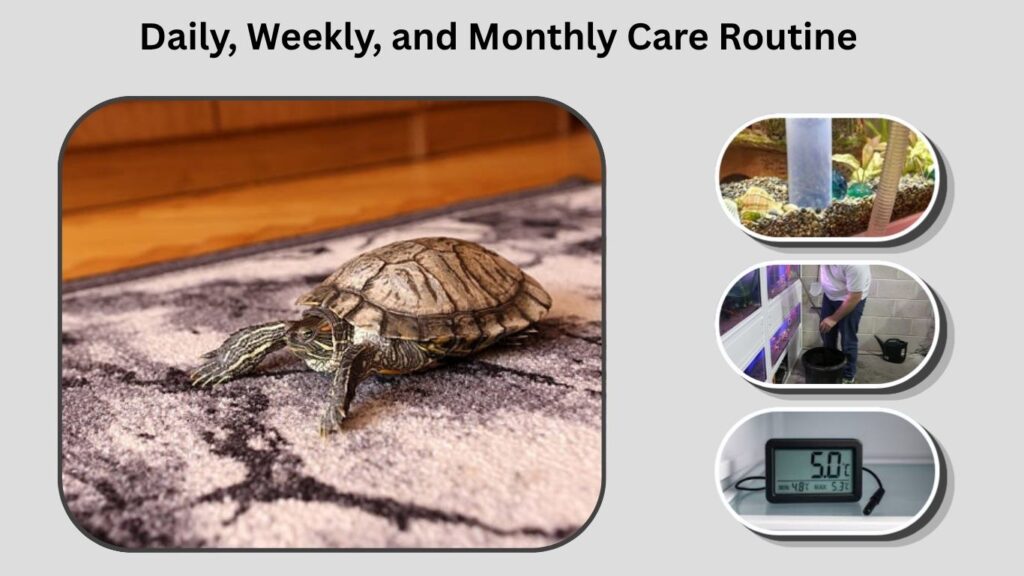
A structured routine ensures optimal health and longevity.
Daily Care
- Check water and basking temperatures.
- Feed appropriate portions based on age.
- Remove uneaten food and observe behavior.
Weekly Care
- Perform partial water changes.
- Clean tank surfaces and filter.
- Inspect basking area stability.
Monthly Care
- Replace UVB bulbs if needed.
- Deep-clean tank and accessories.
- Evaluate turtle growth, diet, and health.
FAQs
How do you care for a red-eared slider turtle?
Provide a large aquatic enclosure with clean filtered water, a dry basking area, UVB lighting, heat, and a balanced diet. Monitor shell, appetite, and swimming behavior regularly.
How often should I feed a red-eared slider?
Hatchlings eat daily or every other day; adults typically feed every 2–3 days. Remove leftover food to maintain water quality.
Do red-eared sliders need UVB light?
Yes. UVB is essential for calcium absorption, strong shell development, and preventing metabolic bone disease.
Can red-eared sliders live in a pond?
Yes, if the pond is secure, predator-proof, has basking areas, and water quality is maintained. Outdoor ponds must follow local laws and never release turtles into the wild.
Is a red-eared slider easy to take care of?
They are manageable for committed owners but require a well-maintained tank, UVB lighting, clean water, proper diet, and long-term planning.