
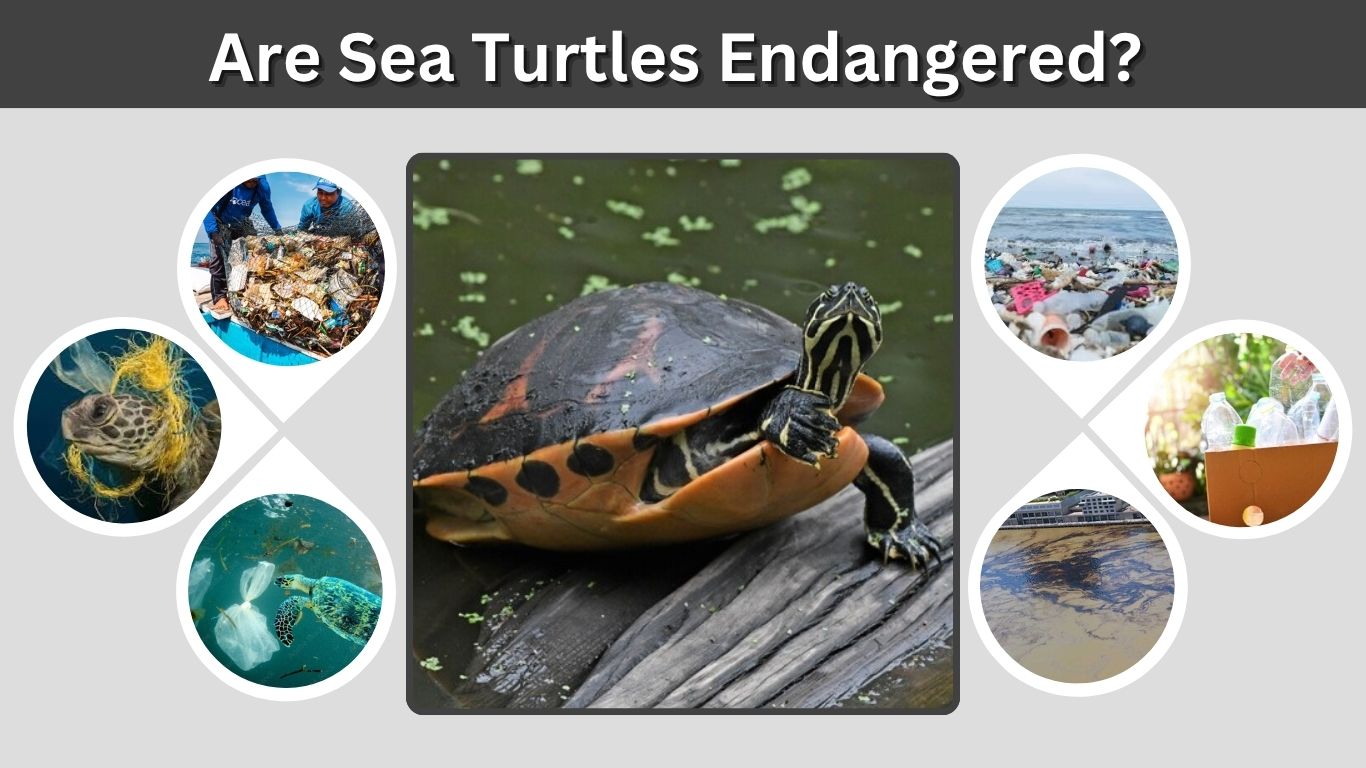
Sea turtles have inhabited Earth’s oceans for more than 100 million years, surviving natural disasters and environmental changes that wiped out many other species. Despite their resilience, sea turtles now face numerous human-caused threats that put their survival at risk. Many populations have declined significantly over the last century due to habitat destruction, pollution, climate change, and fishing activities. Understanding why sea turtles are endangered is essential for protecting these remarkable marine reptiles and ensuring they remain part of ocean ecosystems for future generations.
Are Sea Turtles Endangered?
Sea turtles are among the most threatened marine animals in the world. Of the seven recognized sea turtle species, most are listed as endangered, threatened, or vulnerable by conservation organizations. Their populations vary across regions, but all species face pressures from human activities. Conservation efforts have helped some populations recover, yet many sea turtles remain at risk and require ongoing protection.
Current Status of Sea Turtle Species
Different sea turtle species have different conservation statuses. Hawksbill and Kemp’s ridley sea turtles are considered critically endangered, while green sea turtles are classified as endangered in many regions. Loggerhead and olive ridley turtles are generally considered vulnerable, although some local populations face greater risks.
Why Their Status Matters
Sea turtles play a critical role in maintaining healthy marine ecosystems. They help control jellyfish populations, support seagrass beds, and contribute to coral reef health. A decline in sea turtle populations can negatively affect ocean biodiversity and ecosystem balance.
Why Are Sea Turtles Endangered?
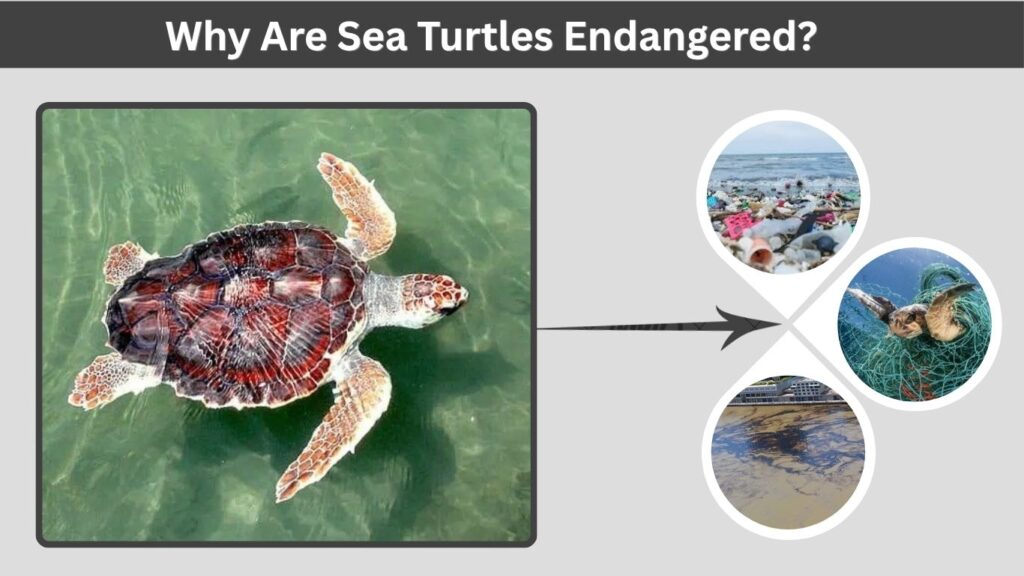
Sea turtles face multiple threats throughout their lives. From the moment hatchlings emerge from their nests until they reach adulthood, they encounter both natural and human-related dangers. However, human activities have become the primary cause of population declines worldwide.
Major Reasons Sea Turtles Are Endangered
- Habitat destruction from coastal development
- Plastic pollution in oceans and waterways
- Accidental capture in fishing gear
- Illegal hunting and egg collection
- Climate change and rising sea levels
- Boat strikes and marine traffic
- Chemical and oil pollution
The Growing Impact of Human Activity
As coastal populations expand and marine industries grow, sea turtles are losing critical nesting and feeding habitats. Increased tourism, beachfront construction, and pollution create additional challenges that many turtle populations struggle to overcome. These combined threats make recovery difficult, even for species protected by law.
Habitat Loss and Nesting Beach Destruction
Healthy nesting beaches are essential for sea turtle reproduction. Female turtles return to sandy beaches to lay eggs, often using the same nesting grounds where they were born decades earlier. Unfortunately, many of these habitats are disappearing because of development and environmental changes.
Coastal Development
Hotels, resorts, roads, and residential projects frequently alter or destroy nesting beaches. Construction activities can reduce available nesting space and make it harder for turtles to find suitable locations for laying eggs.
Artificial Lighting
Sea turtle hatchlings naturally move toward the brightest horizon, which is usually the ocean. Artificial lights from buildings, streets, and resorts can confuse hatchlings and lead them away from the water. Many become dehydrated, exhausted, or preyed upon before reaching the sea.
Beach Erosion and Rising Seas
Climate change contributes to stronger storms and rising sea levels, both of which accelerate beach erosion. As nesting beaches shrink, female turtles have fewer safe places to lay eggs, reducing reproductive success.
Plastic Pollution and Ocean Debris
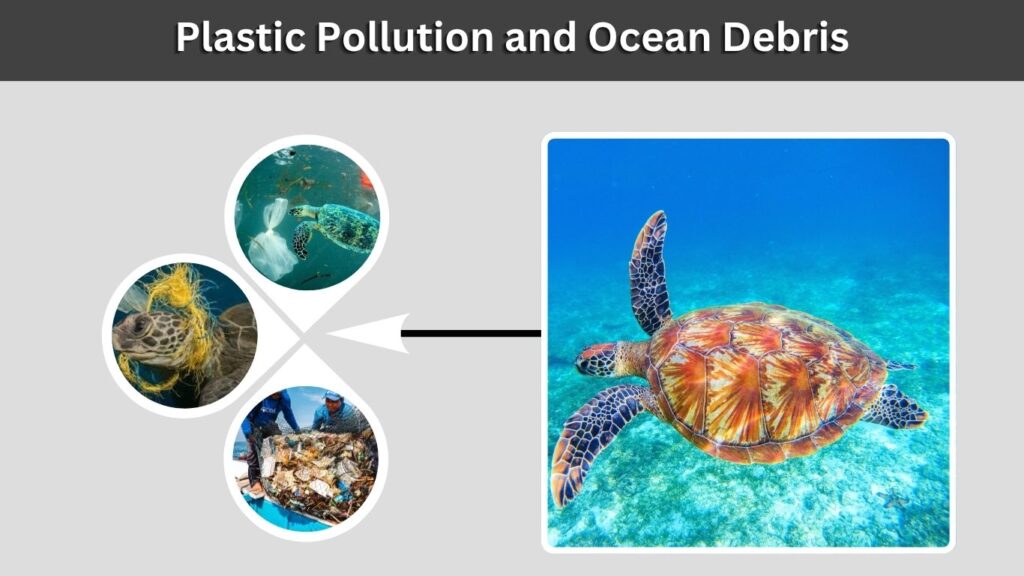
Plastic pollution has become one of the most serious threats facing sea turtles. Millions of tons of plastic enter the oceans every year, creating hazardous conditions for marine wildlife. Sea turtles are especially vulnerable because they often mistake floating plastic for food.
How Plastic Harms Sea Turtles
- Plastic bags can resemble jellyfish, a common turtle prey.
- Ingested plastic can block the digestive system.
- Sharp plastic fragments may cause internal injuries.
- Entanglement in debris can restrict movement and feeding.
Long-Term Consequences
Even small amounts of plastic can affect a turtle’s health. Research has shown that ingesting marine debris can reduce growth, impair reproduction, and increase mortality rates. Young turtles are particularly susceptible because they spend much of their early lives in ocean currents where plastic accumulates.
How Are Sea Turtles Endangered Since Birth?
The life of a sea turtle begins with significant challenges. Only a tiny percentage of hatchlings survive long enough to become adults. While natural predators have always affected sea turtle populations, modern human-related threats have made survival even more difficult.
The Journey From Nest to Ocean
After emerging from their nests, hatchlings must quickly reach the sea. During this journey, they face threats from birds, crabs, and other predators. Artificial lighting, beach obstacles, and human disturbances can further reduce their chances of survival.
Survival Rates in the Wild
Scientists estimate that only about one in every 1,000 sea turtle hatchlings reaches adulthood. This low survival rate makes it essential for adult turtles to successfully reproduce and for nesting habitats to remain protected. Any additional pressure from pollution, fishing activities, or habitat loss can significantly impact population growth.
Which Sea Turtle Species Are Endangered?
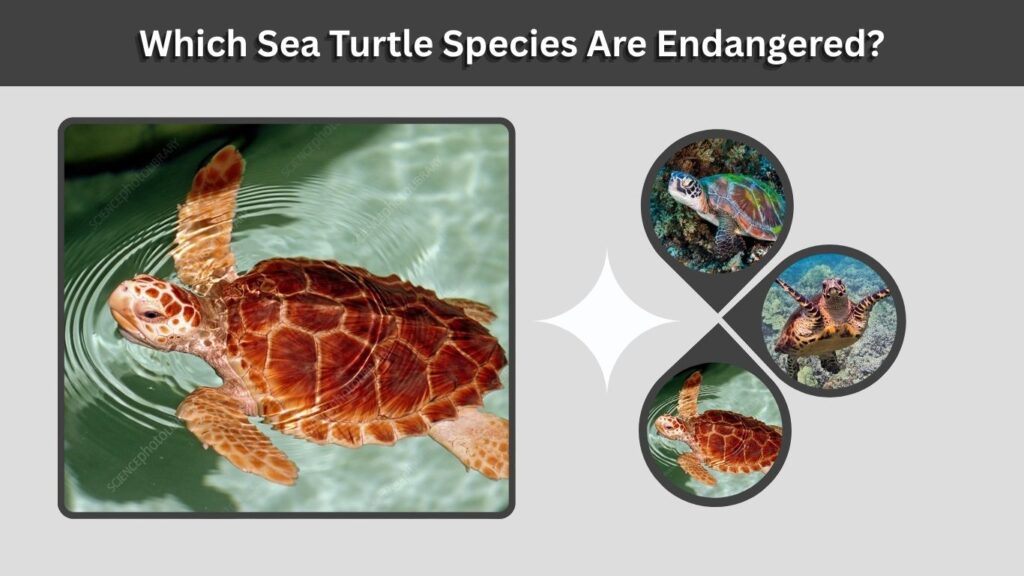
Although all sea turtles face threats, some species are in greater danger than others. Conservation status depends on population size, habitat conditions, and the severity of human-related threats. Understanding the challenges faced by each species helps highlight the urgency of global conservation efforts.
Why Are Green Sea Turtles Endangered?
Green sea turtles are threatened by habitat destruction, pollution, and accidental capture in fishing gear. They also suffer from diseases such as fibropapillomatosis, which can cause tumors that affect feeding and movement. Although some populations have shown signs of recovery, green sea turtles still require legal protection and habitat conservation.
Why Are Hawksbill Sea Turtles Endangered?
Hawksbill sea turtles are among the most endangered sea turtle species. For decades, they were hunted for their beautiful shells, which were used to make jewelry, decorations, and other products. Habitat loss and coral reef degradation continue to threaten their survival today.
Why Are Loggerhead Sea Turtles Endangered?
Loggerhead sea turtles frequently become entangled in fishing gear and are vulnerable to coastal development. Pollution, boat strikes, and climate-related changes also affect their populations. While conservation programs have improved nesting success in some regions, many loggerhead populations remain under pressure.
Why Are Leatherback Sea Turtles Endangered?
Leatherback sea turtles are highly migratory and travel vast distances across the oceans. They often mistake plastic bags for jellyfish, leading to fatal blockages in their digestive systems. Climate change, fishing gear entanglement, and habitat degradation have contributed to population declines in several areas.
Why Are Kemp’s Ridley Sea Turtles Endangered?
Kemp’s ridley sea turtles have experienced dramatic declines due to egg harvesting, bycatch, and habitat disturbances. Although conservation programs have helped increase nesting numbers, they remain one of the world’s most endangered sea turtle species.
Are Sea Turtles Still Endangered in 2025?
Sea turtle conservation has achieved important successes, but the overall picture remains mixed. Some populations have stabilized or increased because of legal protections, habitat restoration, and improved management practices. However, many threats continue to affect sea turtles across the globe.
Signs of Recovery
Several nesting populations of green and loggerhead sea turtles have shown positive trends in protected areas. Conservation programs that safeguard nesting beaches and reduce bycatch have contributed to these improvements. Increased public awareness has also played a role in supporting recovery efforts.
Ongoing Challenges
Despite progress, pollution, climate change, and habitat loss continue to threaten sea turtles. Many species still have low population numbers, and recovery can take decades because sea turtles mature slowly and reproduce infrequently.
Conservation Efforts Protecting Sea Turtles
Governments, conservation organizations, and local communities are working together to protect sea turtles and their habitats. These efforts focus on reducing threats while promoting long-term population recovery.
Key Conservation Strategies
- Protecting nesting beaches and coastal habitats
- Establishing marine protected areas
- Reducing plastic pollution
- Using turtle-friendly fishing equipment
- Enforcing wildlife protection laws
- Supporting community conservation projects
The Importance of International Cooperation
Sea turtles migrate across national boundaries, making international cooperation essential. Agreements between countries help protect turtles throughout their migration routes, feeding grounds, and nesting sites. Collaborative conservation efforts have become increasingly important as global environmental challenges continue to grow.
How You Can Help Save Sea Turtles
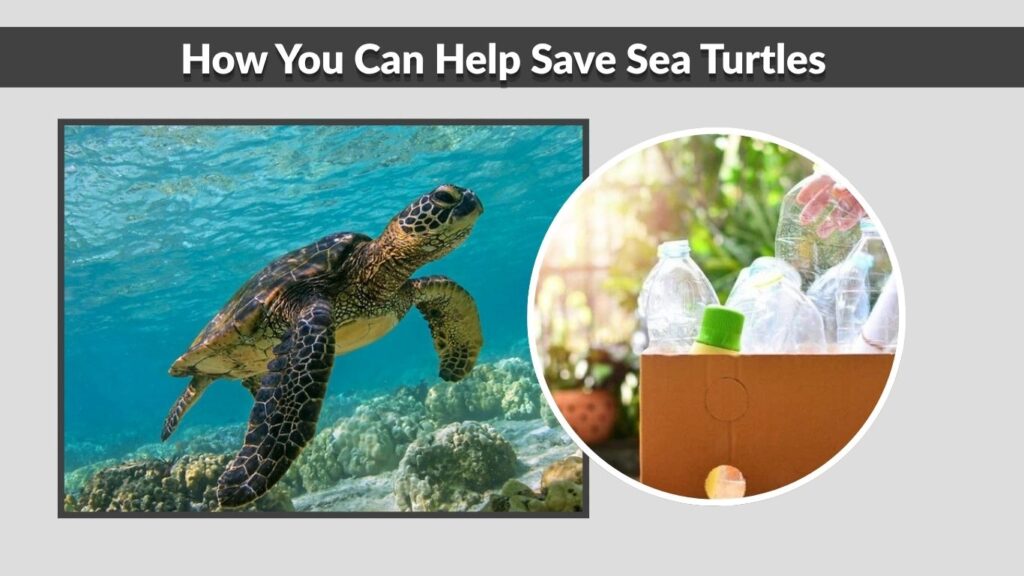
Every individual can contribute to sea turtle conservation through simple actions that reduce environmental harm. Small changes in daily habits can collectively make a significant difference for marine wildlife.
Practical Ways to Help
- Reduce single-use plastic consumption
- Participate in beach cleanups
- Choose sustainable seafood products
- Avoid disturbing nesting turtles
- Support marine conservation organizations
- Dispose of waste responsibly
Supporting Local Conservation Efforts
Many communities depend on healthy coastal ecosystems. Supporting local conservation programs not only helps sea turtles but also benefits fisheries, tourism industries, and marine biodiversity. Community involvement remains one of the most effective tools for protecting endangered wildlife.
FAQs
Are All Sea Turtles Endangered?
Not all sea turtle species share the same conservation status, but all are considered threatened, vulnerable, endangered, or critically endangered in some capacity.
What Is the Biggest Threat to Sea Turtles?
Human activities, particularly habitat destruction, plastic pollution, and accidental capture in fishing gear, are considered the greatest threats to sea turtle survival.
Are Sea Turtles Endangered Because of Plastic?
Plastic pollution is a major factor contributing to sea turtle mortality. Ingestion and entanglement can cause severe injuries and death.
How Many Sea Turtle Species Are Endangered?
Most of the world’s seven sea turtle species are listed as vulnerable, endangered, or critically endangered according to international conservation assessments.