
Sea turtles are among the most fascinating creatures in the ocean, known for their long migrations, ancient lineage, and impressive longevity. These marine reptiles have existed for more than 100 million years and can live for several decades under the right conditions. However, their lifespan varies depending on species, habitat quality, and environmental threats. Understanding how long sea turtles live provides valuable insight into their biology, conservation needs, and the challenges they face throughout their lives.
What Is the Average Lifespan of a Sea Turtle?
Sea turtles are generally considered long-lived animals. Most species can live for several decades, with some individuals potentially reaching or exceeding 100 years of age. Because sea turtles spend much of their lives in the ocean, determining their exact age can be difficult. Scientists rely on long-term research and population studies to estimate their lifespan.
Average Sea Turtle Lifespan
The average lifespan of a sea turtle ranges from 50 to 100 years, depending on the species. Some turtles may live even longer if they avoid predators, disease, and human-related threats. Their slow growth rate and delayed maturity contribute to their remarkable longevity.
How Scientists Estimate Age
Unlike some animals, sea turtles do not provide clear indicators of age. Researchers use various methods to estimate lifespan and age, including:
- Long-term tagging and tracking studies
- Analysis of growth patterns
- Monitoring nesting females over decades
- Population-based age estimates
These techniques help scientists better understand the life expectancy of different sea turtle species.
How Long Do Different Sea Turtle Species Live?
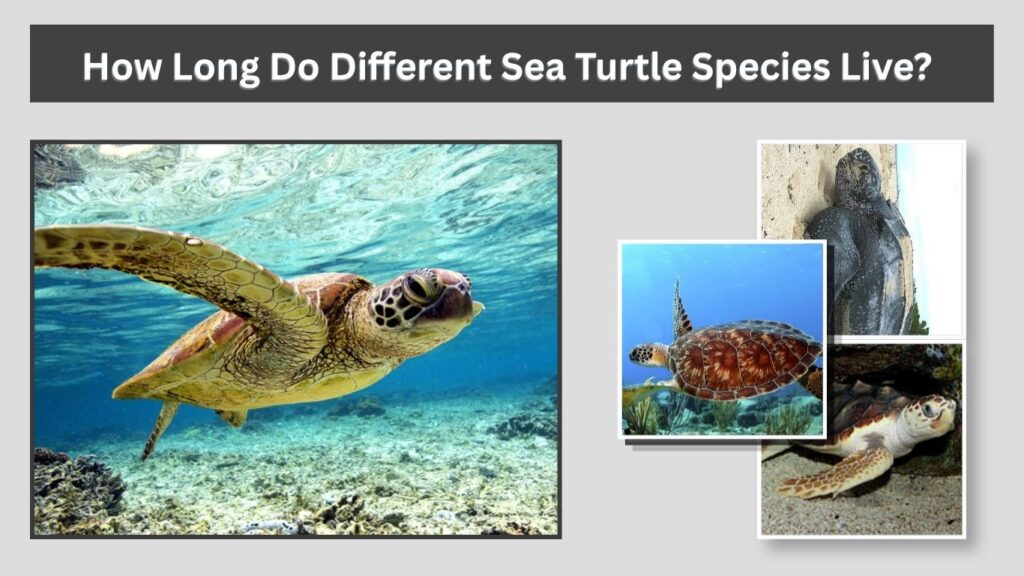
Although all sea turtles share certain characteristics, each species has its own lifespan range. Differences in habitat, diet, migration patterns, and environmental pressures influence how long individual species typically live.
Green Sea Turtle Lifespan
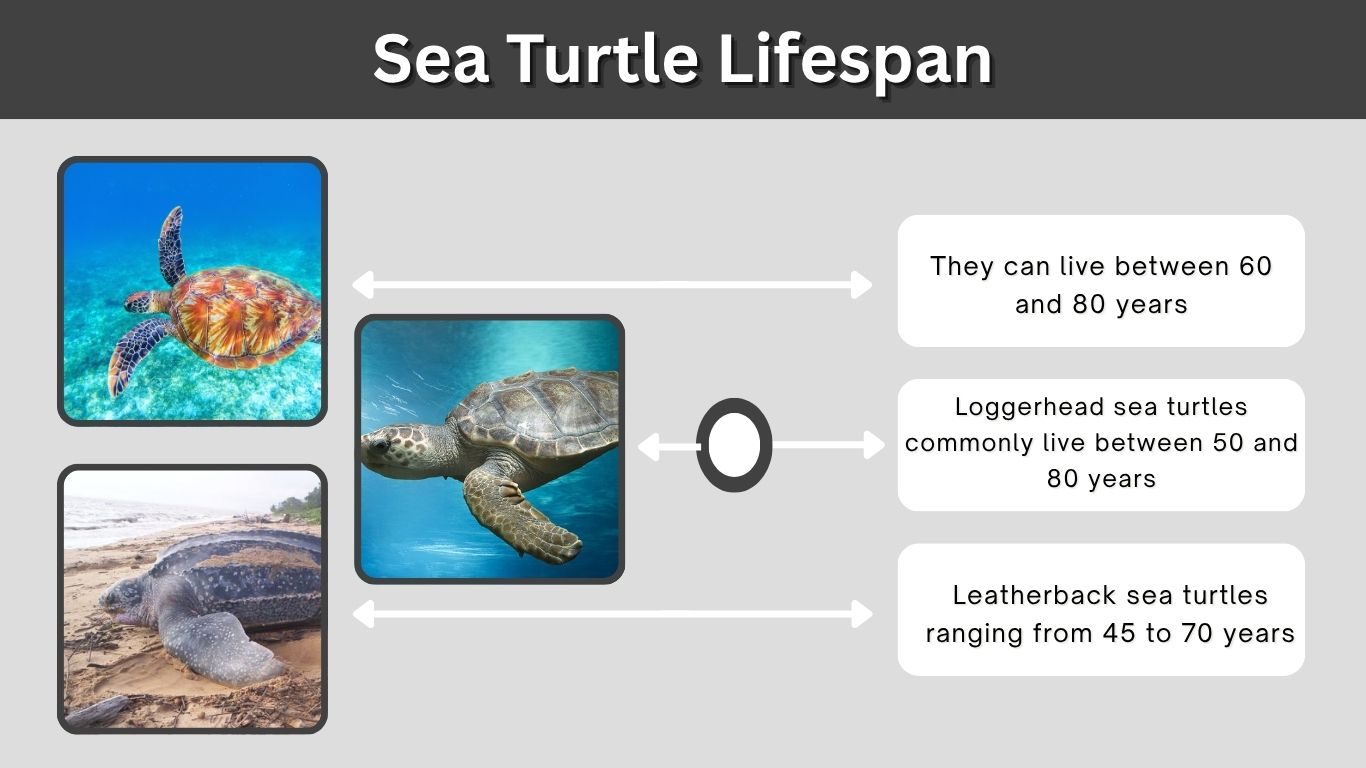
Green sea turtles are among the longest-living sea turtle species. Most experts estimate that they can live between 60 and 80 years, while some individuals may survive longer under favorable conditions. These turtles spend much of their lives grazing on seagrass and algae, contributing to healthy marine ecosystems.
Leatherback Sea Turtle Lifespan
Leatherback sea turtles have a slightly shorter estimated lifespan than some other species, generally ranging from 45 to 70 years. As the largest sea turtle species, leatherbacks undertake extraordinary migrations across entire ocean basins. Their demanding lifestyle and exposure to numerous threats may influence their longevity.
Loggerhead Sea Turtle Lifespan
Loggerhead sea turtles commonly live between 50 and 80 years. They are known for their powerful jaws and ability to feed on hard-shelled prey such as crabs and mollusks. Like other sea turtles, they require decades to reach reproductive maturity.
Hawksbill Sea Turtle Lifespan
Hawksbill sea turtles are believed to live around 50 to 60 years or longer. These turtles are closely associated with coral reef ecosystems, where they help maintain reef health by feeding on sponges and other invertebrates.
Olive Ridley and Kemp’s Ridley Lifespan
Both olive ridley and Kemp’s ridley sea turtles are estimated to live for approximately 40 to 60 years. While smaller than some other species, they still demonstrate the long lifespan characteristic of sea turtles.
Sea Turtle Lifespan by Species
Comparing species provides a clearer picture of how lifespan varies across the sea turtle family. While exact ages are difficult to determine, available research offers useful estimates.
Lifespan Comparison Table
| Sea Turtle Species | Average Lifespan |
| Green Sea Turtle | 60–80+ years |
| Leatherback Sea Turtle | 45–70+ years |
| Loggerhead Sea Turtle | 50–80+ years |
| Hawksbill Sea Turtle | 50–60+ years |
| Olive Ridley Sea Turtle | 50+ years |
| Kemp’s Ridley Sea Turtle | 40–60+ years |
| Flatback Sea Turtle | 50+ years |
Why Lifespan Varies Between Species
Several factors influence lifespan differences among sea turtle species. Larger species may experience different environmental pressures than smaller species. Migration distances, feeding habits, and habitat conditions can also affect survival rates and overall longevity.
What Is the Longest Lifespan of a Sea Turtle?
Sea turtles are among the longest-living reptiles on Earth. Although determining exact ages remains challenging, evidence suggests that some individuals may survive well beyond the average lifespan estimates commonly reported by researchers.
Can Sea Turtles Live More Than 100 Years?
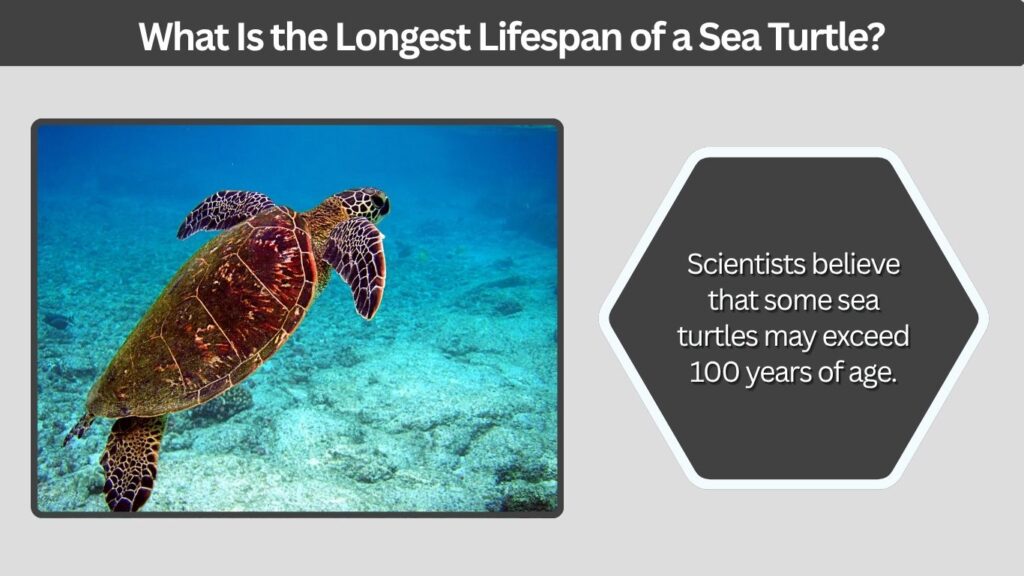
Scientists believe that some sea turtles may exceed 100 years of age. However, verifying these claims is difficult because most wild sea turtles are not observed throughout their entire lives. Long-term tracking studies indicate that exceptional longevity is possible, particularly in protected environments.
The Oldest Sea Turtles Ever Recorded
Several documented sea turtles have lived for many decades, especially those in rehabilitation facilities and protected habitats. While exact records vary, researchers agree that sea turtles rank among the longest-lived marine reptiles known today.
Sea Turtle Lifespan in the Wild
Wild sea turtles face numerous challenges throughout their lives. From hatchling stage to adulthood, survival depends on avoiding predators, finding food, and navigating increasingly human-impacted oceans.
Natural Threats
Young sea turtles face predation from birds, fish, crabs, and sharks. Only a small percentage of hatchlings survive long enough to become breeding adults. Disease and environmental fluctuations can also affect survival rates.
Human-Caused Threats
Several human activities reduce sea turtle lifespan and survival rates:
- Plastic pollution and marine debris
- Entanglement in fishing gear
- Boat strikes
- Habitat destruction
- Climate change impacts
- Illegal hunting and egg collection
These threats have become major concerns for conservationists working to protect sea turtle populations worldwide.
Sea Turtle Lifespan in Captivity
Sea turtles living in rehabilitation centers, aquariums, and conservation facilities often experience different conditions than those in the wild. Access to veterinary care, consistent food sources, and protection from predators can influence survival rates. However, captivity is not always suitable for sea turtles because they require large spaces and specialized care.
Factors That Can Increase Lifespan
In managed environments, sea turtles may benefit from conditions that reduce many common threats. These advantages can improve their overall health and longevity.
- Regular medical care and health monitoring
- Consistent access to nutritious food
- Protection from predators
- Reduced risk of fishing gear entanglement
- Treatment for injuries and diseases
Challenges of Captive Care
Despite these benefits, sea turtles are highly migratory animals adapted to life in the open ocean. Captive environments cannot fully replicate their natural habitat. Stress, limited space, and behavioral changes can negatively affect their well-being if facilities are not properly designed.
What Factors Affect a Sea Turtle’s Lifespan?
A sea turtle’s lifespan is influenced by a combination of biological, environmental, and human-related factors. While genetics play an important role, external conditions often determine whether a turtle reaches its full life expectancy.
Genetics and Species Characteristics
Each sea turtle species has unique biological traits that affect growth, maturity, and longevity. Some species naturally live longer than others due to differences in metabolism, body size, and reproductive patterns.
Habitat Quality
Healthy marine ecosystems support longer lifespans by providing abundant food and safer living conditions. Degraded habitats can reduce survival rates and increase exposure to disease and predators.
Food Availability
Access to reliable food sources is essential throughout a sea turtle’s life. Poor nutrition can weaken immune systems, reduce reproductive success, and shorten lifespan.
Climate Change
Climate change affects sea turtles in several ways. Rising ocean temperatures, stronger storms, and changes in nesting beaches can disrupt life cycles and reduce long-term survival.
Conservation Measures
Protected nesting beaches, marine reserves, and sustainable fishing practices can significantly improve survival rates. Conservation efforts help reduce threats and give sea turtle populations a better chance of reaching their natural lifespan.
Why Do Sea Turtles Live So Long?
Sea turtles possess several biological characteristics that contribute to their remarkable longevity. Their life history strategy focuses on slow growth, delayed maturity, and long reproductive lives, allowing them to survive and reproduce over many decades.
Slow Growth and Metabolism
Compared to many other marine animals, sea turtles grow relatively slowly. Their metabolism helps conserve energy, which may contribute to their extended lifespan. Slow growth is often associated with longer life expectancy in reptiles.
Evolutionary Adaptations
Sea turtles have evolved over millions of years to survive in changing ocean environments. Their durable physiology, efficient swimming abilities, and adaptable feeding habits have helped them become one of the most successful marine reptile groups in history.
Long Reproductive Lifespan
Many sea turtles do not begin reproducing until they are between 20 and 50 years old. Once mature, females can continue nesting for decades. This long reproductive period is one reason sea turtles need long lifespans to maintain healthy populations.
Interesting Facts About Sea Turtle Lifespan
Sea turtles have fascinated scientists and ocean enthusiasts for generations. Their longevity is one of the many reasons they are considered extraordinary marine animals.
Lifespan Facts
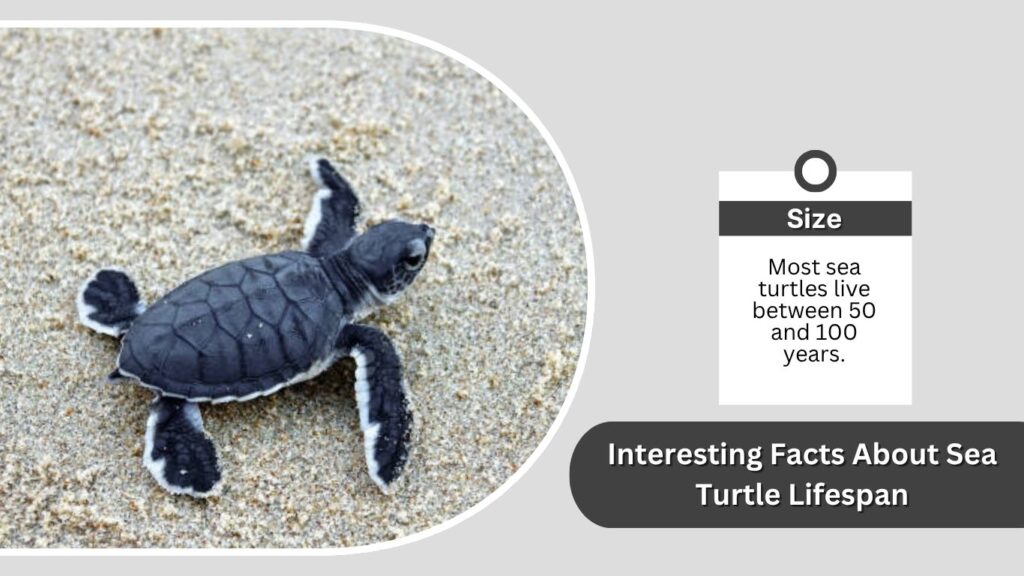
- Most sea turtles live between 50 and 100 years.
- Some individuals may survive for more than a century.
- Sea turtles can take several decades to reach maturity.
- Green sea turtles are among the longest-living species.
- Scientists are still researching the maximum lifespan of several sea turtle species.
- Sea turtles have existed on Earth for over 100 million years.
- Many species continue reproducing well into old age.
FAQs
What Is the Lifespan of a Sea Turtle?
Most sea turtles live between 50 and 100 years, depending on the species and environmental conditions. Some individuals may live even longer.
What Is the Average Lifespan of a Green Sea Turtle?
Green sea turtles typically live between 60 and 80 years, although some may exceed this range under favorable conditions.
What Is the Lifespan of a Leatherback Sea Turtle?
Leatherback sea turtles are estimated to live between 45 and 70 years. Their exact lifespan remains difficult to determine because they spend much of their lives in the open ocean.
Do Sea Turtles Live Longer in Captivity?
In some cases, protected environments can increase survival by reducing threats such as predators, pollution, and fishing gear. However, proper care is essential because sea turtles have complex habitat requirements.
Which Sea Turtle Species Lives the Longest?
Green sea turtles and loggerhead sea turtles are generally considered among the longest-living species, with lifespans often reaching 80 years or more.