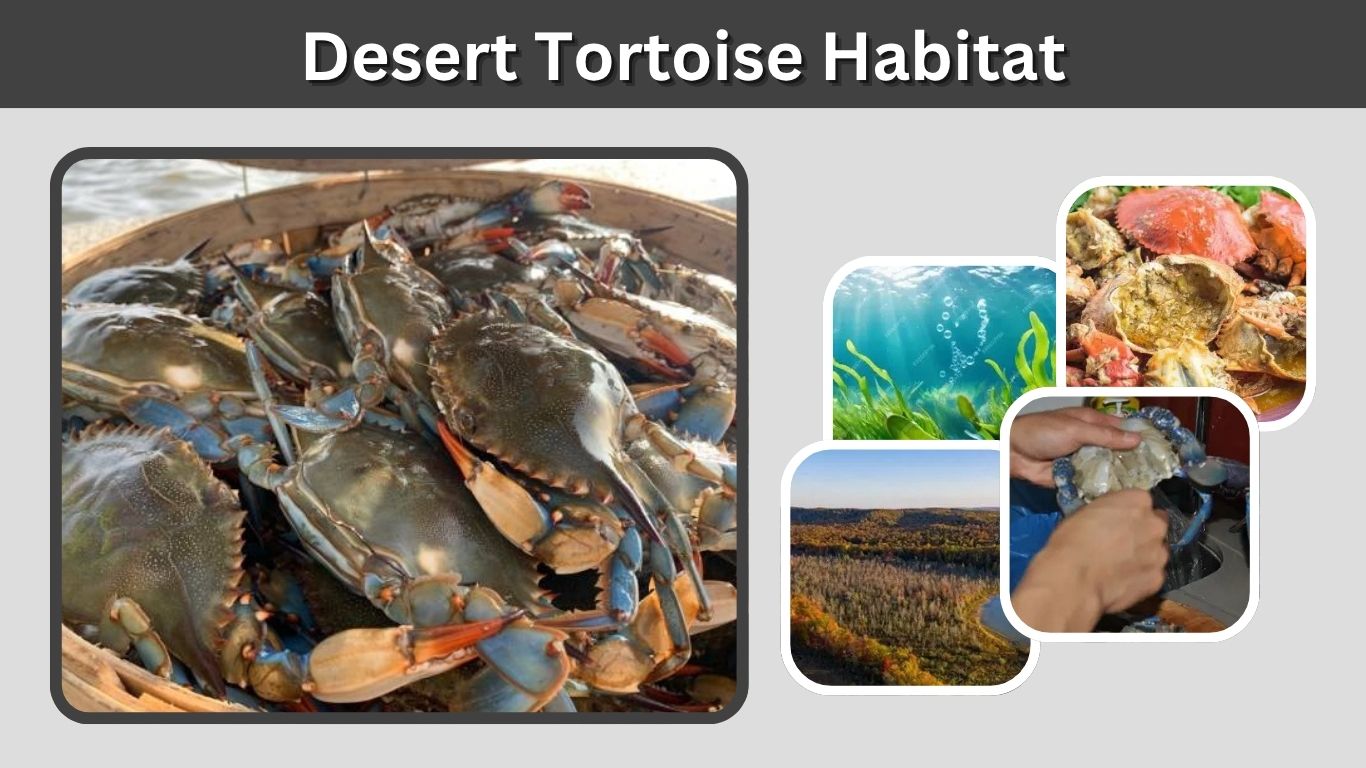
The blue swimmer crab is a fast-moving marine crab known for its paddle-shaped rear legs, broad shell, sharp claws, and flavorful white meat. It is especially familiar around Australia’s bays, estuaries, and sheltered coastal waters. Males often display brilliant blue legs and claws, while females are usually mottled brown. Blue swimmer crabs are both active predators and scavengers, feeding on fish, shellfish, worms, and other crustaceans. They are also highly valued by recreational fishers, commercial fisheries, seafood markets, and home cooks.
What Is a Blue Swimmer Crab?
The Australian blue swimmer crab is scientifically known as Portunus armatus. Older publications and seafood labels may use Portunus pelagicus, but research separated the former broad classification into several related species. In Australia, P. armatus is the main species commonly called the blue swimmer crab, blue manna crab, sand crab, flower crab, or bluey.
| Feature | Description |
| Scientific name | Portunus armatus |
| Family | Portunidae |
| Environment | Marine and estuarine water |
| Maximum carapace width | More than 200 mm |
| Maximum reported weight | Around 1 kg |
| Typical lifespan | Up to about three years |
| Diet | Fish, molluscs, worms and crustaceans |
| Main identifying feature | Paddle-shaped hind legs |
How to Identify One
The shell, known as the carapace, is broad and flattened, with sharp teeth along its edges. A long spine projects from either side, giving the crab an unusually wide appearance.
Its final pair of legs is flattened into paddle-like structures. These paddles allow it to swim more effectively than crabs that depend almost entirely on walking. The front claws are long and powerful, helping the animal catch prey and defend itself.
Male vs Female Blue Swimmer Crab
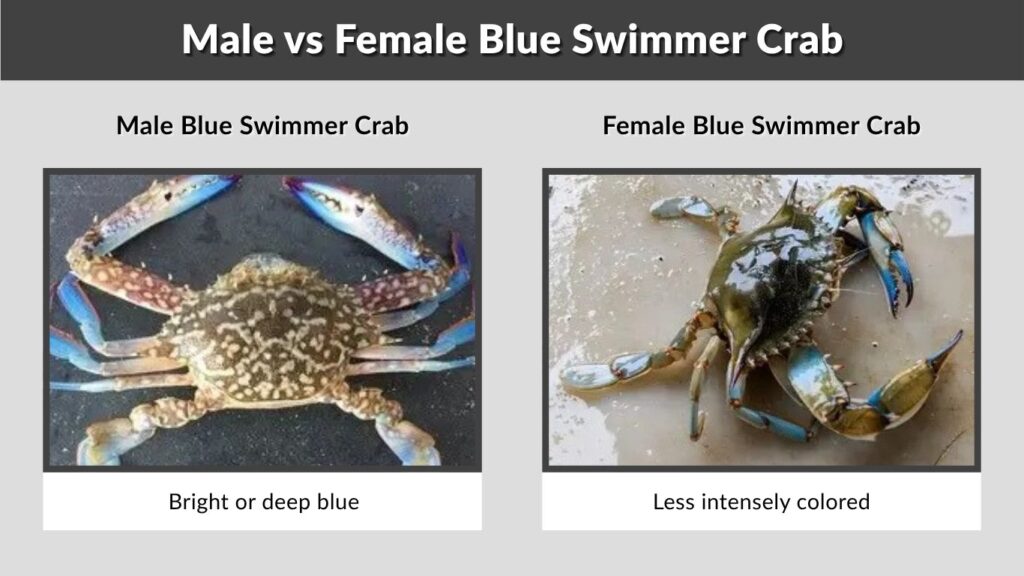
Adult males and females can usually be separated by color and the shape of the abdominal flap underneath the body.
| Feature | Male | Female |
| Main color | Bright or deep blue | Mottled brown or greenish brown |
| Legs and claws | Strong blue coloration | Less intensely colored |
| Adult size | Generally larger | Usually smaller |
| Abdominal flap | Narrow and angular | Broad and rounded |
| Egg carrying | Does not carry eggs | May carry an external egg mass |
The underside is the most dependable clue. A mature male has a narrow, V-shaped abdominal flap, while a mature female has a much wider and rounder flap. A female carrying eggs has a sponge-like mass beneath her abdomen and must be released where regulations protect berried crabs.
Blue Swimmer Crab Size
Blue swimmer crabs can grow much larger than the specimens commonly seen in markets. Large adults may develop a shell wider than 200 mm, a claw span approaching 800 mm, and a weight of up to approximately one kilogram. Their broad shell and extended claws make them look considerably larger than their body weight suggests.
There is no universally recognized record for the largest individual ever captured. Reports of unusually large crabs should be treated cautiously unless the animal was measured and weighed using a documented method.
Where Do Blue Swimmer Crabs Live?
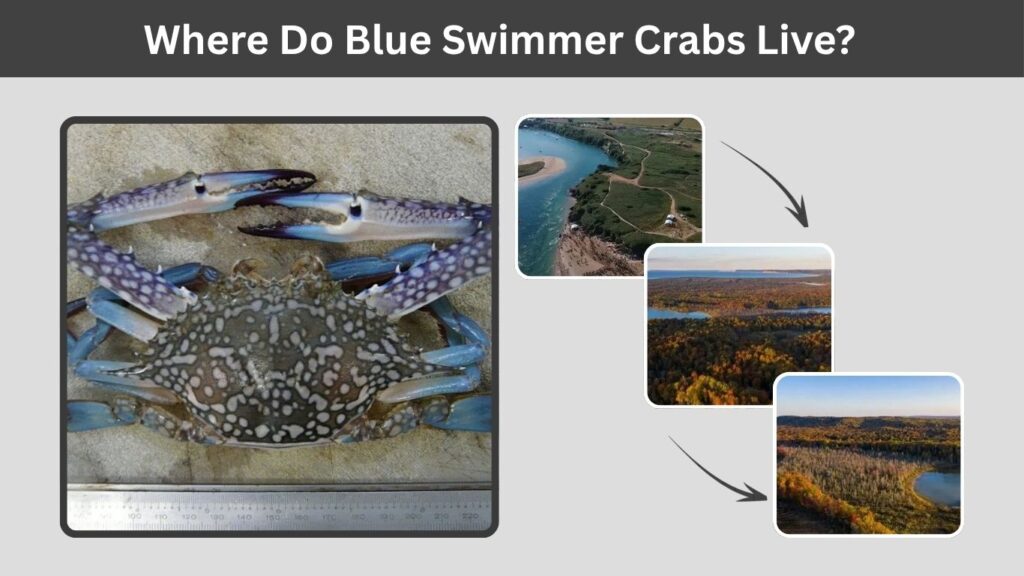
Blue swimmer crabs live around much of Australia’s warmer coastline, particularly in Western Australia, South Australia, Queensland, and New South Wales. Their Australian distribution extends eastward to New Caledonia.
Preferred Habitat
They are commonly found in:
- Coastal bays and embayments
- Estuaries and tidal rivers
- Seagrass meadows
- Sandy or muddy seafloors
- Sheltered marine waters
- Shallow intertidal areas
- Offshore water to depths of at least 50 metres
Adults frequently occupy sandy floors in bays and estuaries. Younger crabs use shallow nursery environments containing seagrass, algae, rubble, and other structures that provide food and protection. During daylight, an individual may bury itself in sand with only its eyes exposed. It often becomes more active after dark.
What Do Blue Swimmer Crabs Eat?
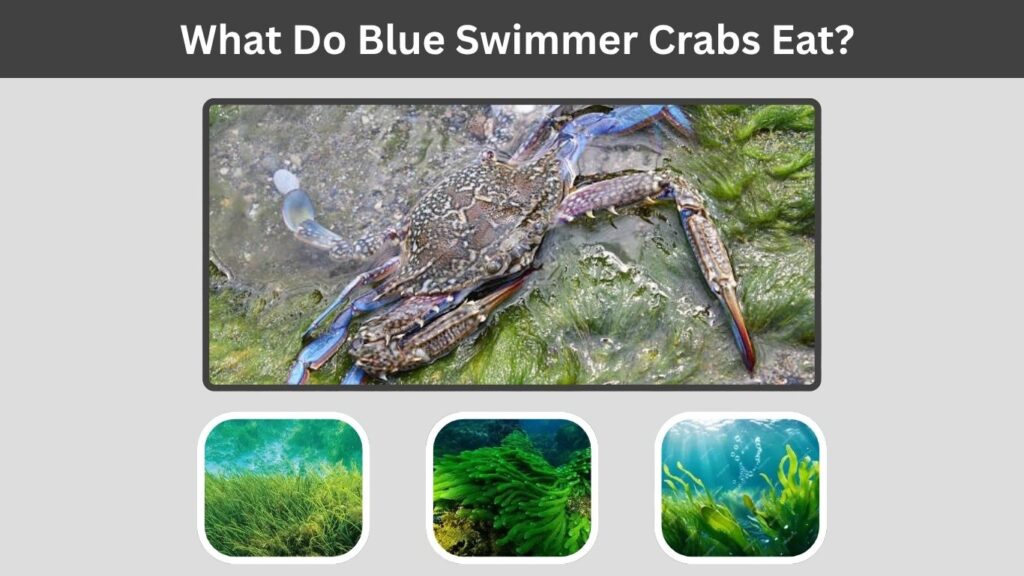
Blue swimmer crabs are opportunistic predators and scavengers. They use their claws to capture living prey but also consume dead animals and organic material when available.
Their diet includes:
- Small fish
- Molluscs
- Marine worms
- Shrimp and small crustaceans
- Other crabs
- Carrion
- Algae
- Seagrass
Cannibalism can occur, especially when vulnerable, recently molted individuals encounter larger crabs. Blue swimmer crabs are themselves eaten by fish, coastal birds, and other crabs.
Blue Swimmer Crab Life Cycle
Female blue swimmer crabs can produce between approximately 100,000 and 500,000 eggs in one spawning and may produce multiple clutches during a breeding season. The eggs remain attached beneath the female’s abdomen, changing from orange to darker colors as the embryos develop.
From Egg to Adult
The main developmental stages are:
- Egg: The female carries the egg mass for roughly 18 days.
- Zoea: Tiny transparent larvae hatch and drift with currents.
- Megalopa: The larva develops a more crab-like body.
- Juvenile: It settles in shallow nursery habitat and begins resembling an adult.
- Adult: The crab moves into feeding and breeding habitats.
The zoea stage lasts about four to six weeks. Larvae may drift as far as 80 kilometres offshore before survivors return to shallower coastal areas. Most larvae are eaten or die before reaching adulthood.
Are Blue Swimmer Crabs Good to Eat?
Yes. Blue swimmer crab meat is known for having a mild, sweet flavor and a soft but slightly firm texture. Most edible meat is found in the claws, legs, and body chambers.
The flavor is generally more delicate than mud crab meat. Blue swimmer crabs are smaller and contain less meat per animal, but many seafood lovers prefer their natural sweetness.
The picked meat works well in:
- Crab cakes
- Pasta and linguine
- Ravioli
- Seafood soup
- Salads
- Sandwiches
- Fried rice
- Chilli crab
- Garlic-butter dishes
Crab is also a useful dietary source of protein and minerals, although recipes containing heavy sauces, butter, or salt may significantly change the nutritional value.
How to Cook Blue Swimmer Crab
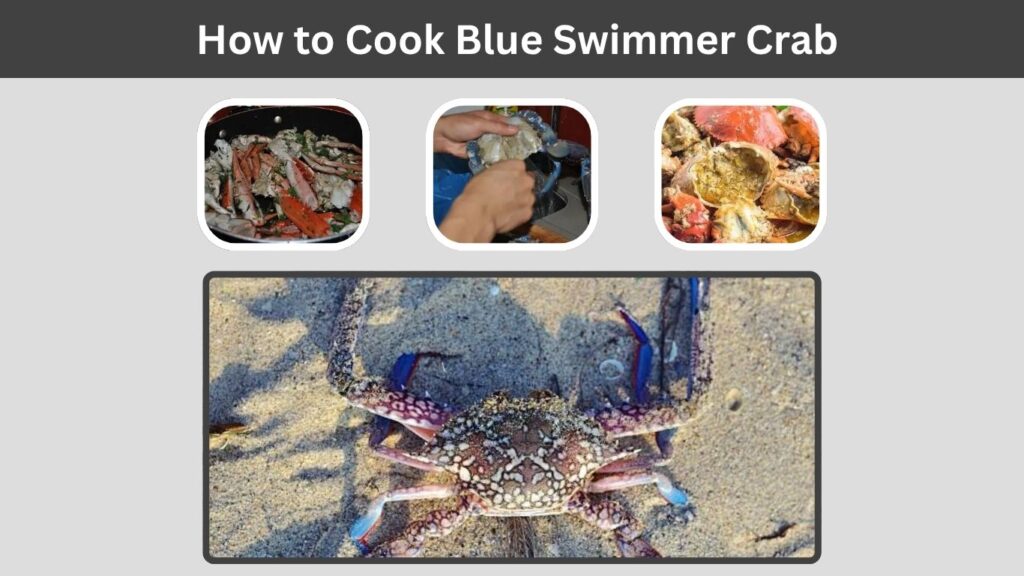
Blue swimmer crabs can be boiled, steamed, barbecued, or cooked directly in a sauce. Keep fresh crab cold and cook it thoroughly; raw or undercooked crab can carry foodborne bacteria. The meat should become pearly and opaque rather than translucent.
Boiling Whole Crabs
Bring a large pot of salted water to a strong boil. Add the prepared crabs without overcrowding the pot. Allow the water to return to a simmer and cook medium whole crabs for approximately eight to ten minutes.
Cooking time varies with crab size, quantity, starting temperature, and whether the crab is whole or divided. Avoid cooking solely by the clock; make sure the shell has changed color and the meat is completely opaque.
Steaming Blue Swimmer Crabs
Place the crab above rapidly boiling water in a covered steamer. Smaller cleaned or divided crabs may cook in about five to six minutes, while large whole crabs may need approximately 10 to 15 minutes. Different recipes use different times because crab size and preparation vary considerably.
Cleaning a Cooked Crab
Once the crab is cool enough to handle:
- Lift the abdominal flap.
- Pull away the upper shell.
- Remove the gills, stomach sac, and internal waste.
- Rinse lightly when necessary.
- Break the body into sections.
- Crack the claws carefully.
- Pick out the white meat.
Avoid leaving cooked crab at room temperature for extended periods. Refrigerate unused meat promptly in a clean, covered container.
Blue Swimmer Crab vs Blue Crab
The Australian blue swimmer crab is not the same species as the Atlantic blue crab commonly found along the eastern coast of North America.
| Feature | Blue Swimmer Crab | Atlantic Blue Crab |
| Scientific name | Portunus armatus | Callinectes sapidus |
| Main range | Australia and nearby waters | Western Atlantic and Gulf of Mexico |
| Shell shape | Broad with long side spines | Broad with sharp lateral spines |
| Swimming legs | Present | Present |
| Common food use | Australian and Asian seafood dishes | American crab boils and crab cakes |
Both belong to the swimming-crab family and possess paddle-shaped rear legs, but they have different natural ranges and biological identities.
Blue Swimmer Crab vs Mud Crab
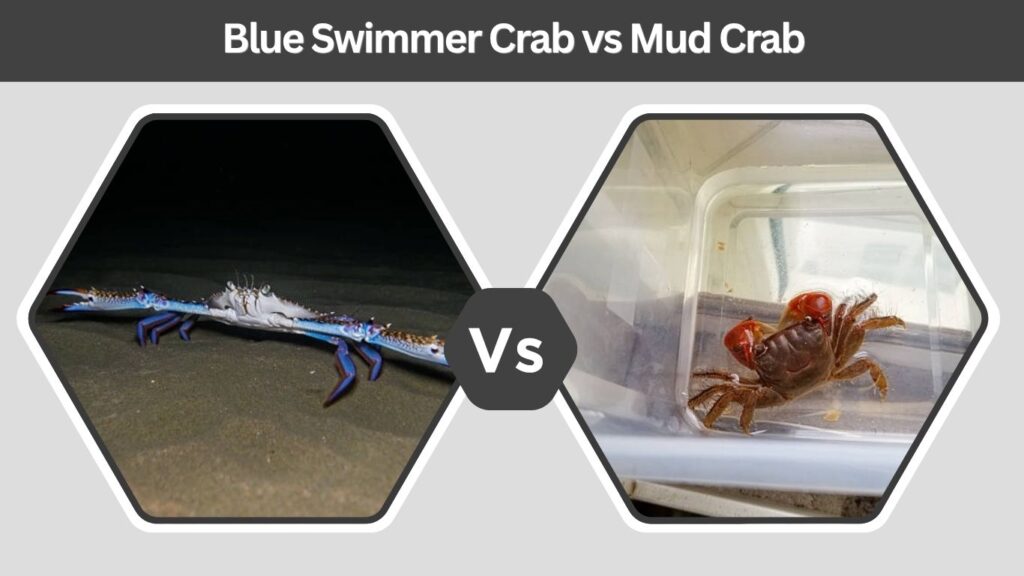
Mud crabs are heavier, thicker-shelled animals with exceptionally powerful claws. Blue swimmers have flatter, lighter bodies and are usually more capable open-water swimmers.
| Feature | Blue Swimmer Crab | Mud Crab |
| Body | Flat and streamlined | Heavy and robust |
| Color | Blue or mottled brown | Greenish brown to dark brown |
| Claws | Long and relatively slender | Thick and powerful |
| Meat | Sweet and delicate | Rich and firm |
| Typical habitat | Bays, estuaries and sandy floors | Mangroves, mudflats and estuaries |
| Swimming ability | Strong | More bottom-oriented |
Blue Swimmer Crab Size Limits and Seasons
Fishing regulations differ among Australian states, regions, and individual waterways, and they can change as stocks are reassessed.
As of July 2026, Western Australia lists a minimum carapace width of 127 mm, with area-specific bag limits and a seasonal closure from September 1 through November 30 in designated Perth and South West waters. South Australia currently lists an 11 cm minimum, with applicable bag and boat limits, and protects all females carrying external eggs.
Measure a crab across the required points on its carapace using a proper crab gauge. Always check the current fisheries rules for the exact location before catching or keeping any crab.
FAQs
How long do blue swimmer crabs live?
They generally live for up to about three years, although some fisheries references give a possible lifespan of three to four years. Growth and survival depend on habitat, food, water temperature, predation, disease, and fishing pressure.
Why are their back legs shaped like paddles?
Their flattened rear legs function like swimming paddles. They allow the crab to propel itself through the water, change direction quickly, escape predators, and pursue prey more effectively than many walking crab species.
What bait catches blue swimmer crabs?
Fish-based bait is commonly used in drop nets and hoop nets. The legal types of bait and fishing equipment vary by location. For example, South Australian rules permit fish-based products in these nets but prohibit meat and poultry bait.
Can you keep a female blue swimmer crab with eggs?
Egg-carrying females are protected in major Australian fisheries and must be returned immediately to the water. They can be recognized by the sponge-like egg mass attached beneath the broad abdominal flap.
What does blue swimmer crab taste like?
Its meat is mildly sweet, delicate, and less heavy than mud crab meat. The claw and body meat work especially well in pasta, crab cakes, ravioli, salads, soups, and lightly seasoned dishes that do not overpower its flavor.