
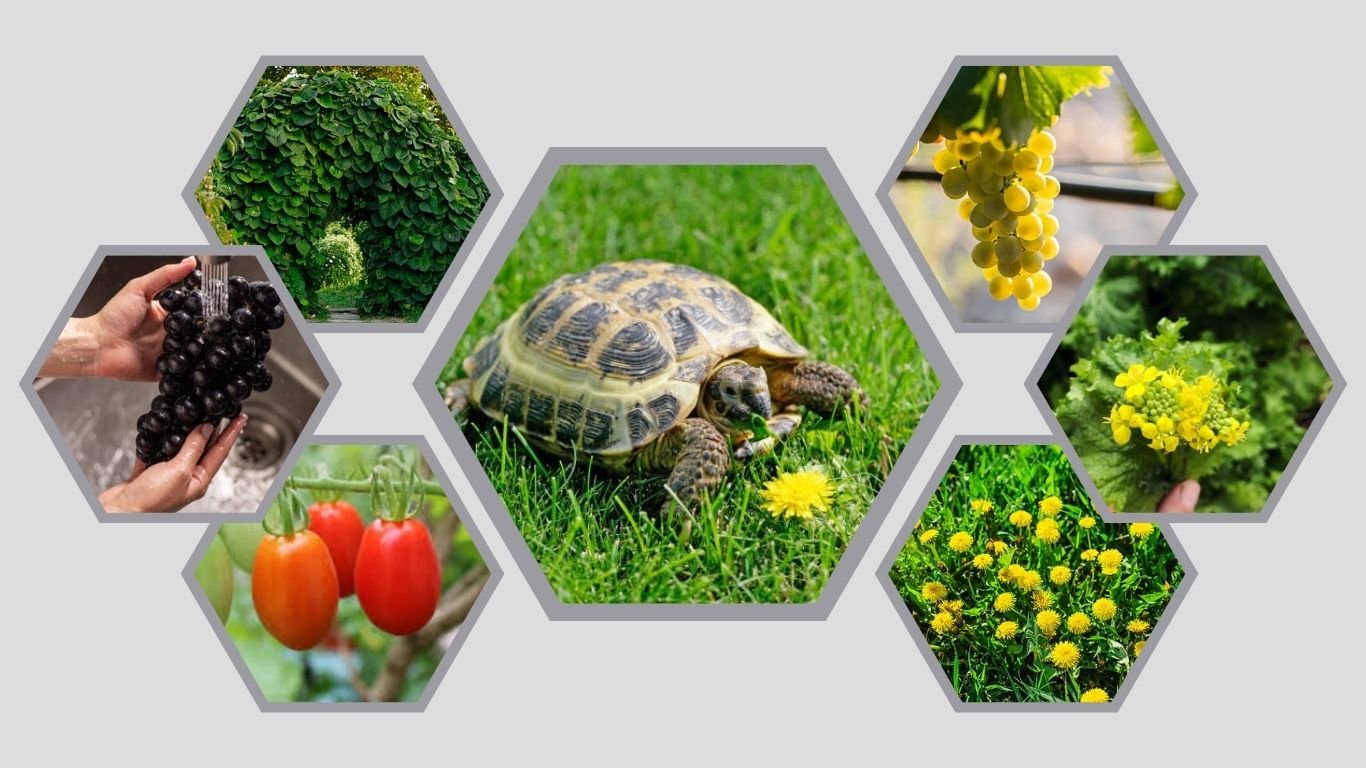
Tortoise owners often wonder if sweet fruits like grapes are safe for their pets. While grapes are not toxic, they contain high levels of natural sugar, which can impact a tortoise’s digestion and overall health if fed too often. Tortoises are primarily herbivores that thrive on fiber-rich greens, so fruits should only play a small role in their diet. This guide explains whether tortoises can eat grapes, how often to feed them, and which species tolerate them best.
Are Grapes Safe for Tortoises?
Grapes are generally safe for tortoises when offered in small amounts, but they are far from ideal as a regular food. Their high sugar content can disrupt the natural digestive balance of tortoises, especially species that are adapted to low-sugar diets. While they can be used as an occasional treat, overfeeding grapes may lead to health issues over time.
Key Safety Points
- Non-toxic and safe in moderation
- Very high in natural sugars
- Low in fiber compared to leafy greens
- Can cause digestive upset if overfed
Nutritional Value of Grapes for Tortoises
Grapes contain some beneficial nutrients, but they do not meet the core dietary needs of most tortoises. They are mostly water and sugar, with only small amounts of vitamins and minerals. Because tortoises require a diet rich in calcium and fiber, grapes should never replace their primary food sources.
What Grapes Contain
- High water content for hydration
- Natural sugars (fructose)
- Small amounts of vitamin C
- Very low calcium levels
Can Tortoises Eat Different Types of Grapes?
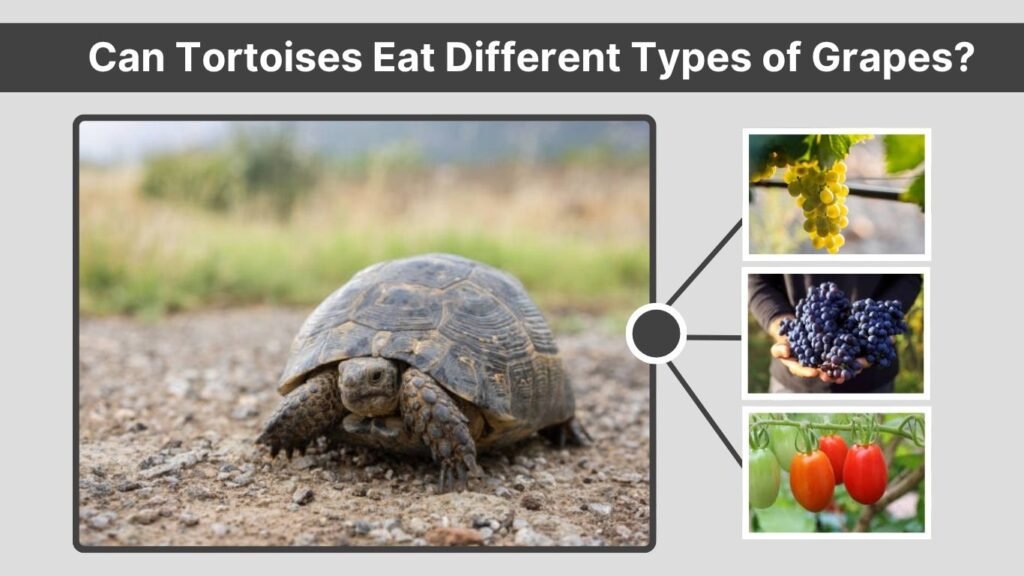
Not all grapes differ significantly in terms of safety, but understanding the variations helps answer common feeding questions. Whether red or green, grapes share similar nutritional properties and should be treated the same way when included in a tortoise’s diet.
Can Tortoises Eat Green Grapes?
Green grapes are safe for tortoises in small amounts. They contain the same high sugar levels as other grapes, so they should only be offered occasionally and in controlled portions.
Can Tortoises Eat Red Grapes?
Red grapes are also safe and contain slightly more antioxidants. However, the difference is minimal, and they still carry the same risks related to sugar content.
Can Tortoises Eat Grape Tomatoes?
Despite the name, grape tomatoes are not grapes. They are a type of tomato and should not be fed frequently due to their acidity and different nutritional profile.
Can Tortoises Eat Grape Leaves and Vine Leaves?
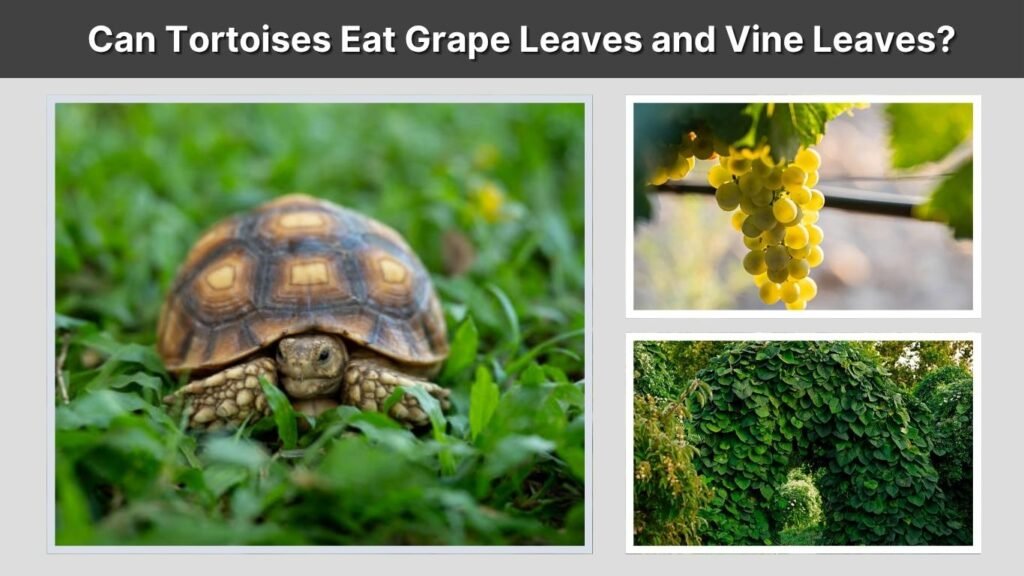
Grape leaves are a much better option compared to the fruit itself. They are lower in sugar and closer to the natural leafy foods tortoises would encounter in the wild. When pesticide-free, they can be a healthy addition to a tortoise’s diet.
Unlike grapes, which should be limited, grape leaves can be included more regularly as part of a varied feeding routine. They provide more fiber and align better with the dietary needs of most tortoise species. However, variety is still important, so they should be mixed with other greens rather than fed alone.
How Often Can Tortoises Eat Grapes?
Feeding frequency plays a major role in keeping your tortoise healthy. Even though grapes are safe, they should only be given occasionally. Tortoises are not adapted to process high-sugar foods regularly, so overfeeding can quickly lead to problems.
Feeding Guidelines
- Offer grapes once every 1–2 weeks
- Keep portions very small
- Mix with leafy greens to balance diet
- Avoid frequent or daily feeding
Can Different Tortoise Species Eat Grapes?
Different tortoise species have different dietary needs, which affects how suitable grapes are for them. While most species can eat grapes safely in small amounts, some tolerate them better than others due to their natural diets. The table below provides a clear comparison.
| Tortoise Species | Can They Eat Grapes? | Feeding Frequency | Notes |
| Red-Footed Tortoise | Yes | Occasionally | More tolerant of fruit in diet |
| Sulcata (African Spurred) | Yes | Very rarely | Needs grass-based, low-sugar diet |
| Russian (Horsefield) | Yes | Rarely | Prefers fibrous greens and weeds |
| Desert Tortoise | Yes | Rarely | Not part of natural diet |
| Hermann’s Tortoise | Yes | Rarely | Needs calcium-rich leafy greens |
| Leopard Tortoise | Yes | Very rarely | Primarily grass and fiber-based diet |
| Greek/Mediterranean | Yes | Rarely | Avoid sugary foods when possible |
Most tortoise species can eat grapes, but only in moderation. Species like red-footed tortoises handle fruit better, while grazing species such as sulcata and leopard tortoises should have grapes very rarely.
Can Baby Tortoises Eat Grapes?
Baby tortoises have more sensitive digestive systems and higher nutritional needs compared to adults. While grapes are not toxic, they are not ideal for young tortoises because of their high sugar content and low nutritional value. Feeding sugary foods too early can affect healthy growth and dietary habits.
Important Considerations
- Only offer in very tiny amounts, if at all
- Avoid regular feeding during growth stages
- Focus on calcium-rich and fiber-heavy foods
- Monitor for any digestive issues after feeding
Benefits and Risks of Feeding Grapes
Grapes can provide some minor benefits, but the risks often outweigh them if not managed carefully. Understanding both sides helps ensure grapes are used correctly as a treat rather than a regular food source.
Benefits
- Provides hydration due to high water content
- Adds variety and enrichment to diet
- Safe when fed in controlled portions
Risks
- High sugar can disrupt digestion
- May cause diarrhea or loose stool
- Can lead to poor dietary balance over time
Better Alternatives to Grapes for Tortoises

Instead of relying on sugary fruits like grapes, it is better to offer foods that align with a tortoise’s natural diet. These alternatives provide essential nutrients and support long-term health without the risks associated with high sugar intake.
Healthier Food Options
- Dandelion greens – rich in calcium and ideal for daily feeding
- Collard greens – excellent for shell and bone strength
- Mustard greens – high in fiber and vitamins
- Hibiscus leaves and flowers – natural and nutritious
- Grass and hay – essential for grazing species
How to Prepare Grapes for Your Tortoise
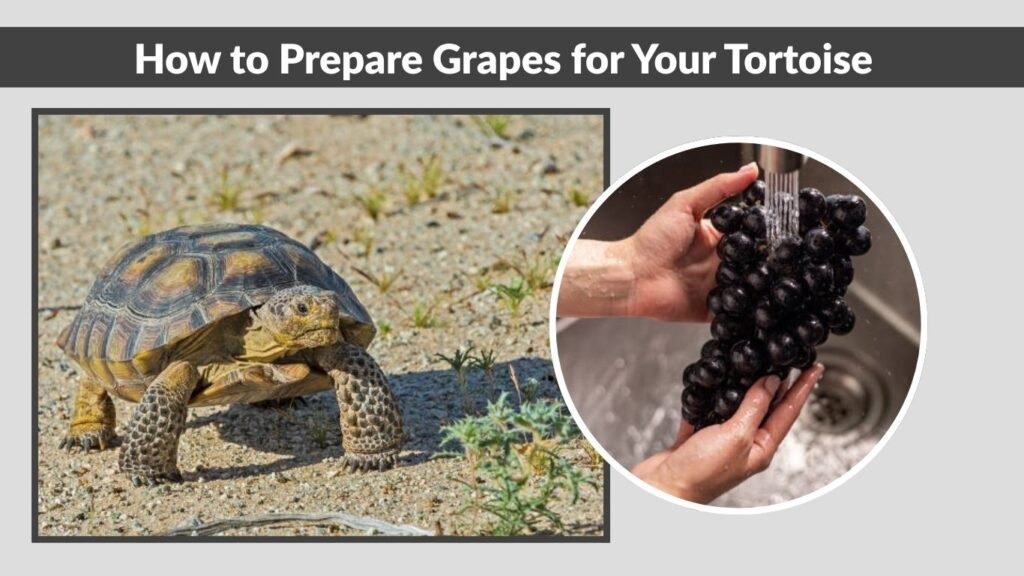
Proper preparation ensures that grapes are safe and easy for your tortoise to eat. Even small mistakes, like feeding large pieces or unwashed fruit, can lead to unnecessary health risks. Taking a few simple steps helps reduce these concerns.
Always wash grapes thoroughly to remove pesticides or dirt before feeding. Cutting them into small, manageable pieces makes them easier to eat and prevents choking. If the grapes contain large seeds, it is best to remove them. Mixing grapes with leafy greens is also recommended to prevent overconsumption and maintain a balanced diet.
Signs You Should Avoid Feeding Grapes
Although grapes are safe in moderation, overfeeding or sensitivity can lead to noticeable problems. Paying attention to your tortoise’s behavior and physical condition helps you identify when grapes should be removed from the diet.
Warning Signs
- Loose or watery stool
- Reduced appetite for staple foods
- Unusual lethargy or low activity
- Signs of digestive discomfort
- Weight gain over time
FAQs
Can tortoises eat grapes every day?
No, tortoises should not eat grapes daily. Grapes are high in sugar and can disrupt digestion if fed too often. They should only be given occasionally as a treat alongside a balanced diet of leafy greens and fiber-rich foods.
Can tortoises eat grape leaves instead of grapes?
Yes, grape leaves are a better option than the fruit. They are lower in sugar and higher in fiber, making them more suitable for regular feeding when clean and pesticide-free.
Can sulcata tortoises eat grapes safely?
Sulcata tortoises can eat grapes, but only very rarely. Their diet should mainly consist of grasses and high-fiber plants, as too much sugar can negatively affect their digestion.
Are green grapes better than red grapes for tortoises?
There is no significant difference between green and red grapes for tortoises. Both types are high in sugar and should be fed in small amounts only.
What happens if a tortoise eats too many grapes?
Eating too many grapes can cause diarrhea, digestive imbalance, and weight gain. Over time, excessive sugar intake may also reduce the tortoise’s interest in healthier, more nutritious foods.