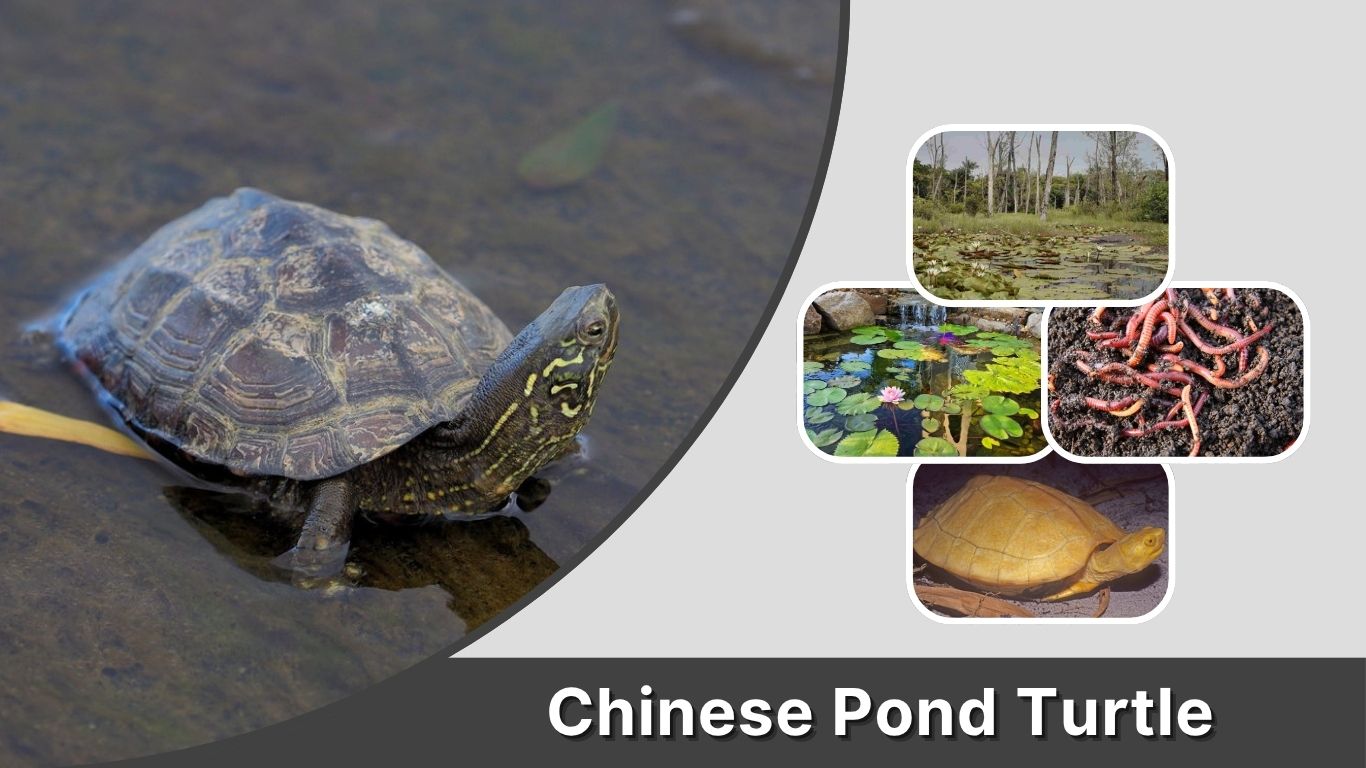
The Chinese pond turtle is a popular freshwater turtle species known for its calm personality, attractive shell patterns, and adaptability in captivity. Native to parts of China and Southeast Asia, these semi-aquatic turtles are commonly kept as pets by reptile enthusiasts around the world. They require proper tank conditions, balanced nutrition, and regular care to remain healthy for many years. Understanding their habitat, diet, size, and behavior helps owners create a safe environment while learning more about one of the most interesting freshwater turtle species.
What Is a Chinese Pond Turtle?
The Chinese pond turtle is a freshwater turtle species that spends much of its life in calm aquatic environments such as ponds, marshes, and slow-moving rivers. Several related species exist, including the Chinese three-keeled pond turtle and the Chinese yellow pond turtle.
Scientific Classification
Chinese pond turtles belong to the Geoemydidae family, a group of turtles widely distributed throughout Asia. Their scientific classification varies depending on the exact species or subspecies being discussed.
Physical Appearance
Most Chinese pond turtles have dark shells with subtle markings and streamlined bodies adapted for swimming. Some species feature ridges or keels running along the shell, especially the Chinese three-keeled pond turtle.
Interesting Facts About Chinese Pond Turtles
These turtles have several unique characteristics that make them popular among turtle keepers.
- They are semi-aquatic reptiles.
- Many species are excellent swimmers.
- Some turtles can recognize feeding routines.
- They may live for several decades in captivity.
Chinese Pond Turtle Habitat and Natural Range
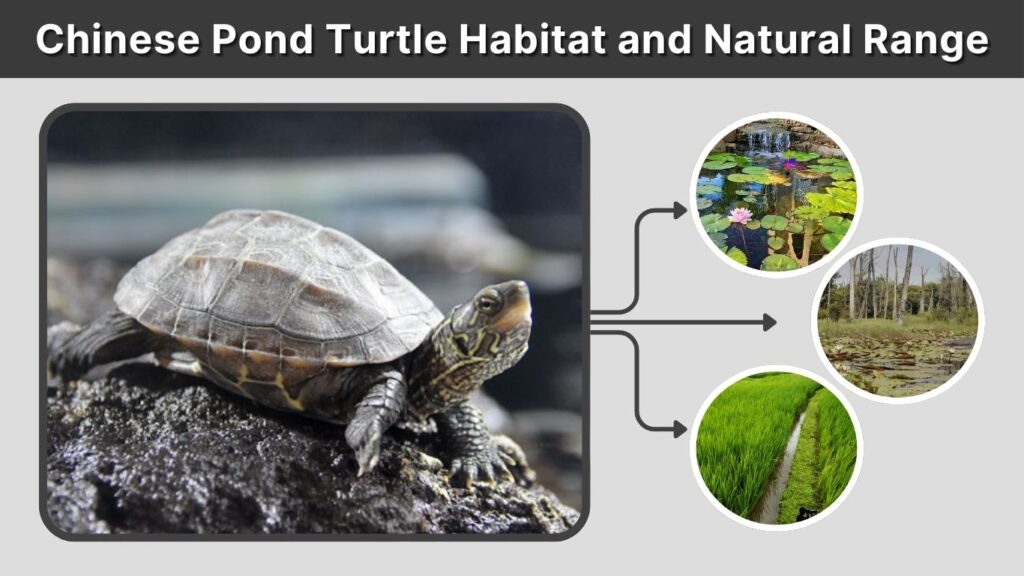
Chinese pond turtles naturally inhabit freshwater ecosystems with slow currents and abundant vegetation. They prefer warm environments where they can easily move between water and land for basking.
Natural Habitat
Wild Chinese pond turtles are commonly found in ponds, swamps, rice fields, marshes, and forest streams. Soft muddy bottoms and aquatic plants provide protection from predators and ideal feeding conditions.
Geographic Distribution
Most species are native to China, Taiwan, and nearby Southeast Asian regions. Some populations have also appeared in non-native areas because of the international pet trade.
Environmental Conditions They Need
Healthy habitats usually contain several important environmental features.
- Clean freshwater
- Warm basking areas
- UVB exposure
- Aquatic vegetation
- Stable water temperatures
Poor water quality and habitat destruction threaten many wild turtle populations throughout Asia.
How Big Do Chinese Pond Turtles Get?
The size of a Chinese pond turtle depends on species, gender, diet, and environmental conditions. Females are often larger than males in many pond turtle species.
Average Size and Weight
Most adult Chinese pond turtles grow between 5 and 10 inches in shell length. Their weight varies greatly depending on species and age, though healthy adults can weigh several pounds.
Growth and Development
Young turtles grow rapidly during their early years when provided with proper temperatures and high-quality nutrition. Hatchlings are much smaller and require additional care because of their fragile shells and developing immune systems.
Factors That Affect Growth
Several factors influence overall turtle growth and shell development.
- Nutritional quality
- Water temperature
- Lighting conditions
- Tank space
- Overall health
Captive turtles often grow larger than wild individuals because they receive regular feeding and protection from predators.
What Do Chinese Pond Turtles Eat?
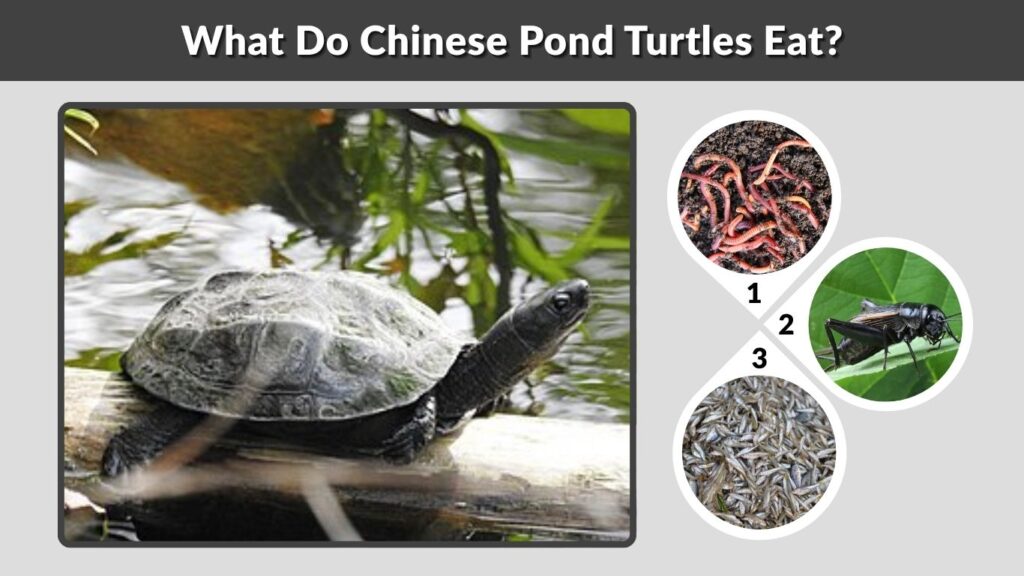
Chinese pond turtles are generally omnivorous, meaning they consume both animal protein and plant matter. Their diet changes slightly as they age, with younger turtles usually preferring more protein-rich foods.
Chinese Pond Turtle Diet
In natural environments, these turtles feed on insects, worms, snails, fish, aquatic plants, and small invertebrates. They actively forage underwater and may also scavenge for available food.
Best Foods for Chinese Pond Turtles
Captive turtles need a balanced diet that supports healthy shell growth and proper nutrition.
- Commercial turtle pellets
- Earthworms
- Crickets
- Small feeder fish
- Leafy greens
Providing calcium-rich foods and supplements helps prevent shell deformities and bone problems.
Feeding Baby Chinese Pond Turtles
Baby Chinese pond turtles require more frequent feeding schedules than adults. Hatchlings benefit from protein-rich diets combined with calcium supplementation to support rapid growth and healthy shell formation.
Chinese Pond Turtle Care Guide
Chinese pond turtles can thrive in captivity when owners provide proper tank conditions and consistent care routines. A clean and spacious habitat is essential for maintaining good health and reducing stress.
Is the Chinese Pond Turtle a Good Pet?
These turtles are often considered suitable for intermediate reptile keepers because they require long-term care and specialized aquatic setups. While they are generally calm, they still need proper handling and environmental management.
Chinese Pond Turtle Tank Setup
A proper turtle tank should include both aquatic and dry basking areas. Strong filtration systems help maintain clean water, while UVB lighting supports shell and bone development. Large tanks are recommended because these turtles are active swimmers.
Temperature and Lighting Requirements
Chinese pond turtles require warm basking spots and stable water temperatures to stay healthy. UVB lighting is especially important because it helps turtles process calcium and maintain strong shells.
Chinese Pond Turtle Lifespan
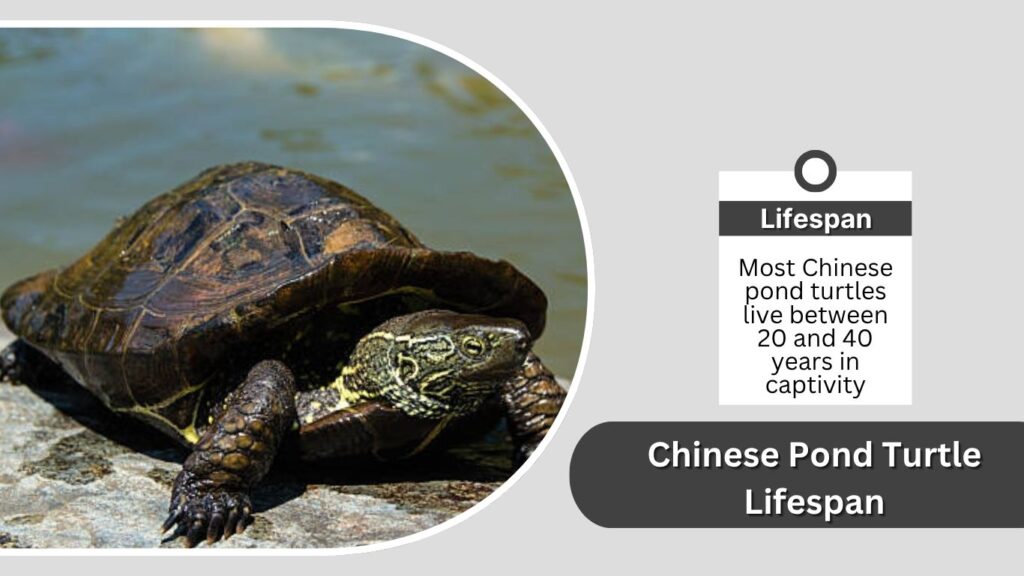
Chinese pond turtles are long-lived reptiles that can survive for decades when provided with proper nutrition, clean water, and suitable living conditions. Their lifespan depends heavily on habitat quality and overall health care.
How Long Do Chinese Pond Turtles Live?
Most Chinese pond turtles live between 20 and 40 years in captivity. Some individuals may live even longer when they receive balanced diets, regular veterinary care, and stable environmental conditions throughout their lives.
Factors That Affect Lifespan
Several important factors influence how long these turtles remain healthy.
- Water cleanliness
- Proper UVB lighting
- Balanced nutrition
- Temperature stability
- Disease prevention
Neglecting any of these conditions may lead to shell problems, infections, and reduced lifespan.
Chinese Pond Turtle Male vs Female
Distinguishing male and female Chinese pond turtles becomes easier as they mature. Physical differences usually become noticeable once the turtles reach adulthood.
Tail and Body Differences
Male turtles typically have longer and thicker tails than females. Females often develop larger bodies and wider shells, especially during breeding age.
Shell Shape and Claws
In some species, males may have slightly longer front claws and flatter undersides of the shell. These features help during mating behavior in adulthood.
Chinese Three-Keeled Pond Turtle
The Chinese three-keeled pond turtle is a well-known variation recognized for the three ridges running along its shell. This turtle is popular among reptile enthusiasts because of its distinctive appearance and manageable size.
Appearance and Characteristics
The shell contains three visible keels that give the species its common name. Most individuals display brown or dark olive coloration with lighter markings around the face and neck.
Diet and Habitat Needs
Chinese three-keeled pond turtles require conditions similar to other freshwater turtles. They thrive in clean aquatic habitats with basking areas, warm temperatures, and varied diets containing both protein and plant material.
Chinese Yellow Pond Turtle
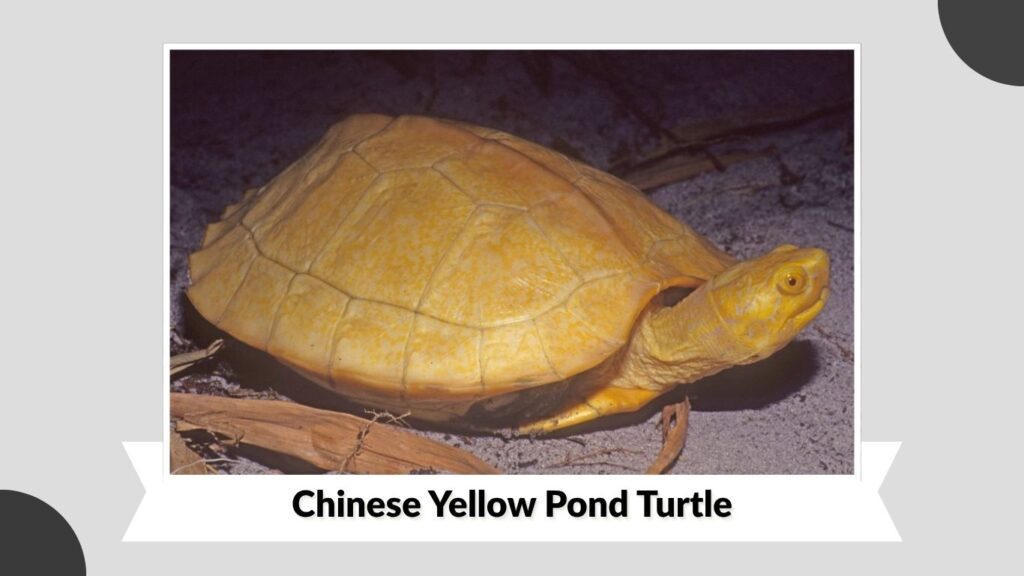
The Chinese yellow pond turtle is another freshwater species valued for its attractive coloration and calm behavior. Many turtle keepers appreciate its relatively peaceful personality in captivity.
Care Requirements
These turtles need warm aquatic environments with strong filtration and UVB lighting. Balanced diets help maintain shell color and overall health throughout their lifespan.
Personality and Behavior
Chinese yellow pond turtles are generally shy but can become more active once they adjust to their surroundings. Some individuals eventually recognize feeding routines and become comfortable around owners.
Chinese Pond Turtle Price and Buying Guide
The cost of a Chinese pond turtle depends on species rarity, age, size, and breeder reputation. Rare species often cost significantly more than common captive-bred turtles.
Average Price Range
Baby turtles are usually less expensive than mature adults. Prices may vary widely depending on location, legality, and turtle availability in the reptile trade.
Where to Buy Chinese Pond Turtles
Potential owners should purchase turtles only from reputable breeders or licensed reptile dealers. Captive-bred turtles are generally healthier and better adapted to captivity than wild-caught specimens.
Legal Considerations
Some species may have import restrictions or conservation protections depending on local wildlife laws. Buyers should always research legal requirements before purchasing or transporting turtles internationally.
Common Health Problems
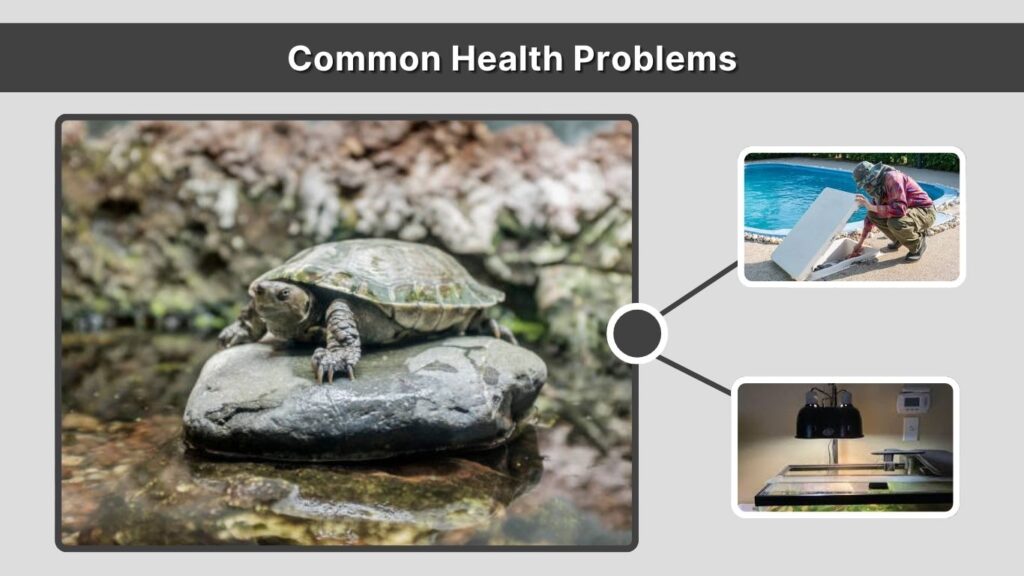
Chinese pond turtles may develop health issues if their environment is poorly maintained. Early detection and proper care are important for preventing serious illnesses.
Signs of Illness
Common warning signs include swollen eyes, shell discoloration, lack of appetite, breathing problems, and unusual swimming behavior. Sick turtles often become inactive and avoid basking areas.
Preventive Care
Owners can reduce health risks through proper maintenance and routine care.
- Maintain clean water conditions
- Provide UVB lighting daily
- Feed balanced diets
- Monitor water temperatures
- Schedule reptile veterinary checkups
Consistent care significantly improves overall health and lifespan in captive turtles.
FAQs
Can Chinese pond turtles live with other turtles?
Chinese pond turtles can sometimes live with other turtles if the enclosure is large enough and all turtles have similar care requirements. However, aggression and competition for food or basking spots may occur, so owners should monitor their behavior carefully.
What is a Chinese three-keeled pond turtle?
The Chinese three-keeled pond turtle is a freshwater turtle species recognized by the three ridges running along its shell. It is popular in the pet trade because of its unique appearance, manageable size, and semi-aquatic lifestyle.
How often should you feed a Chinese pond turtle?
Young Chinese pond turtles should usually be fed daily, while adults can be fed every other day. Feeding schedules depend on the turtle’s age, size, and activity level. Overfeeding should be avoided to prevent obesity and shell problems.
Do Chinese pond turtles need a basking area?
Yes, Chinese pond turtles require a dry basking area where they can rest under heat and UVB lighting. Basking helps regulate body temperature, supports shell health, and reduces the risk of infections caused by excessive moisture.
Are Chinese pond turtles endangered?
Some Chinese pond turtle species face population declines because of habitat destruction, pollution, and illegal wildlife trade. Conservation programs and captive breeding efforts help protect certain species and reduce pressure on wild populations.