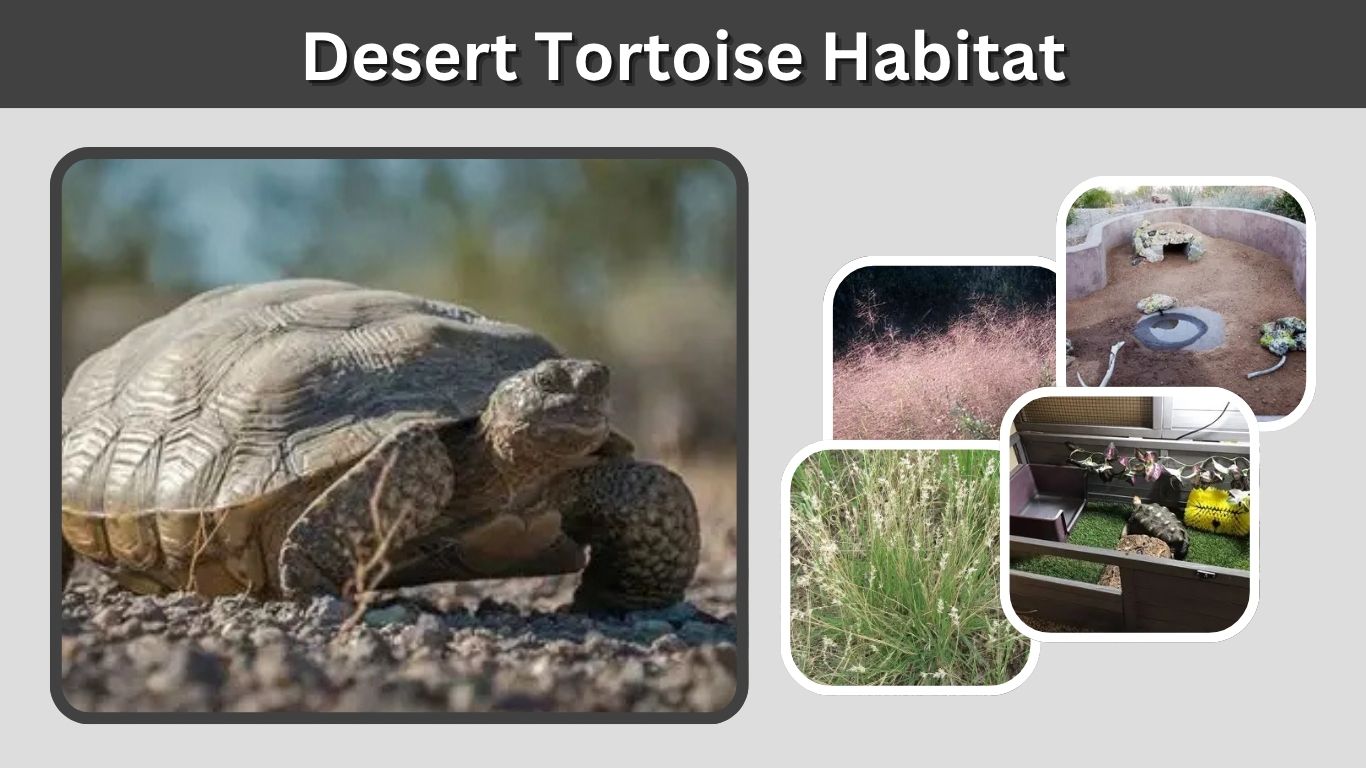
The desert tortoise habitat may appear dry and simple, but it contains a carefully balanced combination of soil, shelter, vegetation, sunlight and seasonal rainfall. Wild tortoises occupy sandy valleys, rocky foothills, washes and mountain slopes across the southwestern United States. Captive tortoises need an outdoor habitat that recreates these essential conditions. This guide covers their natural range, habitat preferences, backyard setup, safe plants, burrow requirements and major environmental threats.
What Is a Desert Tortoise Habitat?
A desert tortoise habitat is an arid landscape containing suitable soil, edible vegetation and dependable shelter from extreme temperatures. Tortoises spend much of their lives underground, emerging when conditions allow them to feed, drink, reproduce or move between shelters.
Mojave desert tortoises live in habitats ranging from sandy flats to rocky foothills, including alluvial fans, washes and canyons. Sonoran desert tortoises are more strongly associated with rocky slopes, mountain foothills and the drainage washes below them.
Essential habitat features include:
- Loose but stable soil for digging
- Burrows, rock shelters or shaded retreats
- Native grasses, herbs and wildflowers
- Open areas for basking
- Shrubs offering shade and protection
- Well-drained ground
- Seasonal access to rainwater
- Safe movement between feeding and shelter areas
Where Do Desert Tortoises Live?
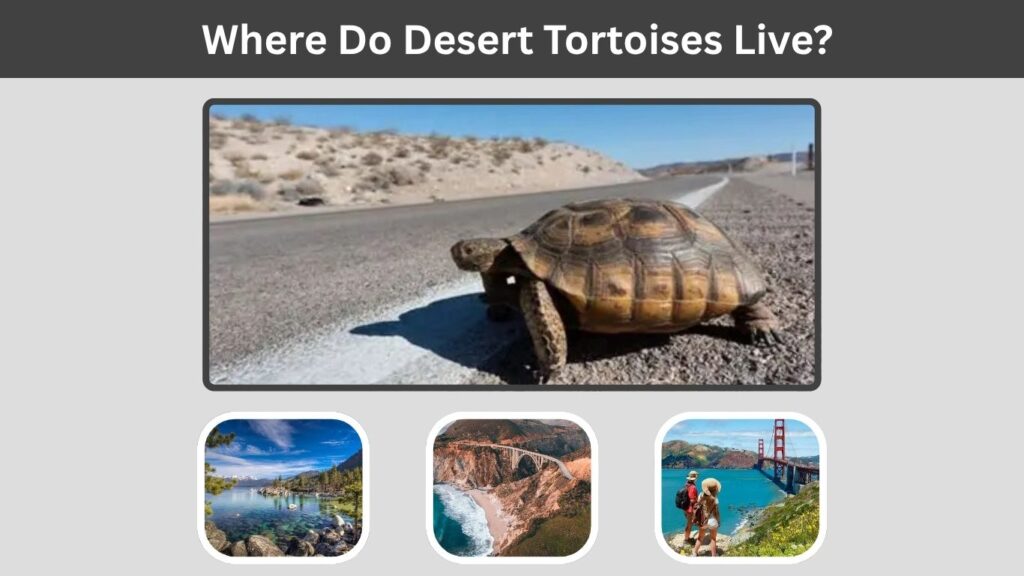
North American desert tortoises occur in the deserts of the southwestern United States and northwestern Mexico. However, the term “desert tortoise” commonly refers to two species with somewhat different habitat preferences.
Mojave Desert Tortoise Habitat
The Mojave desert tortoise, Gopherus agassizii, occurs north and west of the Colorado River in parts of California, Nevada, Utah and Arizona. Its habitat includes desert valleys, creosote-bush scrub, sandy plains, gravelly slopes, washes and rocky canyon edges.
Mojave tortoises are often found at elevations of approximately 1,000 to 4,000 feet. Creosote-bush communities are particularly useful because widely spaced shrubs allow grasses and spring wildflowers to grow between them.
Sonoran Desert Tortoise Habitat
The Sonoran desert tortoise, Gopherus morafkai, generally favors steeper, rockier terrain. It commonly inhabits mountain slopes, bajadas and incised washes where rocks create secure shelter sites.
Sonoran tortoises frequently use rock-fortified shelters rather than relying entirely on long soil burrows. They may also rest beneath shrubs, in shallow depressions or around abandoned woodrat middens. The availability of safe shelter strongly influences where these tortoises can survive.
| Habitat feature | Mojave tortoise | Sonoran tortoise |
| Typical terrain | Valleys, flats and foothills | Rocky slopes and bajadas |
| Common shelters | Long soil burrows | Rock shelters and shorter burrows |
| Vegetation | Creosote scrub, grasses and annuals | Desert shrubs, grasses and succulents |
| Activity pattern | Mainly spring and after rain | Often active during summer monsoons |
| Important water source | Seasonal rain and puddles | Monsoon rain and shallow pools |
How Do Tortoises Survive Their Desert Habitat?
Desert tortoises survive extreme conditions primarily by avoiding them. Rather than remaining above ground during the hottest or coldest periods, they retreat into insulated shelters.
Burrow Use
Mojave desert tortoises may spend about 95% of their lives inside burrows. These shelters reduce exposure to heat, freezing temperatures, predators and moisture loss. Mojave tortoises are most visible during spring and may emerge again following summer rain.
Sonoran tortoises also spend extended periods in shelters. Many become particularly active during the July-to-September monsoon season, when rainfall triggers new plant growth and creates opportunities to drink.
Soil and Drainage
Suitable soil must be firm enough to support a shelter but soft enough for digging. Sandy loam, gravelly soil and naturally compacted desert earth are generally more appropriate than deep, loose sand.
Drainage is especially important. Burrows should occupy high, dry ground because collected rainwater can flood the shelter. Captive burrows should remain completely dry during storms and contain sufficient soil around them for insulation.
How to Build a Backyard Desert Tortoise Habitat
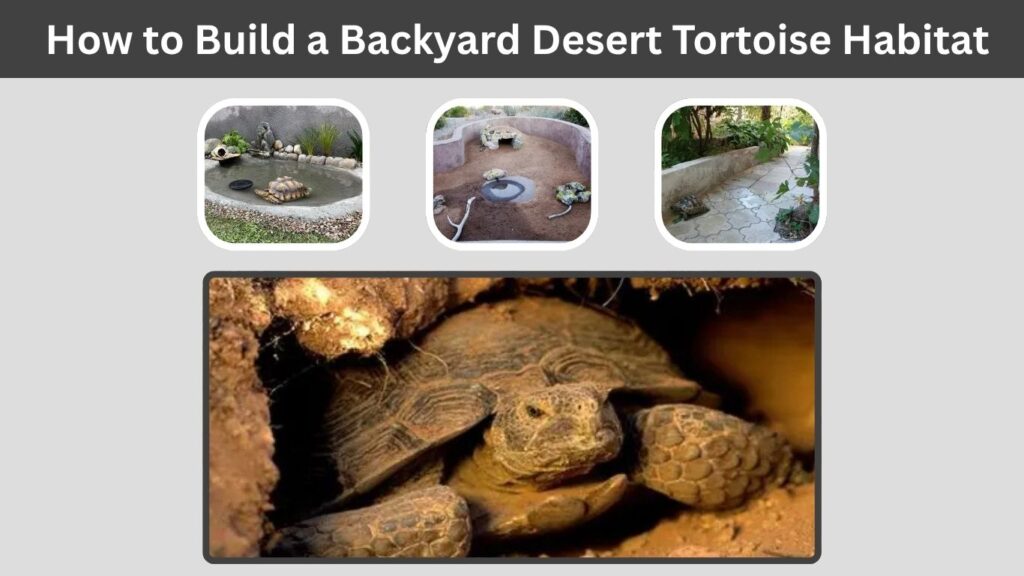
A backyard habitat should function as a small desert ecosystem rather than a bare pen. It must offer enough space for walking, grazing, digging, basking and choosing between warmer and cooler locations.
Select an Outdoor Location
Choose an area with morning sunlight, afternoon shade and naturally well-drained soil. Avoid low ground where irrigation or stormwater accumulates.
Arizona’s current adoption guidance specifies minimum enclosures of 324 square feet for an adult, 64 square feet for a juvenile and 16 square feet for a hatchling. Hatchling habitats also require a predator-resistant top. Requirements may differ elsewhere, so owners should check their state wildlife agency’s rules.
Secure the Perimeter
Use a solid wall at least 24 inches tall, with approximately 6 to 8 inches extending below ground to discourage digging escapes. Block access to swimming pools, ponds and fire pits, and prevent unsupervised contact with dogs.
Avoid transparent fencing along the lower perimeter. A tortoise that sees through a barrier may repeatedly pace or attempt to push through it.
Create Different Habitat Zones
A practical outdoor habitat should contain:
- An open morning basking area
- A shaded afternoon retreat
- A dry, insulated burrow
- Established grazing plants
- Low shrubs for cover
- Clear walking paths
- A shallow water basin
- Slight mounds and varied terrain
Keep rocks, logs and other climbable objects away from enclosure walls. All decorative rocks should be stable enough that the tortoise cannot undermine or overturn them.
Building a Desert Tortoise Burrow
Place the burrow on raised ground above the flood line. A north- or northeast-facing entrance can help keep the shelter cooler during summer.
Cover the top, bottom and sides with at least eight inches of soil for insulation. Arizona guidance identifies approximately 68–85°F as an appropriate summer burrow range and recommends keeping the shelter below 90°F. Winter shelter temperatures are listed at approximately 50–68°F.
The entrance should be slightly wider than the tortoise. It should feel secure without becoming so narrow that the animal can become trapped.
Best Plants for a Desert Tortoise Habitat
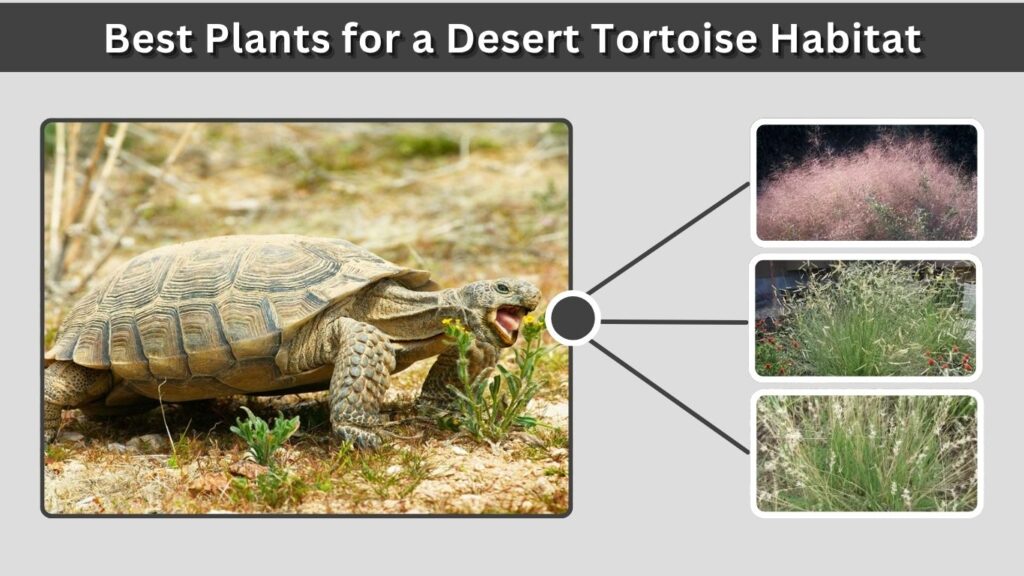
Plants provide food, shade, cover and opportunities for natural grazing. Native plants are usually the best choices because they are adapted to local heat and rainfall patterns.
Safe Habitat Plants
Suitable options include:
- Arizona cottontop
- Blue grama
- Bush muhly
- Curly mesquite
- Deer grass
- Sideoats grama
- Globe mallow
- Desert senna
- Evening primrose
- Woolly plantain
- Fairy duster
- Desert willow
- Creosote bush
- Native hibiscus species
Grasses are particularly important for adult tortoises, while leafy plants and flowers help provide variety. Plant enough fast-growing species to withstand frequent browsing, and protect new plants until their roots are established.
Cacti can injure a captive tortoise that repeatedly bumps into their spines. A safer approach is to grow cactus outside the enclosure and occasionally offer properly prepared flowers, pads or seasonal fruit. Never apply pesticides or herbicides where tortoises graze.
Can Desert Tortoises Live Indoors?
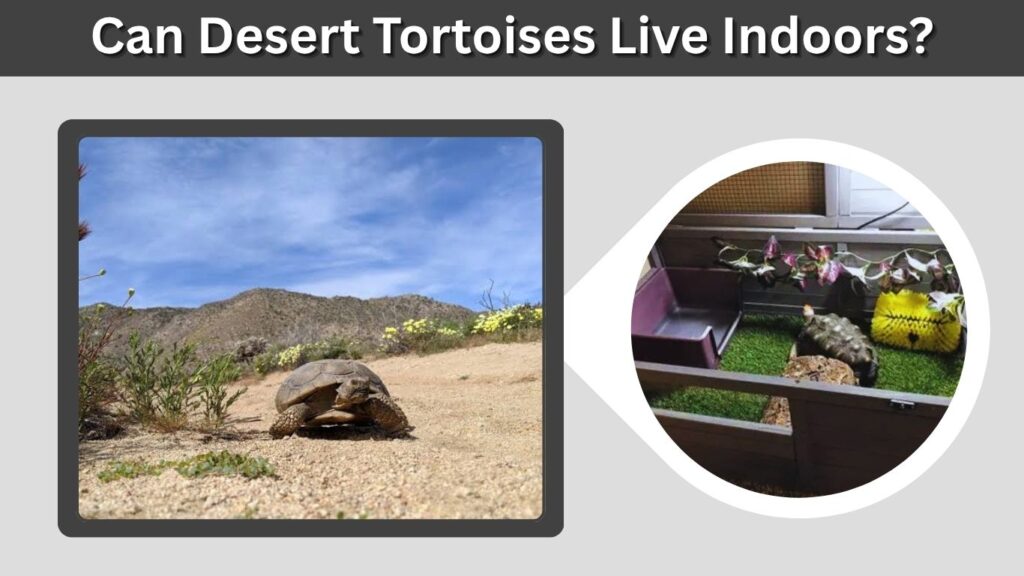
A permanent indoor habitat cannot easily reproduce the space, natural sunlight, seasonal temperatures, vegetation and digging opportunities available outdoors. Indoor housing is therefore better reserved for temporary veterinary care, emergencies or circumstances directed by an experienced reptile veterinarian.
A temporary indoor habitat requires a large opaque-sided tortoise table, regulated heat, reptile-appropriate UVB lighting, a hide, a temperature gradient and safe naturalistic substrate. Glass aquariums are usually too small and may overheat when exposed to sunlight.
Threats to Natural Desert Tortoise Habitat
The Mojave desert tortoise faces habitat loss, degradation and fragmentation caused by development. Roads, disease, invasive vegetation, wildfire and predation on eggs and hatchlings create additional pressure.
Fragmentation separates formerly connected populations and restricts movement between feeding, breeding and shelter areas. USGS research emphasizes that maintaining large connected habitat networks is important for population resilience and long-term gene flow.
Off-road vehicles can crush vegetation, collapse burrows and kill hidden tortoises or eggs. Road traffic also causes direct mortality when tortoises travel across highways, particularly after rainfall.
FAQs
What is the natural habitat of a desert tortoise?
Desert tortoises inhabit arid valleys, washes, foothills, alluvial fans and rocky mountain slopes. Their exact preferences vary by species, but all require suitable shelter, edible vegetation, well-drained soil and seasonal access to water.
What size habitat does an adult desert tortoise need?
Arizona adoption guidance currently requires at least 324 square feet for an adult captive desert tortoise. A larger habitat is preferable because it provides more grazing space, exercise and temperature choices. Local requirements should always be checked.
What temperature should a desert tortoise habitat be?
Outdoor habitats need both sunny and shaded areas so the tortoise can regulate its body temperature. The insulated burrow should remain below 90°F, including during extreme summer heat.
Does a desert tortoise habitat need water?
Yes. Desert tortoises obtain moisture from food and seasonal rainfall, but captive animals should have access to a shallow, safe water basin. The dish must allow easy entry and exit without creating a drowning risk.
Can I take a wild desert tortoise home?
Wild desert tortoises should not be collected or relocated as pets. Captive animals must also never be released because they may transmit disease to wild populations. Contact the appropriate state wildlife agency about legal adoption or an injured tortoise.