
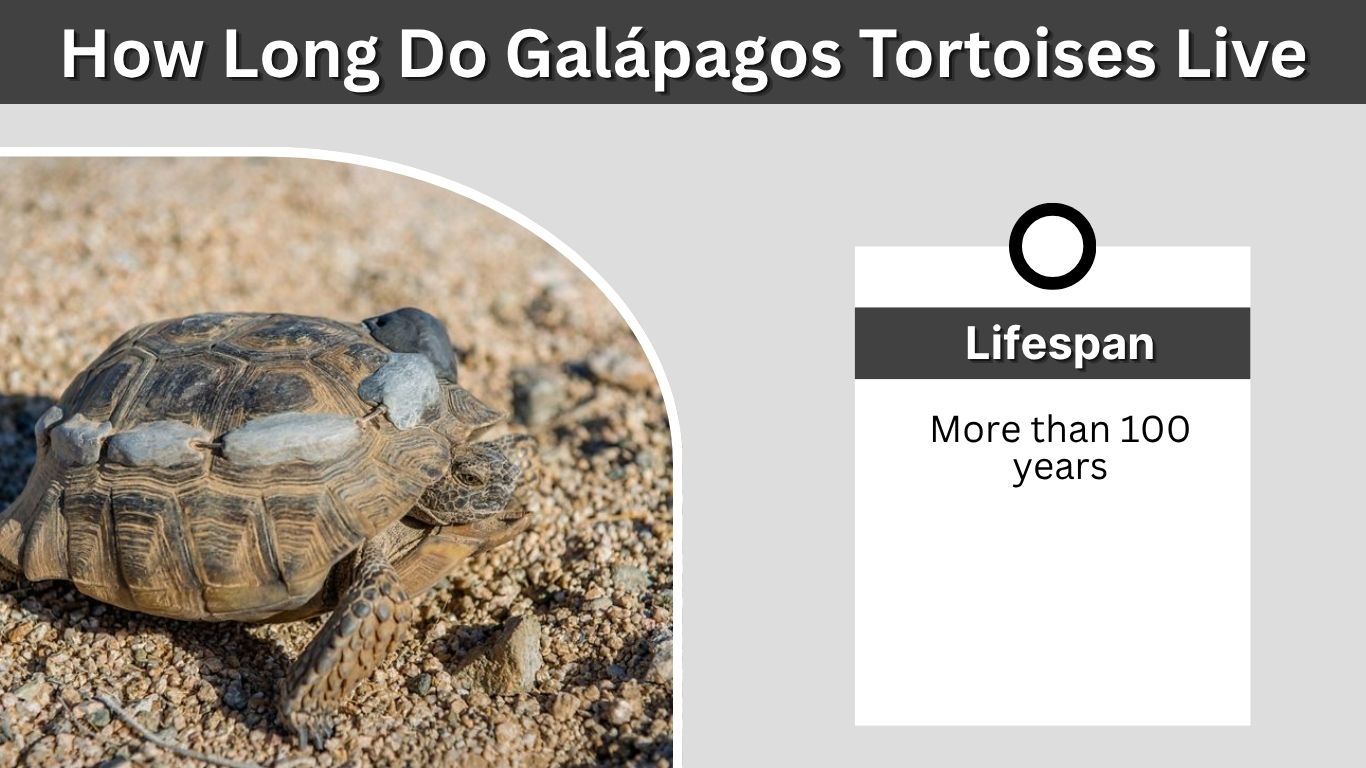
Galápagos tortoises commonly live for more than 100 years, making them some of the longest-lived vertebrates on Earth. Many individuals are believed to reach between 100 and 150 years, while exceptional tortoises in protected human care have survived for approximately 170 years or longer. However, an exact average is difficult to calculate because the birth dates of wild tortoises are rarely known. Their slow growth, late maturity, durable bodies and unusual genetic adaptations all contribute to their remarkable longevity.
Average Galápagos Tortoise Lifespan
The most reliable general answer is that a healthy Galápagos giant tortoise can live for well over a century. Galápagos Conservancy reports that these animals can exceed 100 years, while the San Diego Zoo has cared for individuals that were already more than 100 years old.
| Galápagos tortoise group | Estimated lifespan |
| Typical healthy individual | More than 100 years |
| Frequently reported potential range | Around 100–150 years |
| Exceptionally long-lived individuals | About 170 years or more |
| Young tortoises | Survival is lowest during early life |
These figures should be viewed as estimates rather than strict limits. Some tortoises may die much earlier because of disease, drought, accidents, habitat problems or introduced predators. Others living under favorable conditions may survive far beyond a century.
How Long Do Galápagos Tortoises Live in the Wild?
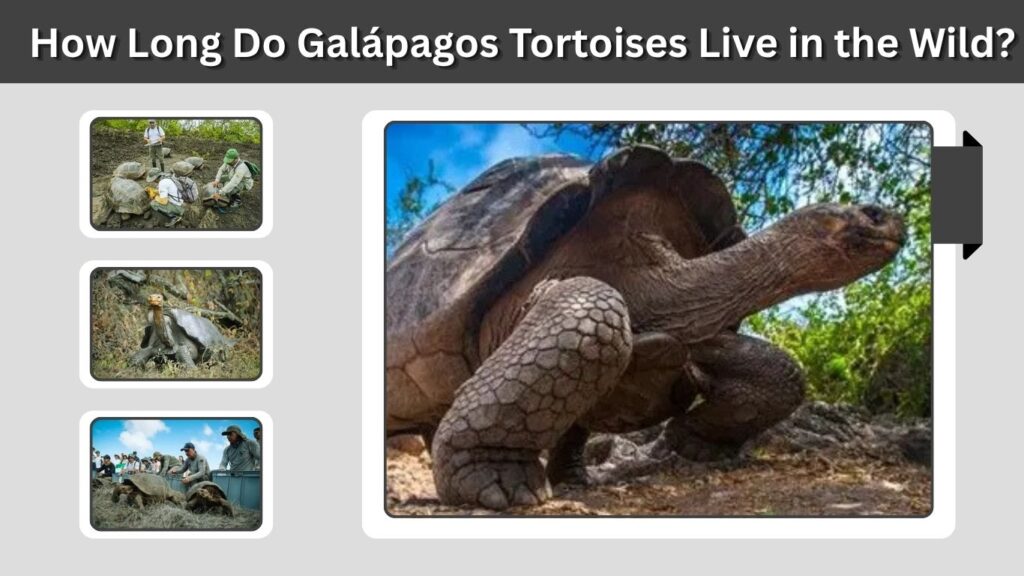
Wild Galápagos tortoises can live for more than 100 years, provided they survive the vulnerable egg, hatchling and juvenile stages. Once they become large adults, they face relatively few natural predators. However, introduced animals such as rats, pigs, dogs and cats can attack eggs or young tortoises.
Adult survival may also be affected by:
- Extended drought and food shortages
- Volcanic activity and other natural hazards
- Habitat degradation
- Vehicle collisions
- Disease
- Invasive plants and animals
- Past hunting and collection by people
Wild tortoises do not necessarily die from old age. Accidents, environmental pressures and human-related threats can prevent them from reaching their maximum biological lifespan.
Why wild lifespans are difficult to measure
Scientists rarely know the exact hatching year of an old wild tortoise. An individual may already have been several decades old when researchers first marked or recorded it. Consequently, age estimates are often based on historical records, body size, previous observations and known arrival dates at conservation centers.
Shell appearance cannot provide a precise birthday. Growth patterns become less distinct with age and may be affected by nutrition and environmental conditions. A very large tortoise is clearly mature, but researchers cannot determine whether it is 90, 120 or 150 years old from size alone.
How Long Do Galápagos Tortoises Live in Captivity?
Galápagos tortoises living in accredited zoos and conservation centers frequently survive for more than 100 years. Reliable food, veterinary attention and protection from predators can help them live exceptionally long lives. Several tortoises from the San Diego Zoo’s original group lived well beyond a century.
Captive records may appear longer partly because caretakers can document an animal for many decades. Wild tortoises may live equally long, but their full life histories are much harder to follow.
Protected care does not automatically guarantee a long life. These massive reptiles require suitable temperatures, outdoor space, appropriate vegetation, opportunities to graze and specialized veterinary care. Obesity, poor nutrition, unsuitable flooring or inadequate housing can negatively affect their health.
What Is the Oldest Known Galápagos Tortoise?
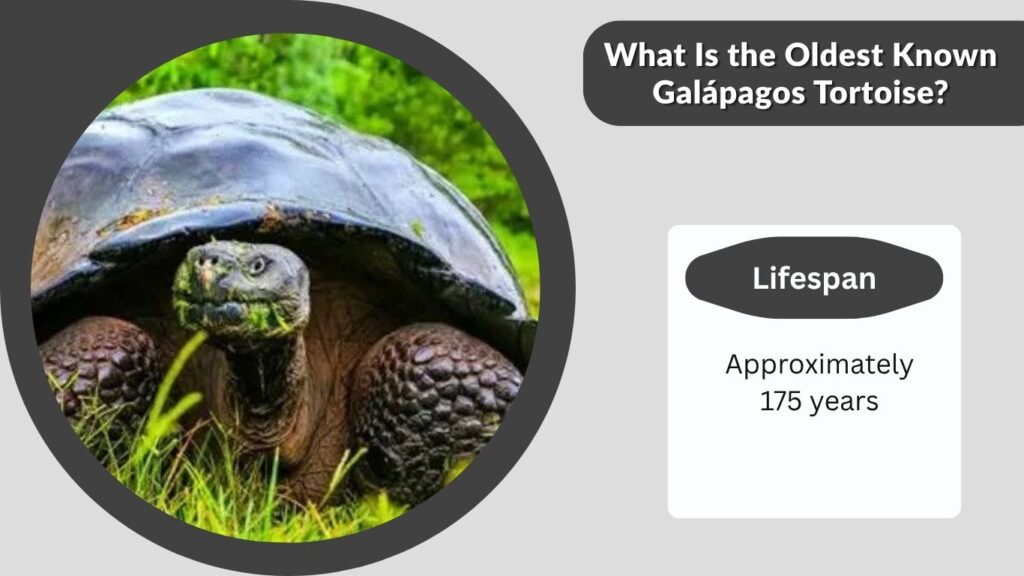
One of the oldest widely recognized Galápagos tortoises was Harriet, who lived at Australia Zoo and died in 2006 at an estimated age of approximately 175 years. Her precise origin and age were debated, but she remains the best-known example of the species’ extraordinary potential longevity.
Another very old individual, Gramma, lived at the San Diego Zoo and died in 2025 at an estimated age of about 141. Because many historic tortoises arrived at zoos as adults, their ages are often informed estimates rather than exact records.
The famous tortoise Jonathan is often included in online discussions about Galápagos tortoises. However, Jonathan is a Seychelles giant tortoise living on Saint Helena, not a Galápagos tortoise.
How Do Galápagos Tortoises Live So Long?
Scientists do not attribute their longevity to one simple cause. Instead, their long lives probably result from a combination of genetics, physiology, growth strategy and environmental adaptations.
Protective genetic adaptations
Research examining the genomes of Lonesome George and an Aldabra giant tortoise found distinctive variants in biological pathways associated with DNA repair, immune function, inflammation, cancer response and other age-related processes. These findings suggest that giant tortoises possess genetic defenses that may help their bodies limit cellular damage over long periods.
This does not mean they are immune to cancer, aging or disease. Instead, their genetic makeup may allow them to maintain healthy cells and tissues more effectively than many shorter-lived animals.
Slow growth and late maturity
Galápagos tortoises develop gradually and typically begin reproducing at approximately 20 to 25 years old. Animals with slow life histories often invest more energy in long-term body maintenance than species that grow, reproduce and die quickly.
Their slow reproductive strategy means adults can continue contributing offspring for many decades. Recent breeding successes have even involved Galápagos tortoises that were close to or older than 100 years.
Energy-efficient lifestyle
As reptiles, Galápagos tortoises rely on outside heat sources to regulate their body temperature. They do not have to burn energy continuously to maintain a warm body as mammals do.
Their daily behavior is also comparatively energy-efficient. They move slowly, rest frequently and spend much of their time grazing, basking or traveling between feeding and resting locations. A low-energy lifestyle may reduce some forms of physiological stress, although slowness alone does not fully explain their longevity.
Large size and adult protection
Adult Galápagos tortoises can become extremely large, with some weighing several hundred pounds. Their massive size, strong legs and protective shells make them difficult for most animals to attack. Galápagos Conservancy describes them as the world’s largest tortoises, with exceptional individuals reaching about 900 pounds.
Young tortoises remain vulnerable, but animals that survive long enough to reach full adult size have a much better chance of living for many additional decades.
Does Shell Type Affect Lifespan?
Galápagos tortoises have different shell forms adapted to their island environments. Domed tortoises generally inhabit areas with vegetation closer to the ground, while saddleback tortoises have raised shell openings and longer necks that help them reach higher plants in drier habitats.
There is no strong evidence that one shell shape automatically provides a longer lifespan than another. Access to food, habitat quality, health, genetics and protection from threats are more important than whether a tortoise has a domed or saddleback shell.
Why Their Long Lifespan Matters for Conservation
A century-long lifespan does not make Galápagos tortoise populations invulnerable. Their slow growth and late reproductive maturity mean populations recover gradually after adults are removed. Historically, hunting and introducing animals caused severe declines and contributed to the extinction of several island forms.
Breeding and restoration programs now raise young tortoises until they are large enough to have a better chance of surviving after release. Galápagos National Park breeding centers house hatchlings and juveniles that will eventually return to suitable natural habitat.
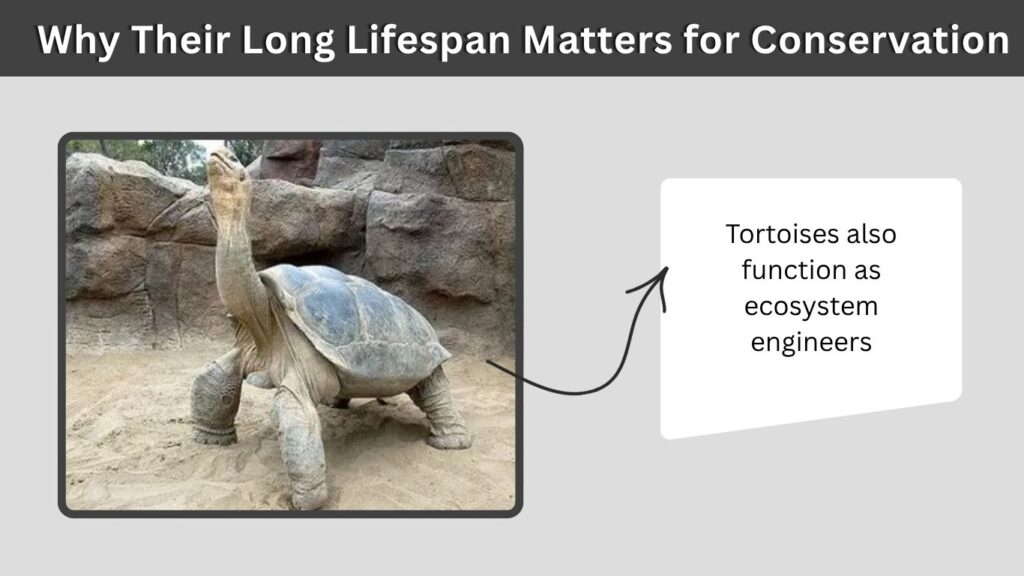
Tortoises also function as ecosystem engineers. By grazing, trampling vegetation and dispersing seeds, they influence plant communities and help maintain habitats used by other species. Protecting a long-lived adult therefore preserves both a breeding animal and an important ecological force.
FAQs
Can Galápagos tortoises live for 200 years?
No Galápagos tortoise has been conclusively documented reaching 200 years. Exceptional individuals have been estimated at approximately 170 to 175 years, while lifespans exceeding 100 years are well established. Claims of 200-year-old animals often involve other giant-tortoise species or uncertain historical records.
Do Galápagos tortoises live longer in captivity?
Some captive individuals have reached exceptional ages because they receive regular food, veterinary care and protection from predators. However, wild tortoises may also live beyond 100 years. Captive ages are often better documented, making their records easier to verify.
At what age is a Galápagos tortoise fully grown?
Growth varies among populations and individuals. Galápagos tortoises typically become reproductively mature at around 20 to 25 years, although they may continue growing afterward. Food availability, habitat, sex and genetics can all influence their final size and development rate.
Why do Galápagos tortoises age so slowly?
Their longevity appears to involve slow development, an energy-efficient lifestyle and genetic adaptations associated with DNA repair, immune response and protection against age-related cellular damage. Their large adult size and protective shells also reduce the number of predators capable of killing them.
How can scientists tell a Galápagos tortoise’s age?
Exact age is easiest to determine when the hatching date is recorded. For wild or historically collected tortoises, researchers use documented sightings, zoo arrival records, growth history and physical development. Shell rings and body size can provide clues but cannot establish an exact age.