
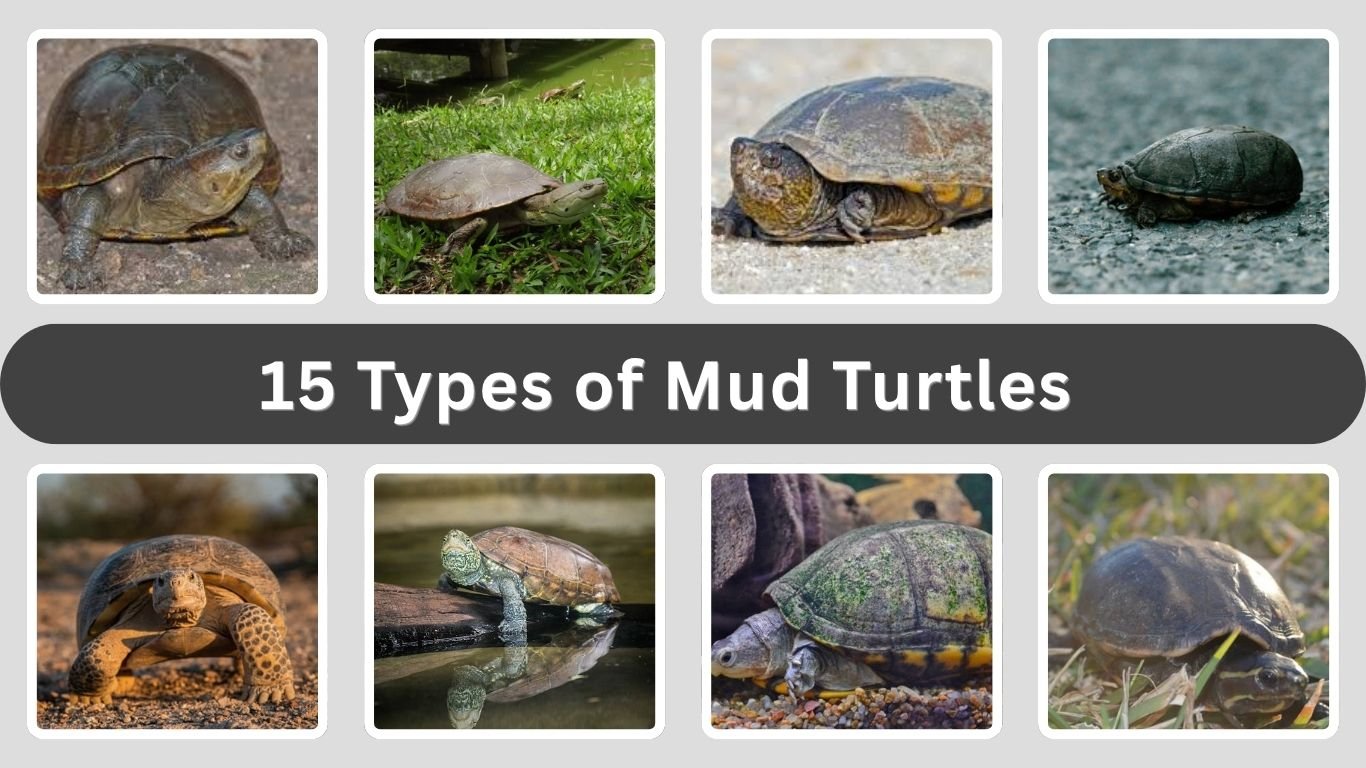
Mud turtles are a fascinating group of small freshwater turtles known for their adaptability and secretive nature. Found across North and Central America, these turtles thrive in a variety of habitats, from marshes to temporary ponds. Despite their size, they play an important role in maintaining ecological balance. This guide explores 15 different types of mud turtles, highlighting their key characteristics, habitats, behaviors, and diets to help you better understand these unique and resilient reptiles.
1. Eastern Mud Turtle
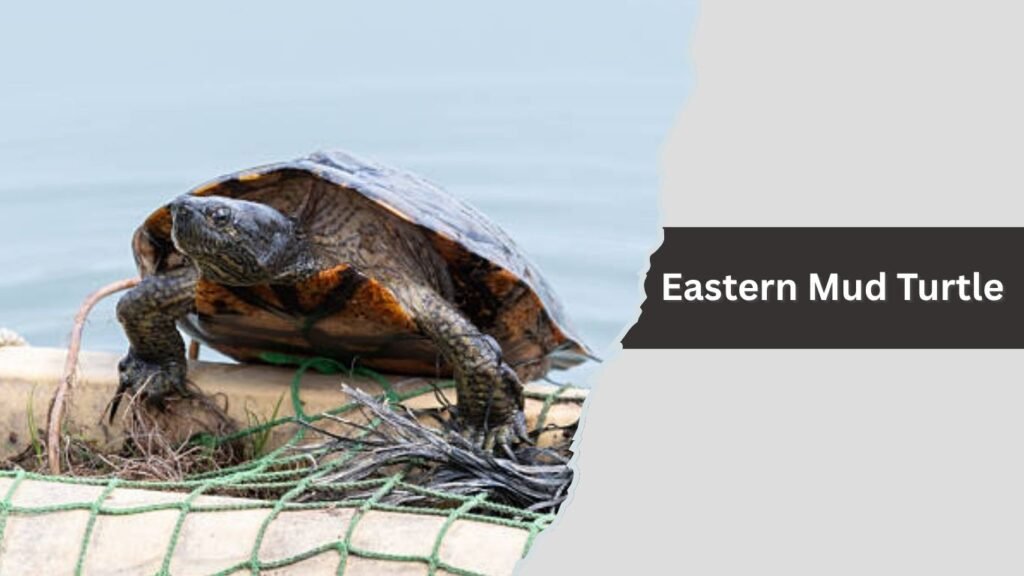
The Eastern Mud Turtle is a small, semi-aquatic turtle native to the southeastern United States. It is well adapted to life in shallow, muddy waters and is known for its ability to survive in habitats that may periodically dry out. Despite its modest size, this turtle is hardy and resilient, often going unnoticed due to its secretive lifestyle. It plays an important role in maintaining ecological balance by controlling insect populations and contributing to nutrient cycling in aquatic environments.
Identification
- Typically measures between 3 to 4.5 inches in shell length
- Shell (carapace) is smooth, oval, and dark brown to nearly black
- Plastron (bottom shell) is hinged, allowing partial closure for protection
- Head often features two faint, light-colored stripes
- Skin is dark with minimal markings
- Tail is short and pointed, with males having slightly longer tails
Habitat
Eastern Mud Turtles inhabit a variety of freshwater environments, including ponds, marshes, swamps, drainage ditches, and slow-moving streams. They prefer areas with soft, muddy bottoms where they can easily burrow for protection and temperature regulation. These turtles are also tolerant of temporary drought conditions and may travel over land to find new water sources. During dry spells, they often bury themselves in mud or leaf litter to retain moisture and avoid dehydration.
Behavior
This species is primarily nocturnal, becoming active during the evening and nighttime hours. It spends much of its time hidden beneath mud, vegetation, or debris, emerging to forage or move between habitats. Eastern Mud Turtles are generally solitary and do not exhibit strong social behaviors. They are known to aestivate during hot, dry summers and brumate during colder months. When threatened, they rely on their hinged plastron and secretive habits rather than aggression.
Diet and Lifespan
Eastern Mud Turtles are omnivorous, feeding on a wide range of food sources. Their diet includes aquatic insects, snails, small fish, crustaceans, worms, and occasional plant matter. They are opportunistic feeders and help control populations of small aquatic organisms. In the wild, these turtles can live for 20 to 30 years or more, depending on environmental conditions and predation. With proper care in captivity, their lifespan may extend even further.
2. Mississippi Mud Turtle
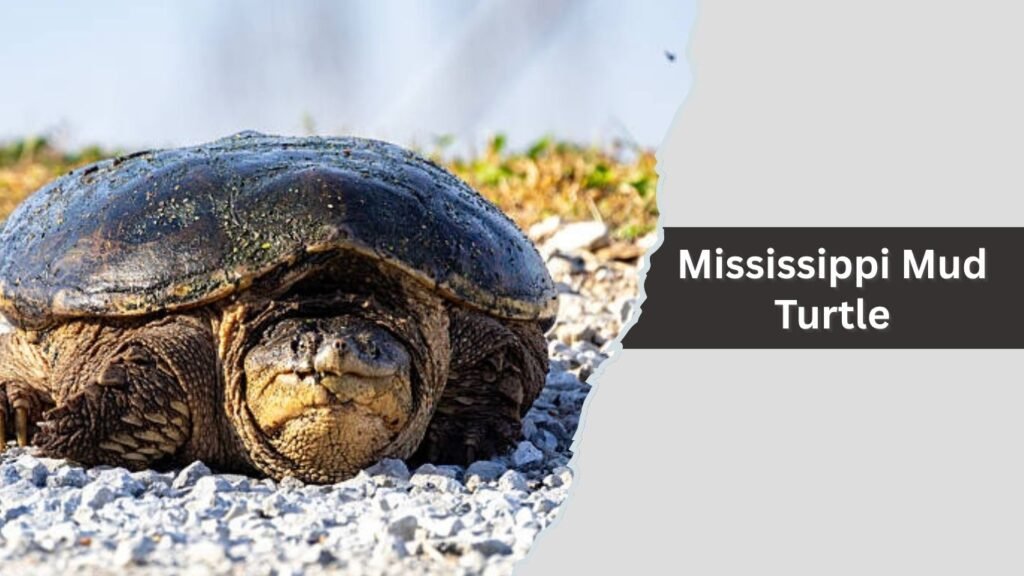
The Mississippi Mud Turtle is a small freshwater turtle found primarily in the central and southern United States, especially around the Mississippi River basin. It is well adapted to warm, slow-moving waters and is known for its hardy nature and ability to survive in fluctuating environmental conditions. This species is often overlooked due to its small size and secretive habits, yet it plays a key role in aquatic ecosystems by helping control invertebrate populations.
Identification
- Grows to about 3–4 inches in shell length
- Smooth, dome-shaped shell ranging from olive-brown to dark brown
- Plastron is hinged and yellowish with dark markings
- Head may have faint striping, though less distinct than some related species
- Skin is typically gray to dark brown
- Tail is short, with males having a thicker and longer tail
Habitat
Mississippi Mud Turtles prefer shallow, slow-moving freshwater habitats such as swamps, ponds, marshes, and floodplain areas. They are especially common in muddy-bottom waters where they can easily burrow. These turtles are tolerant of poor water conditions and seasonal changes, often moving between water bodies when necessary. During droughts, they may bury themselves in mud or seek refuge on land to conserve moisture.
Behavior
This species is mostly nocturnal and spends much of its time hidden in mud or under aquatic vegetation. It is a solitary turtle that avoids open areas and human disturbance. Mississippi Mud Turtles are known to aestivate during hot, dry periods and become less active in colder seasons. When threatened, they rely on hiding and their protective shell rather than aggressive defense.
Diet and Lifespan
Mississippi Mud Turtles are omnivores with a diet that includes insects, snails, worms, crustaceans, and small fish, along with some plant material. They forage primarily at night, using their sense of smell to locate food. In the wild, they can live for 20–30 years, though lifespan may vary depending on environmental factors and predation. In protected conditions, they may live even longer.
3. Yellow Mud Turtle
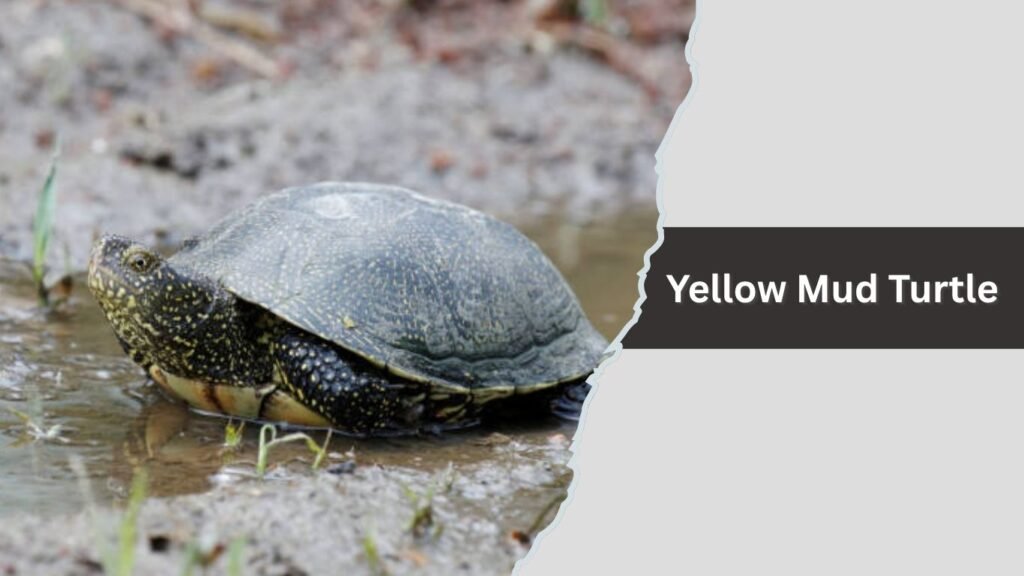
The Yellow Mud Turtle is a small freshwater species commonly found in parts of the central United States and northern Mexico. It is recognized for its lighter coloration compared to other mud turtles and its ability to adapt to a variety of aquatic environments. This turtle is resilient and can survive in habitats with changing water levels, making it well suited to semi-arid regions. Its quiet and secretive behavior helps it avoid predators and harsh environmental conditions.
Identification
- Typically reaches 4–5 inches in shell length
- Shell is smooth and ranges from yellowish-brown to olive
- Plastron is yellow with dark seams and a noticeable hinge
- Head is light-colored, sometimes with subtle markings
- Skin appears gray to yellowish with minimal patterning
- Tail is short, with males having a thicker, longer tail
Habitat
Yellow Mud Turtles are commonly found in ponds, streams, irrigation ditches, and temporary water bodies. They prefer shallow waters with soft, muddy bottoms that allow easy burrowing. This species is well adapted to dry environments and can travel over land to locate new water sources. During drought conditions, they may bury themselves in mud to retain moisture and survive until water returns.
Behavior
This turtle is mostly nocturnal and spends much of its time hidden under mud or vegetation. It is solitary and avoids open areas whenever possible. Yellow Mud Turtles are known for their ability to aestivate during extended dry periods and remain inactive during colder months. They are generally calm and non-aggressive, relying on camouflage and concealment for protection.
Diet and Lifespan
Yellow Mud Turtles are omnivorous and feed on insects, snails, worms, crustaceans, and small aquatic animals, along with some plant matter. They forage mainly at night and play an important role in controlling small invertebrate populations. In the wild, they can live for around 20–30 years, depending on environmental conditions, with some individuals living longer in stable habitats.
4. Sonoran Mud Turtle
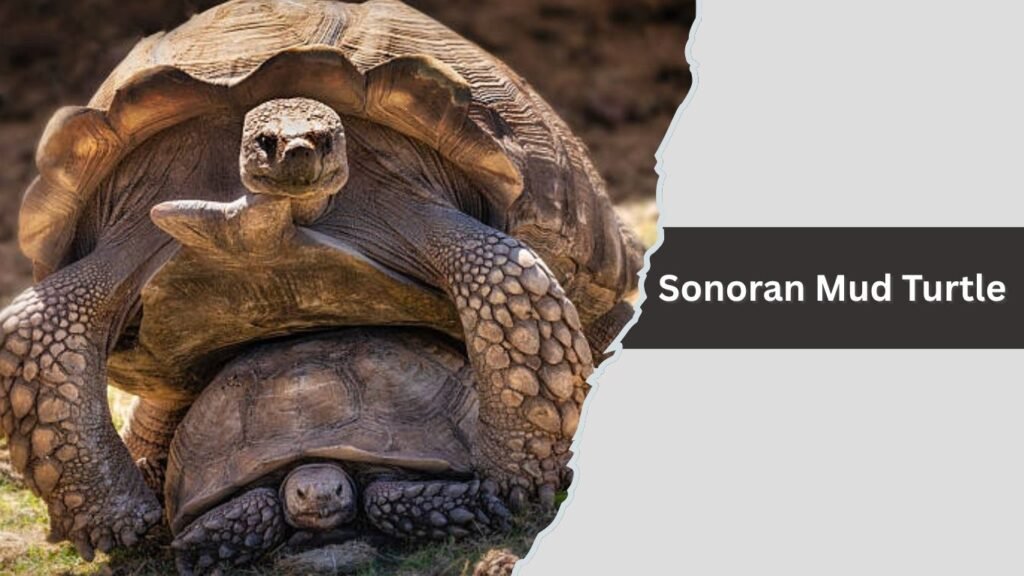
The Sonoran Mud Turtle is a small freshwater turtle native to the southwestern United States and northwestern Mexico. It is especially well adapted to desert and semi-arid environments, where water sources can be scarce and unpredictable. This species is highly resilient, capable of surviving long dry periods by retreating into mud or burrows. Its ability to thrive in harsh climates makes it one of the more adaptable mud turtles.
Identification
- Typically grows to about 4–5 inches in shell length
- Shell is smooth, oval, and ranges from olive to dark brown
- Plastron is yellowish with dark markings and a functional hinge
- Head is relatively plain, sometimes with faint light markings
- Skin is gray to brown, blending well with muddy surroundings
- Tail is short, with males having a longer and thicker tail
Habitat
Sonoran Mud Turtles inhabit desert streams, ponds, cattle tanks, and temporary pools. They prefer shallow waters with soft, muddy bottoms where they can easily hide. Because of the dry environments they live in, these turtles often rely on seasonal rains to refill their habitats. During extended dry periods, they burrow into mud or soil to conserve moisture and avoid extreme heat.
Behavior
This species is primarily nocturnal and most active during warm nights, especially after rainfall. It spends much of its time buried or hidden to escape the intense daytime heat. Sonoran Mud Turtles are solitary and rarely seen in groups. They are known for their ability to aestivate for long periods and become less active during cooler seasons. Their secretive nature helps them survive in challenging environments.
Diet and Lifespan
Sonoran Mud Turtles are omnivores, feeding on insects, snails, worms, crustaceans, and small aquatic animals, along with occasional plant matter. They are opportunistic feeders and will consume whatever is available in their habitat. In the wild, they can live for 20–30 years or more, depending on environmental conditions. Their lifespan may be longer in stable, protected environments.
5. Tabasco Mud Turtle
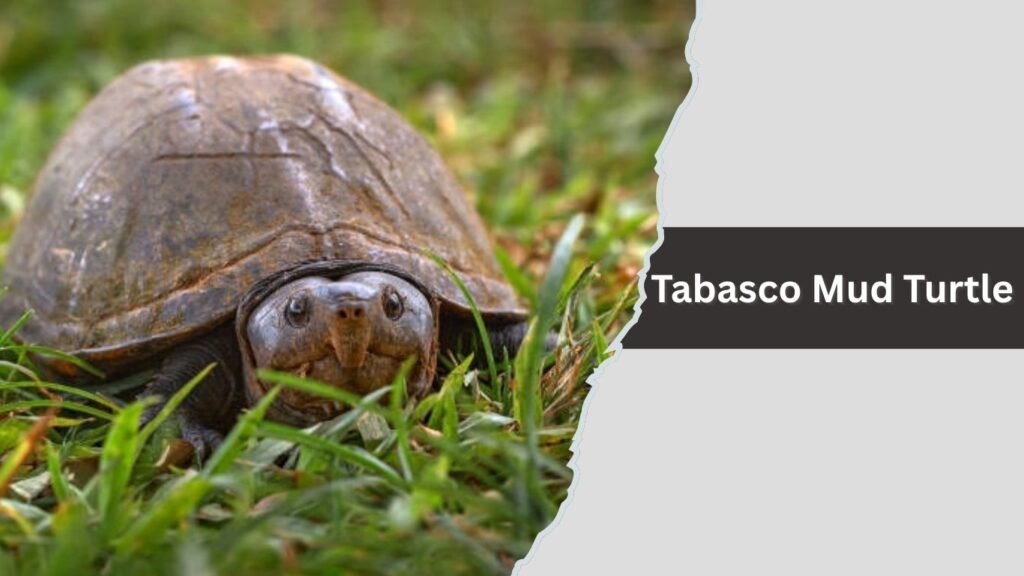
The Tabasco Mud Turtle is a small freshwater turtle native to parts of southern Mexico, particularly in the Tabasco region. It thrives in warm, humid environments and is commonly associated with lowland wetlands and slow-moving water systems. This species is well adapted to tropical conditions and often remains hidden in muddy or vegetated areas, making it difficult to observe in the wild.
Identification
- Typically measures around 4–5 inches in shell length
- Shell is smooth, oval, and usually dark brown to olive
- Plastron is yellowish with darker seams and a hinged structure
- Head is relatively plain with subtle markings
- Skin is dark gray to brown, blending with muddy habitats
- Tail is short, with males having a thicker and longer tail
Habitat
Tabasco Mud Turtles are commonly found in swamps, marshes, ponds, and slow-moving streams in tropical lowland regions. They prefer areas with soft, muddy bottoms and dense vegetation for cover. These turtles are well suited to warm, humid climates and can tolerate seasonal flooding. When water levels drop, they may burrow into mud or seek shaded areas to maintain moisture.
Behavior
This species is mostly nocturnal and spends much of its time hidden under mud, leaf litter, or aquatic plants. It is solitary and avoids open exposure, relying on camouflage for protection. Tabasco Mud Turtles are generally inactive during extreme heat and may aestivate if conditions become too dry. Their secretive behavior helps them avoid predators in their natural environment.
Diet and Lifespan
Tabasco Mud Turtles are omnivorous, feeding on insects, snails, worms, small fish, and crustaceans, along with some plant material. They are opportunistic feeders and usually forage at night. In the wild, they can live for 20–30 years, depending on habitat conditions. With stable environments and fewer threats, their lifespan may extend even longer.
6. Oaxaca Mud Turtle
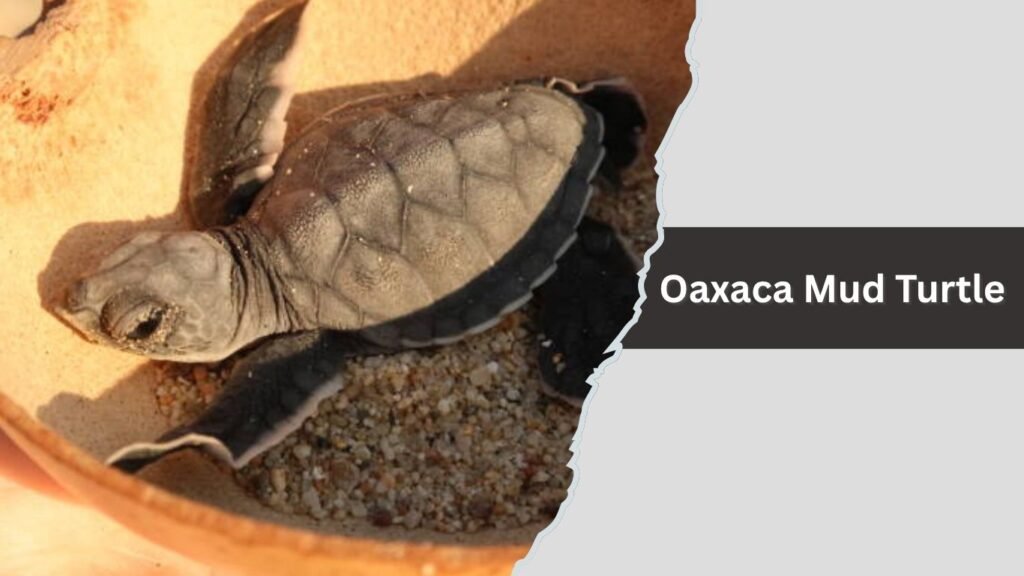
The Oaxaca Mud Turtle is a small freshwater species native to southern Mexico, particularly in the Oaxaca region. It is adapted to warm climates and thrives in quiet, shallow water bodies with plenty of cover. Like other mud turtles, it is secretive and spends much of its time hidden in mud or vegetation. Its ability to tolerate changing water conditions helps it survive in both permanent and seasonal habitats.
Identification
- Usually grows to about 4–5 inches in shell length
- Shell is smooth, oval, and dark brown to olive in color
- Plastron is yellowish with darker markings and a hinged structure
- Head is plain or lightly marked with subtle patterns
- Skin is gray to brown, blending with muddy surroundings
- Tail is short, with males having a thicker and slightly longer tail
Habitat
Oaxaca Mud Turtles are found in ponds, marshes, slow-moving streams, and wetlands. They prefer habitats with soft, muddy bottoms and dense vegetation that provides shelter. These turtles are well suited to areas with seasonal rainfall and may experience periods of reduced water levels. During dry conditions, they often burrow into mud or hide under debris to maintain moisture.
Behavior
This species is primarily nocturnal and spends most of its time concealed under mud, plants, or leaf litter. It is solitary and avoids open spaces whenever possible. Oaxaca Mud Turtles may aestivate during dry periods and reduce activity in cooler conditions. Their calm and secretive nature allows them to avoid predators and survive in fluctuating environments.
Diet and Lifespan
Oaxaca Mud Turtles are omnivores, feeding on insects, snails, worms, crustaceans, and small aquatic animals, along with some plant matter. They typically forage at night and play a role in maintaining balance in their ecosystem. In the wild, they can live for around 20–30 years, with lifespan depending on environmental stability and predation levels.
7. Chiapas Mud Turtle
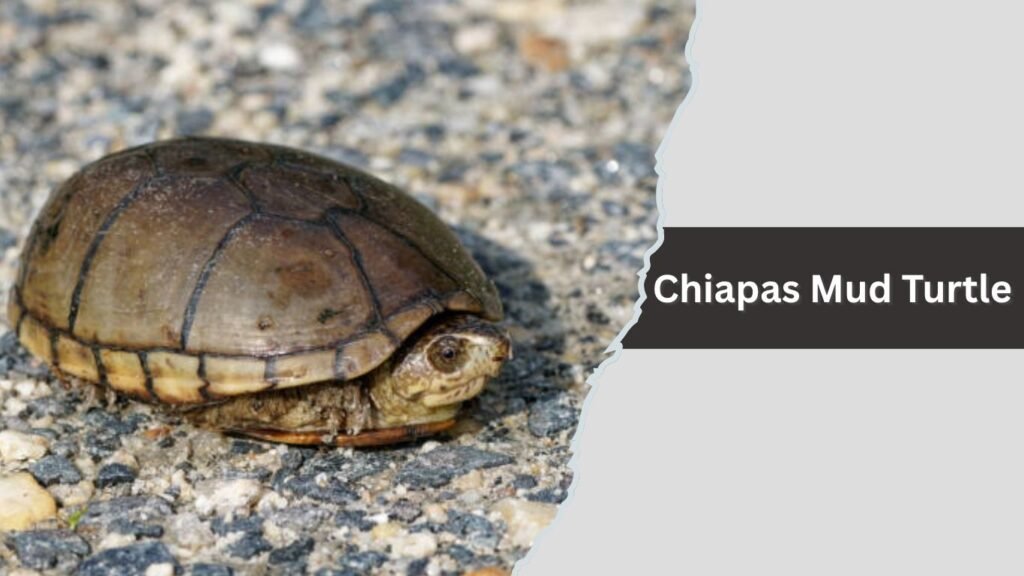
The Chiapas Mud Turtle is a small freshwater turtle native to southern Mexico, especially in the Chiapas region. It is well adapted to warm, tropical environments and prefers calm, shallow waters with abundant vegetation. Like other mud turtles, it is secretive and spends much of its time hidden, making it less commonly seen despite being locally abundant in suitable habitats.
Identification
- Typically grows to about 4–5 inches in shell length
- Shell is smooth, oval, and dark brown to olive in color
- Plastron is yellowish with dark seams and a functional hinge
- Head is generally plain with faint or minimal markings
- Skin is gray to brown, helping it blend into muddy environments
- Tail is short, with males having a longer and thicker tail
Habitat
Chiapas Mud Turtles are commonly found in ponds, marshes, swamps, and slow-moving streams. They prefer habitats with soft, muddy bottoms and dense aquatic vegetation for shelter. These turtles thrive in tropical climates with consistent warmth and humidity. During periods of low water, they may burrow into mud or take refuge under debris to stay moist and protected.
Behavior
This species is mostly nocturnal and remains hidden during the day under mud, plants, or leaf litter. It is solitary and avoids open exposure. Chiapas Mud Turtles may aestivate during dry conditions and become less active during cooler periods. Their secretive lifestyle and camouflage help them avoid predators and environmental stress.
Diet and Lifespan
Chiapas Mud Turtles are omnivores, feeding on insects, snails, worms, crustaceans, and small fish, along with some plant material. They are opportunistic feeders and usually forage at night. In the wild, they can live for approximately 20–30 years, depending on environmental conditions, with potentially longer lifespans in stable habitats.
8. White-lipped Mud Turtle
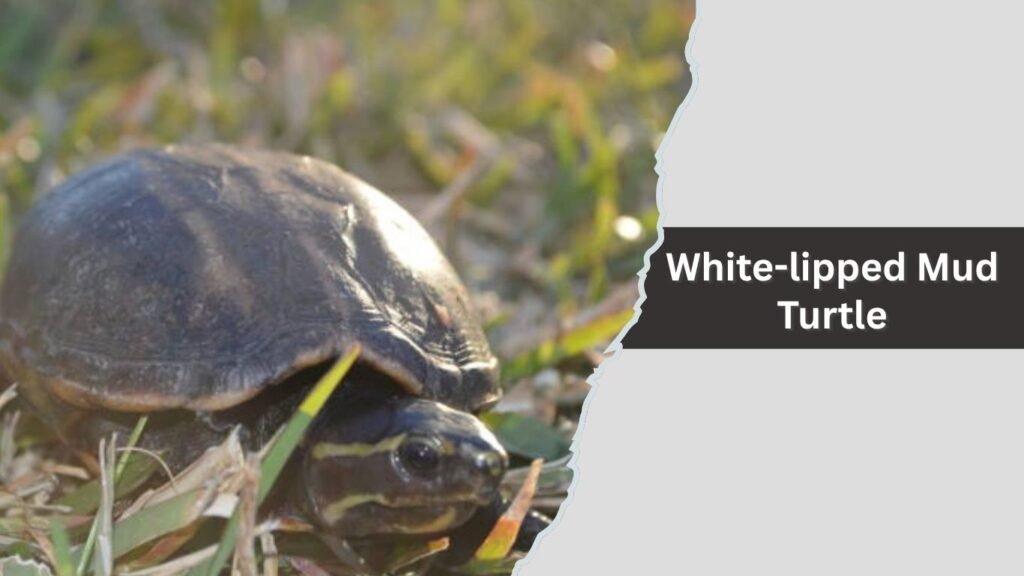
The White-lipped Mud Turtle is a small freshwater species found in parts of Central America and southern Mexico. It is named for the pale coloration along its lips, which distinguishes it from many other mud turtles. This species prefers warm, slow-moving waters and is highly adapted to life in muddy, vegetated environments. Its secretive habits and excellent camouflage make it difficult to spot in the wild.
Identification
- Typically reaches about 4–5 inches in shell length
- Shell is smooth, oval, and ranges from brown to dark olive
- Plastron is yellowish with darker seams and a hinged structure
- Distinct pale or whitish coloration along the lips
- Skin is gray to brown with minimal patterning
- Tail is short, with males having a longer, thicker tail
Habitat
White-lipped Mud Turtles inhabit ponds, marshes, swamps, and slow-moving streams in tropical and subtropical regions. They prefer shallow waters with soft, muddy bottoms and plenty of vegetation for cover. These turtles thrive in warm climates and can tolerate seasonal changes in water levels. During dry periods, they may burrow into mud or hide under debris to conserve moisture.
Behavior
This species is primarily nocturnal and spends most of its time hidden beneath mud, aquatic plants, or leaf litter. It is solitary and avoids open areas, relying on camouflage for protection. White-lipped Mud Turtles may aestivate during dry conditions and reduce activity during cooler weather. Their quiet and secretive nature helps them survive in environments with predators.
Diet and Lifespan
White-lipped Mud Turtles are omnivorous, feeding on insects, snails, worms, crustaceans, and small aquatic animals, along with some plant material. They are opportunistic feeders and usually forage at night. In the wild, they can live for 20–30 years or more, depending on environmental conditions and habitat stability.
9. Scorpion Mud Turtle
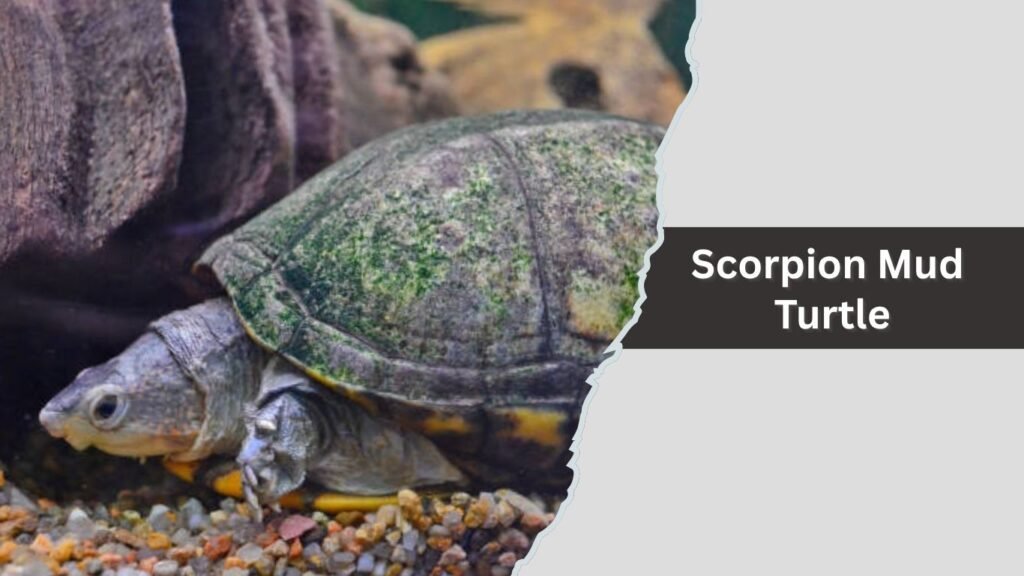
The Scorpion Mud Turtle is a small freshwater species found in parts of Central America and Mexico. It gets its name from its relatively long tail, which can resemble a scorpion’s stinger. This turtle is well adapted to warm, shallow waters and is known for its hardy nature and ability to survive in changing environmental conditions. Its secretive behavior makes it rarely seen in the wild.
Identification
- Typically grows to about 4–6 inches in shell length
- Shell is smooth, oval, and ranges from dark brown to black
- Plastron is yellowish with dark seams and a hinged structure
- Tail is longer than in most mud turtles, especially in males
- Head is usually plain with minimal or faint markings
- Skin is dark gray to brown, blending well with muddy habitats
Habitat
Scorpion Mud Turtles are commonly found in ponds, marshes, swamps, and slow-moving streams. They prefer shallow water bodies with soft, muddy bottoms and dense vegetation for cover. These turtles are well adapted to tropical and subtropical climates and can tolerate seasonal changes in water availability. During dry periods, they may burrow into mud or hide under debris to conserve moisture.
Behavior
This species is mostly nocturnal and spends much of its time hidden under mud, vegetation, or leaf litter. It is solitary and avoids open areas whenever possible. Scorpion Mud Turtles may aestivate during dry conditions and become less active in cooler seasons. Their long tail and secretive nature help them adapt to their environment and avoid predators.
Diet and Lifespan
Scorpion Mud Turtles are omnivores, feeding on insects, snails, worms, crustaceans, and small aquatic animals, along with some plant matter. They are opportunistic feeders and typically forage at night. In the wild, they can live for 20–30 years or more, depending on environmental conditions and habitat stability.
10. Mexican Mud Turtle
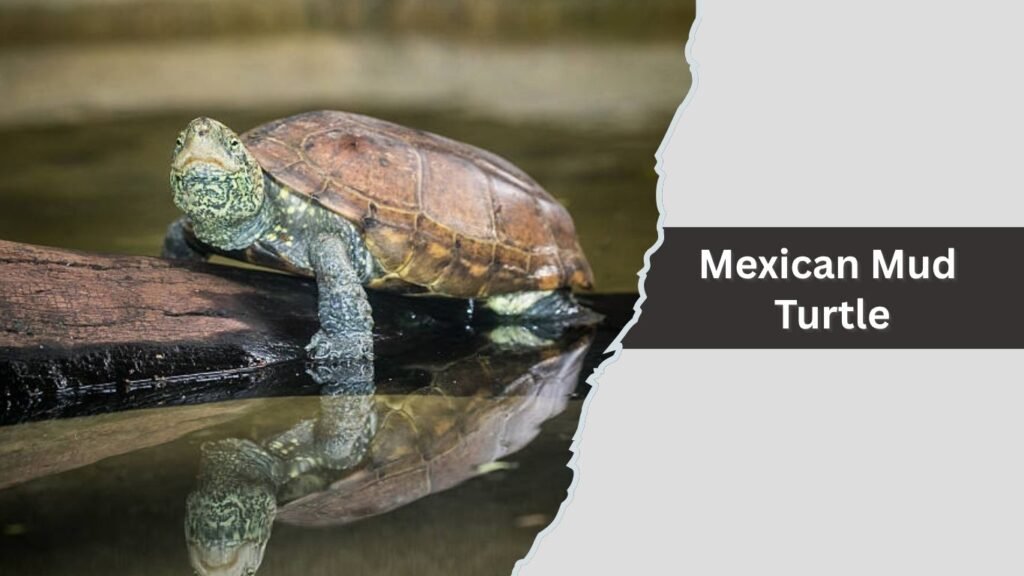
The Mexican Mud Turtle is a small freshwater species widely distributed across various regions of Mexico. It is known for its adaptability to different aquatic environments, from permanent ponds to temporary water bodies. This turtle is highly resilient and can survive in habitats with fluctuating water levels. Its secretive nature and preference for muddy environments make it less visible in the wild.
Identification
- Typically grows to about 4–5 inches in shell length
- Shell is smooth, oval, and ranges from olive to dark brown
- Plastron is yellowish with dark seams and includes a hinged structure
- Head is usually plain with faint or minimal markings
- Skin is gray to brown, helping it blend into muddy surroundings
- Tail is short, with males having a longer and thicker tail
Habitat
Mexican Mud Turtles inhabit ponds, marshes, swamps, and slow-moving streams. They prefer shallow waters with soft, muddy bottoms where they can easily burrow. This species is tolerant of seasonal changes and can survive in temporary water bodies. During dry conditions, they often bury themselves in mud or seek shelter under debris to retain moisture and avoid harsh conditions.
Behavior
This species is primarily nocturnal and spends most of its time hidden beneath mud, vegetation, or leaf litter. It is solitary and avoids open areas whenever possible. Mexican Mud Turtles may aestivate during dry periods and reduce activity during cooler seasons. Their calm and secretive behavior helps them avoid predators and adapt to changing environments.
Diet and Lifespan
Mexican Mud Turtles are omnivores, feeding on insects, snails, worms, crustaceans, and small aquatic animals, along with some plant matter. They typically forage at night and play an important role in controlling small aquatic populations. In the wild, they can live for around 20–30 years, depending on environmental conditions, with potentially longer lifespans in stable habitats.
11. Durango Mud Turtle
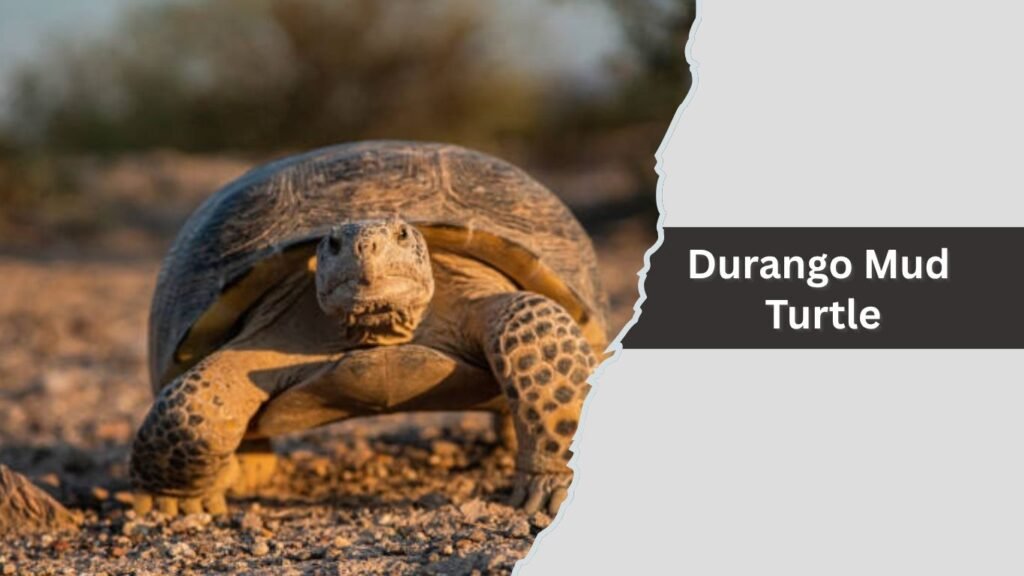
The Durango Mud Turtle is a small freshwater species native to parts of northern and central Mexico, particularly around the Durango region. It is well adapted to semi-arid environments and can survive in habitats where water availability changes seasonally. Like other mud turtles, it is secretive and spends much of its time hidden in mud or vegetation, making it difficult to observe in the wild.
Identification
- Typically grows to about 4–5 inches in shell length
- Shell is smooth, oval, and ranges from olive to dark brown
- Plastron is yellowish with darker seams and features a hinged structure
- Head is generally plain with faint or minimal markings
- Skin is gray to brown, providing camouflage in muddy habitats
- Tail is short, with males having a longer and thicker tail
Habitat
Durango Mud Turtles inhabit ponds, marshes, streams, and temporary water bodies. They prefer shallow waters with soft, muddy bottoms that allow easy burrowing. This species is well suited to regions with seasonal rainfall and can tolerate periods of drought. During dry conditions, they often bury themselves in mud or hide under debris to conserve moisture.
Behavior
This turtle is mostly nocturnal and remains hidden during the day under mud, vegetation, or leaf litter. It is solitary and avoids open areas whenever possible. Durango Mud Turtles may aestivate during dry periods and become less active in cooler weather. Their secretive lifestyle helps them survive in environments with fluctuating conditions.
Diet and Lifespan
Durango Mud Turtles are omnivores, feeding on insects, snails, worms, crustaceans, and small aquatic animals, along with some plant matter. They are opportunistic feeders and usually forage at night. In the wild, they can live for approximately 20–30 years, depending on environmental stability and predation levels.
12. Coahuilan Mud Turtle
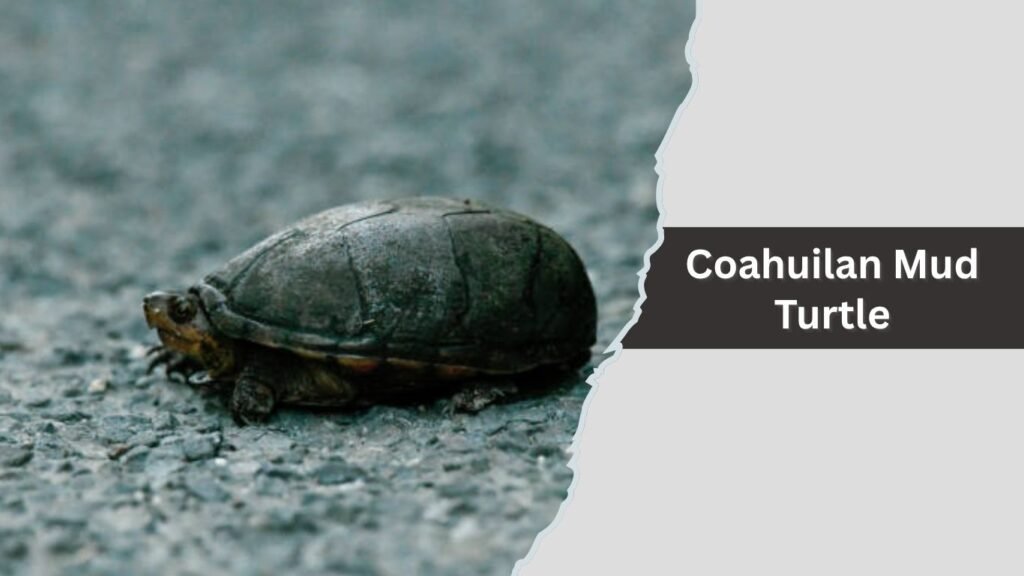
The Coahuilan Mud Turtle is a small and unique freshwater species native to the Cuatro Ciénegas Basin in Coahuila, Mexico. It is known for its restricted range and specialized habitat, making it one of the more localized mud turtles. This species thrives in spring-fed wetlands and is adapted to stable but limited aquatic environments. Its survival is closely tied to the health of its fragile ecosystem.
Identification
- Typically measures about 3–4 inches in shell length
- Shell is smooth, oval, and ranges from light brown to olive
- Plastron is yellowish with dark seams and includes a hinged structure
- Head is relatively small with minimal or faint markings
- Skin is pale gray to brown, blending with its environment
- Tail is short, with males having a slightly longer and thicker tail
Habitat
Coahuilan Mud Turtles are found in spring-fed pools, marshes, and wetlands within a very limited geographic area. They prefer clear, shallow waters with soft substrates and aquatic vegetation. Unlike many other mud turtles, they rely on more stable water sources rather than temporary ones. Because of their restricted habitat, they are sensitive to environmental changes such as water diversion and habitat degradation.
Behavior
This species is generally secretive and spends much of its time hidden under vegetation or within soft substrates. It is mostly nocturnal but may be active during the day in undisturbed areas. Coahuilan Mud Turtles are solitary and avoid open exposure. Their behavior is closely linked to stable water conditions, and they do not migrate as widely as other mud turtles.
Diet and Lifespan
Coahuilan Mud Turtles are omnivores, feeding on small aquatic invertebrates such as insects, snails, and crustaceans, along with some plant material. They forage slowly and rely on available food within their limited habitat. In the wild, they can live for 20–30 years, though their lifespan depends heavily on environmental stability and conservation of their habitat.
13. Jalisco Mud Turtle
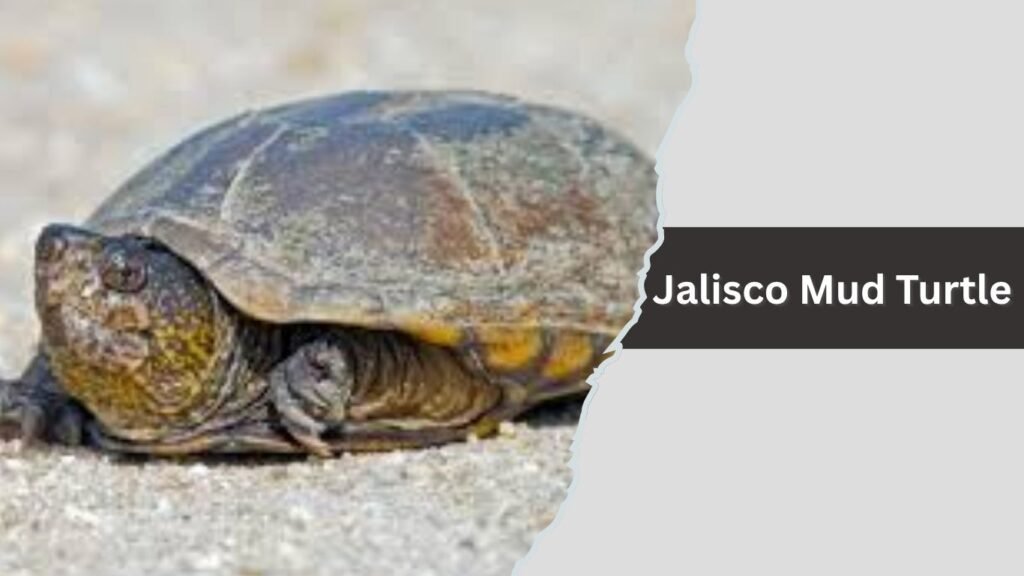
The Jalisco Mud Turtle is a small freshwater species found in western Mexico, particularly in the Jalisco region. It is adapted to warm climates and thrives in slow-moving or still water bodies. Like other mud turtles, it is highly secretive and spends much of its time hidden in mud or vegetation. Its ability to tolerate changing water conditions allows it to survive in both permanent and seasonal habitats.
Identification
- Typically grows to about 4–5 inches in shell length
- Shell is smooth, oval, and ranges from olive to dark brown
- Plastron is yellowish with darker seams and has a hinged structure
- Head is generally plain with faint or minimal markings
- Skin is gray to brown, blending well with muddy environments
- Tail is short, with males having a longer and thicker tail
Habitat
Jalisco Mud Turtles are commonly found in ponds, marshes, slow streams, and wetlands. They prefer shallow waters with soft, muddy bottoms and plenty of vegetation for cover. This species can tolerate seasonal fluctuations in water levels and may inhabit temporary pools. During dry periods, they often burrow into mud or hide under debris to conserve moisture.
Behavior
This species is mostly nocturnal and spends much of its time concealed under mud, plants, or leaf litter. It is solitary and avoids open areas whenever possible. Jalisco Mud Turtles may aestivate during dry conditions and reduce activity during cooler seasons. Their secretive behavior helps them avoid predators and survive in changing environments.
Diet and Lifespan
Jalisco Mud Turtles are omnivores, feeding on insects, snails, worms, crustaceans, and small aquatic animals, along with some plant matter. They are opportunistic feeders and usually forage at night. In the wild, they can live for around 20–30 years, depending on environmental conditions and habitat stability.
14. Alamos Mud Turtle
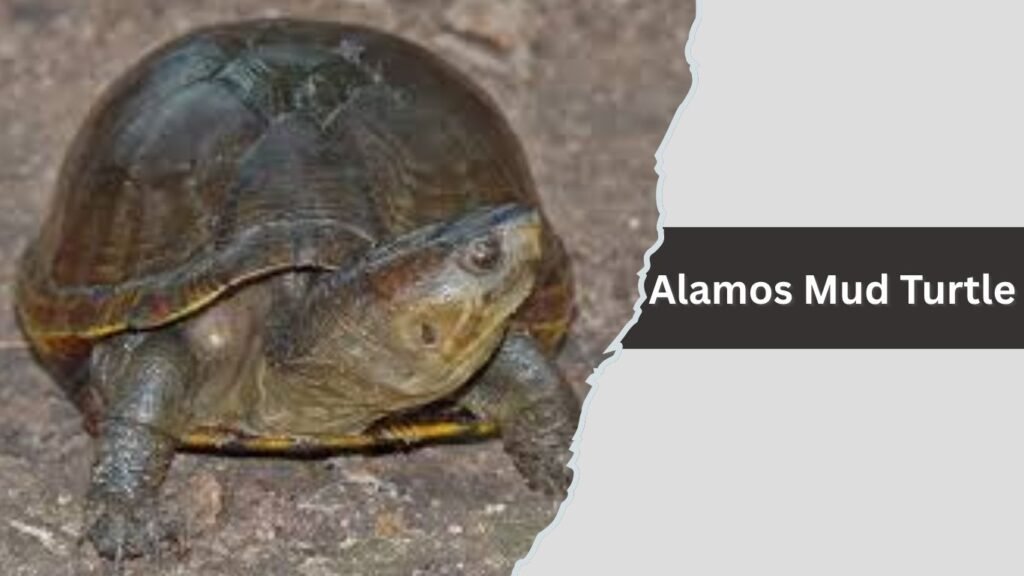
The Alamos Mud Turtle is a small freshwater species native to northwestern Mexico, particularly in the Sonora region near Alamos. It is adapted to warm, semi-arid environments where water sources may be seasonal. Like other mud turtles, it is secretive and spends much of its time hidden in mud or vegetation. Its resilience allows it to survive in habitats with fluctuating water availability.
Identification
- Typically grows to about 4–5 inches in shell length
- Shell is smooth, oval, and ranges from olive to dark brown
- Plastron is yellowish with darker seams and includes a hinged structure
- Head is generally plain with faint or minimal markings
- Skin is gray to brown, providing effective camouflage
- Tail is short, with males having a longer and thicker tail
Habitat
Alamos Mud Turtles inhabit ponds, streams, and temporary pools in semi-arid regions. They prefer shallow waters with soft, muddy bottoms where they can burrow easily. This species is well adapted to seasonal rainfall patterns and may move between water sources when conditions change. During dry periods, they often bury themselves in mud or take shelter under debris to retain moisture.
Behavior
This species is primarily nocturnal and remains hidden during the day under mud, vegetation, or leaf litter. It is solitary and avoids open areas whenever possible. Alamos Mud Turtles may aestivate during extended dry conditions and become less active in cooler weather. Their secretive nature helps them survive in environments with limited water and potential predators.
Diet and Lifespan
Alamos Mud Turtles are omnivores, feeding on insects, snails, worms, crustaceans, and small aquatic animals, along with some plant matter. They are opportunistic feeders and usually forage at night. In the wild, they can live for approximately 20–30 years, depending on environmental conditions and habitat stability.
15. Rio Grande Mud Turtle
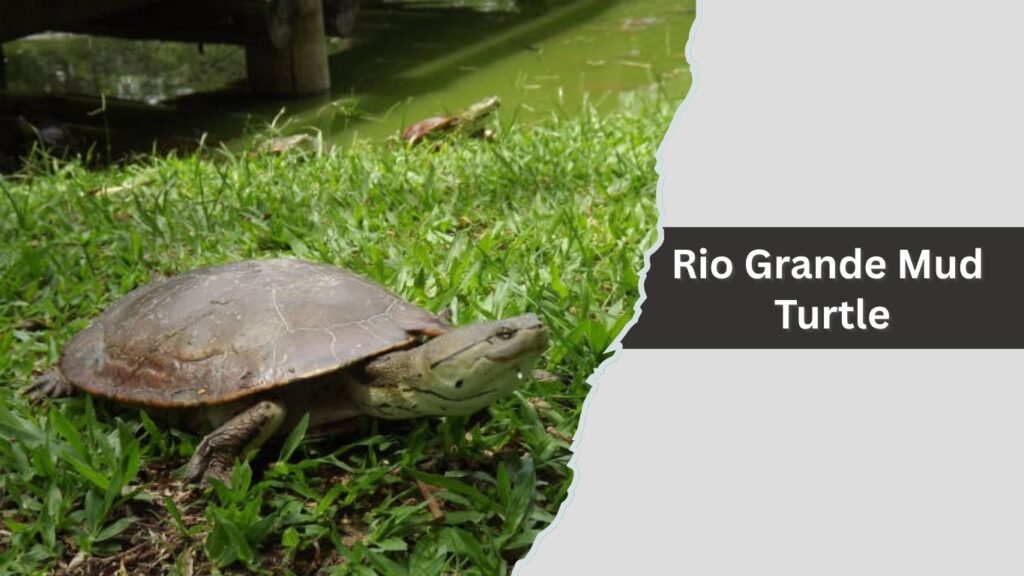
The Rio Grande Mud Turtle is a small freshwater species found along the Rio Grande region of the United States and Mexico. It is well adapted to warm climates and can thrive in both permanent and temporary water bodies. This turtle is known for its resilience and ability to survive in habitats with fluctuating water levels. Like other mud turtles, it is secretive and spends much of its time hidden from view.
Identification
- Typically grows to about 3.5–5 inches in shell length
- Shell is smooth, oval, and ranges from olive to dark brown
- Plastron is yellowish with dark seams and features a hinged structure
- Head is generally plain with faint or minimal markings
- Skin is gray to brown, helping it blend into muddy environments
- Tail is short, with males having a longer and thicker tail
Habitat
Rio Grande Mud Turtles are commonly found in ponds, marshes, irrigation ditches, and slow-moving streams. They prefer shallow waters with soft, muddy bottoms where they can easily burrow. This species is tolerant of seasonal changes and may inhabit temporary water bodies. During dry periods, they often bury themselves in mud or seek shelter under debris to conserve moisture.
Behavior
This species is mostly nocturnal and spends much of its time hidden under mud, vegetation, or leaf litter. It is solitary and avoids open areas whenever possible. Rio Grande Mud Turtles may aestivate during dry conditions and reduce activity during cooler seasons. Their secretive behavior helps them avoid predators and adapt to changing environments.
Diet and Lifespan
Rio Grande Mud Turtles are omnivores, feeding on insects, snails, worms, crustaceans, and small aquatic animals, along with some plant matter. They are opportunistic feeders and usually forage at night. In the wild, they can live for around 20–30 years, depending on environmental conditions, with potentially longer lifespans in stable habitats.
FAQs
What is a mud turtle?
Mud turtles are small freshwater turtles belonging to the family Kinosternidae. They are known for their compact size, smooth shells, and hinged plastron, which helps protect their body. These turtles are commonly found in slow-moving or still waters and are highly adaptable to changing environmental conditions.
Where do mud turtles live?
Mud turtles are primarily found in North and Central America. They inhabit ponds, marshes, swamps, and slow streams with soft, muddy bottoms. Many species can survive in temporary water bodies and are capable of burrowing into mud during dry periods to conserve moisture.
Are mud turtles good pets?
Mud turtles can be kept as pets, but they require proper care, including clean water, a balanced diet, and adequate space. They are generally shy and not very interactive. Potential owners should understand their long lifespan and specific habitat needs before keeping them.
What do mud turtles eat?
Mud turtles are omnivores, meaning they eat both animal and plant matter. Their diet typically includes insects, worms, snails, crustaceans, small fish, and some aquatic vegetation. They are opportunistic feeders and usually forage during the night.
How long do mud turtles live?
Mud turtles can live for 20–30 years in the wild, depending on the species and environmental conditions. With proper care and protection from predators, some individuals may live even longer, especially in captivity where conditions are more stable.