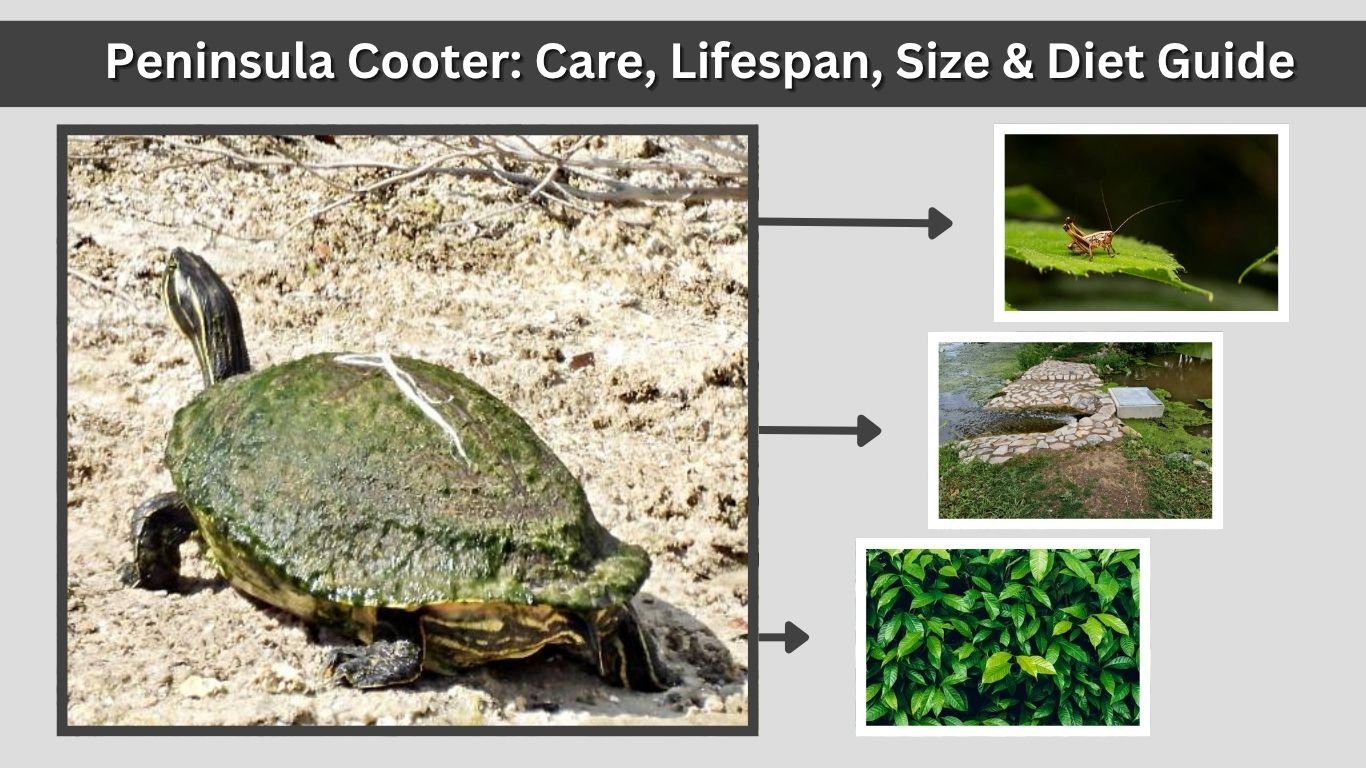
The peninsula cooter is a large freshwater turtle native to Florida, known for its strong swimming ability and plant-based diet. Often called the peninsula cooter turtle or peninsula river cooter, this species is popular among experienced reptile keepers. However, due to its size and care requirements, it is not ideal for beginners. This guide covers everything you need to know, including habitat, size, diet, and proper care to help you raise a healthy and thriving turtle.
What Is a Peninsula Cooter?
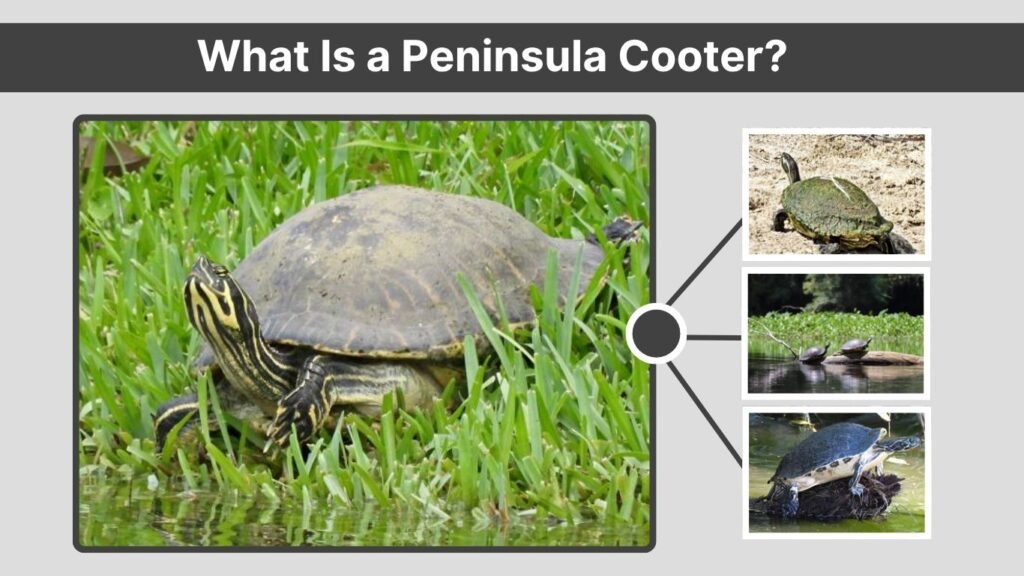
The peninsula cooter (Pseudemys peninsularis) is a large aquatic turtle commonly found in Florida’s freshwater systems. It belongs to the scooter family, which includes several species known for their size and basking behavior. These turtles are active during the day, often seen swimming or resting on logs in the sun, and they play an important role in maintaining aquatic ecosystems.
Name Variations and Synonyms
The peninsula scooter is known by several names, which can sometimes confuse beginners. These include:
- Peninsula cooter turtle
- Peninsula river cooter
- Peninsular cooter
- Peninsula pond cooter
Although the names vary, they all generally refer to the same species found in Florida.
Peninsula Cooter Facts
Peninsula cooters are fascinating turtles with unique behaviors and characteristics. They are larger than many common pet turtles and require more space to thrive. Their diet shifts as they grow, and they are known for their calm but active nature in aquatic environments.
- Primarily herbivorous as adults
- Strong swimmers and active during the day
- Commonly found basking in groups
- Native mainly to Florida freshwater habitats
Peninsula Cooter Natural Habitat and Range
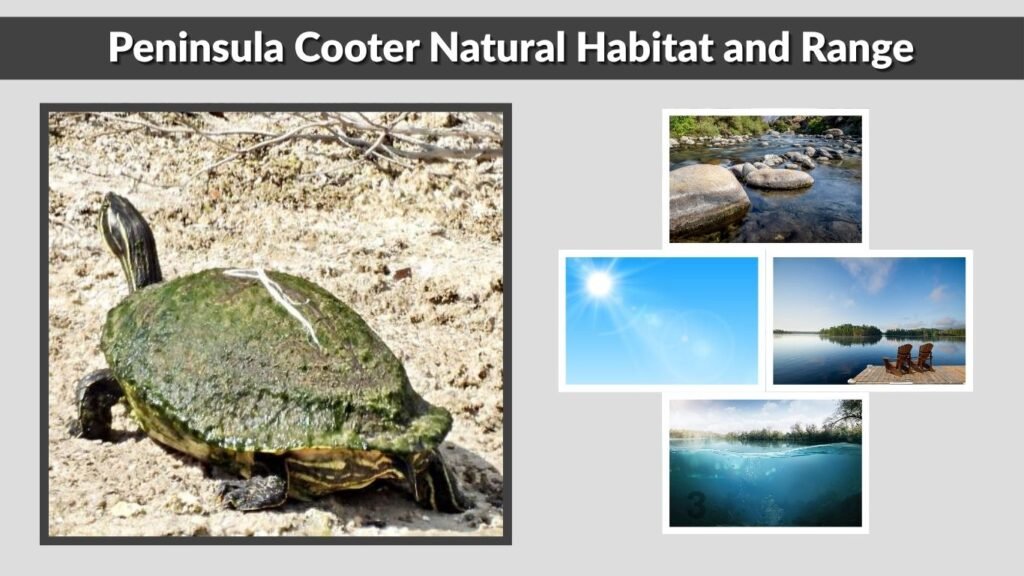
The peninsula cooter is widely distributed across Florida and thrives in warm, freshwater environments. These turtles prefer areas with abundant vegetation and access to sunlight for basking. Their natural habitat plays a major role in shaping their behavior, diet, and overall health.
Peninsula Cooter Range
They are primarily found throughout Florida, making them one of the most common freshwater turtles in the region. Their range includes rivers, lakes, ponds, and wetlands where water conditions remain stable year-round.
Habitat in Florida
Peninsula cooters prefer slow-moving or still water bodies rich in plant life. They spend much of their time swimming or basking on logs and banks. Clean water and access to vegetation are essential for their survival in the wild.
Peninsula Cooter Size and Growth
Peninsula cooters are considered large turtles, especially compared to species like painted turtles. Their size is one of the most important factors to consider before keeping them as pets. They require spacious enclosures and proper nutrition to support their growth.
How Big Do Peninsula Cooter Turtles Get?
Adult peninsula cooters can grow between 9 and 16 inches in shell length. Females are usually larger than males, sometimes reaching the upper end of this range. Their size continues to increase steadily over several years.
Growth Stages
They go through three main stages during their life:
- Hatchling: very small and delicate
- Juvenile: steady growth with increased activity
- Adult: full size with stable growth
Peninsula Cooter Lifespan
Peninsula cooters are long-lived turtles that require a long-term commitment from their owners. With proper care, they can live for several decades. Their lifespan depends heavily on environmental conditions, diet, and overall care quality.
In captivity, they often live longer than in the wild due to fewer predators and consistent feeding. However, poor care conditions can significantly reduce their lifespan, making proper maintenance essential for long-term health.
Peninsula Cooter Diet

The peninsula cooter has a diet that changes as it matures. While young turtles may consume more protein, adults become mostly herbivorous. Providing the right balance of food is essential for healthy growth and shell development.
What Do Peninsula Cooter Turtles Eat?
Their diet mainly consists of:
- Aquatic plants and algae
- Leafy greens like lettuce and kale
- Occasional insects or small aquatic animals (mainly juveniles)
Feeding Tips
Feeding should be adjusted based on age and size. Young turtles need more protein, while adults require a plant-based diet. Overfeeding should be avoided, as it can lead to health issues and poor water quality.
Peninsula Cooter Care Guide
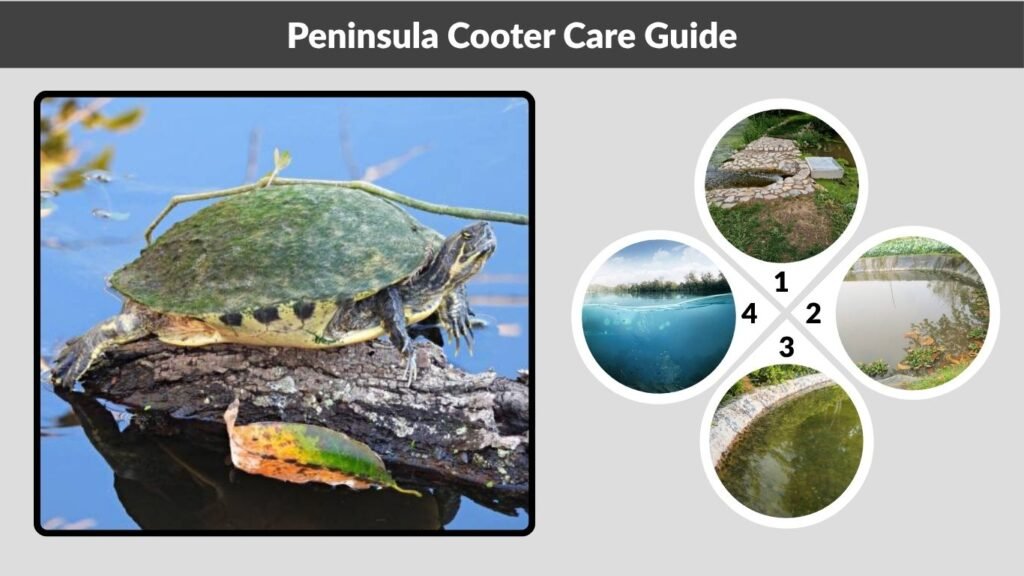
Caring for a peninsula cooter requires space, consistency, and proper equipment. These turtles are not low-maintenance, as they grow large and produce significant waste. A clean, well-maintained environment with proper lighting and temperature control is essential. With the right setup and routine care, they can thrive for decades in captivity.
Basic Care Needs
To keep a peninsula cooter healthy, focus on the following essentials:
- Large tank or outdoor pond
- Strong filtration system
- Regular water changes
- Safe basking area
Temperature and Lighting
Proper temperature and lighting are critical for shell health and metabolism:
- Water temperature: 75–80°F
- Basking area: 85–90°F
- UVB lighting for calcium absorption
Tank Setup and Requirements
Setting up the right enclosure is one of the most important parts of caring for a peninsula cooter. Because of their size and activity level, they need a spacious tank or pond that allows free movement and natural behavior. A proper setup helps prevent stress and supports long-term health.
Tank Size
Adult peninsula cooters require a minimum of 75–100 gallons. However, larger tanks or outdoor ponds are highly recommended. The more space you provide, the healthier and more active your turtle will be.
Tank Setup Essentials
A good tank setup should include:
- Deep water for swimming
- Sturdy basking platform
- Aquatic plants or decorations
- Secure tank cover
Equipment Needed
To maintain a healthy environment, you will need:
- High-quality filter
- Water heater
- UVB light fixture
- Thermometer for monitoring
Peninsula Cooter Hatchling Care
Baby peninsula cooters need extra attention because they are more sensitive to environmental changes. Their small size makes them vulnerable, so proper setup and feeding are essential. With the right care, hatchlings grow quickly and develop into strong, healthy adults.
Baby Peninsula Cooter Setup
Hatchlings should be kept in shallow water to prevent drowning. A gentle basking area should be easy to reach, and the tank should be kept clean at all times. Stable temperature and lighting are especially important during this stage.
Feeding Hatchlings
Hatchlings require a protein-rich diet to support rapid growth. Feed them small portions daily, including insects and specially formulated turtle food. As they grow, gradually introduce more plant-based foods into their diet.
Male vs Female Peninsula Cooter
Identifying the gender of a peninsula cooter becomes easier as they mature. While they may look similar at a young age, adults show clear physical differences. Understanding these differences helps with proper care and potential breeding considerations.
How to Identify
Males typically have longer front claws and thicker, longer tails. Females are larger overall, with broader shells and shorter tails. These differences are most noticeable in fully grown turtles.
Peninsula Cooter vs Other Turtles
Comparing the peninsula cooter to other turtles helps new owners understand its unique needs and characteristics. It is larger and more plant-focused than many common pet turtles, which affects both care and habitat setup.
Key Differences
- Larger than painted turtles
- More herbivorous than sliders
- Requires bigger tanks than most beginner turtles
Is a Peninsula Cooter a Good Pet?
Peninsula cooters can make rewarding pets, but they are best suited for experienced keepers. Their large size and long lifespan require commitment, space, and proper resources. Before choosing one, it is important to consider both the benefits and challenges.
Pros
- Active and visually appealing
- Interesting basking and swimming behavior
- Long lifespan
Cons
- Requires large tank or pond
- Needs strong filtration and maintenance
- Not ideal for frequent handling
Conclusion
The peninsula cooter is a beautiful and active freshwater turtle that thrives in spacious, well-maintained environments. While it requires more effort than smaller turtle species, proper care ensures a long and healthy life. With the right setup, balanced diet, and consistent maintenance, this turtle can be a rewarding companion for dedicated owners.
FAQs
How big do peninsula cooter turtles get?
Peninsula cooters typically grow between 9 and 16 inches in shell length. Females are usually larger than males and may reach the upper size range. Their large size means they require spacious tanks or outdoor ponds for proper care.
What do peninsula cooter turtles eat?
They mainly eat aquatic plants, algae, and leafy greens. Younger turtles may also consume insects and small aquatic animals. A balanced diet with mostly plant-based foods is essential for maintaining their health as adults.
How long do peninsula cooters live?
With proper care, peninsula cooters can live between 20 and 40 years in captivity. Their lifespan depends on diet, water quality, and habitat conditions. Consistent care plays a major role in helping them live longer.
Are peninsula cooters good pets for beginners?
They are not ideal for beginners due to their large size and care requirements. They need big tanks, strong filtration, and regular maintenance. However, experienced keepers can find them very rewarding to care for.
What size tank does a peninsula cooter need?
An adult peninsula cooter needs at least a 75–100 gallon tank, though larger is always better. Outdoor ponds are often recommended for full-grown turtles, as they provide more space and a natural environment.