
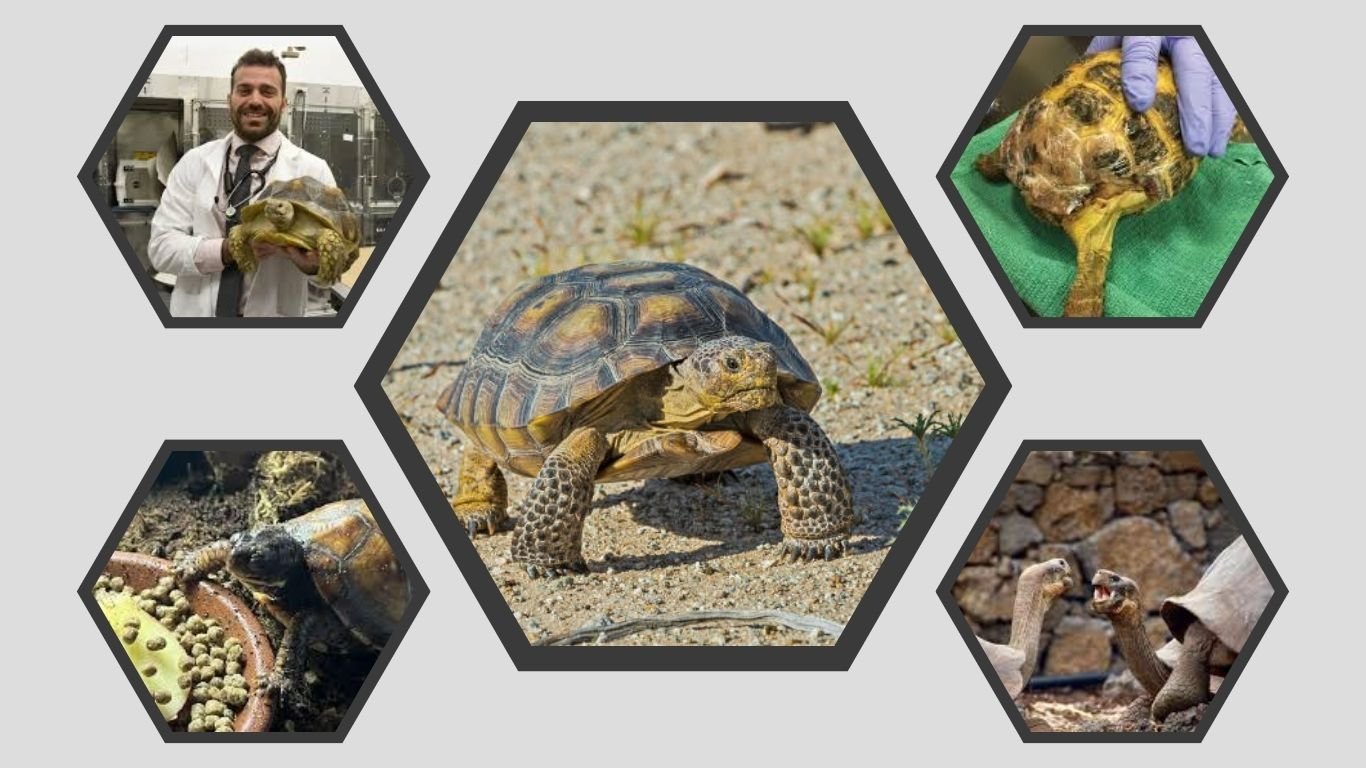
Tortoises are well known for their incredible longevity, often living for decades and sometimes even over a century. Unlike most animals, they age slowly and remain relatively healthy for much of their lives. This unusual lifespan is not due to luck—it’s the result of several biological and environmental factors working together.
How Long Do Tortoises Live?
Tortoises are among the longest-living land animals, but their lifespan depends on species, habitat, and care.
Average Lifespan by Species
| Species | Average Lifespan |
| Sulcata | 70–100 years |
| Russian | 40–60 years |
| Hermann’s | 50–80 years |
| Galápagos | 100–150+ years |
| Aldabra Giant | 100–150+ years |
Some tortoises have even outlived multiple human generations, making them a symbol of endurance and stability in nature.
Slow Metabolism: A Major Reason for Long Life
Tortoises have a very slow metabolism, which plays a huge role in their extended lifespan. Their bodies process energy at a much slower rate compared to most animals.
Why Slow Metabolism Helps
- Reduces damage to cells over time
- Slows the aging process
- Conserves energy efficiently
- Supports long-term survival
Because their internal systems work slowly, their bodies experience less stress and wear, allowing them to live much longer.
Strong Shell Protection
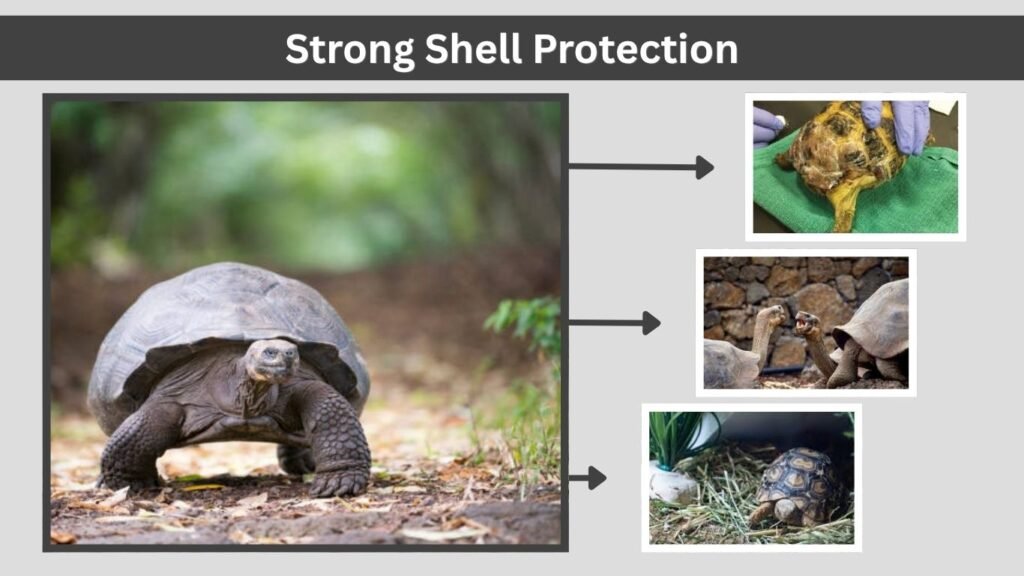
One of the most obvious features of a tortoise is its shell, and it does more than just look unique—it significantly increases survival chances.
How the Shell Extends Lifespan
- Protects vital organs from injury
- Defends against predators
- Reduces need for speed or aggression
- Allows a calm and secure lifestyle
Since adult tortoises are well-protected, they face fewer life-threatening dangers compared to many other animals.
Low-Stress Lifestyle
Tortoises are naturally slow-moving and calm animals. They do not chase prey or escape predators through speed, which leads to a more relaxed way of life.
Benefits of a Low-Stress Life
- Less physical strain on the body
- Lower levels of stress hormones
- Reduced risk of injury
- Stable daily routines
This low-stress lifestyle helps prevent many health problems that can shorten lifespan in other species.
Efficient Cell Repair and Aging Resistance
Tortoises have unique biological systems that help maintain their health over long periods. Their bodies are better at repairing damage and resisting aging.
Key Biological Advantages
- Strong DNA repair mechanisms
- Slower cell division rates
- Reduced risk of disease
- Better resistance to cellular damage
These features allow tortoises to maintain healthy body functions even as they age, which contributes to their long lifespan.
Adaptation to Harsh Environments
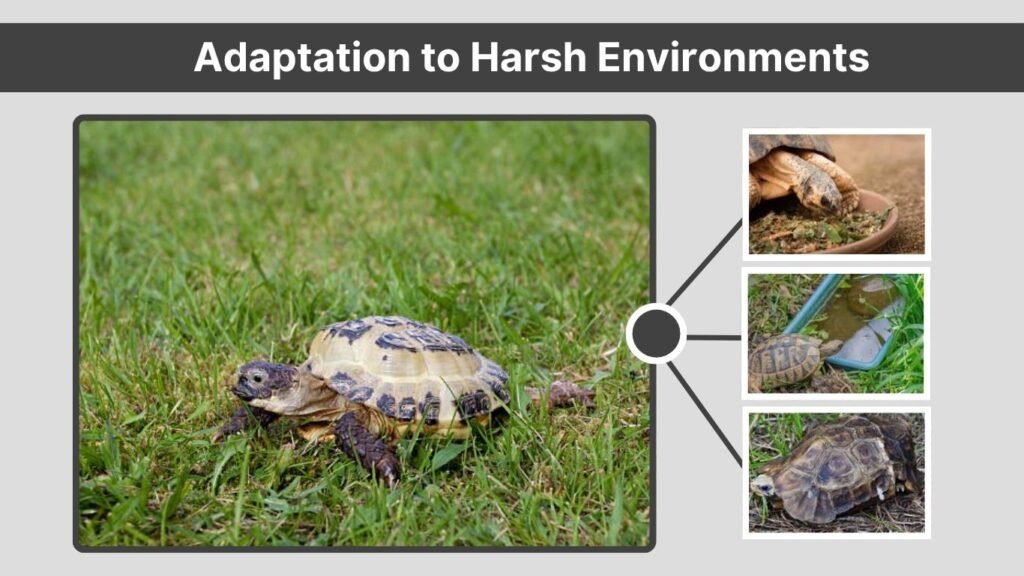
Tortoises have evolved in environments where food and water are often scarce. These tough conditions forced them to develop survival traits that also contribute to their long lifespan.
Survival Advantages
- Ability to store water for long periods
- Efficient use of limited food resources
- Tolerance to extreme heat and dryness
- Ability to slow body functions during scarcity
These adaptations reduce strain on their bodies, helping them survive longer without constant stress on their systems.
Slow Growth and Late Maturity
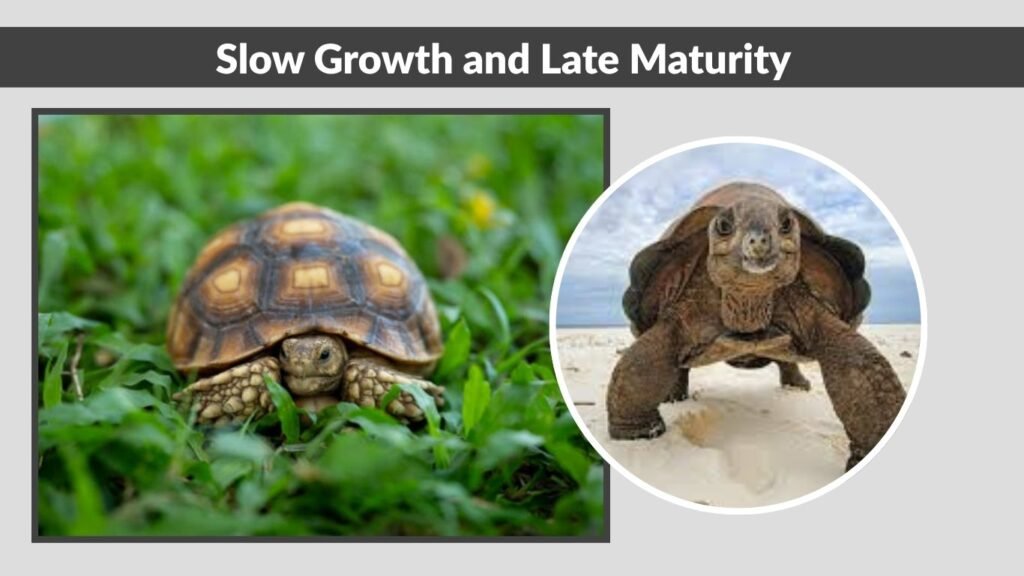
Tortoises grow very slowly and take many years to reach adulthood. While this may seem like a disadvantage, it actually supports a longer life.
Why Slow Growth Matters
- Energy is used gradually over time
- Organs develop more steadily
- Less metabolic stress on the body
- Longer reproductive lifespan
Animals that grow quickly often age faster, but tortoises follow the opposite pattern, which supports longevity.
Fewer Natural Predators
Adult tortoises have very few predators due to their hard shells and size. This greatly increases their chances of living a long life.
Impact on Survival
- Lower risk of fatal attacks
- Higher chance of reaching old age
- Less physical injury over time
With fewer threats in their environment, tortoises can live long enough to fully benefit from their slow aging process.
Human Care and Protection
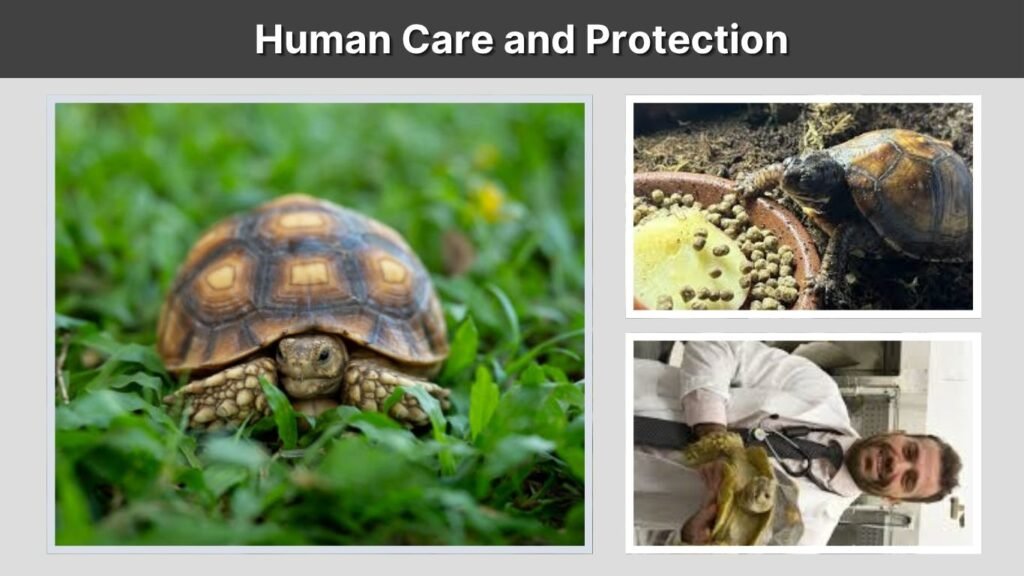
Tortoises kept as pets or in protected environments often live even longer than those in the wild. Proper care removes many of the risks they would normally face.
Factors That Extend Lifespan
- Consistent and balanced diet
- Safe, controlled habitat
- Protection from predators
- Access to veterinary care
When cared for correctly, tortoises can become lifelong companions, sometimes outliving their owners.
FAQs
Why do tortoises live longer than most animals?
Tortoises live longer because of their slow metabolism, strong shells, and efficient cell repair systems. These factors reduce damage over time and help them avoid many threats that shorten the lifespan of other animals.
Can tortoises really live over 100 years?
Yes, many species such as Galápagos and Aldabra tortoises commonly live beyond 100 years. With ideal conditions, some individuals can live for 150 years or more.
Do pet tortoises live longer than wild ones?
Pet tortoises can live just as long or even longer if they receive proper care. A safe environment, good nutrition, and regular health checks play a major role in extending their lifespan.
What is the oldest tortoise ever recorded?
One of the oldest known tortoises is Jonathan, a Seychelles giant tortoise, who is over 190 years old. He is considered one of the oldest living land animals.
Do tortoises age slowly?
Yes, tortoises age very slowly. Their biological processes, including metabolism and cell repair, occur at a slower rate, which helps extend their lifespan significantly.
Conclusion
Tortoises live so long because of a unique combination of slow metabolism, strong physical protection, efficient biological systems, and a low-stress lifestyle. These traits work together to reduce damage, prevent disease, and increase survival over time. Whether in the wild or under human care, tortoises remain one of the most impressive examples of longevity in the animal kingdom.