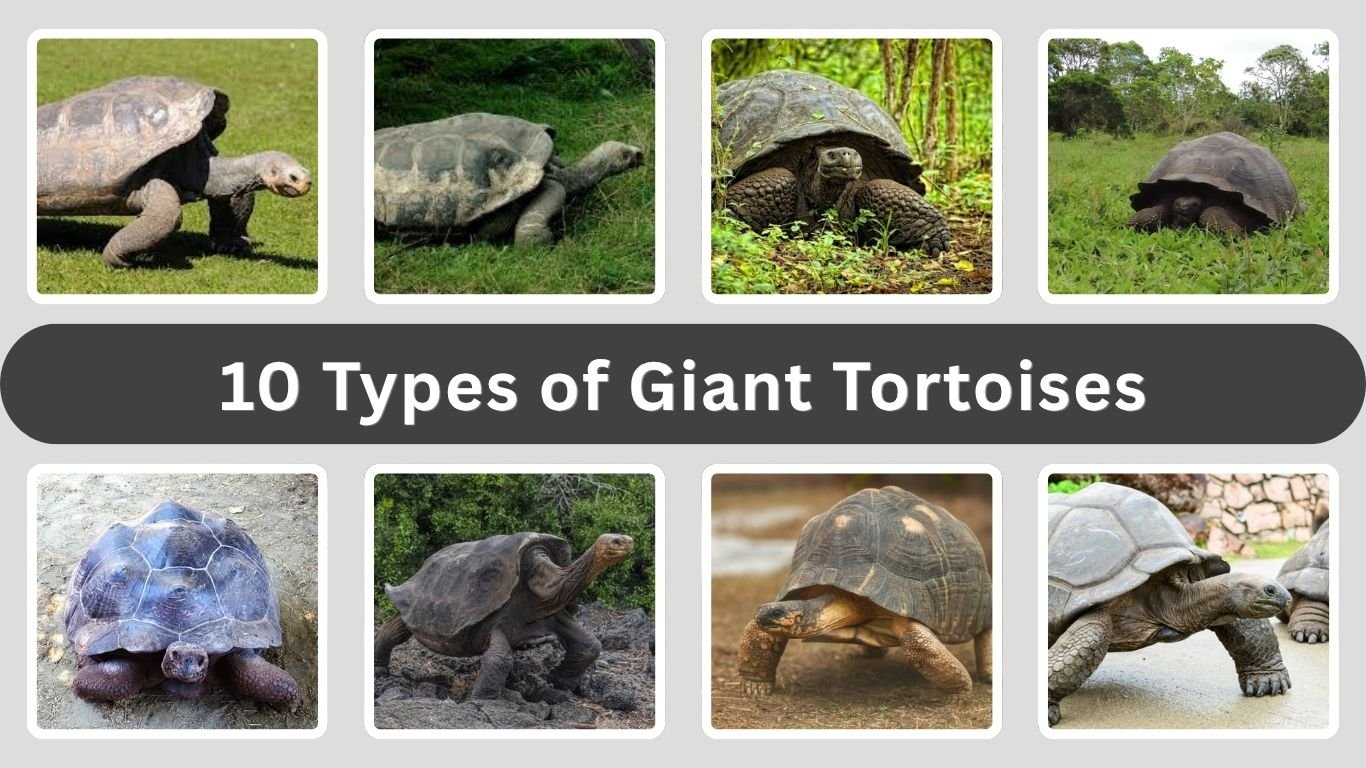
Giant tortoises are among the most remarkable reptiles on Earth, known for their massive size, slow movement, and incredibly long lifespans. These ancient creatures are mainly found on isolated islands, where they have evolved unique adaptations to survive in different environments. They play a vital role in maintaining ecosystem balance by shaping vegetation and dispersing seeds. Despite their strength, many species have faced threats from human activity and habitat loss. In this guide, you will explore 10 types of giant tortoises, along with their identification, habitat, behavior, and lifespan.
1. Galápagos Giant Tortoise
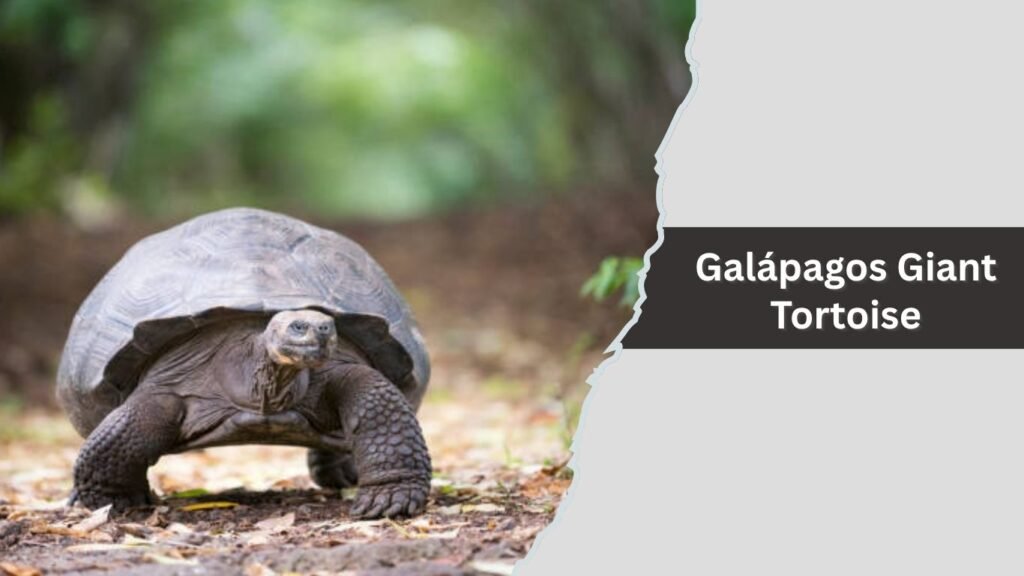
The Galápagos Giant Tortoise is one of the largest and most famous tortoise species in the world. Native to the Galápagos Islands, it is known for its massive size, long lifespan, and slow-moving nature. These tortoises have become iconic symbols of conservation and evolution, especially due to their association with Charles Darwin’s studies.
Identification
- Very large, dome-shaped or saddle-backed shell
- Thick, wrinkled skin
- Long neck and sturdy legs
- Gray to dark brown coloration
- Elephant-like limbs for supporting heavy body
- Can weigh over 250 kg
Habitat and Distribution
Galápagos Giant Tortoises are found exclusively on the Galápagos Islands, located in the Pacific Ocean. They inhabit a range of environments, including arid lowlands, grasslands, and humid highland forests. Different subspecies are adapted to specific islands and habitats, depending on food availability and climate conditions.
Behavior and Diet
These tortoises are generally slow-moving and spend much of their time grazing. They are herbivores and feed on grasses, leaves, fruits, and cacti. Galápagos Giant Tortoises are known for their calm nature and can go long periods without food or water. They often bask in the sun to regulate body temperature and may travel long distances in search of food.
Lifespan
Galápagos Giant Tortoises are among the longest-living animals on Earth, often living over 100 years. Some individuals have been known to reach ages of 150 years or more under favorable conditions.
2. Aldabra Giant Tortoise
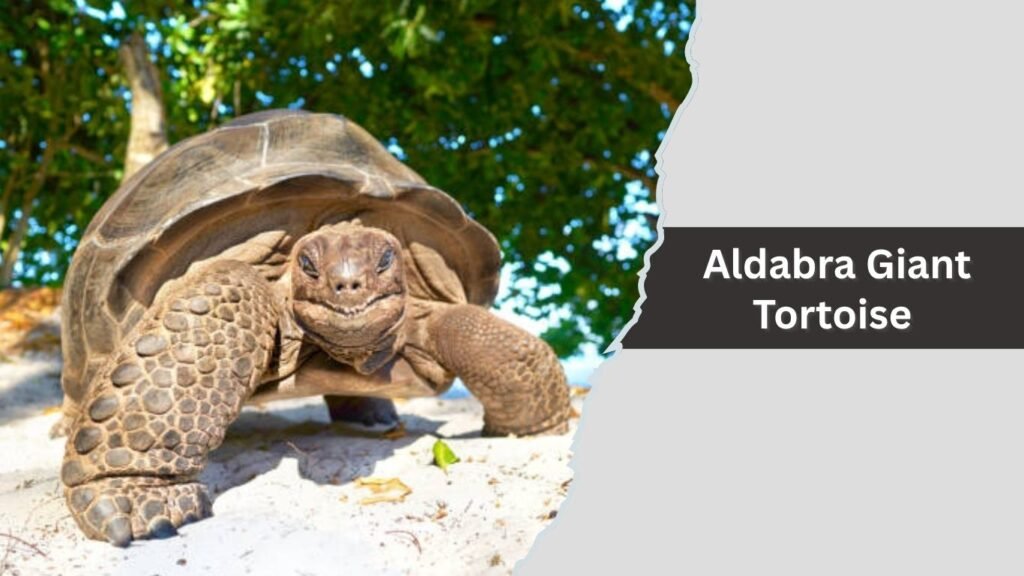
The Aldabra Giant Tortoise is one of the largest tortoise species in the world and is native to the Aldabra Atoll in the Indian Ocean. It is known for its impressive size, long lifespan, and gentle nature. This species has survived for thousands of years and remains an important part of its island ecosystem.
Identification
- Large, high-domed shell
- Dark gray to black coloration
- Thick, wrinkled skin
- Long neck and sturdy legs
- Elephant-like limbs
- Can weigh over 200 kg
Habitat and Distribution
Aldabra Giant Tortoises are primarily found on the Aldabra Atoll in Seychelles. They inhabit grasslands, scrub forests, and coastal areas. These environments provide plenty of vegetation for feeding and open spaces for movement. They are well adapted to warm, tropical climates and can tolerate dry conditions.
Behavior and Diet
These tortoises are slow-moving and spend most of their time grazing. They are herbivores, feeding on grasses, leaves, shrubs, and fallen fruits. Aldabra Giant Tortoises are generally calm and often seen resting in shaded areas or basking in the sun. They can survive long periods without food or water.
Lifespan
Aldabra Giant Tortoises are extremely long-lived, often reaching 80 to 120 years or more. Some individuals have been recorded living beyond 150 years under favorable conditions.
3. Seychelles Giant Tortoise
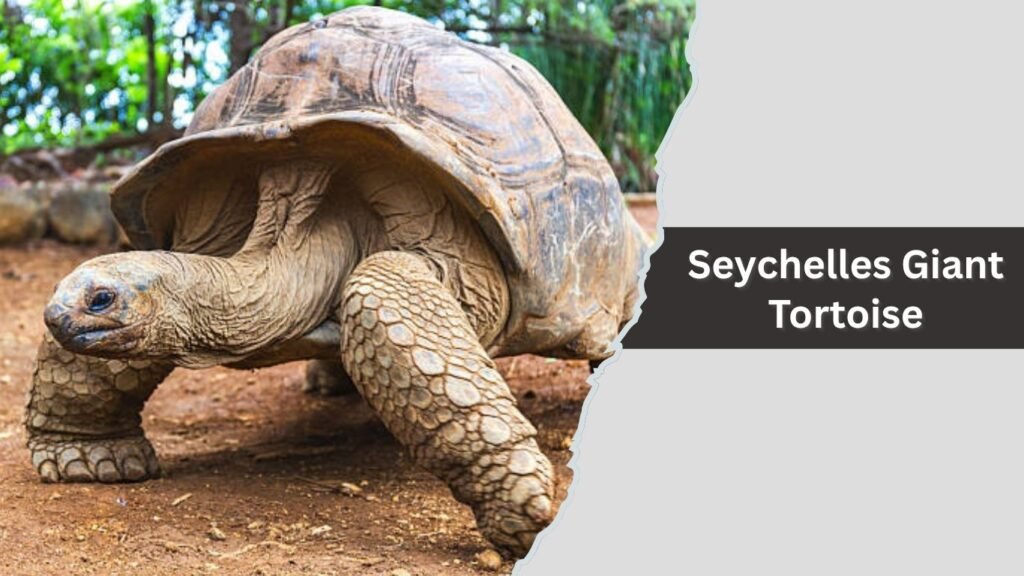
The Seychelles Giant Tortoise is a large, long-lived species native to the islands of the Seychelles. It is closely related to the Aldabra Giant Tortoise and shares many physical and behavioral traits. These tortoises are known for their calm nature and ability to adapt to island environments with limited resources.
Identification
- Large, dome-shaped shell
- Dark gray or black coloration
- Thick, wrinkled skin
- Long neck and strong legs
- Heavy, sturdy body
- Can weigh over 180 kg
Habitat and Distribution
Seychelles Giant Tortoises are found on several islands within the Seychelles. They inhabit grasslands, coastal areas, and forest edges. These environments provide a mix of vegetation and open space for grazing. They are well adapted to tropical climates and can survive in both dry and humid conditions.
Behavior and Diet
These tortoises are slow-moving and spend most of their time feeding and resting. They are herbivores, feeding on grasses, leaves, fruits, and shrubs. Seychelles Giant Tortoises are generally peaceful and often gather in groups while grazing. They may travel slowly in search of food and water.
Lifespan
Seychelles Giant Tortoises have a long lifespan, typically living 80 to 120 years or more. Under ideal conditions, some individuals may live beyond 150 years.
4. Indian Ocean Giant Tortoise
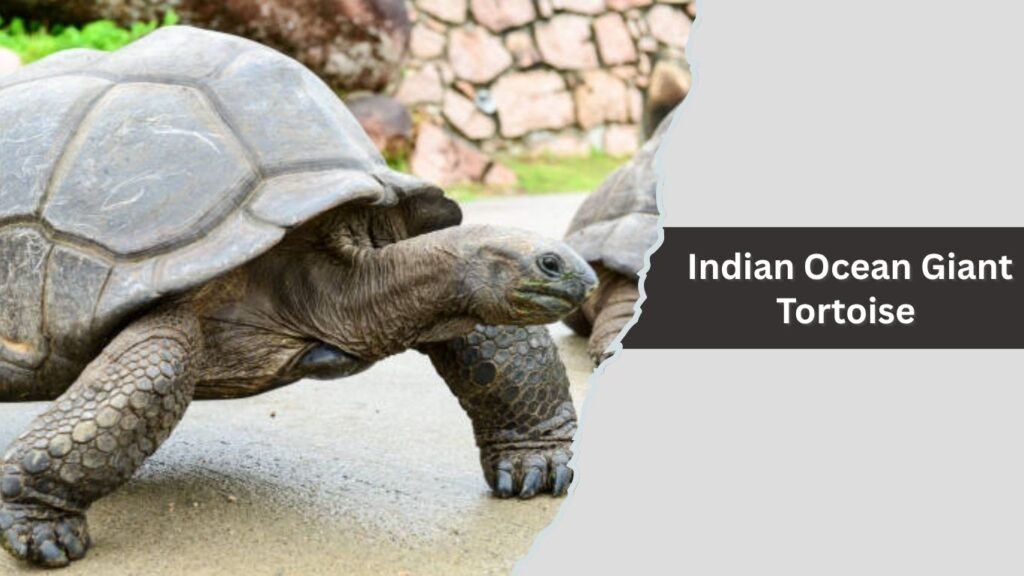
The Indian Ocean Giant Tortoise refers to a group of large tortoises that once inhabited various islands across the Indian Ocean. Many of these populations are now extinct, but some relatives still survive on islands like Aldabra. These tortoises were known for their massive size and important role in island ecosystems.
Identification
- Large, dome-shaped shell
- Dark gray or brown coloration
- Thick, wrinkled skin
- Long neck and sturdy legs
- Heavy, robust body
- Can weigh over 200 kg
Habitat and Distribution
Historically, Indian Ocean Giant Tortoises were found on islands such as Mauritius, Réunion, and Seychelles. They inhabited coastal plains, forests, and grasslands. Today, surviving populations are mainly limited to protected areas like Aldabra Atoll. These environments provide vegetation and open spaces for grazing.
Behavior and Diet
These tortoises are slow-moving and spend much of their time grazing. They are herbivores, feeding on grasses, leaves, fruits, and shrubs. They play an important role in seed dispersal and maintaining vegetation balance. They are generally calm and often rest in shaded areas during the hottest parts of the day.
Lifespan
Indian Ocean Giant Tortoises were known for their long lifespans, often living 80 to 120 years or more. Some individuals may have lived even longer under natural conditions.
5. Madagascar Giant Tortoise
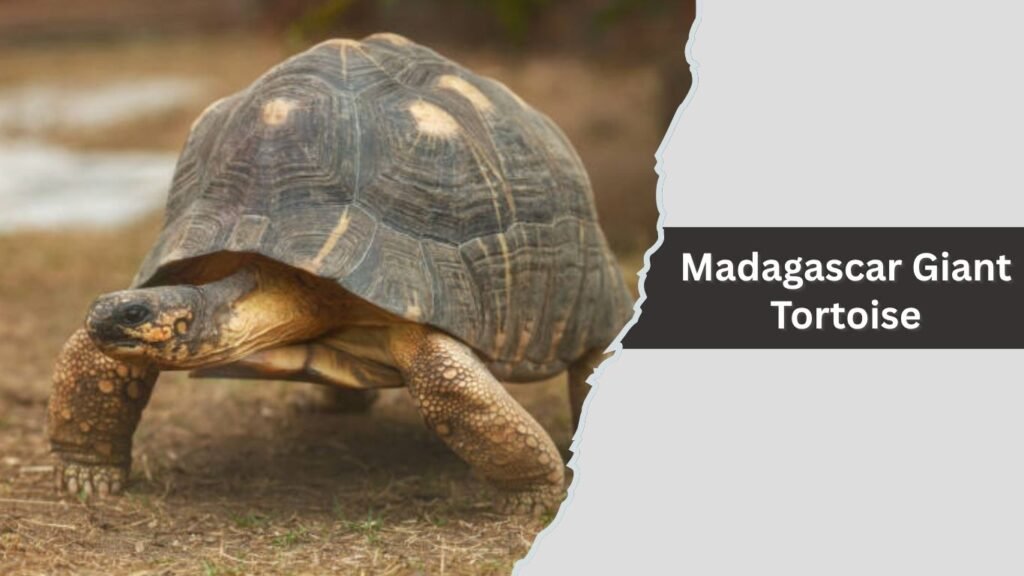
The Madagascar Giant Tortoise is an extinct species that once lived on the island of Madagascar. It was among the largest tortoises to ever exist and played a key role in shaping its ecosystem. These tortoises disappeared due to human activity and environmental changes, but they remain important in scientific studies of island evolution.
Identification
- Extremely large, dome-shaped shell
- Dark brown or gray coloration
- Thick, heavy body
- Strong, column-like legs
- Long neck for reaching vegetation
- Could weigh over 300 kg
Habitat and Distribution
Madagascar Giant Tortoises were native to Madagascar and nearby islands in the Indian Ocean. They inhabited a variety of environments, including forests, grasslands, and coastal regions. These habitats provided abundant vegetation and space for movement. Today, they are no longer found in the wild.
Behavior and Diet
These tortoises were slow-moving herbivores that fed on grasses, leaves, fruits, and shrubs. They likely played a major role in seed dispersal and maintaining vegetation balance. Like other giant tortoises, they probably spent much of their time grazing and resting in shaded areas.
Lifespan
Madagascar Giant Tortoises were long-lived animals, with lifespans likely exceeding 100 years. Their slow growth and longevity were typical of large tortoise species.
6. Pinta Island Giant Tortoise
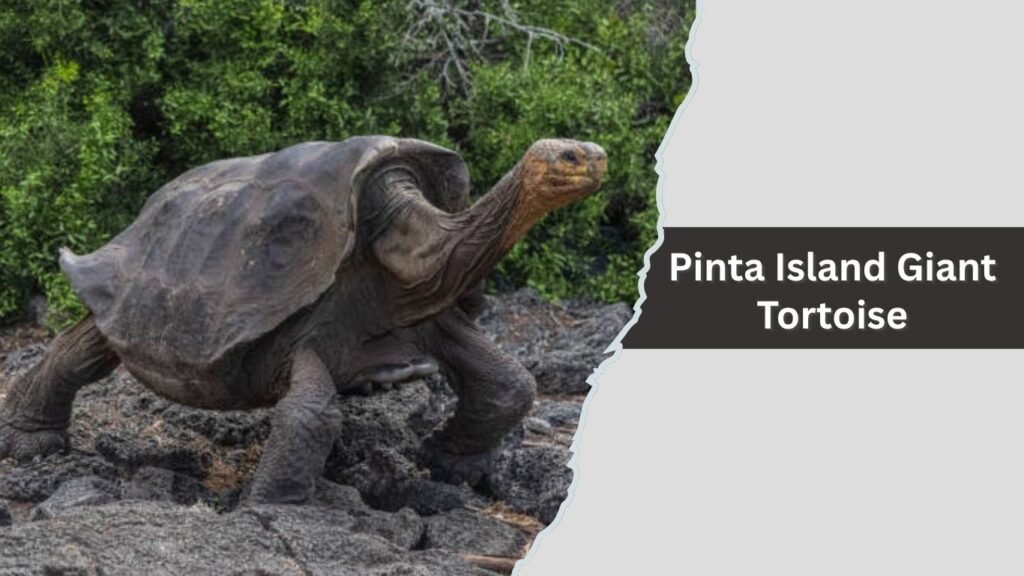
The Pinta Island Giant Tortoise was a unique subspecies of the Galápagos Giant Tortoise, native to Pinta Island. It became widely known due to the last known individual, “Lonesome George.” This tortoise is now extinct, symbolizing the impact of human activity on wildlife and the importance of conservation efforts.
Identification
- Large, saddle-backed shell
- Dark brown to gray coloration
- Long neck adapted for reaching vegetation
- Thick, wrinkled skin
- Strong, sturdy legs
- Could weigh over 200 kg
Habitat and Distribution
The Pinta Island Giant Tortoise was found only on Pinta Island in the Galápagos archipelago. It inhabited dry, rocky environments with sparse vegetation. These habitats required the tortoise to stretch its neck to reach higher plants. Today, this subspecies is extinct and no longer found in the wild.
Behavior and Diet
This tortoise was a herbivore, feeding on grasses, leaves, cacti, and shrubs. It likely spent much of its time grazing and moving slowly across its habitat. Its long neck allowed it to access food sources that other tortoises could not easily reach. Like other giant tortoises, it had a calm and slow-moving nature.
Lifespan
The Pinta Island Giant Tortoise was long-lived, with individuals capable of living over 100 years. The last known individual, Lonesome George, lived for more than a century before his death, marking the end of this subspecies.
7. Española Giant Tortoise
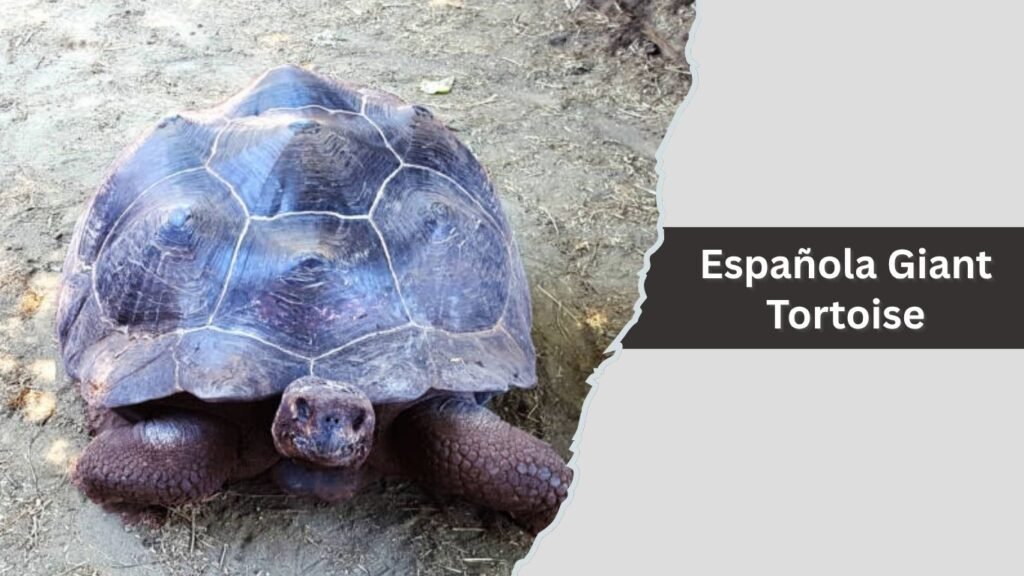
The Española Giant Tortoise is a well-known subspecies of the Galápagos Giant Tortoise, native to Española Island. It is recognized for its distinctive saddle-backed shell and long neck, which help it reach vegetation in dry environments. This tortoise has been the focus of successful conservation programs that helped restore its population.
Identification
- Saddle-backed shell shape
- Light to dark brown coloration
- Long neck adapted for reaching higher plants
- Thick, wrinkled skin
- Strong, sturdy legs
- Can weigh over 150 kg
Habitat and Distribution
Española Giant Tortoises are found on Española Island in the Galápagos archipelago. They inhabit dry, rocky areas with sparse vegetation. These environments require them to stretch their necks to reach food such as shrubs and cacti. Conservation efforts have helped reintroduce them to their natural habitat.
Behavior and Diet
These tortoises are herbivores and feed on grasses, leaves, cacti, and shrubs. They are slow-moving and spend much of their time grazing and resting. Their long necks allow them to access food that grows above ground level. They are generally calm and play a role in maintaining vegetation balance.
Lifespan
Española Giant Tortoises are long-lived animals, often living over 100 years. With conservation protection, many individuals can reach advanced ages in both the wild and managed environments.
8. Isabela Giant Tortoise
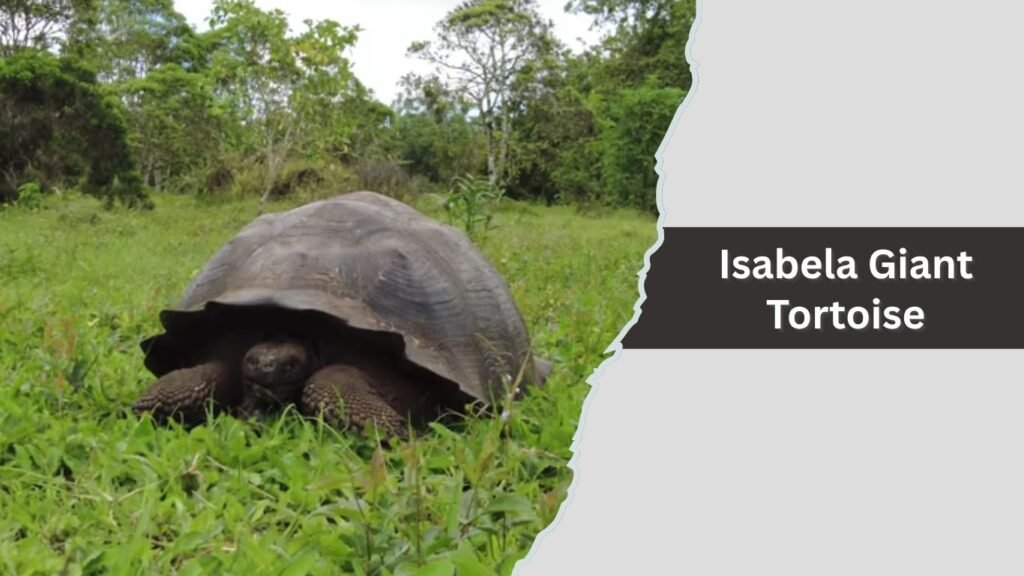
The Isabela Giant Tortoise is one of the largest subspecies of Galápagos Giant Tortoises, found on Isabela Island. This species includes several distinct populations adapted to different volcanic regions of the island. It is known for its size, resilience, and importance in maintaining the island’s ecosystem.
Identification
- Very large, dome-shaped or slightly saddle-backed shell
- Dark brown to black coloration
- Thick, wrinkled skin
- Long neck and strong legs
- Heavy, robust body
- Can weigh over 250 kg
Habitat and Distribution
Isabela Giant Tortoises are found on Isabela Island in the Galápagos archipelago. They inhabit a range of environments, including volcanic slopes, grasslands, and humid highlands. These habitats provide diverse vegetation and suitable conditions for feeding and movement.
Behavior and Diet
These tortoises are herbivores and feed on grasses, leaves, fruits, and shrubs. They are slow-moving and spend much of their time grazing or resting. They often travel between feeding areas and water sources. Their grazing helps shape vegetation and supports ecosystem balance.
Lifespan
Isabela Giant Tortoises are long-lived animals, often living over 100 years. Some individuals may reach 120 years or more under favorable conditions.
9. Santa Cruz Giant Tortoise
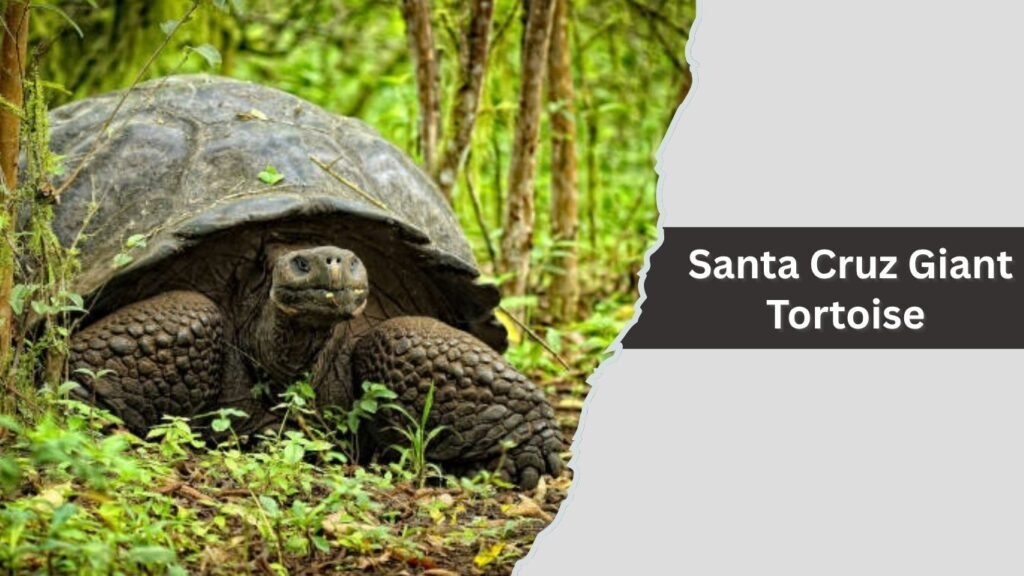
The Santa Cruz Giant Tortoise is a well-known subspecies of the Galápagos Giant Tortoise found on Santa Cruz Island. It is one of the most studied tortoise populations due to conservation efforts and research centers located on the island. These tortoises are important for maintaining the ecological balance of their habitat.
Identification
- Large, dome-shaped shell
- Dark brown to black coloration
- Thick, wrinkled skin
- Long neck and sturdy legs
- Heavy, rounded body
- Can weigh over 200 kg
Habitat and Distribution
Santa Cruz Giant Tortoises are found on Santa Cruz Island in the Galápagos archipelago. They inhabit both lowland dry areas and humid highland regions. These environments provide a variety of vegetation and water sources. They often migrate seasonally between different habitats in search of food.
Behavior and Diet
These tortoises are herbivores and feed on grasses, leaves, fruits, and cacti. They are slow-moving and spend much of their time grazing or resting. They may travel long distances to find food and water. Their feeding habits help maintain plant diversity and ecosystem balance.
Lifespan
Santa Cruz Giant Tortoises are long-lived, often living over 100 years. With proper protection and conservation, many individuals can reach very old ages.
10. Pinzón Giant Tortoise
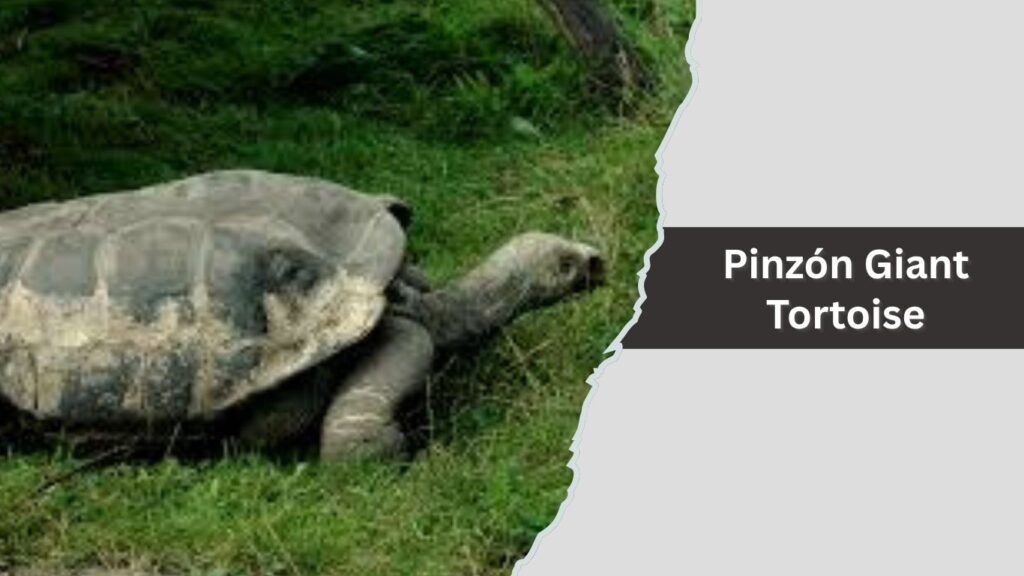
The Pinzón Giant Tortoise is a subspecies of the Galápagos Giant Tortoise native to Pinzón Island. It is known for its conservation success story, as its population has recovered after being threatened by invasive species. These tortoises play a key role in maintaining the island’s ecosystem.
Identification
- Medium to large dome-shaped shell
- Dark brown or black coloration
- Thick, wrinkled skin
- Strong legs and moderately long neck
- Rounded, sturdy body
- Can weigh over 150 kg
Habitat and Distribution
Pinzón Giant Tortoises are found on Pinzón Island in the Galápagos archipelago. They inhabit dry lowland areas with sparse vegetation. These habitats provide grasses, shrubs, and other plants for feeding. Conservation programs have helped restore their population in their natural environment.
Behavior and Diet
These tortoises are herbivores and feed on grasses, leaves, fruits, and shrubs. They are slow-moving and spend most of their time grazing and resting. They help maintain vegetation balance by dispersing seeds and controlling plant growth.
Lifespan
Pinzón Giant Tortoises are long-lived animals, often living over 100 years. With conservation efforts, many individuals can reach advanced ages in the wild.
FAQs
What are giant tortoises?
Giant tortoises are large, long-lived reptiles belonging to the tortoise family. They are known for their massive shells, slow movement, and herbivorous diet. These tortoises are mainly found on islands and are among the longest-living land animals on Earth.
Where do giant tortoises live?
Giant tortoises are primarily found on islands such as the Galápagos Islands and Aldabra Atoll. They inhabit a variety of environments, including grasslands, forests, and coastal areas, depending on the species and local climate conditions.
What do giant tortoises eat?
Giant tortoises are herbivores and feed on grasses, leaves, fruits, cacti, and shrubs. Their diet depends on the vegetation available in their habitat. They can survive long periods without food or water by storing resources in their bodies.
How long do giant tortoises live?
Giant tortoises are among the longest-living animals, often living over 100 years. Some individuals have been recorded living up to 150 years or more under favorable conditions.
Are giant tortoises endangered?
Many giant tortoise species are threatened or endangered due to habitat loss, human activity, and introduced species. Conservation efforts, including breeding programs and habitat protection, have helped some populations recover.