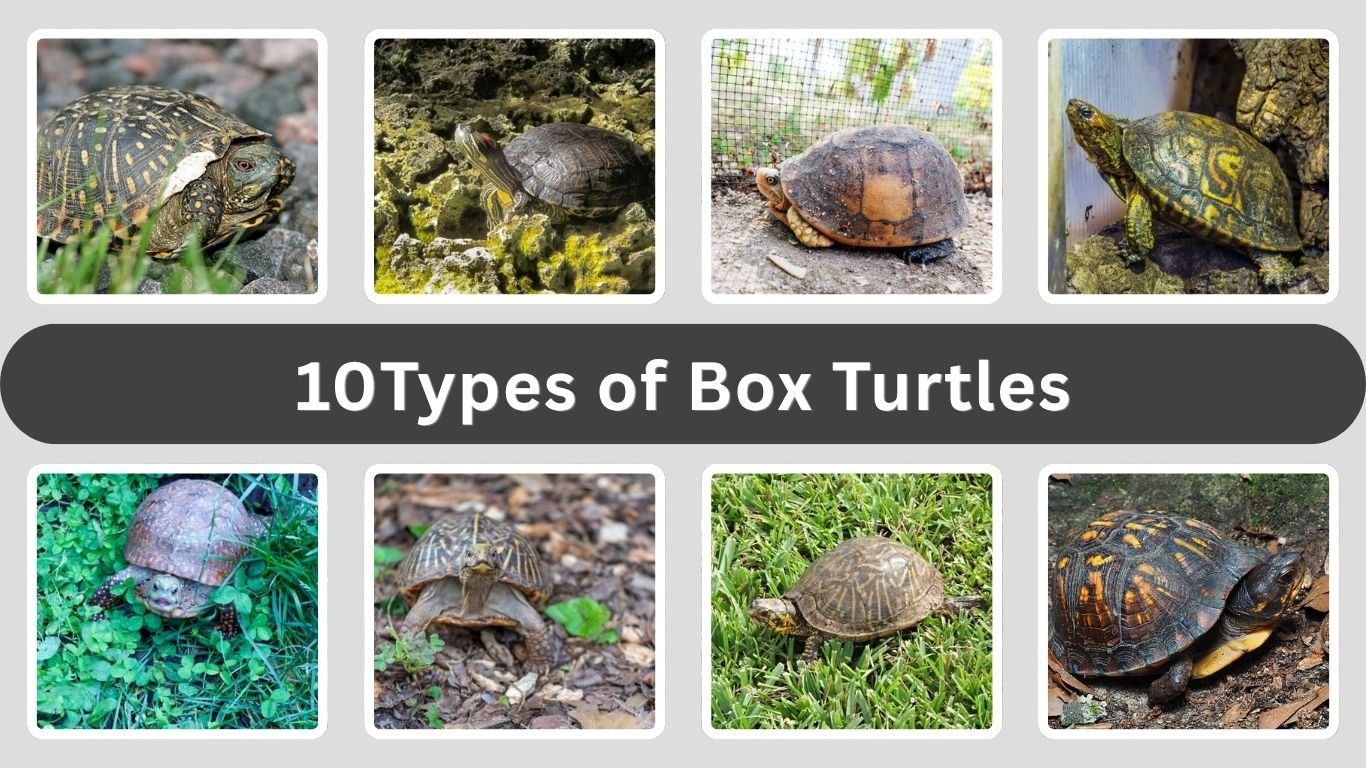
Box turtles are unique land-dwelling reptiles known for their ability to completely close their shells for protection. They are found mainly in North and Central America and are admired for their colorful patterns and long lifespans. These turtles are highly adaptable, living in a variety of habitats such as forests, grasslands, wetlands, and even deserts. As omnivores, they play an important role in maintaining ecological balance. In this guide, you will explore 10 types of box turtles, along with their identification, habitat, behavior, and lifespan.
1. Eastern Box Turtle
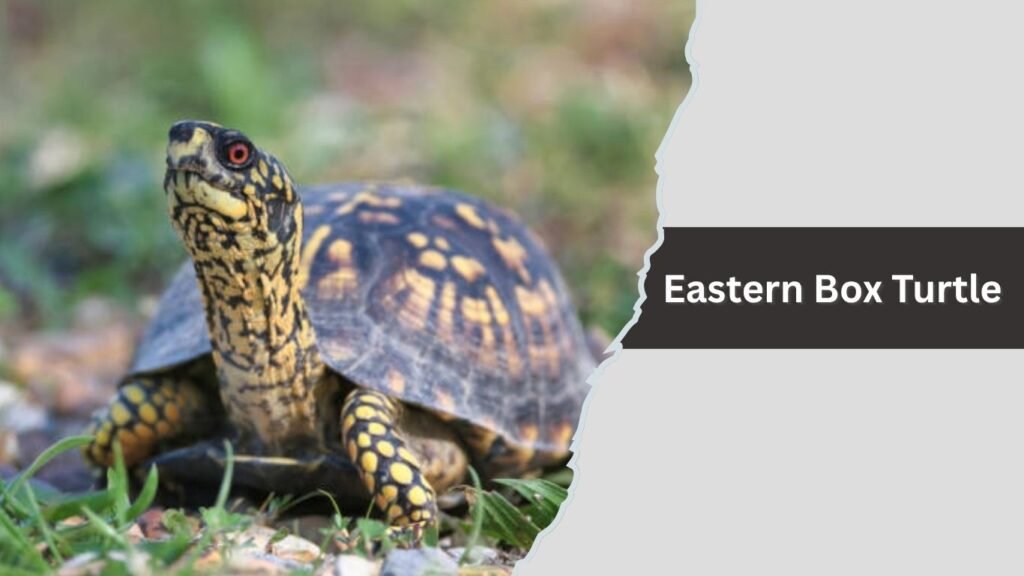
The Eastern Box Turtle is one of the most well-known box turtle species in North America. It is famous for its ability to completely close its shell, providing strong protection from predators. This turtle is highly adaptable and can be found in a variety of environments, often near forests and grasslands.
Identification
- Dome-shaped, hinged shell that can fully close
- Dark brown or black shell with yellow or orange patterns
- High, rounded carapace
- Strong, sturdy legs with claws
- Bright red or orange eyes (in males)
- Typically 12–15 cm in length
Habitat and Distribution
Eastern Box Turtles are found across the eastern United States. They prefer habitats such as forests, woodlands, grasslands, and meadows. These environments provide cover, moisture, and access to food. They are often seen near water sources but are primarily land-dwelling turtles.
Behavior and Diet
These turtles are mostly active during the day, especially after rainfall. They are omnivorous, feeding on insects, worms, fruits, berries, mushrooms, and vegetation. Eastern Box Turtles move slowly and spend much of their time foraging or resting in shaded areas. They may burrow into soil or leaf litter to regulate temperature.
Lifespan
Eastern Box Turtles are long-lived reptiles, often living 40 to 60 years in the wild. Some individuals have been known to live over 100 years under favorable conditions.
2. Three-toed Box Turtle
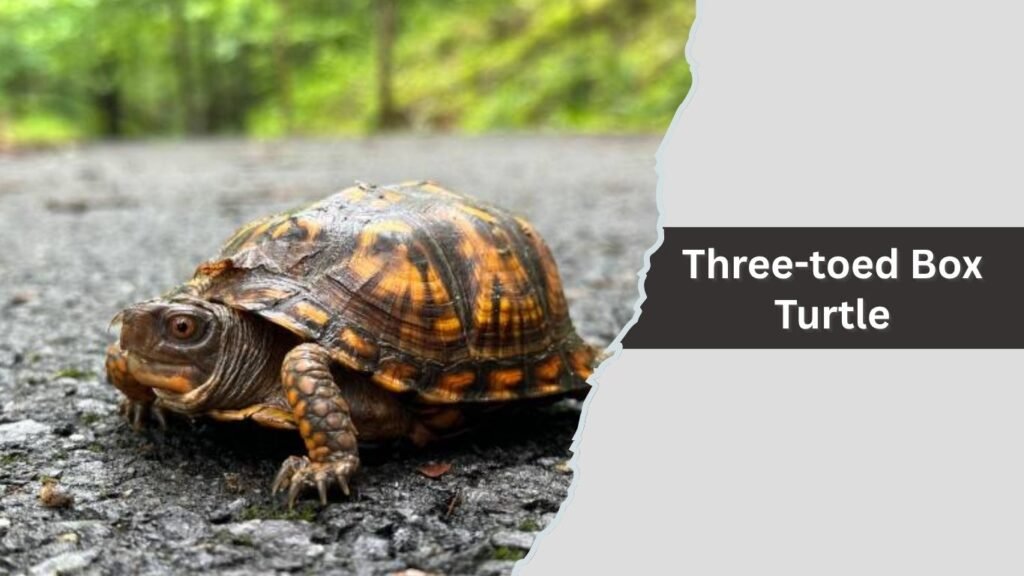
The Three-toed Box Turtle is a common species found in the central United States. It is known for having three toes on its hind feet, which distinguishes it from other box turtles. This species is adaptable and often lives in warm, humid environments with plenty of vegetation.
Identification
- Dome-shaped shell with a hinged plastron
- Olive, brown, or tan shell with faint markings
- Three toes on each hind foot
- Smooth, rounded carapace
- Small head with a pointed beak
- Typically 10–14 cm in length
Habitat and Distribution
Three-toed Box Turtles are found in the central and southern United States, particularly in states like Texas, Missouri, and Arkansas. They prefer moist habitats such as forests, grasslands, and areas near streams or ponds. These environments provide shelter, humidity, and access to food sources.
Behavior and Diet
This species is mostly active during the day and prefers warm, humid conditions. It is omnivorous, feeding on insects, worms, fruits, mushrooms, and vegetation. Three-toed Box Turtles are generally solitary and spend much of their time foraging or hiding under leaves and logs.
Lifespan
Three-toed Box Turtles can live for several decades, typically around 30 to 50 years in the wild. With favorable conditions, some individuals may live even longer.
3. Gulf Coast Box Turtle
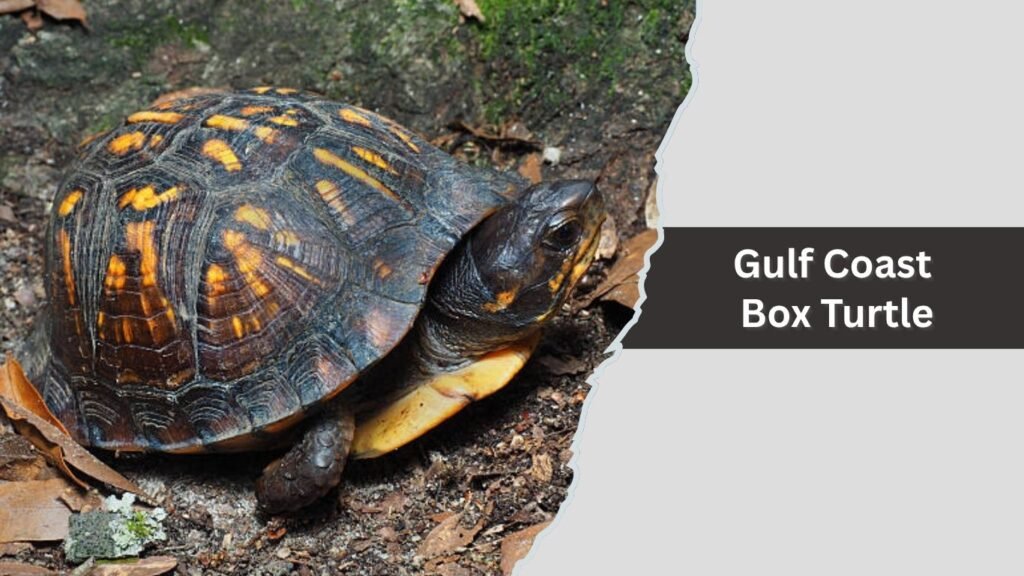
The Gulf Coast Box Turtle is the largest subspecies of box turtles in North America. It is known for its dark shell and preference for humid, coastal environments. This turtle is often found in areas with abundant moisture and vegetation, making it well suited to life near wetlands and forests.
Identification
- Large, high-domed shell
- Dark brown to black coloration
- Minimal or faint yellow markings
- Strong, sturdy legs
- Hinged plastron that can fully close
- Typically 15–20 cm in length
Habitat and Distribution
Gulf Coast Box Turtles are found along the Gulf Coast of the United States, including states like Florida, Alabama, and Mississippi. They prefer moist habitats such as forests, marshes, and coastal plains. These environments provide high humidity, shelter, and access to food.
Behavior and Diet
These turtles are mostly active during the day, especially in warm and humid conditions. They are omnivorous and feed on insects, worms, fruits, mushrooms, and plant matter. Gulf Coast Box Turtles often stay close to water sources and may soak in shallow water to stay hydrated.
Lifespan
Gulf Coast Box Turtles are long-lived reptiles, often living 40 to 60 years in the wild. Under ideal conditions, some individuals may live even longer.
4. Florida Box Turtle
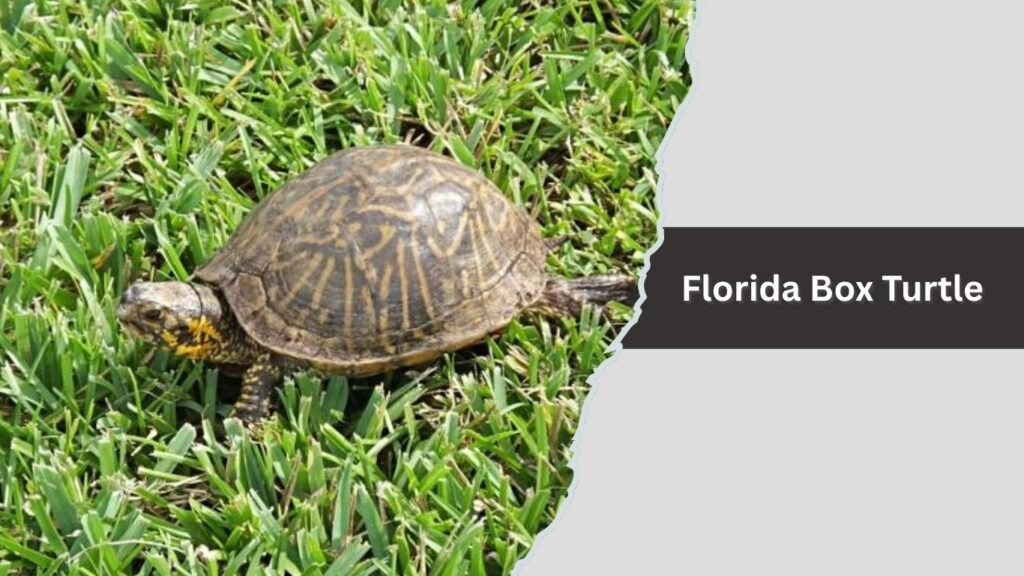
The Florida Box Turtle is a colorful subspecies commonly found in the southeastern United States. It is known for its bright shell patterns and strong adaptability to warm, humid environments. This turtle is often seen in forests and grassy areas where moisture and vegetation are abundant.
Identification
- High-domed, hinged shell
- Dark shell with bold yellow or orange radiating patterns
- Brightly colored head and limbs
- Strong, clawed legs
- Ability to fully close its shell
- Typically 12–15 cm in length
Habitat and Distribution
Florida Box Turtles are found mainly in Florida and nearby southeastern regions of the United States. They prefer habitats such as pine forests, grasslands, wetlands, and coastal plains. These environments provide warmth, humidity, and access to food. They are often found near water but are primarily land-dwelling.
Behavior and Diet
This species is active during the day, especially after rain. It is omnivorous, feeding on insects, worms, fruits, mushrooms, and plant material. Florida Box Turtles often bask in the sun and seek shelter under vegetation or leaf litter during extreme temperatures.
Lifespan
Florida Box Turtles are long-lived, typically living 40 to 60 years in the wild. With favorable conditions, some individuals may live even longer.
5. Ornate Box Turtle
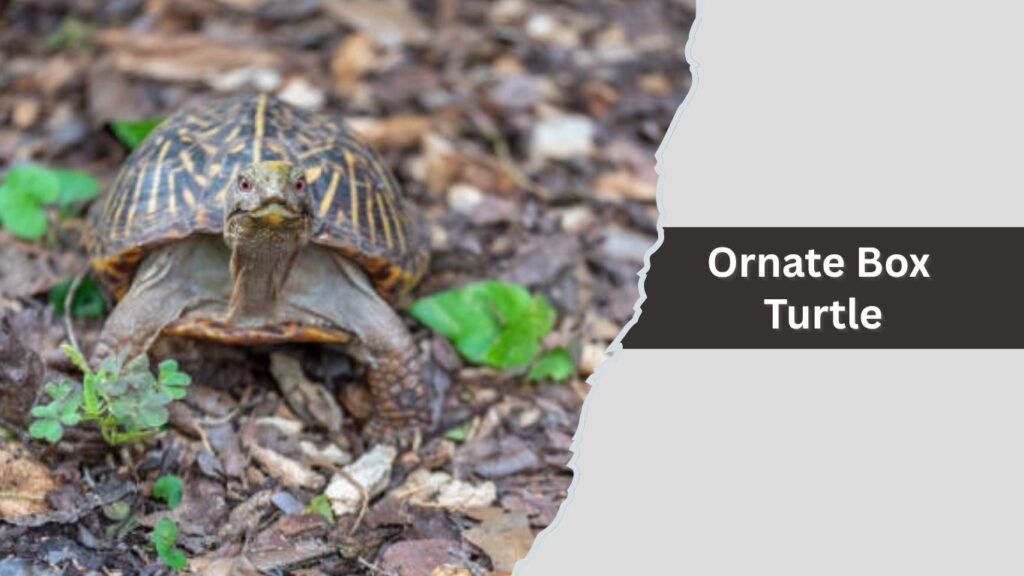
The Ornate Box Turtle is a beautifully patterned species known for its striking shell markings. It is commonly found in open grasslands and prairies, where its coloration helps it blend into the environment. This turtle is well adapted to drier habitats compared to many other box turtles.
Identification
- High-domed shell with intricate yellow lines
- Dark brown or black base color
- Starburst or radiating patterns on shell
- Hinged plastron that can fully close
- Strong legs with claws
- Typically 10–13 cm in length
Habitat and Distribution
Ornate Box Turtles are found in the central United States, especially in grasslands, prairies, and open plains. They prefer dry, sandy soils where they can burrow. These habitats provide access to food and shelter while allowing them to regulate body temperature effectively.
Behavior and Diet
This species is mostly active during the day but may avoid extreme heat by staying hidden. It is omnivorous, feeding on insects, worms, fruits, flowers, and vegetation. Ornate Box Turtles often burrow into the ground to escape heat or cold and are well adapted to seasonal changes.
Lifespan
Ornate Box Turtles can live for several decades, typically around 30 to 50 years in the wild. Under favorable conditions, some individuals may live longer.
6. Desert Box Turtle
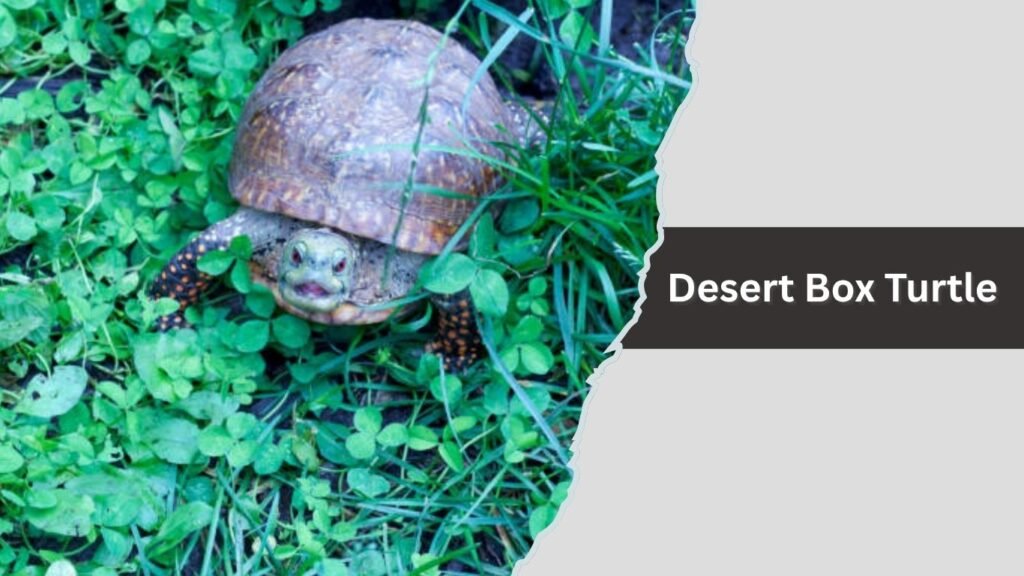
The Desert Box Turtle is a hardy species adapted to dry and arid environments. It is well suited to life in deserts and semi-desert regions, where it survives extreme temperatures and limited water availability. This turtle is known for its ability to burrow and remain inactive during harsh conditions.
Identification
- High-domed, hinged shell
- Brown or olive shell with lighter markings
- Thick, scaly skin
- Strong legs adapted for digging
- Ability to fully close its shell
- Typically 12–15 cm in length
Habitat and Distribution
Desert Box Turtles are found in the southwestern United States and northern Mexico. They inhabit deserts, scrublands, and arid grasslands. These environments have sandy or loose soil, which allows them to dig burrows for shelter. They are often found in areas with sparse vegetation and extreme temperature changes.
Behavior and Diet
This species is mostly active during cooler parts of the day, such as early morning or late afternoon. It is omnivorous, feeding on insects, worms, fruits, and plant material. Desert Box Turtles often burrow to escape heat and conserve moisture, making them well adapted to dry climates.
Lifespan
Desert Box Turtles typically live around 30 to 50 years in the wild. Their lifespan depends on environmental conditions, food availability, and protection from predators.
7. Mexican Box Turtle
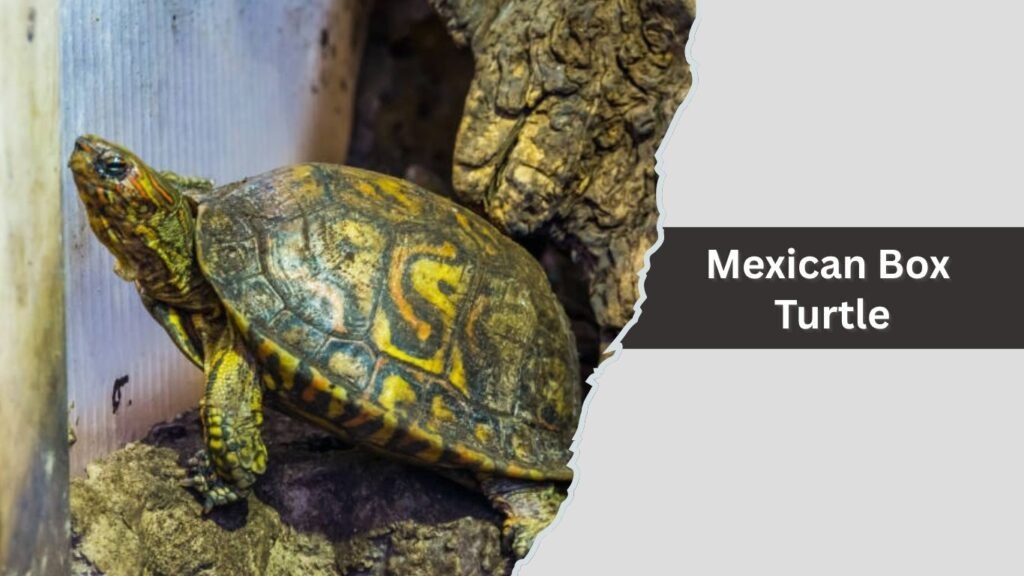
The Mexican Box Turtle is a regional species found in parts of Mexico and nearby areas. It is known for its adaptability to warm climates and its ability to live in both forested and open environments. Like other box turtles, it can completely close its shell for protection.
Identification
- Dome-shaped, hinged shell
- Brown or olive shell with yellow markings
- Smooth, rounded carapace
- Strong legs with claws
- Small head with a pointed beak
- Typically 12–16 cm in length
Habitat and Distribution
Mexican Box Turtles are found mainly in Mexico and parts of Central America. They prefer habitats such as forests, grasslands, and scrublands. These environments provide warmth, shelter, and access to food. They are often found in areas with moderate moisture and vegetation.
Behavior and Diet
This species is mostly active during the day, especially in warm conditions. It is omnivorous, feeding on insects, worms, fruits, mushrooms, and plant material. Mexican Box Turtles are generally solitary and spend much of their time foraging or resting under cover.
Lifespan
Mexican Box Turtles typically live around 30 to 50 years in the wild. With favorable conditions, some individuals may live longer.
8. Coahuilan Box Turtle
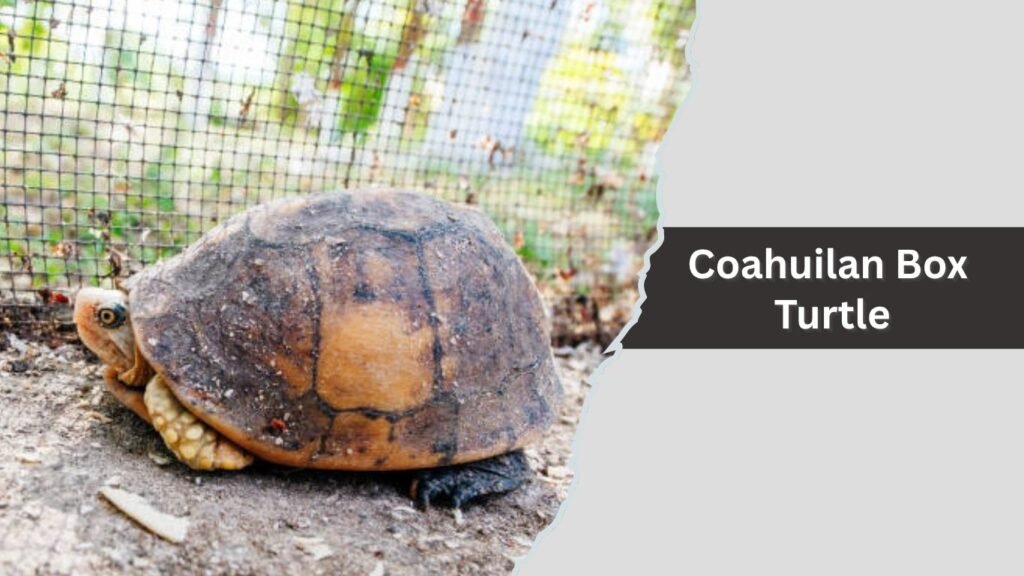
The Coahuilan Box Turtle is a unique species known for its semi-aquatic lifestyle, unlike most box turtles. It is native to a very limited region and is considered one of the most specialized box turtles. This species depends heavily on wetland habitats and is highly sensitive to environmental changes.
Identification
- Low, slightly flattened shell
- Dark brown or olive coloration
- Minimal or faint markings
- Partially webbed feet for swimming
- Hinged plastron for protection
- Typically 12–18 cm in length
Habitat and Distribution
Coahuilan Box Turtles are found only in a small region of northeastern Mexico, particularly in the Cuatro Ciénegas Basin. They inhabit marshes, ponds, and wetlands with abundant aquatic vegetation. These habitats provide both water and food, making them essential for survival.
Behavior and Diet
This species is more aquatic than other box turtles and spends much of its time in water. It is active during the day and feeds on aquatic plants, insects, and small invertebrates. Coahuilan Box Turtles are generally calm and rely on water for protection and feeding.
Lifespan
Coahuilan Box Turtles typically live around 20 to 40 years in the wild. Their lifespan can vary depending on habitat conditions and environmental stability.
9. Spotted Box Turtle
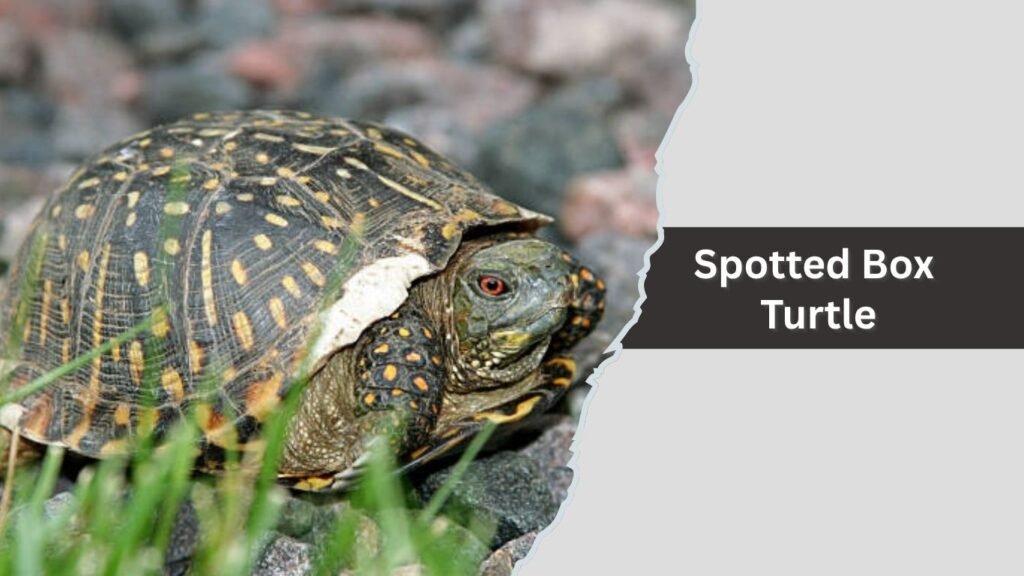
The Spotted Box Turtle is a distinctive species known for its dark shell covered with bright yellow spots. It is smaller than many other box turtles and is often found in moist environments. This turtle is admired for its unique appearance and is closely associated with wet habitats.
Identification
- Dark black or brown shell with yellow spots
- Smooth, slightly domed carapace
- Hinged plastron that can close
- Small, compact body
- Bright markings on head and limbs
- Typically 8–12 cm in length
Habitat and Distribution
Spotted Box Turtles are found in parts of the eastern United States. They prefer moist habitats such as wetlands, marshes, forest edges, and grassy areas near water. These environments provide the humidity and food sources they need for survival.
Behavior and Diet
This species is active during the day and often seen after rain. It is omnivorous, feeding on insects, worms, small invertebrates, fruits, and vegetation. Spotted Box Turtles may spend time in shallow water and often seek shelter under plants or leaf litter.
Lifespan
Spotted Box Turtles typically live around 25 to 50 years in the wild. With favorable conditions, some individuals may live longer.
10. Yucatán Box Turtle
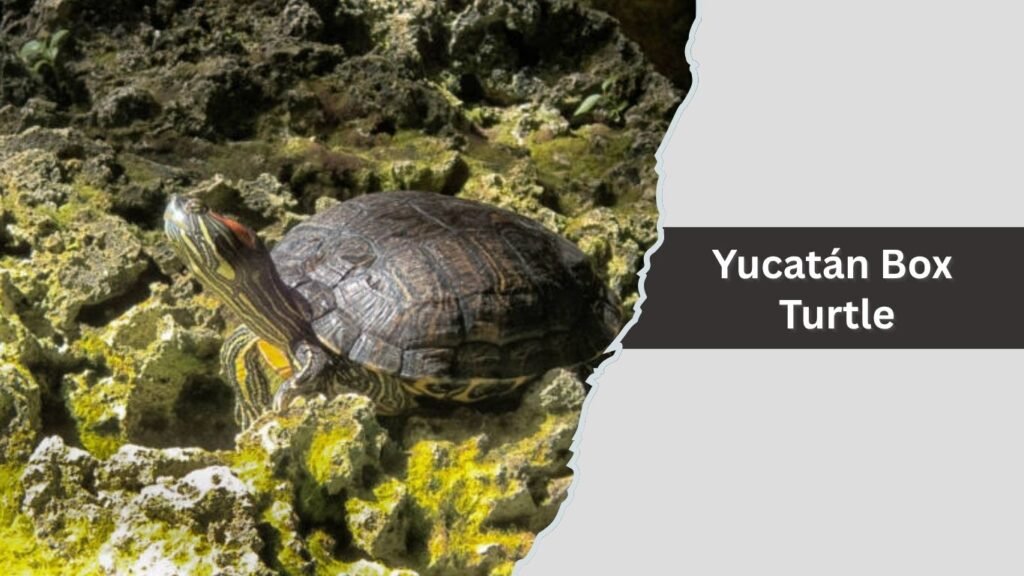
The Yucatán Box Turtle is a regional species found in the Yucatán Peninsula. It is adapted to warm, tropical environments and is known for its attractive shell patterns. Like other box turtles, it can fully close its shell for protection and is well suited to life on land.
Identification
- Dome-shaped, hinged shell
- Brown or olive shell with yellow or orange markings
- Smooth, rounded carapace
- Strong legs with claws
- Small head with a pointed beak
- Typically 12–16 cm in length
Habitat and Distribution
Yucatán Box Turtles are found in the Yucatán Peninsula of Mexico. They prefer tropical forests, grasslands, and scrublands with moderate moisture. These habitats provide shelter, warmth, and access to food. They are often found in areas with dense vegetation.
Behavior and Diet
This species is mostly active during the day, especially in warm and humid conditions. It is omnivorous, feeding on insects, worms, fruits, mushrooms, and plant material. Yucatán Box Turtles spend much of their time foraging or resting under cover to avoid extreme heat.
Lifespan
Yucatán Box Turtles typically live around 30 to 50 years in the wild. Their lifespan depends on environmental conditions, food availability, and protection from predators.
FAQs
What are box turtles?
Box turtles are land-dwelling turtles known for their unique hinged shell that allows them to completely close themselves inside for protection. They belong to the genus Terrapene and are commonly found in North and Central America.
Where do box turtles live?
Box turtles are found in forests, grasslands, wetlands, and desert regions, depending on the species. They prefer areas with access to moisture, shelter, and food. Some species live in dry habitats, while others stay close to water sources.
What do box turtles eat?
Box turtles are omnivores and have a varied diet. They eat insects, worms, fruits, berries, mushrooms, and plant material. Their diet often changes based on age, season, and available food in their habitat.
How long do box turtles live?
Box turtles are long-lived reptiles, often living 30 to 50 years in the wild. Some individuals can live over 100 years under ideal conditions, making them one of the longer-living turtle species.
Can box turtles close their shells completely?
Yes, box turtles can fully close their shells thanks to a hinged plastron. This ability allows them to protect their head, legs, and tail from predators, making them unique among many turtle species.