
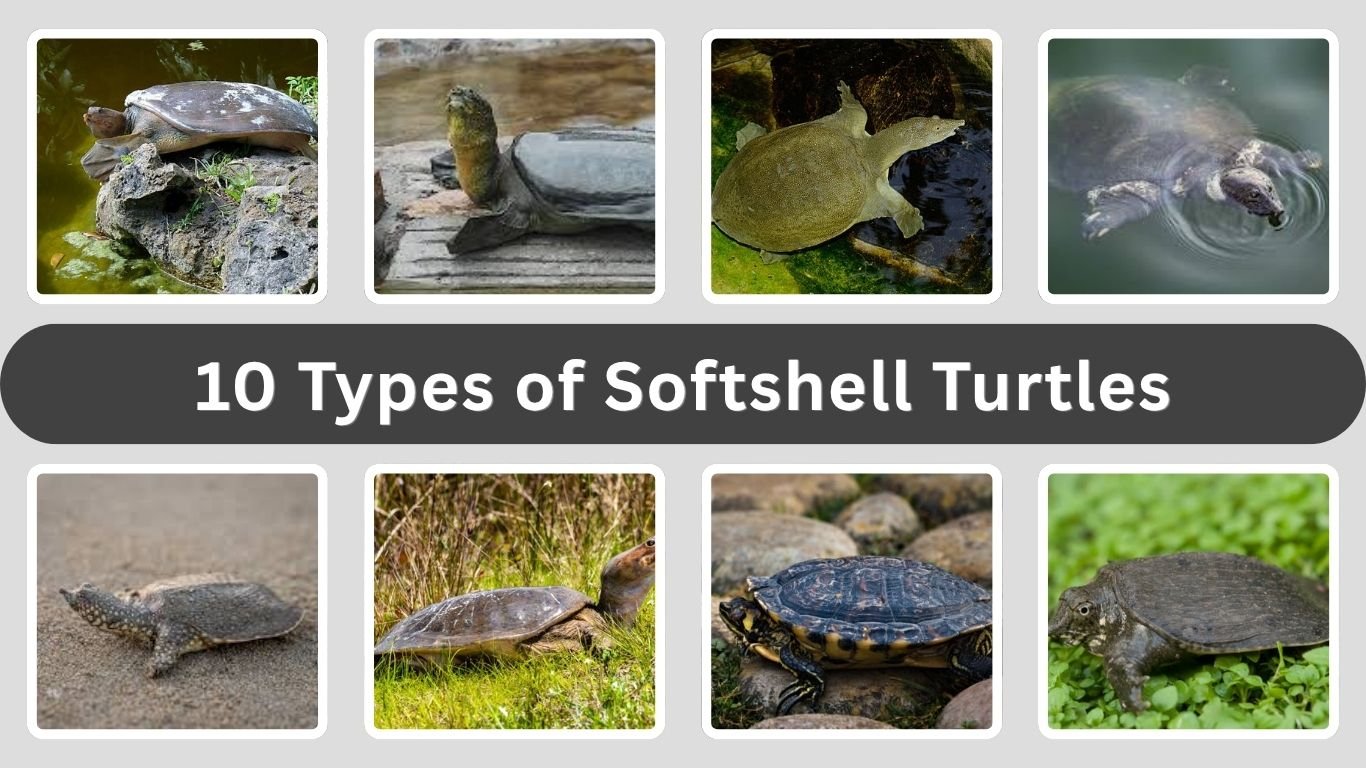
Softshell turtles are unique freshwater reptiles known for their flat, flexible shells and excellent swimming abilities. Unlike hard-shelled turtles, their soft, leathery shells make them faster and more agile in water. These turtles are highly adapted to aquatic environments and are commonly found in rivers, lakes, and wetlands around the world. Many species are skilled hunters, using camouflage to ambush prey. While they play an important role in aquatic ecosystems, some species face threats from habitat loss and human activity. In this guide, you will explore 10 types of softshell turtles.
1. Indian Softshell Turtle
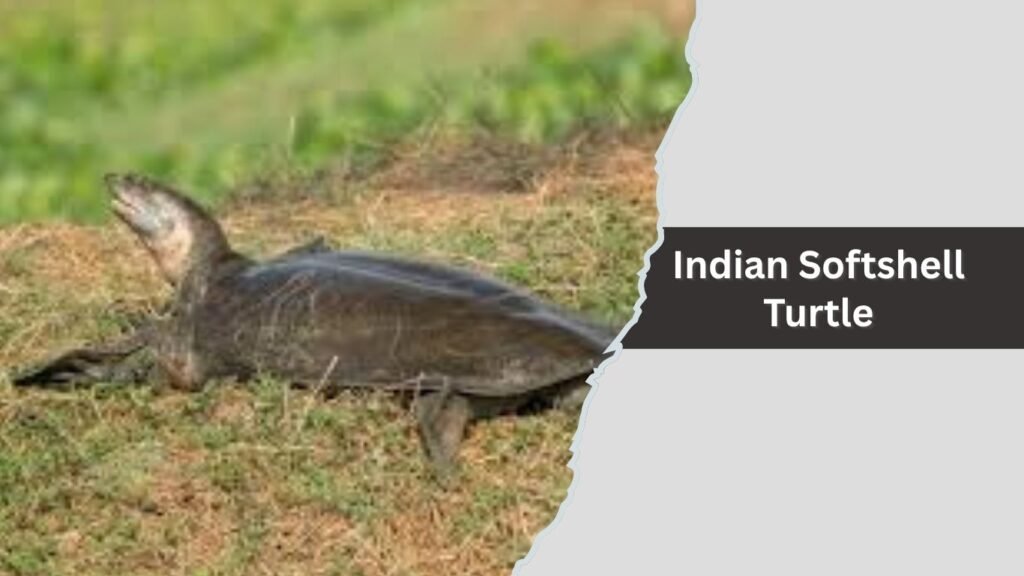
The Indian Softshell Turtle is a large freshwater species known for its flat, leathery shell and streamlined body. It is commonly found in rivers and lakes across South Asia. This turtle is well adapted to aquatic life and is known for its ability to stay submerged for long periods.
Identification
- Flat, soft, leathery shell instead of a hard one
- Olive to dark brown coloration
- Long, pointed snout
- Webbed feet for swimming
- Smooth, flexible body shape
- Can grow quite large compared to other turtles
Habitat and Distribution
Indian Softshell Turtles are found across the Indian subcontinent, including India, Bangladesh, Pakistan, and Nepal. They prefer freshwater habitats such as rivers, lakes, ponds, and wetlands. These environments provide soft, sandy or muddy bottoms where they can bury themselves and remain hidden.
Behavior and Diet
This species is mostly aquatic and spends much of its time underwater. It is an omnivore, feeding on fish, insects, crustaceans, aquatic plants, and carrion. Indian Softshell Turtles are known for their ability to bury themselves in mud to ambush prey or avoid predators. They are generally solitary and can be quite active hunters.
Lifespan
Indian Softshell Turtles typically live around 20 to 40 years in the wild, depending on environmental conditions and threats such as habitat loss and hunting.
2. Ganges Softshell Turtle
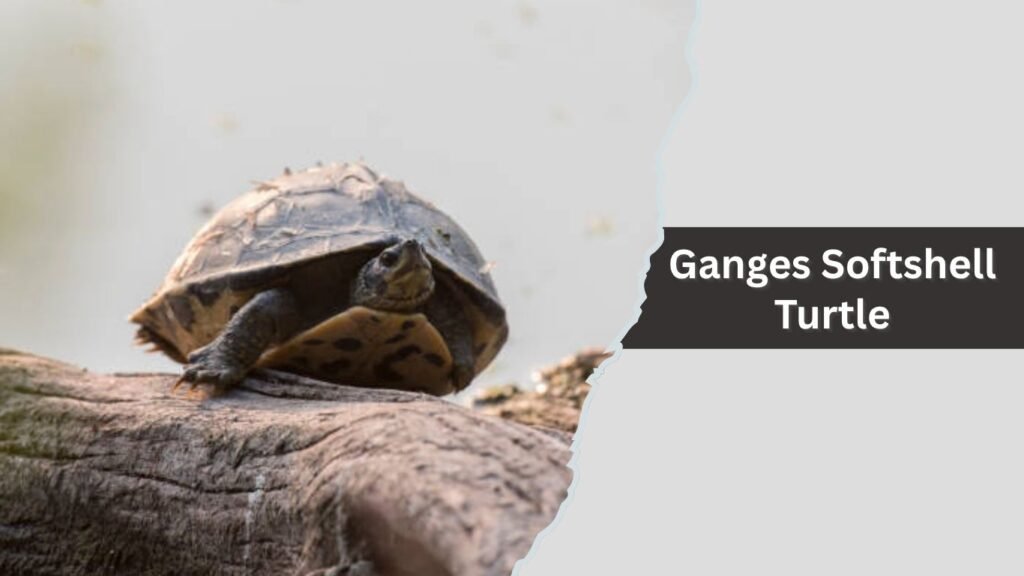
The Ganges Softshell Turtle is a large freshwater turtle known for its broad, flat shell and long snout. It is one of the biggest softshell turtles found in South Asia and is well adapted to river environments. This species is often seen basking on riverbanks or resting in shallow waters.
Identification
- Large, flat, leathery shell
- Olive green to dark brown coloration
- Long, tube-like snout
- Wide, streamlined body
- Strong, webbed feet
- Can grow up to 1 meter in length
Habitat and Distribution
Ganges Softshell Turtles are found in major river systems across South Asia, including the Ganges, Brahmaputra, and Indus rivers. They prefer large rivers, lakes, and wetlands with sandy or muddy bottoms. These habitats allow them to burrow and stay hidden while also providing access to food.
Behavior and Diet
This species is mostly aquatic and spends much of its time submerged. It is omnivorous, feeding on fish, amphibians, insects, plants, and carrion. The Ganges Softshell Turtle often buries itself in the riverbed to ambush prey. It is generally solitary and becomes more active during warmer periods.
Lifespan
Ganges Softshell Turtles typically live around 30 to 50 years in the wild. Their lifespan depends on habitat quality, food availability, and protection from threats such as pollution and hunting.
3. Chinese Softshell Turtle
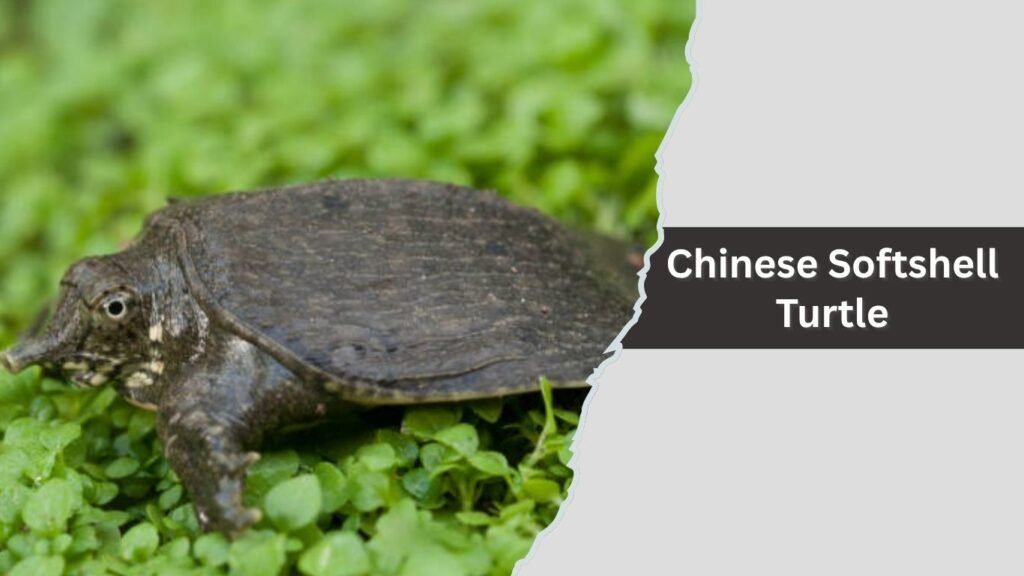
The Chinese Softshell Turtle is a widely distributed freshwater species known for its smooth, flexible shell and strong swimming ability. It is commonly found in rivers, lakes, and ponds and is also widely farmed in many regions. This turtle is highly adaptable and can thrive in various aquatic environments.
Identification
- Flat, soft, leathery shell
- Olive, gray, or brown coloration
- Long, pointed snout with tubular nostrils
- Smooth, flexible body
- Webbed feet with strong claws
- Medium to large size
Habitat and Distribution
Chinese Softshell Turtles are found across East Asia, including China, Japan, Korea, and parts of Southeast Asia. They prefer freshwater habitats such as rivers, lakes, ponds, and rice fields. These environments provide soft substrates like sand or mud, which are ideal for burrowing and hiding.
Behavior and Diet
This species is mostly aquatic and spends most of its time submerged. It is omnivorous, feeding on fish, insects, crustaceans, aquatic plants, and small animals. Chinese Softshell Turtles often bury themselves in the mud to ambush prey or avoid predators. They are generally solitary and can be quite active, especially during warmer conditions.
Lifespan
Chinese Softshell Turtles typically live around 20 to 40 years in the wild, although they may live longer in controlled environments such as farms or protected areas.
4. Spiny Softshell Turtle
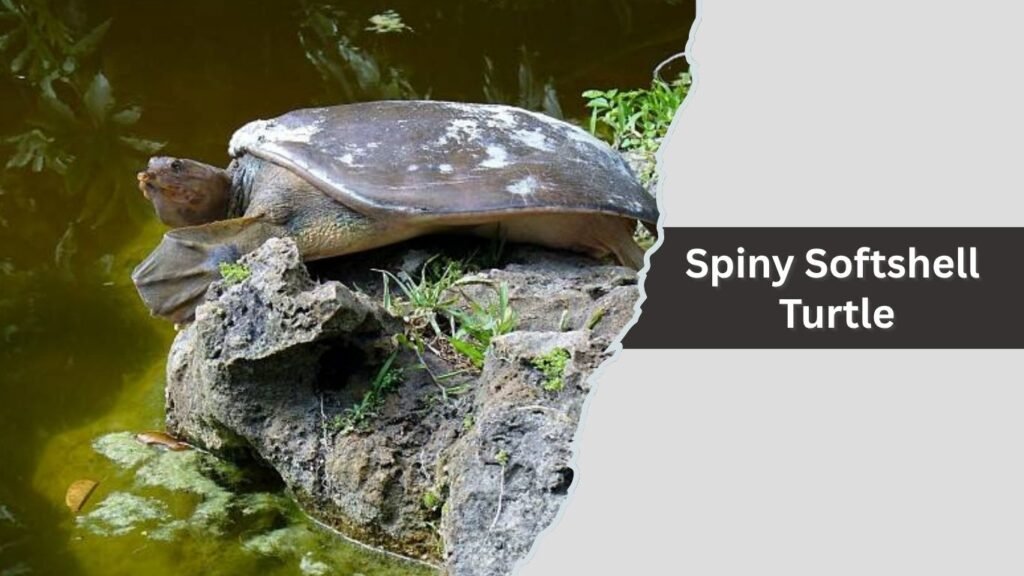
The Spiny Softshell Turtle is a freshwater species known for its distinctive rough-edged shell and excellent swimming ability. It is commonly found in North America and is well adapted to life in rivers and lakes. This turtle is fast, agile, and often remains hidden beneath sand or mud.
Identification
- Flat, soft shell with small spines along the front edge
- Olive, brown, or tan coloration with dark spots
- Long, pointed snout
- Smooth, leathery skin
- Webbed feet for strong swimming
- Medium-sized body
Habitat and Distribution
Spiny Softshell Turtles are found across North America, particularly in the United States and southern Canada. They prefer freshwater habitats such as rivers, lakes, and large streams with sandy or muddy bottoms. These environments allow them to bury themselves for protection and hunting.
Behavior and Diet
This species is highly aquatic and spends most of its time in the water. It is omnivorous, feeding on insects, fish, crustaceans, and aquatic plants. Spiny Softshell Turtles often bury themselves in sand with only their snout exposed, waiting to ambush prey. They are fast swimmers and can be quite active.
Lifespan
Spiny Softshell Turtles typically live around 20 to 30 years in the wild. Their lifespan depends on environmental conditions, food availability, and threats such as habitat destruction and pollution.
5. Smooth Softshell Turtle
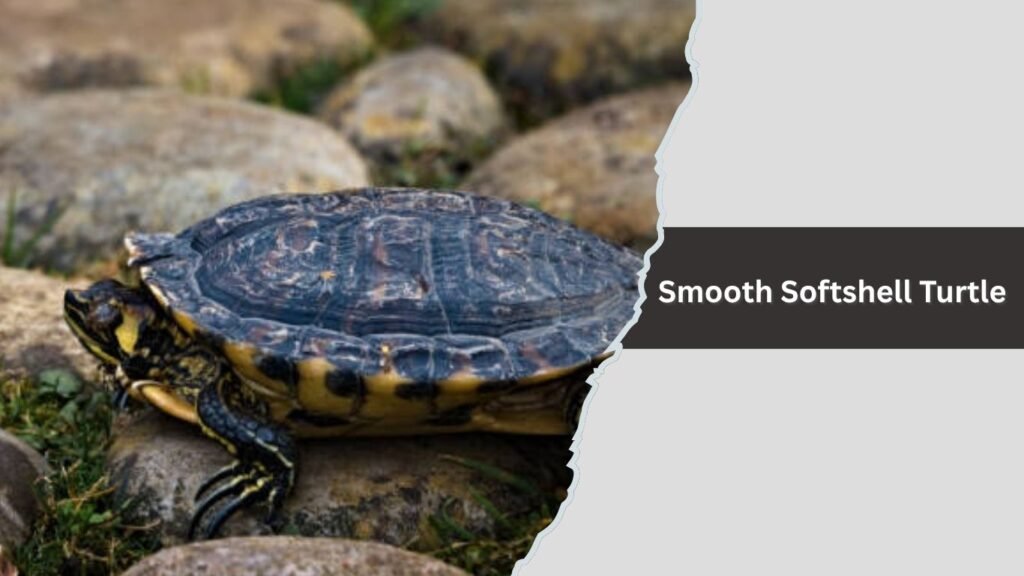
The Smooth Softshell Turtle is a fast-swimming freshwater species known for its soft, smooth shell without spines. It is one of the most aquatic softshell turtles and is rarely seen on land. This turtle is well adapted to life in rivers and streams, where it can move quickly and hide effectively.
Identification
- Smooth, flat, leathery shell without spines
- Olive, gray, or tan coloration
- Long, narrow snout
- Streamlined body shape
- Webbed feet for fast swimming
- Medium-sized body
Habitat and Distribution
Smooth Softshell Turtles are found in North America, especially in the United States and parts of Canada. They prefer large rivers, streams, and lakes with sandy bottoms. These habitats provide ideal conditions for burrowing and hunting while allowing them to stay hidden from predators.
Behavior and Diet
This species is highly aquatic and spends most of its time in the water. It is carnivorous, feeding mainly on fish, insects, and crustaceans. Smooth Softshell Turtles are active hunters and use their speed to catch prey. They often bury themselves in sand with only their snout exposed to ambush food.
Lifespan
Smooth Softshell Turtles typically live around 20 to 30 years in the wild. Their lifespan depends on habitat quality, food availability, and environmental conditions.
6. Florida Softshell Turtle
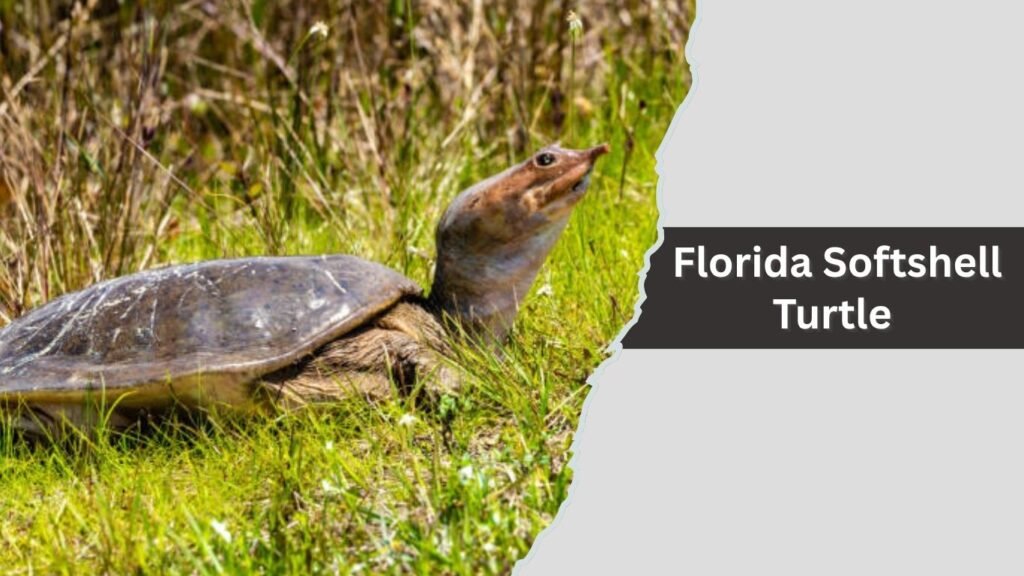
The Florida Softshell Turtle is a large freshwater species known for its long neck and aggressive behavior compared to other turtles. It is commonly found in southeastern regions and is highly adapted to aquatic life. This turtle is an excellent swimmer and rarely spends time on land.
Identification
- Large, flat, leathery shell
- Dark brown to olive coloration
- Very long neck and pointed snout
- Smooth, flexible body
- Strong webbed feet with sharp claws
- Can grow over 60 cm in length
Habitat and Distribution
Florida Softshell Turtles are found mainly in the southeastern United States, especially in Florida and nearby states. They prefer freshwater habitats such as lakes, rivers, ponds, and canals. These environments provide sandy or muddy bottoms for burrowing and abundant food sources.
Behavior and Diet
This species is highly aquatic and spends most of its time underwater. It is carnivorous, feeding on fish, insects, crustaceans, and small aquatic animals. Florida Softshell Turtles are active hunters and may also scavenge for food. They can be more aggressive than other turtles when threatened.
Lifespan
Florida Softshell Turtles typically live around 20 to 30 years in the wild. Their lifespan depends on environmental conditions, food availability, and protection from threats such as habitat loss.
7. Nile Softshell Turtle
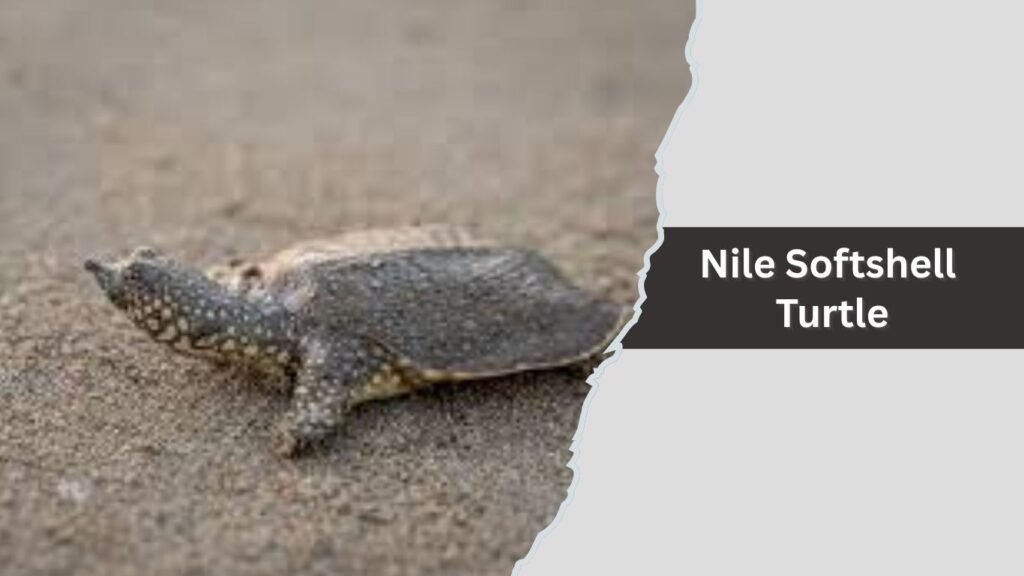
The Nile Softshell Turtle is a large freshwater species found in Africa, known for its powerful build and aggressive nature. It is well adapted to river systems and is one of the more dominant softshell turtles in its habitat. This turtle is highly aquatic and spends most of its life in water.
Identification
- Large, flat, leathery shell
- Olive to dark brown coloration
- Long, pointed snout
- Strong, muscular body
- Webbed feet with sharp claws
- Can grow over 70 cm in length
Habitat and Distribution
Nile Softshell Turtles are found across Africa, particularly in the Nile River and other major freshwater systems. They inhabit rivers, lakes, and wetlands with sandy or muddy bottoms. These environments allow them to burrow and stay hidden while also providing access to prey.
Behavior and Diet
This species is mostly aquatic and spends much of its time submerged. It is carnivorous, feeding on fish, amphibians, crustaceans, and small animals. Nile Softshell Turtles are active hunters and may also scavenge. They are known to be more aggressive than many other turtle species.
Lifespan
Nile Softshell Turtles typically live around 30 to 50 years in the wild. Their lifespan depends on habitat conditions, food availability, and protection from threats such as hunting and habitat degradation.
8. African Softshell Turtle
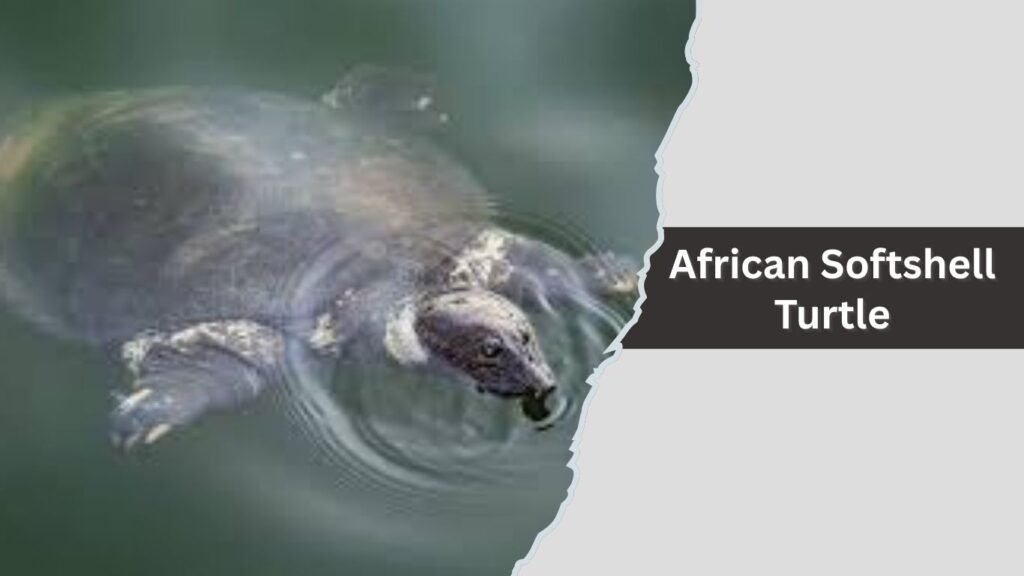
The African Softshell Turtle is a freshwater species found in various parts of Africa. It is known for its flexible shell and strong swimming ability. This turtle is well adapted to aquatic environments and often remains hidden in muddy or sandy bottoms.
Identification
- Flat, soft, leathery shell
- Brown to olive coloration
- Long, tube-like snout
- Smooth, flexible body
- Webbed feet for swimming
- Medium to large size
Habitat and Distribution
African Softshell Turtles are found in rivers, lakes, and wetlands across central and western Africa. They prefer habitats with slow-moving or still water and soft bottoms. These environments allow them to burrow and stay concealed while also providing access to food.
Behavior and Diet
This species is mostly aquatic and spends much of its time submerged. It is omnivorous, feeding on fish, insects, crustaceans, and aquatic plants. African Softshell Turtles often bury themselves in mud to ambush prey or avoid predators. They are generally solitary and active hunters.
Lifespan
African Softshell Turtles typically live around 20 to 40 years in the wild, depending on environmental conditions and threats such as habitat loss and predation.
9. Asiatic Softshell Turtle
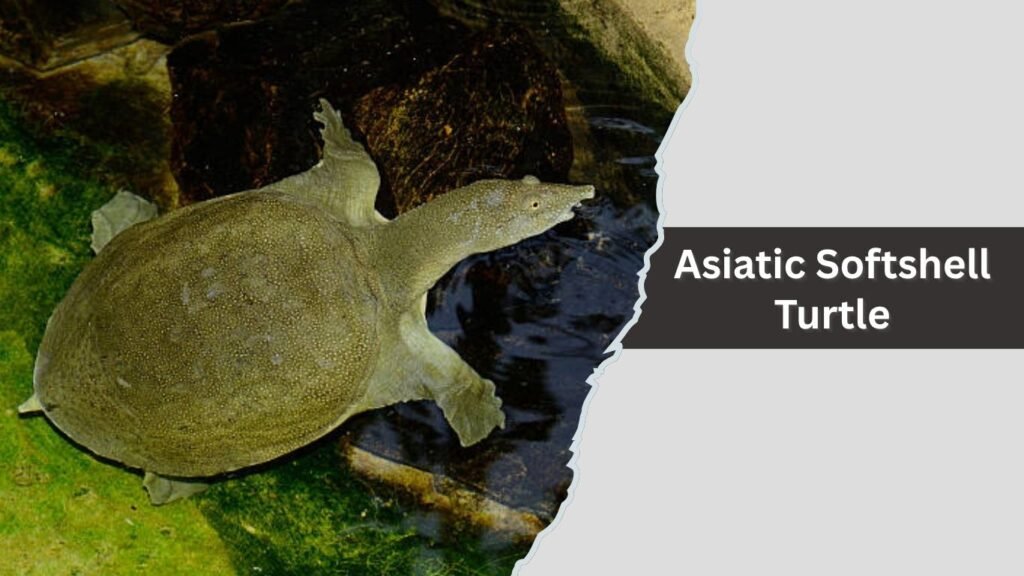
The Asiatic Softshell Turtle is a freshwater species found across parts of Asia. It is known for its flat, flexible shell and strong swimming ability. This turtle is highly adapted to aquatic life and often remains hidden in muddy or sandy riverbeds.
Identification
- Flat, soft, leathery shell
- Olive to brown coloration
- Long, pointed snout
- Smooth, flexible body
- Webbed feet for efficient swimming
- Medium to large size
Habitat and Distribution
Asiatic Softshell Turtles are found in various parts of South and Southeast Asia. They inhabit rivers, lakes, ponds, and wetlands with soft, muddy or sandy bottoms. These environments allow them to bury themselves for protection and hunting.
Behavior and Diet
This species is mostly aquatic and spends much of its time underwater. It is omnivorous, feeding on fish, insects, crustaceans, and aquatic plants. Asiatic Softshell Turtles often bury themselves in the substrate to ambush prey. They are generally solitary and active hunters.
Lifespan
Asiatic Softshell Turtles typically live around 20 to 40 years in the wild, depending on habitat conditions and environmental factors.
10. Yangtze Giant Softshell Turtle
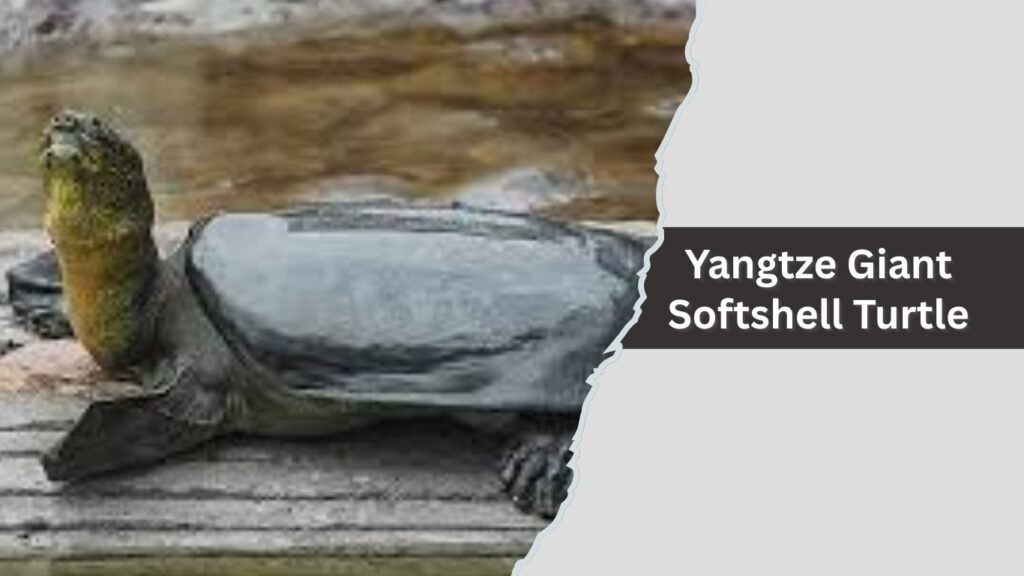
The Yangtze Giant Softshell Turtle is one of the rarest and largest freshwater turtles in the world. It is critically endangered and known for its massive size and smooth, leathery shell. This species has gained global attention due to its extremely low population and urgent conservation needs.
Identification
- Very large, flat, soft shell
- Gray to olive coloration
- Broad, smooth carapace
- Long, tube-like snout
- Powerful limbs with webbed feet
- Can grow over 1 meter in length
Habitat and Distribution
Yangtze Giant Softshell Turtles are native to China and northern Vietnam. They historically lived in large rivers, lakes, and wetlands such as the Yangtze River system. Today, only a few individuals are known to survive in limited locations due to habitat loss and human activity.
Behavior and Diet
This species is mostly aquatic and spends much of its time submerged. It is carnivorous, feeding on fish, crustaceans, and other aquatic animals. Due to its rarity, much of its natural behavior is not fully observed, but it is believed to be a solitary and slow-moving predator.
Lifespan
Yangtze Giant Softshell Turtles are long-lived animals, potentially living 50 years or more. However, due to their critically endangered status, exact lifespan data in the wild is limited.
FAQs
What are softshell turtles?
Softshell turtles are freshwater turtles known for their flat, leathery shells instead of hard, bony ones. This unique feature makes them more flexible and faster swimmers. They are highly adapted to aquatic life and are commonly found in rivers, lakes, and wetlands.
Where do softshell turtles live?
Softshell turtles live in freshwater habitats such as rivers, lakes, ponds, and wetlands. They prefer areas with sandy or muddy bottoms, which allow them to bury themselves for protection and hunting. They are found in regions across Asia, Africa, and North America.
What do softshell turtles eat?
Softshell turtles are mostly carnivorous or omnivorous. Their diet includes fish, insects, crustaceans, amphibians, and sometimes aquatic plants. Many species are active hunters and use their speed and camouflage to catch prey.
Are softshell turtles aggressive?
Some softshell turtles can be more aggressive than other turtle species, especially when threatened. They have strong jaws and may bite if handled. However, in the wild, they usually avoid confrontation and rely on speed and hiding for safety.
How long do softshell turtles live?
Softshell turtles generally live between 20 to 50 years, depending on the species and environmental conditions. Larger species may live longer under favorable conditions.