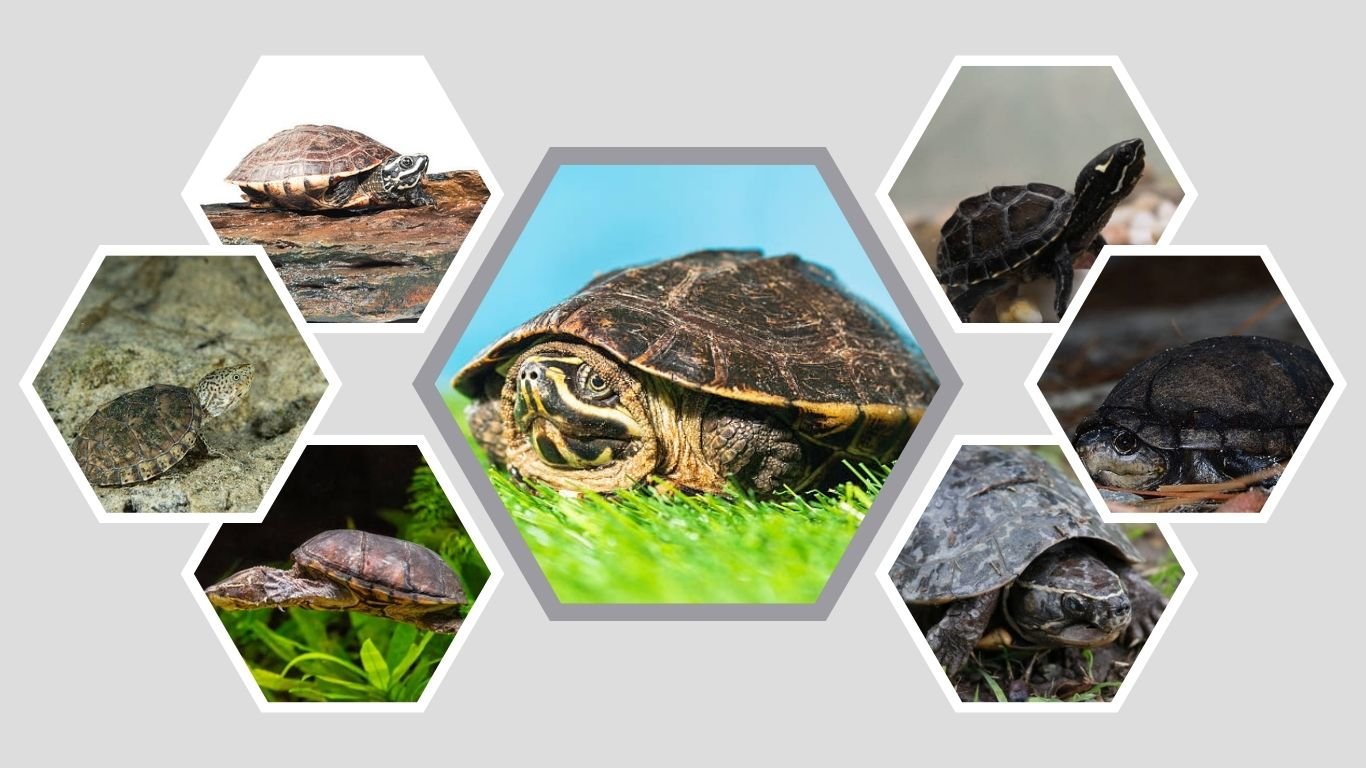
Musk turtles are small freshwater turtles known for their compact size, unique appearance, and relatively easy care requirements. They are commonly found in slow-moving waters and are popular among reptile enthusiasts due to their hardy nature and interesting behaviors. One of their most notable traits is their ability to release a musky odor as a defense mechanism.
In this guide, you will discover five different types of musk turtles, each with its own distinct features, habitat preferences, and care needs. From the well-known Common Musk Turtle to the more specialized Flattened Musk Turtle, each species offers something unique for both beginners and experienced keepers.
1. Common Musk Turtle
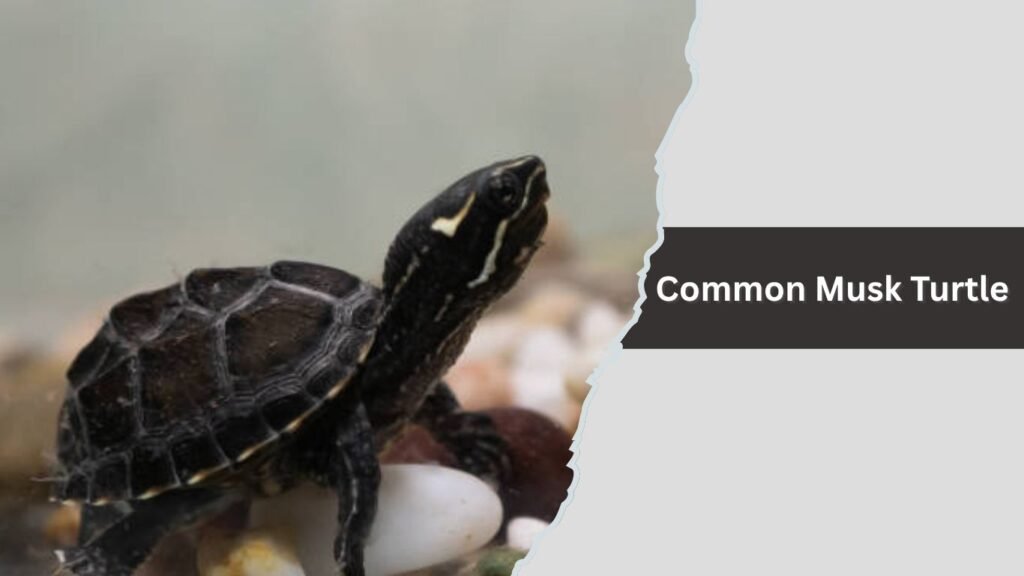
The Common Musk Turtle is one of the most widely recognized and kept species within the musk turtle group. Known for its small size and hardy nature, it is often a popular choice for beginners and experienced reptile keepers alike. This turtle is also commonly referred to as the “stinkpot” due to its ability to release a strong-smelling musk when threatened, a natural defense mechanism that helps deter predators.
Appearance and Physical Features
The Common Musk Turtle has a dark, domed shell that is usually brown to black in color. Its shell may appear smooth or slightly ridged, especially in younger individuals. One of its most recognizable features is the pair of light stripes running along the sides of its head, which contrast against its darker skin. It has a relatively small body size, typically growing up to about 3 to 5 inches in length, making it one of the smaller freshwater turtles.
Habitat and Natural Behavior
This species is native to slow-moving or still freshwater habitats such as ponds, lakes, and marshes. It prefers areas with soft, muddy bottoms and plenty of vegetation where it can hide and forage. Unlike many other turtles, the Common Musk Turtle spends most of its time walking along the bottom rather than swimming actively. It is primarily nocturnal, meaning it is more active during the night.
Diet and Feeding Habits
Common Musk Turtles are omnivorous and have a varied diet. In the wild, they feed on small aquatic insects, snails, worms, and plant matter. In captivity, they can be fed a balanced diet that includes commercial turtle pellets, live or frozen foods, and occasional vegetables. Their strong jaws allow them to crush hard-shelled prey with ease.
Care and Maintenance
Caring for a Common Musk Turtle is relatively straightforward. They require a well-maintained aquatic setup with clean water, proper filtration, and a basking area with access to heat and UVB lighting. Although they are mostly aquatic, providing a dry platform is essential for their health. Regular cleaning and monitoring of water quality help prevent health issues and ensure a long, healthy life.
2. Razorback Musk Turtle
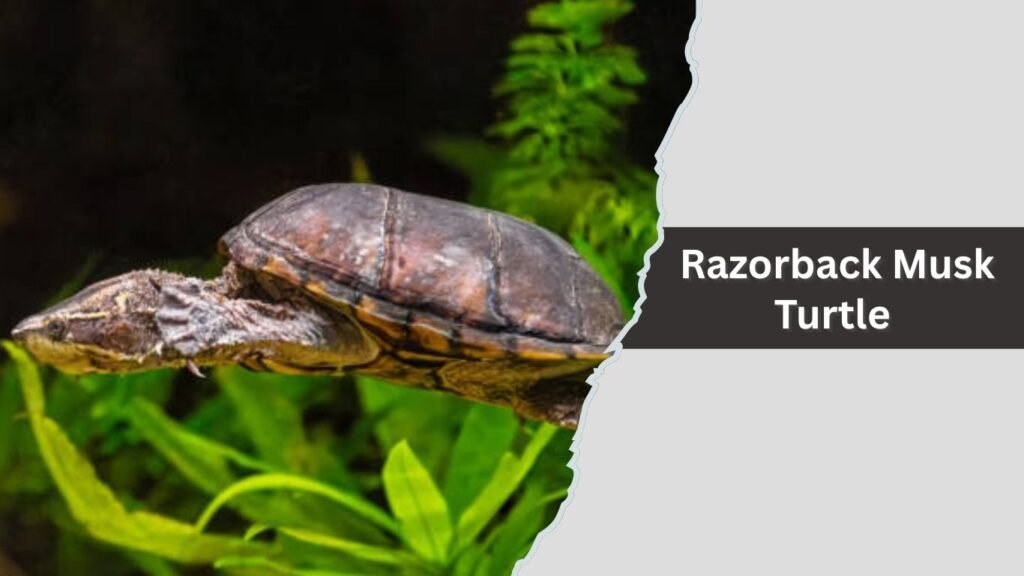
The Razorback Musk Turtle is a distinctive species known for the sharp ridge running along the center of its shell. This feature gives it a unique appearance compared to other musk turtles. It is a hardy and relatively low-maintenance species, making it a popular choice for turtle enthusiasts.
Appearance and Physical Features
This turtle has a high-domed shell with a pronounced keel that looks like a raised “razorback.” Its shell color typically ranges from dark brown to black. The head may have subtle light markings, and its body is compact, usually reaching about 4 to 6 inches in length.
Characteristics
- Prominent ridge along the shell
- Medium size compared to other musk turtles
- Strong claws for gripping surfaces
- Calm but slightly shy nature
- Mostly aquatic lifestyle
Habitat and Behavior
Razorback Musk Turtles are commonly found in rivers, streams, and slow-moving waters with soft bottoms. They prefer deeper water than other musk turtles and are more comfortable swimming. However, they still enjoy resting on submerged logs or rocks.
Care and Feeding Needs
These turtles require a clean aquatic environment with proper filtration and a basking area. Their diet includes insects, small fish, snails, and commercial turtle food. Providing a balanced diet and maintaining good water quality are essential for keeping them healthy and active.
3. Loggerhead Musk Turtle
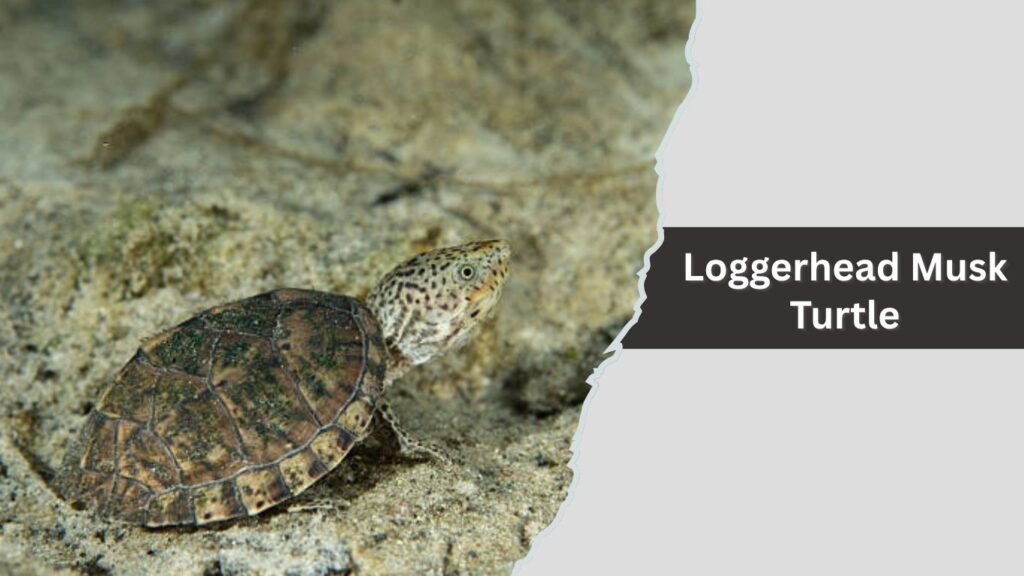
The Loggerhead Musk Turtle is the largest species among musk turtles and is known for its strong build and large head. Its size and powerful jaws make it stand out compared to other species. Despite its tougher appearance, it can adapt well to captivity with proper care.
Appearance and Physical Features
This turtle has a broad, dark-colored shell that is slightly domed and often rough in texture. Its most notable feature is its large head, which gives the species its name. The shell usually ranges from dark brown to black, and the turtle can grow up to about 5 to 7 inches in length.
Characteristics
- Largest species among musk turtles
- Strong, large head with powerful jaws
- Dark, slightly rough shell
- Semi-aggressive if threatened
- Mostly bottom-walking behavior
Habitat and Behavior
Loggerhead Musk Turtles are found in slow-moving freshwater habitats like rivers, lakes, and swamps. They prefer areas with muddy bottoms and plenty of hiding spots. Like other musk turtles, they spend most of their time walking along the bottom rather than swimming actively.
Care and Feeding Needs
They require a spacious aquatic setup with clean water and good filtration. Their diet includes snails, insects, small fish, and commercial turtle food. Due to their strong jaws, they can easily crush hard-shelled prey. Regular care, proper diet, and a stable environment help ensure their long-term health.
4. Flattened Musk Turtle
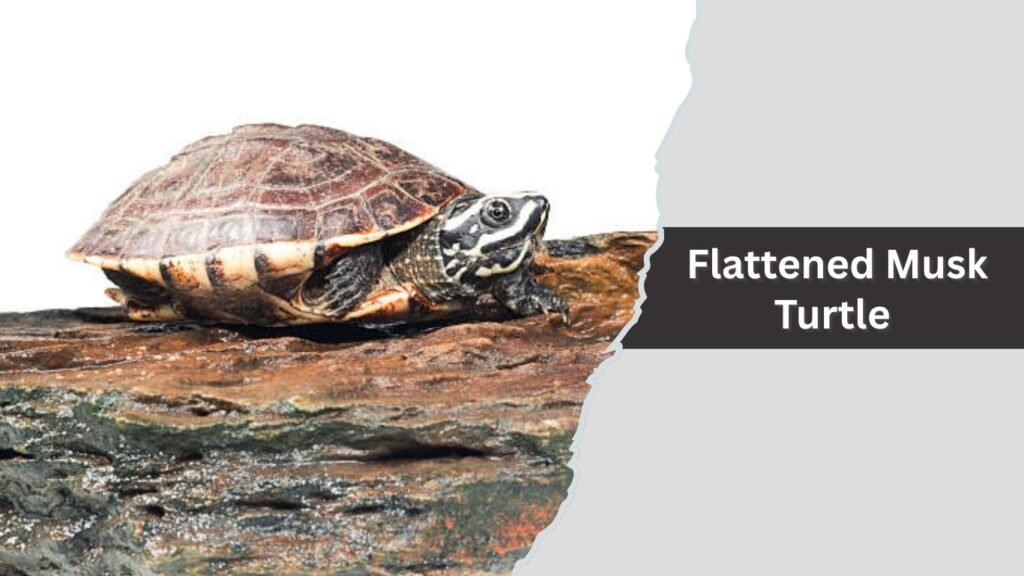
The Flattened Musk Turtle is a unique and less common species, known for its unusually flat shell compared to other musk turtles. This species is more sensitive to environmental changes, making it better suited for experienced keepers rather than beginners.
Appearance and Physical Features
As the name suggests, this turtle has a noticeably flattened shell, which is typically dark brown. Its body is relatively small, usually growing up to about 3 to 4 inches in length. The shell may appear slightly rough, and its overall shape helps it hide easily under rocks and debris in its natural habitat.
Characteristics
- Flattened, low-profile shell
- Small and compact body size
- Dark brown coloration
- More sensitive to environmental changes
- Secretive and shy behavior
Habitat and Behavior
Flattened Musk Turtles are native to clear, fast-flowing streams with rocky bottoms. They prefer clean water with plenty of hiding spots such as rocks and crevices. These turtles are very secretive and spend much of their time hidden, coming out mainly to feed.
Care and Feeding Needs
This species requires a very clean and well-maintained aquatic environment with strong filtration. They are more demanding in terms of water quality compared to other musk turtles. Their diet includes insects, small aquatic animals, and prepared turtle food. Consistent care and stable conditions are essential for their health and survival.
5. Stripe-necked Musk Turtle
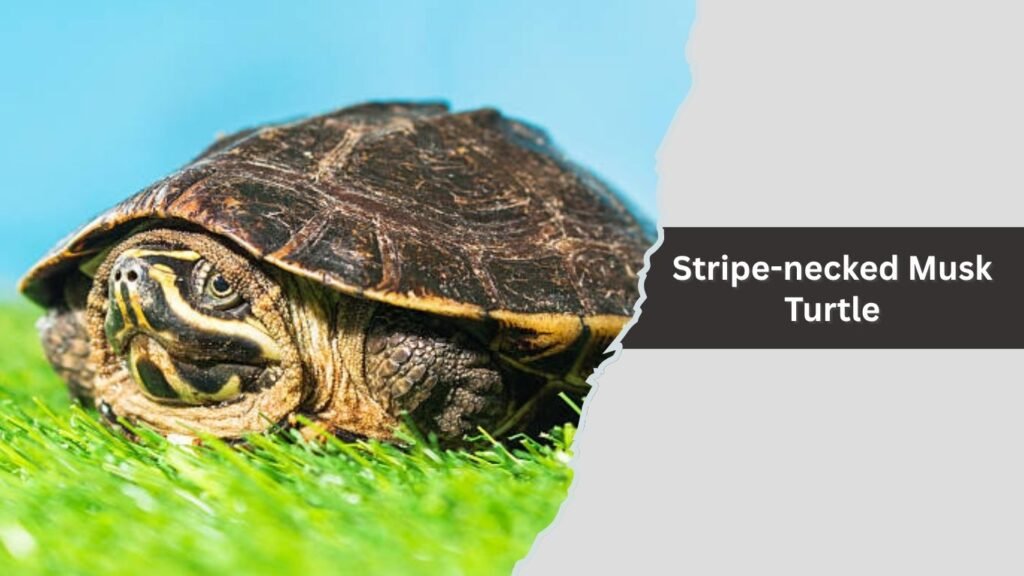
The Stripe-necked Musk Turtle is a smaller and less commonly known species, recognized for the thin stripes running along its neck. It has a subtle but attractive appearance and a relatively calm nature, making it an interesting addition for dedicated turtle keepers.
Appearance and Physical Features
This turtle has a small, dark shell that is usually brown to black with a smooth texture. Its most noticeable feature is the light stripes on its neck, which give it its name. It typically grows to about 3 to 4 inches in length, making it one of the smaller musk turtle species.
Characteristics
- Small and compact body size
- Distinct striped pattern on the neck
- Smooth, dark-colored shell
- Calm and shy temperament
- Mostly aquatic lifestyle
Habitat and Behavior
Stripe-necked Musk Turtles are found in slow-moving freshwater environments such as streams and ponds. They prefer areas with soft substrates and vegetation where they can hide. These turtles are generally quiet and spend much of their time resting or slowly exploring the bottom.
Care and Feeding Needs
They require a clean aquatic setup with proper filtration and a basking area. Their diet consists of insects, small invertebrates, and commercial turtle food. Regular maintenance of water quality and a balanced diet help ensure they remain healthy and stress-free.
FAQs
What are musk turtles known for?
Musk turtles are best known for their small size and their ability to release a strong-smelling musk as a defense mechanism. They are mostly aquatic and spend much of their time at the bottom of water bodies rather than swimming actively.
Are musk turtles good for beginners?
Yes, many musk turtle species, especially the Common Musk Turtle, are suitable for beginners. They are hardy and relatively easy to care for compared to larger turtles. However, proper tank setup, filtration, and regular maintenance are still essential.
How big do musk turtles grow?
Most musk turtles remain small compared to other turtle species. They typically grow between 3 to 6 inches in length, depending on the species. Their compact size makes them easier to house in smaller aquatic setups.
What do musk turtles eat?
Musk turtles are omnivorous and eat a mix of animal and plant-based foods. Their diet often includes insects, snails, worms, small fish, and commercial turtle pellets. A balanced diet is important for their overall health and growth.
Do musk turtles need a basking area?
Yes, musk turtles benefit from having a basking area even though they spend most of their time in water. A dry platform with access to heat and UVB lighting helps support shell health and overall well-being.