
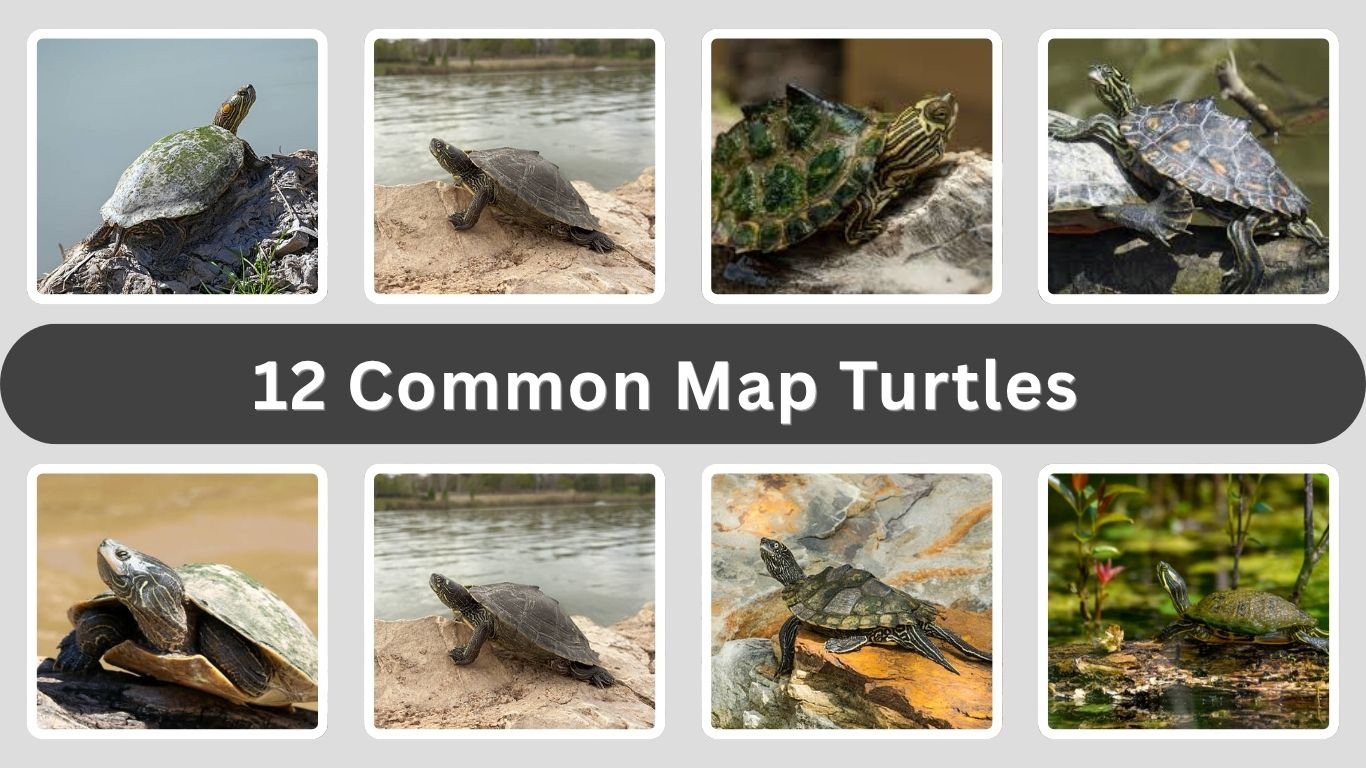
Map turtles are a unique group of freshwater turtles known for the intricate, map-like patterns on their shells. Found mainly in North America, they thrive in rivers, lakes, and reservoirs with clean, flowing water. These turtles are highly aquatic and often seen basking on logs or rocks. Each species has distinct markings and habitat preferences. This guide explores 12 types of map turtles, helping you understand their identification, behavior, habitat, and overall characteristics in a simple and clear way.
1. Northern Map Turtle
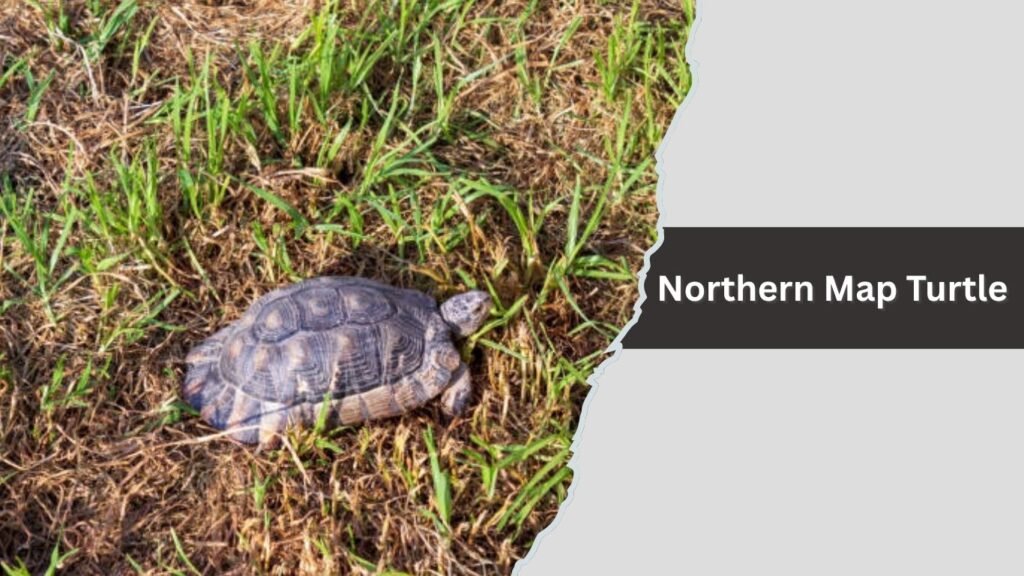
The Northern Map Turtle is one of the most well-known map turtle species, named for the map-like patterns on its shell. It is commonly found in rivers and lakes across parts of North America and prefers clean, flowing water. This species is active, alert, and often seen basking on logs or rocks near the water’s edge.
Identification
- Medium-sized turtle, typically 5–10 inches in shell length
- Olive to brown shell with intricate, map-like yellow lines
- Prominent keel (raised ridge) running along the center of the shell
- Head and limbs marked with thin yellow stripes
- Females are significantly larger than males
- Strong, slightly serrated rear edge of the shell
Habitat
Northern Map Turtles prefer large rivers, lakes, and reservoirs with clear, well-oxygenated water. They are commonly found in areas with plenty of basking spots such as rocks, logs, or branches. These turtles favor habitats with moderate currents and abundant aquatic vegetation, which supports their food sources.
Behavior
This species is highly aquatic and spends most of its life in water. It is diurnal, meaning it is active during the day, especially for basking and feeding. Northern Map Turtles are cautious and will quickly dive into the water when disturbed. They are social when basking but generally do not interact much otherwise.
Diet and Lifespan
Northern Map Turtles are mostly carnivorous, especially females, feeding on snails, clams, insects, and small aquatic animals. Males may consume more insects and plant material. In the wild, they can live for 20–30 years, with some individuals living longer in stable environments.
2. Ouachita Map Turtle
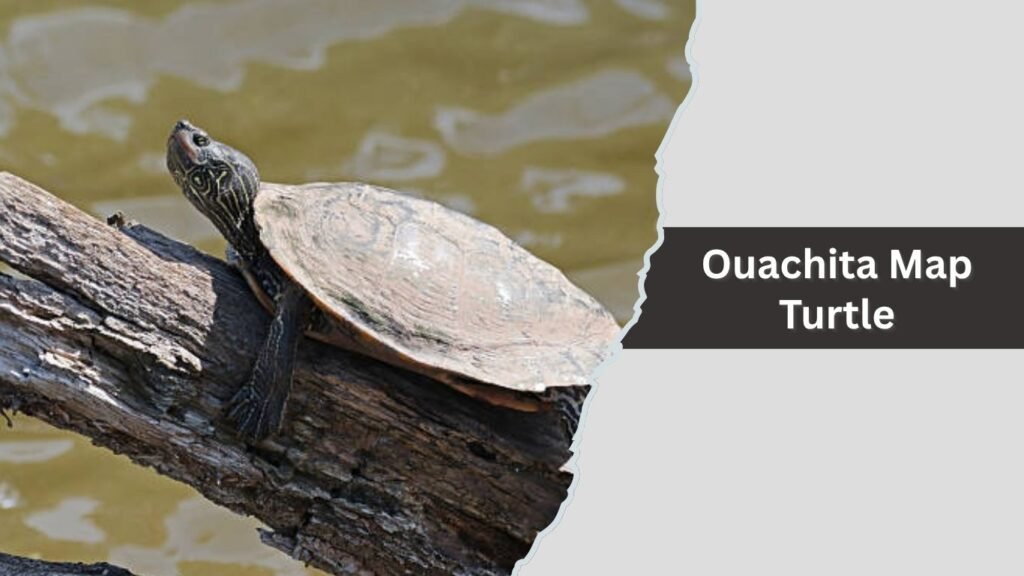
The Ouachita Map Turtle is a freshwater species known for its detailed shell patterns and adaptability to different aquatic environments. It is commonly found in rivers, lakes, and reservoirs across the central United States. This turtle is active and often seen basking, making it one of the more noticeable map turtle species in its range.
Identification
- Medium-sized turtle, usually 4–9 inches in shell length
- Olive or brown shell with thin, map-like yellow lines
- Distinct keel along the center of the shell, more noticeable in juveniles
- Large yellow or orange markings behind the eyes
- Head and limbs feature bright yellow striping
- Females are larger than males
Habitat
Ouachita Map Turtles live in a wide range of freshwater habitats, including rivers, lakes, ponds, and reservoirs. They prefer areas with moderate currents and plenty of basking sites such as logs and rocks. Unlike some other map turtles, they can tolerate slightly murkier water, as long as food sources are available.
Behavior
This species is diurnal and spends much of its day basking and foraging. It is highly aquatic and rarely travels far from water. Ouachita Map Turtles are alert and quick to dive when disturbed. They may bask in groups but generally do not show strong social behavior beyond sharing space.
Diet and Lifespan
Ouachita Map Turtles are omnivorous but lean toward a carnivorous diet. They feed on snails, insects, crustaceans, and small aquatic animals, along with some plant matter. Females tend to eat more hard-shelled prey. In the wild, they can live around 20–30 years, depending on environmental conditions.
3. Mississippi Map Turtle
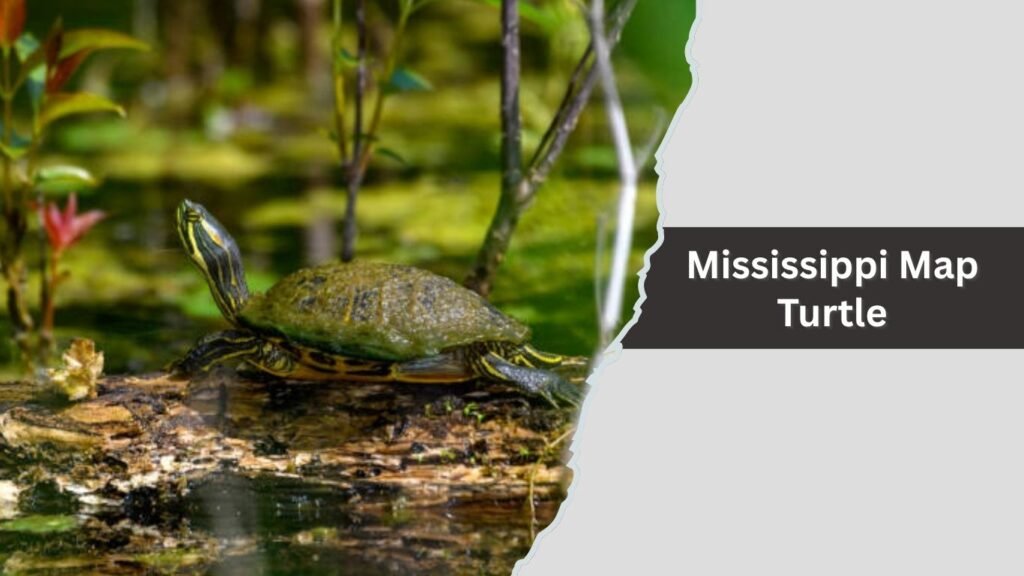
The Mississippi Map Turtle is a freshwater species recognized for its striking shell patterns and strong association with large river systems. It is commonly found in the Mississippi River and its tributaries. This turtle is highly aquatic and prefers flowing waters with abundant basking areas, making it an active and visible species in suitable habitats.
Identification
- Medium-sized turtle, typically 5–10 inches in shell length
- Olive to brown shell with detailed yellow, map-like markings
- Prominent central keel, especially noticeable in younger turtles
- Distinct crescent-shaped marking behind each eye
- Head and limbs marked with bright yellow stripes
- Females are much larger than males
Habitat
Mississippi Map Turtles are primarily found in large rivers, backwaters, and connected lakes. They prefer habitats with moderate to strong currents and plenty of basking sites such as logs, rocks, and riverbanks. Clean water with abundant aquatic life is important for their survival, as it supports their feeding needs.
Behavior
This species is diurnal and spends a significant amount of time basking during the day. It is highly aquatic and rarely ventures far from water. Mississippi Map Turtles are cautious and will quickly dive into the water when disturbed. They may gather in groups for basking but remain mostly independent in behavior.
Diet and Lifespan
Mississippi Map Turtles are mainly carnivorous, feeding on snails, clams, insects, and small aquatic animals. Females, with stronger jaws, often consume more hard-shelled prey, while males eat softer foods. In the wild, they can live for 20–30 years, with longer lifespans possible in stable environments.
4. False Map Turtle
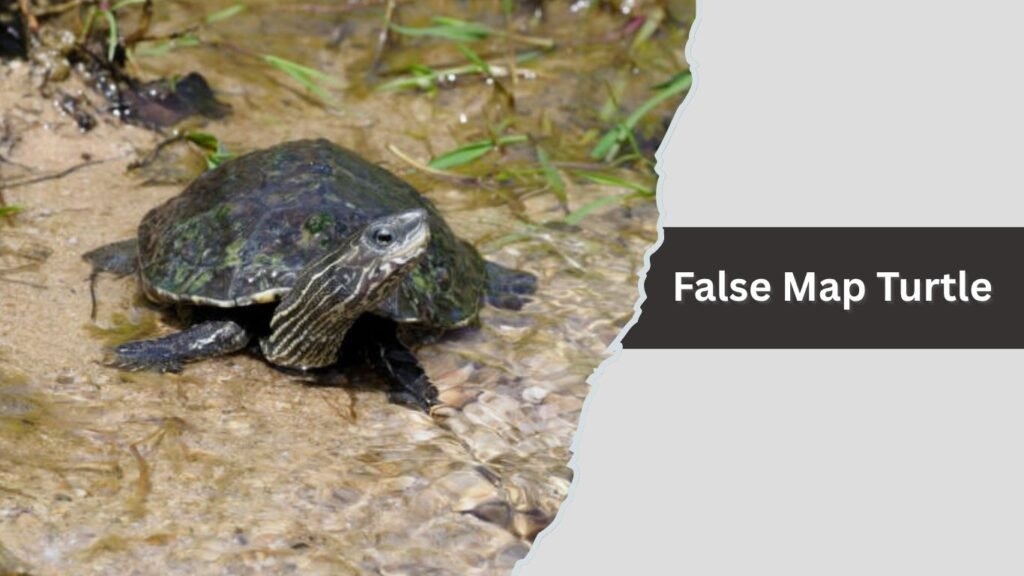
The False Map Turtle is a freshwater species closely related to other map turtles and is often confused with them due to its similar shell patterns. It is commonly found in rivers and large streams across the central United States. This turtle is active, aquatic, and frequently seen basking, especially in areas with abundant sunlight and resting spots.
Identification
- Medium-sized turtle, usually 5–10 inches in shell length
- Olive to brown shell with map-like yellow or light markings
- Moderately raised keel along the center of the shell
- Markings on the head resemble those of the Mississippi Map Turtle but differ slightly in shape
- Thin yellow stripes on the head, neck, and limbs
- Females are significantly larger than males
Habitat
False Map Turtles prefer rivers, large streams, and backwaters with moderate currents. They are often found in areas with plenty of basking sites such as logs, rocks, and exposed branches. Clean, well-oxygenated water is important, although they can tolerate some variation in water clarity if food is available.
Behavior
This species is diurnal and spends much of its time basking during the day. It is highly aquatic and rarely leaves the water except for nesting. False Map Turtles are cautious and will quickly retreat into the water when disturbed. They may bask in groups but generally remain independent in their behavior.
Diet and Lifespan
False Map Turtles are primarily carnivorous, feeding on snails, clams, insects, and small aquatic animals. Females tend to consume more hard-shelled prey due to their stronger jaws, while males eat softer foods. In the wild, they can live for 20–30 years, depending on environmental conditions.
5. Alabama Map Turtle
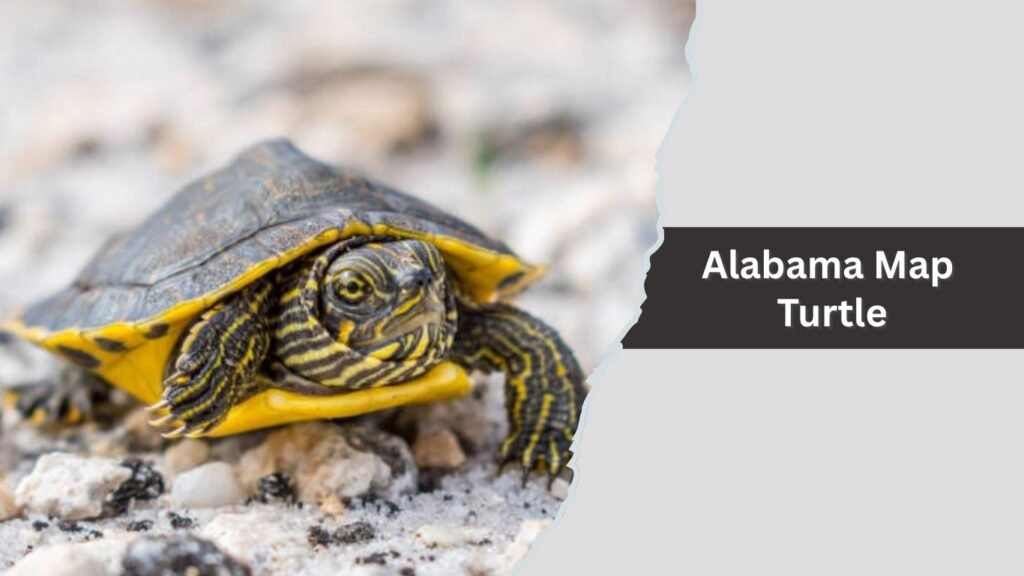
The Alabama Map Turtle is a freshwater species native to river systems in Alabama. It is known for its detailed shell markings and preference for flowing water habitats. This species is highly aquatic and depends on clean, well-oxygenated rivers. Due to its limited range, it is considered more specialized compared to other map turtles.
Identification
- Medium-sized turtle, typically 4–9 inches in shell length
- Olive to brown shell with fine, map-like yellow patterns
- Prominent keel along the center of the shell, especially in juveniles
- Head marked with thin yellow stripes and unique spot patterns
- Rear edge of the shell may appear slightly serrated
- Females are noticeably larger than males
Habitat
Alabama Map Turtles are found in rivers and large streams with moderate to strong currents. They prefer habitats with sandy or rocky bottoms and plenty of basking sites such as logs and exposed rocks. Clean water is essential for their survival, as it supports the mollusks and insects they feed on.
Behavior
This species is diurnal and spends much of the day basking in the sun. It is highly aquatic and rarely leaves the water except for nesting. Alabama Map Turtles are shy and will quickly dive into the water when disturbed. They may gather in groups for basking but do not display strong social interactions.
Diet and Lifespan
Alabama Map Turtles are mainly carnivorous, feeding on snails, clams, insects, and other small aquatic organisms. Females typically consume more hard-shelled prey due to their stronger jaws. In the wild, they can live for 20–30 years, with longer lifespans possible in stable and protected environments.
6. Barbour’s Map Turtle
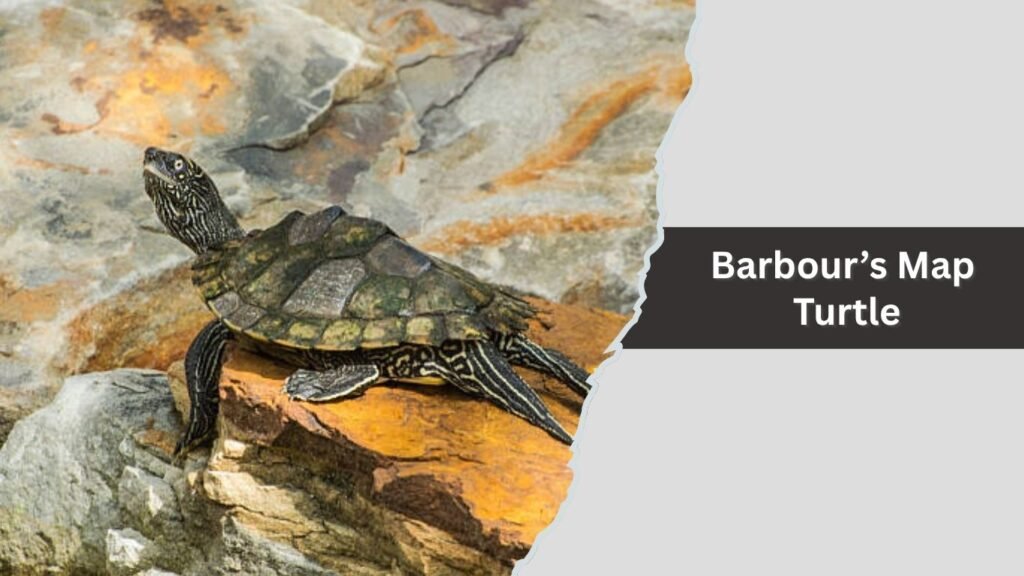
Barbour’s Map Turtle is a distinctive freshwater species found primarily in river systems of the southeastern United States. It is known for its bold shell patterns and strong preference for fast-moving water. This species is highly aquatic and depends on clean river habitats, making it sensitive to environmental changes.
Identification
- Medium to large size, typically 5–12 inches in shell length
- Dark olive to brown shell with bold, map-like yellow markings
- Prominent spiny keel along the center of the shell, especially in juveniles
- Head features thick yellow stripes and a large marking behind the eye
- Rear edge of the shell is serrated
- Females are significantly larger and more robust than males
Habitat
Barbour’s Map Turtles are commonly found in large rivers with moderate to strong currents. They prefer habitats with rocky or sandy bottoms and plenty of basking sites such as logs and exposed rocks. Clean, well-oxygenated water is essential, as it supports the aquatic prey they rely on for food.
Behavior
This species is diurnal and spends much of its time basking during the day. It is highly aquatic and rarely ventures onto land except for nesting. Barbour’s Map Turtles are cautious and will quickly dive into the water when disturbed. They often bask in groups but do not show strong social behavior beyond sharing basking sites.
Diet and Lifespan
Barbour’s Map Turtles are primarily carnivorous, feeding on snails, clams, insects, and crustaceans. Females, with their stronger jaws, specialize in crushing hard-shelled prey, while males consume softer foods. In the wild, they can live for 20–30 years or more, depending on habitat quality and environmental stability.
7. Cagle’s Map Turtle
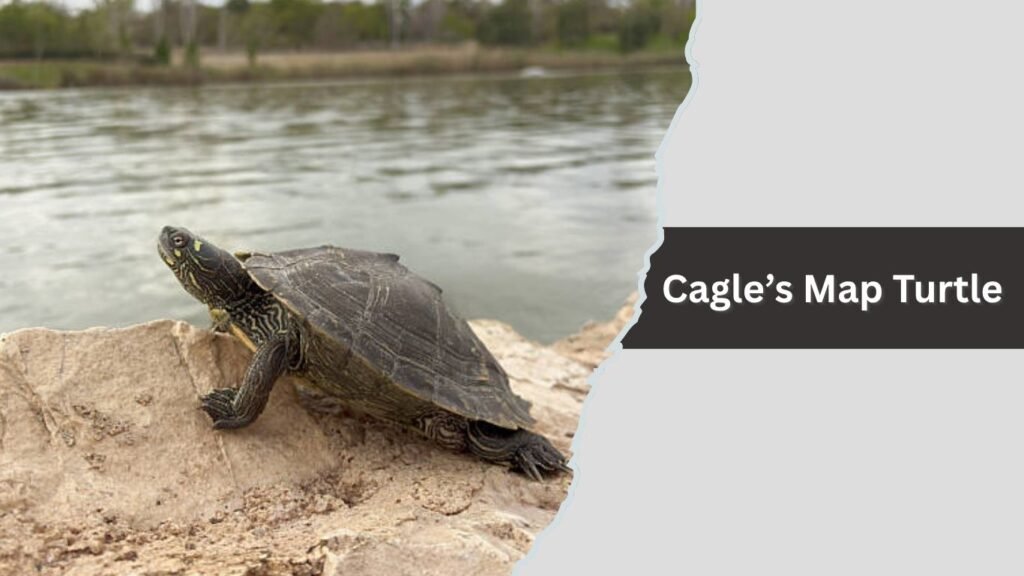
Cagle’s Map Turtle is a freshwater species native to a limited region in Texas, particularly within the Guadalupe River system. It is known for its detailed shell patterns and dependence on clean, flowing water. Due to its restricted range, this turtle is considered more vulnerable to habitat changes and environmental disturbances.
Identification
- Medium-sized turtle, typically 4–9 inches in shell length
- Olive to brown shell with fine, map-like yellow lines
- Noticeable central keel, more pronounced in younger turtles
- Head has thin yellow stripes with a distinct marking behind the eye
- Shell edge may appear slightly serrated
- Females are larger and more robust than males
Habitat
Cagle’s Map Turtles are found in clear, flowing rivers with moderate currents. They prefer habitats with rocky or sandy bottoms and plenty of basking spots such as logs and exposed rocks. Clean water is essential for their survival, as it supports the invertebrates they feed on.
Behavior
This species is diurnal and spends much of its time basking during the day. It is highly aquatic and rarely leaves the water except for nesting. Cagle’s Map Turtles are shy and will quickly retreat into the water when disturbed. They may bask in small groups but generally remain independent.
Diet and Lifespan
Cagle’s Map Turtles are mainly carnivorous, feeding on snails, insects, crustaceans, and other small aquatic organisms. Females tend to consume more hard-shelled prey, while males eat softer foods. In the wild, they can live for 20–30 years, depending on environmental conditions.
8. Escambia Map Turtle
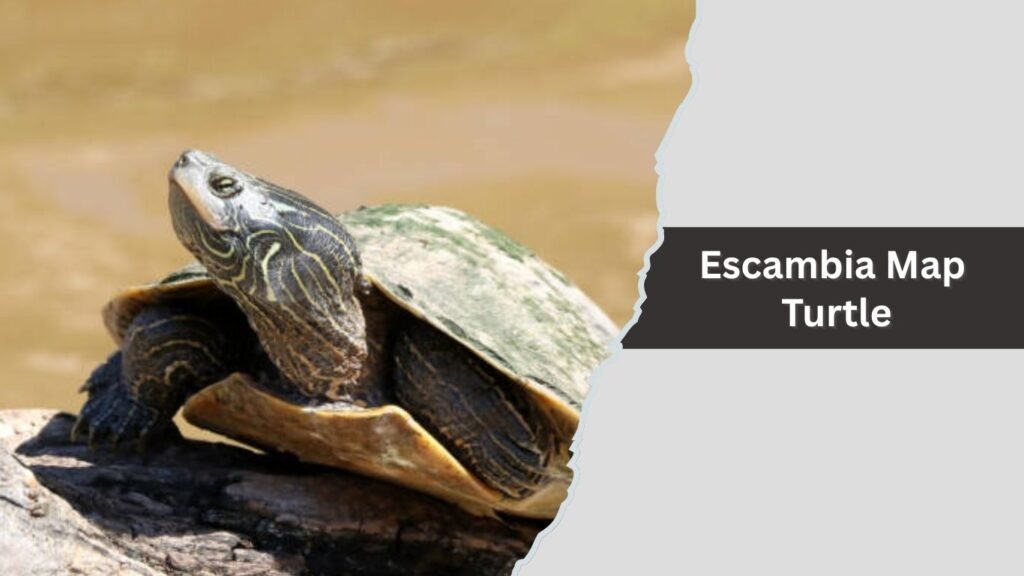
The Escambia Map Turtle is a freshwater species native to the Escambia River system in Florida and Alabama. It is known for its striking shell patterns and strong dependence on clean, flowing water. Due to its limited geographic range, this species is considered sensitive to environmental changes and habitat disturbances.
Identification
- Medium-sized turtle, typically 5–10 inches in shell length
- Olive to dark brown shell with bold, map-like yellow markings
- Prominent central keel, especially noticeable in juveniles
- Head features bright yellow stripes and distinct markings behind the eyes
- Rear edge of the shell may appear serrated
- Females are significantly larger than males
Habitat
Escambia Map Turtles inhabit rivers and large streams with moderate to strong currents. They prefer areas with sandy or rocky bottoms and plenty of basking sites such as logs and exposed rocks. Clean, well-oxygenated water is essential for their survival and supports the aquatic prey they depend on.
Behavior
This species is diurnal and spends much of the day basking in the sun. It is highly aquatic and rarely leaves the water except for nesting. Escambia Map Turtles are cautious and will quickly dive into the water when disturbed. They may bask in groups but generally show little social interaction beyond sharing basking areas.
Diet and Lifespan
Escambia Map Turtles are primarily carnivorous, feeding on snails, clams, insects, and crustaceans. Females often specialize in hard-shelled prey due to their stronger jaws, while males consume softer food items. In the wild, they can live for 20–30 years or more, depending on habitat quality and environmental stability.
9. Pascagoula Map Turtle
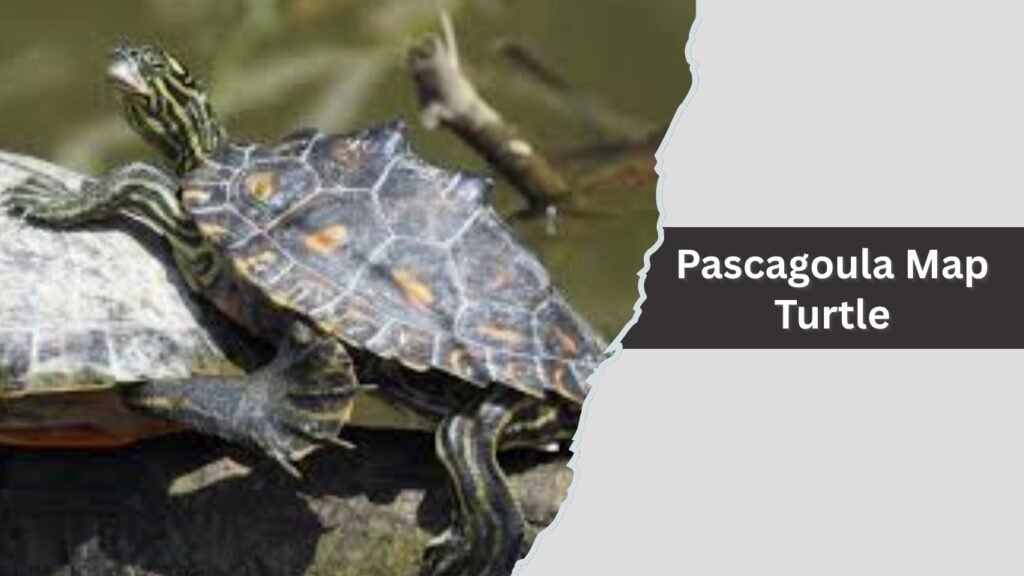
The Pascagoula Map Turtle is a freshwater species native to the Pascagoula River system in Mississippi. It is known for its attractive shell patterns and strong reliance on clean, flowing water. This species is highly aquatic and prefers river habitats with abundant basking sites, making it both active and observable in suitable conditions.
Identification
- Medium-sized turtle, typically 5–10 inches in shell length
- Olive to brown shell with detailed, map-like yellow markings
- Noticeable central keel, more pronounced in younger turtles
- Head marked with thin yellow stripes and distinct eye markings
- Rear edge of the shell may appear slightly serrated
- Females are significantly larger than males
Habitat
Pascagoula Map Turtles are found in rivers and large streams with moderate currents. They prefer habitats with sandy or rocky bottoms and plenty of basking sites such as logs and exposed branches. Clean, well-oxygenated water is essential, as it supports the aquatic organisms they feed on.
Behavior
This species is diurnal and spends much of its time basking during the day. It is highly aquatic and rarely leaves the water except for nesting. Pascagoula Map Turtles are shy and will quickly dive into the water when disturbed. They may bask in small groups but generally maintain independent behavior.
Diet and Lifespan
Pascagoula Map Turtles are primarily carnivorous, feeding on snails, insects, crustaceans, and other small aquatic animals. Females often consume more hard-shelled prey due to their stronger jaws. In the wild, they can live for 20–30 years, depending on environmental conditions and habitat stability.
10. Pearl River Map Turtle
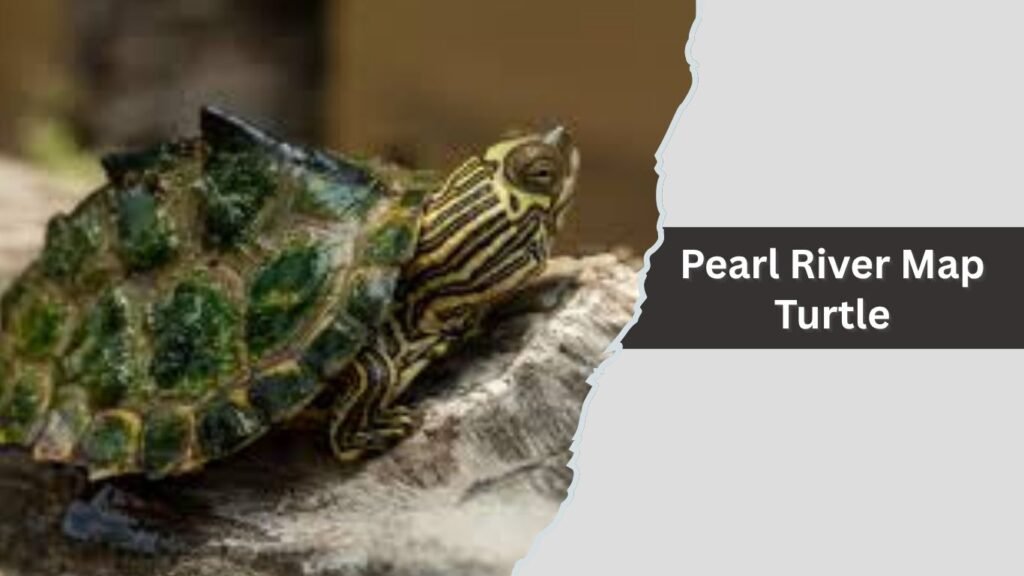
The Pearl River Map Turtle is a freshwater species native to the Pearl River system in Mississippi and Louisiana. It is known for its detailed shell patterns and strong preference for flowing water habitats. This species is highly aquatic and relies on clean river systems, making it sensitive to environmental changes within its limited range.
Identification
- Medium-sized turtle, typically 5–10 inches in shell length
- Olive to brown shell with intricate, map-like yellow markings
- Prominent central keel, especially visible in younger turtles
- Head marked with thin yellow stripes and distinct patterns near the eyes
- Rear edge of the shell may appear slightly serrated
- Females are significantly larger than males
Habitat
Pearl River Map Turtles are found in rivers and large streams with moderate currents. They prefer habitats with sandy or rocky bottoms and plenty of basking areas such as logs, rocks, and branches. Clean, well-oxygenated water is essential, as it supports the snails and aquatic organisms they feed on.
Behavior
This species is diurnal and spends much of the day basking in the sun. It is highly aquatic and rarely leaves the water except for nesting. Pearl River Map Turtles are cautious and will quickly dive into the water when disturbed. They may bask in groups but generally remain independent in behavior.
Diet and Lifespan
Pearl River Map Turtles are primarily carnivorous, feeding on snails, clams, insects, and crustaceans. Females often consume more hard-shelled prey due to their stronger jaws, while males eat softer foods. In the wild, they can live for 20–30 years or more, depending on habitat quality and environmental stability.
11. Sabine Map Turtle
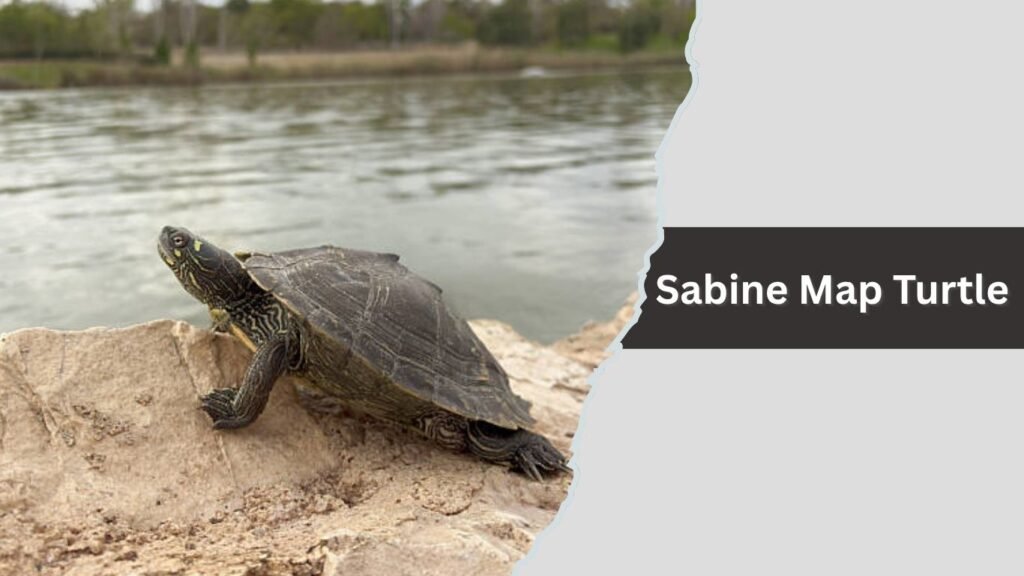
The Sabine Map Turtle is a freshwater species native to the Sabine River system along the Texas–Louisiana border. It is known for its intricate shell patterns and strong dependence on clean, flowing water. This species is highly aquatic and thrives in river environments with stable conditions and abundant basking areas.
Identification
- Medium-sized turtle, typically 5–10 inches in shell length
- Olive to brown shell with fine, map-like yellow markings
- Noticeable central keel, more prominent in juveniles
- Head features thin yellow stripes with distinct markings behind the eyes
- Rear edge of the shell may appear slightly serrated
- Females are significantly larger than males
Habitat
Sabine Map Turtles inhabit rivers and large streams with moderate currents. They prefer areas with sandy or rocky bottoms and plenty of basking sites such as logs, branches, and rocks. Clean, well-oxygenated water is essential for their survival, as it supports the aquatic prey they rely on.
Behavior
This species is diurnal and spends much of its time basking during the day. It is highly aquatic and rarely leaves the water except for nesting. Sabine Map Turtles are shy and will quickly retreat into the water when disturbed. They may bask in groups but generally show limited social interaction.
Diet and Lifespan
Sabine Map Turtles are primarily carnivorous, feeding on snails, clams, insects, and crustaceans. Females often consume more hard-shelled prey due to their stronger jaws, while males eat softer foods. In the wild, they can live for 20–30 years, depending on environmental conditions and habitat stability.
12. Texas Map Turtle
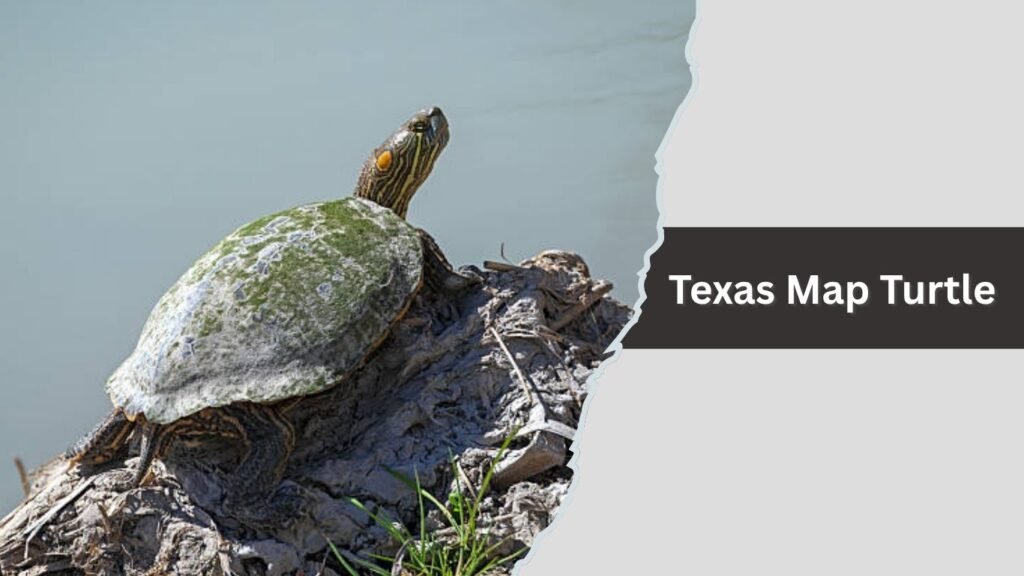
The Texas Map Turtle is a freshwater species native to river systems in Texas, particularly within the Colorado River drainage. It is known for its bold shell patterns and strong preference for clear, flowing water. This species is highly aquatic and depends on stable river habitats, making it sensitive to environmental changes.
Identification
- Medium-sized turtle, typically 5–10 inches in shell length
- Olive to dark brown shell with bold, map-like yellow markings
- Prominent central keel, especially noticeable in juveniles
- Head features bright yellow stripes with distinct markings behind the eyes
- Rear edge of the shell may appear serrated
- Females are significantly larger than males
Habitat
Texas Map Turtles are found in rivers and large streams with moderate to strong currents. They prefer habitats with rocky or sandy bottoms and plenty of basking sites such as logs and exposed rocks. Clean, well-oxygenated water is essential for their survival, as it supports the aquatic organisms they feed on.
Behavior
This species is diurnal and spends much of its time basking during the day. It is highly aquatic and rarely leaves the water except for nesting. Texas Map Turtles are cautious and will quickly dive into the water when disturbed. They may bask in groups but generally remain independent in behavior.
Diet and Lifespan
Texas Map Turtles are primarily carnivorous, feeding on snails, clams, insects, and crustaceans. Females often consume more hard-shelled prey due to their stronger jaws, while males eat softer foods. In the wild, they can live for 20–30 years or more, depending on environmental conditions and habitat stability.
FAQs
What are map turtles?
Map turtles are freshwater turtles belonging to the genus Graptemys. They are named for the map-like patterns on their shells. These turtles are highly aquatic and are commonly found in rivers and lakes across North America, where they rely on clean water and basking areas.
Where do map turtles live?
Map turtles are primarily found in the United States, especially in river systems, lakes, and reservoirs. They prefer habitats with moderate to strong currents, clean water, and plenty of basking sites such as logs and rocks for resting and warming.
What do map turtles eat?
Map turtles are mostly carnivorous, feeding on snails, clams, insects, and crustaceans. Females often eat more hard-shelled prey due to their stronger jaws, while males may consume softer food and occasional plant matter.
Are map turtles good pets?
Map turtles can be kept as pets, but they require large aquatic setups with clean, filtered water and basking areas. They are active and need proper care, including a balanced diet and enough space, making them more suitable for experienced keepers.
How long do map turtles live?
Map turtles can live for 20–30 years in the wild, depending on the species and environmental conditions. With proper care in captivity, they may live even longer, especially when provided with a stable habitat and good nutrition.