
Sulcata tortoises are famous for their huge size, strong personality, and very long lifespan. Many owners buy them as tiny hatchlings without realizing they may become a lifetime commitment. A healthy sulcata tortoise can live for many decades, especially with proper housing, diet, heat, UVB light, and veterinary care. This guide explains how long sulcata tortoises live, what affects their lifespan, and how to help them stay healthy.
How Long Do Sulcata Tortoises Live?
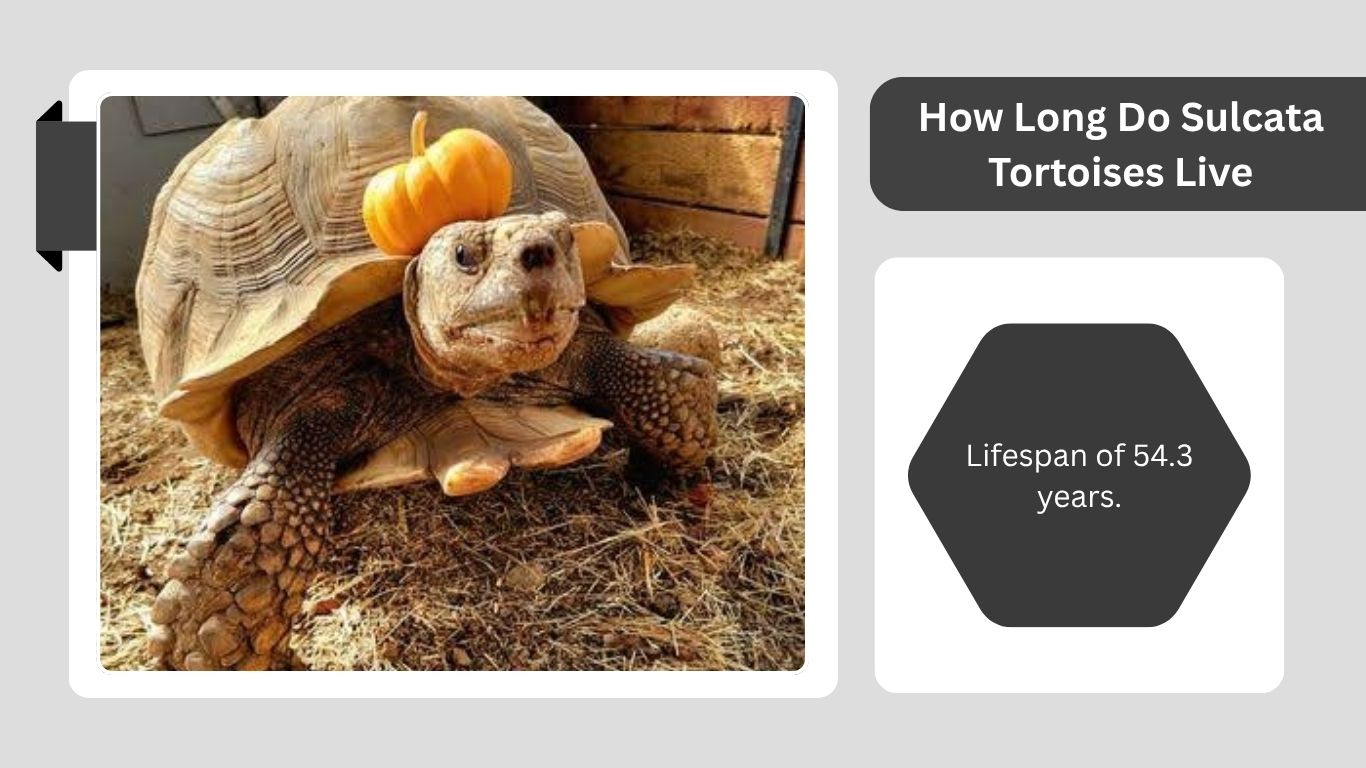
Sulcata tortoises, also called African spurred tortoises, commonly live for several decades. Some zoo and care sources list them as living upward of 70 years, while other institutions describe them as capable of living around 100 years in good conditions. Documented longevity records are more conservative; Animal Diversity Web and AnAge list a recorded captive lifespan of 54.3 years.
| Life Stage / Setting | Estimated Lifespan |
| Poor care in captivity | Much shorter than expected |
| Good pet care | 50–80+ years |
| Excellent long-term care | 70+ years possible |
| Reported/estimated potential | Around 100 years |
| Documented captive record | 54.3 years |
The important point is that a sulcata tortoise is not a short-term pet. It may live longer than many dogs, cats, birds, and even some owners. Anyone keeping one should plan for decades of care.
Sulcata Tortoise Lifespan in Captivity
In captivity, sulcata tortoises can live a very long time when their basic needs are met. However, captive life does not automatically mean a longer life. These tortoises need space, heat, UVB lighting, a high-fiber diet, clean water, and safe outdoor access when possible.
A well-kept African sulcata tortoise may live 50 to 80 years or more. Poor diet, cold housing, lack of UVB light, dehydration, and small enclosures can shorten its life. San Diego Zoo notes that improper lighting, calcium, vitamin D3, and diet can lead to shell and bone problems.
Why Captive Sulcatas Can Live Long
Captive sulcatas may avoid many wild dangers such as predators, drought stress, injury, and food shortage. With proper care, they can have steady food, water, shelter, and medical treatment.
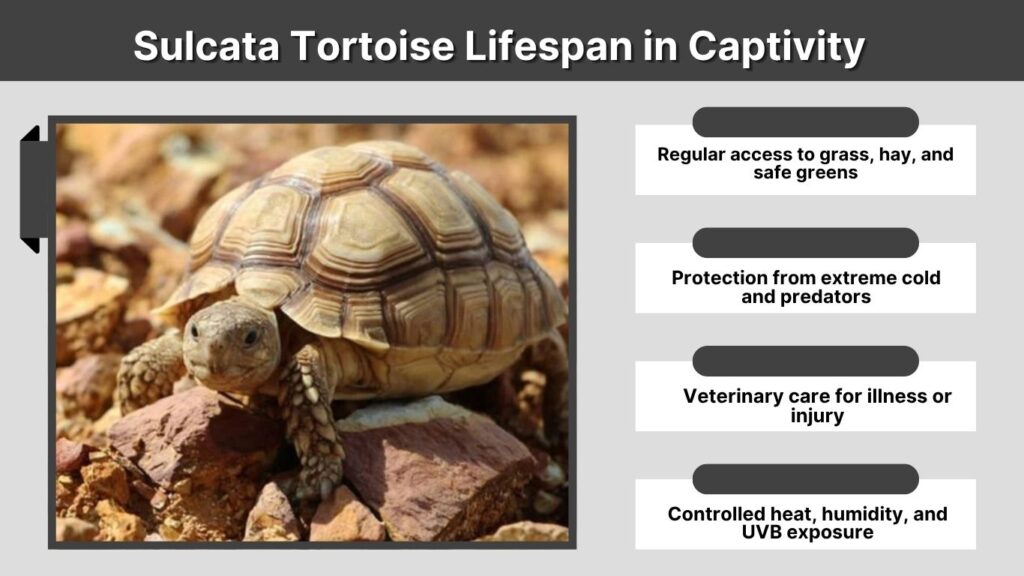
Key benefits of good captive care include:
- Regular access to grass, hay, and safe greens
- Protection from extreme cold and predators
- Veterinary care for illness or injury
- Controlled heat, humidity, and UVB exposure
- Safe outdoor space for exercise and grazing
Why Some Captive Sulcatas Die Early
Many sulcatas die early because owners underestimate their adult size and care needs. Babies are small and easy to house, but adults can become very large and powerful. Stone Zoo describes African spurred tortoises as one of the largest tortoise species, with adults often reaching 79–110 pounds and sometimes much more.
Common causes of poor health include:
- Feeding too much fruit or protein
- Keeping them in cold or damp conditions
- No UVB light or natural sunlight
- Small indoor enclosures
- Dirty water or poor hygiene
- Lack of calcium and roughage
How Long Do Sulcata Tortoises Live in the Wild?
Wild lifespan is harder to measure because tortoises are difficult to track for many decades. Some sources suggest African spurred tortoises may live around 70 years or even close to 100 years, but exact wild lifespan is not as well documented as captive records.
In the wild, sulcata tortoises live in dry regions near the southern edge of the Sahara and the Sahel. San Diego Zoo explains that they dig deep burrows to escape extreme heat, with outdoor temperatures sometimes reaching 120°F.
Wild sulcatas face challenges such as:
- Heat and drought
- Habitat loss
- Overgrazing
- Predators when young
- Human collection and trade
- Food and water shortages
What Helps a Sulcata Tortoise Live Longer?
A sulcata’s lifespan depends heavily on daily care. These tortoises are hardy, but they are not low-maintenance. Good care should copy their natural needs as closely as possible.
Proper Diet
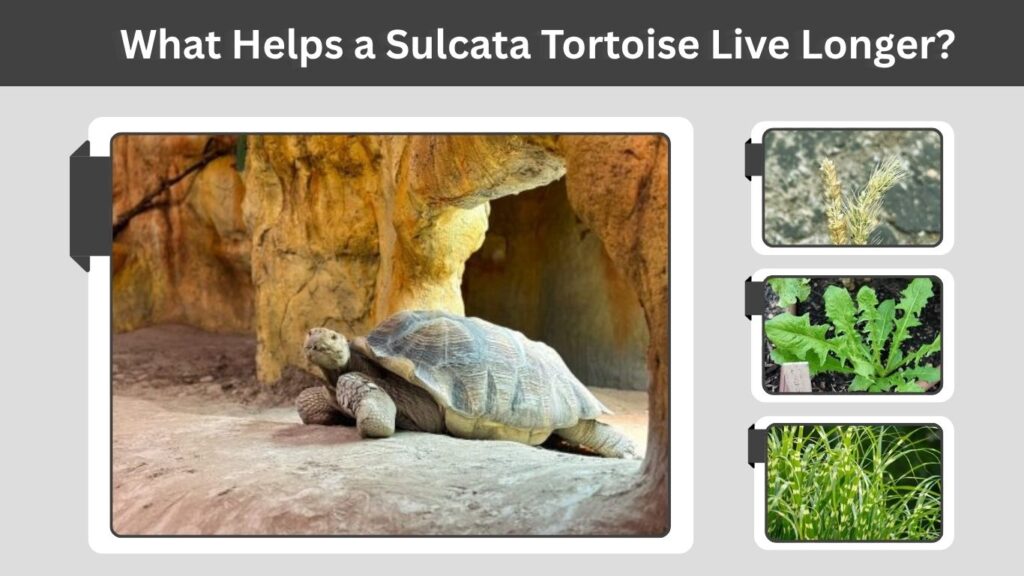
Sulcata tortoises are herbivores. Their diet should be high in fiber and low in protein. In their natural habitat, they eat grasses, flowers, weeds, and cactus. San Diego Zoo also lists Bermuda hay and greens as part of their managed diet.
Best foods include:
- Grass
- Hay such as Bermuda, orchard, or timothy
- Dandelion greens
- Hibiscus leaves and flowers
- Clover in moderation
- Safe weeds and leafy plants
Avoid giving too much fruit, dog food, cat food, or high-protein foods. These can cause fast, unhealthy growth and shell problems.
Heat and UVB Light
Sulcata tortoises need warmth to digest food and stay active. WWF notes that good care requires proper temperature options, UV light, and a day-night cycle. It also says sulcatas should not be kept below 60°F and ideally need warmer conditions around 80–90°F.
UVB light is also important because it helps the tortoise use calcium properly. Without enough UVB, a sulcata may develop weak bones, soft shell growth, or metabolic bone disease.
Space and Exercise
A sulcata tortoise needs a large, secure enclosure. Adults are strong diggers and can push through weak fencing. Outdoor space is best in warm climates, but the enclosure must be escape-proof and safe from dogs or other threats.
Good housing should include:
- Strong fencing
- Dry shelter
- Warm basking area
- Shade
- Fresh water
- Safe grazing space
- No toxic plants
Does Size Affect Sulcata Tortoise Lifespan?
Size does not guarantee a longer life, but it shows why this species needs serious planning. Sulcata tortoises are among the largest tortoises in the world. San Diego Zoo describes the African spurred tortoise as Africa’s largest tortoise and the third-largest tortoise species overall.
A tortoise that grows too fast from a poor diet may not be healthier. Smooth, steady growth is better than rapid weight gain. A healthy sulcata should have strong legs, clear eyes, a firm shell, and a steady appetite.
Sulcata Tortoise Lifespan by Age
Sulcatas grow quickly when young and continue developing for many years. They can reach breeding age at around 10–15 years, according to research summaries on the species.
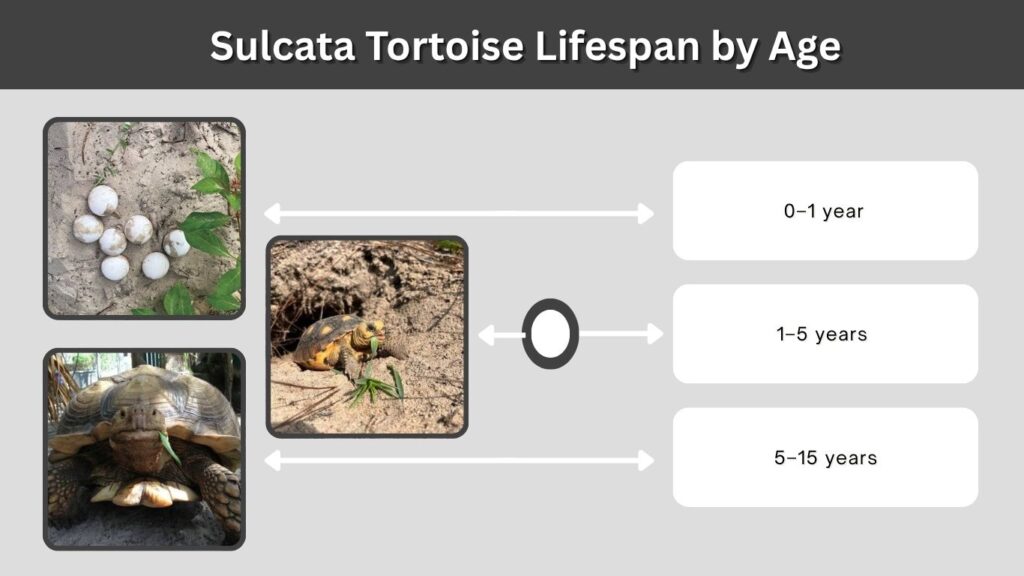
| Age | Life Stage | Care Focus |
| 0–1 year | Hatchling | Warmth, hydration, safe diet |
| 1–5 years | Juvenile | Steady growth, UVB, calcium |
| 5–15 years | Subadult | Larger enclosure, outdoor time |
| 15+ years | Adult | Long-term space and diet control |
| 50+ years | Senior | Vet checks and mobility support |
Older sulcatas may slow down, but they can remain active and alert for many years. Regular weight checks, shell checks, and reptile vet visits help detect problems early.
Signs of a Healthy Long-Lived Sulcata
A healthy sulcata tortoise usually looks strong, alert, and active. It should eat regularly, move with power, and have a firm shell.
Healthy signs include:
- Clear, bright eyes
- Smooth breathing
- Strong walking
- Firm shell
- Good appetite
- Normal droppings
- Active grazing behavior
Warning signs include swollen eyes, runny nose, soft shell, weight loss, wheezing, lack of appetite, or unusual hiding. These symptoms need attention from a reptile veterinarian.
FAQs
How long do sulcata tortoises live as pets?
Sulcata tortoises often live 50–80+ years as pets when given proper care. Some may live longer, but lifespan depends on diet, heat, UVB light, hydration, housing, and veterinary support. They should be treated as a lifelong commitment.
How long do African sulcata tortoises live in captivity?
African sulcata tortoises can live for many decades in captivity. A realistic range is 50–80+ years with good care. Documented records are lower than some popular claims, but many experts still consider them very long-lived tortoises.
Can a sulcata tortoise live 100 years?
A sulcata tortoise may have the potential to live around 100 years, and some institutions describe that as possible. However, confirmed records are limited, so owners should view 100 years as possible but not guaranteed.
What shortens a sulcata tortoise’s lifespan?
Poor diet, cold temperatures, lack of UVB light, dehydration, small enclosures, injury, and untreated illness can shorten a sulcata’s life. Too much fruit or protein can also cause unhealthy growth and shell problems.
Do sulcata tortoises live longer than other pets?
Yes, sulcata tortoises usually live much longer than most common pets. While many dogs and cats live around 10–20 years, a healthy sulcata may live for several decades and may even outlive its original owner.