
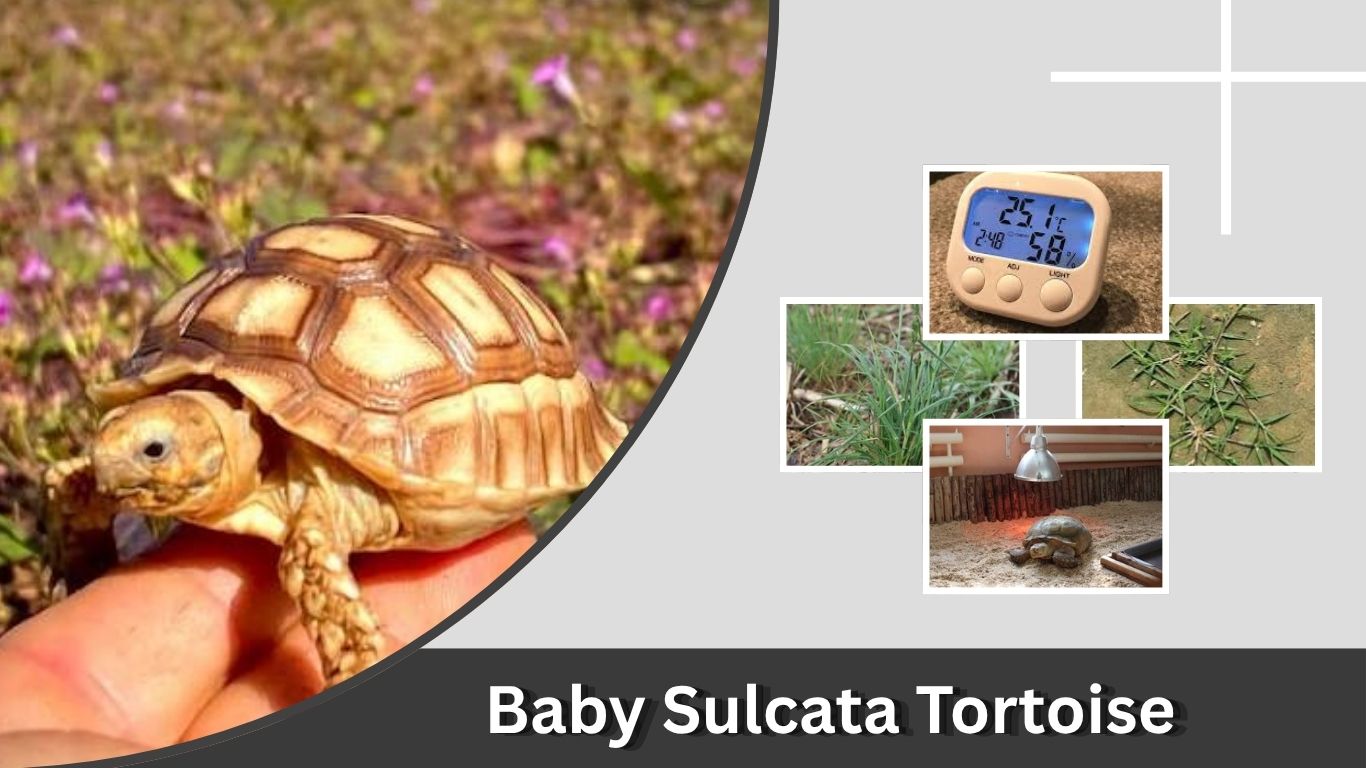
A baby sulcata tortoise looks small and easy to keep, but it grows into one of the largest pet tortoises. Also called the African spurred tortoise, this species needs warm temperatures, UVB lighting, daily grazing foods, hydration, and enough space as it grows. The baby stage is the most important time for shell development, diet habits, and long-term health, so beginners should plan carefully before buying one.
Baby Sulcata Tortoise Overview
Baby sulcata tortoises are usually sold when they are only a few inches long. They are active, curious, and strong for their size, but they are still delicate. A healthy baby should have clear eyes, a firm shell, normal walking, steady eating, and no bubbles from the nose or mouth.
| Topic | Baby Sulcata Need |
| Main diet | Grasses, weeds, hay, leafy greens |
| Housing | Warm indoor enclosure |
| Heat | Basking area plus cooler side |
| Lighting | UVB required indoors |
| Water | Shallow dish and regular soaking |
| Substrate | Moisture-safe bedding |
| Handling | Minimal and gentle |
Adult sulcatas can become very large and long-lived, so buyers should not choose one only because the baby is cute or cheap. Long-term space, food cost, winter housing, and vet care matter more than the baby price.
Baby Sulcata Tortoise Food List
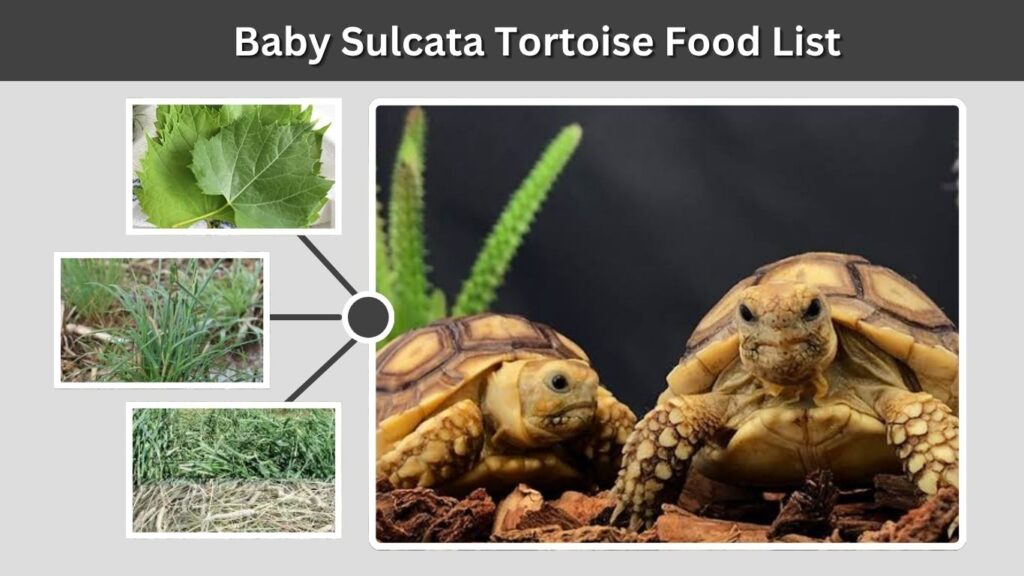
Baby sulcatas are grazing tortoises. Their diet should be high in fiber and low in protein. Arizona Exotic Animal Hospital recommends grasses and grass hay as the best diet, with dark leafy greens and limited fruit treats.
Good foods include:
- Bermuda grass
- Timothy hay
- Orchard grass
- Dandelion greens
- Hibiscus leaves and flowers
- Mulberry leaves
- Grape leaves
- Cactus pads with spines removed
- Clover in small amounts
- Safe pesticide-free weeds
- Romaine, escarole, or endive as variety
Avoid dog food, cat food, meat, beans, bread, dairy, sugary fruit, iceberg lettuce as a main food, and pesticide-treated plants.
How Often Do Baby Sulcata Tortoises Eat?
Baby sulcatas should eat every day. Offer a fresh pile of chopped grasses, weeds, and greens in the morning. Remove old food before it becomes dry, dirty, or moldy. A baby that refuses food for more than a short period may be too cold, dehydrated, stressed, or sick.
Baby Sulcata Tortoise Enclosure Setup
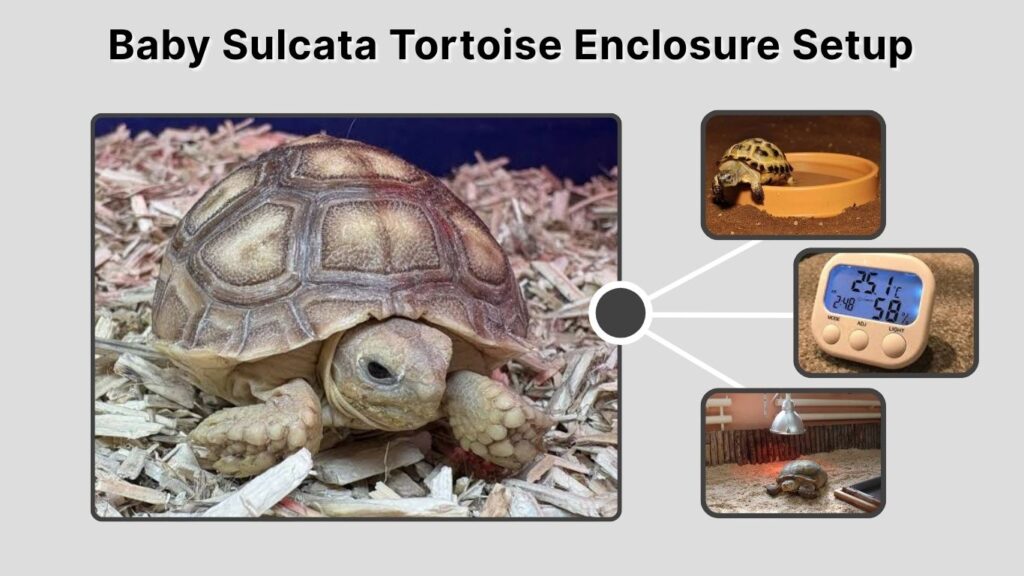
A baby sulcata tortoise enclosure should be warm, secure, easy to clean, and large enough for walking. A plastic tub, tortoise table, or closed-style indoor enclosure can work better than a small glass tank. The setup should include a basking area, cooler side, hide, shallow water dish, UVB light, and safe substrate.
Basic Setup Items
You need:
- UVB light
- Basking heat lamp
- Ceramic heat emitter or safe night heat if needed
- Digital thermometer
- Hygrometer
- Humid hide
- Shallow water bowl
- Food dish
- Safe substrate
- Hiding area
MedVet recommends UVB lighting for indoor sulcatas, plus a daytime area around 80°F, a basking area around 100°F, and nighttime temperatures around 72°F.
Baby Sulcata Temperature and Lighting
Temperature is one of the biggest reasons baby sulcatas stop eating. If the enclosure is too cold, digestion slows and the baby may become weak. The basking spot should be warm enough for digestion, while the cool side lets the tortoise escape excess heat.
| Area | General Target |
| Basking spot | Around 95–100°F |
| Warm side | Around 85–90°F |
| Cool side | Around 75–80°F |
| Night | Usually above 70°F |
| UVB | On during daytime hours |
Heat lamps should be safely mounted and guarded. The Royal Veterinary College advises checking temperatures with a thermometer and guarding heat sources to prevent burns.
Baby Sulcata Humidity and Soaking
Baby sulcatas should not be kept bone-dry. Young tortoises need hydration for smooth shell growth and healthy activity. Arizona Exotic Animal Hospital says young growing tortoises need at least 65% humidity for much of the day and access to higher humidity when desired.
Soak baby sulcatas in shallow warm water several times a week, or daily for very young hatchlings if recommended by your reptile vet. The water should be shallow enough that the baby can keep its head above water easily. Never leave a baby tortoise unattended during soaking.
Best Substrate for Baby Sulcata Tortoises
The best bedding holds some moisture without becoming cold, dirty, or moldy. Good choices include coconut coir, cypress mulch, organic topsoil, or a safe soil-and-coir mix.
Avoid cedar, pine shavings, sharp gravel, dusty sand-only setups, and slippery floors. Bad substrate can irritate the eyes, dry the shell, or make walking difficult.
Baby Sulcata Growth and Shell Health
A baby sulcata should grow slowly and steadily. Fast growth from rich foods, poor humidity, weak UVB, or low calcium balance can lead to shell and bone problems. Pyramiding means the shell scutes grow upward into raised bumps. It is common in poorly raised sulcatas and is linked with hydration, humidity, diet, UVB, and exercise.
A healthy baby shell should feel firm, not soft or rubbery. See a reptile vet if the shell feels soft, smells bad, cracks, bleeds, or develops red areas.
Baby Sulcata Behavior Problems
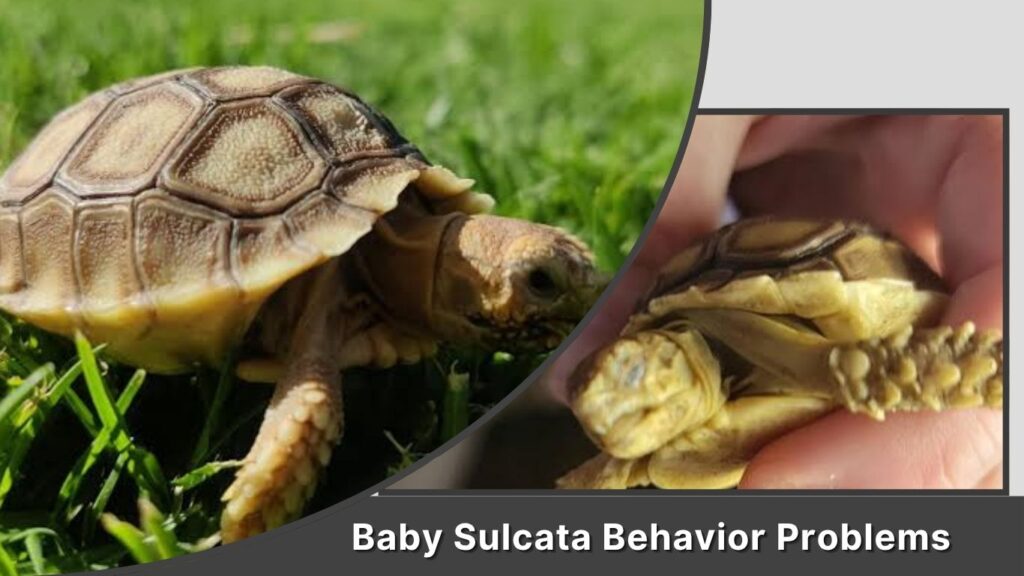
Some baby sulcatas sleep a lot, especially after eating or basking. However, a baby that is always sleeping, not moving, not eating, or keeping its eyes closed may have a care problem.
Possible causes include:
- Enclosure too cold
- No UVB light
- Dehydration
- Stress from handling
- Poor diet
- Respiratory infection
- Weakness from shipping or illness
Nose bubbles, wheezing, swollen eyes, runny nose, soft shell, diarrhea, or weight loss should be checked by a reptile veterinarian.
Baby Sulcata Male vs Female
You usually cannot reliably tell if a baby sulcata is male or female. Young tortoises look very similar. Sex is easier to judge when the tortoise is older and larger, using tail size, plastron shape, and overall body features. Be careful with sellers who guarantee the gender of a very young baby.
Buying a Baby Sulcata Tortoise
Many people search for “baby sulcata tortoise for sale” or “baby sulcata tortoise price,” but the lowest price is not always the best choice. Look for a healthy, captive-bred baby from a responsible breeder or rescue. Ask about diet, UVB, soaking, humidity, hatch date, and health history.
Do not buy a baby with closed eyes, soft shell, runny nose, extreme weakness, or poor movement. Also make sure you can legally keep sulcatas in your area and that you have a plan for adult housing.
FAQs
What do baby sulcata tortoises eat?
Baby sulcata tortoises eat grasses, hay, safe weeds, flowers, and leafy greens. Their diet should be high in fiber and low in protein.
How often should a baby sulcata tortoise eat?
A baby sulcata should eat every day. Fresh food should be offered daily, and old food should be removed before it spoils.
Do baby sulcata tortoises need a heat lamp?
Yes. Baby sulcatas need a warm basking area and stable enclosure temperatures. They also need UVB lighting if kept indoors.
Why is my baby sulcata tortoise always sleeping?
Some sleeping is normal, but constant sleeping can mean the enclosure is too cold, the baby is dehydrated, stressed, or sick. Check temperature, UVB, humidity, and appetite.
Can baby sulcata tortoises live outside?
Only in safe warm weather with protection from predators, rain, overheating, and cold nights. Most baby sulcatas are easier to manage indoors until they are larger.