
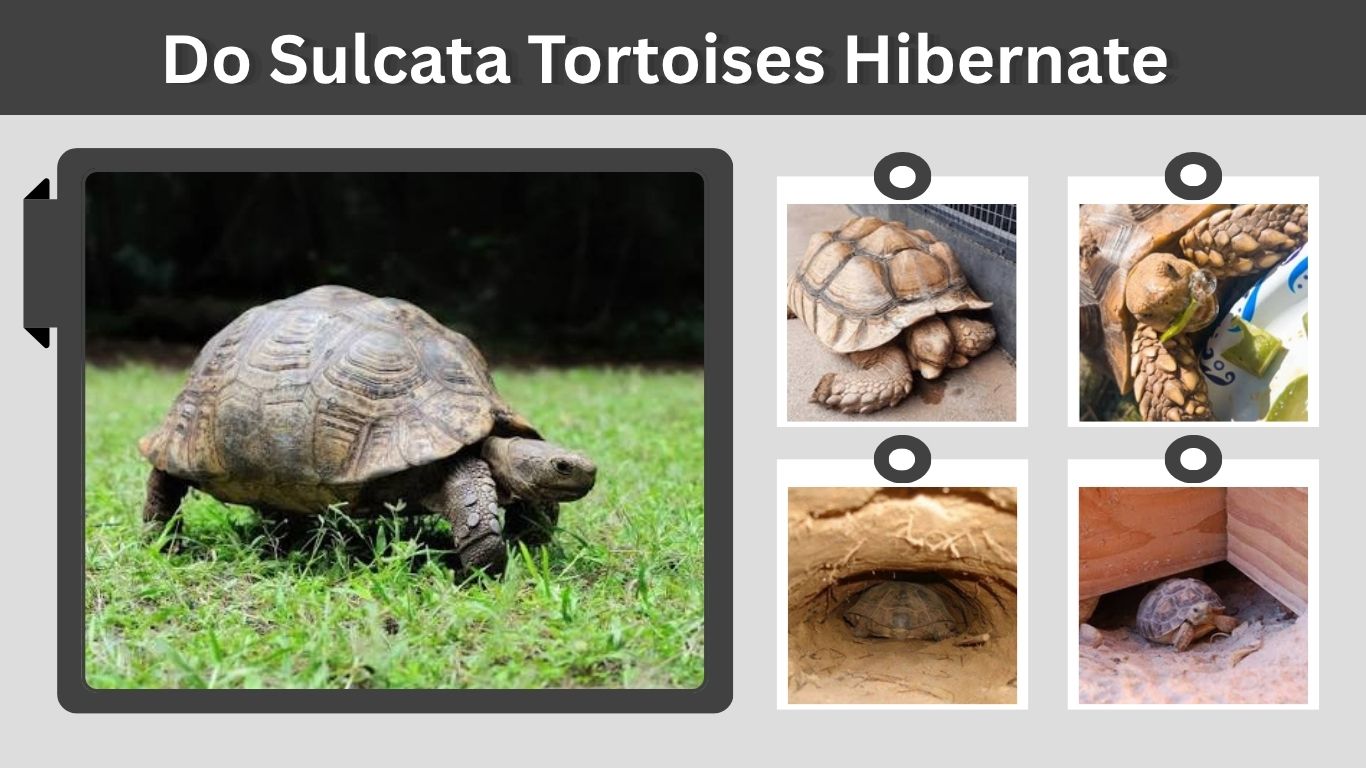
Sulcata tortoises do not hibernate. This is one of the most important facts every owner should know before winter arrives. Unlike some tortoise species from cooler climates, sulcatas come from warm African grassland and semi-arid regions. If a sulcata becomes inactive in cold weather, it is usually too cold, stressed, sick, or kept in the wrong setup—not safely hibernating. This guide explains what happens in winter and how to keep them healthy.
Do Sulcata Tortoises Hibernate?
Sulcata tortoises, also called African spurred tortoises, should not be put into hibernation. The Royal Veterinary College states clearly that sulcata tortoises do not hibernate, and ARAV’s sulcata care guide also says they do not hibernate and need warm winter housing instead.
| Question | Answer |
| Do sulcata tortoises hibernate? | No |
| Do sulcata tortoises brumate? | No, not as a normal care practice |
| Do they slow down in winter? | They may if temperatures or lighting are poor |
| Should babies hibernate? | No |
| What should owners do? | Keep them warm, active, hydrated, and eating |
Some owners mistake winter inactivity for hibernation. That can be dangerous. A sulcata that is sleeping too much, refusing food, or staying cold may be showing signs of poor temperature control or illness.
Why Sulcata Tortoises Do Not Hibernate
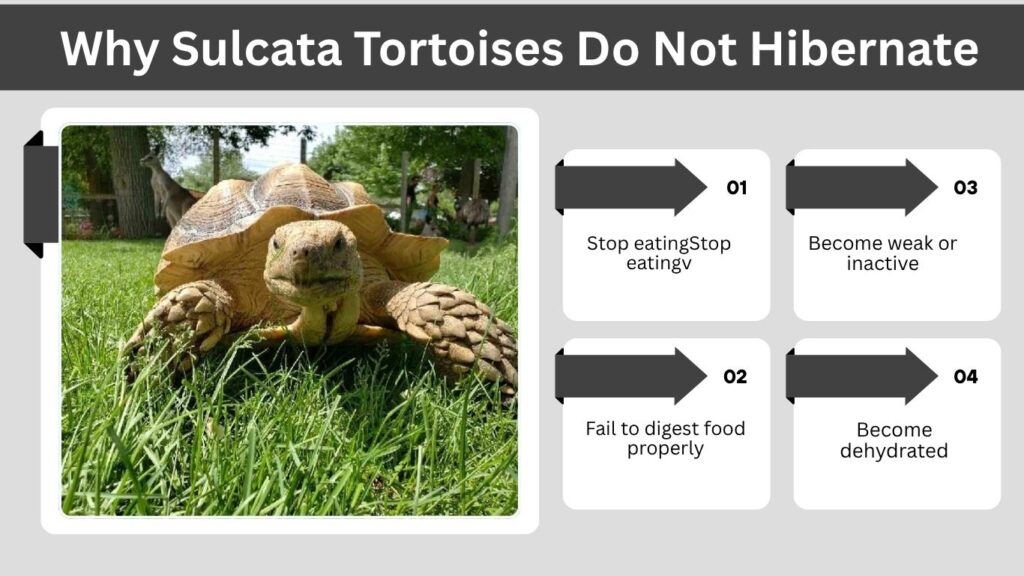
Sulcata tortoises are native to hot, dry regions of sub-Saharan Africa. In their natural habitat, they deal more with extreme heat and dry conditions than freezing winters. San Diego Zoo explains that African spurred tortoises dig deep dens to escape very hot daytime temperatures, and they become inactive during extreme temperatures.
Hibernation vs. Winter Slowdown
Hibernation is a deep seasonal dormancy used by some animals to survive cold months. In reptiles, people often use the word “brumation” instead of hibernation.
Sulcata tortoises are different. They may hide, sleep more, or eat less if the enclosure is too cold, but that is not healthy hibernation. It usually means their body temperature is too low for normal digestion and activity.
Why Cold Is Dangerous
Sulcatas are ectothermic, meaning they depend on outside heat sources to control body temperature. RVC recommends a basking area of 35–40°C, a cooler end around 25°C, and overnight temperatures that do not drop below 20°C.
If a sulcata gets too cold, it may:
- Stop eating
- Become weak or inactive
- Fail to digest food properly
- Develop respiratory problems
- Become dehydrated
- Decline quickly without care
Do Sulcata Tortoises Hibernate in the Winter?
No, sulcata tortoises do not hibernate in winter. They still need heat, UVB light, food, water, and space during colder months. Sulcata Rescue Ranch also states that sulcatas do not hibernate and must be kept warm all year.
Winter care depends on where you live. In warm climates, adult sulcatas may spend time outdoors during safe daytime temperatures. In colder climates, they need a heated indoor room, heated shed, or secure tortoise house.
Winter Care Checklist
During winter, a sulcata tortoise should have:
- A warm basking area
- Safe overnight heat
- UVB lighting or natural sunlight
- Dry shelter
- Fresh water
- High-fiber food
- Enough space to move
- Protection from cold rain, snow, and drafts
RVC also recommends UVB exposure for sulcata tortoises, and indoor housing should include proper lighting and a basking site.
How Long Do Sulcata Tortoises Hibernate?
Sulcata tortoises should hibernate for zero days. If your sulcata appears to be “hibernating” for days or weeks, something may be wrong with the temperature, lighting, diet, hydration, or health.
A healthy sulcata may rest at night and hide during very hot or uncomfortable weather, but it should not go into a long winter dormancy. If it stops eating, stops basking, or barely moves, check the enclosure temperatures first.
| Problem | Possible Cause | What to Check |
| Not eating | Too cold, stress, illness | Basking and night temperature |
| Sleeping all day | Low heat or poor lighting | Heat bulb and UVB setup |
| Runny nose | Respiratory issue | Drafts, damp bedding, vet care |
| Weak walking | Poor diet, low UVB, illness | Calcium, UVB, reptile vet |
| Dry eyes or sunken look | Dehydration | Soaking and water access |
Do Baby Sulcata Tortoises Hibernate?
Baby sulcata tortoises do not hibernate. Hatchlings and young juveniles are especially vulnerable because they can weaken faster than adults. A baby that becomes cold may stop eating and become dehydrated quickly.
Do Indoor 3 Month Old Sulcata Tortoises Hibernate?
No, an indoor 3 month old sulcata tortoise should not hibernate. At this age, it needs stable warmth, UVB light, hydration, and a safe feeding routine. If a 3 month old sulcata is sleeping too much or refusing food, treat it as a care or health warning, not normal hibernation.
Young sulcatas usually need:
- Daily access to warmth
- A proper basking spot
- UVB light for 10–12 hours
- Shallow soaking
- Fresh grasses and safe greens
- Clean enclosure conditions
- A humid hide if recommended by a reptile vet
ARAV’s care guide notes that indoor housing should provide artificial UVB lighting and a basking spot for 10–12 hours a day.
Signs Your Sulcata Is Too Cold
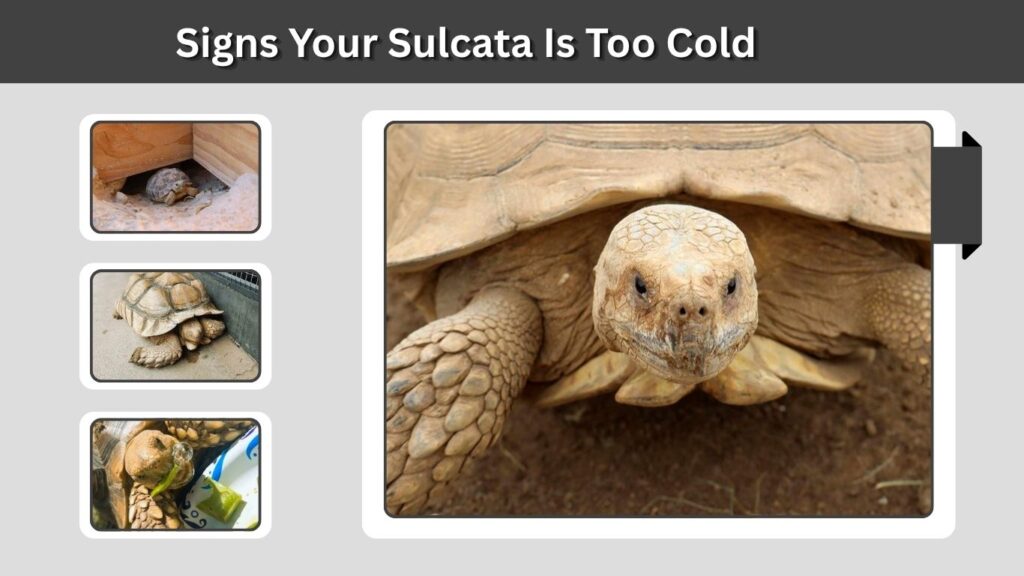
A sulcata may slow down slightly in cooler seasons, but it should not become deeply inactive. Watch behavior closely during winter.
Common cold-stress signs include:
- Refusing food
- Staying hidden all day
- Cold shell or limbs
- Weak movement
- Closed eyes
- Wheezing or bubbles from the nose
- Weight loss
- Not basking normally
If temperatures are correct but the tortoise still acts sick, contact a reptile veterinarian. Respiratory infections and other illnesses can look like winter sluggishness.
Best Winter Setup for Sulcata Tortoises
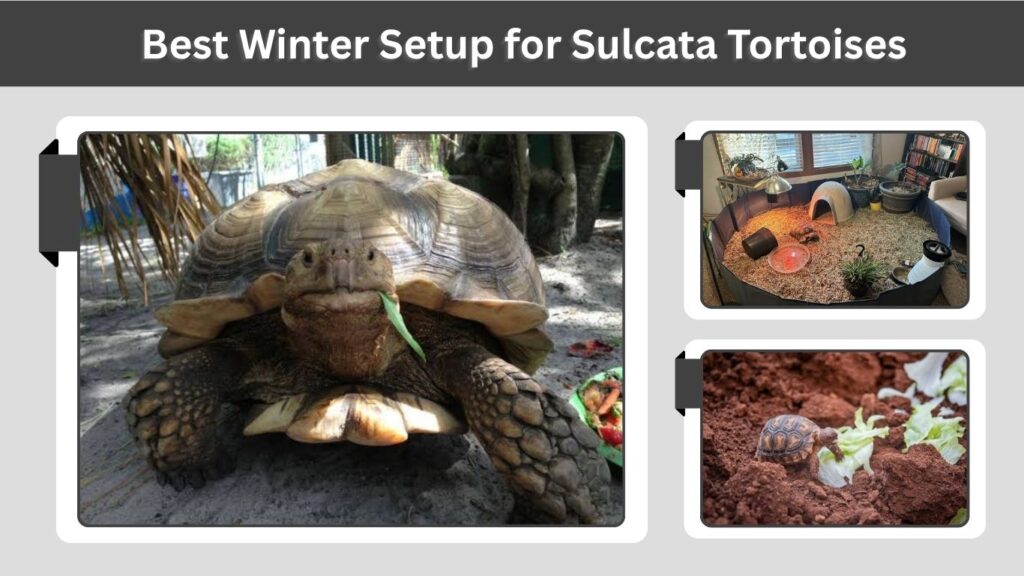
A good winter setup should keep the tortoise warm, dry, and active. Adults need much more space than small juveniles, so a tiny tank is not enough for long-term care. San Diego Zoo describes sulcatas as strong, active tortoises that need a spacious, well-heated, dry ecosystem.
Good winter housing may include:
- Heated indoor tortoise room
- Insulated outdoor tortoise house
- Ceramic heat emitter or safe radiant heat panel
- Thermostat-controlled heat source
- UVB lighting if indoors
- Dry bedding or safe substrate
- Large water dish
- Secure fencing for outdoor time
Avoid hot rocks, direct contact with heat lamps, cold garages without heat, damp sheds, and free roaming around the house. ARAV specifically warns sulcatas should avoid free roaming indoors and hot rocks or direct contact with heating elements.
Should You Wake a Sulcata That Seems to Be Hibernating?
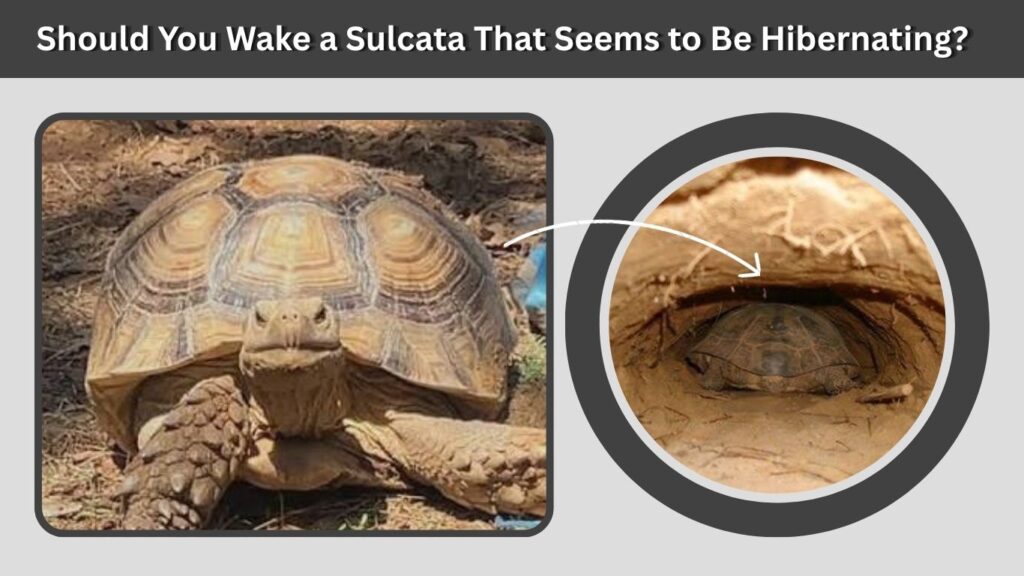
Yes, gently check the tortoise and correct the setup. A sulcata should not be left cold and inactive like a hibernating species. First, check basking temperature, nighttime temperature, humidity, UVB light, and hydration.
Do not force-feed a cold tortoise. Warm it safely first, allow proper basking, and offer water. If it remains weak, refuses food, wheezes, or has swollen eyes, a reptile vet should examine it.
FAQs
Do African sulcata tortoises hibernate?
No, African sulcata tortoises do not hibernate. They come from warm regions and need heat throughout the year. If they become inactive in winter, it usually means they are too cold, stressed, or sick rather than safely hibernating.
When do sulcata tortoises hibernate?
Sulcata tortoises do not have a normal hibernation season. They should remain warm and active through winter with proper heat, UVB lighting, food, and water. Any long period of winter inactivity should be treated as a possible care problem.
How long do sulcata tortoises hibernate?
Sulcata tortoises should not hibernate at all. If one appears to be hibernating for several days, check enclosure temperatures immediately. Long inactivity can be dangerous because cold sulcatas may stop digesting food and become weak.
Do baby sulcata tortoises hibernate?
No, baby sulcata tortoises should never hibernate. Hatchlings need stable heat, UVB light, hydration, and regular feeding. A sleepy or inactive baby sulcata may be too cold or unwell and should be checked carefully.
Why is my sulcata tortoise not eating in winter?
A sulcata may stop eating in winter if the enclosure is too cold, the basking area is weak, UVB lighting is poor, or the tortoise is sick. Check heat first, then hydration and lighting. If appetite does not return, contact a reptile veterinarian.