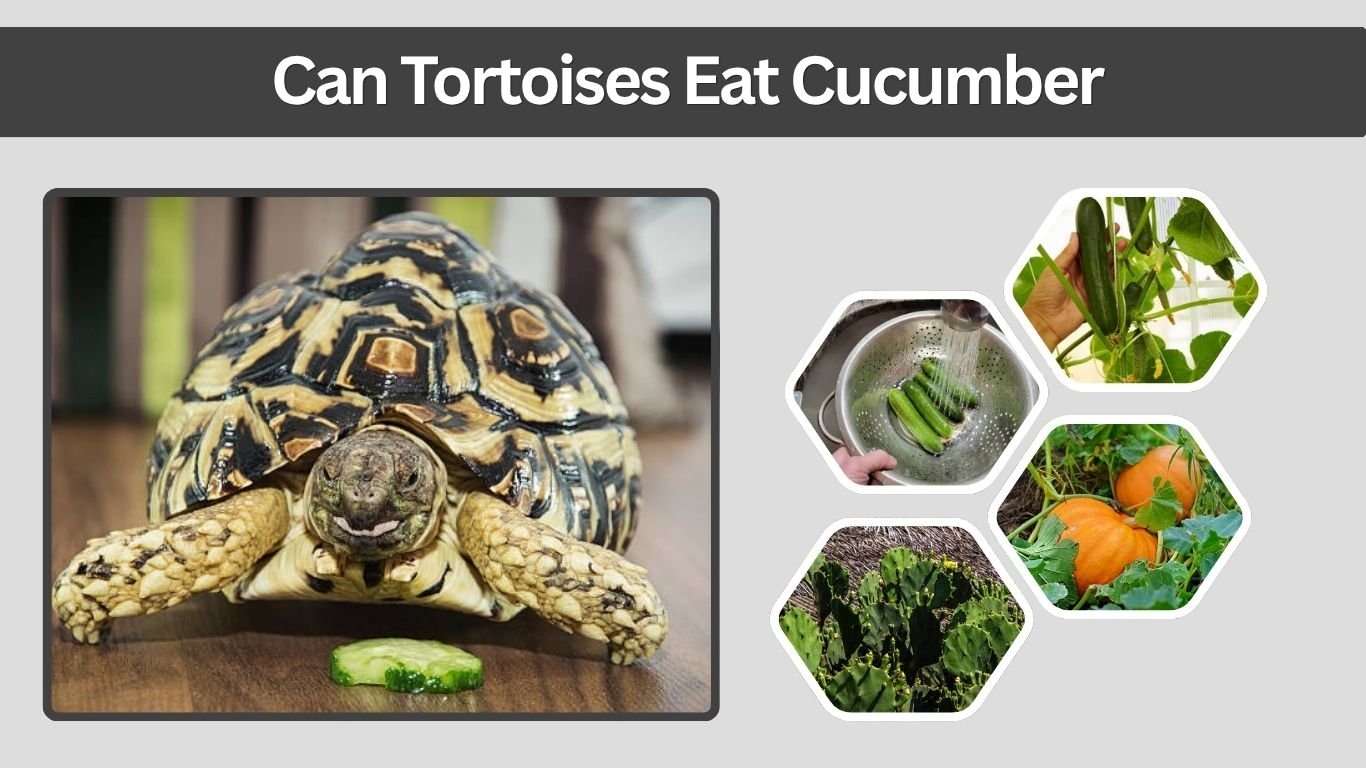
Tortoises are herbivores with very specific dietary requirements, and not all vegetables are equally beneficial for them. Cucumber is often offered because it is fresh, hydrating, and easy to prepare, but is it actually good for tortoises? The short answer is yes—tortoises can eat cucumber, but only in moderation. While it is not toxic, cucumber contains very little nutrition and too much water, which can cause problems if fed frequently. This guide explains safety, nutritional value, and how cucumber fits into a balanced tortoise diet.
Are Cucumbers Safe for Tortoises?
Cucumbers are generally safe for tortoises when served fresh and in small amounts. They do not contain harmful toxins and can be eaten without immediate risk. However, they are not considered a healthy staple food because they lack the nutrients tortoises need for proper growth and long-term health.
Why Cucumbers Should Be Limited
- Extremely high water content reduces nutrient intake
- Very low fiber compared to natural foods
- Minimal calcium for shell development
- Overfeeding may lead to digestive imbalance
Nutritional Value of Cucumbers for Tortoises
Understanding what cucumbers provide helps explain why they should only be offered occasionally. While they may seem healthy, they do not meet the dietary needs of most tortoise species.
What Cucumbers Contain
- About 95% water
- Very low fiber levels
- Small amounts of vitamins
- Almost no calcium
Why This Matters
Tortoises rely on fiber for proper digestion and calcium for strong shells. Foods that lack these nutrients can weaken their overall health over time. Feeding too much cucumber may fill the tortoise without providing the essential nutrients it needs, leading to an unbalanced diet.
Can Different Tortoise Species Eat Cucumber?
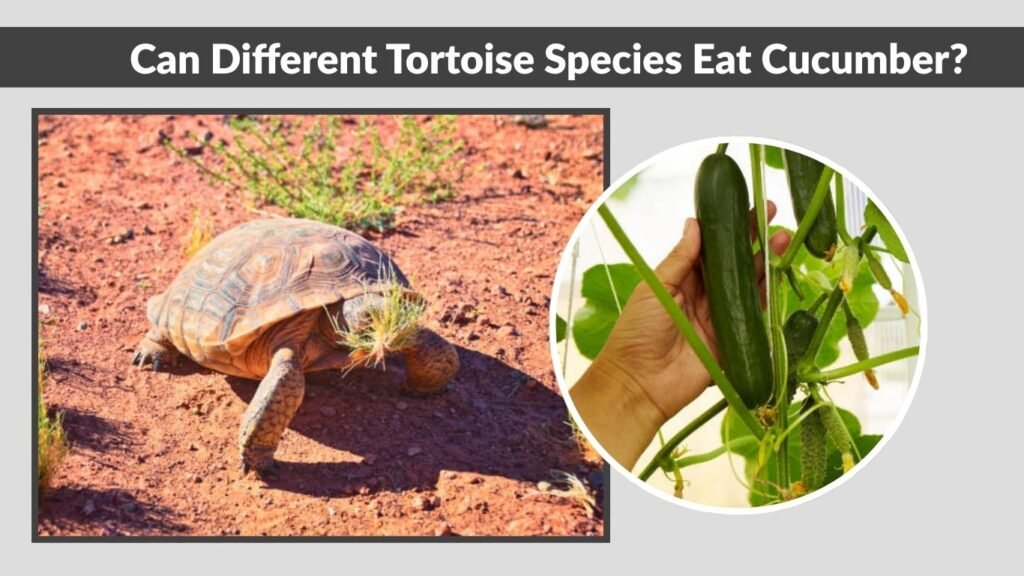
Different tortoise species have unique dietary needs based on their natural environments. While cucumber is safe for most tortoises, its high water content and low nutrition mean it should be limited across all species. Grassland and desert tortoises require fiber-rich diets and should eat cucumber very rarely, whereas tropical species can tolerate it slightly better. The table below provides a clear comparison of how cucumber fits into each species’ diet.
| Tortoise Species | Can They Eat Cucumber? | Frequency | Notes |
| Sulcata (African Spurred) | Yes | Very rarely | Needs high-fiber grass diet |
| Russian (Horsfield) | Yes | Occasionally | Prefers weeds and leafy greens |
| Desert Tortoise | Yes | Rarely | Not part of natural dry diet |
| Red-Footed Tortoise | Yes | Occasionally | More tolerant of varied foods |
| Yellow-Footed Tortoise | Yes | Occasionally | Can handle small amounts |
| Hermann’s Tortoise | Yes | Rarely | Mostly herbivorous diet |
| Greek (Spur-Thighed) | Yes | Rarely | Needs fiber-rich plants |
| Leopard Tortoise | Yes | Very rarely | Grass-based diet is essential |
| Marginated Tortoise | Yes | Rarely | Focus on greens and weeds |
Can Tortoises Eat Different Parts of Cucumber?
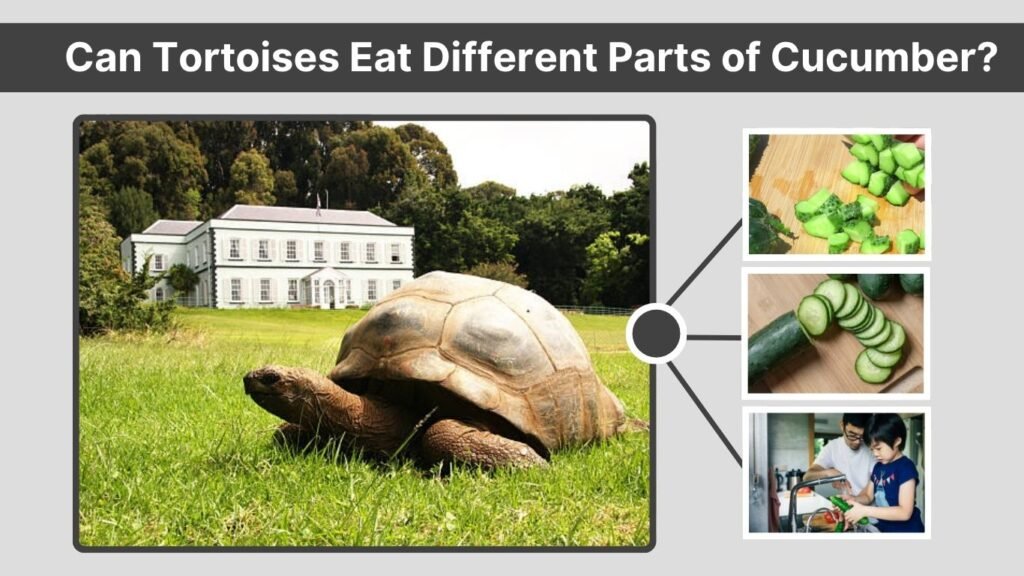
Not all parts of a cucumber are equal when it comes to feeding. While most parts are technically safe, some are better suited than others depending on digestion and cleanliness.
Safe Parts of Cucumber
- Fresh cucumber flesh cut into small pieces
- Soft inner portion that is easy to chew
- Thin slices for easier digestion
Parts to Be Careful With
- Skin, which may contain pesticides if unwashed
- Large chunks that are harder to digest
- Overripe or spoiled cucumber
Can Tortoises Eat Cucumber Leaves?
Unlike the fruit itself, cucumber leaves are not recommended for tortoises. They do not offer significant nutritional value and may not be easily digested. In natural environments, tortoises typically consume grasses, weeds, and safe leafy plants rather than vine leaves like cucumber.
Feeding cucumber leaves intentionally is not advised. Even though a small accidental intake may not cause harm, it is always better to stick to proven, tortoise-safe greens that support digestion and overall health.
How Often Can Tortoises Eat Cucumber?
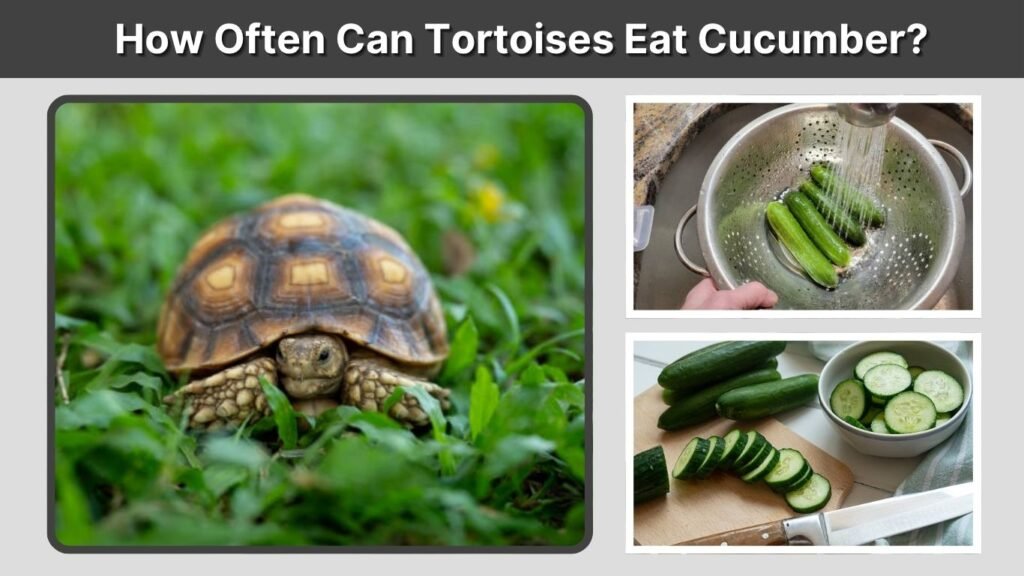
Cucumber should only be a small part of a tortoise’s overall diet. While it can be refreshing, feeding it too often can reduce the intake of more nutritious foods. The goal is to use cucumber as an occasional supplement rather than a regular ingredient.
Recommended Feeding Frequency
- Offer cucumber once every 1–2 weeks
- Keep portions small and controlled
- Always combine with leafy greens
- Avoid feeding on consecutive days
Portion and Preparation Tips
- Cut into thin slices or small cubes
- Wash thoroughly before serving
- Serve fresh, not cooked or processed
- Avoid giving large watery portions
Benefits vs Risks of Feeding Cucumber
Cucumber has a few advantages, but its downsides make moderation essential. Knowing both helps ensure a balanced diet.
Possible Benefits
- Provides hydration, especially in hot weather
- Adds variety to prevent boredom
- Can help stimulate appetite in picky eaters
Potential Risks
- Very low nutritional value
- Can cause watery stool or diarrhea
- May reduce interest in healthier foods
- Overfeeding leads to poor diet balance
Best Foods Instead of Cucumber
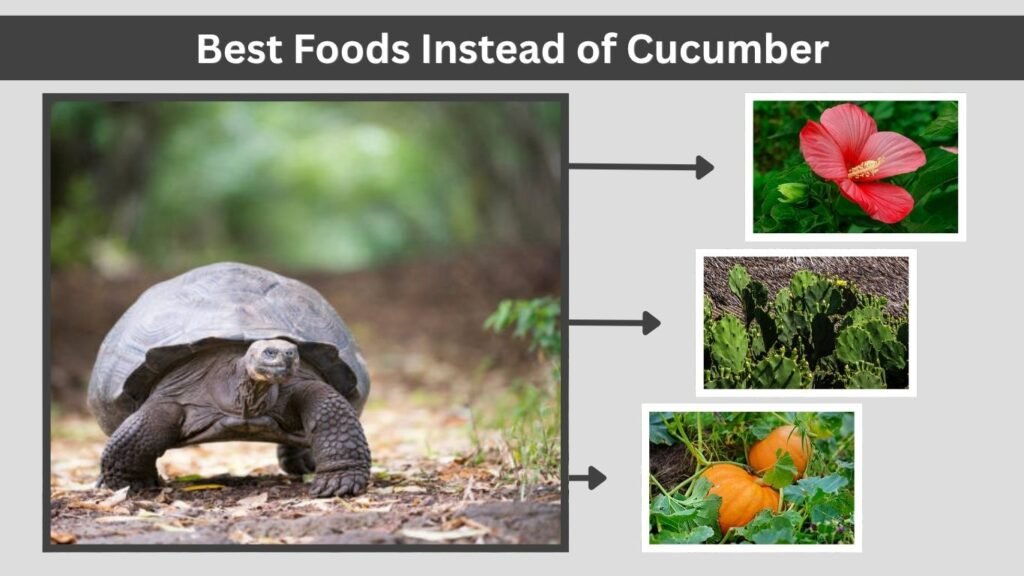
Although cucumber is safe, there are much better food choices that align with a tortoise’s natural diet. These foods provide essential nutrients and support long-term health.
Healthy Alternatives to Focus On
- Dandelion greens and flowers
- Collard and mustard greens
- Hibiscus leaves and flowers
- Squash and pumpkin
- Cactus pads (ideal for desert species)
Why These Foods Are Better
These options are rich in fiber and calcium, which are crucial for digestion and shell development. Unlike cucumber, they provide lasting nutritional value and closely resemble what tortoises eat in the wild.
Signs Your Tortoise Should Avoid Cucumber
Not all tortoises respond the same way to certain foods. Some may tolerate cucumber without any issues, while others may show signs that it does not suit them well.
If your tortoise develops watery stool, reduced appetite, or becomes less active after eating cucumber, it may be a sign that this food should be limited or avoided. Long-term reliance on low-nutrient foods can also lead to poor growth and shell problems. In such cases, it is best to return to a diet focused on fiber-rich greens and natural plants.
FAQs
Can tortoises eat cucumbers every day?
No, cucumber should not be fed daily. Its high water content and low nutritional value can lead to digestive issues and prevent tortoises from getting the nutrients they need.
Can tortoises eat cucumber skin?
Yes, cucumber skin is generally safe if washed properly. However, it may be harder to digest, so peeling it can be helpful, especially for smaller or younger tortoises.
Can tortoises eat cucumber seeds?
Yes, cucumber seeds are soft and safe to eat in small amounts. They do not pose a significant risk when included with small portions of cucumber.
Is cucumber good for tortoises?
Cucumber is not very nutritious. While it is safe as an occasional treat, it should not replace fiber-rich and calcium-rich foods in a tortoise’s regular diet.
Can baby tortoises eat cucumbers?
It is not recommended to feed cucumber regularly to baby tortoises. They require nutrient-dense foods to support proper growth and shell development.