
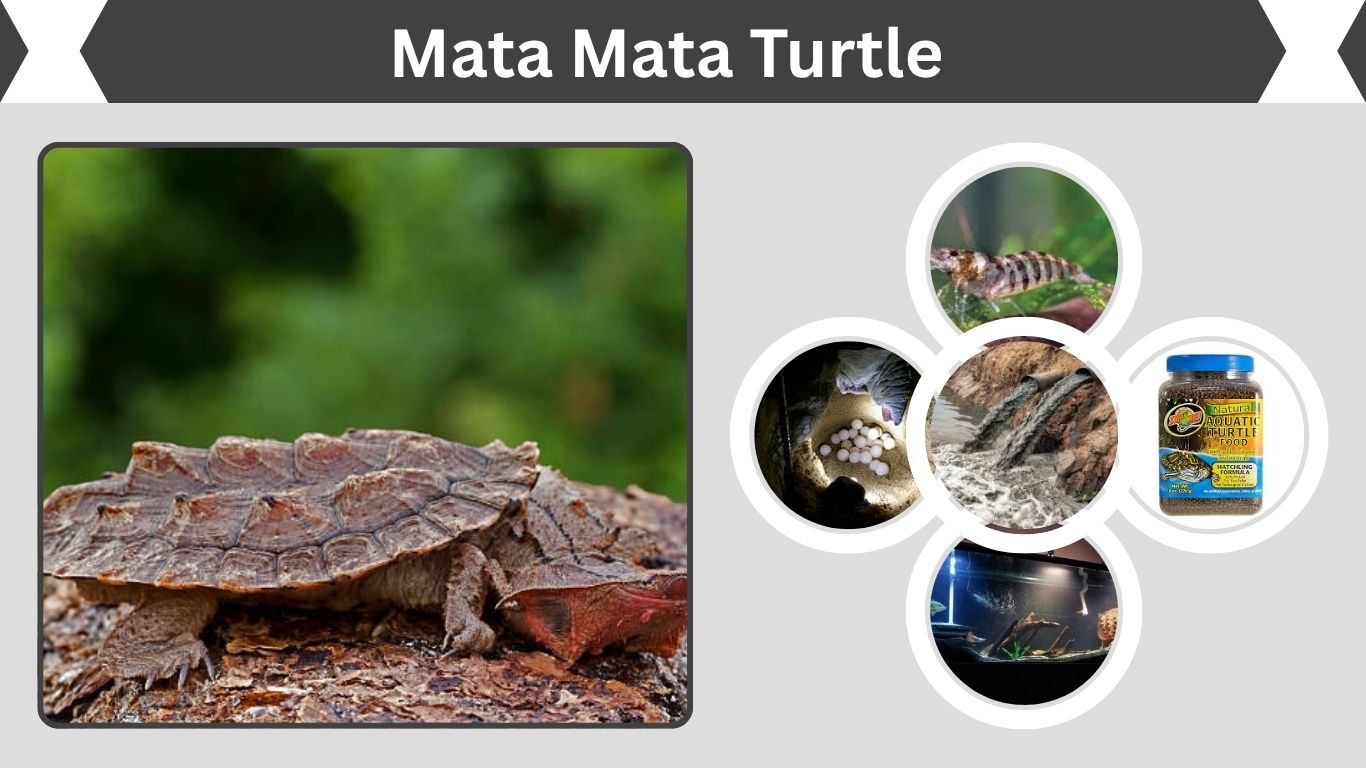
The Mata Mata turtle is one of the most unique freshwater turtles, known for its leaf-shaped shell, wide head, and suction-like feeding habits. Popular among exotic pet enthusiasts, this species requires specialized care, large tanks, and proper water conditions. Understanding their behavior, mating habits, and tank compatibility is essential for a healthy and thriving pet. This guide explores the Mata Mata’s mating behaviors, egg-laying, care requirements, feeding, and suitable tank mates, providing both beginners and advanced keepers with practical advice.
Mata Mata Turtle Overview
The Mata Mata turtle (Chelus fimbriata) is native to slow-moving rivers and swamps in South America, particularly in the Amazon and Orinoco basins. Its camouflaged appearance allows it to ambush prey efficiently, and its flattened shell and tubercled head make it virtually indistinguishable from fallen leaves. Understanding its natural behavior and habitat helps keepers replicate similar conditions in captivity to promote health, feeding, and breeding success.
Physical Features
- Flattened, leaf-like shell for camouflage
- Wide, triangular head with fringed skin
- Long neck and serrated edges on shell
Habitat
- Slow-moving, shallow rivers, streams, and swampy areas
- Prefers heavily vegetated waters for concealment
Diet and Feeding
- Carnivorous, mainly fish and aquatic invertebrates
- Ambush predator using suction feeding
Mata Mata Turtle Care
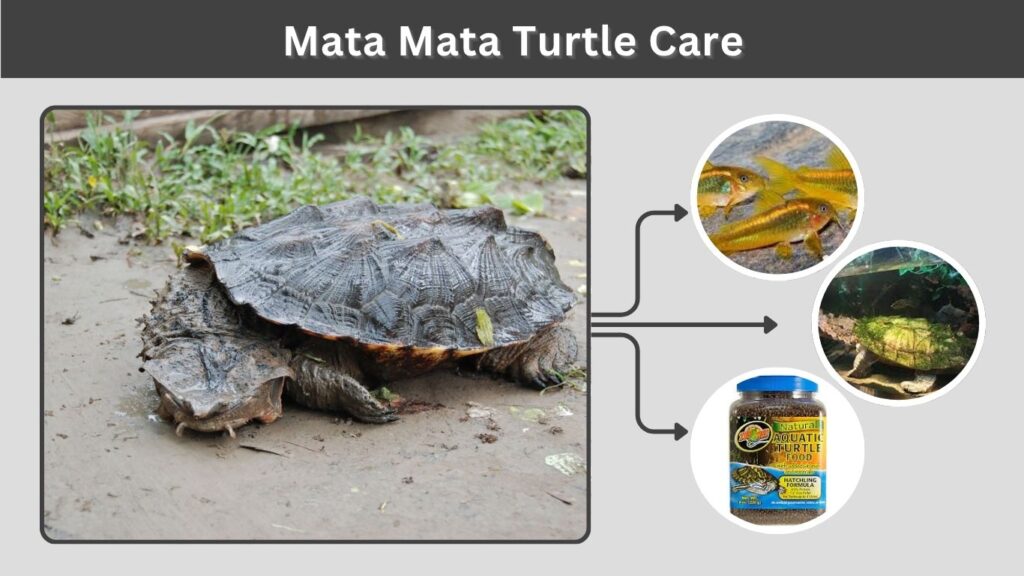
Proper care is essential for Mata Mata turtles, as they are sensitive to water quality and require spacious tanks. Their unique feeding habits and specific environmental needs make them challenging for beginners. Providing the right tank setup, water conditions, diet, and enrichment promotes health and may encourage breeding behaviors in captivity.
Tank Requirements
- Minimum tank size: 150–200 gallons for adult turtles
- Slow water flow with high-quality filtration
- Plenty of hiding spots and floating vegetation
Feeding
- Feed primarily live fish or pre-killed options
- Supplements may be needed to ensure proper nutrition
- Feed every 2–3 days for adults; more frequent for juveniles
Health Considerations
- Monitor for shell rot, infections, or lethargy
- Maintain temperature around 78–82°F (26–28°C)
- Keep pH between 6.5–7.5 and ammonia levels near zero
Mata Mata Turtle Behavior
Mata Mata turtles are generally solitary and sedentary, spending most of their time lying motionless to ambush prey. Their slow movement and camouflage make them fascinating to observe, though they rarely interact with other species. Understanding behavior helps in designing the tank environment, feeding schedule, and enrichment.
Feeding Behavior
- Lies motionless and strikes quickly at passing fish
- Uses suction to ingest prey without chewing
Interaction and Temperament
- Non-aggressive toward humans if not provoked
- Rarely social with other turtles, can be territorial
Mata Mata Turtle Mating Overview
Mating in Mata Mata turtles occurs seasonally, often triggered by environmental cues such as warmer temperatures. Sexual maturity is reached around 6–8 years for males, with females maturing slightly later. Understanding the mating season, courtship behaviors, and egg-laying process is essential for breeders and hobbyists hoping to reproduce this species in captivity.
Sexual Maturity
- Males: 6–8 years old
- Females: slightly older, depending on diet and growth rate
Mating Season
- Typically during warmer months
- Water temperature and daylight length influence breeding
Courtship Behavior
- Males may nudge or chase females in water
- Noisy or subtle movements may indicate readiness to mate
How Turtles Mate
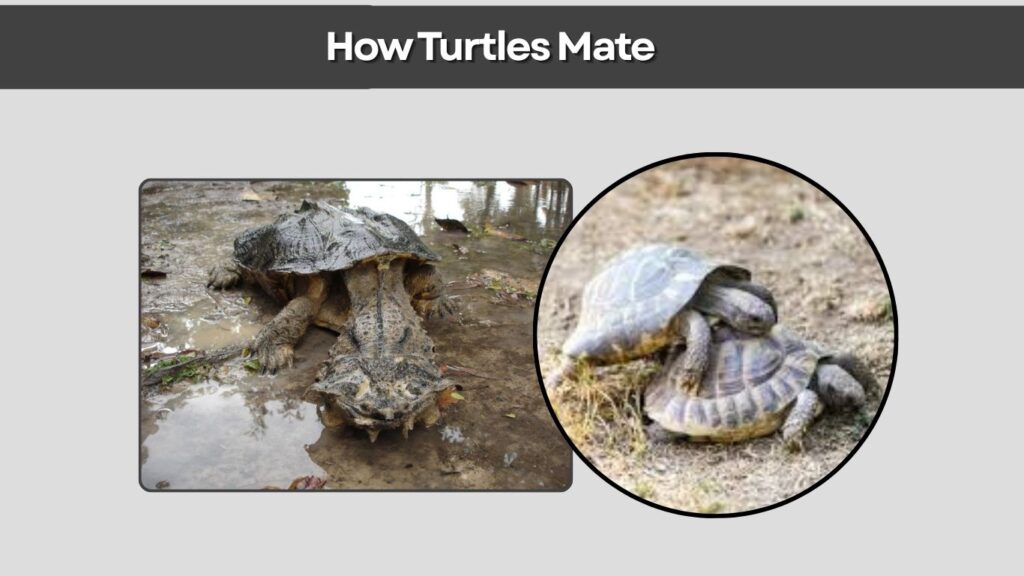
Turtle mating generally occurs in water for species like Mata Mata, with males mounting females and transferring sperm. Courtship behaviors vary by species but often include head bobbing, nudging, or biting in some species. Copulation duration varies but is usually brief, and water provides support and reduces injury risks.
Copulation Process
- Male mounts female in water
- Aligns cloacas for sperm transfer
- Duration: several minutes to an hour depending on species
Courtship Behavior
- Males display gestures to attract females
- Subtle nudges or movements help stimulate mating
Turtle Reproduction and Egg Laying

Mata Mata turtles reproduce through internal fertilization, and females lay eggs in sandy or soft soil near water sources. The female excavates a nest, deposits eggs, and covers them to incubate naturally. Understanding egg-laying behavior is crucial for breeders, especially in captivity, to ensure proper hatching conditions and healthy offspring.
Egg Laying Process
- Females lay 10–20 eggs per clutch, depending on age and size
- Eggs are spherical, with leathery shells
- Nest is buried in soft substrate to maintain humidity
Incubation and Hatching
- Eggs incubate 70–90 days depending on temperature
- Warm temperatures influence the sex of hatchlings
- Hatchlings emerge fully formed and independent
Can Different Turtle Species Mate?
Most turtles mate within their own species. Cross-species mating is generally uncommon and rarely produces viable offspring. Attempting to breed different species can result in health risks, stress, and genetic complications. This is important for hobbyists to understand to avoid ineffective breeding attempts and ensure animal welfare.
Species Compatibility
- Mata Mata turtles should only be paired with the same species
- Other species, like Red Eared Sliders or Painted Turtles, are incompatible
Risks of Cross-Species Mating
- Fertility issues or non-viable eggs
- Increased stress and aggression in captive turtles
Tank Mates for Mata Mata Turtles
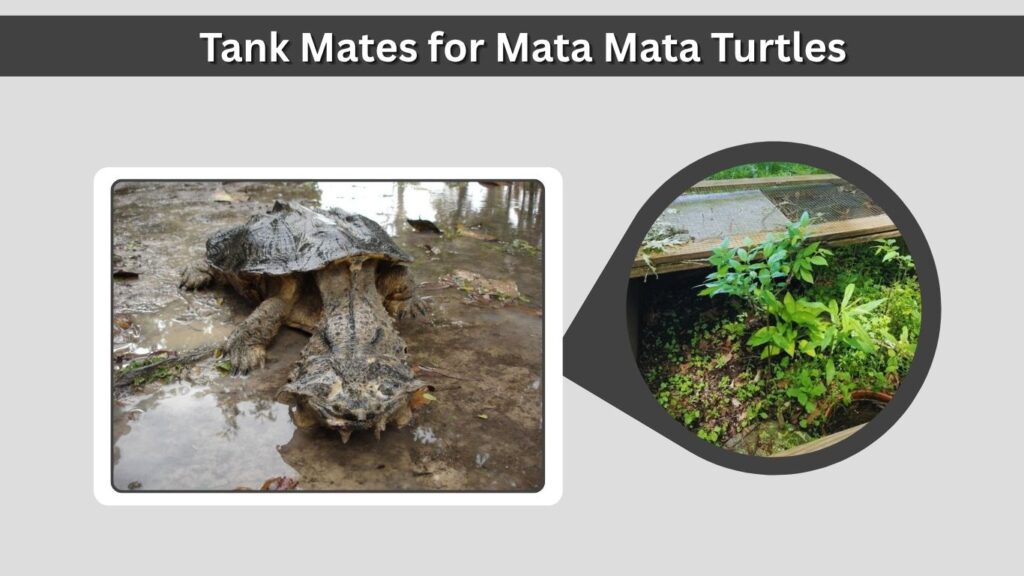
Choosing compatible tank mates is essential, as Mata Mata turtles are carnivorous and can prey on smaller fish or invertebrates. Selecting species with similar water requirements and size prevents predation and stress in the tank.
Suitable Tank Mates
- Large, slow-moving fish that won’t fit into the turtle’s mouth
- Other large non-aggressive turtles (if space allows)
Unsuitable Tank Mates
- Small fish, shrimp, or invertebrates (likely to be eaten)
- Aggressive or territorial turtle species
Breeding Mata Mata Turtles in Captivity
Captive breeding requires a careful setup that mimics natural environmental cues. Providing separate male and female tanks prior to breeding season, stable temperatures, proper lighting, and sufficient hiding spots encourages mating behavior. Monitoring courtship and copulation helps ensure successful fertilization.
Breeding Tips
- Separate sexes before breeding season to increase activity
- Provide shallow nesting areas with soft substrate
- Maintain stable water quality, temperature, and photoperiod
Egg and Hatchling Care
- Eggs can be incubated in a humid, warm substrate
- Monitor moisture to prevent desiccation or mold
- Provide hatchlings with small live prey and safe enclosures
Common Questions About Turtle Mating
Turtle mating behavior varies by species, but some questions are frequently asked by keepers of Mata Mata and other freshwater turtles. Understanding these behaviors helps prevent breeding mistakes and ensures the health of both adults and hatchlings.
FAQs
- Do turtles mate for life? Most species, including Mata Mata, do not form permanent pair bonds.
- Can turtles lay eggs without mating? Some females can produce unfertilized eggs, which will not hatch.
- How long does mating last? Duration varies from minutes to over an hour depending on species.
- Do turtles make noises while mating? Some species may produce subtle sounds, usually underwater.
- Do turtles mate in water or on land? Water-based species like Mata Mata typically mate in water.
Conservation and Endangered Status
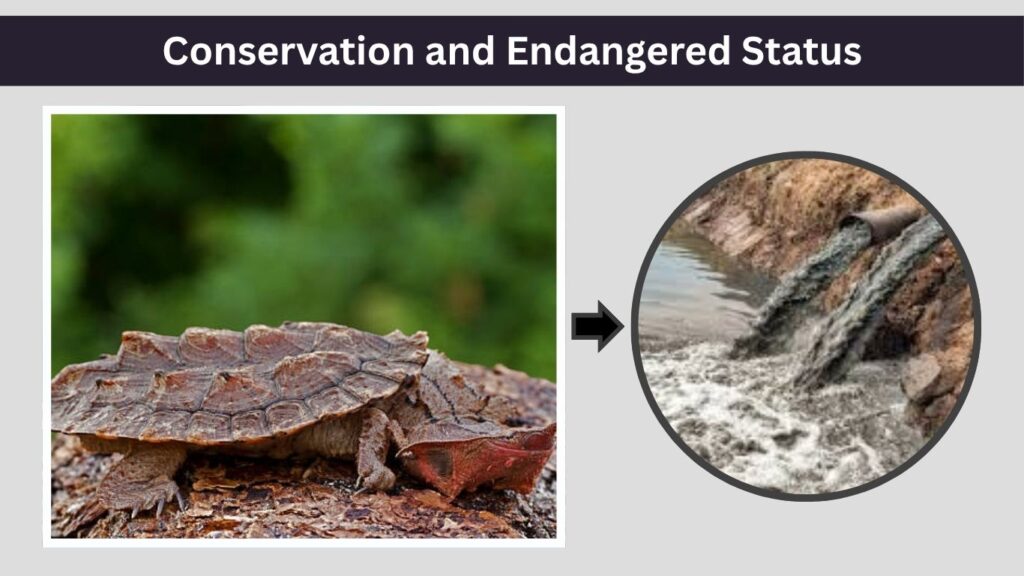
Mata Mata turtles are not currently considered critically endangered, but they face threats from habitat destruction, pollution, and the illegal pet trade. Responsible ownership, captive breeding programs, and habitat preservation are essential to ensure the species remains abundant in the wild.
Threats in the Wild
- Habitat loss due to deforestation and water pollution
- Capture for the exotic pet trade
Responsible Ownership
- Purchase only from reputable breeders
- Avoid taking wild turtles from rivers or swamps
- Provide adequate tank space, diet, and environmental enrichment
FAQs
At what age do Mata Mata turtles mate?
Mata Mata males typically reach sexual maturity around 6–8 years, while females mature slightly later, usually around 7–9 years. Environmental factors and diet can influence the exact timing.
Can Mata Mata turtles lay eggs without a mate?
Yes, females can lay unfertilized eggs even without mating. These eggs will not hatch but may still be produced periodically due to hormonal cycles.
Are Mata Mata turtles aggressive?
Mata Mata turtles are generally non-aggressive toward humans but are solitary and territorial. They may bite if provoked or handled improperly, though bites are not usually dangerous.
How large do Mata Mata turtles get?
Adult Mata Mata turtles can reach 18–22 inches (45–55 cm) in shell length and weigh up to 20 pounds (9 kg), making them one of the largest freshwater turtle species.
Can Mata Mata turtles be kept with other turtle species?
They can be kept with other large, non-aggressive aquatic turtles, but small species or fish are likely to be eaten. Careful tank management is essential to prevent stress or predation.