
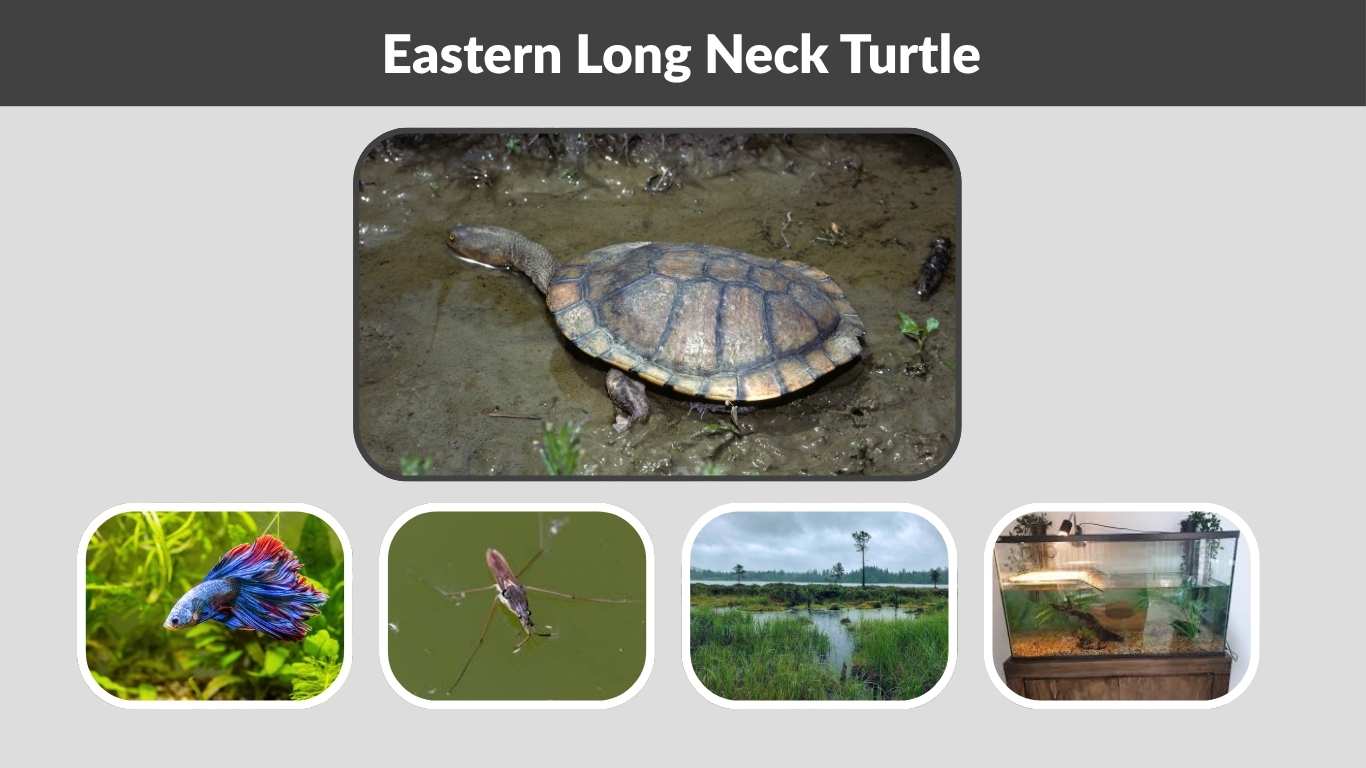
The Eastern Long Neck turtle (Chelodina longicollis) is a freshwater species native to Australia, known for its long flexible neck, flat oval shell, and remarkable predatory skills. Popular among exotic pet enthusiasts, this turtle requires specialized care, proper diet, spacious enclosures, and attention to water quality. Understanding its natural behavior, mating habits, and tank setup is essential for healthy growth and longevity. This guide provides detailed information on care, feeding, breeding, habitat, and common health considerations for both juvenile and adult turtles.
Eastern Long Neck Turtle Overview
The Eastern Long Neck turtle is a freshwater turtle native to rivers, swamps, and ponds in eastern and southeastern Australia. Known for its long neck and unique hunting behavior, it is primarily aquatic and ambushes prey. Its size, lifespan, and adaptability make it a popular choice for captive breeding. Understanding its physical characteristics and natural environment helps replicate conditions for proper care and long-term health.
Physical Features
- Long, flexible neck used to ambush prey
- Flattened, oval shell for streamlined swimming
- Juveniles have softer edges, adults develop harder shells
Lifespan and Size
- Average lifespan: 30–50 years in captivity
- Shell length: 25–30 cm for fully grown adults
Adaptations
- Suction feeding allows efficient prey capture
- Camouflaged shell provides protection in natural habitat
Eastern Long Neck Turtle Habitat and Distribution
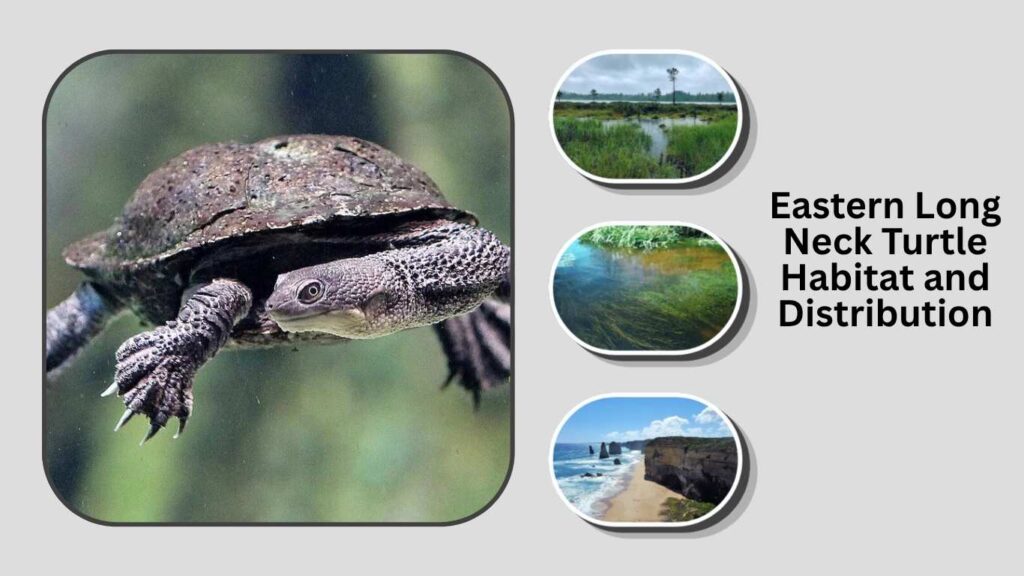
Eastern Long Neck turtles inhabit freshwater environments with slow-moving waters and abundant vegetation. Their natural range includes rivers, ponds, dams, and swamps across eastern and southeastern Australia. Replicating these conditions in captivity ensures turtles remain active, healthy, and capable of exhibiting natural behaviors. Proper habitat setup also encourages feeding and potential breeding behaviors in adult turtles.
Natural Habitat
- Shallow rivers, ponds, and wetlands with soft substrate
- Dense aquatic vegetation for hiding and hunting
Geographic Range
- Eastern and southeastern Australia
- Temperate and subtropical regions
Environmental Needs
- Clean, oxygenated water
- Consistent temperature for metabolic health
Eastern Long Neck Turtle Diet and Feeding
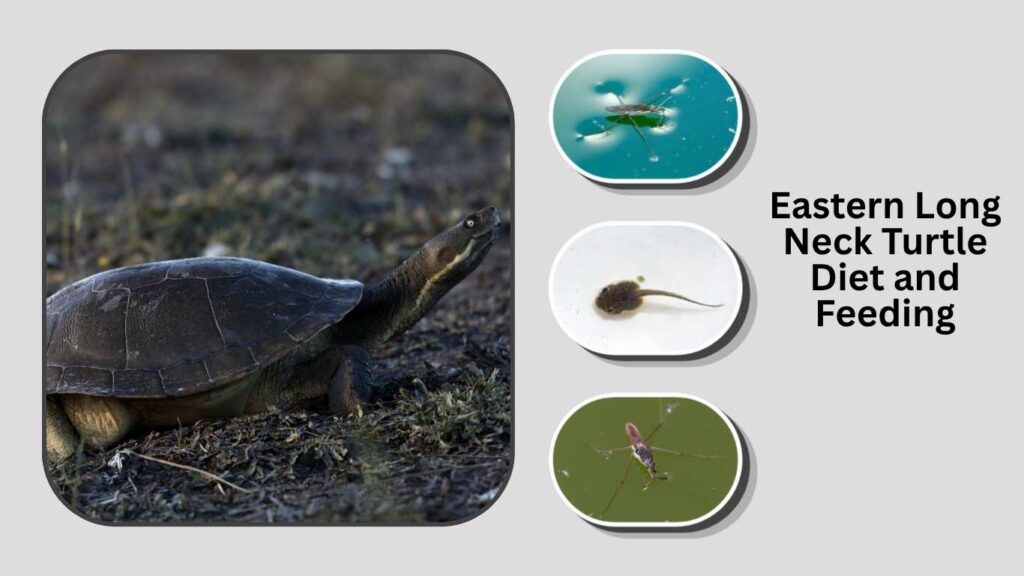
Eastern Long Neck turtles are primarily carnivorous, feeding on small fish, tadpoles, and aquatic insects in the wild. In captivity, providing a varied diet ensures proper nutrition and growth. Juveniles require smaller prey items, while adults can handle larger fish. Occasional plant matter can be offered, but a protein-rich diet is essential. Feeding frequency varies with age, and observation ensures turtles are consuming adequate food.
Adult Diet
- Fish, tadpoles, aquatic insects
- Occasional leafy greens or plant matter
Juvenile Diet
- Small live fish, shrimp, or insect larvae
- Feed more frequently than adults to support growth
Feeding Tips
- Avoid overfeeding to prevent water contamination
- Use tongs or feeding sticks for live prey
Eastern Long Neck Turtle Tank Setup and Water Conditions
Proper tank setup is crucial for the health of Eastern Long Neck turtles. They need large enclosures with sufficient swimming space, clean water, and areas to hide or bask. Water depth and temperature should mimic natural habitat conditions. Maintaining high water quality and filtration reduces stress, prevents disease, and encourages natural behaviors such as hunting and mating.
Tank Size and Enclosure
- Juveniles: minimum 150–200 liters
- Adults: minimum 300 liters or more
- Include land or floating areas for resting
Water Conditions
- Temperature: 24–28°C
- pH: 6.5–7.5
- High-quality filtration to remove debris and waste
Environmental Enrichment
- Floating vegetation or hides to simulate natural cover
- Rocks and submerged logs for exploration and exercise
Eastern Long Neck Turtle Behavior and Temperament
Eastern Long Neck turtles are mostly solitary and spend significant time lying in wait to ambush prey. They are non-aggressive toward humans when handled carefully but can bite if threatened. Observing natural behaviors helps owners understand their needs and manage interactions appropriately. Proper understanding of activity patterns, feeding habits, and basking behaviors ensures a thriving captive environment.
Feeding Behavior
- Ambush predator; lies motionless before striking prey
- Uses long neck to create a fast suction motion
Social Interaction
- Generally solitary and territorial
- Minimal interaction with other turtles preferred
Activity Patterns
- Most active during daylight hours in warm conditions
- Rest periods occur in submerged hiding spots
Mating and Breeding Behavior
Eastern Long Neck turtles reach sexual maturity at around 6–8 years for males and slightly later for females. Breeding typically occurs during warmer months when water temperatures rise. Males court females through nudging, swimming around, and gentle biting, and copulation usually takes place in water. Understanding their mating behavior helps breeders provide suitable conditions for successful reproduction in captivity.
Courtship Behavior
- Males approach females, nudge, and swim in circles
- May gently bite to encourage mating
- Displays indicate female receptiveness
Copulation
- Takes place in water for support
- Duration varies from several minutes to over an hour
- Successful copulation leads to egg fertilization
Eastern Long Neck Turtle Egg Laying and Hatchling Care
After mating, females lay eggs in soft soil or sand near water. Clutch sizes vary, but typically range from 10–20 eggs. Eggs are incubated naturally in captivity or with controlled humidity and temperature. Hatchlings require separate enclosures with shallow water, hiding spots, and small prey to support growth.
Egg Care
- Maintain stable moisture and temperature
- Protect from predators and excessive handling
- Monitor for fungal growth or mold
Hatchling Diet
- Small live prey like shrimp and tiny fish
- Feed 3–5 times per week for growth
- Gradually introduce larger food items as turtles grow
Can Different Turtle Species Mate?
While some turtles can attempt cross-species mating, Eastern Long Neck turtles should only breed with their own species. Cross-species mating is unlikely to produce viable offspring and can cause stress or health problems. This is important for hobbyists and breeders to understand to avoid ineffective breeding attempts and maintain genetic integrity.
Species Compatibility
- Only breed with Chelodina longicollis
- Avoid Red Eared Sliders, Painted Turtles, or other species
Risks of Cross-Species Breeding
- Non-viable eggs
- Increased stress and aggression in turtles
- Health and genetic complications
Tank Mates for Eastern Long Neck Turtles
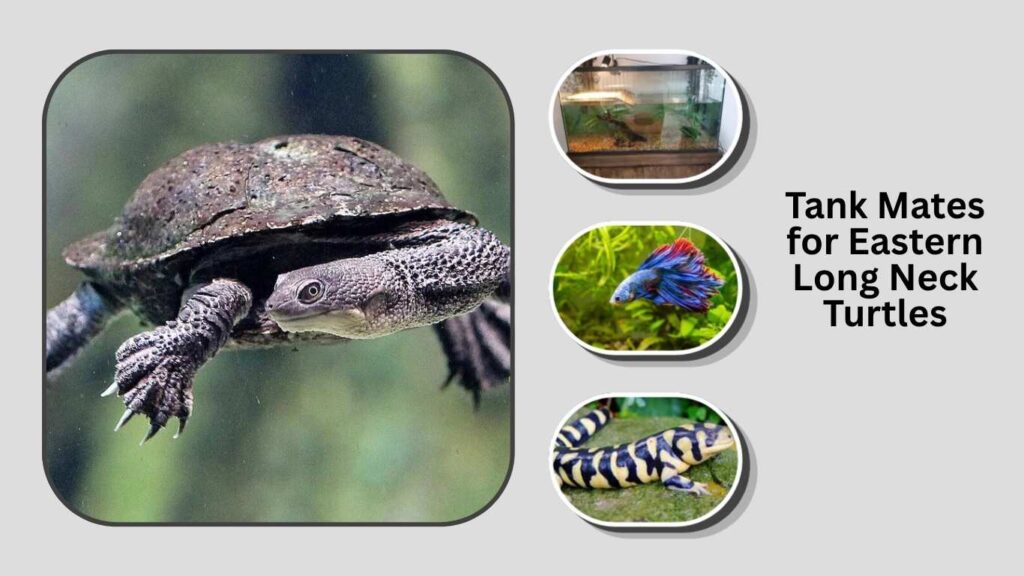
Eastern Long Neck turtles are carnivorous and may eat smaller fish or invertebrates. Choosing compatible tank mates ensures safety and reduces stress. Large, non-aggressive species with similar water conditions are best suited. Avoid small fish or aggressive turtles that may compete for food.
Suitable Tank Mates
- Other large, non-aggressive turtles
- Slow-moving fish large enough to avoid predation
Unsuitable Tank Mates
- Small fish, shrimp, or amphibians
- Aggressive or territorial turtles
Common Health Issues
Maintaining water quality, diet, and tank hygiene prevents common health problems in Eastern Long Neck turtles. Shell rot, respiratory infections, and digestive issues are the most frequently reported concerns. Early detection and proper care minimize risks and ensure long-term health.
Shell Rot
- Caused by poor water quality or injury
- Treat with antiseptics and improve water conditions
Respiratory and Digestive Issues
- Respiratory infections from cold or polluted water
- Digestive problems from inappropriate diet or overfeeding
Hibernation and Seasonal Care
Eastern Long Neck turtles may enter hibernation during colder months. Proper preparation is necessary to ensure their survival and health. Gradually reducing feeding, lowering water temperature, and providing safe, quiet areas supports successful hibernation.
Hibernation Preparation
- Gradually decrease feeding
- Maintain water temperature between 10–15°C
- Provide a safe, undisturbed enclosure
Post-Hibernation Care
- Slowly reintroduce food
- Monitor activity and appetite
- Adjust water temperature to normal range
Conservation and Legal Considerations
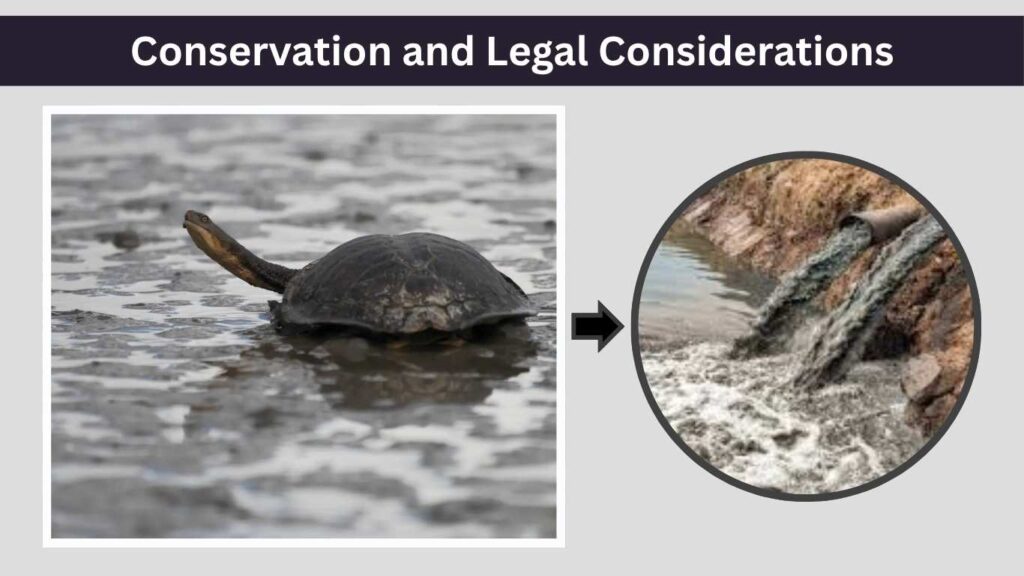
Eastern Long Neck turtles face threats from habitat loss, pollution, and illegal collection for the pet trade. Responsible ownership, habitat conservation, and purchasing from licensed breeders help protect wild populations and ensure the species’ longevity.
Threats in the Wild
- Habitat destruction and water pollution
- Predation by introduced species
- Illegal pet trade
Legal Ownership
- Licensing may be required in some Australian states
- Always buy from reputable breeders
FAQs
How big do Eastern Long Neck turtles grow?
Adult Eastern Long Neck turtles typically reach 25–30 cm (10–12 inches) in shell length, with weight up to 3–5 kg. Hatchlings are much smaller, around 3–5 cm.
Do Eastern Long Neck turtles eat fish?
Yes, they are primarily carnivorous and eat small fish, tadpoles, and aquatic invertebrates. Occasionally, they may consume plant matter, but protein-rich diets are essential.
How long do they live in captivity?
With proper care, Eastern Long Neck turtles can live 30–50 years. Lifespan depends on diet, water quality, tank size, and overall husbandry.
How can I tell the gender of my turtle?
Males usually have longer tails and concave plastrons, while females are larger with flatter undersides. Observing these features helps determine gender for breeding purposes.
Can they be kept with other turtles?
Yes, but only with large, non-aggressive species. Small fish or aggressive turtles are not suitable as they may be eaten or stressed. Proper tank size and hiding spaces are essential