
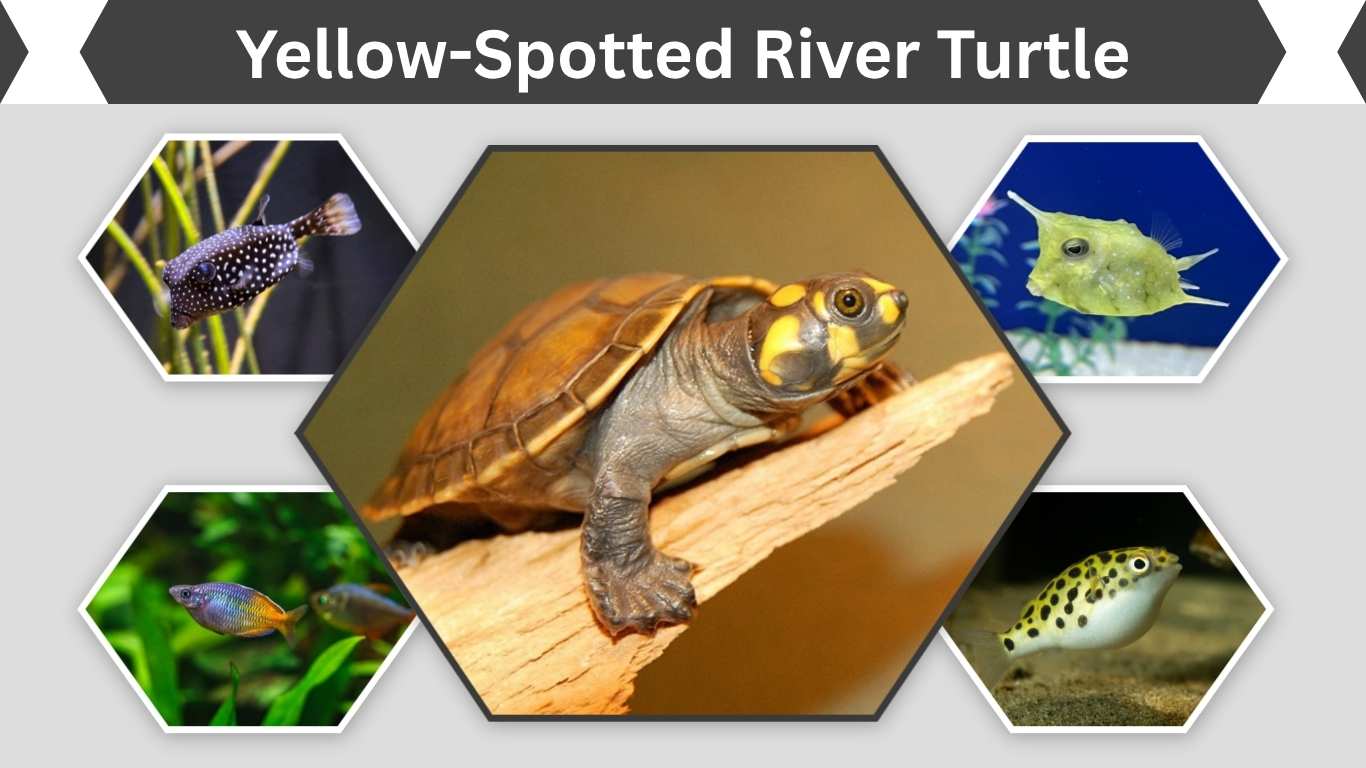
The Yellow-Spotted Amazon River Turtle (Podocnemis unifilis) is a freshwater species native to the Amazon Basin, recognized for its distinctive yellow spots on the head and dark olive carapace. Popular among turtle enthusiasts and ecotourism programs, this species is both fascinating and endangered. Proper care in captivity and understanding of its natural habitat, diet, and behavior are essential for survival. This guide covers habitat, feeding, breeding, conservation, and tank setup to provide a complete resource for hobbyists and conservationists alike.
Yellow-Spotted Amazon River Turtle Overview
This turtle species is widely distributed across the Amazon Basin, including parts of Peru, Ecuador, Colombia, and Brazil. It inhabits slow-moving rivers, lakes, and floodplains with dense aquatic vegetation. Adults typically reach 30–45 cm in shell length and live 20–30 years. Its yellow head markings help with species recognition, while the flattened shell and streamlined body aid in swimming and camouflage in the wild.
Physical Features
- Oval, flattened shell with dark olive color
- Yellow spots on the head and neck
- Long, strong neck for capturing prey
Lifespan and Size
- Average lifespan: 20–30 years
- Adult shell length: 30–45 cm
- Hatchlings measure ~4–5 cm
Adaptations
- Streamlined body for aquatic life
- Camouflage in muddy riverbeds
- Long neck enables ambush predation
Yellow-Spotted River Turtle Habitat and Distribution
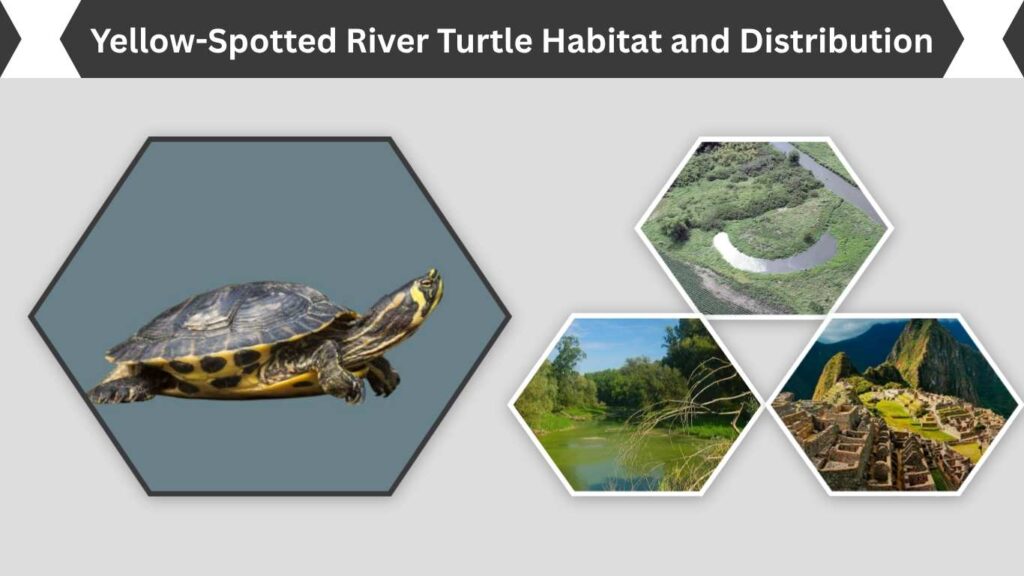
The Yellow-Spotted Amazon River Turtle thrives in slow-moving freshwater systems with soft substrate and abundant vegetation. Dense aquatic plants provide cover, feeding opportunities, and nesting areas. Replicating these conditions in captivity ensures proper health, growth, and natural behavior, including feeding and courtship.
Natural Habitat
- Slow rivers, oxbow lakes, and floodplains
- Sandy or muddy bottoms for nesting
- Dense vegetation for hiding
Geographic Range
- Found throughout the Amazon Basin: Peru, Ecuador, Colombia, Brazil
- Populations present in protected areas such as Yasuni National Park
Environmental Needs
- Clean, oxygenated water
- Stable temperature mimicking natural environment
- Shelter from predators in captivity
Yellow-Spotted River Turtle Diet and Feeding
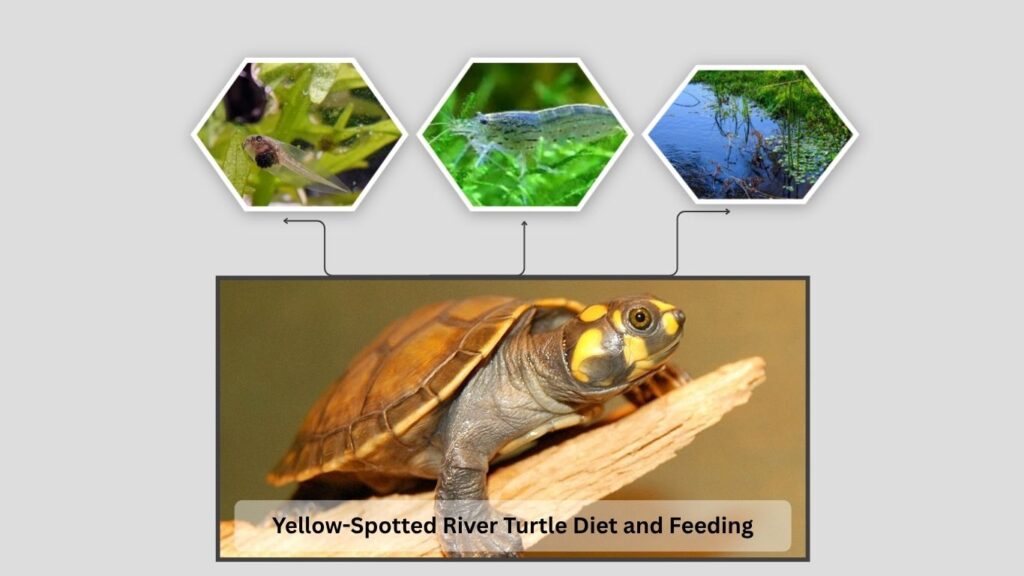
Yellow-Spotted Amazon River Turtles are omnivorous with a strong preference for protein-rich prey in the wild. Juveniles feed mostly on small invertebrates, while adults consume a combination of fish, insects, and occasionally fruits. Proper feeding in captivity ensures healthy growth and reproduction, and diets should replicate natural food items as closely as possible.
Wild Diet
- Small fish and tadpoles
- Aquatic insects and crustaceans
- Occasional fruits or plant material
Captive Diet
- Fish, shrimp, or live invertebrates
- Leafy greens and aquatic vegetation
- Occasional fruits for enrichment
Feeding Tips
- Avoid overfeeding to maintain water quality
- Feed juveniles more frequently than adults
- Monitor eating behavior to detect health issues
Yellow-Spotted River Turtle Behavior and Adaptations
Yellow-Spotted Amazon River Turtles are primarily aquatic and exhibit ambush predator behavior. They are generally solitary and rely on camouflage and patience to catch prey. Understanding their behavior helps in tank setup, enrichment, and observation of natural feeding and breeding activities.
Aquatic Behavior
- Strong swimmers using limbs and tail for propulsion
- Lie motionless to ambush prey
Survival Adaptations
- Yellow spots may aid in species recognition
- Camouflaged carapace helps avoid predators
- Long neck allows rapid prey capture
Interaction and Temperament
- Non-aggressive toward humans if handled carefully
- Prefer minimal disturbance in captivity
Yellow-Spotted River Turtle Reproduction and Egg Laying
Yellow-Spotted Amazon River Turtles reproduce seasonally, usually during the warmer months when water levels rise. Males court females by swimming around and nudging, sometimes biting gently to encourage mating. Females lay eggs on sandy or soft riverbanks, carefully covering them to protect against predators. Understanding their reproduction is crucial for both conservation programs and captive breeding.
Mating Behavior
- Males display nudging, chasing, and circling behaviors
- Courtship may involve gentle biting to stimulate females
- Copulation occurs in shallow water for safety
Egg Laying
- Clutch size: typically 10–30 eggs
- Eggs are buried in sand or soil near riverbanks
- Incubation lasts approximately 60–90 days
Hatchling Behavior
- Hatchlings are independent and immediately capable of swimming
- Use camouflage and hiding spots for survival
- Feed on small aquatic invertebrates
Yellow-Spotted River Turtle Predators and Threats
Yellow-Spotted Amazon River Turtles face multiple natural predators and human-related threats. Eggs and hatchlings are particularly vulnerable to birds, fish, and reptiles. Human activities such as habitat destruction, pollution, and illegal collection for the pet trade also threaten populations. Awareness of these threats is essential for conservation and responsible captive care.
Natural Predators
- Birds like herons and raptors
- Large fish and aquatic reptiles
- Mammals such as raccoons and coatis
Human-Related Threats
- Egg collection for consumption
- Habitat loss due to deforestation and dam construction
- Pollution and river sedimentation
Conservation Status
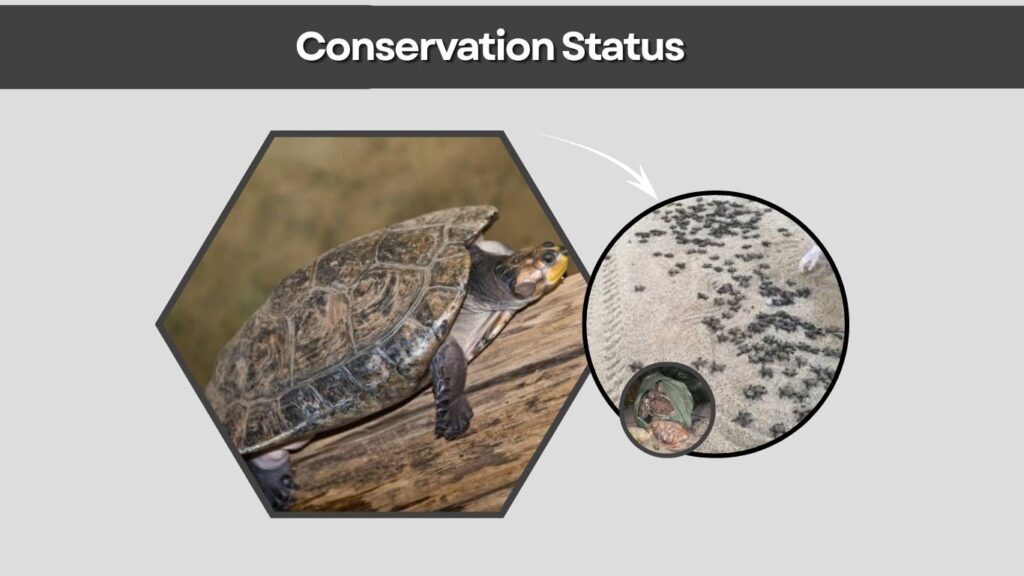
The Yellow-Spotted Amazon River Turtle is considered endangered in several parts of its range. Conservation programs in Peru and Ecuador focus on protecting nests, monitoring wild populations, and releasing hatchlings back into their natural habitats. Education and responsible pet ownership are critical to ensuring the survival of the species.
Protection Programs
- Peru has released over 500,000 hatchlings into rivers
- Community-led monitoring and nest protection
- Legal protection and wildlife regulations
Conservation Tips for Owners
- Purchase only from licensed breeders
- Avoid wild-caught turtles
- Provide proper captive care to support health and longevity
Tank Setup and Captive Care
Proper tank setup in captivity mimics natural conditions, ensuring health and promoting natural behaviors. Large water tanks with shallow areas, proper filtration, and hiding spots are essential. Water temperature, pH, and cleanliness must be carefully maintained. Environmental enrichment encourages swimming, hunting instincts, and overall well-being.
Tank Requirements
- Adults: minimum 300 liters, with adequate swimming space
- Provide floating vegetation or hides
- Maintain temperature 24–28°C and pH 6.5–7.5
Feeding in Captivity
- Offer a balanced diet: fish, shrimp, aquatic insects, and occasional fruits
- Juveniles require smaller, frequent meals
- Monitor feeding to detect health issues early
Enrichment Tips
- Floating plants and submerged logs for exploration
- Hide areas to reduce stress
- Use feeding devices to simulate hunting behavior
Interesting Facts
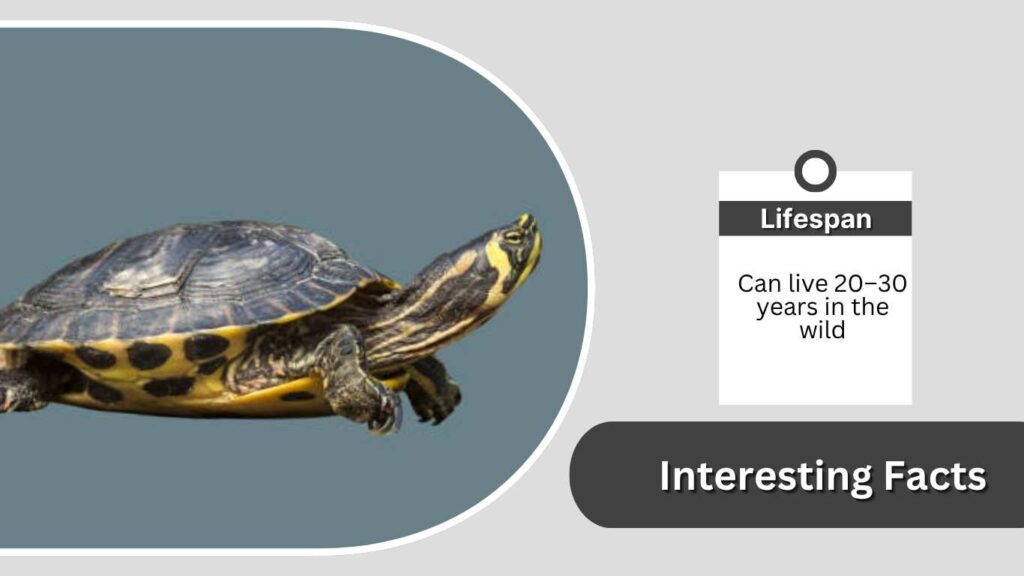
Yellow-Spotted Amazon River Turtles have unique adaptations that make them fascinating to observe. Their yellow markings are used for recognition, and their streamlined bodies allow efficient swimming. Conservation programs have shown that with proper care, these turtles thrive in both wild and captive environments.
Fun Facts
- Can live 20–30 years in the wild
- Ambush predators using suction feeding
- Eggs and hatchlings rely heavily on camouflage for survival
Educational Value
- Popular species for ecotourism in the Amazon
- Important for teaching conservation and ecosystem awareness
FAQs
How big do Yellow-Spotted Amazon River Turtles grow?
Adults typically reach 30–45 cm (12–18 inches) in shell length. Hatchlings are much smaller at around 4–5 cm.
What do hatchlings eat?
Hatchlings feed on small aquatic insects, shrimp, and tiny fish, gradually moving to larger prey as they grow.
Can Yellow-Spotted Amazon River Turtles be kept with other species?
Yes, but only with large, non-aggressive turtles or fish. Small or aggressive species may be eaten or stressed.
How long do they live?
They can live 20–30 years in the wild, and with proper care, similar lifespans are achievable in captivity.
Are Yellow-Spotted Amazon River Turtles endangered?
Yes, they are considered endangered due to habitat loss, pollution, and egg collection for human consumption or the pet trade.