
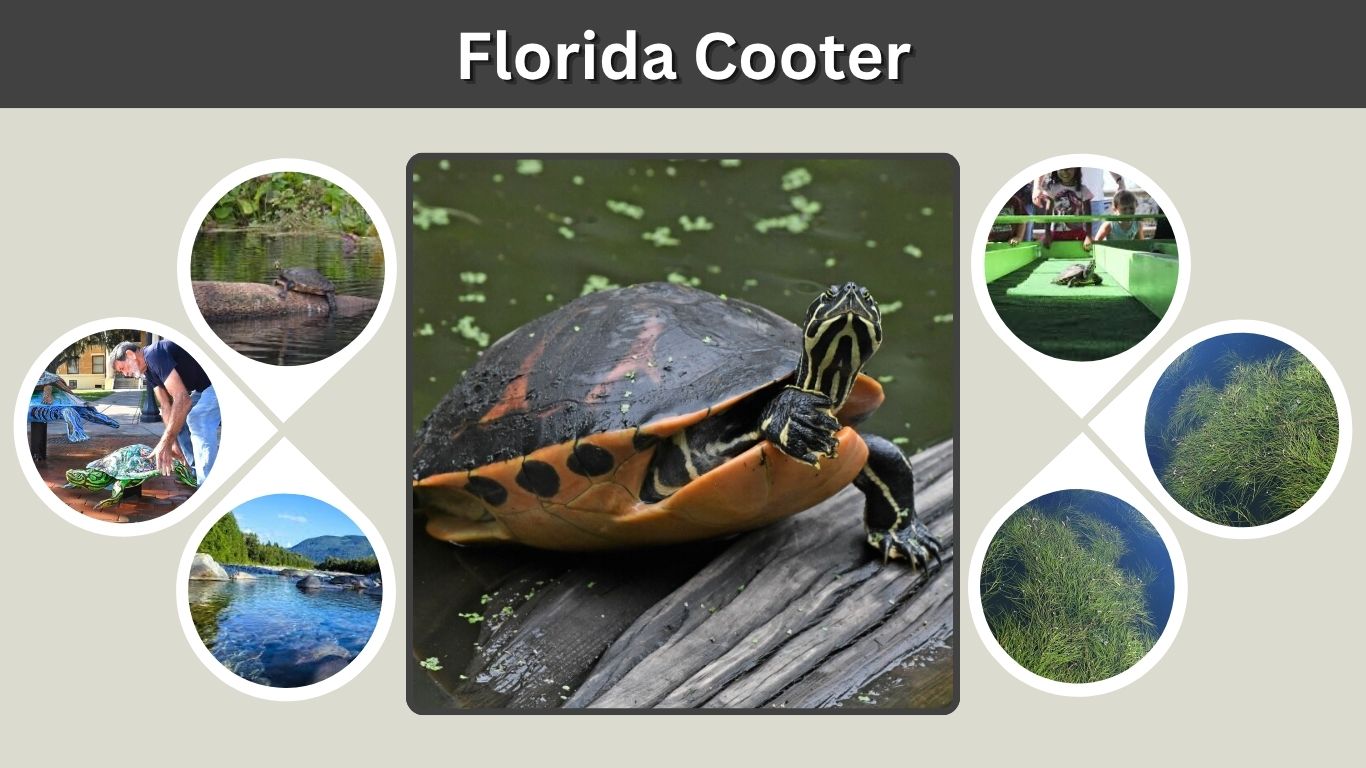
Florida is home to the fascinating Florida cooter turtles, thriving in rivers, lakes, and wetlands across the state. These turtles, including the Florida red-bellied and river cooter, are beloved by wildlife enthusiasts and often celebrated in local events such as the Cooter Festival in Inverness. Beyond turtles, Florida’s wetlands also host coot birds, while local culinary culture honors them through places like Coots BBQ in Okeechobee. This guide covers identification, care, diet, habitats, festivals, and conservation, giving readers a complete understanding of Florida’s scooter ecosystem and cultural significance.
Florida Cooter Overview
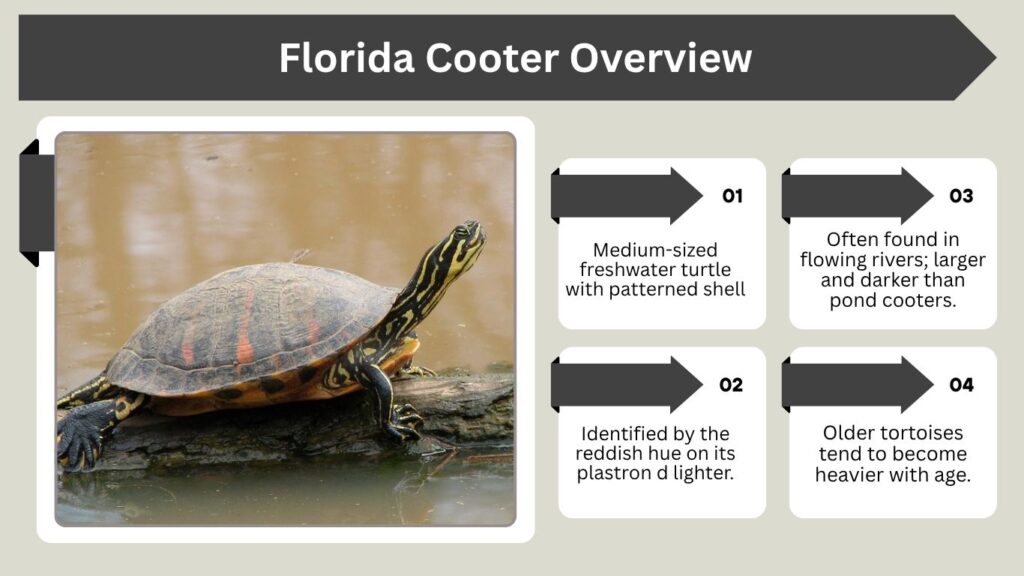
The Florida cooter is a freshwater turtle found in rivers and ponds throughout the state. They are notable for their distinctive shells and active swimming behavior. Understanding these turtles’ traits and habitats is crucial for both enthusiasts and conservationists.
Identification
- Florida cooter turtle – Medium-sized freshwater turtle with patterned shell.
- Florida river cooter – Often found in flowing rivers; larger and darker than pond cooters.
- Florida red-bellied cooter – Identified by the reddish hue on its plastron (underside).
- Florida cooter size – Adults typically range from 9 to 13 inches in shell length.
Habitat and Distribution
- Rivers, lakes, ponds, and wetlands across Florida.
- Notable regions: Everglades, Central Florida, and Northern freshwater systems.
- Prefer slow-moving water with ample basking spots like logs or rocks.
Physical Characteristics and Behavior
Florida cooters have distinct physical features and exhibit interesting behaviors. Recognizing these traits helps in observing and understanding them in their natural environment.
Shell Patterns and Colors
- Smooth, oval-shaped carapace with dark green to brown coloration.
- Some species, like the red-bellied cooter, show vibrant plastron coloring.
Behavior
- Diurnal and highly active swimmers.
- Often seen basking in groups on logs or shorelines.
- Nesting occurs in sandy or soft soil areas near water bodies.
Lifespan and Growth
- Juveniles are smaller and darker, with less defined markings.
- Lifespan in the wild can exceed 40 years.
- Growth rate depends on diet, habitat quality, and temperature.
Florida Cooter Diet and Care
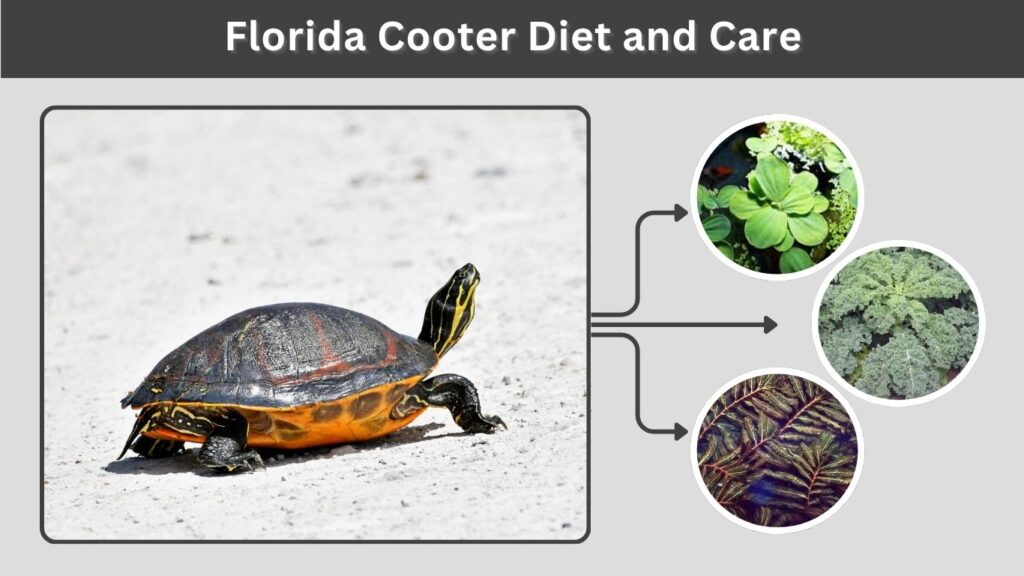
Florida cooters are primarily herbivorous but may occasionally consume small aquatic animals. Knowledge of their diet is essential for those observing them or keeping them in captivity.
Diet
- Aquatic plants such as pondweed, hydrilla, and water lettuce.
- Leafy vegetables like kale and romaine for captive turtles.
- Occasionally consume small invertebrates in natural settings.
Care Guidelines
- Provide clean, filtered freshwater with basking areas for captive cooters.
- Maintain water temperature around 75–80°F (24–27°C).
- Offer a diet rich in calcium to support shell development.
Health and Safety
- Monitor for signs of shell rot or lethargy.
- Avoid overcrowding in captive habitats.
- Ensure safe handling to prevent bites; Florida cooters can nibble when startled.
Coots in Florida
Coot birds, often confused with turtles, inhabit Florida’s wetlands alongside cooters. These waterfowl play an essential role in the ecosystem by controlling aquatic vegetation and serving as prey for predators.
Species and Identification
- American coot (Florida) – Medium-sized, dark waterbird with a white bill.
- Florida coot bird – Observed in lakes, rivers, and marshes throughout the state.
Migratory and Wading Patterns
- Found year-round in South and Central Florida.
- Often seen foraging in shallow waters alongside ducks and grebes.
Florida Cooter Festivals
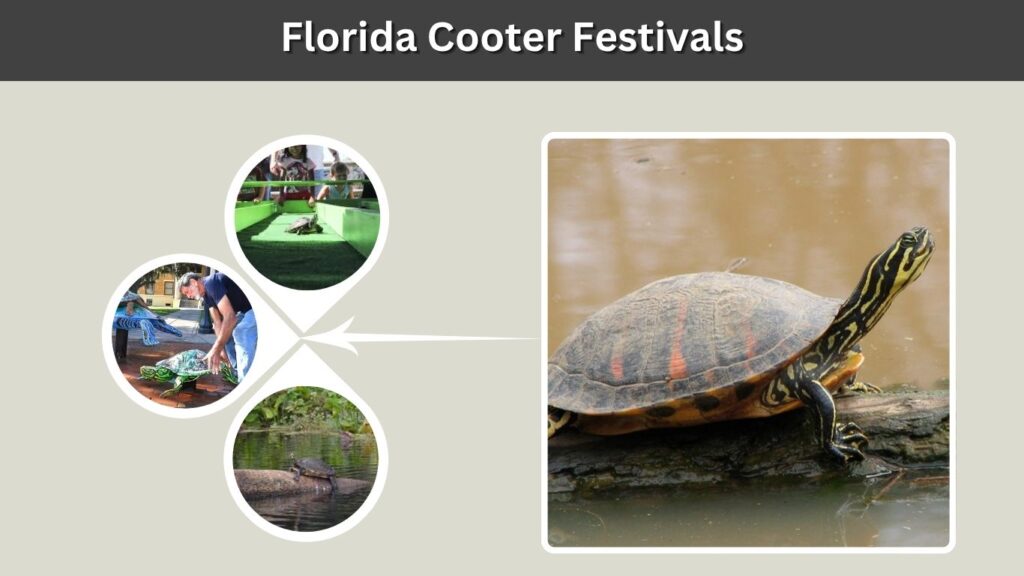
Florida celebrates its iconic turtles with local festivals that highlight wildlife, community, and culture. The Cooter Festival in Inverness is a central event, attracting families, nature enthusiasts, and tourists alike, with activities ranging from educational programs to entertainment.
Inverness Cooter Festival
- Annual festival typically held in spring or early summer.
- Features turtle-themed activities, arts and crafts, food vendors, and live music.
- Educational booths focus on Florida cooter conservation and freshwater ecosystems.
Local Community Impact
- Boosts local tourism and economy.
- Encourages wildlife education and community engagement.
- Supports conservation efforts through awareness and fundraising.
Coots BBQ and Culinary Spots
In addition to wildlife celebrations, Florida has culinary landmarks named after local fauna. Coots BBQ in Okeechobee offers a blend of Southern barbecue culture with a nod to local bird species, becoming a must-visit for food enthusiasts.
Coots BBQ Okeechobee Florida
- Menu highlights include smoked meats, seafood, and signature sides.
- Offers family-friendly dining with outdoor seating options.
- Regular specials and events tied to local community happenings.
Local Food Culture
- Culinary names reflect Florida’s natural environment and wildlife.
- Emphasis on regional ingredients and traditional Southern recipes.
- Encourages community gatherings and supports local tourism.
Conservation and Legal Guidelines
Protecting Florida’s freshwater turtles and coots requires understanding legal restrictions and responsible observation practices. Conservation efforts aim to maintain healthy populations while allowing safe human interaction.
Hunting and Capture Restrictions
- Coot limit Florida – Regulated limits on hunting coots to protect populations.
- Florida cooter legal status – Protected under state wildlife laws; capturing without permits is illegal.
Conservation Efforts
- Habitat protection initiatives for rivers, wetlands, and ponds.
- Public awareness campaigns about the importance of cooter and coot preservation.
- Wildlife observation guidelines for researchers and enthusiasts.
Common Misconceptions and Fun Facts
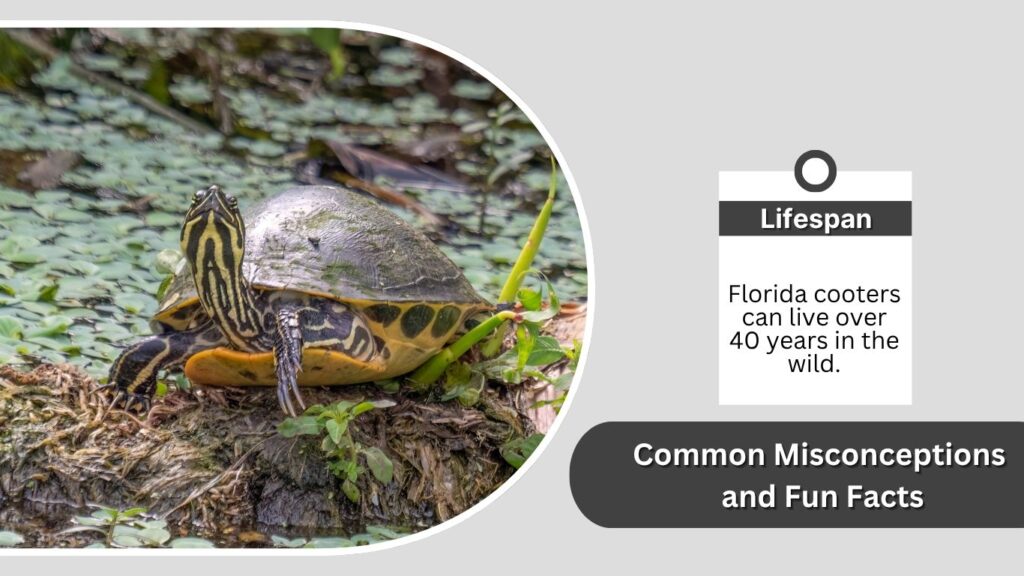
Florida cooters and coots are often misunderstood. Knowing the facts and separating myths from reality helps foster appreciation and proper care.
Fun Facts
- Florida cooters can live over 40 years in the wild.
- Red-bellied cooters’ undersides become more vibrant with age.
- Baby cooters are darker and blend with aquatic vegetation for protection.
Misconceptions
- Florida cooter vs. yellow-bellied slider – Often mistaken, but cooters have smoother shells and more active swimming behavior.
- River cooters are not suitable as pets for beginners due to size and habitat needs.
Florida Cooter Identification Tips
Observing cooters in the wild can be challenging. Identification relies on size, shell patterns, and behavior. Proper techniques ensure accurate spotting while minimizing stress on the animals.
Visual Cues
- Shell color: dark green to brown; red-bellied cooters have reddish plastrons.
- Size: Adult cooters range from 9 to 13 inches.
- Shape: Smooth, oval-shaped shells with defined scutes.
Field Observation
- Best times: mid-morning to early afternoon for basking turtles.
- Locations: Calm rivers, lakes, and ponds with clear water.
- Avoid disturbing nests and basking groups for conservation reasons.
Florida Cooter in Media and Culture
Florida cooters appear in educational programs, festivals, and local attractions. They also inspire community narratives and wildlife awareness campaigns.
Local Legends
- Cooter Pond in Inverness is a central landmark associated with the festival and turtle observation.
- Clearwater and Tampa feature attractions named after cooters, increasing local tourism.
Educational Programs
- Florida cooters are featured in zoo exhibits and nature centers.
- Programs teach children and adults about freshwater ecosystems, species identification, and conservation.
FAQs
Can Florida river cooters be kept as pets?
They can be kept with proper permits, large habitats, and careful care. Due to size and long lifespan, they are not ideal for beginners.
What is the lifespan of a Florida cooter?
In the wild, Florida cooters can live over 40 years, while captive individuals may live longer with proper care.
When is the Cooter Festival held in Inverness?
Typically held in spring or early summer, exact dates vary each year. The festival features turtle-themed activities, crafts, and community events.
What do Florida red-bellied cooters eat?
They are primarily herbivores, feeding on aquatic plants like pondweed, hydrilla, and leafy vegetables in captivity. Occasionally, they consume small aquatic animals.
Are coots and cooters related?
No, coots are waterbirds, while cooters are freshwater turtles. They share habitats but are distinct species with different ecological roles.