
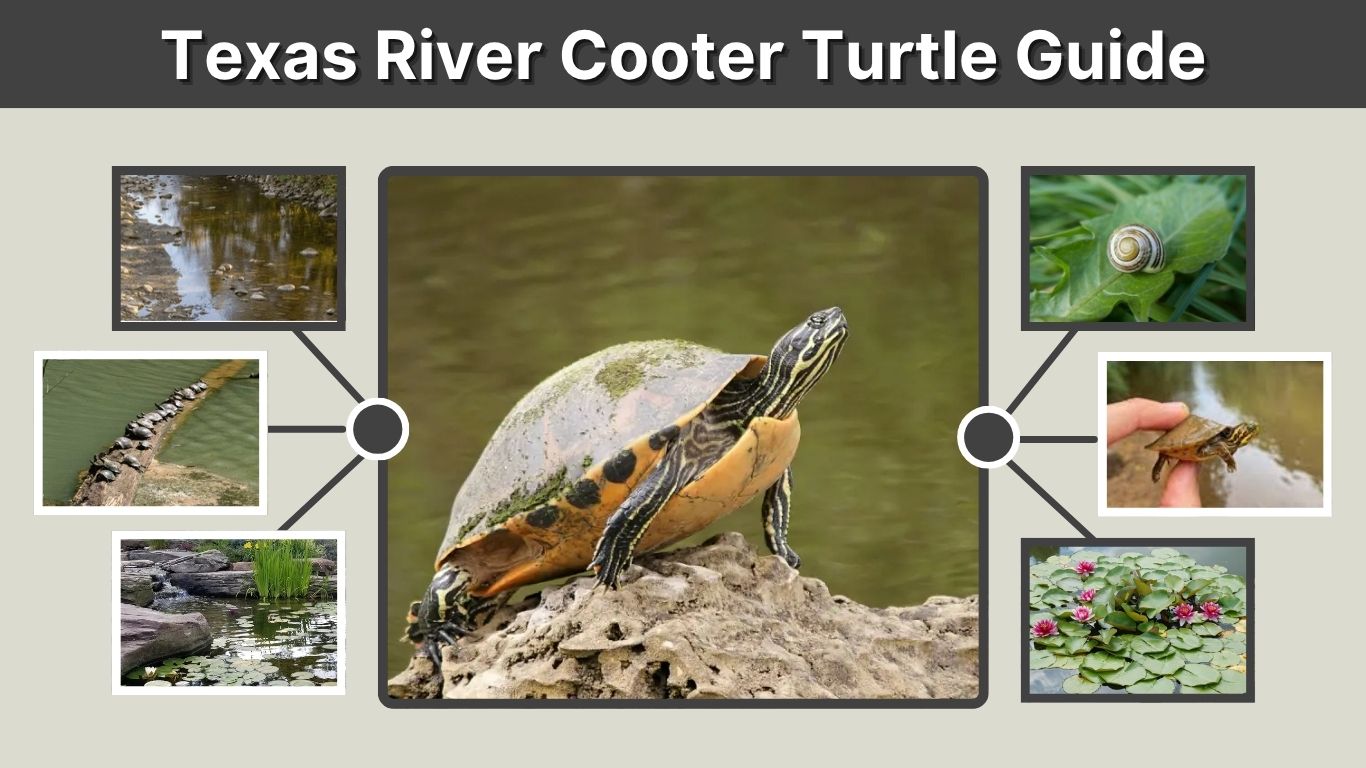
The Texas River Cooter is a striking freshwater turtle native to the rivers and streams of Texas. Known for its vibrant, patterned shell and active swimming behavior, it is a favorite among wildlife enthusiasts and herpetologists. These turtles are mostly herbivorous, though they may occasionally eat small aquatic animals. Understanding their habitat, diet, behavior, and life cycle is essential for conservation, responsible pet care, and appreciating their role in freshwater ecosystems.
This guide provides a detailed overview of the Texas River Cooter, including physical characteristics, habitat preferences, feeding habits, reproduction, and juvenile care. Whether observing them in the wild or caring for them in captivity, this information helps ensure their health and longevity.
Overview of Texas River Cooter
Texas River Cooters are semi-aquatic turtles found primarily in Texas rivers and streams. They are known for their vibrant shells, active swimming, and occasional vocalizations. These turtles are relatively large, long-lived, and are important indicators of freshwater ecosystem health.
Physical Characteristics
- Size: Adults typically reach 9–12 inches in shell length.
- Shell Pattern: Olive to dark brown with yellow or green markings.
- Coloration Differences: Juveniles are brighter with more distinct stripes, while adults show muted patterns.
- Sexual Dimorphism: Males are smaller with longer claws; females are larger with rounder shells.
Behavior and Activity
Texas River Cooters are active during daylight hours and spend much of their time swimming or basking. They are generally non-aggressive but may vocalize when threatened. These turtles are strong swimmers and are often seen gliding through slow-moving rivers, using logs or rocks for sunbathing.
Habitat of Texas River Cooter
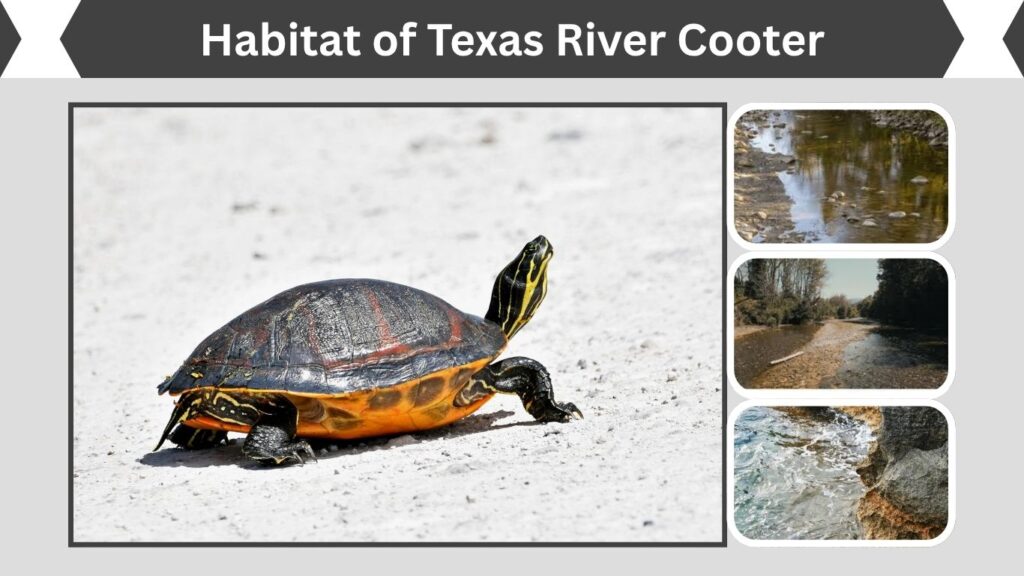
Texas River Cooters inhabit freshwater rivers, streams, and ponds. They prefer areas with clean water, abundant aquatic vegetation, and accessible basking sites. Understanding their natural habitat helps in conservation efforts and informs proper care in captivity.
Preferred Water Bodies
- Slow-moving rivers and streams with sandy or muddy bottoms.
- Ponds and small lakes with rich aquatic plant life.
- Areas with logs, rocks, or banks suitable for basking.
Environmental Conditions
- Temperature: Prefer warm waters between 75–85°F.
- Vegetation: Dense aquatic plants provide both food and shelter.
- Seasonal Patterns: Often shift locations for nesting or temperature regulation.
Diet of Texas River Cooter
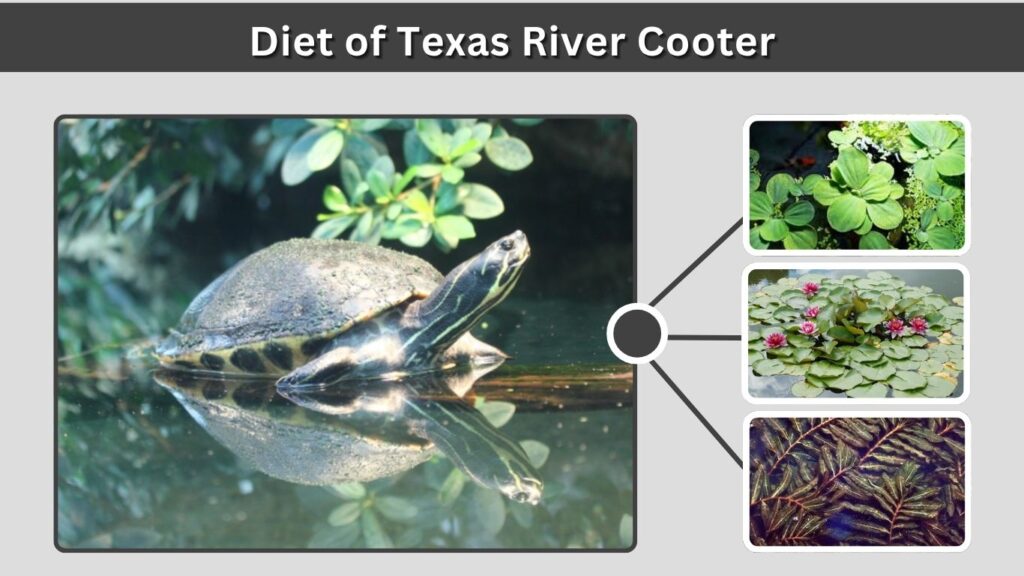
Primarily herbivorous, the Texas River Cooter feeds on a variety of aquatic plants. In the wild, they supplement their diet with occasional small animals. Diet knowledge is crucial for ensuring proper nutrition in both natural and captive environments.
Natural Diet
- Aquatic plants like water lettuce, pondweed, and duckweed.
- Algae growing on submerged rocks.
- Occasional small invertebrates such as insects or snails.
Captive Feeding
- Vegetables: Leafy greens, squash, and occasionally tomatoes.
- Fruits: Berries or small amounts of melon as treats.
- Commercial Foods: Pellets formulated for aquatic turtles.
- Feeding Tips: Offer fresh food daily; remove uneaten items to prevent water contamination.
Reproduction and Baby Cooters
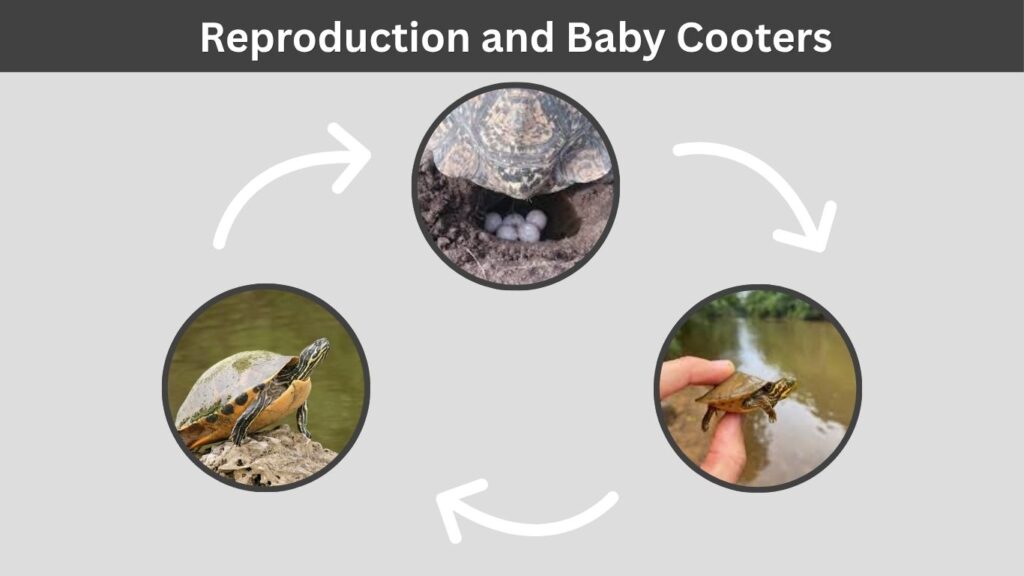
Texas River Cooters reproduce annually, laying eggs on sandy riverbanks. Hatchlings are small and vulnerable, requiring safe, nutrient-rich environments to thrive. Understanding their reproductive cycle is important for species preservation and captive breeding programs.
Breeding Habits
Mating occurs in spring and early summer. Males display courtship behavior, using claws to touch the female’s face and shell. Females lay 5–20 eggs in shallow nests near water.
Hatchlings and Juveniles
- Eggs incubate for 60–90 days depending on temperature.
- Hatchlings are bright with pronounced stripes.
- Juveniles grow rapidly, gradually developing adult shell patterns and coloration.
Lifespan and Health
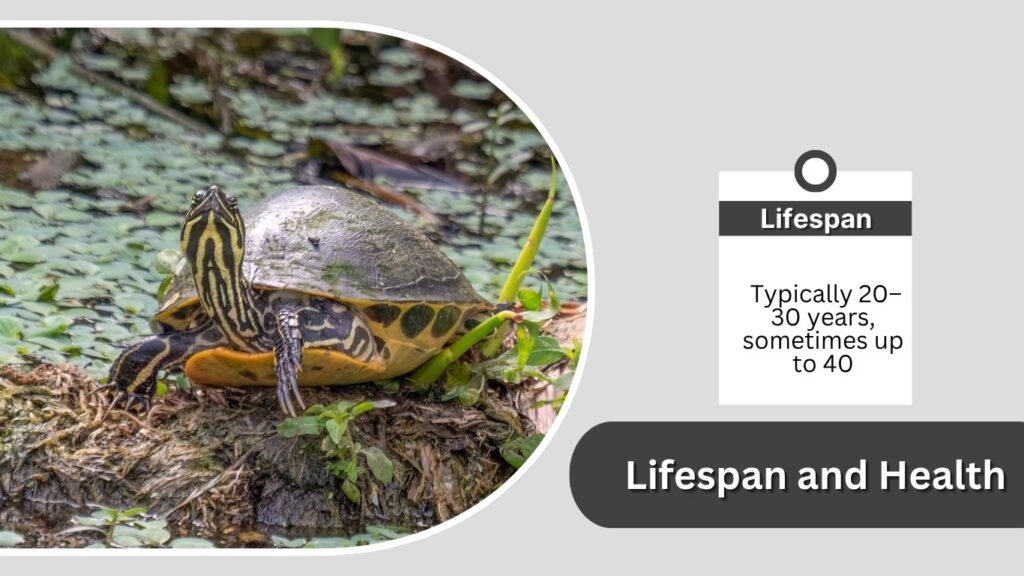
Texas River Cooters are long-lived turtles, with lifespans that vary depending on environmental conditions and care in captivity. Monitoring their health is essential to ensure they thrive in the wild or in aquariums.
Lifespan in the Wild vs. Captivity
- Wild Lifespan: Typically 20–30 years, sometimes up to 40.
- Captive Lifespan: Can reach 35+ years with proper diet, habitat, and water quality.
- Factors influencing longevity include predation, water pollution, and nutritional intake.
Common Health Issues
- Shell Problems: Shell rot due to bacterial or fungal infections.
- Parasites: Snails, leeches, or intestinal worms can affect juveniles.
- Nutritional Deficiencies: Lack of calcium can cause deformities.
- Preventive Care: Clean water, proper basking, and balanced diet reduce health risks.
Identification Tips
Correctly identifying Texas River Cooters is important for field observation, research, and responsible pet ownership. They can be distinguished from similar species by size, shell pattern, and behavior.
Visual Identification
- Shell Shape: Oval and slightly domed, with a smooth texture.
- Color Patterns: Olive to brown shells with yellow or green stripes, more vivid in juveniles.
- Size Comparison: Adults are larger than common map turtles in the same region.
- Gender Differences: Males have longer claws for courtship and narrower shells; females are larger with broader shells.
Texas River Cooter Noises
While not as vocal as mammals, Texas River Cooters can produce soft noises during interactions, especially in captivity. Observing these sounds helps understand stress, mating behavior, or territorial disputes.
Vocalizations
- Soft grunts or hissing when threatened.
- Occasional squeaks during courtship or handling.
- Hatchlings may produce tiny squeaks to alert nearby adults.
Conservation and Protection
Though not currently endangered, Texas River Cooters face threats from habitat loss, pollution, and human activity. Conservation efforts aim to protect natural habitats and ensure sustainable populations.
Threats to Populations
- Habitat Destruction: Urban development reduces suitable riverbanks and ponds.
- Pollution: Chemicals and plastics can damage shells and water quality.
- Illegal Pet Trade: Removing turtles from the wild affects population balance.
Conservation Efforts
- Wildlife protection programs in Texas rivers and wetlands.
- Education for responsible pet ownership.
- Restoration of aquatic habitats and reintroduction programs where needed.
FAQs
What does a Texas River Cooter eat?
They are mostly herbivorous, feeding on aquatic plants, algae, and occasionally small invertebrates. In captivity, leafy greens, squash, tomatoes, and commercial turtle pellets provide a balanced diet.
How long do Texas River Cooters live?
In the wild, they live 20–30 years, sometimes up to 40. In captivity with proper care, they can live 35+ years.
How can I tell the gender of a Texas River Cooter?
Males are smaller with longer claws and narrower shells. Females are larger, with rounder, broader shells. Juveniles may be harder to distinguish until they mature.
Where do Texas River Cooters live?
They inhabit slow-moving rivers, streams, and ponds in Texas, favoring areas with abundant aquatic vegetation, clean water, and accessible basking spots like logs or rocks.
Do Texas River Cooters make noises?
Yes, they produce soft grunts, hisses, or squeaks when threatened, during mating, or in juvenile interactions. These noises are subtle but can indicate stress or communication.