
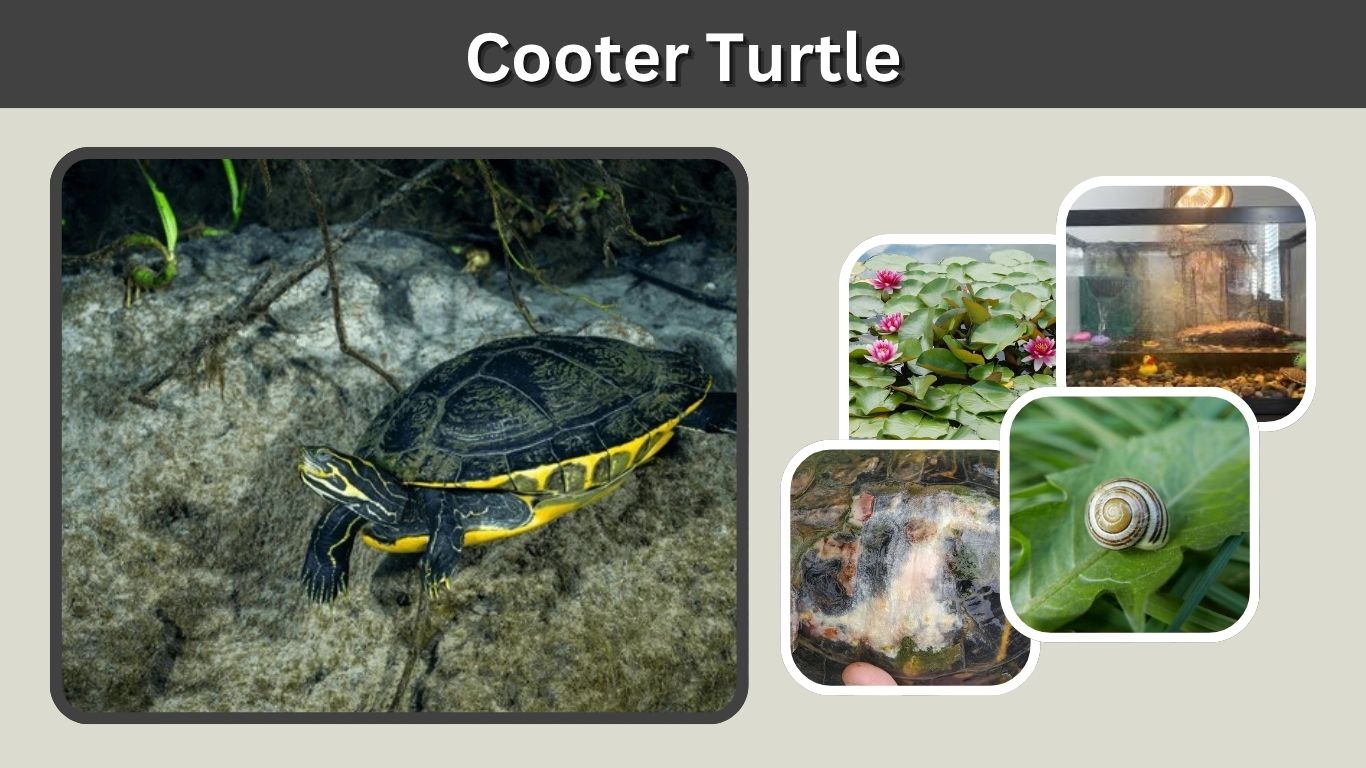
Cooter turtles are fascinating freshwater turtles found throughout the United States, particularly in rivers, ponds, and wetlands. Recognizable by their vibrant shells and active swimming habits, they are both popular in the wild and as pets. Proper understanding of their species, habitat, diet, and care requirements is essential for ensuring a healthy life in captivity or supporting conservation efforts in the wild.
This guide covers the main cooter turtle species, their natural habitats, dietary needs, lifespan, and care tips, providing insights for beginners and experienced turtle enthusiasts alike.
Understanding Cooter Turtles
Cooter turtles belong to the genus Pseudemys and are medium to large freshwater turtles. Known for their colorful shells and aquatic behavior, they are sometimes confused with other pond turtles or snapping turtles. Understanding their taxonomy, species variations, and identification helps both in the wild and in captivity.
What is a Cooter Turtle?
Cooters are freshwater turtles characterized by moderately domed shells, webbed feet, and distinctive color patterns. Unlike softshell or snapping turtles, cooters are primarily herbivorous as adults and are highly active swimmers. They are often seen basking on logs or rocks during the day.
Species of Cooter Turtles
- Eastern River Cooter Turtle – Common in eastern U.S. rivers, known for orange-striped necks.
- Florida Cooter Turtle – Found in Florida rivers and ponds; features bright red markings on the shell.
- Peninsula Cooter Turtle – Native to the Florida peninsula; smaller than Florida cooters.
- Texas River Cooter Turtle – Found in Texas rivers; larger size and darker shell.
- Red-bellied Cooter Turtle – Recognizable by the red underside of its shell.
- Northern Red-bellied Cooter Turtle – Similar to the red-bellied cooter but located further north.
- Suwannee Cooter Turtle – Found in the Suwannee River; medium-sized with distinctive markings.
- Yellow-bellied Cooter Turtle – Identified by yellow markings on the underside; common in southeastern U.S.
Cooter Turtle Identification
Identification is based on shell shape, color patterns, and behavior. Key markers include:
- Shell color and pattern differences
- Neck and limb striping
- Size and growth patterns from hatchlings to adults
Cooter Turtles Habitat and Distribution
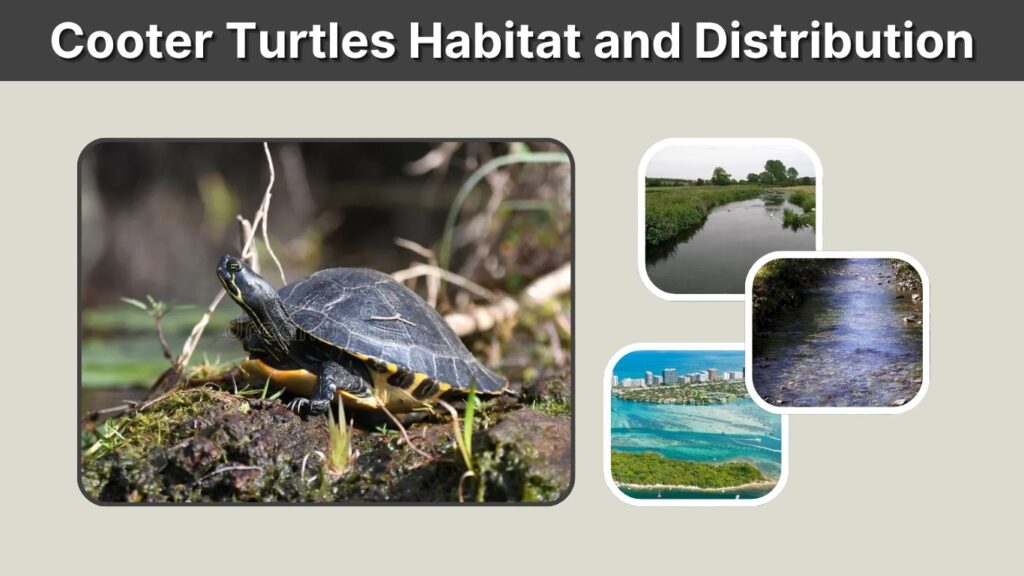
Cooters inhabit freshwater rivers, ponds, and wetlands. Their distribution varies by species, influenced by temperature, water quality, and available vegetation. Knowing their natural habitat helps in setting up a proper captive environment and understanding ecological needs in the wild.
Natural Habitat
- Rivers and slow-moving streams
- Ponds, lakes, and wetlands with aquatic vegetation
- Basking sites such as logs, rocks, or sandy banks
Geographic Distribution
- Southeastern U.S. including Florida, Alabama, and South Carolina
- Texas rivers for Texas River Cooters
- Coastal plain regions for Florida and Peninsula cooters
Environmental Considerations for Pets
Maintaining a healthy captive environment involves:
- A sufficiently large tank or pond
- Water temperature between 75–85°F
- UVB lighting for basking and shell health
- Hiding spots and floating vegetation to mimic natural habitat
Cooter Turtles Size and Lifespan
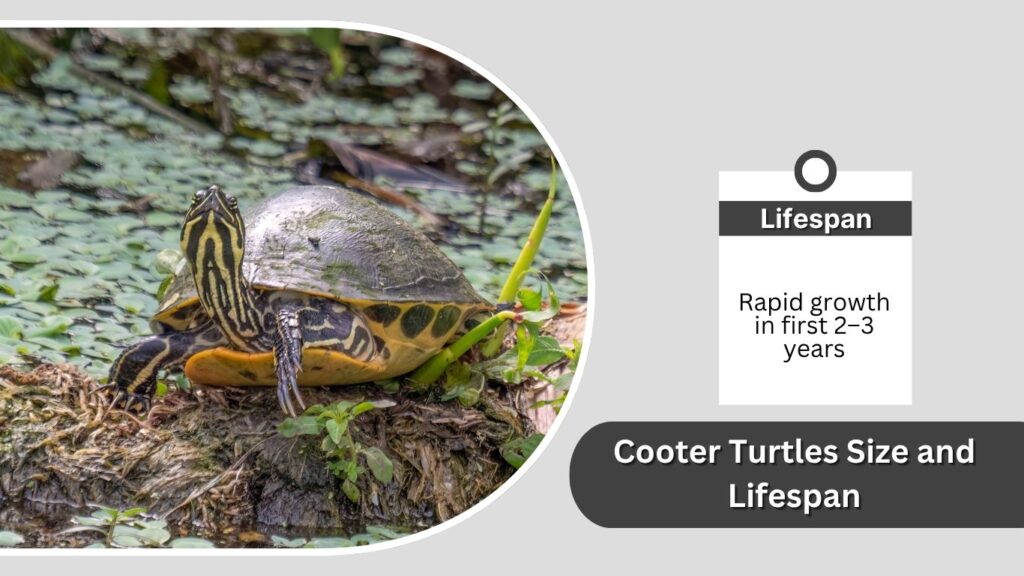
Cooters vary in size based on species and age. Adults typically range from 8–12 inches, while hatchlings are only a few centimeters. Lifespan in the wild ranges from 20–40 years, with captive turtles often living longer due to regular feeding and veterinary care.
Adult Sizes (List)
- River Cooter Turtle: 9–12 inches
- Peninsula Cooter Turtle: 8–10 inches
- Florida Cooter Turtle: 10–12 inches
- Red-bellied Cooter Turtle: 8–11 inches
Baby Cooter Turtles (List)
- Hatchlings measure 1.5–2 inches
- Rapid growth in first 2–3 years
- Requires high-protein diet for proper shell and bone development
Lifespan
- Wild: 20–40 years
- Captivity: 25–50 years with proper care
- Influenced by diet, habitat, and predator avoidance
Cooter Turtles Diet and Feeding
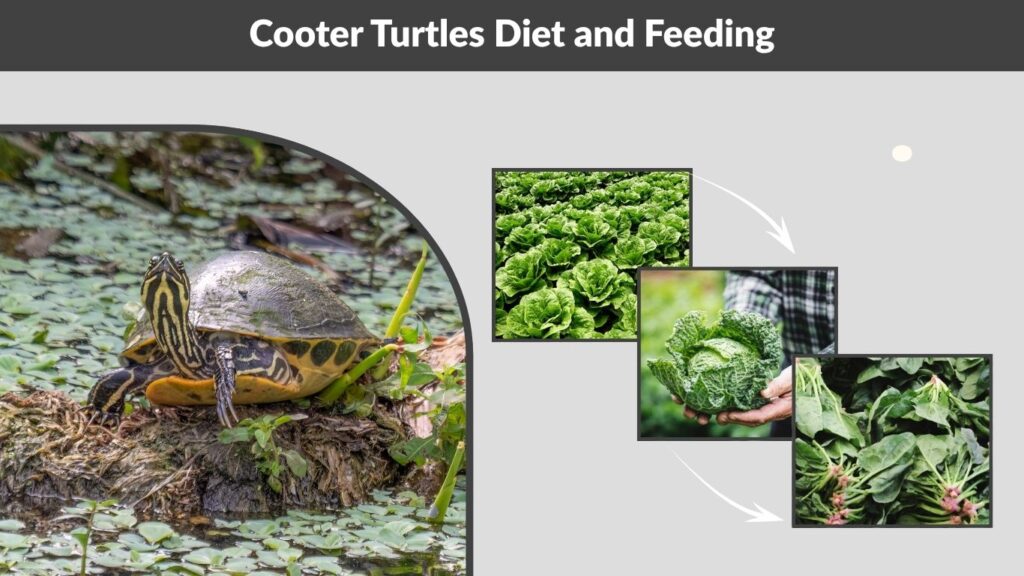
Cooter turtles are primarily herbivorous, although young turtles may consume some protein. A balanced diet is critical for growth, shell health, and longevity. In captivity, offering natural and commercial foods ensures proper nutrition.
What Do Cooter Turtles Eat? (List)
- Aquatic Plants: Duckweed, water lettuce, water hyacinth
- Vegetables: Romaine lettuce, kale, spinach
- Fruits (in moderation): Berries, melon, apple slices
- Protein (mainly hatchlings): Small fish, insects, or commercial turtle pellets
Feeding Baby Cooters
- Hatchlings require protein-rich diets for shell and bone development
- Feed 5–6 times per week in small portions
- Provide calcium and vitamin supplements to avoid deficiencies
Diet Tips for Captive Cooters
- Avoid processed human food
- Offer a variety of leafy greens and aquatic vegetation
- Monitor feeding habits and adjust according to growth and activity
Cooter Turtles Care and Tank Setup
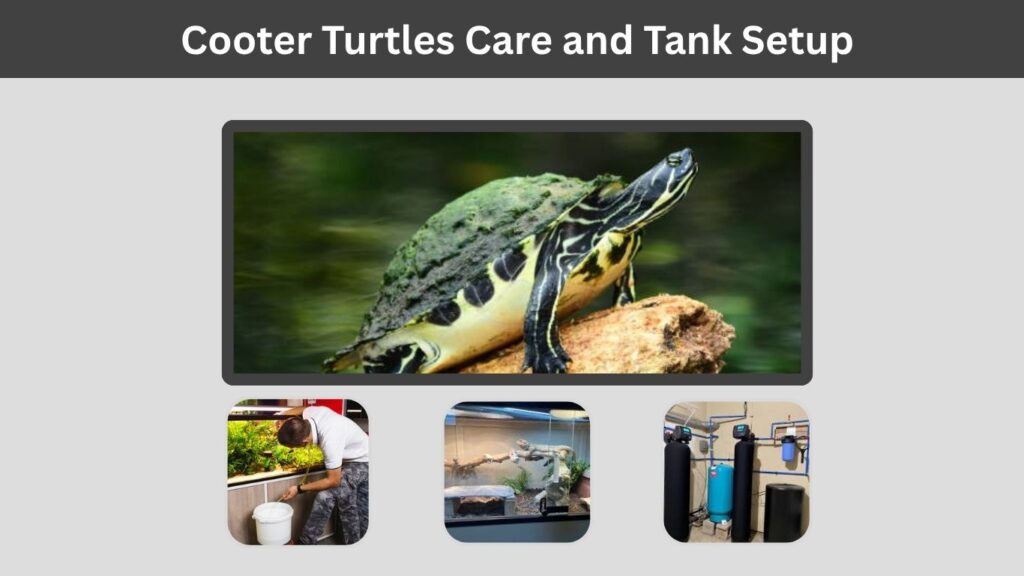
Proper care ensures cooters thrive in captivity. Tank size, water quality, temperature, and basking areas are essential. Monitoring health and providing enrichment are also key to preventing stress and disease.
Tank Requirements (List)
- Tank Size: Minimum 75–125 gallons for adult cooters depending on species
- Water Depth: At least 2–3 times the turtle’s shell length
- Basking Area: Logs, rocks, or platforms with direct UVB exposure
- Filtration: Strong filter to maintain clean water
Cooter Turtle Care Tips
- Regular water changes and tank cleaning
- Monitor shell condition and look for signs of rot
- Provide enrichment with plants or floating objects
- Handle minimally to reduce stress
Common Health Issues
- Shell Rot: Caused by bacteria or poor water quality
- Vitamin Deficiencies: Lack of calcium or vitamin D3
- Stress Behaviors: Refusal to eat, hiding, or lethargy
Baby Cooter Turtles
Raising hatchlings requires special attention to diet, water conditions, and safety. Baby cooters grow rapidly, and proper care in early months influences their long-term health.
Baby Turtle Habitat
- Shallow water with easy access to basking areas
- Gentle filtration to prevent injury
- Temperature around 78–82°F with UVB lighting
Feeding and Growth
- Hatchlings need protein-rich foods such as insects and small fish
- Gradually introduce vegetables as they grow
- Monitor growth and shell development weekly
Tank Size for Baby Cooters (List)
- Start with 20–30 gallon tanks for 1–3 turtles
- Upgrade tank size as they grow to prevent overcrowding
- Include floating plants for hiding and enrichment
Conservation and Responsible Ownership
While most cooter species are not endangered, habitat loss and pollution threaten wild populations. Responsible ownership and habitat awareness support conservation and ethical pet keeping.
Conservation Status
- Protected in many states to prevent overcollection
- Some species face population pressure from urban development
- Efforts include habitat preservation and breeding programs
Responsible Pet Ownership
- Avoid buying wild-caught cooters
- Provide tanks or ponds that mimic natural habitats
- Understand lifespan and care requirements before adoption
- Report illegal trade or habitat destruction
FAQs
What do cooter turtles eat in captivity?
Cooter turtles are primarily herbivorous, eating aquatic plants like duckweed and water lettuce, leafy greens such as kale or romaine, and small amounts of fruit like berries or melon. Hatchlings may require protein sources like small fish or insects. Providing a varied diet with calcium and vitamin supplements ensures healthy growth and shell development.
How big do cute turtles get?
Adult cooter turtles vary by species. River cooters can reach 9–12 inches, Florida cooters up to 12 inches, and peninsula cooters typically 8–10 inches. Hatchlings are much smaller at 1.5–2 inches and grow rapidly over the first few years, requiring appropriately sized tanks and proper nutrition to support healthy growth.
How long do cooter turtles live?
In the wild, cooter turtles generally live 20–40 years. In captivity, with proper care, diet, and habitat, they may live 25–50 years. Lifespan depends on factors like water quality, UVB exposure, diet, and disease prevention. Long-term care planning is essential if keeping them as pets.
Can cooter turtles be kept as pets?
Yes, cooter turtles can be kept as pets, but they require large tanks or ponds, clean water, basking areas with UVB lighting, and a balanced diet. Owners must also commit to long-term care since these turtles live decades. Responsible pet ownership includes avoiding wild-caught individuals and providing an environment that mimics their natural habitat.
How do you care for baby cooter turtles?
Baby cooters need shallow tanks with safe basking areas, gentle filtration, and temperatures around 78–82°F. Their diet is protein-rich, including small insects or fish, gradually adding leafy greens as they grow. Frequent monitoring of growth, shell health, and water quality is essential to ensure healthy development into adulthood.