
Painted terrapins are rare river turtles known for their striking appearance and critically endangered status. Native to Southeast Asia, these reptiles live in rivers, mangroves, and coastal wetlands where they play an important role in the ecosystem. Many people confuse painted terrapins with painted turtles, but they are completely different species with unique habitats and behaviors. Learning about painted terrapin care, diet, breeding, and conservation can help people better understand why these beautiful turtles need protection before their numbers decline even further in the wild.
What Is a Painted Terrapin?
The painted terrapin is a large river turtle species scientifically known as Batagur borneoensis. It is also called the painted river terrapin or Malaysian painted river terrapin. This turtle is famous for the colorful markings males develop during breeding season. Painted terrapins are among the rarest turtles in the world, and conservation programs are working hard to protect their remaining populations from habitat loss and illegal hunting.
Painted Terrapin Meaning
The term “painted terrapin” refers to the colorful appearance of the turtle, especially during the breeding season. Male terrapins develop bright white, black, and reddish markings around the head and neck, making them look painted by hand. The word terrapin is commonly used for turtles that live in brackish or coastal waters.
Scientific Classification
Painted terrapins belong to the Geoemydidae family, which includes many Asian river turtles. Their scientific classification includes:
- Scientific name: Batagur borneoensis
- Genus: Batagur
- Family: Geoemydidae
- Common names:
- Painted river terrapin
- Malaysian painted river terrapin
- Callagur painted terrapin
Are Painted Turtles Terrapins?
Many people think painted turtles and painted terrapins are the same animal, but they are different species found in separate parts of the world. Painted turtles are freshwater turtles native to North America, while painted terrapins are river turtles from Southeast Asia. They also differ in size, shell shape, and habitat preferences.
Painted Terrapin Identification and Appearance
Painted terrapins are large aquatic turtles with smooth shells and powerful limbs adapted for swimming. Their appearance changes significantly during breeding season, especially in males. Females usually remain darker and less colorful throughout the year. These turtles have streamlined bodies that help them move efficiently through rivers and estuaries while searching for food and nesting areas along sandy riverbanks.
Painted Terrapin Size and Weight
Painted terrapins can grow quite large compared to many freshwater turtles. Adult females are usually bigger than males and may weigh several kilograms when fully mature.
- Average shell length: 50 to 60 cm
- Adult weight: 15 to 25 kg
- Females grow larger than males
- Hatchlings are only a few centimeters long
Shell Colors and Markings
The shell of a painted terrapin is usually gray, olive, or brown. However, the head and neck colors become much brighter during breeding season.
- Dark upper shell
- Pale underside
- White facial stripes
- Reddish markings on breeding males
- Smooth and slightly flattened shell
Male and Female Differences
Male painted terrapins develop the brightest colors during breeding season. Females stay darker and have a larger body size. Males are generally smaller but display stronger color contrast around the face and neck.
Painted Terrapin Habitat and Distribution
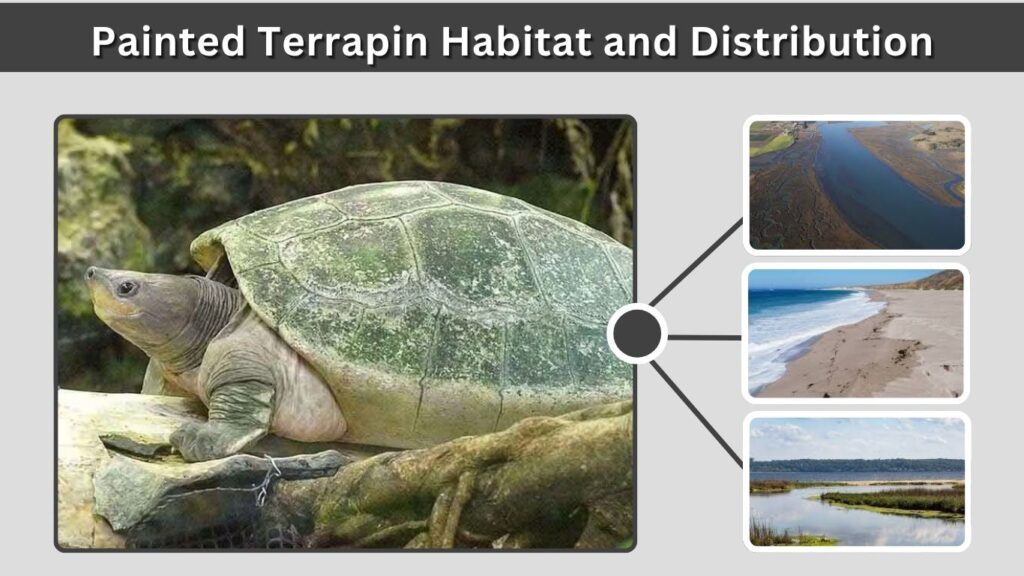
Painted terrapins are native to tropical river systems in Southeast Asia. They prefer calm waterways connected to mangrove forests and coastal regions. Their survival depends heavily on healthy wetland ecosystems with clean water and safe nesting beaches. Unfortunately, rapid development and pollution have destroyed many natural habitats, leaving isolated populations struggling to survive in fragmented river systems across their historic range.
Natural Habitat
These turtles spend most of their lives in aquatic environments where freshwater mixes with coastal water. They often rest along muddy riverbanks and sandy nesting areas.
- Estuaries
- Mangrove swamps
- Slow-moving rivers
- Coastal wetlands
- Sandy nesting beaches
Countries Where Painted Terrapins Live
Painted terrapins are mainly found in Southeast Asia. Their range has become much smaller due to habitat destruction and illegal collection.
- Malaysia
- Indonesia
- Southern Thailand
- Borneo region
Why Habitat Loss Is Dangerous
Habitat destruction is one of the main reasons painted terrapins are critically endangered today. Human activities continue to damage important nesting and feeding areas.
River pollution reduces water quality and harms aquatic plants that terrapins depend on for food. Coastal construction destroys mangrove forests and sandy nesting beaches, while sand mining removes critical egg-laying sites. Fishing nets also injure or drown many turtles accidentally. Without proper habitat protection, wild populations may continue declining rapidly over the coming decades.
Painted River Terrapin Diet

Painted river terrapins are mostly herbivorous turtles, although younger individuals may eat more animal-based foods while growing. Their diet changes depending on age, habitat, and seasonal food availability. In the wild, they feed on aquatic vegetation and fallen fruits found near riverbanks and mangroves. A balanced diet is important for shell growth, energy, and overall health, especially for turtles living in captivity under human care.
What Painted Terrapins Eat in the Wild
Wild painted terrapins spend much of their time searching for food in shallow water and near mangrove forests. Their strong jaws help them crush soft vegetation and other edible materials.
- Aquatic plants
- Mangrove fruits
- Leaves and grasses
- Seeds and fallen fruit
- Small aquatic insects
- Crustaceans occasionally
Juvenile vs Adult Diet
Young painted terrapins usually require more protein to support rapid growth. Adults gradually become more herbivorous as they mature. Hatchlings often eat insects and tiny aquatic animals, while larger adults rely mainly on vegetation and fruits found along river systems.
Feeding Painted Terrapins in Captivity
Captive painted terrapins require a carefully balanced diet that mimics natural feeding habits. Poor nutrition can lead to shell deformities and health problems.
- Commercial turtle pellets
- Leafy greens
- Aquatic plants
- Fruits in moderation
- Calcium supplements
- Clean freshwater access
Painted Terrapin Care Guide
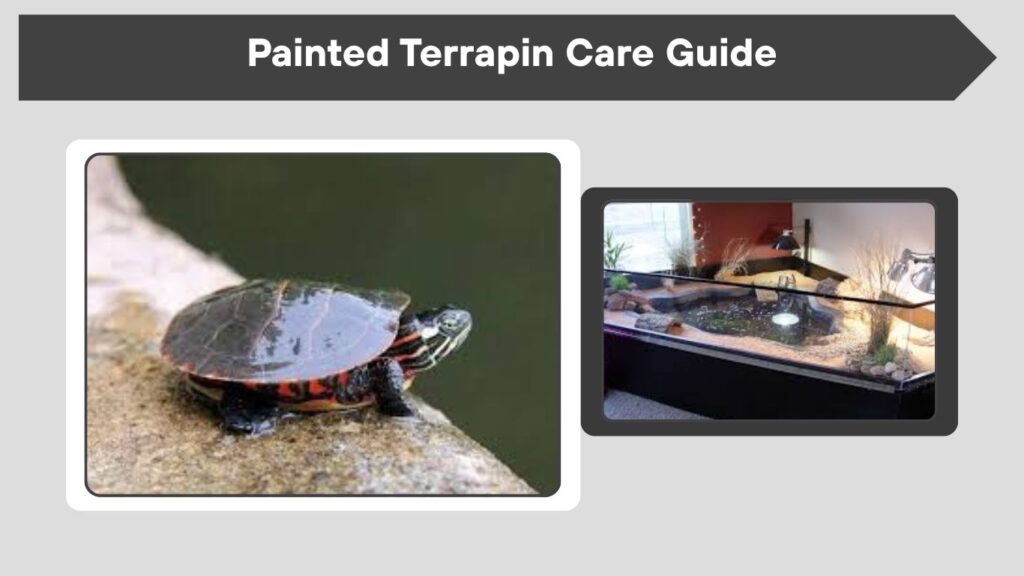
Keeping a painted terrapin requires significant space, proper equipment, and knowledge about aquatic turtle care. These turtles are not ideal beginner pets because they grow large and need specialized habitats. In many regions, ownership may also be restricted due to their endangered status. Responsible care involves maintaining clean water, proper temperatures, and a healthy diet that supports long-term physical development.
Is a Painted Terrapin a Good Pet?
Painted terrapins can be fascinating reptiles, but they are difficult to care for properly. Their large size and conservation status make them unsuitable for casual turtle owners.
They require large aquatic enclosures, strong filtration systems, and long-term commitment. Because they are critically endangered, wild-caught individuals should never be purchased. Conservation should always come before the exotic pet trade when dealing with rare turtle species.
Painted Terrapin Tank Setup
A proper enclosure is essential for keeping painted terrapins healthy in captivity. These turtles need plenty of swimming space and access to dry basking areas.
- Large water tank or pond
- Powerful water filter
- UVB lighting
- Heat lamp for basking
- Stable water temperature
- Deep swimming area
Common Health Problems
Like many aquatic turtles, painted terrapins can suffer from illnesses caused by poor water quality or improper nutrition.
- Shell rot
- Respiratory infections
- Vitamin deficiencies
- Eye swelling
- Fungal infections
- Stress-related weakness
Painted Terrapin Breeding and Life Cycle

Painted terrapins have a fascinating breeding cycle closely connected to river conditions and seasonal weather patterns. Males become more colorful during the breeding season to attract females. Nesting usually occurs on sandy riverbanks where females lay eggs above the waterline. Hatchlings face many dangers immediately after emerging, including predators, flooding, and habitat destruction that reduce survival rates in the wild.
Breeding Season Behavior
Male painted terrapins become highly colorful during the breeding season. Their heads may turn white with dark markings and reddish accents near the neck.
These bright colors help attract females and signal reproductive readiness. Courtship behavior often includes swimming displays and close interactions in shallow river areas before mating occurs.
Nesting and Egg Laying
Female painted terrapins leave the water to dig nests in sandy soil near riverbanks. After laying eggs, they cover the nest carefully before returning to the water.
- Sandy nesting beaches
- 10 to 25 eggs per clutch
- Incubation lasts several weeks
- Warm temperatures aid development
Hatchling Development
Baby painted terrapins are very small and vulnerable after hatching. They instinctively move toward water shortly after emerging from the nest.
Young turtles grow slowly during the first few years of life. Their shells harden over time, and their diet gradually changes from protein-rich foods to more plant material as they mature into adults.
FAQs
What is a painted terrapin?
A painted terrapin is a critically endangered river turtle found in Southeast Asia. Its scientific name is Batagur borneoensis. The species is known for the bright breeding colors seen in males and for living in estuaries, mangrove swamps, and coastal rivers. It is also called the painted river terrapin or Malaysian painted river terrapin.
Why are painted river terrapins endangered?
Painted river terrapins are endangered mainly because of habitat destruction, illegal egg collection, pollution, and accidental capture in fishing nets. Coastal development and sand mining have also destroyed many nesting beaches. These threats have caused major population declines across their natural range in Southeast Asia.
What do painted terrapins eat?
Painted terrapins mostly eat aquatic plants, leaves, fruits, seeds, and mangrove vegetation. Juveniles may also consume insects and small aquatic animals for extra protein. In captivity, they are often fed leafy greens, turtle pellets, aquatic plants, and calcium supplements to maintain healthy shell growth.
Can painted terrapins be kept as pets?
Painted terrapins are difficult to keep as pets because they require large aquatic habitats, powerful filtration systems, and specialized care. In many areas, ownership is restricted because the species is critically endangered. Responsible conservation efforts discourage buying wild-caught painted terrapins from illegal wildlife trade sources.
Are painted turtles and painted terrapins the same?
No, painted turtles and painted terrapins are different species. Painted turtles are freshwater turtles native to North America, while painted terrapins live in Southeast Asian rivers and estuaries. They differ in habitat, appearance, size, and scientific classification, even though their names sound similar.