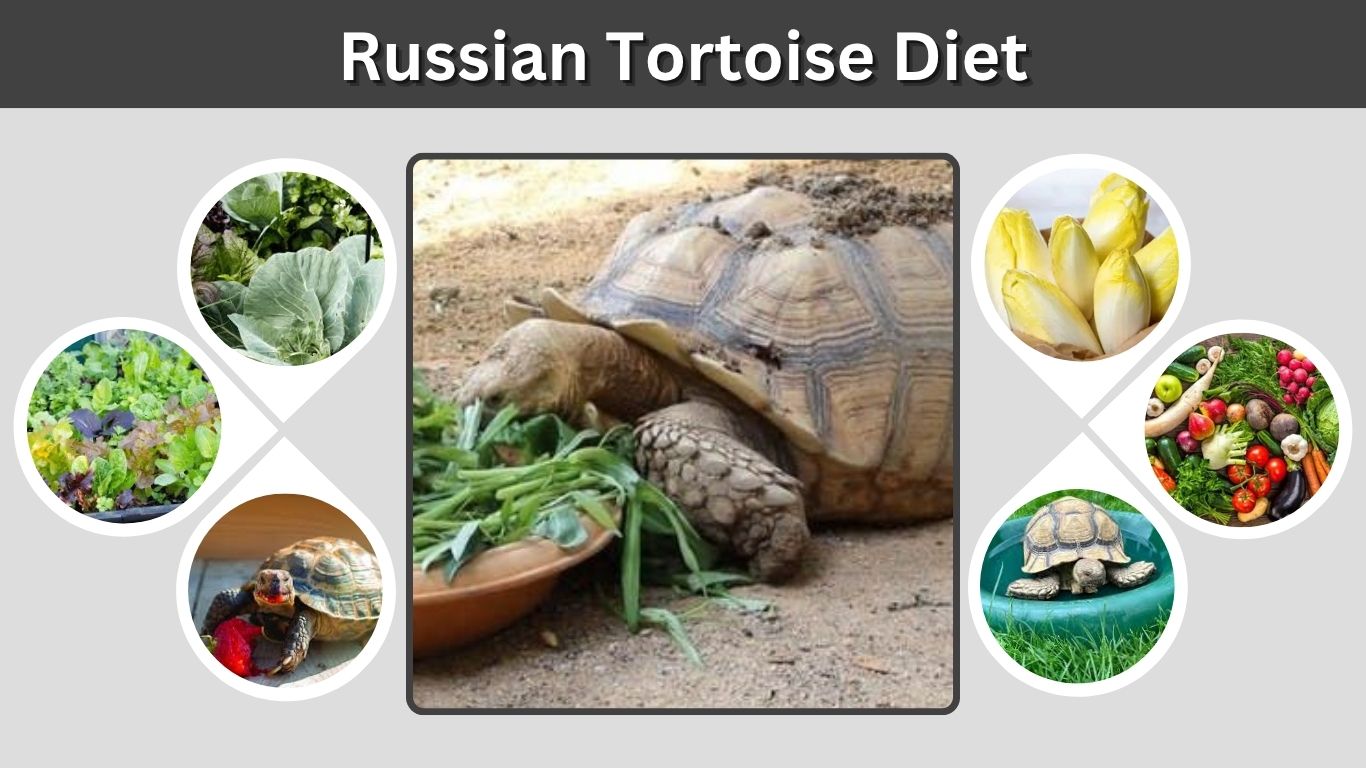
A healthy Russian tortoise diet should be simple, natural, and high in fiber. These small land tortoises are herbivores that do best on weeds, leafy greens, flowers, and safe plants rather than fruit, pellets, or watery lettuce. Whether you call it a Russian tortoise, Horsfield tortoise, or “Russian box tortoise,” the goal is the same: feed a varied, calcium-rich diet that supports strong bones, smooth shell growth, and steady energy.
What Russian Tortoises Eat in Captivity
Russian tortoises come from dry, rugged environments where they graze on tough plants, weeds, grasses, flowers, and seasonal vegetation. In captivity, their diet should copy that natural pattern as closely as possible. The best diet for a Russian tortoise is not a bowl of random vegetables. It is a rotation of fibrous greens and safe weeds with only small amounts of vegetable extras.
A proper daily plate should focus on:
- Broadleaf weeds
- Dark leafy greens
- Edible flowers
- Fibrous plants
- Calcium-rich foods
- Clean water
Most Russian tortoises should not eat fruit as a regular part of the diet. Their digestive system is built for high-fiber, low-sugar foods. Too much sugar can upset digestion and may contribute to long-term health problems. Vegetables can be useful, but they should not replace leafy greens and weeds as the main diet.
Russian Tortoise Diet List for Beginners
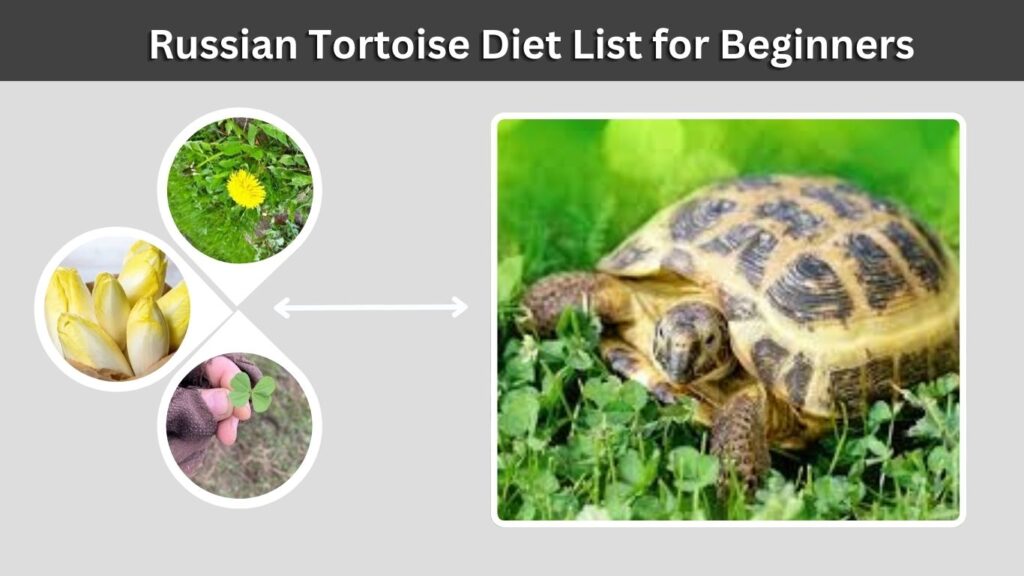
A beginner-friendly Russian tortoise diet list should include foods that are safe, easy to rotate, and widely available. Variety matters because no single green provides perfect nutrition. Feeding the same food every day can create nutrient gaps or cause your tortoise to become picky.
Best Staple Foods
Staple foods are the items you can offer most often. These should make up the main part of the diet.
Good staple options include:
- Dandelion greens and flowers
- Plantain weed
- Clover
- Mulberry leaves
- Grape leaves
- Hibiscus leaves and flowers
- Rose petals from untreated plants
- Endive
- Escarole
- Turnip greens
- Mustard greens
- Collard greens
- Spring mix without spinach-heavy blends
- Romaine in small amounts as part of a mix
Wild weeds are excellent when they are correctly identified and collected from pesticide-free areas. Never feed plants from roadsides, sprayed lawns, public parks, or unknown gardens.
Good Vegetables in Small Amounts
Russian tortoise diet vegetables should be used as supporting foods, not the foundation of every meal. Vegetables are often lower in fiber than weeds and can be too soft or watery if overused.
Offer these occasionally:
- Squash
- Bell pepper
- Carrot shavings
- Cactus pad
- Zucchini
- Pumpkin
- Green beans
- Celery leaves
Carrots, squash, and pumpkin can be useful for variety, but they should not become daily foods. Celery stalks are mostly water, so celery leaves are usually a better option than chopped stalks.
Russian Tortoise Diet Chart
Use this simple chart as a practical guide when building weekly meals. The exact amount depends on your tortoise’s age, size, activity level, enclosure temperature, and body condition.
| Food Type | Examples | How Often to Feed |
| Staple weeds and leafy greens | Dandelion, plantain, clover, endive, escarole, turnip greens, hibiscus leaves | Most meals |
| Edible flowers | Hibiscus, rose petals, dandelion flowers, nasturtium | A few times weekly |
| Vegetables | Squash, bell pepper, cactus pad, zucchini, carrot shavings | Small portions, 1–3 times weekly |
| High-oxalate greens | Spinach, Swiss chard, beet greens, parsley | Rarely or avoid as regular foods |
| Fruit | Apple, berries, melon | Avoid or offer only a tiny treat very rarely |
| Unsafe foods | Meat, dairy, bread, pasta, dog food, cat food, avocado, processed foods | Never |
Foods to Avoid in a Russian Tortoise Diet
Some foods look harmless but are poor choices for Russian tortoises. A bad diet can lead to digestive upset, poor shell growth, obesity, and mineral imbalance.
Avoid these foods:
- Meat, eggs, dairy, dog food, or cat food
- Bread, rice, pasta, cereal, crackers, or processed human food
- Avocado
- Iceberg lettuce as a main food
- Fruit as a regular diet item
- Spinach-heavy meals
- Beans, peas, or high-protein foods in large amounts
- Any plant treated with pesticides or herbicides
Spinach and Swiss chard are often mentioned in Russian tortoise diet questions. They are not ideal staples because they contain compounds that can interfere with calcium availability when fed too often. A tiny amount by accident is usually not a crisis, but these greens should not be routine menu items.
Can Russian Tortoises Eat Fruit?
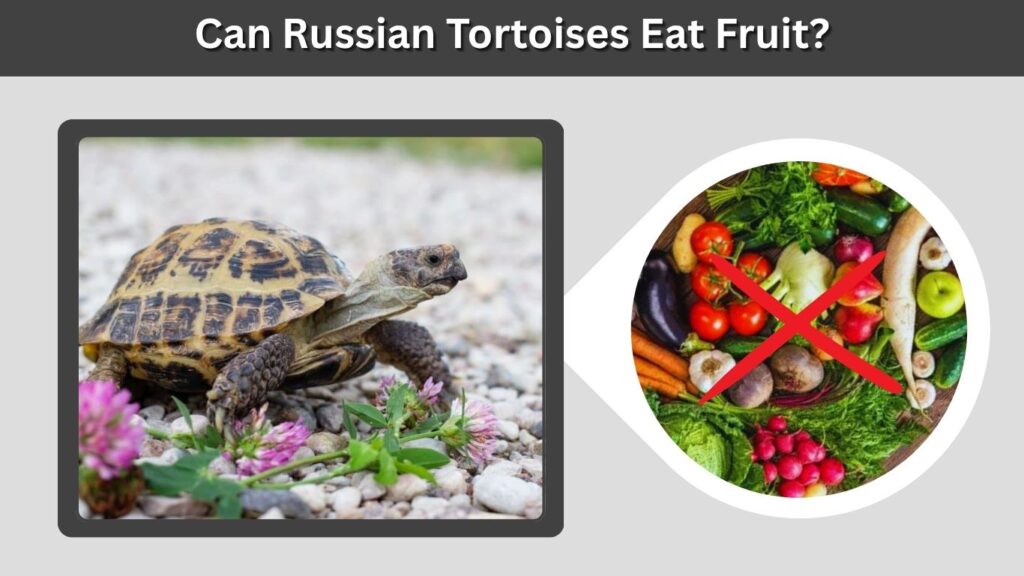
Russian tortoise diet fruit questions are common because many pet reptiles enjoy sweet foods. For Russian tortoises, fruit should be avoided or treated as a very rare tiny snack. These tortoises are not tropical fruit-eating species. Their gut is better suited to dry, fibrous vegetation.
Too much fruit may cause:
- Loose stool
- Gut imbalance
- Picky eating
- Excess sugar intake
- Reduced interest in healthier greens
If you choose to offer fruit, keep it extremely limited. A tiny piece of berry or apple once in a long while is very different from adding fruit to the weekly diet. For most owners, skipping fruit completely is the safest and simplest plan.
How Much Should a Russian Tortoise Eat Daily?
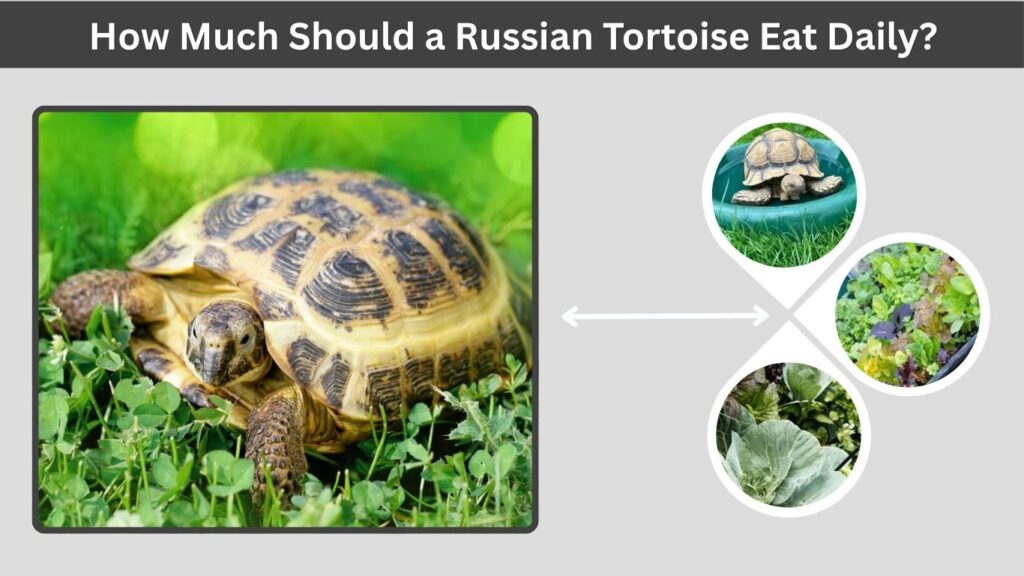
A common beginner rule is to offer a pile of greens about the size of the tortoise’s shell. This is not perfect, but it is a useful starting point. Watch your tortoise’s body condition over time. A healthy Russian tortoise should feel solid and active, not overly soft, swollen, or bony.
Young tortoises usually eat daily because they are growing. Healthy adults may eat daily or nearly daily during active seasons, depending on temperature, exercise, and appetite. Remove old food before it wilts, molds, or attracts insects.
Simple Feeding Routine
A practical routine might look like this:
- Morning: Offer fresh weeds and leafy greens.
- Midday: Remove dried or spoiled food if needed.
- Several times weekly: Add edible flowers or a small vegetable portion.
- Regularly: Dust food lightly with calcium as advised for your setup.
- Daily: Provide clean water in a shallow dish.
Good feeding also depends on proper heat and UVB lighting. A tortoise cannot use calcium well without the right environment. Diet, UVB, heat, hydration, and exercise all work together.
Calcium, Supplements, and Water
Calcium is essential for healthy bones and shell growth. Russian tortoises need calcium-rich foods and access to proper UVB lighting. Many keepers also provide a cuttlebone in the enclosure so the tortoise can nibble it when needed.
Calcium powder can be useful, especially for growing tortoises and egg-laying females. Use a light dusting rather than covering the food heavily. Too much supplement can be as problematic as too little, so avoid random overuse.
Water is also important, even though Russian tortoises come from dry regions. Keep a shallow water dish available and clean it daily. Regular soaking can help hydration, especially for juveniles, newly acquired tortoises, or tortoises kept indoors.
Russian Tortoise Diet in Captivity vs Wild Diet
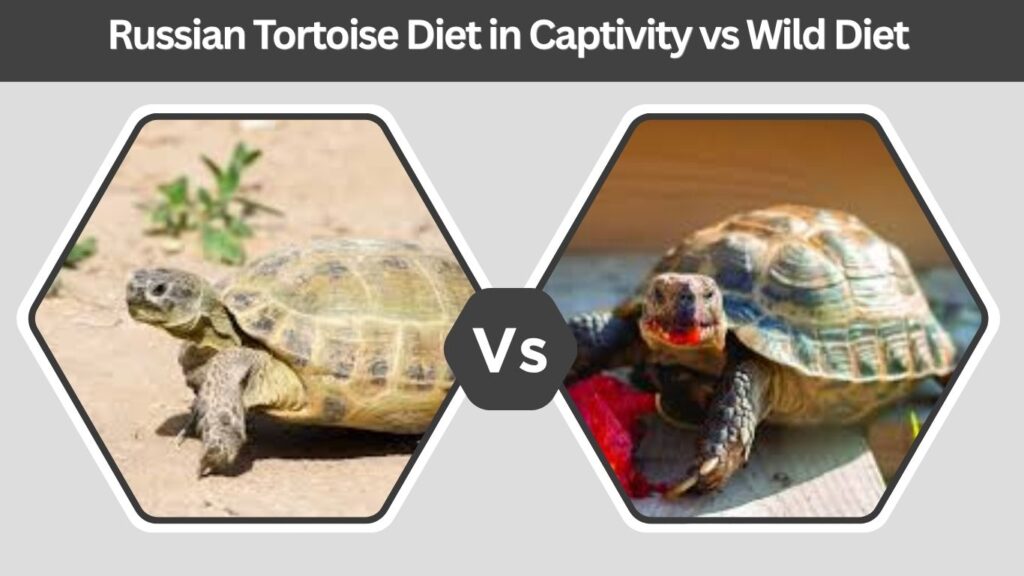
In the wild, Russian tortoises spend much of their active time grazing. They eat a range of rough seasonal plants rather than soft grocery-store vegetables. Captivity often creates diet problems because owners feed too much lettuce, fruit, or rich produce.
The best captive diet should be:
- High in fiber
- Low in sugar
- Low in protein
- Rich in calcium
- Varied across the week
- Based on weeds, greens, and flowers
A tortoise that eats mostly watery lettuce may survive for a while, but it will not receive the same nutrition as one eating a diverse plant-based diet. Romaine can be part of a mixed plate, but it should not be the entire meal.
Feeding Mistakes That Cause Problems
Many Russian tortoise diet problems happen because owners want to be generous. Unfortunately, the foods tortoises eagerly eat are not always the foods they should eat most.
Too Much Fruit
Fruit can make tortoises ignore better foods. It can also upset digestion. Keep sweet foods out of the regular diet.
Too Much Protein
Animal protein and high-protein pet foods are not suitable. Russian tortoises are herbivores and need plant-based nutrition.
Too Little Variety
A diet built around one or two greens can become unbalanced. Rotate foods across the week.
Poor Calcium Support
A low-calcium diet, weak UVB, or lack of supplements can contribute to shell and bone issues. Nutrition and lighting must be managed together.
Feeding Unsafe Yard Plants
Yard feeding is only safe when you know the plant species and know the area is chemical-free. Never guess with unknown plants.
Sample Weekly Russian Tortoise Diet Plan
This sample plan is flexible. Use it as a guide, not a strict rule. Replace foods with safe local options when needed.
Monday: Dandelion greens, endive, hibiscus leaf
Tuesday: Plantain weed, escarole, rose petals
Wednesday: Turnip greens, clover, small amount of squash
Thursday: Dandelion greens, grape leaves, nasturtium
Friday: Collard greens, plantain weed, cactus pad
Saturday: Mustard greens, hibiscus flower, small carrot shavings
Sunday: Mixed safe weeds, endive, edible flowers
Keep portions moderate and remove leftovers. A varied week is better than a perfect-looking single meal.
FAQs
What is the best diet for a Russian tortoise?
The best diet for a Russian tortoise is a varied mix of safe weeds, leafy greens, edible flowers, and fibrous plants. Dandelion, plantain, clover, endive, escarole, hibiscus, and turnip greens are good options. Vegetables should be limited, and fruit should rarely, if ever, be offered.
Can a Russian tortoise eat spinach?
Russian tortoises should not eat spinach as a regular food. Spinach contains oxalates, which may interfere with calcium use when fed often. A tiny accidental bite is unlikely to harm a healthy tortoise, but better daily choices include dandelion greens, endive, escarole, plantain weed, and hibiscus leaves.
How often should I feed my Russian tortoise?
Most young Russian tortoises can be fed daily, while healthy adults are often fed daily or nearly daily during active periods. Offer a modest pile of mixed greens, then adjust based on body condition and leftovers. Appetite may change with temperature, season, lighting, and overall health.
Can Russian tortoises eat Mazuri diet?
Some keepers use Mazuri tortoise diet as a supplement, but it should not replace fresh weeds, greens, and flowers. If used, offer it in small amounts and choose a formula suitable for herbivorous tortoises. Fresh, high-fiber plants should remain the main part of the diet.
What vegetables can Russian tortoises eat?
Russian tortoises can eat small amounts of squash, bell pepper, cactus pad, zucchini, pumpkin, carrot shavings, and celery leaves. These should support the diet rather than dominate it. The main meal should still come from weeds, leafy greens, and edible flowers that provide better fiber and calcium balance.