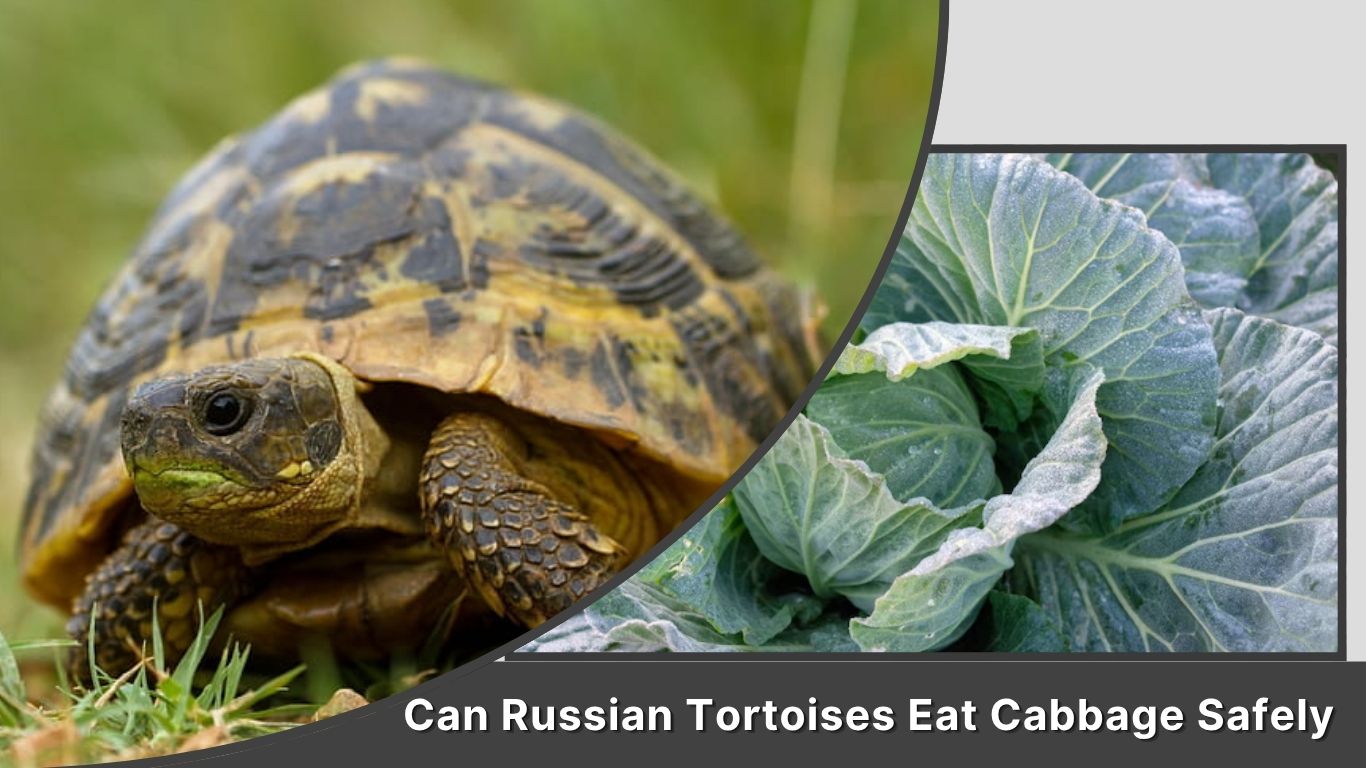
Russian tortoises can eat cabbage, but only in small amounts and only occasionally. Cabbage is not toxic in the way some unsafe foods are, but it is not an ideal staple for this species. Russian tortoises need a high-fiber, low-sugar diet based mainly on weeds, flowers, and leafy greens that match their natural grazing habits.
Is Cabbage Safe for Russian Tortoises?
Cabbage is generally safe for Russian tortoises when it is offered rarely and in small portions. A tiny piece mixed with other greens is unlikely to harm a healthy tortoise. However, cabbage should not be used as a regular meal because it belongs to the brassica family.
Brassica vegetables include cabbage, cauliflower, broccoli, kale, mustard greens, and Brussels sprouts. These plants can contain goitrogens, which may interfere with thyroid function if eaten too often. This is the main reason many tortoise keepers limit cabbage or avoid it altogether.
Can Russian Tortoises Eat Cabbage Leaves?
Yes, Russian tortoises can eat cabbage leaves, but the leaves should be washed well and chopped into small pieces. Cabbage leaves are not a necessary food, so they should only be used as a small part of a mixed feeding plate.
Do not offer large whole leaves as the main meal. If your tortoise fills up on cabbage, it may ignore better foods that provide more suitable fiber, minerals, and calcium.
Can Russian Tortoises Eat Red Cabbage?
Russian tortoises can eat red cabbage in the same limited way as green cabbage. Red cabbage may look more nutritious because of its deep color, but it is still a brassica. That means it should not be fed daily or in large amounts.
A few shredded pieces once in a while are enough. Red cabbage should not become a regular part of a Russian tortoise’s diet.
Why Cabbage Should Be Limited
Cabbage is not the best food for Russian tortoises because it does not closely match their natural diet. In the wild, Russian tortoises eat tough weeds, flowers, stems, and broadleaf plants. They are adapted to a dry, fibrous diet rather than soft supermarket vegetables.
| Food Item | Can Russian Tortoises Eat It? | Best Feeding Use |
|---|---|---|
| Green cabbage | Yes | Rare treat only |
| Red cabbage | Yes | Small occasional amount |
| Cabbage leaves | Yes | Washed, chopped, and limited |
| Cauliflower | Limited | Rarely, because it is also brassica |
| Lettuce | Sometimes | Avoid iceberg; use darker types sparingly |
| Cucumber | Yes | Occasional hydrating treat |
| Carrot | Yes | Small amount, not often |
| Spinach | Very limited | Rarely, due to oxalates |
The Thyroid Concern
The biggest issue with cabbage is its goitrogen content. Goitrogens may affect how the thyroid works when brassica vegetables are fed too often. The risk is usually linked to repeated feeding, not one accidental bite.
Because Russian tortoises live a long time, small diet mistakes can become more serious when repeated for months or years. A healthy diet should reduce long-term risk, not simply avoid immediate harm.
Cabbage Is Not Nutritionally Ideal
Cabbage contains water and some nutrients, but it does not offer the same value as better tortoise foods. Russian tortoises need plenty of fiber and a proper calcium balance for shell, bone, and digestive health.
Too many soft vegetables can make the diet weaker. A tortoise may enjoy cabbage, lettuce, cucumber, or carrot, but liking a food does not mean it should be eaten often.
How Much Cabbage Can a Russian Tortoise Eat?
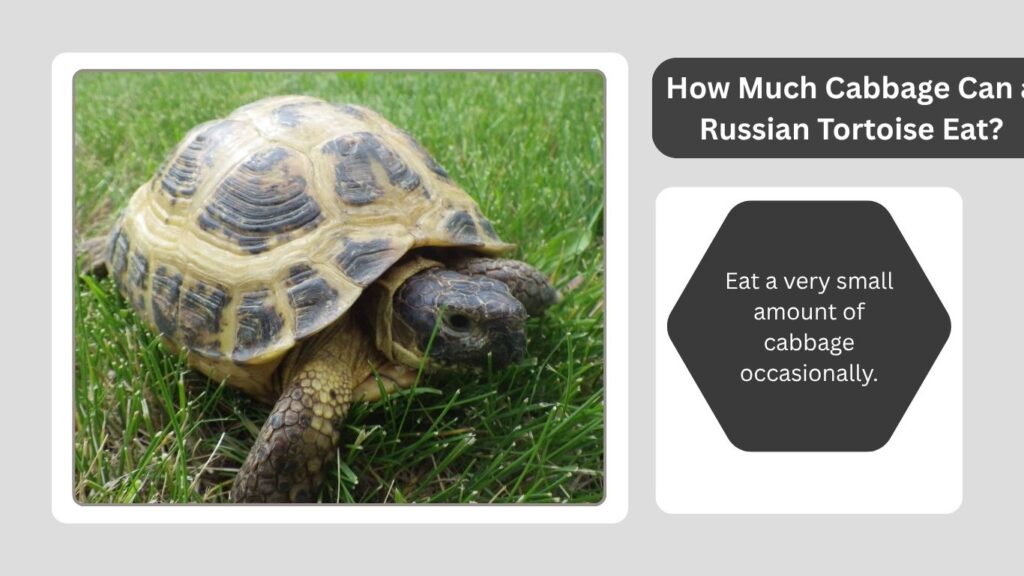
A Russian tortoise should only eat a very small amount of cabbage occasionally. Think of cabbage as a rare extra, not a normal vegetable. A few thin shreds mixed into a larger serving of safe weeds or leafy greens is enough.
For most Russian tortoises, cabbage should not be offered weekly. Feeding it once in a while is safer than making it part of the regular rotation.
Safe Feeding Tips
If you decide to offer cabbage, follow these simple rules:
- Feed only a tiny amount.
- Wash the cabbage thoroughly.
- Chop or shred it into small pieces.
- Mix it with healthier greens.
- Remove uneaten pieces after feeding.
- Do not feed cabbage every day.
- Never add salt, oil, dressing, or seasoning.
Plain raw cabbage is the only form to consider. Cooked cabbage made for humans may contain ingredients that are unsafe for tortoises.
What Should Russian Tortoises Eat Instead?
Russian tortoises do best with a varied diet based on weeds, flowers, and fibrous leafy plants. Supermarket vegetables can be used when needed, but they should not replace natural forage whenever safe forage is available.
Better foods include:
- Dandelion greens and flowers
- Plantain weed
- Mallow leaves
- Clover in moderation
- Hibiscus leaves and flowers
- Mulberry leaves
- Grape leaves
- Chicory
- Endive
- Escarole
- Radicchio
- Safe pesticide-free grasses and weeds
Always make sure outdoor plants are correctly identified and free from pesticides, herbicides, road pollution, and chemical treatments.
Why Variety Matters
A varied diet helps prevent nutritional gaps. No single green should be used as the only food. Even healthy plants should be rotated so your tortoise gets different textures, minerals, and nutrients.
Try to offer several safe plant types instead of one large pile of the same vegetable. This better reflects the way a Russian tortoise would browse naturally.
Can Baby Russian Tortoises Eat Cabbage?
Baby Russian tortoises can technically eat a tiny amount of cabbage, but it is better to avoid using it as a regular food. Young tortoises need excellent nutrition for shell and bone development. Their diet should focus on safe, calcium-rich, high-fiber plants.
If cabbage is offered to a baby Russian tortoise, it should be finely chopped and mixed with better greens. Still, there are many better choices, so cabbage is usually unnecessary.
Baby tortoises also need proper UVB lighting, hydration, calcium, and enclosure conditions. Diet is only one part of healthy growth.
Can Russian Tortoises Eat Cabbage With Other Vegetables?
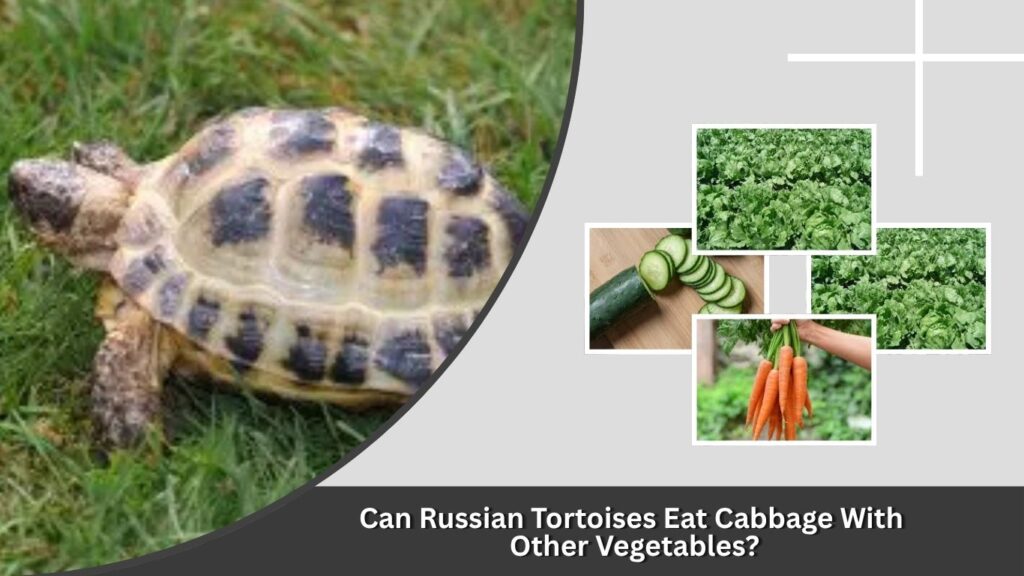
Russian tortoises may eat cabbage mixed with other vegetables, but the overall meal should still be healthy. Mixing cabbage with another limited food does not make the meal ideal.
Cabbage and Carrots
Russian tortoises can eat a little cabbage and carrot, but both should be limited. Carrots contain more sugar than leafy weeds, so they should only be used as an occasional extra. Grated carrot is better than large chunks.
Cabbage and Cucumber
Cucumber is mostly water. It can help with hydration in small amounts, but it does not provide enough nutrition to be a staple. A meal made mostly of cabbage and cucumber would be too weak for regular feeding.
Cabbage and Lettuce
Some lettuce is acceptable, but iceberg lettuce should be avoided or used very rarely because it has little nutritional value. Darker lettuces are better, but Russian tortoises still need weeds and fibrous greens more than lettuce.
Foods Russian Tortoises Should Avoid

Some foods are not suitable for Russian tortoises and should not be offered. This species is herbivorous and does not need animal protein, processed food, or sugary human snacks.
Avoid feeding:
- Bread, pasta, rice, or cereal
- Meat, eggs, dairy, or dog food
- Avocado
- Candy or processed snacks
- Salty or seasoned foods
- Large amounts of fruit
- Iceberg lettuce as a main food
- Unknown garden plants
- Plants treated with pesticides
When in doubt, do not feed a plant until you have confirmed it is safe for Russian tortoises.
Signs Your Tortoise’s Diet May Need Improvement
A poor diet may cause problems gradually. Sometimes owners do not notice issues until the tortoise has been eating the wrong foods for a long time.
Watch for:
- Soft or uneven shell growth
- Low appetite
- Runny stool
- Weight loss or obesity
- Low energy
- Swollen eyes
- Trouble walking
- Frequent refusal of healthy foods
If your Russian tortoise shows these signs, review the diet, enclosure temperature, UVB lighting, and calcium routine. A reptile veterinarian can help if symptoms continue.
FAQs
Can Russian tortoises eat cabbage every day?
No, Russian tortoises should not eat cabbage every day. Cabbage contains goitrogenic compounds that may affect thyroid health when overfed. It is better to offer cabbage rarely, if at all. Daily meals should focus on safe weeds, flowers, and fibrous leafy greens.
Can Russian tortoises eat cabbage leaves?
Yes, Russian tortoises can eat cabbage leaves in small amounts. Wash the leaves carefully, chop them into small pieces, and mix them with better greens. Cabbage leaves should not be the main food because Russian tortoises need a more natural, high-fiber diet.
Is red cabbage safe for Russian tortoises?
Red cabbage is safe only as an occasional treat. It is still part of the brassica family, so it should be limited like green cabbage. A few thin shreds once in a while are enough. Do not feed red cabbage daily or in large portions.
What happens if a Russian tortoise eats too much cabbage?
Too much cabbage may create diet imbalance and may increase the risk of thyroid-related problems over time because of goitrogens. It can also crowd out better foods. One small accidental serving is usually not a crisis, but repeated feeding is not recommended.
What is the best diet for a Russian tortoise?
The best diet for a Russian tortoise is based on safe weeds, flowers, and fibrous leafy plants. Good options include dandelion, plantain weed, mallow, hibiscus, mulberry leaves, grape leaves, endive, escarole, and radicchio. Variety, calcium, UVB lighting, and proper hydration are also important.