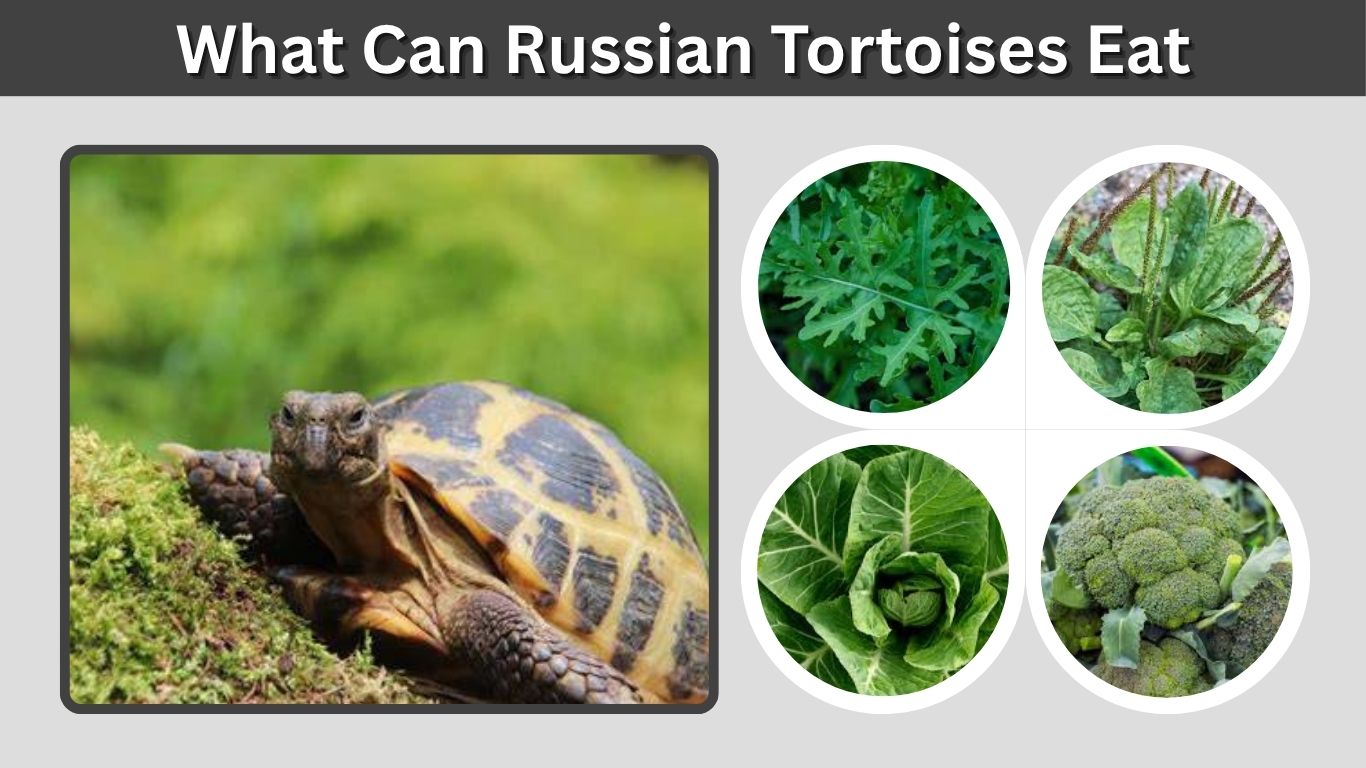
Russian tortoises can eat a wide variety of leafy greens, weeds, flowers, and some vegetables, but they should not eat the same foods people often give to other pets. Their diet should be high in fiber, low in sugar, and low in protein. The best meals are simple, plant-based, and varied. Knowing what Russian tortoises can eat helps prevent digestive issues, shell problems, obesity, and long-term health concerns.
What Do Russian Tortoises Eat Naturally?
Russian tortoises, also called Horsfield tortoises, are land tortoises from dry grassland and semi-desert regions. In the wild, they graze on tough plants, weeds, leaves, flowers, and seasonal vegetation. They are not built to eat fruit-heavy meals, animal protein, or soft processed foods.
In captivity, their food should copy this natural diet as much as possible. A healthy Russian tortoise meal should mostly include safe weeds, leafy greens, and fibrous plants. Vegetables can be added for variety, but they should not become the main part of the diet.
A good Russian tortoise diet should be:
- High in fiber
- Low in sugar
- Low in protein
- Rich in calcium
- Varied across the week
- Mostly made from greens, weeds, and flowers
Fresh water should always be available in a shallow dish. Even though Russian tortoises come from dry areas, they still need hydration to digest food and stay healthy.
Best Foods Russian Tortoises Can Eat
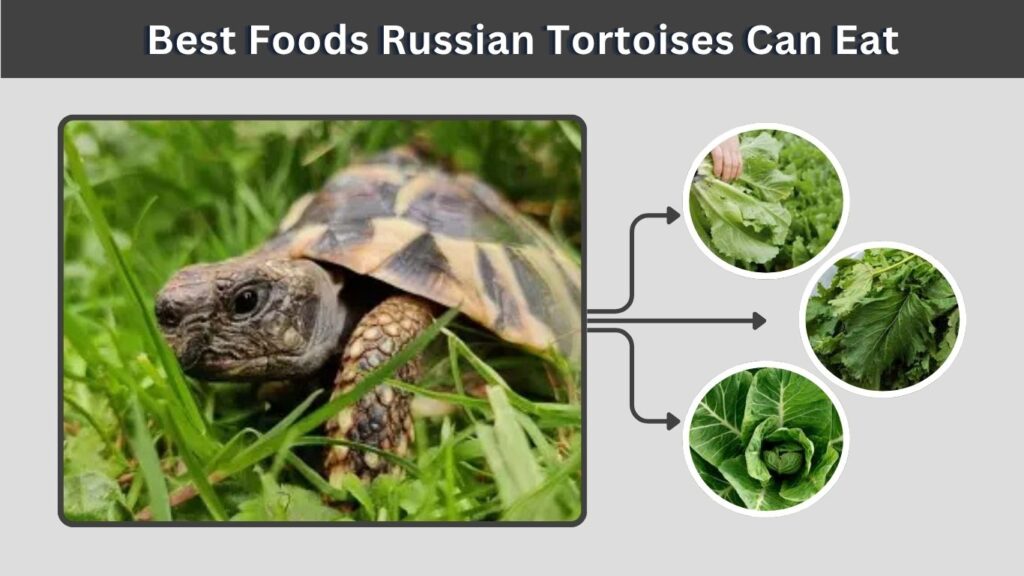
The best foods for Russian tortoises are leafy, fibrous, and safe to rotate. Variety is important because no single food gives perfect nutrition. Feeding only one green every day can create nutrient imbalance or make your tortoise picky.
Safe Leafy Greens
Leafy greens should make up a large part of the diet. Choose darker, more nutritious greens instead of watery lettuce as the main food.
Good options include:
- Collard greens
- Mustard greens
- Turnip greens
- Endive
- Escarole
- Romaine lettuce in moderation
- Green leaf lettuce in moderation
- Radicchio
- Arugula
- Kale in moderation
Kale, cabbage, bok choy, broccoli leaves, and similar greens can be fed occasionally, but they should not be the only foods offered. A mixed diet is safer than relying on one item.
Safe Weeds and Outdoor Plants
Safe weeds are often better than grocery vegetables because they are closer to what a Russian tortoise would graze on naturally. However, they must be correctly identified and free from chemicals.
Good options include:
- Dandelion greens
- Dandelion flowers
- Plantain weed
- Clover
- Sow thistle
- Mulberry leaves
- Grape leaves
- Hibiscus leaves
- Hibiscus flowers
Never feed plants from sprayed lawns, roadsides, public parks, or areas treated with pesticides, herbicides, fertilizers, or weed killers. If you cannot confidently identify a plant, do not feed it.
What Vegetables Can Russian Tortoises Eat?
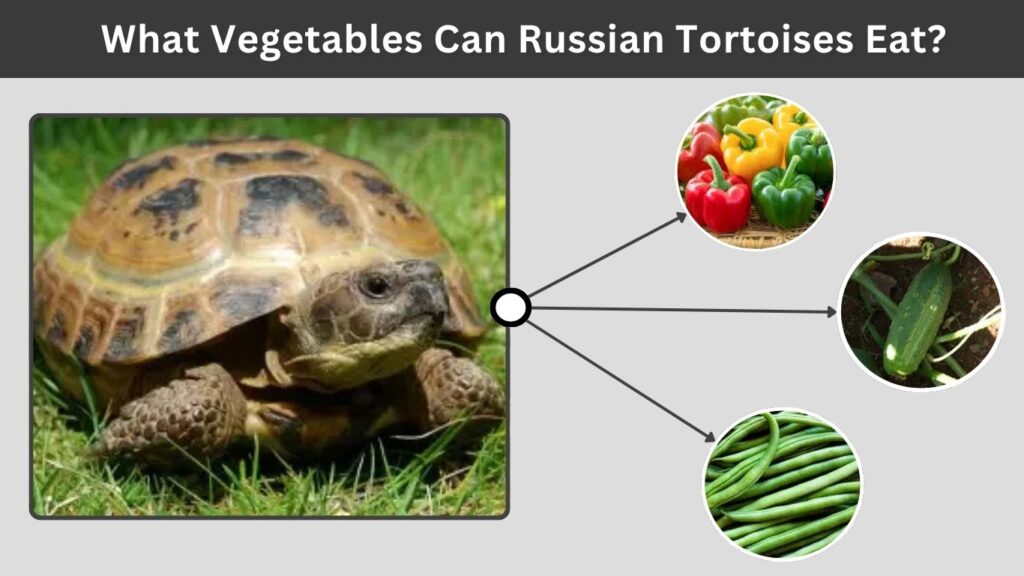
Vegetables can be part of a Russian tortoise diet, but they should be used as extra variety rather than the foundation of every meal. Many vegetables are softer, wetter, or sweeter than natural grazing foods.
Good Vegetables in Small Amounts
Russian tortoises can eat small portions of:
- Squash
- Zucchini
- Pumpkin
- Butternut squash
- Bell peppers
- Green beans
- Cactus pad
- Carrot shavings
- Cucumber
- Celery leaves
Squash, pumpkin, and cactus pad can be useful additions. Carrots are safe in small amounts but should be grated or shaved because they are firm and higher in sugar than leafy greens. Cucumber is safe but mostly water, so it should not replace nutritious greens.
Vegetables to Limit
Some vegetables are not toxic but are not ideal as regular staples. They may be too watery, too starchy, too high in oxalates, or too likely to cause digestive issues if overfed.
Limit these foods:
- Broccoli
- Cabbage
- Cauliflower
- Brussels sprouts
- Spinach
- Beet greens
- Parsley
- Celery stalks
- Tomatoes
Broccoli, cabbage, cauliflower, and Brussels sprouts can be offered occasionally, but large amounts may cause digestive gas or imbalance. Spinach, beet greens, Swiss chard, and parsley are high in oxalates, so they should not be routine foods.
Can Russian Tortoises Eat Fruit?
Russian tortoises should not eat fruit as a regular part of their diet. They are not tropical fruit-eating tortoises. Their digestive system is better suited to fibrous weeds and leafy plants.
Fruit is high in sugar and can cause digestive upset if offered too often. It can also make some tortoises ignore healthier greens. If fruit is offered at all, it should be a rare tiny treat, not a weekly habit.
Fruits to avoid as regular foods include:
- Apples
- Bananas
- Grapes
- Strawberries
- Blueberries
- Watermelon
- Mango
- Cantaloupe
- Cherries
- Kiwi
- Blackberries
A tiny piece of strawberry or apple once in a long while is unlikely to be a problem for a healthy tortoise, but skipping fruit completely is often the better choice.
Quick Food Safety Chart
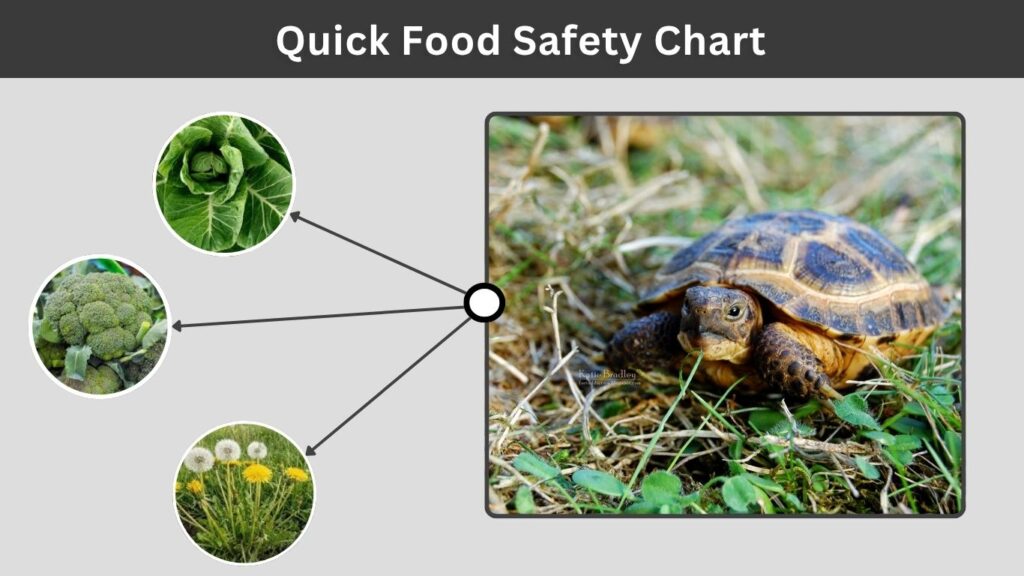
Use this chart as a simple guide when deciding what your Russian tortoise can eat. It does not include every possible plant, but it covers many common foods owners ask about.
| Food | Can Russian Tortoises Eat It? | Best Feeding Advice |
| Dandelions | Yes | Excellent staple if pesticide-free |
| Collard greens | Yes | Good leafy green for rotation |
| Mustard greens | Yes | Good in a varied mix |
| Arugula | Yes | Safe as part of rotation |
| Romaine lettuce | Yes | Use with more nutritious greens |
| Carrots | Yes | Small shaved amounts only |
| Celery | Yes | Leaves are better than watery stalks |
| Cucumber | Yes | Occasional hydration food, not staple |
| Broccoli | Occasionally | Small amounts, not frequent |
| Spinach | Rarely/avoid | Not a regular food |
| Apples | Rare treat/avoid | Too sugary for routine feeding |
| Watermelon | Rare treat/avoid | Mostly sugar and water |
| Avocado | No | Do not feed |
| Meat or dairy | No | Never feed to Russian tortoises |
Foods Russian Tortoises Should Not Eat
Some foods are unsafe or completely unsuitable for Russian tortoises. These animals are herbivores and should not be fed animal protein or processed human foods.
Do not feed:
- Meat
- Eggs
- Cheese
- Milk
- Yogurt
- Dog food
- Cat food
- Bread
- Pasta
- Rice
- Cereal
- Crackers
- Candy
- Avocado
- Fried foods
- Processed snacks
Dog food and cat food are especially poor choices because they contain animal protein and nutrients designed for carnivores or omnivores, not grazing tortoises. Bread, pasta, and rice are also unsuitable because they do not match the tortoise’s natural diet.
Can Russian Tortoises Eat Lettuce?
Russian tortoises can eat some lettuce, but lettuce should not be the main diet. Romaine, green leaf lettuce, and red leaf lettuce are better than iceberg lettuce, but even these should be mixed with stronger greens and weeds.
Iceberg lettuce is mostly water and has very little nutritional value. It may be useful only in rare cases for hydration, but it should not be used as a daily food. A tortoise fed mostly iceberg lettuce may become full without getting enough minerals, fiber, or nutrients.
Better choices include dandelion greens, endive, escarole, collard greens, plantain weed, turnip greens, and hibiscus leaves.
How Much Should a Russian Tortoise Eat?
A common starting point is to offer a pile of food roughly the size of the tortoise’s shell. This is not an exact rule, but it helps beginners avoid overfeeding. The right amount depends on age, size, activity level, temperature, and season.
Young tortoises usually eat daily because they are growing. Healthy adults may also eat daily during active periods, but portions should be controlled. Remove old food before it becomes wilted, dirty, or moldy.
A healthy feeding routine may include:
- Fresh greens in the morning
- A mix of weeds and leafy plants
- Small vegetable portions a few times weekly
- Clean water every day
- Calcium support when needed
- No regular fruit or animal protein
If your tortoise leaves food every day, you may be offering too much. If it constantly searches for food and loses weight, the enclosure temperature, diet quality, or health may need checking.
Calcium and Supplements
Food is only one part of nutrition. Russian tortoises also need calcium and proper UVB lighting. Without UVB, they cannot use calcium correctly, even if the diet looks good.
Many owners keep a cuttlebone in the enclosure so the tortoise can nibble it when needed. Calcium powder can also be lightly dusted on food, especially for growing tortoises or egg-laying females. Avoid covering food heavily with supplements unless a reptile vet advises it.
A balanced diet, UVB light, basking heat, and hydration all work together. A tortoise cannot stay healthy on good food alone if the enclosure is too cold or lacks UVB.
Common Feeding Mistakes
Many Russian tortoise diet problems come from good intentions. Owners often want to offer variety but accidentally choose foods that are too sweet, too soft, or too low in fiber.
Feeding Too Much Fruit
Fruit should not be a normal part of the diet. Apples, bananas, grapes, berries, melon, and mango are too sugary for regular feeding.
Using Lettuce as the Main Food
Lettuce can be part of a mix, but watery lettuce alone is not enough. Use weeds and darker leafy greens as the foundation.
Giving Too Many Grocery Vegetables
Vegetables are useful, but they are not a replacement for weeds and greens. Squash, cucumber, carrots, and peppers should be small additions.
Feeding Unsafe Yard Plants
Only feed outdoor plants if you know exactly what they are and know they are chemical-free. Guessing can be dangerous.
Forgetting Water
A shallow water dish should always be available. Regular hydration supports digestion, kidney health, and normal activity.
Sample Daily Meal Ideas

Here are simple meal ideas for a healthy Russian tortoise. Rotate foods based on what is available and safe.
Meal 1: Dandelion greens, endive, hibiscus leaves
Meal 2: Plantain weed, collard greens, small squash slice
Meal 3: Escarole, clover, rose petals from untreated plants
Meal 4: Turnip greens, mustard greens, cactus pad
Meal 5: Arugula, radicchio, dandelion flowers
Meal 6: Grape leaves, green leaf lettuce, small carrot shavings
Meal 7: Mixed safe weeds, endive, hibiscus flower
The best diet is not complicated. It is consistent, varied, and built around the foods Russian tortoises are meant to eat.
FAQs
Can Russian tortoises eat carrots?
Russian tortoises can eat carrots, but only in small amounts. Carrots are firmer and sweeter than ideal staple foods, so they should be shaved or grated and offered occasionally. Better daily choices include dandelion greens, collard greens, endive, escarole, plantain weed, and hibiscus leaves.
Can Russian tortoises eat celery?
Russian tortoises can eat celery, but celery stalks are mostly water and not very nutritious. Celery leaves are a better option than the stalk. Use celery only as a small occasional addition, not as a main food. A varied mix of leafy greens and weeds is healthier.
Can Russian tortoises eat cucumber?
Russian tortoises can eat cucumber occasionally. It is safe in small amounts, but it contains lots of water and not much nutrition. Cucumber may help with hydration, but it should never replace fibrous greens, weeds, and flowers. Feed it as a small extra, not a daily staple.
Can Russian tortoises eat spinach?
Russian tortoises should not eat spinach as a regular food. Spinach contains oxalates, which may interfere with calcium availability when fed often. A tiny accidental bite is usually not serious, but better choices include endive, escarole, turnip greens, mustard greens, dandelion, and plantain weed.
Can Russian tortoises eat strawberries or watermelon?
Russian tortoises should not eat strawberries or watermelon regularly. These fruits are high in sugar and can upset digestion or encourage picky eating. If offered at all, fruit should be a very rare tiny treat. Most owners can safely skip fruit and focus on weeds, greens, and flowers.