
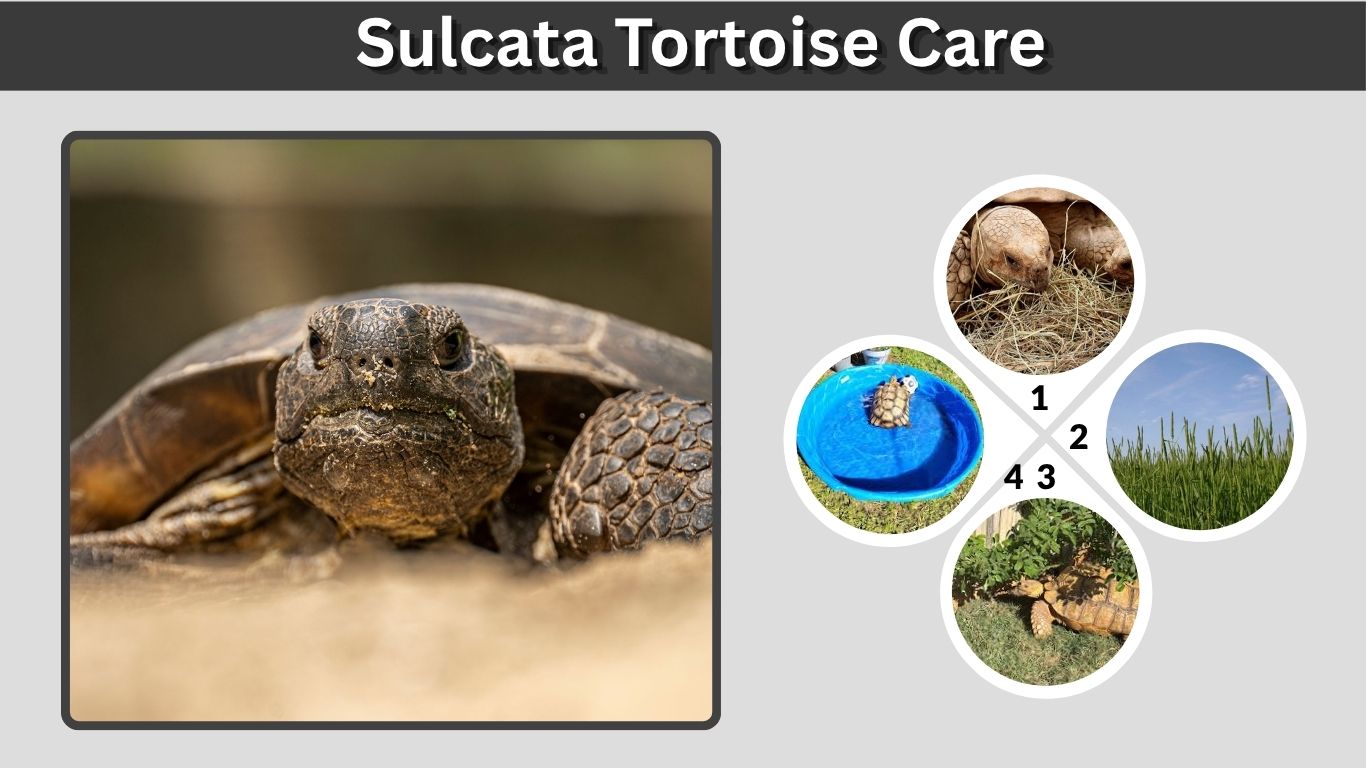
Sulcata tortoise care is very different from caring for a small indoor reptile. Also called the African spurred tortoise, this species grows large, lives for decades, and needs warm temperatures, UVB, space, grazing food, and regular health checks. A baby sulcata may look easy to manage, but an adult needs serious outdoor space and long-term planning. This care guide explains feeding, housing, winter care, shell care, and common beginner mistakes.
Sulcata Tortoise Care Requirements
A sulcata tortoise is not a low-maintenance pet. Adults can become very large and heavy, and responsible keepers need a plan for long-term housing, food, veterinary care, and possible future rehoming. WWF notes that sulcatas are long-lived and their needs often grow beyond what many owners expect.
| Care Need | Basic Requirement |
| Diet | Mostly grasses and hay |
| Housing | Large, secure enclosure |
| Heat | Warm daytime area with cooler retreat |
| Lighting | Natural sunlight or UVB indoors |
| Water | Fresh water and soaking for young tortoises |
| Vet care | Reptile/exotics vet checkups |
Sulcata Tortoise Diet and Feeding
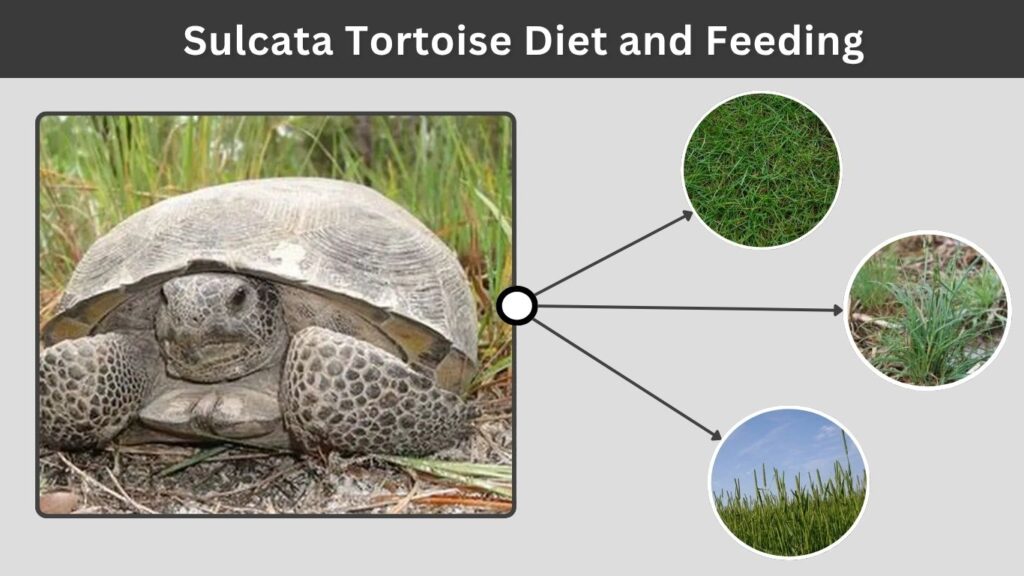
Sulcatas are grazing tortoises, so their diet should be high in fiber and low in protein. Grasses and hays should make up most of the diet, while leafy greens and safe weeds can be used as a variety. Arizona Exotic Animal Hospital says sulcatas should eat more than 75% fresh grasses and hays, and older sulcatas should have timothy hay available.
Best Foods for Sulcata Tortoises
Good foods include:
- Bermuda grass
- Timothy hay
- Orchard grass
- Dandelion greens
- Hibiscus leaves and flowers
- Mulberry leaves
- Cactus pads with spines removed
- Clover in small amounts
- Safe pesticide-free weeds
Avoid feeding too much fruit, dog food, cat food, beans, meat, or high-protein foods. Too much protein and poor calcium/UVB support can contribute to metabolic bone disease, shell deformity, and weak bones. VCA explains that metabolic bone disease in tortoises is linked with poor diet, calcium-phosphorus imbalance, and lack of proper UV light.
Baby Sulcata Tortoise Feeding
Baby and hatchling sulcatas should eat daily. Offer finely chopped grasses, safe weeds, and leafy greens. Many keepers also use calcium powder, but the amount should match the tortoise’s age, diet, and UVB exposure. A reptile vet can help set the right supplement schedule.
Sulcata Tortoise Housing and Outdoor Care
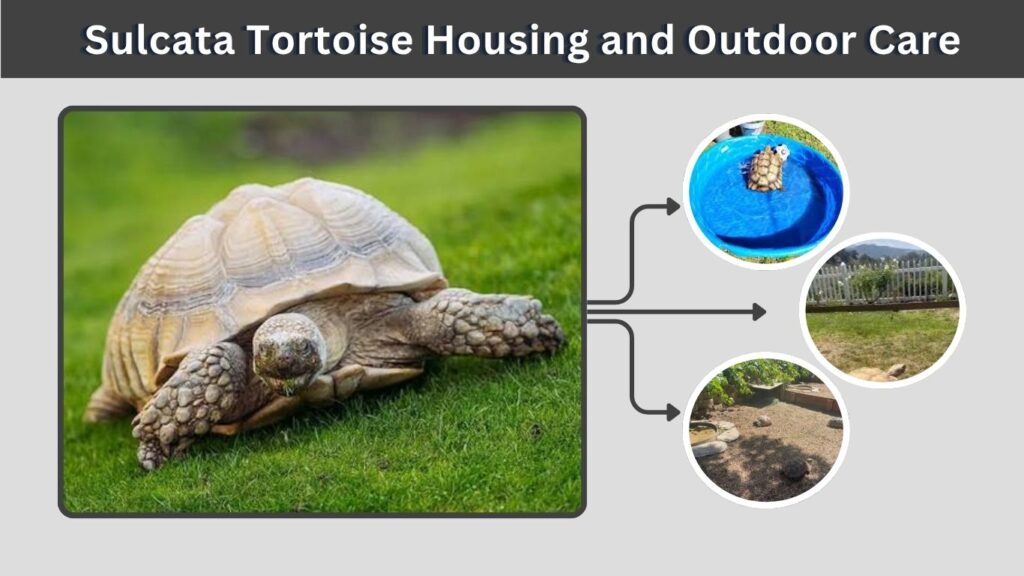
Sulcata tortoises do best with secure outdoor space once they are large enough and the climate is warm enough. They need room to walk, graze, dig, and thermoregulate. Outdoor enclosures should have strong fencing because sulcatas are powerful diggers and can push through weak barriers.
Outdoor Enclosure Checklist
A good outdoor sulcata setup should include:
- Strong walls or fencing
- A shaded retreat
- A dry heated shelter
- Safe grasses for grazing
- No pesticides or toxic plants
- Fresh water access
- Protection from dogs and predators
- A barrier below ground to reduce digging escapes
Zoo Med notes that sulcatas do best outdoors when temperatures do not fall below 50°F, and adult indoor housing requires a very large space.
Sulcata Tortoise Temperature, Lighting and Humidity
Sulcatas need a warm environment with a temperature gradient. A gradient means the tortoise can move between warmer and cooler areas. MedVet recommends daytime outdoor temperatures around 85–105°F during much of the year, with nighttime temperatures dropping into the 70s°F in the enclosure.
| Setup Area | General Care Goal |
| Warm side | Warm enough for digestion and activity |
| Cool side | Safe retreat from heat |
| Basking area | Strong warmth under a heat source |
| Night shelter | Warm, dry, and protected |
| Indoor setup | UVB light plus heat gradient |
UVB Lighting
UVB helps tortoises use calcium properly. Outdoor sunlight is best when temperatures are safe. Indoor sulcatas need proper reptile UVB lighting, and bulbs must be replaced as recommended because UVB output weakens over time even if the bulb still shines.
Humidity for Baby Sulcatas
Baby sulcatas should not be kept cold and dry. Young sulcatas are sensitive to poor heat and humidity, especially in open tortoise tables where conditions are hard to control. ReptiFiles notes that young sulcatas are particularly sensitive to being too cold or too dry.
Sulcata Tortoise Winter Care
Winter care is one of the most important parts of sulcata tortoise care. Sulcatas are not cold-weather tortoises. If the weather becomes cold, wet, or windy, they need a heated dry shelter. Do not leave a sulcata outside in cold rain.
In colder regions, outdoor sulcatas need an insulated house with safe heat. Heat lamps should be protected so the tortoise cannot touch them. Use thermometers to check the warm side, cool side, and nighttime shelter temperature.
Shell Care and Pyramiding
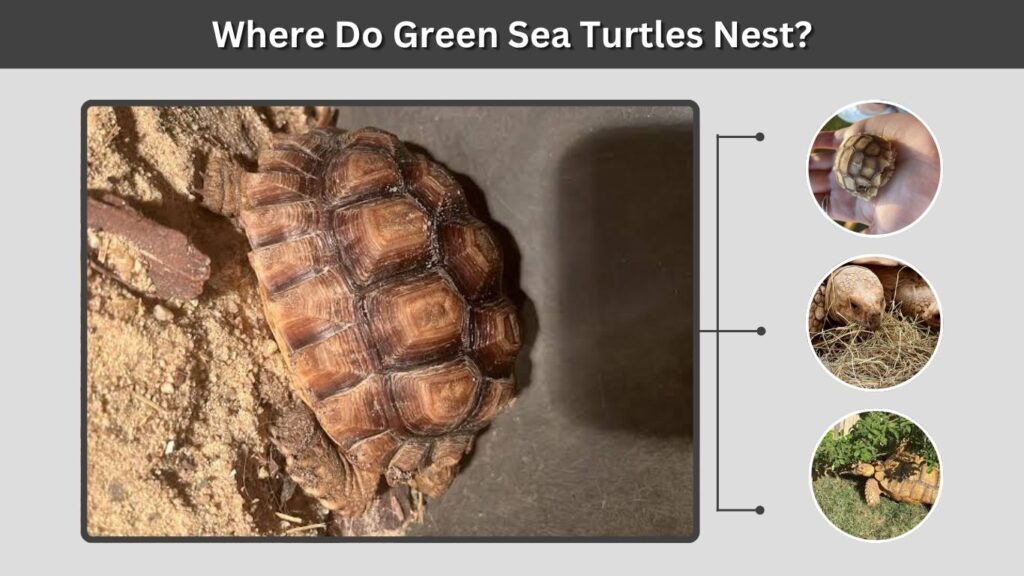
A healthy sulcata shell should be firm, clean, and free from soft spots, cracks, bad odor, or discharge. Shell pyramiding is raised, bumpy shell growth. It is often linked with poor humidity, incorrect diet, dehydration, lack of exercise, or poor UVB and calcium balance.
Healthy Shell Care Tips
- Provide UVB or safe sunlight
- Feed mostly grasses and hay
- Avoid high-protein foods
- Keep water available
- Give babies proper humidity
- Avoid slippery flooring
- Check for cracks, wounds, or soft areas
Any shell injury, bleeding, soft shell, swelling, or foul smell should be checked by a reptile veterinarian.
Sulcata Tortoise Vet Care
Sulcatas should see an exotics or reptile vet, especially after purchase, during illness, or if appetite changes. Warning signs include swollen eyes, runny nose, wheezing, weight loss, soft shell, diarrhea, refusing food, mouth bubbles, or staying inactive for long periods.
Respiratory issues in reptiles are often connected with temperatures that are too low, according to Arizona Exotic Animal Hospital.
Are Sulcata Tortoises Easy to Take Care Of?
Sulcatas are hardy when kept correctly, but they are not easy pets for most beginners. The biggest challenge is not the baby stage; it is the adult stage. A small hatchling may fit in a tub, but a grown sulcata needs outdoor space, strong fencing, heated winter housing, large amounts of grass and hay, and lifelong care.
They are best for keepers who have space, money, time, and access to a reptile vet.
Common Sulcata Tortoise Care Mistakes
Many health problems come from simple care mistakes. The most common mistakes are feeding too much fruit, using no UVB indoors, keeping the tortoise too cold, using weak fencing, letting babies dry out, and buying a baby without planning for adult size.
Other mistakes include using sand as the main indoor substrate, keeping the enclosure damp and cold, allowing dogs near the tortoise, and assuming a sulcata can hibernate.
FAQs
How do you take care of a sulcata tortoise?
Give it a large secure enclosure, warm temperatures, UVB or natural sunlight, fresh water, and a high-fiber diet based mostly on grasses and hay. Adults usually need outdoor space and a heated shelter in cool weather.
What should a baby sulcata tortoise eat?
A baby sulcata should eat chopped grasses, safe weeds, hay, and leafy greens. Avoid fruit-heavy diets and high-protein foods. Calcium may be used, but the schedule should match UVB exposure and vet advice.
Do sulcata tortoises need water?
Yes. Sulcatas need fresh drinking water. Babies also benefit from regular shallow soaking because dehydration can quickly affect young tortoises.
Can sulcata tortoises live indoors?
Hatchlings and juveniles can be kept indoors temporarily with proper heat, UVB, and humidity. Adults are usually too large for normal indoor enclosures and need a large outdoor area with shelter.
Are sulcata tortoises hard to care for?
Yes, they can be hard to care for because they grow large, live a long time, dig, need warm housing, and require a grass-based diet. They are better for prepared owners than casual beginners.