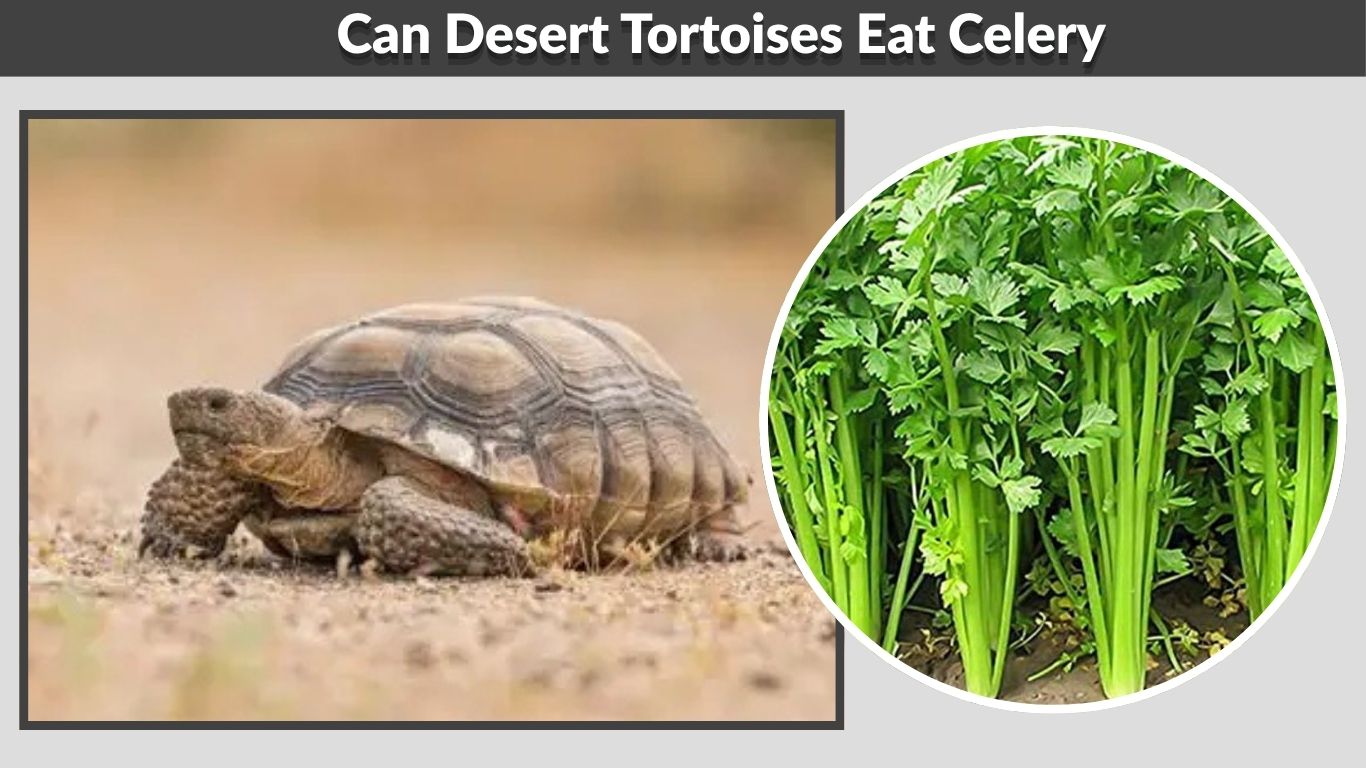
Desert tortoises can eat a small amount of celery, but it should not be a regular or important part of their diet. Celery is mostly water and does not provide the high fiber, calcium, and rough plant material that desert tortoises need for long-term health. A tiny piece once in a while is unlikely to harm a healthy tortoise, but better foods include grasses, weeds, flowers, cactus pads, and suitable leafy greens.
Is Celery Safe for Desert Tortoises?
Celery is not usually considered toxic to desert tortoises. The problem is that it is not very nutritious for them. Desert tortoises are grazing reptiles that naturally eat tough desert plants, grasses, flowers, and weeds. Their bodies are adapted to a high-fiber, low-sugar, plant-based diet.
Celery is soft, watery, and low in the nutrients that matter most for shell and bone health. If a desert tortoise eats too much celery, it may fill up on a poor-quality food instead of eating better plants. Over time, a diet based too much on watery vegetables can contribute to poor nutrition.
The Simple Answer
A desert tortoise can have celery only as an occasional treat. It should be chopped into small pieces and mixed with better greens. Celery should never replace the main diet.
A good rule is to treat celery as a rare extra, not a staple. If you are feeding your tortoise correctly, celery should make up only a very small part of the food bowl.
Can Desert Tortoises Eat Celery Leaves?
Celery leaves are usually better than the stalk because they contain more plant material and flavor. However, celery leaves are still not an ideal daily food for desert tortoises. They can be offered in very small amounts if the celery is fresh, clean, and pesticide-free.
The leaves should be washed well before feeding. Avoid celery leaves from plants treated with chemicals, pesticides, or sprays. Even small amounts of chemical residue may be harmful to reptiles.
Celery Stalks vs Celery Leaves
Celery stalks are crunchy and watery. Celery leaves are softer and more leafy, but they are still not as useful as dandelion greens, mulberry leaves, grape leaves, hibiscus leaves, grasses, or safe weeds.
If you offer celery, the leaves are usually the better part to choose. Still, feed them rarely and in small amounts.
Why Celery Is Not a Good Staple Food
A desert tortoise needs food that supports slow growth, strong bones, healthy digestion, and a smooth shell. Celery does not do this well because it is mostly water and low in fiber compared with natural grazing foods.
Desert tortoise diet guides generally emphasize grasses, edible weeds, flowers, and other high-fiber plants. The San Diego Turtle and Tortoise Society recommends a varied plant diet that is high in fiber and calcium, low in phosphorus, and pesticide-free, with focus on grasses, edible weeds, flowers, and spineless cacti.
Main Problems With Too Much Celery
Too much celery can be a problem because it may:
- Fill the stomach without enough nutrition
- Reduce appetite for better foods
- Add too much watery produce to the diet
- Contribute to loose stools in some tortoises
- Create a poor calcium-to-phosphorus balance if used often
- Encourage picky eating
The issue is not one bite of celery. The issue is relying on celery as a regular food.
What Should Desert Tortoises Eat Instead?
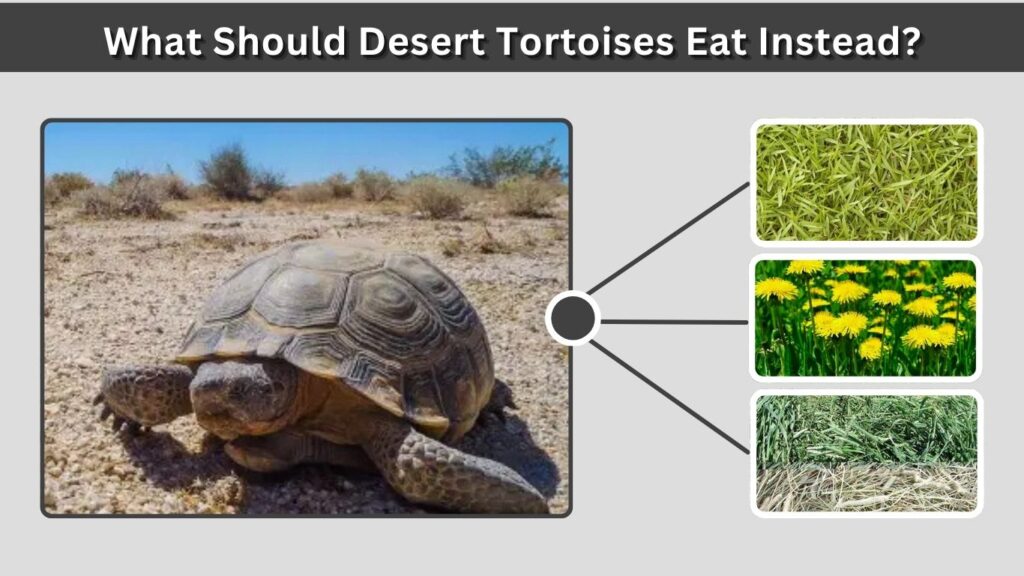
The best desert tortoise diet should look more like what they would eat in nature. Captive desert tortoises do best when they can graze on safe grasses and weeds. Fresh, pesticide-free plants are usually better than grocery-store vegetables.
The Arizona-Sonora Desert Museum notes that produce is generally less nutritious than other recommended foods and should only be fed when other foods are unavailable or as an occasional supplement. It lists better foods such as Bermuda grass, dichondra, nasturtium, alfalfa, petunias, clover, grape leaves, mulberry leaves, hibiscus flowers and leaves, rose petals, and hay.
Better Daily Foods
Better food choices for desert tortoises include:
- Bermuda grass
- Timothy hay
- Orchard grass hay
- Native grasses
- Dandelion greens
- Mulberry leaves
- Grape leaves
- Hibiscus leaves and flowers
- Rose petals
- Spineless cactus pads
- Safe edible weeds
- Endive
- Collard greens
- Turnip greens
- Mustard greens
Leafy grocery greens can help when natural weeds and grasses are not available, but they should still be used as part of a varied plan.
Can California Desert Tortoises Eat Celery?
California desert tortoises have the same general diet needs as other desert tortoises. They should eat mostly high-fiber, calcium-friendly plants, not watery vegetables. A tiny piece of celery is not likely to be dangerous, but it is not a recommended staple.
California desert tortoises are protected animals, and their care should be taken seriously. Captive tortoises should not be released into the wild because they may spread disease or fail to survive. Diet mistakes can also affect shell growth, kidney health, and long-term strength.
Better Choices for California Desert Tortoises
For California desert tortoises, focus on safe grazing plants, grasses, weeds, and flowers. If using store-bought food, choose leafy greens that are higher in useful nutrients than celery. Rotate foods instead of feeding the same vegetable every day.
Can Desert Box Turtles Eat Celery?
Desert box turtles are not the same as desert tortoises. They have different dietary needs and may eat a more varied diet, including some animal protein, depending on species and age. However, celery is still not a highly nutritious food for them.
A desert box turtle may be able to eat small pieces of celery occasionally, but it should not be a major food. Box turtle care should be based on species-specific guidance, not desert tortoise feeding rules.
Tortoise vs Turtle Diet Difference
Desert tortoises are mainly herbivorous grazers. Box turtles are often more omnivorous. This means they may need different foods. Mixing up these animals can lead to poor diet choices.
If you are caring for a box turtle, check a box turtle diet guide or ask a reptile veterinarian.
How Much Celery Can a Desert Tortoise Eat?
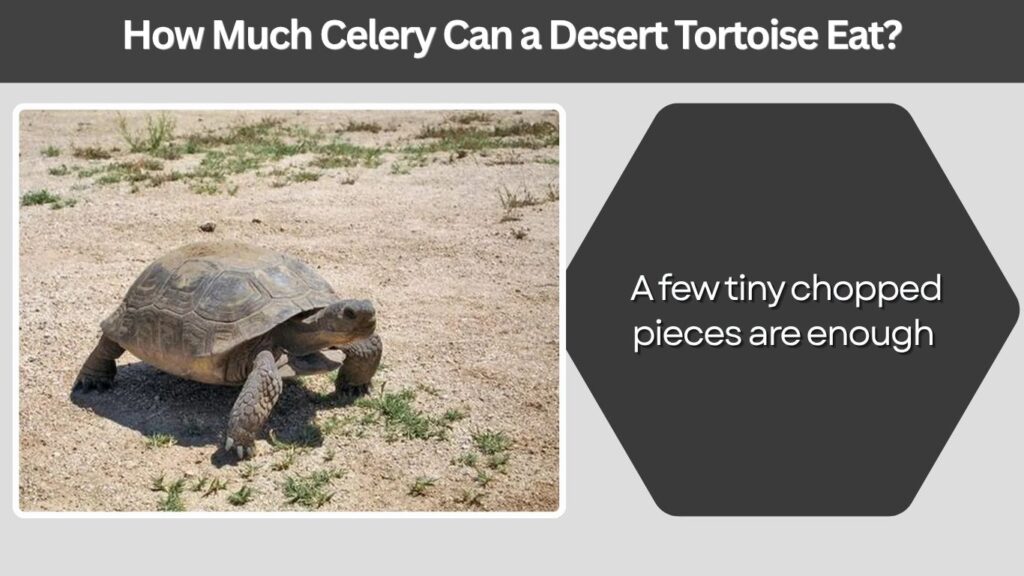
If you decide to offer celery, keep the amount very small. For a small tortoise, a few tiny chopped pieces are enough. For a larger tortoise, a small slice mixed into a larger pile of greens is plenty.
Celery should not be offered daily. Once in a while is enough, and many keepers avoid it completely because there are better options.
Safe Serving Tips
To serve celery safely:
- Wash it thoroughly.
- Use pesticide-free celery when possible.
- Remove tough stringy fibers.
- Chop it into tiny pieces.
- Mix it with better greens.
- Feed only a small amount.
- Do not add salt, oil, seasoning, or dressing.
Never feed cooked celery from soups, sauces, or human meals. These may contain salt, onion, garlic, butter, or spices that are not safe for tortoises.
Can Baby Desert Tortoises Eat Celery?
Baby desert tortoises should not be given celery as a regular food. Young tortoises need excellent nutrition for shell and bone development. They should eat safe, high-fiber, calcium-rich plants that support slow, steady growth.
A poor diet during early growth can contribute to shell problems and long-term health issues. Celery is too watery and low in key nutrients to be useful for baby tortoises.
Better Foods for Young Tortoises
Baby desert tortoises should be offered finely chopped safe greens, weeds, grasses, and flowers. Food should be fresh, clean, and easy to bite. Calcium, UVB exposure, hydration, and proper temperature are also important.
What Happens If a Desert Tortoise Eats Too Much Celery?
One large feeding of celery may cause digestive upset in some tortoises, especially if they are not used to watery vegetables. You may notice softer stool, reduced appetite for better foods, or more water in droppings.
Long-term overfeeding is a bigger concern. Diets too high in vegetables and fruits can be incomplete and unbalanced. A California Turtle and Tortoise Club diet handout warns that excessive vegetables and fruits may be high in protein, low in fiber, high in sugar, and have poor calcium-to-phosphorus balance, and that relying too much on them is linked with problems such as pyramiding, soft shells, bladder stones, kidney stones, and other health concerns.
Signs of a Poor Diet
Watch for warning signs such as:
- Soft or uneven shell growth
- Pyramiding
- Low appetite
- Loose stool
- Weakness
- Swollen eyes
- Weight loss
- Overgrown beak
- Lethargy
- Frequent illness
If you notice these signs, contact a reptile veterinarian. Diet problems are easier to fix early than after serious damage occurs.
Foods to Avoid With Desert Tortoises
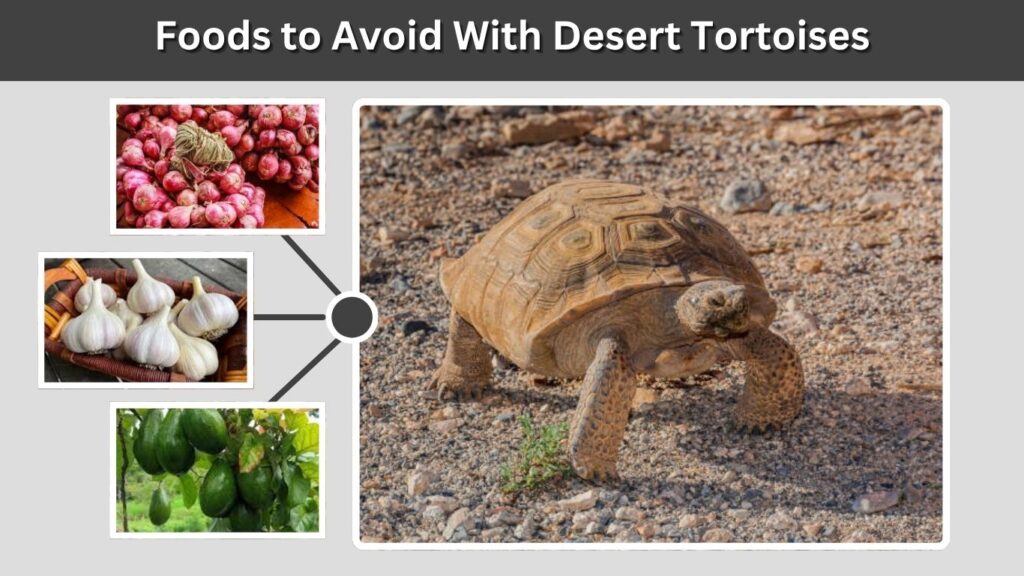
Some foods should not be fed to desert tortoises. Others should be limited because they are too sugary, too watery, too starchy, or too high in compounds that can interfere with minerals.
Avoid These Foods
Do not feed desert tortoises:
- Onion
- Garlic
- Avocado
- Rhubarb leaves
- Dog food
- Cat food
- Meat
- Dairy products
- Bread
- Pasta
- Rice
- Candy
- Processed human foods
- Salty canned vegetables
- Pickled foods
- Seasoned cooked meals
Animal protein is especially inappropriate for desert tortoises. They are built for plant-based grazing, not meat or pet food.
Why Fiber and Calcium Matter More Than Treats
A healthy desert tortoise diet should support the shell, bones, gut, kidneys, and natural grazing behavior. Fiber keeps digestion working properly. Calcium supports the shell and skeleton. UVB light helps the body use calcium correctly.
Celery does not provide enough of these benefits to deserve a major place in the diet. It may be safe as a rare nibble, but it is not a meaningful health food for desert tortoises.
The Best Feeding Mindset
Think of celery like a low-value snack. It is not poison, but it is not important. Your tortoise will do better with natural grazing plants and carefully chosen leafy greens.
A strong diet should be:
- High in fiber
- Rich in calcium
- Low in sugar
- Low in starch
- Pesticide-free
- Varied
- Species-appropriate
FAQs
Can desert tortoises eat celery every day?
No, desert tortoises should not eat celery every day. Celery is too watery and low in important nutrients to be a staple food. It can fill the tortoise without providing enough fiber or calcium. Better daily foods include grasses, safe weeds, flowers, cactus pads, and suitable leafy greens.
Can desert tortoises eat celery leaves?
Yes, desert tortoises can eat small amounts of celery leaves occasionally. The leaves are usually better than the stalk, but they are still not ideal as a regular food. Wash them well, use pesticide-free leaves when possible, and mix only a little with better greens.
Is celery poisonous to desert tortoises?
Celery is not generally considered poisonous to desert tortoises. The concern is poor nutrition, not toxicity. Too much celery can replace healthier foods and may cause digestive upset. It should be treated as a rare extra rather than a normal part of the diet.
Can California desert tortoises eat celery?
California desert tortoises can eat a tiny amount of celery occasionally, but it is not a recommended staple. Their diet should focus on grasses, weeds, flowers, cactus pads, and safe leafy greens. Because they are protected animals, proper care and species-appropriate feeding are very important.
What should I feed instead of celery?
Better choices include Bermuda grass, timothy hay, orchard grass hay, dandelion greens, mulberry leaves, grape leaves, hibiscus leaves and flowers, rose petals, spineless cactus pads, endive, collard greens, turnip greens, and mustard greens. These foods better match a desert tortoise’s need for fiber and calcium.