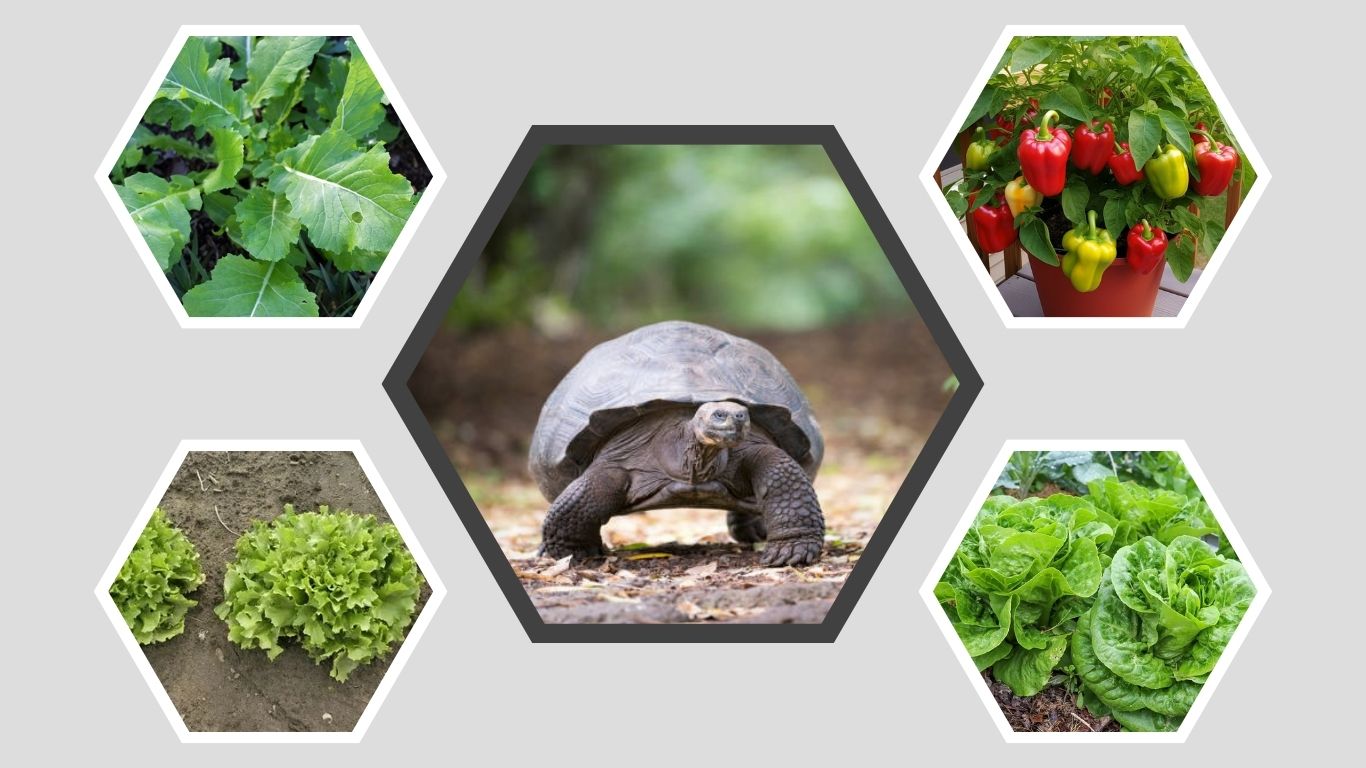
Tortoises can eat many vegetables, but not every vegetable is suitable for daily feeding. Most pet tortoises need a high-fiber, calcium-rich, low-sugar diet built around grasses, weeds, flowers, and leafy greens. Vegetables can be useful, but they should be chosen carefully and offered in the right amounts. The best diet also depends on the tortoise species, age, health, and natural feeding habits.
Understanding a Tortoise’s Natural Diet
Most commonly kept tortoises are herbivores. In the wild, many graze on grasses, weeds, leaves, flowers, and rough plant material. Their digestive system is built for fiber, not soft, sugary, or high-protein foods.
This is why a tortoise diet should not be built around fruit, commercial human foods, or watery vegetables alone. Some species, such as sulcata and leopard tortoises, need a grass-heavy diet. Mediterranean species, such as Greek, Hermann’s, and Russian tortoises, usually do well with a variety of weeds, leafy greens, and flowers.
Veterinary nutrition guidance notes that leafy greens and vegetables can supplement a formulated tortoise diet, with examples such as romaine, green leaf lettuce, endive, kale, broccoli, green beans, and shredded carrots.
General Feeding Rules for Vegetables
Vegetables should be fresh, washed, pesticide-free, and chopped into pieces your tortoise can eat safely. A varied mix is better than feeding one vegetable every day. Rotation helps reduce the risk of too much of one compound, such as oxalates or goitrogens.
Basic Rules to Follow
Use these simple feeding rules:
- Make leafy greens the main vegetable portion.
- Offer colorful vegetables in smaller amounts.
- Avoid sugary fruits as daily food.
- Do not feed onions, garlic, avocado, rhubarb leaves, or processed foods.
- Provide calcium through proper diet, cuttlebone, or vet-approved supplements.
- Make sure your tortoise has UVB light or safe natural sunlight.
- Keep clean water available at all times.
Diet alone is not enough for shell health. Tortoises also need proper heat, hydration, UVB exposure, and calcium balance.
10 Common Vegetables Tortoises Can Eat
The following vegetables are common, easy to find, and generally useful in tortoise diets. Some are better as regular leafy greens, while others should be given only occasionally.
| Vegetable | Best Feeding Use | Notes |
|---|---|---|
| Romaine lettuce | Regular rotation | More nutritious than iceberg |
| Collard greens | Regular rotation | Good calcium-rich leafy green |
| Endive | Regular rotation | Useful leafy green with fiber |
| Mustard greens | Moderate rotation | Nutritious but should be varied |
| Turnip greens | Moderate rotation | Good leafy option |
| Kale | Occasional/moderate | Nutritious but do not overfeed |
| Carrot | Occasional | Grate or chop finely |
| Squash | Occasional/moderate | Good variety food |
| Bell pepper | Occasional | Colorful, hydrating treat |
| Green beans | Occasional/moderate | Can be part of a mixed plate |
1. Romaine Lettuce
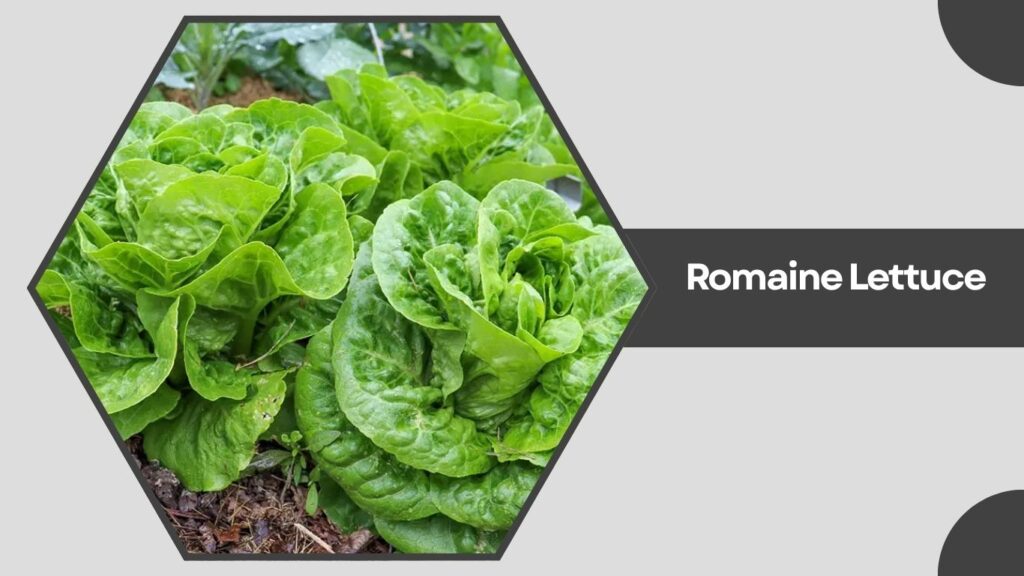
Romaine lettuce is a common vegetable that many tortoises enjoy. It contains more nutrition than iceberg lettuce and can help add moisture to the diet. It is not the richest leafy green, but it can be useful when mixed with stronger greens.
Romaine should not be the only vegetable your tortoise eats. A diet based only on lettuce may be too low in fiber and minerals. Use it as part of a larger mix with collard greens, endive, weeds, flowers, and other safe plants.
How to Serve It
Wash romaine well and chop it into manageable pieces. Mix it with higher-fiber greens so your tortoise does not become picky and eat only the soft lettuce.
2. Collard Greens
Collard greens are one of the better leafy vegetables for many tortoises. They contain useful minerals and are often valued because they provide calcium. Calcium is important for shell strength, bone health, and normal growth.
Collards can be used regularly in rotation, but they should still not be the only green. Like all vegetables, they are best as part of a varied diet.
How to Serve It
Remove tough stems if your tortoise struggles to bite them. Chop or tear the leaves and mix them with other greens. Young tortoises may need smaller pieces.
3. Endive
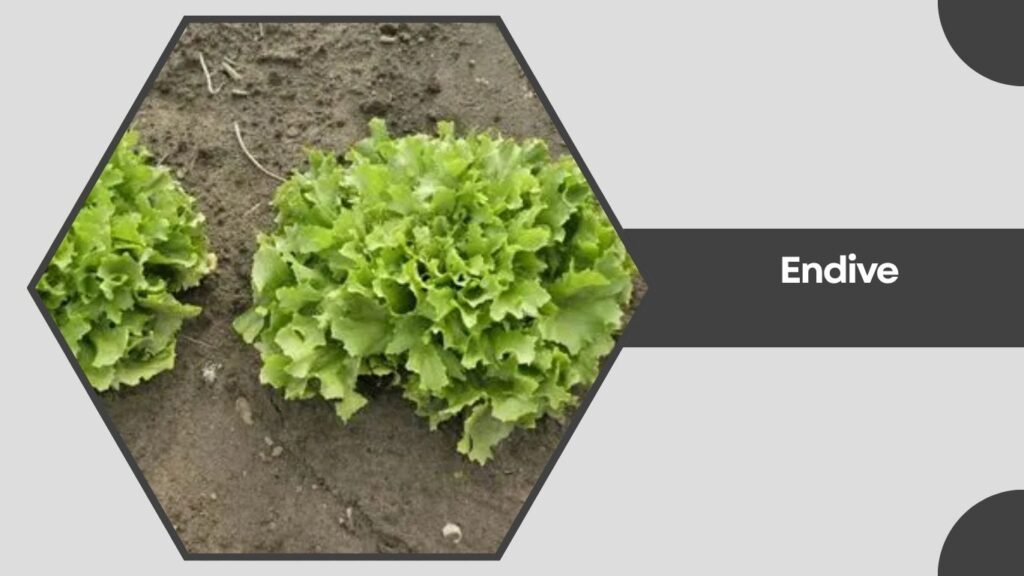
Endive is a good leafy vegetable for tortoises because it has a slightly tougher texture than watery lettuce and can add variety. Many tortoises accept it easily, and it works well in daily green mixes.
Endive is especially helpful for owners who need store-bought greens when safe weeds are not available. It should be rotated with other leafy foods rather than offered alone every day.
How to Serve It
Wash the leaves, chop them, and mix them with collard greens, romaine, turnip greens, or pesticide-free weeds. You can also combine it with a small amount of grated carrot or squash for variety.
4. Mustard Greens
Mustard greens are nutritious and often accepted by tortoises, but they should be fed in moderation as part of a varied rotation. They have a strong taste, so some tortoises love them while others avoid them.
Like many brassica-family greens, mustard greens should not dominate the diet. Too much of one type of green can create nutritional imbalance.
How to Serve It
Offer mustard greens mixed with milder greens. Chop them into strips and avoid feeding huge portions every day. Rotation is the safest approach.
5. Turnip Greens
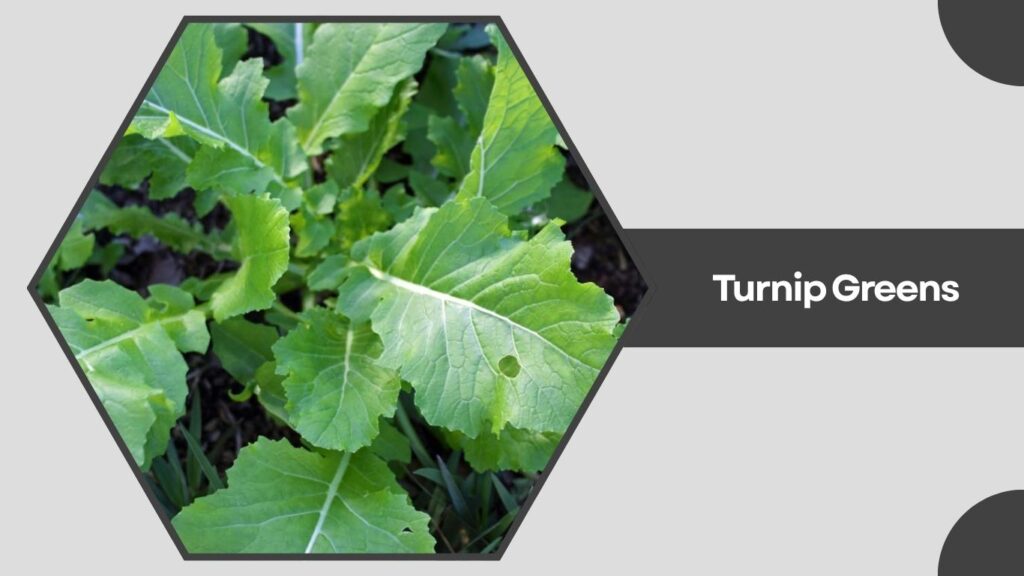
Turnip greens are another useful leafy vegetable for tortoises. They provide fiber and minerals and are usually better than feeding the turnip root itself. The leafy tops are more suitable than the starchy root.
Turnip greens can be slightly bitter, but many tortoises eat them well when mixed with other foods.
How to Serve It
Wash thoroughly and chop. Use the leaves more often than the root. Mix with romaine, endive, collards, or other safe greens.
6. Kale
Kale is often listed as a healthy green, but tortoise owners should use it carefully. It contains useful nutrients, yet it should not become the main food every day. Too much kale may contribute to dietary imbalance if it replaces more suitable high-fiber weeds and greens.
Some tortoise keepers use kale occasionally or in small amounts as part of a mixed feeding plan. This is usually safer than offering large portions daily.
How to Serve It
Use small chopped pieces mixed into a broader salad. Avoid making kale the main green every day. For species that need mostly grasses, kale should be only a small supplement.
7. Carrot
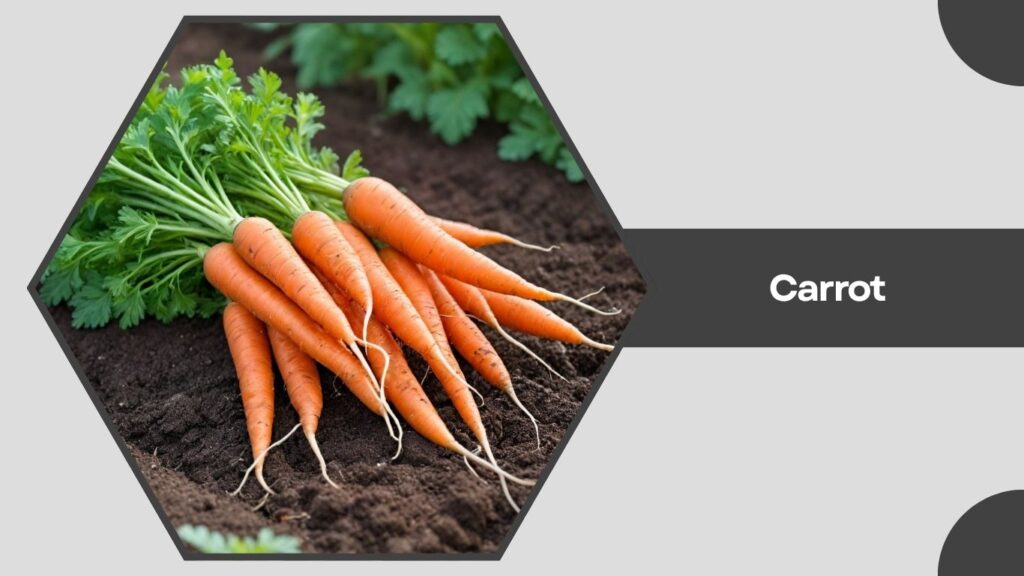
Carrot can be offered occasionally, but it should not be a daily staple. It contains natural sugars and more starch than leafy greens. The bright color and mild sweetness make it appealing, so some tortoises may start choosing carrot over better greens if it is offered too often.
Carrot can provide variety and beta-carotene, but moderation is important.
How to Serve It
Grate carrot finely or chop it into very small pieces. Mix a small amount into leafy greens. Do not feed large chunks that may be difficult to bite.
8. Squash
Squash can be a useful occasional vegetable for tortoises. It is softer than leafy greens and adds variety to the diet. Different types, such as butternut squash, summer squash, or pumpkin, may be accepted by many tortoises.
Squash should not replace greens, weeds, or grasses, but it can be a helpful addition once or twice a week depending on the species and diet plan.
How to Serve It
Offer small grated or finely chopped pieces. Raw squash is often suitable when cut properly, though some owners lightly soften hard squash. Avoid seasoning, salt, butter, or oil.
9. Bell Pepper
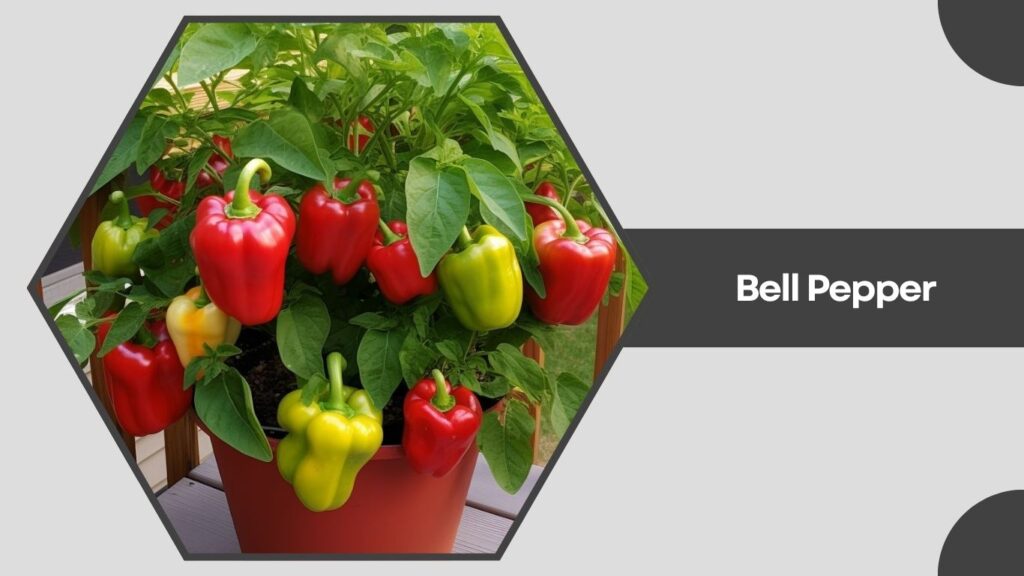
Bell pepper is colorful, hydrating, and safe as an occasional food for many tortoises. Red, yellow, orange, and green bell peppers can all be offered in small amounts. They are not a staple food, but they can encourage appetite and add variety.
Because bell peppers are softer and more watery than many greens, they should be treated as a side item rather than a main diet item.
How to Serve It
Remove seeds and stem. Chop into small pieces and mix with leafy greens. Do not feed spicy peppers or any seasoned pepper dishes.
10. Green Beans
Green beans can be included occasionally or moderately in a mixed diet. They provide texture and variety, and veterinary nutrition references include green beans as part of vegetable mixes used to supplement tortoise diets.
They should not be the main food, especially for grassland tortoises that need mostly grasses and hay. However, they can be useful in small amounts when building a varied plate.
How to Serve It
Wash and chop green beans into small pieces. Offer them raw or lightly steamed without salt, oil, butter, or seasoning. Mix them with leafy greens rather than feeding a large pile alone.
Vegetables to Avoid or Limit
Some vegetables are not suitable for tortoises, while others should be limited. The biggest mistake is feeding too many watery, sugary, or high-oxalate foods.
Avoid These Foods
Do not feed:
- Onion
- Garlic
- Avocado
- Rhubarb leaves
- Processed human food
- Pickled vegetables
- Canned vegetables with salt
- Spicy foods
- Moldy or spoiled produce
Iceberg lettuce is not toxic, but it is very watery and low in nutrition. It should not be used as a main food.
Limit These Foods
Some vegetables should be limited because they may be high in oxalates, starch, sugar, or other compounds that can become a problem if overfed.
Limit:
- Spinach
- Swiss chard
- Beet greens
- Cabbage
- Broccoli
- Cauliflower
- Sweet potato
- Peas
- Corn
- Tomato
A small amount of some of these may not harm every tortoise, but they are not ideal daily staples.
Species Differences Matter
Not all tortoises should eat the same vegetable-heavy diet. Sulcata and leopard tortoises are grazers, so grasses and hay should be a major part of their food. Mediterranean tortoises usually need weeds, flowers, and leafy greens. Tropical tortoise species may tolerate more fruit than desert or grassland species, but that does not mean fruit should be unlimited.
For sulcata tortoises, care references often emphasize a high-fiber, grass-heavy diet with leafy greens as a supplement rather than the main food. Leopard tortoises also need a diet based mainly on high-fiber grasses and dark leafy greens, while avoiding animal protein and high-oxalate vegetables.
When in doubt, identify your tortoise species first and ask a reptile veterinarian for a diet plan.
How Much Vegetable Should a Tortoise Eat?
The amount depends on the species, age, size, activity level, and whether the tortoise grazes outdoors. A small tortoise may only need a small handful of chopped greens, while a large tortoise may eat much more.
A simple feeding method is to offer a broad, shallow pile of greens roughly similar to the size of the tortoise’s shell, then adjust based on leftovers, weight, and health. However, this is only a general guideline. Outdoor grazers may need less prepared food if they already eat safe grass and weeds.
How to Prepare Vegetables Safely
Good preparation reduces the risk of choking, pesticide exposure, and digestive upset. Fresh vegetables are better than canned or seasoned foods.
Preparation Tips
Wash all vegetables thoroughly. Choose organic or pesticide-free produce when possible. Chop, tear, or grate food into pieces your tortoise can manage. Remove spoiled parts. Serve food at room temperature, not frozen or hot.
Avoid seasoning completely. Tortoises do not need salt, spices, oil, butter, sauces, or dressings. Their food should be plain and natural.
FAQs
Can tortoises eat vegetables every day?
Yes, many tortoises can eat safe leafy vegetables every day, but the diet should also include appropriate grasses, weeds, flowers, and calcium sources depending on the species. Vegetables should be varied, not limited to one item. Grassland species need more hay and grasses than soft vegetables.
What is the best vegetable for a tortoise?
There is no single best vegetable for every tortoise. Collard greens, endive, romaine, turnip greens, and other leafy greens are useful choices. The best diet is a varied mix that matches the species. Safe weeds and grasses are often even more important than grocery-store vegetables.
Can tortoises eat carrots?
Tortoises can eat carrots occasionally, but carrots should not be a daily staple. They contain natural sugars and more starch than leafy greens. Grated carrot can be mixed into greens in small amounts for variety, but it should not replace higher-fiber foods.
Can tortoises eat lettuce?
Tortoises can eat romaine and green leaf lettuce as part of a mixed diet. Iceberg lettuce should be avoided as a regular food because it is watery and low in nutrients. Lettuce is best combined with stronger greens, weeds, and other safe plants.
What vegetables are bad for tortoises?
Onion, garlic, avocado, rhubarb leaves, salty canned vegetables, pickled foods, and processed human foods should be avoided. Spinach, Swiss chard, beet greens, cabbage, broccoli, peas, corn, and sweet potato should be limited or used carefully because they may cause imbalance if overfed.