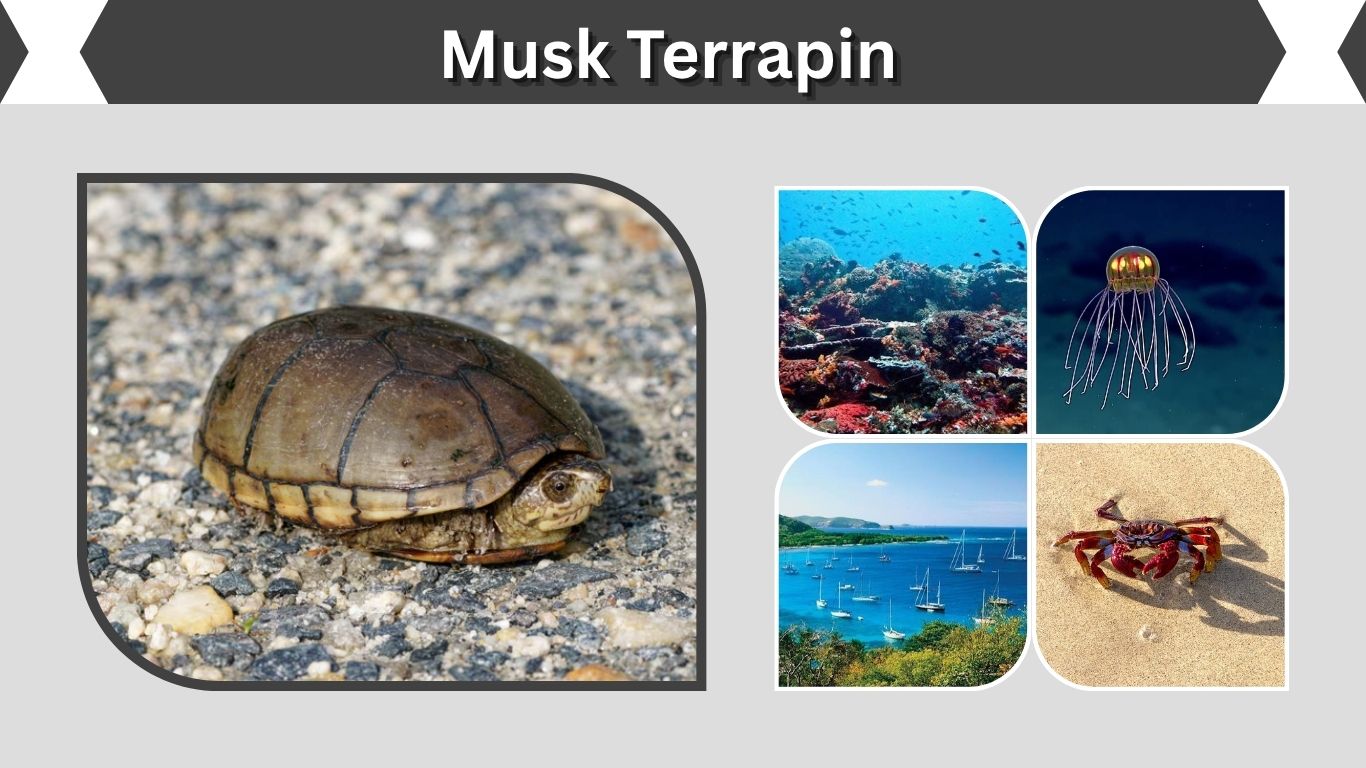
A musk terrapin is a small aquatic turtle often searched for by beginner turtle keepers. The name usually refers to the common musk turtle, also called the stinkpot, but it may also be used for other musk turtle species such as the razorback musk turtle. This guide explains what a musk terrapin is, whether musk turtles are terrapins, how big they get, what they eat, and what care they need.
What Is a Musk Terrapin?
A musk terrapin is a small aquatic turtle from the musk turtle group. In many pet-care searches, the term refers to the common musk turtle, also known as the stinkpot turtle. Its scientific name is Sternotherus odoratus.
Musk turtles are known for their small size, bottom-walking behavior, pointed head, and musky smell when frightened. The “stinkpot” nickname comes from their ability to release a strong-smelling musk as a defense.
They are popular with turtle keepers because they stay smaller than many other aquatic turtles. However, small does not mean low-maintenance. Musk terrapins still need clean water, heating, filtration, UVB lighting, a safe basking area, and a long-term care plan.
Are Musk Turtles Terrapins?
In casual language, yes, musk turtles are often called terrapins. In stricter terms, they are freshwater aquatic turtles. The word “terrapin” is used differently depending on region.
In the UK and some pet-care discussions, “terrapin” is commonly used for small aquatic pet turtles. In North America, “terrapin” may more specifically bring to mind the diamondback terrapin. This is why people often search for “musk turtle terrapin” or “is a musk turtle a terrapin.”
The safest answer is: a musk turtle may be called a musk terrapin in everyday language, but its care should be based on the exact musk turtle species, not on general terrapin advice.
Common Musk Terrapin
The common musk terrapin, or common musk turtle, is one of the most popular musk turtles kept as a pet. It is small, active, and interesting to watch. It usually has a dark brown or black shell, a small lower shell, and pale stripes on the head.
Unlike some aquatic turtles that spend long periods basking in full view, musk turtles are often shy and spend much of their time walking along the bottom of the tank. They can swim, but many prefer climbing, walking, and exploring underwater surfaces.
This species is often recommended for keepers who want a smaller aquatic turtle, but it still requires a proper setup. A bowl, tiny tank, or unfiltered container is not suitable.
Razorback Musk Terrapin
The razorback musk terrapin usually refers to the razorback musk turtle, Sternotherus carinatus. It gets its name from the raised ridge, or keel, along the center of the shell. This gives the shell a high, sharp-looking shape compared with the smoother common musk turtle.
Razorback musk turtles are also aquatic and relatively small, though they can be slightly larger than common musk turtles. They are usually active, curious, and appealing to keepers who enjoy watching natural underwater behavior.
Their care is similar in many ways to common musk turtles, but they still need species-specific research. Do not assume all musk turtles have identical size, temperament, or enclosure needs.
Musk Terrapin Size
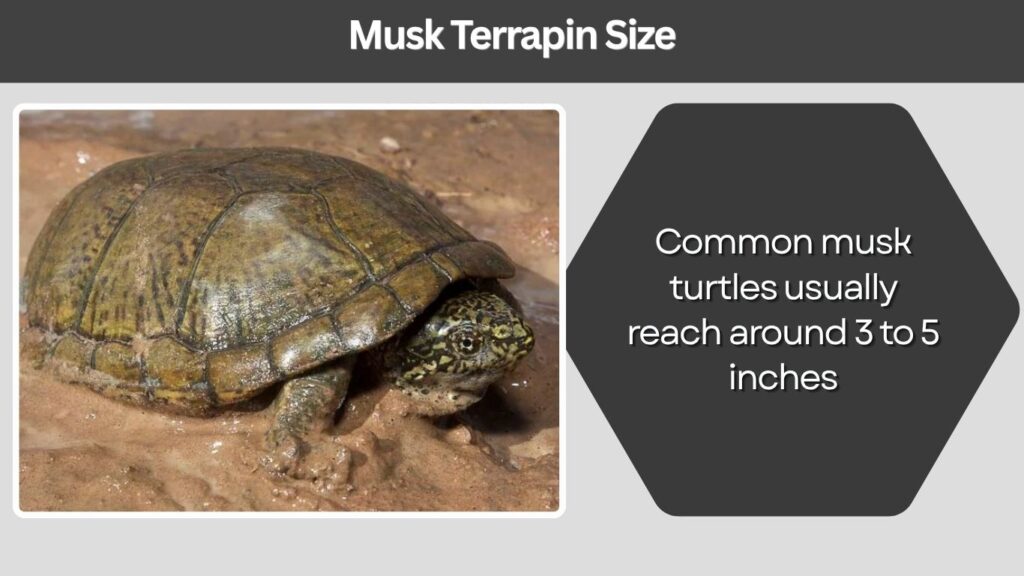
Musk terrapins are popular partly because they stay smaller than red-eared sliders and many other aquatic turtles. Common musk turtles usually reach around 3 to 5 inches in shell length as adults. Razorback musk turtles may reach around 5 to 6 inches.
This smaller size makes them more manageable, but they still need swimming space and clean water. A small turtle in dirty water can become sick quickly. Tank floor space is especially important because musk turtles often walk along the bottom rather than constantly swimming in open water.
A good enclosure should allow the turtle to move, climb, hide, surface for air, and bask safely.
Difference Between Musk Turtle and Terrapin
The difference between a musk turtle and a terrapin mainly depends on how the word “terrapin” is being used.
A musk turtle is a specific type of turtle belonging to musk turtle species such as the common musk turtle or razorback musk turtle. A terrapin is a broader common name. It may refer to different aquatic or semi-aquatic turtles depending on location.
| Feature | Musk Turtle / Musk Terrapin | Diamondback / Maryland Terrapin |
| Common habitat | Freshwater streams, ponds, wetlands | Brackish coastal marshes |
| Typical adult size | Small, often 3–6 inches | Medium-sized, females larger |
| Water type | Freshwater | Brackish water |
| Common pet status | Common in reptile keeping | More specialized |
| Beginner suitability | Manageable with proper setup | Better for experienced keepers |
| Common confusion | Called terrapin in pet searches | Often called “true terrapin” in the US |
This distinction is important because a musk turtle should not be cared for like a diamondback terrapin. They have different natural habitats and different enclosure needs.
Musk Turtle Versus Maryland Terrapin
A Maryland terrapin usually means the diamondback terrapin, which is strongly associated with Maryland and is the state reptile. It is not the same animal as a musk turtle.
A musk turtle is a small freshwater turtle. A Maryland or diamondback terrapin is a brackish-water species found in coastal marshes. Diamondback terrapins are usually more specialized to keep because they may need careful salinity management, depending on the individual and care approach.
A musk turtle is often a better choice for a keeper who wants a smaller freshwater aquatic turtle. A diamondback terrapin may appeal to experienced keepers who understand brackish water, diet, and water-quality management.
Musk Terrapin Care
Musk terrapin care focuses on clean water, safe access to air, proper temperature, good filtration, and a balanced diet. Although musk turtles are hardy, poor care can lead to shell problems, respiratory infections, stress, and poor growth.
Tank Setup
A musk terrapin needs an aquarium or indoor turtle setup with enough floor space. Because these turtles spend a lot of time near the bottom, a long tank is often better than a tall, narrow one.
The tank should include:
- Clean freshwater
- Strong filtration
- A heater if needed
- A basking platform
- UVB lighting
- Hiding areas
- Smooth rocks or driftwood for climbing
- Safe water depth with easy access to the surface
Musk turtles are not always graceful swimmers, especially young ones. Provide resting points so they can climb to breathe without struggling.
Water Depth
Musk terrapins can live in aquatic setups, but very deep water without climbing areas can be risky, especially for hatchlings. Young turtles should have shallower water with many resting points. Adults can handle deeper water if the tank is designed safely.
Use rocks, driftwood, plants, or ramps so the turtle can reach the surface easily. Avoid decorations that can trap the turtle underwater.
Filtration and Cleaning
Turtles produce more waste than fish, so filtration is essential. A strong filter helps keep the water cleaner, but it does not replace regular maintenance. Partial water changes are still needed.
Dirty water can cause odor, cloudy water, skin problems, and shell issues. Remove uneaten food and check the filter regularly.
Basking and UVB
Musk turtles may bask less often than sliders, but they still need access to a dry basking area and UVB lighting. UVB helps support calcium metabolism, shell health, and bone development.
The basking area should allow the turtle to climb fully out of the water. It should be warm, dry, and easy to access. If the turtle rarely uses it, check the temperature, ramp angle, and safety of the platform.
What Do Musk Terrapins Eat?
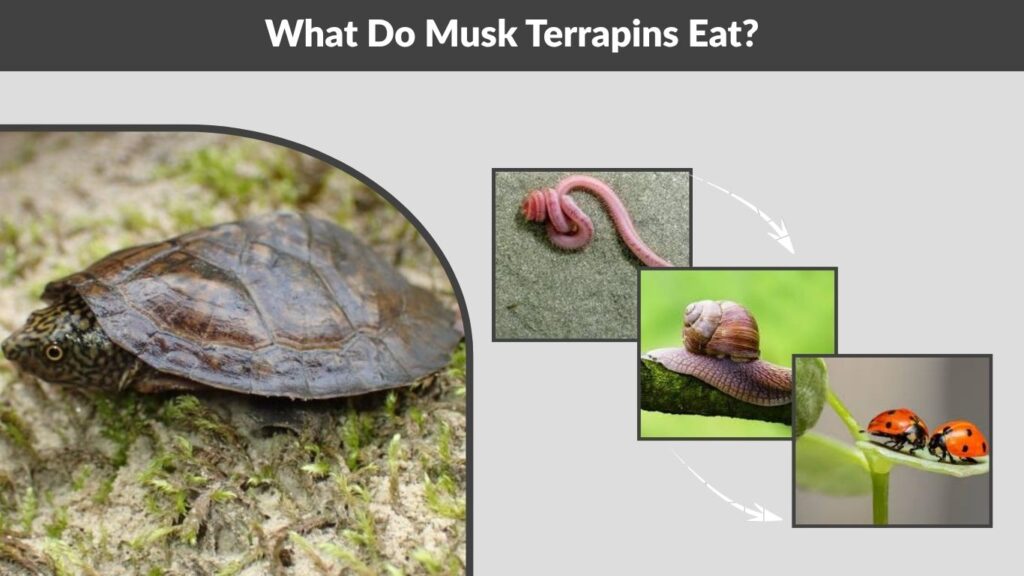
Musk terrapins are mostly carnivorous, especially compared with many adult sliders. In the wild, they eat aquatic insects, worms, snails, small fish, carrion, and other small aquatic prey. In captivity, they should receive a balanced diet rather than one favorite food.
A good captive diet may include:
- Quality aquatic turtle pellets
- Earthworms
- Bloodworms
- Snails
- Insects
- Small amounts of fish
- Occasional shrimp
- Calcium sources
- Limited plant matter if accepted
Avoid feeding only dried shrimp or only live fish. A narrow diet can lead to nutritional problems. Pellets are useful because they help provide vitamins and minerals, but variety is still important.
Young musk turtles may eat more frequently than adults. Adults usually do better with controlled portions to avoid obesity and water fouling.
Keeping Musk Terrapins Together
Keeping more than one musk terrapin together can be risky. Musk turtles may bite, bully, compete for food, or stress each other. Males can be especially territorial or persistent toward females.
A pair or group requires a larger enclosure, multiple hiding places, separate feeding attention, and close monitoring. Even turtles that seem peaceful at first may fight later.
For most beginners, keeping one musk terrapin alone is easier and safer. A single turtle does not become lonely in the same way social mammals do. It will often be healthier in a well-designed solo enclosure than in a crowded tank.
Handling and Temperament
Musk terrapins are best treated as watch-and-enjoy pets rather than handling pets. They can bite if frightened, and their small size can make them easy to drop or injure.
They may also release a musky odor when stressed. This is normal defensive behavior, not a sign that the turtle is dirty.
Handle only when necessary, such as during tank cleaning, health checks, or vet visits. Always support the turtle securely and wash your hands afterward.
Musk Terrapin Lifespan
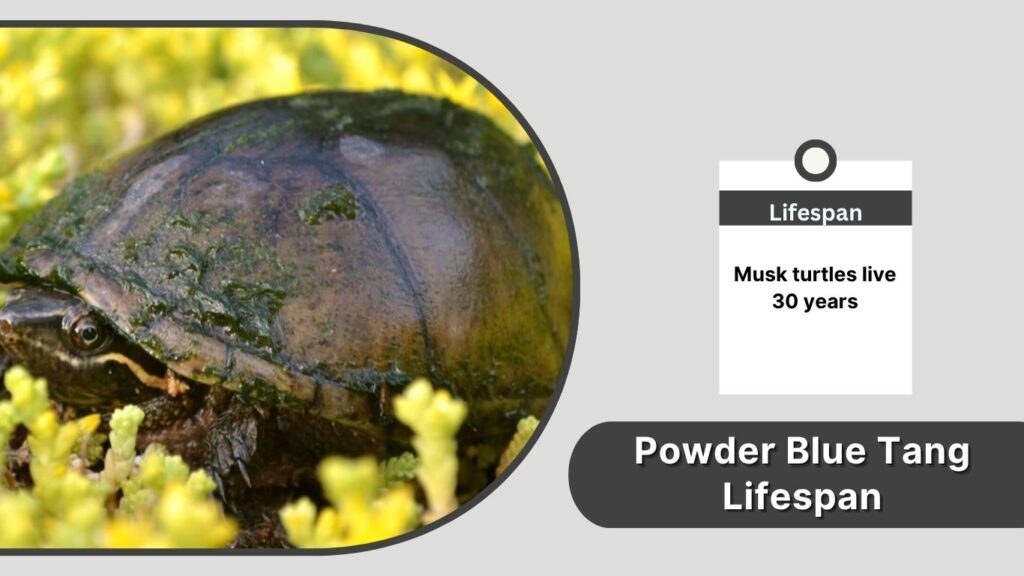
Musk terrapins can live for decades with proper care. Many common musk turtles live 30 years or more, and some may live longer. This long lifespan means buying or adopting one is a serious commitment.
Their long-term health depends on:
- Clean water
- Correct temperatures
- UVB lighting
- Balanced diet
- Enough space
- Low stress
- Safe handling
- Veterinary care when needed
A musk terrapin is not a short-term pet. Before getting one, make sure you can care for it through future moves, changing schedules, and long-term costs.
Musk Terrapin for Sale: What to Know Before Buying
People searching for “musk terrapin for sale” are often comparing prices or looking for hatchlings. Before buying, research local laws and choose a responsible source.
Look for captive-bred turtles from reputable breeders, rescues, or specialist reptile shops. Avoid wild-caught turtles where possible. Wild collection can harm local populations and may introduce parasites or stress-related illness.
Before buying, check:
- Is the turtle active and alert?
- Are the eyes clear?
- Is the shell firm and free from wounds?
- Is the turtle eating?
- Is the seller knowledgeable?
- Is the species clearly identified?
- Is the turtle legal to buy in your area?
- Do you already have the tank set up?
Never buy a turtle before preparing the enclosure. A proper setup should be ready before the animal comes home.
Common Musk Terrapin Health Problems
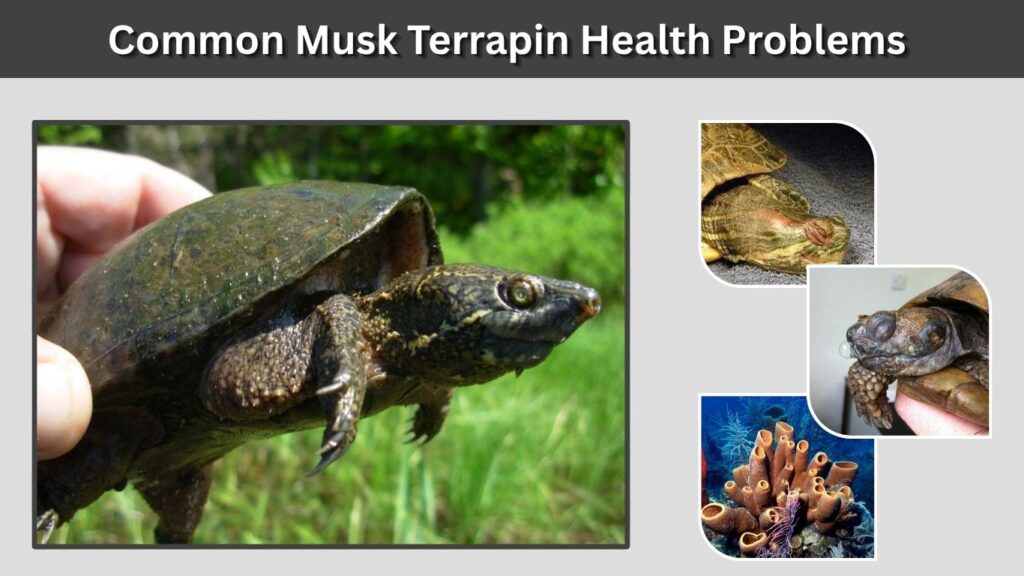
Musk terrapins can develop health problems when their environment is not right. The most common issues are linked to dirty water, poor diet, lack of UVB, or incorrect temperatures.
Watch for these signs:
- Swollen or closed eyes
- Wheezing or bubbles from the nose
- Floating unevenly
- Loss of appetite
- Soft shell
- Shell pits or foul smell
- Lethargy
- Open wounds
- Repeated escape attempts
- Unusual aggression or weakness
If you notice these symptoms, contact a reptile or exotic animal vet. Turtles often hide illness until it becomes serious.
Is a Musk Terrapin Good for Beginners?
A musk terrapin can be a good beginner turtle for someone who is prepared. Its small size makes housing easier than larger species, but it still needs proper equipment and consistent care.
It may be a good choice if you want a small aquatic turtle and are willing to maintain water quality. It is not a good choice if you want a pet to handle often, keep in a bowl, or care for with minimal cleaning.
A responsible keeper should be ready for daily observation, regular feeding, water maintenance, equipment costs, and decades of care.
FAQs
Are musk turtles terrapins?
Musk turtles are often called musk terrapins in casual pet-care language, especially where “terrapin” means a small aquatic turtle. Technically, they are freshwater turtles. Their care should be based on the exact musk turtle species, not on general terrapin advice.
How big does a musk terrapin get?
A common musk terrapin usually grows to about 3 to 5 inches in shell length. Razorback musk turtles can be slightly larger, often around 5 to 6 inches. They stay smaller than many popular aquatic turtles, but still need a proper filtered tank.
What do musk terrapins eat?
Musk terrapins eat mostly animal-based foods such as aquatic insects, worms, snails, small fish, and turtle pellets. In captivity, a varied diet with quality pellets and occasional protein foods is best. Feeding only dried shrimp or one food type can cause nutritional problems.
What is the difference between a musk turtle and a terrapin?
A musk turtle is a specific freshwater turtle, while “terrapin” is a broad common name used for different aquatic or semi-aquatic turtles. A musk turtle may be called a terrapin casually, but it is not the same as a diamondback or Maryland terrapin.
Are musk terrapins easy to keep?
Musk terrapins are manageable for prepared beginners because they stay small, but they are not low-maintenance. They need clean filtered water, heat, UVB, a basking area, safe tank design, and a balanced diet. They are best for owners who prefer observing rather than handling.