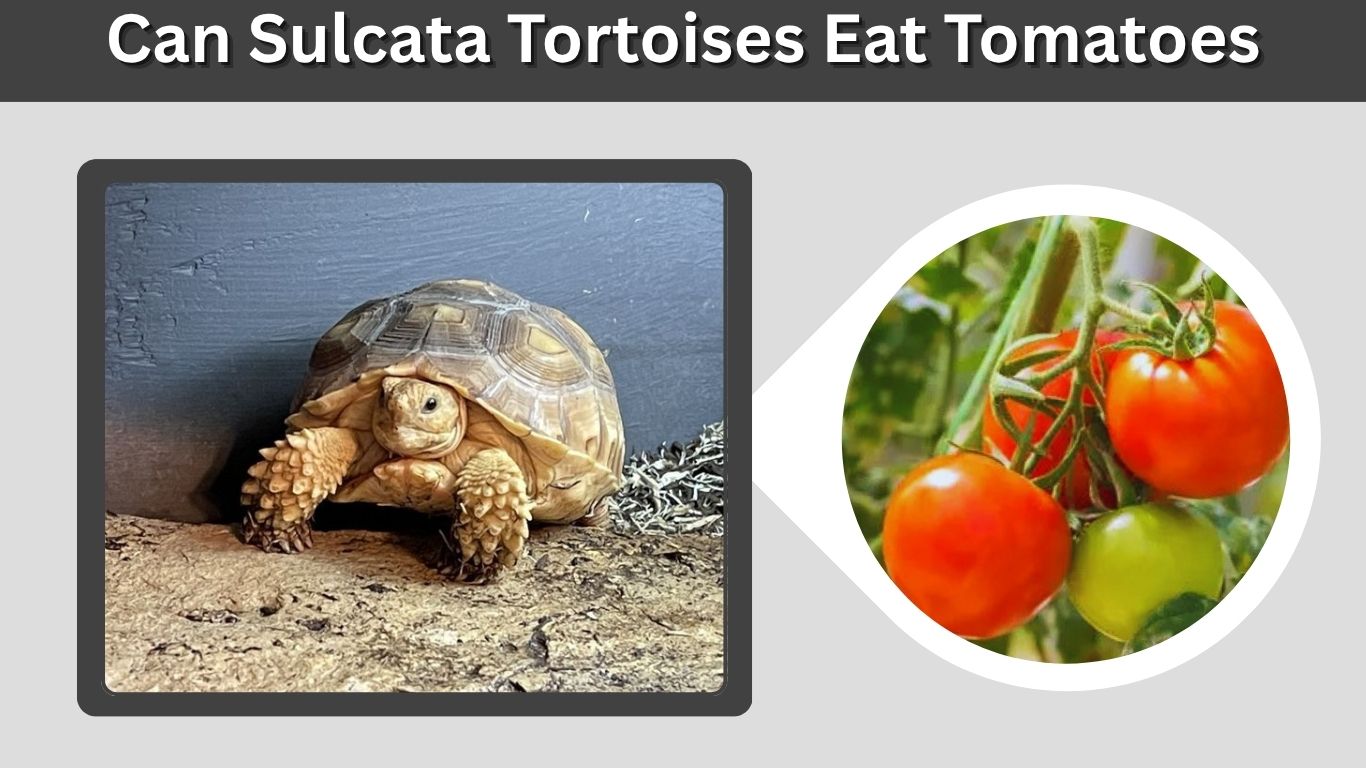
Sulcata tortoises can eat a tiny amount of ripe tomato flesh on rare occasions, but tomatoes should not be a regular part of their diet. These large grazing tortoises need high-fiber, low-sugar foods such as grasses, hay, weeds, and safe leafy plants. Tomato fruit is soft, watery, acidic, and too sugary for frequent feeding. Tomato leaves, stems, vines, and green unripe tomatoes should be avoided completely.
Are Tomatoes Safe for Sulcata Tortoises?
Ripe red tomato flesh is not usually considered highly toxic to sulcata tortoises in very small amounts. If your tortoise takes one bite of ripe tomato, it is unlikely to be an emergency. The problem is that tomatoes are not nutritionally suitable for sulcatas as a regular food.
Sulcata tortoises, also called African spurred tortoises, are arid-region grazers. Their digestive system is designed for rough, fibrous plant material. A diet too high in soft fruits and watery vegetables can upset digestion and contribute to poor nutrition over time.
Fruit is generally not ideal for sulcata tortoises because it adds too much sugar and moisture compared with their natural diet. Regular fruit feeding can lead to digestive problems and may encourage picky eating.
The Simple Answer
A sulcata tortoise can have a very small piece of ripe red tomato rarely, but it is better to avoid making it a habit. Tomatoes should be treated as an occasional treat, not a healthy staple.
Tomato plants are a different issue. The leaves, stems, vines, and unripe green tomatoes should not be fed because tomato plants contain nightshade compounds such as solanine and tomatine.
Why Tomatoes Are Not a Good Food for Sulcatas
Tomatoes may seem harmless because humans eat them often, but tortoises have very different dietary needs. Sulcatas need fiber, calcium, roughage, and slow-digesting plant material. Tomatoes are mostly water and are not a good source of the nutrition a sulcata needs for healthy shell and bone development.
A sulcata may enjoy tomatoes because they are soft, juicy, and flavorful. That does not mean they are good for daily feeding. Many tortoises will eagerly eat foods that are not ideal for them.
Main Concerns With Tomatoes
Too many tomatoes may cause problems such as:
- Loose stool or diarrhea
- Digestive upset
- Reduced appetite for grasses and hay
- Too much sugar in the diet
- Too much watery food
- Poor calcium balance
- Picky eating habits
- Unhealthy weight gain if treats are frequent
The occasional tiny piece is less concerning than repeated feeding. Long-term diet patterns matter more than one small bite.
Can Sulcata Tortoises Eat Tomato Leaves?
No, sulcata tortoises should not eat tomato leaves. Tomato leaves are part of the nightshade plant and may contain compounds that can irritate or harm animals. The same warning applies to tomato stems, vines, flowers, and green unripe tomatoes.
If you grow tomatoes in your yard, do not allow your sulcata to graze near the plants. A large sulcata can easily bite through garden plants, and it may eat leaves before you notice.
Why Tomato Leaves Are Risky
Tomato leaves and stems contain natural defensive compounds, including tomatine and solanine. These compounds are more concentrated in the green parts of the plant than in ripe fruit. For tortoises, the safest choice is complete avoidance.
Possible signs of a problem after eating unsafe plant material may include loss of appetite, weakness, diarrhea, unusual behavior, drooling, or lethargy. If your tortoise eats tomato leaves or vines, contact a reptile veterinarian for advice.
Can Sulcata Tortoises Eat Tomato Plants?
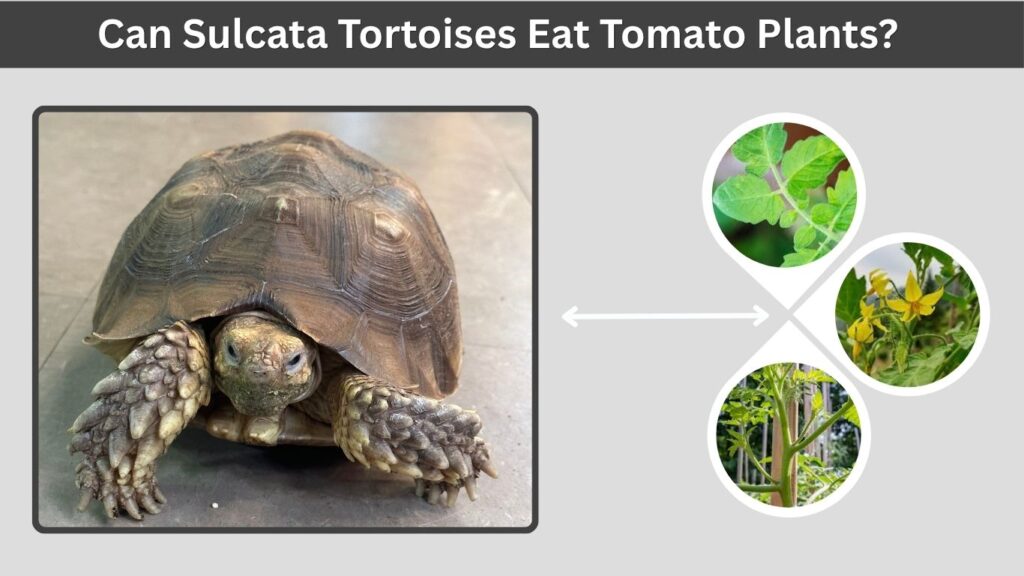
No, tomato plants should not be offered to sulcata tortoises. The ripe fruit and the plant are not the same from a safety point of view. A very small amount of ripe red tomato flesh may be tolerated occasionally, but the plant itself should be considered unsafe.
This includes:
- Tomato leaves
- Tomato stems
- Tomato vines
- Tomato flowers
- Green tomatoes
- Fallen plant pieces
- Pruned tomato cuttings
If your tortoise roams in a garden, fence off tomato plants and remove fallen leaves or damaged vines. Do not toss tomato plant trimmings into a tortoise enclosure.
Can African Spurred Tortoises Eat Tomatoes?
Yes, African spurred tortoises and sulcata tortoises are the same species. The name “African spurred tortoise” refers to Centrochelys sulcata, commonly called the sulcata tortoise.
So the same rule applies: a tiny amount of ripe red tomato flesh is not usually a major concern, but it should be rare. Tomato leaves, stems, vines, and unripe tomatoes should be avoided.
Why Species Matters
Some tortoise species can tolerate more fruit than sulcatas. Red-footed tortoises, for example, naturally eat a more varied diet that may include fruit. Sulcatas are different. They come from dry grassland and semi-desert environments, where their diet is mostly fibrous vegetation.
Feeding a sulcata like a fruit-eating tortoise can lead to health problems. Their diet should be based on grazing, not juicy fruits.
Can Baby Sulcata Tortoises Eat Tomatoes?
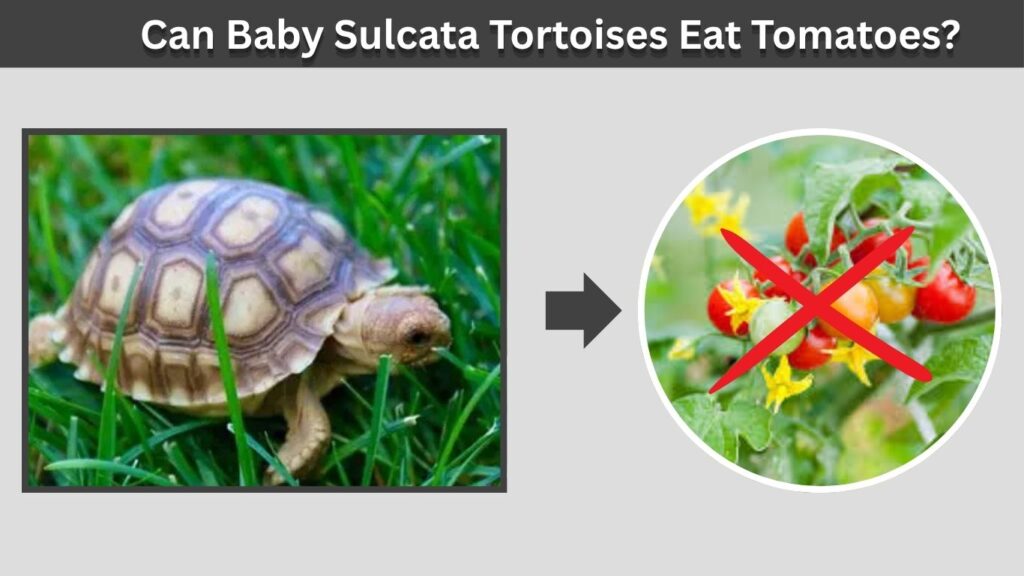
Baby sulcata tortoises should not be given tomatoes as a normal food. Young sulcatas need excellent nutrition for steady growth, strong bones, and proper shell development. They should eat finely chopped grasses, safe weeds, hay, and leafy greens appropriate for their species.
A baby tortoise has less room in its stomach than an adult. If it fills up on tomato, it may eat less of the foods it actually needs. Since baby sulcatas grow quickly, poor diet choices can show up in shell development and overall health.
Better Approach for Babies
For baby sulcatas, focus on:
- Tender grasses
- Chopped hay
- Safe weeds
- Dandelion greens
- Hibiscus leaves
- Mulberry leaves
- Grape leaves
- Endive
- Escarole
- Collard greens in rotation
Calcium, UVB exposure, hydration, and proper temperature are also essential. Diet alone cannot support shell health if lighting and habitat are wrong.
Can Sulcata Tortoises Eat Cherry Tomatoes?
A sulcata tortoise can technically eat a small piece of ripe cherry tomato, but it should be rare and limited. Cherry tomatoes are still tomatoes, and they are still fruit. They may be even easier to overfeed because they are small and sweet.
Do not give a whole cherry tomato to a small tortoise. It can be messy, overly juicy, and too much at once. If offered at all, cut a tiny piece and mix it into better greens.
Can Sulcatas Eat Grape Tomatoes?
The same rule applies to grape tomatoes. A tiny piece of ripe grape tomato may be tolerated, but it should not become a routine treat. Avoid green grape tomatoes, tomato leaves, and all plant parts.
Because sulcatas can become picky, it is often better not to introduce sweet foods often. A tortoise that learns to prefer tomatoes may ignore hay and greens.
How Much Tomato Can a Sulcata Tortoise Have?
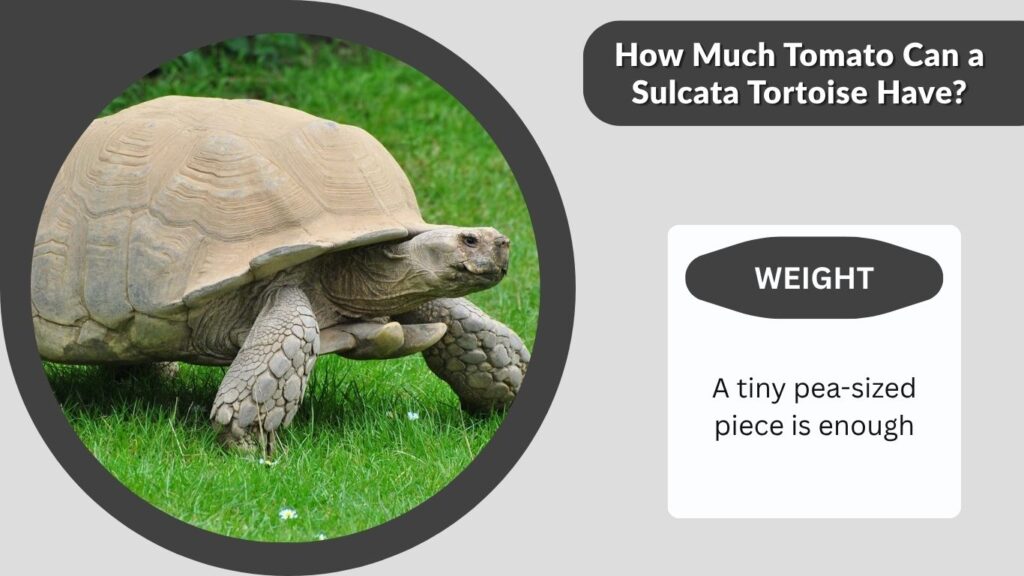
If you decide to offer tomato, keep the amount very small. For a young sulcata, a tiny pea-sized piece is enough. For a larger sulcata, a small bite mixed into greens is plenty. Do not feed tomatoes daily or even several times a week.
Many keepers choose to avoid tomatoes completely because there are better foods available. That is a reasonable choice. Sulcatas do not need tomatoes for health.
Safe Serving Tips
If feeding a small amount of tomato:
- Use only ripe red tomato flesh.
- Remove green parts and stem area.
- Wash it well.
- Cut it into tiny pieces.
- Feed rarely.
- Mix with high-fiber greens.
- Do not add salt, oil, dressing, or seasoning.
- Remove leftovers quickly.
Never feed tomato sauce, ketchup, salsa, canned tomatoes with salt, cooked tomato dishes, or tomato-based human meals. These often contain salt, onion, garlic, spices, oil, or preservatives.
What Should Sulcata Tortoises Eat Instead?
A healthy sulcata diet should be mostly grasses and hay. Their natural feeding style is grazing, so the best captive diet should copy that as much as possible. Care guides for African spurred tortoises emphasize a high-fiber, grass-based diet because diet affects shell strength, digestion, and long-term health.
Better Staple Foods
Better daily or regular foods include:
- Bermuda grass
- Orchard grass
- Timothy hay
- Native grasses
- Dandelion greens
- Mulberry leaves
- Grape leaves
- Hibiscus leaves and flowers
- Cactus pads without spines
- Endive
- Escarole
- Collard greens
- Turnip greens
- Mustard greens
- Safe edible weeds
Leafy grocery greens can help when safe weeds and grasses are not available, but they should not replace hay and grazing for sulcatas.
Foods Sulcata Tortoises Should Avoid
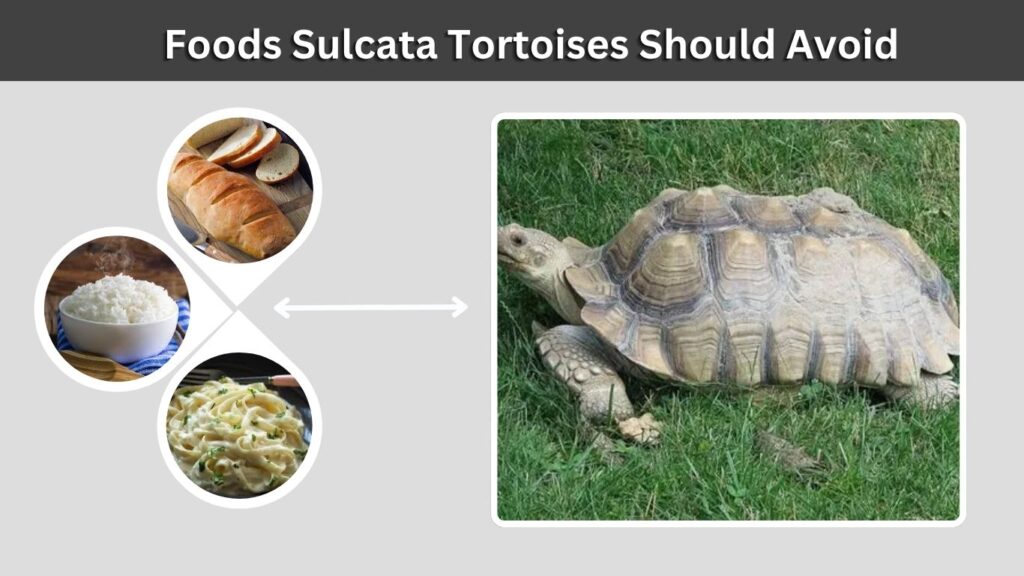
Tomato plants are only one example of foods that are not suitable. Sulcatas should not eat animal protein, processed food, salty food, or many common human leftovers.
Avoid These Foods
Do not feed:
- Tomato leaves, vines, and stems
- Green unripe tomatoes
- Onion
- Garlic
- Avocado
- Rhubarb leaves
- Dog food
- Cat food
- Meat
- Dairy
- Bread
- Pasta
- Rice
- Candy
- Processed human food
- Salty canned vegetables
- Seasoned cooked dishes
Animal protein is especially inappropriate for sulcatas. It can contribute to serious health problems because they are built for a plant-based grazing diet.
What If Your Sulcata Ate Tomato?
If your sulcata ate a small piece of ripe red tomato, do not panic. Remove any leftovers and return to a normal high-fiber diet. Watch for loose stool, reduced appetite, or unusual behavior.
If your tortoise ate tomato leaves, stems, vines, or a large amount of tomato fruit, call a reptile veterinarian for guidance. This is especially important for baby tortoises, sick tortoises, or tortoises showing symptoms.
Signs to Watch For
Monitor your tortoise for:
- Diarrhea
- Refusing food
- Weakness
- Lethargy
- Swollen eyes
- Drooling
- Unusual movement
- Bloating
- Dehydration
- Behavior changes
A reptile vet can advise whether observation is enough or whether your tortoise needs care.
Why Treat Foods Should Stay Rare
Sulcatas are long-lived animals. A poor diet may not cause visible harm immediately, but it can create problems over months or years. Too much soft, sugary food can affect digestion, growth, shell condition, and overall health.
The goal is not to ask, “Can my tortoise survive eating this?” A better question is, “Does this food support the diet my tortoise is built to eat?” For tomatoes, the answer is mostly no. A tiny piece of ripe fruit is not the same as a healthy food.
FAQs
Can sulcata tortoises eat tomatoes every day?
No, sulcata tortoises should not eat tomatoes every day. Tomatoes are too watery, acidic, and sugary for regular feeding. Sulcatas need a high-fiber diet based mostly on grasses, hay, weeds, and safe leafy plants. Daily tomato feeding may cause digestive upset and poor nutrition.
Can sulcata tortoises eat tomato leaves?
No, sulcata tortoises should not eat tomato leaves. Tomato leaves, stems, vines, flowers, and green tomatoes contain nightshade compounds such as tomatine and solanine. These plant parts should be kept away from tortoise enclosures, gardens, and grazing areas.
Can baby sulcata tortoises eat tomatoes?
Baby sulcata tortoises should not be given tomatoes as a normal food. They need high-fiber, calcium-supporting foods for shell and bone development. A tiny accidental bite of ripe tomato may not be serious, but tomatoes should not replace grasses, weeds, hay, or leafy greens.
Can sulcata tortoises eat cherry tomatoes?
Sulcata tortoises can eat a tiny piece of ripe cherry tomato rarely, but it is not recommended as a regular treat. Cherry tomatoes are still sugary and watery. Avoid whole tomatoes, green tomatoes, and all tomato plant parts, including leaves and stems.
What should I feed my sulcata instead of tomatoes?
Feed mostly grasses and hay, such as Bermuda grass, orchard grass, and timothy hay. Add safe weeds and greens like dandelion greens, hibiscus leaves, mulberry leaves, grape leaves, endive, escarole, collard greens, turnip greens, and cactus pads. Keep fruit and watery treats rare.